When people think about threats to pets, their minds usually jump straight to the headline animals. Mountain lions. Wolves. Bears. Gators. Big, dramatic predators get all the attention, and sure, they can be a real danger in the right place. But across most of the country, a whole lot more pets are lost to animals that do not make the same kind of noise in the public imagination. The real killers are often common, adaptable, close to home, and already living around neighborhoods, pasture edges, creek bottoms, and trash routes where dogs and cats get a little too comfortable.
That is what makes this topic worth talking about plainly. A pet does not have to wander deep into the woods to get in trouble. Trouble may already be crossing the fence at night, slipping under the porch, cruising the alley, or watching from the tree line behind the yard. A lot of these animals do not look all that impressive by themselves. Some are not especially big. Some are not even wild in the strictest sense. But they kill pets every year because they are opportunistic, territorial, desperate, or simply built to take advantage of small animals that are left exposed. Here are 15 animals that kill more pets than most “big predators” ever do.
Coyotes

Coyotes are probably the single biggest pet predator most people need to worry about, especially when it comes to small dogs and outdoor cats. They are everywhere now. Suburbs, small towns, farm country, desert edges, creek corridors, golf courses, and neighborhoods backed up to drainage lines all give them plenty of room to move. They do not need deep wilderness. They just need cover, food, and a chance. A small dog left out at dawn, dusk, or after dark can be gone fast, and outdoor cats are even more vulnerable because coyotes already know how to hunt that size animal.
The reason coyotes kill so many pets is not mystery or malice. It is access. They are around more often than the bigger predators are, and they are bold enough to work close to homes once they learn the routine. A barking dog on a leash may be fine. A little dog turned loose for “just a minute” is a much easier story for a coyote. Folks love to assume they would see the threat coming, but coyotes are built to use gaps, angles, and timing. By the time most owners realize one was close, it has already happened.
Loose and feral dogs

People do not always like hearing it, but loose dogs kill a whole lot of pets. In some places they may be an even bigger problem than coyotes. Packs of roaming dogs or even one large, poorly controlled dog can kill cats, smaller dogs, chickens, rabbits, goats, and whatever else they decide to harass. It does not take “wild” behavior in the movie sense either. Plenty of these attacks come from dogs that belong to somebody but are allowed to roam or break containment often enough to become a real neighborhood threat.
What makes dogs so dangerous is the combination of familiarity and power. People lower their guard around them because the shape is familiar. Then a dog that has no business being loose comes into a yard, corners a pet, and goes to work before anyone gets there in time. Unlike some wild predators that snatch and leave, dogs often maul, chase for the sake of the chase, or keep returning once they find easy targets. That makes them one of the most damaging pet killers around, even if they rarely get discussed with the same seriousness as true wildlife predators.
Raccoons

Raccoons do more damage to pets than people give them credit for, especially to cats, small dogs, poultry, and animals kept in outdoor hutches or weak enclosures. A raccoon is not some harmless masked scavenger just because it looks clever on a trail camera. It has fast hands, sharp teeth, and a bad attitude when cornered. Around pet food bowls, chicken coops, porches, garages, and sheds, raccoons and pets run into each other all the time. When that happens, the raccoon is more than capable of inflicting serious damage or outright killing a smaller animal.
The danger gets even worse when disease enters the picture. A raccoon with distemper or rabies can act far bolder than normal and start conflicts that a healthy raccoon might avoid. Even a healthy one can kill chicks, attack caged pets, maul kittens, or fight a small dog hard enough to cause lasting injuries. They are not the biggest predator on the map, but they are common, close to human homes, and perfectly capable of making a pet owner’s “it was only out there for a minute” turn into a permanent regret.
Birds of prey

Hawks, owls, and eagles are not taking full-grown Labradors out of the yard, but they absolutely kill plenty of small pets. Kittens, toy-breed puppies, rabbits, guinea pigs, and backyard poultry are all vulnerable when left exposed. Red-tailed hawks, great horned owls, and other raptors are opportunists, and if a small animal is moving in the open without overhead cover, it may as well be announcing itself. A lot of owners do not think about aerial predation at all until they lose something.
This tends to hit people who keep tiny pets outside in runs or who let very small dogs wander a yard with no real shelter nearby. Even if the bird cannot carry the animal far, it can still kill or badly injure it on impact. Great horned owls in particular are powerful enough to do real damage under the cover of darkness, when owners are least likely to be watching. Birds of prey do not leave the same kind of dramatic sign as a coyote, which is part of why they get missed in these conversations more often than they should.
Snakes

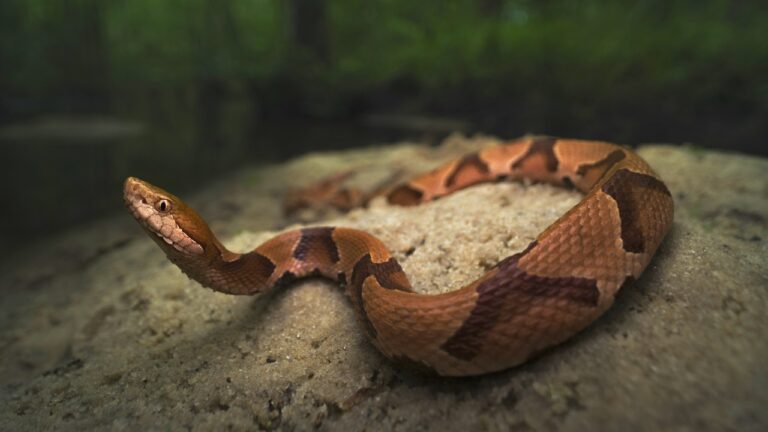
Snakes kill more pets than a lot of people realize, especially in warm regions where dogs and cats cross paths with venomous species regularly. The pet may not even understand the threat until it is already too close. Dogs are especially prone to getting bitten because they investigate with their nose and rush what they do not recognize. Cats fare a little better thanks to speed and caution, but they are still at risk, especially around woodpiles, sheds, rocks, brush, ponds, and barns where snakes like to hold.
The reason snakes belong on this list is that they are common, hidden well, and capable of turning a routine yard moment into an emergency fast. A rattlesnake, copperhead, cottonmouth, or coral snake does not need to “hunt” your pet the way a coyote would. It just needs your pet to blunder into range. Small dogs can die quickly from a bad envenomation, and even larger ones can face severe swelling, tissue damage, or a brutal recovery. That is a whole lot more common in many areas than a dramatic attack from some giant predator.
Alligators

In the South, alligators account for more pet losses than plenty of so-called major land predators. Small and medium-sized dogs near ponds, canals, retention basins, bayous, golf course water, and neighborhood lakes are especially vulnerable. The problem is that people get used to seeing still water and stop treating it like predator habitat. The dog runs to the edge, leans in, splashes, or trots the same bank it has always trotted, and the alligator gets the one short-distance chance it was waiting for.
That is why gator country changes how people should think about dog walks. A leash is not just for obedience there. It is distance control. Most pet losses happen because the animal got too close to the waterline, especially at dawn, dusk, or night when visibility drops and gators often get more active near shore. People hear about bear country and lion country all the time, but plenty of pet owners in the Southeast would tell you the water itself is the bigger issue. An alligator does not need to roam your yard. It just needs your pet at the edge.
Foxes

Foxes are not always thought of as serious pet killers, but they absolutely belong in this conversation, especially when the pets are small. Kittens, toy-breed puppies, backyard poultry, rabbits, and other vulnerable animals can all end up on a fox’s menu. In many places foxes live right on the edge of neighborhoods and farmsteads, hunting mice by night and slipping through quiet spaces people barely notice. That makes them a more regular threat than their size might suggest.
Part of the problem is that foxes look slight and almost delicate compared to coyotes. People assume they are too small to matter. But a determined fox does not need to take on a large dog to cause a problem. It needs access to something easy. A tiny dog left outside, a cat that roams after dark, or unsecured poultry can all be worth the risk. They may not rack up the same headlines as bigger predators, but in terms of real pet losses, foxes do more damage than many people want to believe.
Bobcats

Bobcats are not nearly as widespread around neighborhoods as coyotes, but where they are common, they take their share of pets. Outdoor cats are obvious targets, and small dogs can be vulnerable too, especially in semi-rural areas, wooded subdivisions, and places where brush, creeks, and deer habitat give bobcats plenty of cover. Bobcats do not need to make much noise or leave much sign. That is part of what makes them hard to account for after the fact.
A bobcat usually wants a clean, low-risk opportunity. It is not looking to brawl with a big dog or charge through a crowded backyard. But a cat slipping along a fence line at night or a tiny dog left out near heavy cover can be exactly the kind of opportunity it takes. They are efficient enough that the whole event may be over fast, and the lack of obvious commotion causes people to blame anything but the cat that was watching from the brush. In the right regions, bobcats kill more pets than many larger, more talked-about predators.
Skunks

Skunks are usually discussed as disease carriers and smell-makers first, but they can kill pets too, especially very small ones and anything confined. Chicks, ducklings, rabbits, kittens, and weak or cornered animals can all fall victim to a skunk. They are also a major problem because even when they do not kill outright, they can bite, spread disease, and create bad veterinary emergencies through direct conflict. A dog that tangles with a skunk may survive the encounter, but that does not make it a harmless one.
Where skunks really stand out is around coops, low enclosures, underbuildings, porches, and feed areas. They move quietly, work at night, and exploit small security failures people overlook. That makes them much more common pet and livestock threats than many dramatic predators that only show up in the occasional headline. They do not need to be huge to be effective. They just need your pet or poultry in the wrong spot at the wrong time.
Opossums

Opossums are another animal people wave off as too harmless-looking to matter, but they can and do kill vulnerable pets and small stock, especially young poultry, nestlings, and confined animals that cannot get away. A possum is not going around hunting large pets, but that is not the point. The point is frequency. They live close to houses, they raid enclosures, and they will take advantage of easy animal protein whenever they find it. That puts them in far more backyards than any mountain lion or wolf is ever going to visit.
They are also a problem because pet owners often underestimate what “small predator” even means. If you keep rabbits outside, have a brooder setup, or allow tiny pets on porches or patios in weak cages, an opossum can absolutely turn that into a loss. Around food bowls and trash, they also spark fights with cats and dogs, and a cornered possum can bite harder than people expect. They are not at the top of the list, but they still account for more pet trouble than plenty of bigger animals.
Weasels and mink

Weasels and mink are small, but they are brutal little killers around poultry, rabbits, and any small pet kept in an enclosure they can breach. A lot of owners do not even think to protect against them because the openings they use look too small to matter. Then they wake up to a run full of dead birds or a rabbit gone from a pen that looked fine the night before. These animals are built for slipping into tight spots, killing fast, and disappearing before anybody knows what happened.
They are not major threats to full-sized pet dogs or cats, but in terms of the kinds of pets people keep in backyards, they punch way above their weight. Rabbits, guinea pigs, chicks, quail, and ornamental birds are all very vulnerable. This is exactly the kind of predator category that gets ignored because people are busy worrying about coyotes, while a much smaller animal is doing repeated damage close to the house. Common does not always mean obvious.
Feral cats

People usually think of cats as victims in these conversations, but feral cats are also killers, especially of smaller pets and backyard animals. Chicks, songbirds kept in outdoor aviaries, young rabbits, lizards, and anything tiny enough to trigger that hunting response can be in trouble. A single feral tom can work an area hard, and colonies around barns, alleys, and feed spots create even more pressure on small animals. They are not killing medium-sized dogs, obviously, but in terms of overall pet and small stock losses, they do real damage.
They also cause problems through fights with owned cats, transmission of parasites and disease, and pressure on any weak or aging pet that ventures outside. Because they are so common and visually familiar, people do not always count them as predators, even when the evidence is right there. That is part of why they deserve a place on this list. Plenty of “big predators” get all the fear, while smaller daily threats keep stacking up losses in plain sight.
Rats

Rats kill more small pets and baby animals than most people want to imagine. They raid cages, chew into brooders, attack nestlings, and can kill vulnerable rabbits, chicks, and even weakened kittens or puppies under the right conditions. They do not need to be dramatic to be destructive. A feed room, shed, coop, garage, or tack area with easy access and poor control can support enough rats to create a steady danger to anything tiny, young, or trapped in one place.
The reason they matter is numbers and proximity. A person may never see a wolf on the property, but rats may be living under the floor, behind the feed bin, or inside the wall of the coop. They also spread disease and attract bigger predators, which creates a layered problem. In terms of direct pet safety, they are one of those ugly everyday realities that get less attention than they deserve because they do not fit the big dramatic predator image.
Otters

Otters surprise people, but they are absolutely capable of killing pets in the right circumstances, especially around ponds, marinas, river edges, and properties with fish, ducks, or small animals near water. They are fast, territorial, and much meaner than their playful reputation suggests when conflict starts. Small dogs near the shoreline can get in trouble fast, and otters will absolutely kill poultry, fish, and other easy targets if they get the chance.
This is one of those predators that feels out of place until you talk to somebody who has actually had them on a property. Then the tone changes pretty quickly. They are not a nationwide top threat in the same way coyotes are, but where they are present, they can do more damage than owners expect because nobody was guarding against them in the first place. That underestimation is part of what makes them successful.
Bears

Bears get more headlines than many of the animals above, but in day-to-day pet loss numbers across much of the country, they still trail the smaller, more common threats. Even so, they belong on the list because where bears do overlap with people, pets often end up in bad spots around food, garbage, porches, kennels, and dog-bear confrontations that owners did not intend to start. A dog that rushes a bear may trigger a deadly response fast, and smaller animals around unsecured attractants can easily get caught in the fallout.
The point here is not that bears are the top pet killer everywhere. It is that they get far more attention than the animals that usually do more damage. A bear attack on a pet feels dramatic and memorable, so it sticks. Meanwhile, coyotes, dogs, raccoons, and the rest keep piling up quieter losses night after night. That contrast is worth remembering. Fear usually follows the big animal. Actual risk often follows the common one.
Like The Avid Outdoorsman’s content? Be sure to follow us.
Here’s more from us: