Photo credit: David Thielen/Unsplash.com
A lot of people still picture wild animals as either slow and lumbering or quick only in rough country. That is a good way to get yourself humbled. Plenty of animals can flat-out smoke a human even without hills, brush, rocks, or bad footing helping them out. National Park Service guidance is blunt about some of this. Bison can run up to 35 mph, black bears have been clocked around 35 mph, grizzlies up to 40 mph, and pronghorn can sustain 45 to 50 mph. Texas Parks and Wildlife also warns that alligators can hit 35 mph for short distances on land.
That matters because people still make two bad assumptions. First, they think they will have time to react if an animal gets serious. Second, they think flat ground gives them a fair shot. It does not. Even a reasonably fit person is nowhere close to these speeds, and most of these animals also turn, pivot, and accelerate better than people do. So this list is not about which animals are “meanest.” It is about the wild animals that can outrun you in a hurry, even when the ground is level and you think you have room to move.
Pronghorn
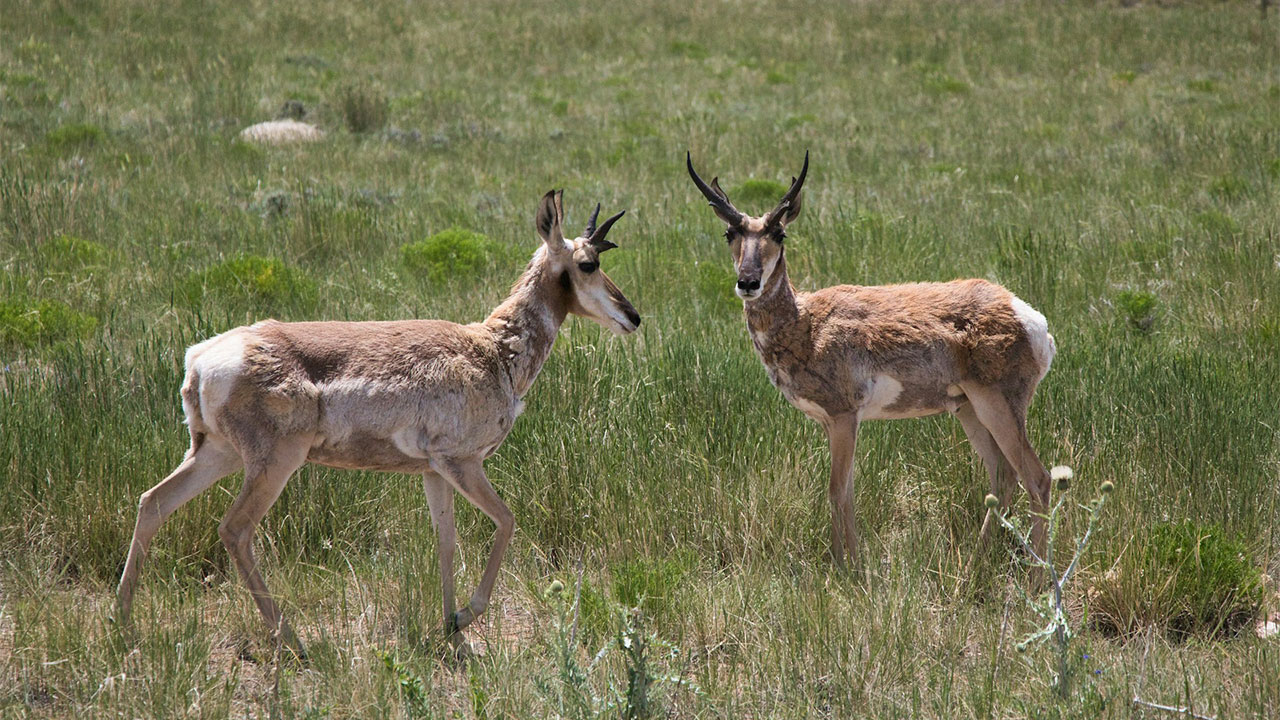
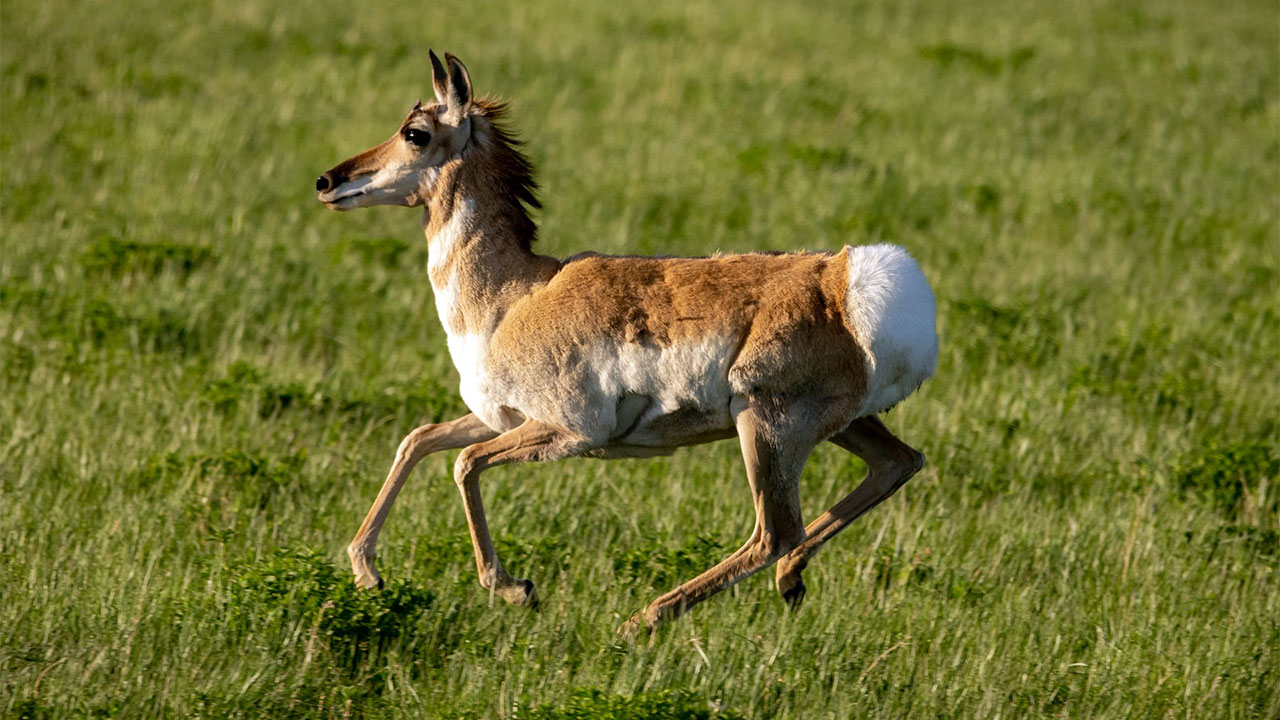
If you want a reminder that humans are not built to win footraces against wildlife, start with the pronghorn. Yellowstone says pronghorn can run sustained sprints of 45 to 50 mph, and Grand Teton notes they can hit up to 60 mph, making them the fastest land animal in North America. That is not a little faster than you. That is a completely different category of speed.
The bigger point is that pronghorn are doing this in the kind of country people often think of as “open enough to be safe.” Wide flats, sage country, prairie edges, and rolling ground all work in their favor, not yours. If an animal built for that terrain decides to move, you are not staying with it for five seconds. A pronghorn is a good reminder that flat country is often where wildlife speed becomes the most obvious, not the least.
Bison
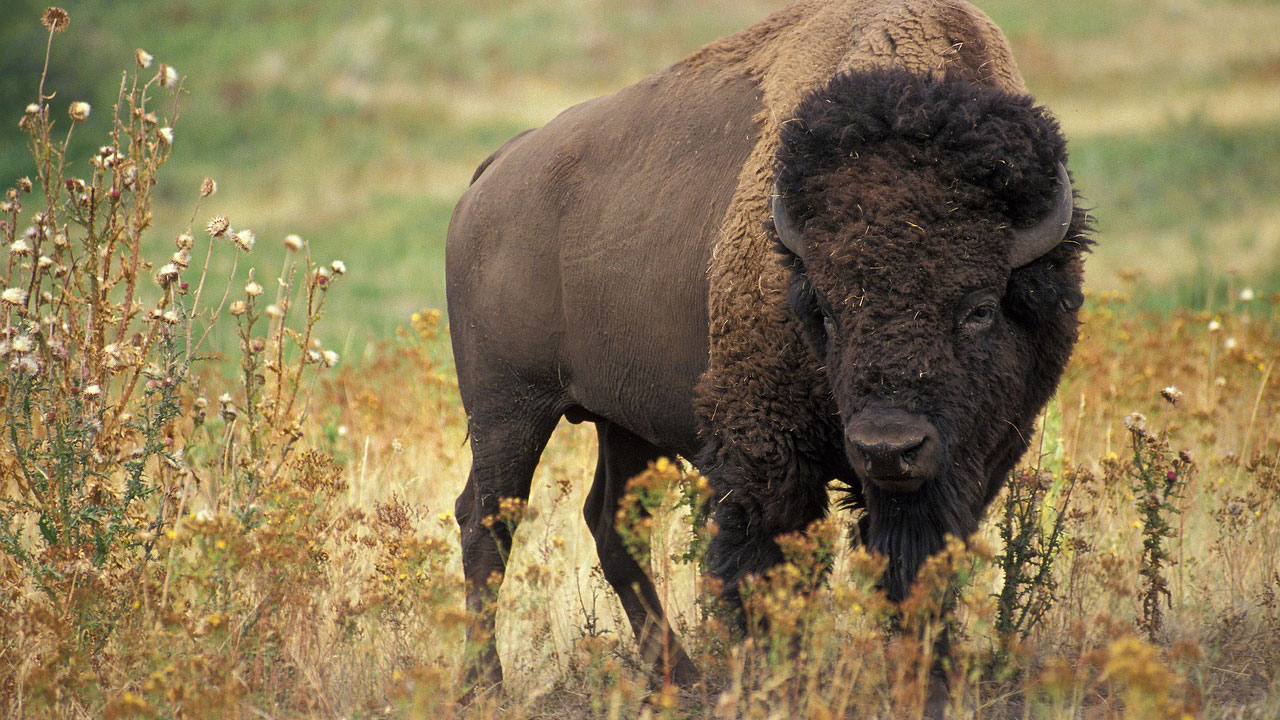
Bison fool people because they are massive. Folks see all that weight and assume there is no way the animal can really move. Yellowstone says a bison can run up to 35 mph, and NPS safety guidance flatly says they are faster than you. It also notes they pivot quickly, which is exactly the part people overlook when they start acting casual around them.
This is why bison are one of the worst animals to underestimate on open ground. Flat terrain does not slow them down. It gives them more room to build speed and close distance. People love to think they will just sidestep or backpedal if one gets cranky. That idea falls apart the second a 2,000-pound animal starts moving harder than you expected. If a bison decides you are too close, the race is already over.
Grizzly bears
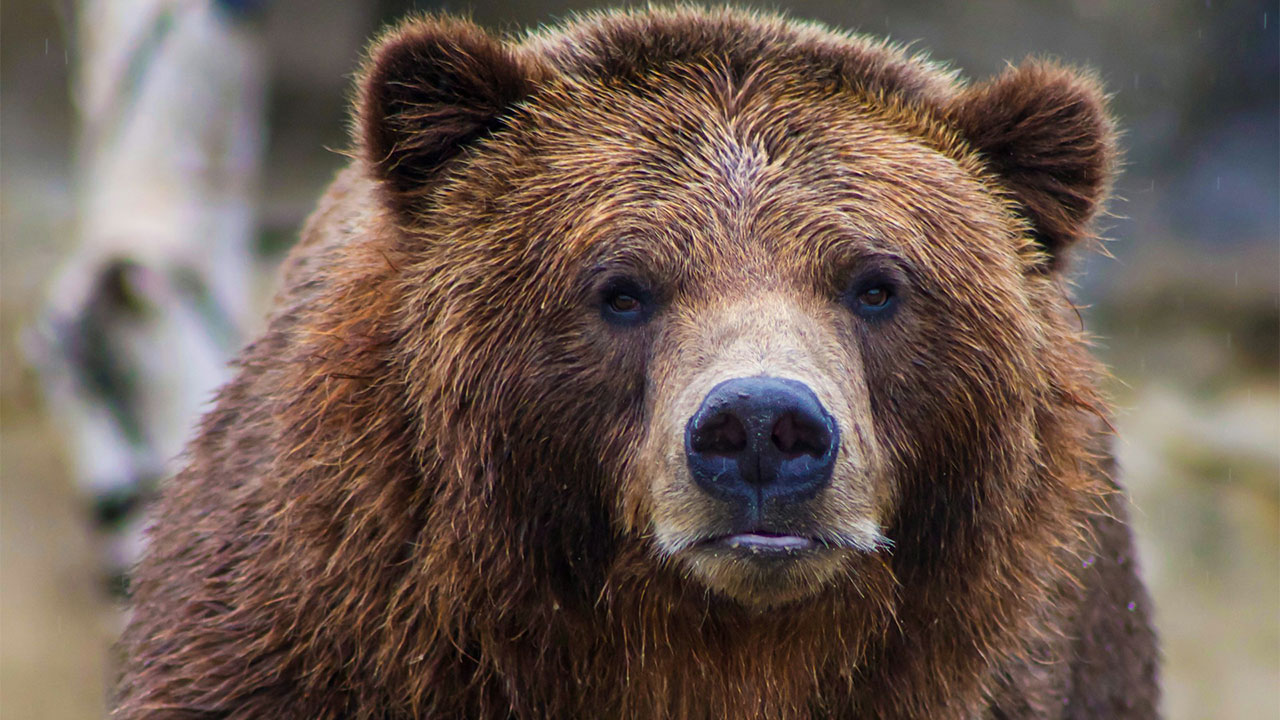
Grizzlies do not need rough country to beat you. Yellowstone says they can run up to 40 mph, and park backcountry guidance is clear that you cannot outrun a bear. That is one of the most consistent safety messages parks repeat, and for good reason. People still panic and think running is somehow going to fix the situation. It will not.
What makes grizzlies even worse in a bad encounter is not just top speed. It is how fast that speed shows up. A big bear covers ground in a hurry, and people rarely appreciate that until they see one move with purpose. Flat ground does not buy you safety there. It removes one of the few excuses you might have had for being slow. If a grizzly is close enough to matter, your plan should not involve trying to outrun it under any circumstances.
Black bears

Black bears get the same treatment from a lot of people. They look less intimidating than grizzlies, so folks convince themselves they would have a better chance. Glacier lists black bears at a top speed of 35 mph, and Kenai Fjords says bears have been clocked up to 35 mph and specifically warns visitors not to run. That warning exists because people keep making the same bad decision.
On flat ground, a black bear is still going to beat you badly. That matters in campgrounds, timber edges, berry patches, creek bottoms, and the kind of mixed country where people tend to feel a little too comfortable. You might think you have a straight shot back to the truck or trailhead. The bear still has more speed, better traction, and a whole lot more power. Running only makes you easier to chase and easier to catch.
Coyotes
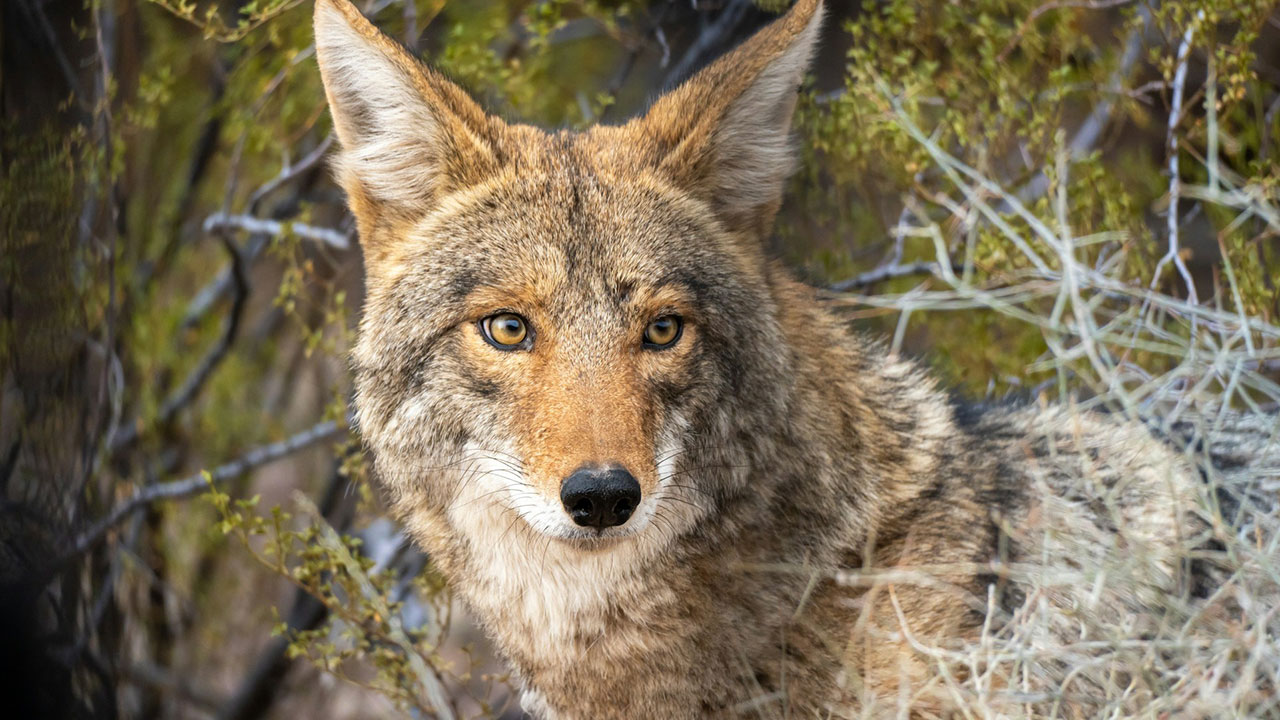
Coyotes are not as physically overwhelming as bears or bison, but they are still faster than most people want to admit. Pipestone National Monument says a coyote can run up to 40 mph. That is plenty of speed to erase the fantasy that you are going to beat one in a sprint if something goes sideways.
Now, a coyote is not usually trying to run down an adult human. That is not the point. The point is that people misjudge what “small” predators can do on open ground. Coyotes are built to move efficiently across flats, fencelines, washes, pasture, and broken suburban edges. If one is testing distance, trailing a pet, or acting weirdly bold, do not comfort yourself with the idea that you can simply outrun the problem. You cannot.
Wolves
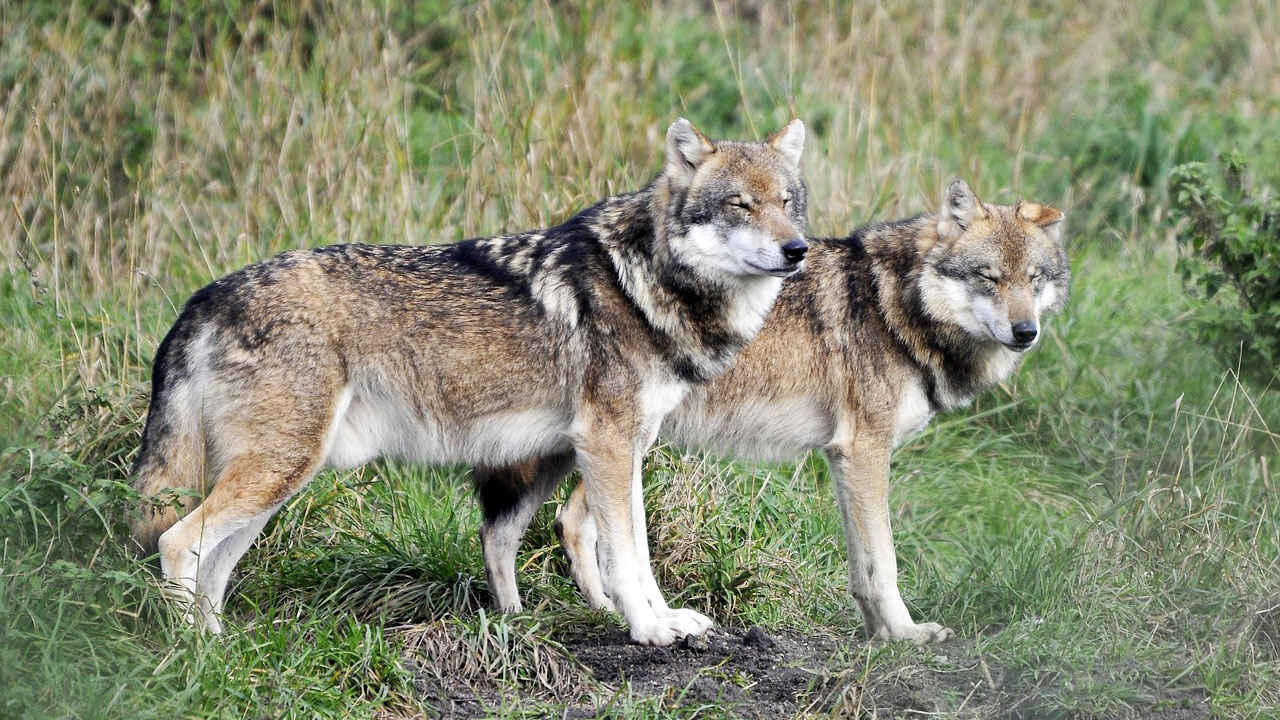
Wolves are another animal people talk about like they are just big dogs with some extra attitude. Yellowstone material comparing wolves and pronghorn notes a top speed of about 35 mph for wolves. That puts them well outside human sprint range and explains a lot about why healthy prey animals need serious awareness to avoid them in the wild.
The important part here is that wolves are endurance movers too. Open country and flat ground are not disadvantages for them. Those are the places where efficient movement matters most. Again, this is not about saying wolves are likely to chase people on foot. It is about understanding what kind of athlete you are dealing with. If you ever catch yourself thinking, “I could probably get away if I had a straight path,” a wolf is a pretty good example of why that thinking needs to die.
Moose

Moose surprise people because they do not look built for speed. They look tall, awkward, and like they ought to be clumsy once they really get going. Bering Land Bridge says a moose can run at speeds of 35 mph. That is a brutal wake-up call for anybody who thinks sheer size makes an animal slow.
This matters a lot because moose encounters often happen in places where people feel boxed in by cover and then assume flat openings are their escape route. Bad plan. A moose can cross that same open ground faster than you can, and it does not need to be a predator to be dangerous. If it is agitated, protecting a calf, or just tired of your presence, it can close distance way faster than most people think possible. You are not outrunning that on level ground.
Elk
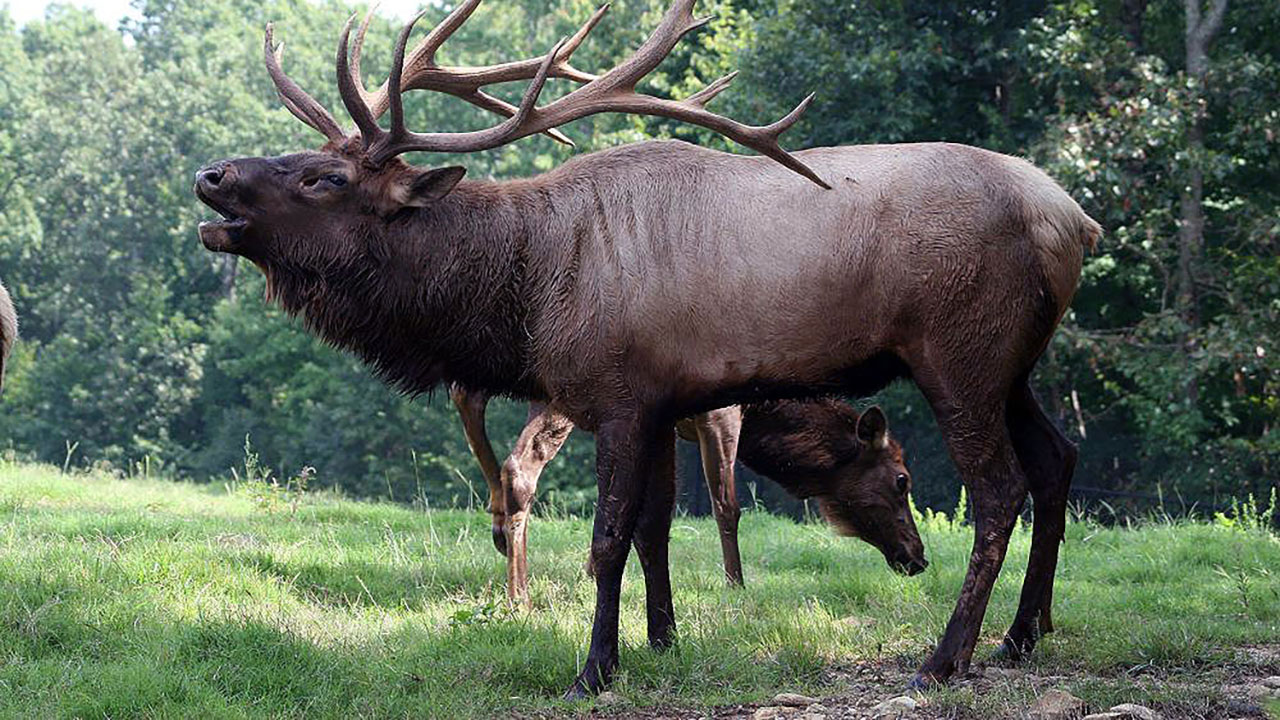
Elk do not always get listed with the “fast” animals in casual conversation, which is funny because they absolutely should. Great Basin describes elk as large animals that can jump high and cover ground with ease, and Yellowstone safety guidance warns that elk can run toward people and kick hard when protecting calves. Even without an official speed number from the park snippet here, the safety messaging makes the point: an elk can move a lot faster than people expect.
Flat ground does not help you much with elk because they are long-legged, balanced, and built to travel. In rut or calving season especially, you do not want to be the person who mistakes a big open lawn, meadow, or roadside shoulder for a safe buffer. Those are exactly the kinds of spaces where an elk can eat up the gap fast enough to make your reaction time feel useless. If one is keyed up, distance beats speed every time.
Bighorn sheep

People do not usually think of bighorn sheep as outrunning animals until they remember what kind of country they live in and how explosive they are. Bighorn Canyon notes that bighorn rams can reach speeds up to 40 mph when clashing during mating season. That is impressive on its own, but it also says something about how much force and acceleration these animals can generate.
Even though people associate them with steep country, that speed still matters on flatter benches, valley bottoms, and open approaches where humans tend to relax. A bighorn may not be the first animal you would think of in a race, but that is exactly why it belongs here. Wildlife does not have to look like a track star to leave you behind. Sometimes the animal that seems built only for cliffs can still flat embarrass you the second the ground opens up.
Alligators

Alligators are one of the most misunderstood animals on this list. People love to act like they are slow as long as you stay on land. Texas Parks and Wildlife says that is the wrong idea and notes alligators can run up to 35 mph for short distances on land. It also says it is extremely rare for wild alligators to chase people, which is important, but rare does not mean impossible and it definitely does not mean slow.
That short-distance speed is exactly what matters in a close encounter. You are not trying to beat an alligator in a mile run. You are trying not to get caught in the first burst, and flat ground will not save you there. Shorelines, pond banks, canals, and wet pasture edges are the kind of places where people get far too comfortable. If an alligator feels cornered or decides to lunge, your odds are not improved by pretending it moves like a lazy log with teeth.
Red foxes
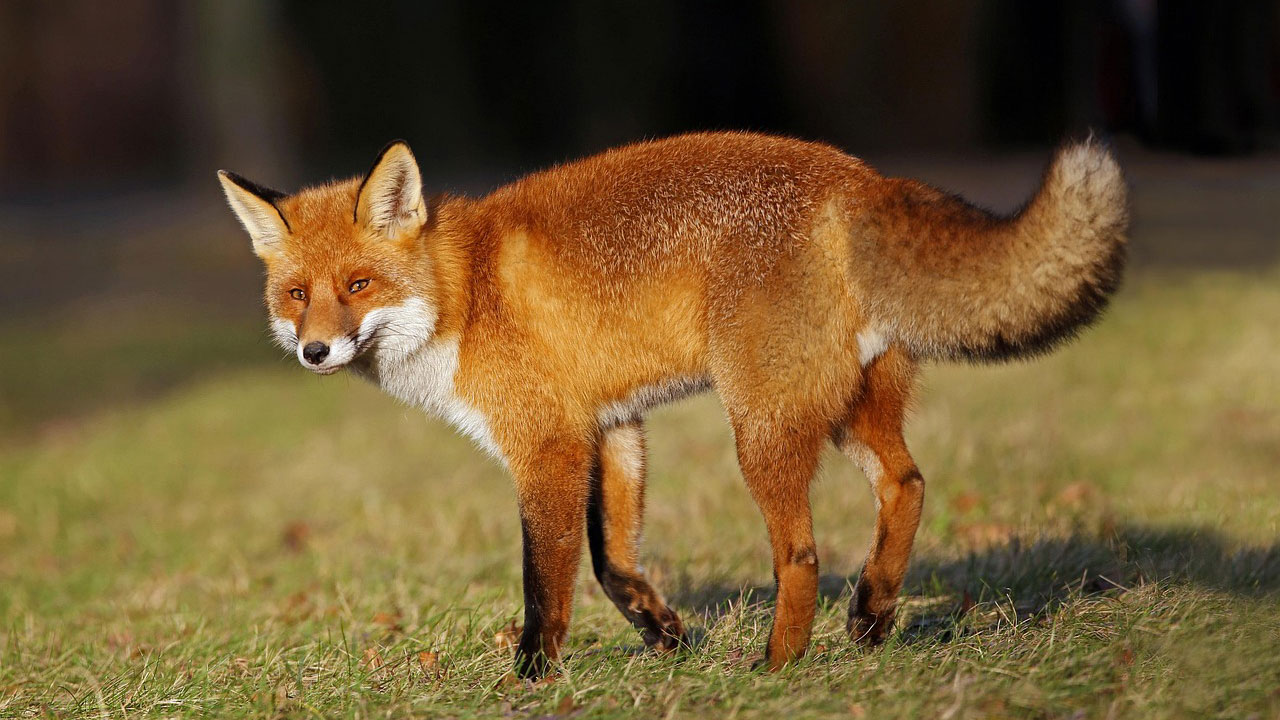
Red foxes are not usually dangerous to people, but they make this list because they are another animal people underestimate based on size. Pipestone notes the red fox can clear 15 feet in a single leap, which tells you plenty about how athletic and explosive they are even if the snippet does not give a flat-out top-speed number.
Why include them here? Because a lot of people still think smaller wild animals are only quick in short little zigzags and could be outrun in the open. A fox is a good reminder that wild canines are built for movement in a way most humans are not. On flat ground, a red fox is going to accelerate, turn, and keep its feet under it far better than you will. You are not winning that kind of race either.
Mountain lions

Mountain lions are one of those animals where the exact speed matters less than the obvious point: if it decides to move hard, you are not matching it. They are ambush predators built around explosive power, and open ground is not some guarantee that you will escape one on foot. Safety guidance across parks consistently warns people not to run from large predators, because that response makes things worse, not better.
A lion is not built like a distance runner. It is built like a spring. That matters because people often imagine outrunning danger as a straight-line problem. With big cats, it is an acceleration problem. Flat ground gives them room to launch and you very little time to think. If you ever find yourself relying on sprint speed as your survival plan in lion country, you are already leaning on the weakest card in your hand.
Deer

Deer are not predators, but they absolutely belong in a discussion about animals that can outrun you. Anybody who has watched a whitetail or mule deer explode across a field already knows the deal. They are fast, springy, and built to cover ground in bounds that make a human look clunky. NPS notes mule deer can perform running long jumps up to 25 feet, which tells you a lot about the kind of athletic gap you are dealing with.
That matters because people get weirdly relaxed around deer on open ground, especially in parks, neighborhoods, and field edges. They assume the animal looks gentle enough that speed is not part of the equation. But if a buck is wound up, if a doe is protecting a fawn, or if you simply get too close and the animal bolts, it is going to leave you behind instantly. Flat ground works for deer a lot better than it works for you.
Caribou
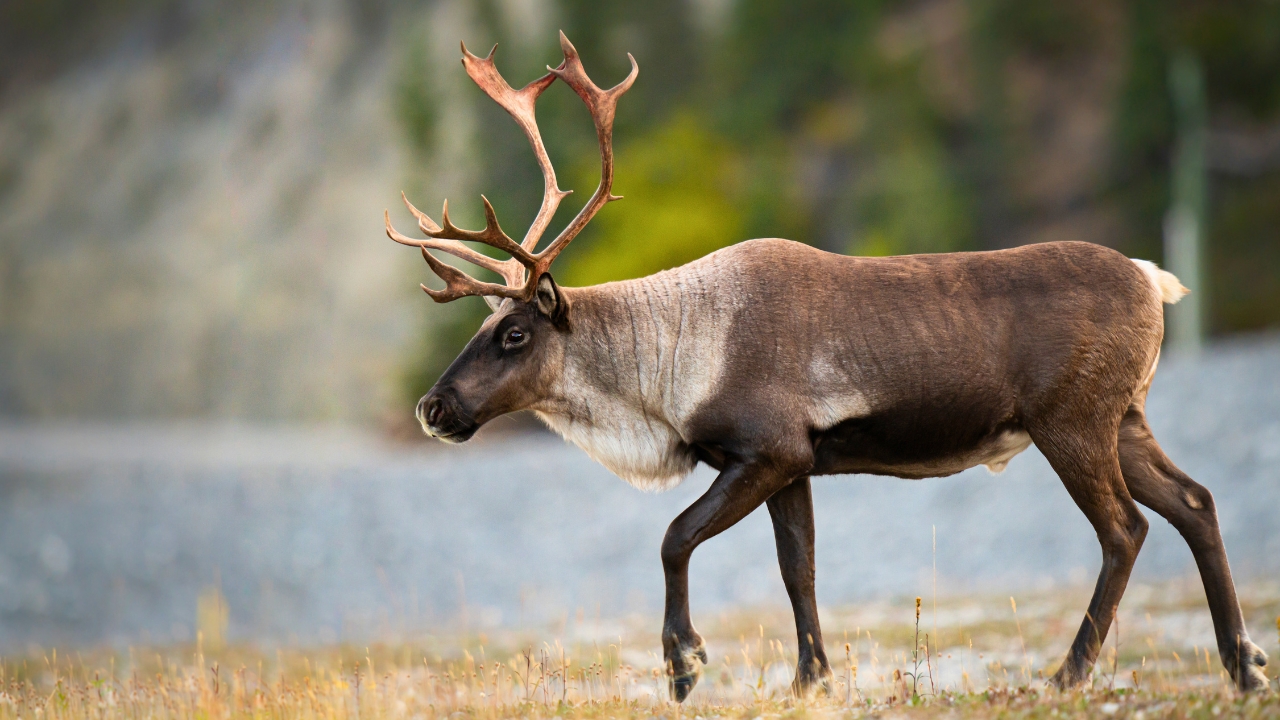
Caribou do not get enough respect for how efficiently they move because people focus more on migration than raw speed. But migration itself tells the story. These are animals built to travel and keep traveling, and wolves prey on them in part because the whole system is based on movement and endurance. NPS educational material describes wolves regularly hunting caribou, which only works because both predator and prey are strong movers across open country.
The reason caribou fit this list is simple: an animal built for big-country movement is not going to lose a race to a person just because the ground is level. Flat terrain is where that body design shines. Long legs, efficient stride, and wild-animal conditioning are a nasty combination for any human ego that thinks cardio class translates into outrunning hoofed wildlife. It does not.
Feral hogs

Feral hogs do not have a clean official speed figure in the sources I pulled here, so I am not going to fake one. But they still belong in the conversation because people repeatedly underestimate how fast they can burst across open ground at close range. Anybody who has spent time around them knows they do not need to be graceful to be fast enough. What matters in real life is not whether they win a stopwatch contest. It is whether they can close the short gap before you react well. They can.
Flat ground actually makes hogs more dangerous in a lot of encounters because it gives them a clean line to charge through. People look at a squat, rough-built animal and assume they will sidestep it easily. Then the hog comes hard and low, and suddenly all that confidence disappears. You do not need an official mph number to understand the lesson there. If you are close enough for speed to matter, you are close enough to have a real problem.
Like The Avid Outdoorsman’s content? Subscribe to our newsletter so you never miss an article.
Here’s more from us: