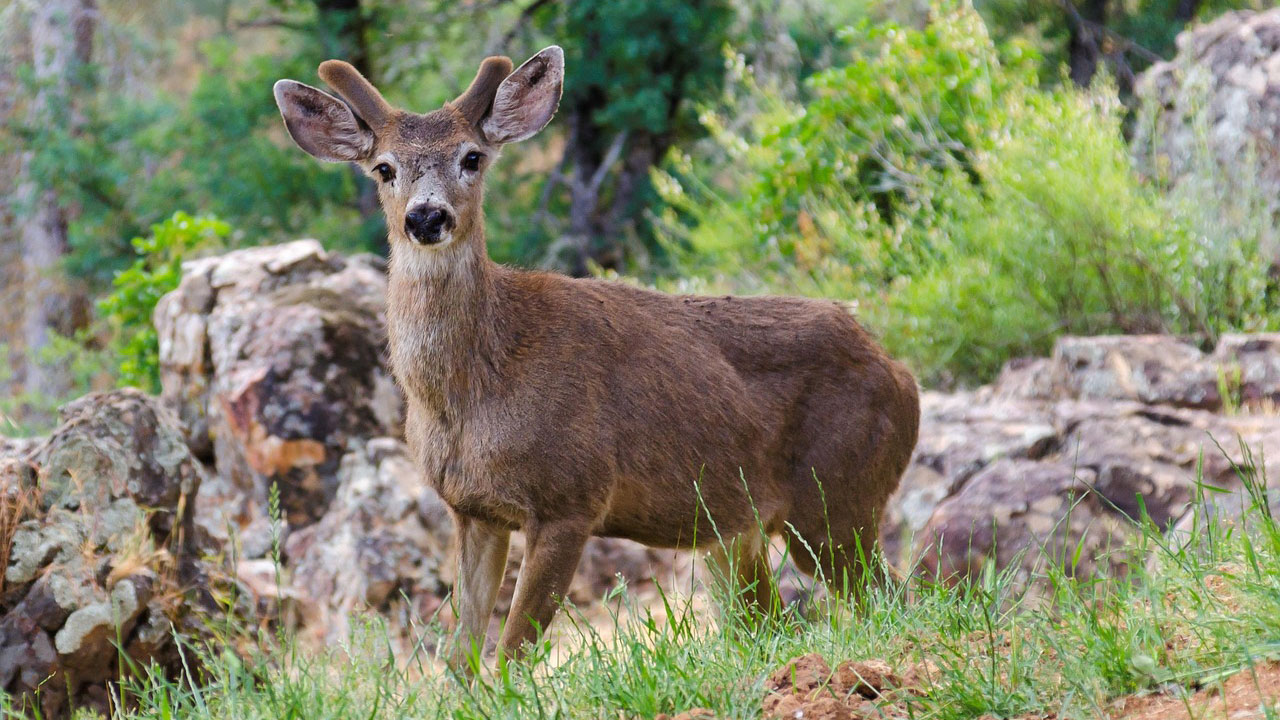
Photo credit: TreptowerAlex/Pixabay.com
A lot of hunters are living in a weird reality right now: you can see plenty of deer, plenty of does, plenty of yearlings… but finding a truly mature buck feels harder than it should. That “average buck is shrinking” feeling usually isn’t about genetics. It’s about age structure and pressure. When a state has strong deer numbers but hunters (and predators, and vehicles, and disease, and habitat shifts) keep knocking bucks out before they hit older age classes, the average buck you see is going to look smaller. That means more spikes, more basket 8s, fewer heavy-bodied 4½- to 6½-year deer, and fewer areas where a buck gets the chance to be old and thick. Here are 15 states where that conversation comes up constantly.
Wisconsin
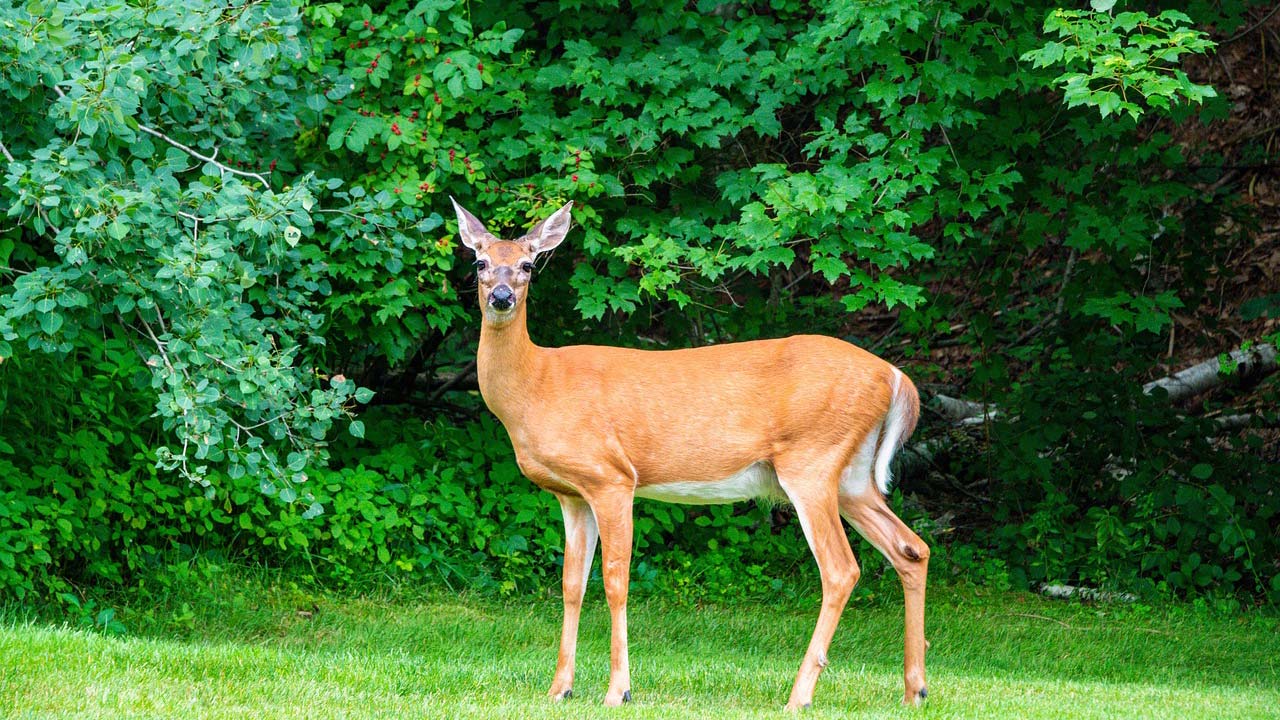
Wisconsin has deer, and in many areas it has a lot of deer. The issue is that dense deer doesn’t automatically mean more older bucks on the landscape. In plenty of places, the hunting culture is still built around opening-weekend urgency and “if it’s legal, it’s leaving,” especially when gun season pressure is high and camps want meat. That kind of pressure can keep buck age structure young even when overall deer numbers look healthy.
When you combine that with pockets of tough winters, predator pressure in some regions, and a lot of hunters covering a lot of ground, you end up with a steady stream of 1½- and 2½-year bucks getting tagged early. The result is that the average buck folks see looks lighter in the body and lighter on the head than the stories they grew up on.
Michigan

Michigan is another state where you can have plenty of deer and still struggle to see a good number of older bucks, depending on where you hunt. The Lower Peninsula has huge hunting participation and lots of access points, and heavy pressure tends to show up in buck age structure fast. Even when deer numbers are strong, bucks often don’t get the time to become big-bodied, thick-necked animals because they run into pressure every fall from multiple angles.
Michigan also has a mix of habitat changes and human expansion that creates small pockets of cover where deer stack up. Deer densities can look great, but mature buck survival can be the weak link. You wind up seeing plenty of deer and plenty of buck sign, but the “average” buck is younger and less developed than what hunters picture when they think of Michigan’s best years.
Pennsylvania

Pennsylvania has a massive deer hunting culture, and in a lot of areas deer numbers are solid enough that sightings aren’t the problem. The issue is that big participation plus long seasons plus a lot of public land pressure can keep bucks from reaching older age classes unless you’re in a pocket with strong restraint. When a lot of hunters are taking the first legal buck they see, the average buck harvested—and the average buck spotted—trends younger.
Another factor is terrain and cover. In many parts of PA, deer can be dense in the right cuts and thickets, but mature bucks become very pattern-aware, shifting to nocturnal movement quickly. So the herd can feel “loaded,” but daylight sightings of older bucks shrink. That’s how you end up with a state full of deer and constant talk about “where did all the big ones go?”
Ohio
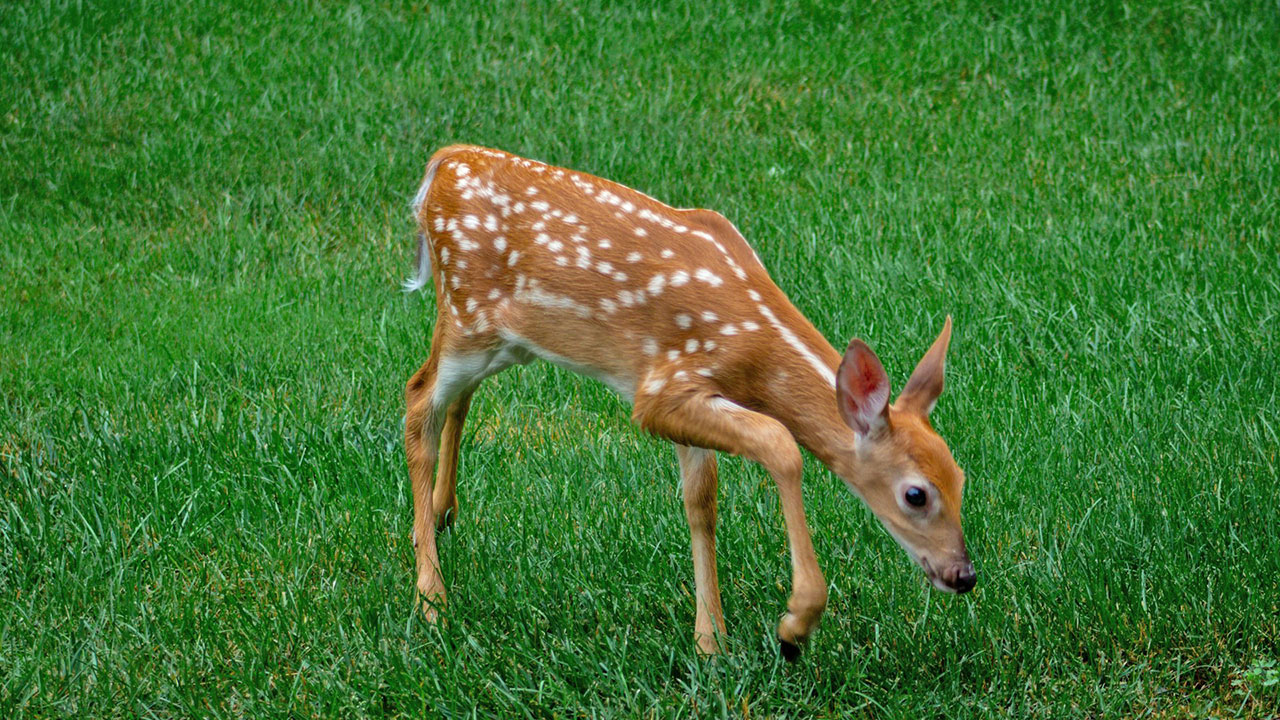
Ohio is famous for producing top-end bucks, but that doesn’t mean every county is swimming in older deer. In plenty of places, deer densities are high and there’s a strong doe base, but the pressure and access can keep average buck age younger. When a state becomes known for big deer, more hunters travel, more properties get hunted harder, and the mid-tier bucks that would have become something in two years often get tagged early.
Ohio’s also a patchwork of agriculture, woodlots, and small properties. Deer stack into these pockets and stay visible, which makes hunters feel like numbers are booming. But that same visibility and concentrated cover can make bucks more killable at younger ages. You end up with lots of deer movement, lots of buck sightings, but fewer mature-bodied bucks per acre than the reputation suggests.
Indiana

Indiana has strong deer numbers in many areas and plenty of productive habitat, especially where agriculture and cover mix well. But with high participation and a lot of smaller parcel hunting, buck survival can take a hit. When deer are dense and hunting pressure is spread across many small properties, bucks run into people constantly. That pushes them to move less in daylight, and it means a lot of 1½- to 2½-year bucks get harvested before they ever have a chance to grow into heavy, mature deer.
Indiana also sees plenty of “first decent buck gets shot” behavior because meat hunting is a big part of the culture. None of this is a moral argument—it’s just reality. Lots of deer plus lots of hunters often equals a younger average buck, even when a handful of giants still come from the right managed farms.
Illinois

Illinois still produces giant whitetails, but the average buck story can feel like it’s sliding in many areas with heavy pressure. Deer numbers can be dense, especially around ag and river bottoms, but mature buck visibility is a different thing. When a state has strong trophy reputation, the hunting intensity ramps up: more leases, more outfitter pressure, more competition, and more people willing to shoot a buck earlier because they don’t know if they’ll get another chance.
Illinois is also a state where cover and access are constantly changing. If a buck’s core cover gets logged, farmed differently, or pressured from multiple sides, he either becomes nocturnal or he gets killed. The herd can stay strong, but the “average buck I see” becomes younger, lighter, and more cautious year after year.
Iowa

Iowa is a top-end buck state too, but it’s not immune to the “dense deer, younger bucks” conversation—especially in areas with more access and more pressure than they used to have. When deer numbers are high, it can feel like everything is perfect. But if buck tags are getting filled early and young bucks are taking most of the harvest, the average buck age slides even while the herd stays thick.
Another driver is how fragmented cover can be in some parts of Iowa. When cover is limited, deer concentrate, which can create high local densities. That’s great for sightings, but it also makes bucks easier to pattern and easier to bump. In a state where everybody knows what a mature buck is worth, the pressure to tag something can still keep age structure younger than hunters want to admit.
Missouri
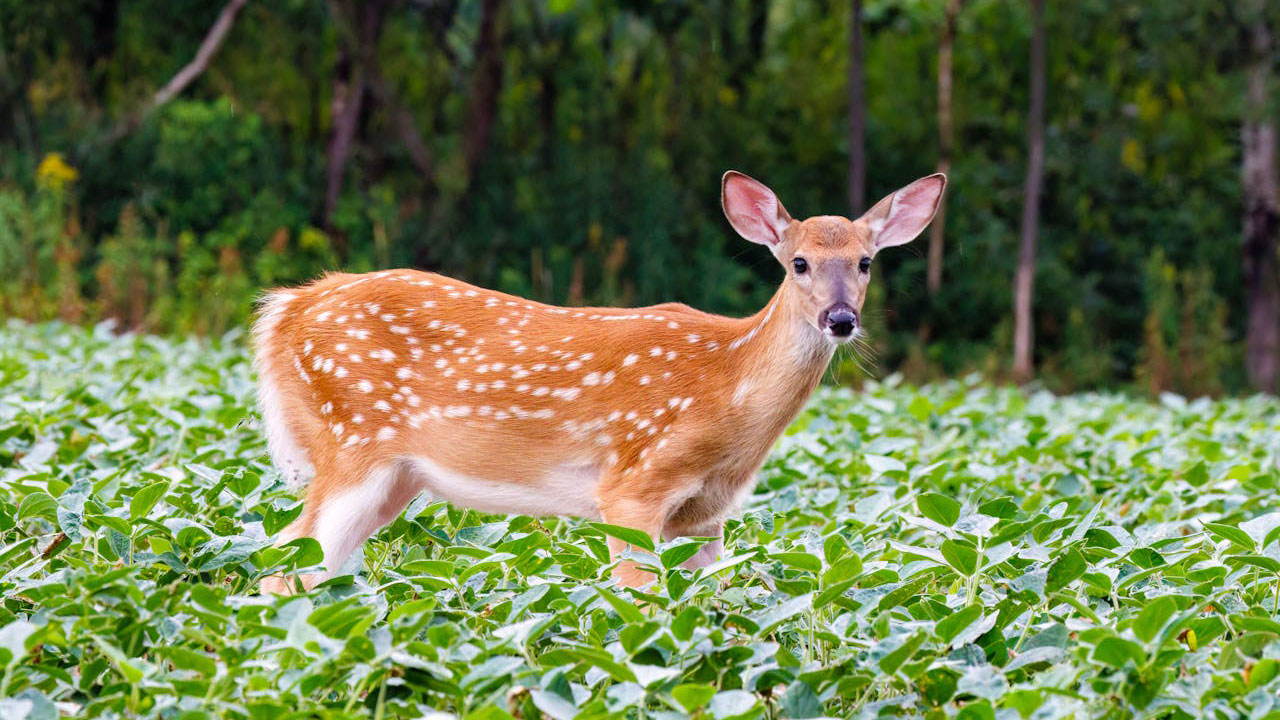
Missouri has loads of deer in many regions, and the “I’m seeing deer everywhere” comment is common. But in a lot of spots, hunters also talk about how the average buck isn’t as impressive as it used to feel. That usually comes down to harvest pressure and the fact that deer are plentiful enough that young bucks show themselves. When deer are dense, you see more small bucks, and it can mask how few older bucks are actually making it through multiple seasons.
Missouri also has huge swaths of public land hunting and a strong gun culture, which can compress buck age structure quickly. Add in habitat shifts—timber cuts, changing farm practices, more human activity—and older bucks get harder to find. Deer numbers can stay high, but the bucks most people interact with become younger and more “average.”
Kentucky

Kentucky is another state with strong deer numbers and the ability to grow big bucks, but local pressure can keep the average buck younger in many areas. When deer are dense and access is decent, hunters see plenty of legal bucks and many don’t pass. That pushes harvest toward younger age classes, and you get that familiar pattern: lots of 1½-year bucks and a thinner layer of true mature deer.
Kentucky also has a mix of properties—some managed hard, some hunted hard, some both. The managed farms produce headline bucks, but the broader average hunter experience can still feel like “smaller bucks than you’d expect.” When a state’s deer are abundant, it creates opportunity, but it also creates temptation. If most hunters shoot early, the average buck never gets the time to become something special.
Tennessee
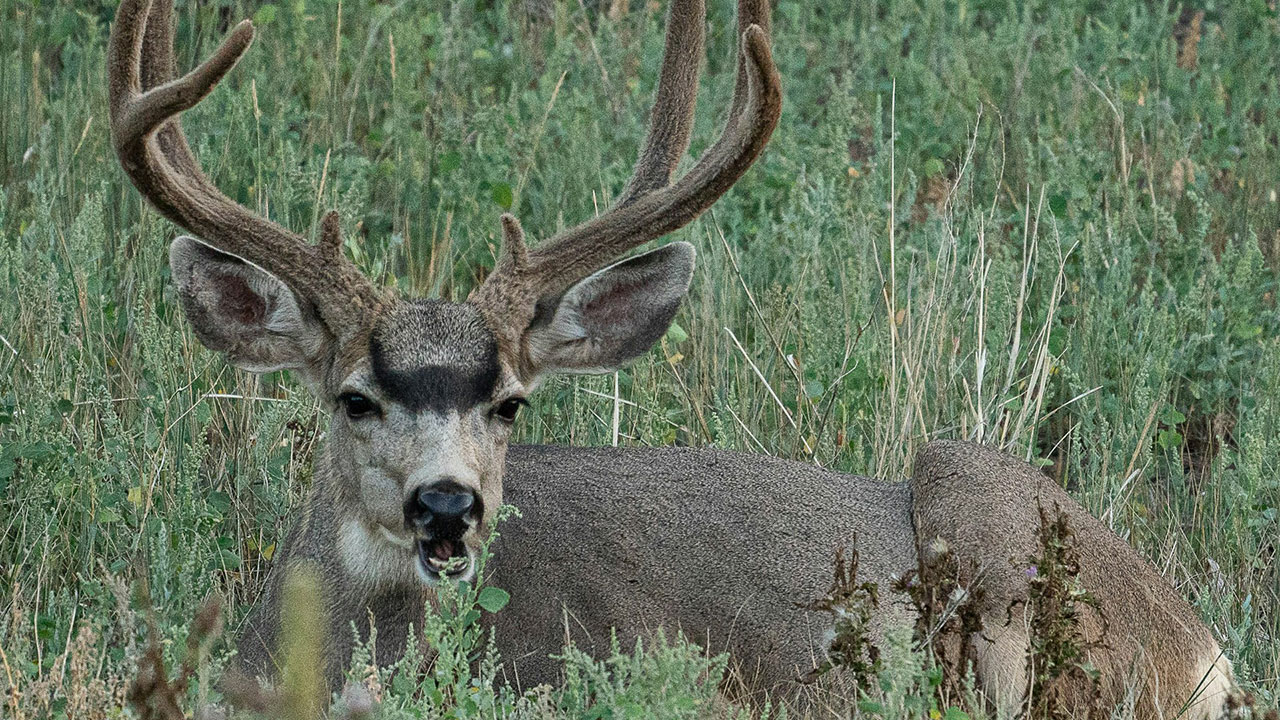
Tennessee’s deer numbers can be very strong, and in many areas you’ll see deer like it’s nothing. But that can come with a young-buck-heavy reality. When pressure is high and deer are visible around field edges and wooded transitions, young bucks become the most common buck sighting by far. That leads to a harvest that leans younger, especially in places where people are primarily filling the freezer and hunting time is limited.
Another factor is how quickly bucks in pressured areas learn to move at night. You can have a dense herd and still have very few daylight encounters with older bucks. That makes the “average buck” feel smaller because what you’re seeing is the young class that hasn’t been educated yet. The older class exists in some pockets, but many hunters don’t lay eyes on it.
Alabama

Alabama has areas with very high deer densities, especially where habitat and food support it year-round. But the “average buck shrinking” talk shows up when age structure doesn’t keep up with herd size. In many regions, deer are plentiful and young bucks are common sightings, which makes hunters feel like the buck population is stacked. The reality is that mature buck survival can be the bottleneck, not deer numbers.
Alabama also has long seasons and lots of hunting pressure spread across private lands of varying quality. When a buck can get hunted from September through the end of winter in some places, his odds of reaching older ages drop unless a property is managed with restraint. The end result is a strong herd but a lot of skinny-necked, light-bodied bucks in the average hunter’s scope.
Georgia

Georgia is another “lots of deer” state in many regions, but older bucks can be a rarer day-to-day sight than people think. A big reason is pressure plus habitat edges. When deer are dense and the landscape is a mix of timber, cutovers, and small ag pockets, young bucks show themselves constantly. Hunters see plenty of antlers and feel like the buck population is booming, but that doesn’t mean those bucks are getting old.
Georgia also has strong hunting participation and plenty of properties that get hunted hard from multiple angles. Mature bucks get nocturnal fast, or they get killed early. The average buck you see in daylight becomes younger and smaller, and the state’s true older deer end up locked into tight cover and narrow movement windows that most folks don’t catch.
Mississippi

Mississippi can have dense deer populations, especially in productive habitat zones, but the average buck conversation shows up for the same reasons it does elsewhere: heavy harvest of young bucks and a long season window where bucks are exposed to pressure for months. When deer numbers are high, the easiest bucks to encounter are the young ones, and that can create a harvest pattern that keeps the overall average buck smaller.
Mississippi also has a lot of diverse land use—ag edges, timber, river bottoms—so deer thrive, but bucks move in ways that avoid daylight pressure. Older bucks exist, but they’re far less visible. That’s why hunters can see deer every sit and still feel like the bucks “aren’t what they used to be.” The herd can be thick while the daylight mature buck population stays thin.
North Carolina

North Carolina has strong deer numbers in many areas and a big hunting community, which can create a dense herd with a younger buck profile. When the majority of pressure is focused on a few weeks of prime movement and then stretches across long seasons, bucks that move in daylight get removed early. The bucks that survive learn quick. That leaves hunters seeing a lot of deer, plenty of does, and plenty of small-to-mid bucks, but fewer thick, mature deer in daylight.
North Carolina also has plenty of mixed habitat where deer concentrate—field edges, cutovers, pine plantations. That creates high local density and high hunting intensity. If younger bucks are consistently harvested and older bucks are mostly nocturnal or living in small safe pockets, the average buck a hunter sees will keep feeling smaller, even if the state’s overall deer numbers look great.
South Carolina

South Carolina rounds out the list because deer can be dense in many areas, and the long seasons and steady pressure can keep buck age structure young. When a buck is exposed to hunting pressure for an extended window, the ones that make daylight mistakes get removed early. Hunters still see deer constantly—especially does and young bucks—and that creates the impression of a strong buck population. In reality, those sightings are often the youngest bucks, because they’re the least cautious and the most visible.
South Carolina also has a lot of small parcels and mixed-use land where deer funnel through predictable edges. That makes young bucks very killable. Unless a property (or a neighborhood of properties) holds off consistently, the average buck that survives long enough to get big becomes rare enough that most locals don’t see many each season.
Like The Avid Outdoorsman’s content? Subscribe to our newsletter so you never miss an article.
Here’s more from us: