Photo credit: BuyMeACoffee/Pixabay.com
A lot of people judge danger by size first. If the animal is not huge, they assume they have time. If it is not a lion, bear, or bull moose, they figure they can backpedal, fend it off, or at least react before things get serious. That is not always how it works. Speed, bite placement, body weight, aggression, venom, and plain old surprise matter a whole lot more than people want to admit. Some animals do not need to be massive to put a man on the ground fast. They just need one clean chance.
That is what gets people in trouble in the woods, on the water, at the ranch, and even around places that feel routine. A bad animal encounter usually does not start with dramatic music and plenty of warning. It starts with one step too close, one wrong assumption, one “that thing won’t bother me” moment, and then the whole situation is moving faster than your brain can catch up. Here are 15 animals that can take down a grown man a whole lot faster than most people think.
Wild hogs

Wild hogs are high on this list because people underestimate how fast they close distance and how ugly the first hit can be. A big boar does not need to outweigh a man by much to do serious damage. It just needs enough room to build momentum and the attitude to commit. Those shoulders are built like a battering ram, and the tusks are what turn a bad encounter into a hospital trip in seconds. A hog can come in low, hit hard, and cut deep before most people even get their footing sorted out.
The mistake a lot of folks make is thinking a hog will bluff, break off, or give them a little room to react like livestock sometimes will. A cornered or aggressive hog often does the opposite. In thick brush, around feeders, near traps, or when dogs are involved, things go south fast. A hog does not need much time to put a man down. One solid charge and a couple quick slashes are more than enough to end whatever confidence somebody had about “handling it.”
Moose

Moose do not move like animals their size should be able to move. That is part of the problem. People see all that height, all that bulk, and assume it has to be slow and clumsy. Then it covers ground in a hurry and starts throwing front hooves like sledgehammers. A moose can knock a grown man flat almost instantly, and once somebody is down, that is where the real danger starts. They stomp, strike, and keep coming with a kind of force that makes “just back away” sound a whole lot easier than it is.
This is especially true during rut, around calves, or when the animal feels crowded and cannot sort out an easy exit. Hikers, photographers, and people near roadsides get in trouble because they misread those first few seconds. A pinned-ear look, a stiff walk, or a direct line toward you is not something to admire. Moose are one of the best examples of an animal that can wreck a person fast without ever needing teeth or claws to do it.
Black bears

People spend so much time debating black bear behavior that they sometimes forget the obvious part: it is still a bear. Even a mid-sized black bear has enough speed, power, and explosive movement to take down a grown man in almost no time if the situation turns bad. A bear does not need a long fight. It can bowl somebody over, clamp on, rake with claws, and control the whole encounter before that person gets one decent plan together. That gap between “I see it” and “this is bad” is a whole lot shorter than people think.
Most black bears want to avoid trouble, but not all of them do, and even the ones that would rather leave can become dangerous in a hurry around cubs, food, dogs, or close-range surprise. The reason they belong here is not because every black bear is looking for a fight. It is because one committed black bear can put a man on the ground so quickly that all the usual tough talk about what somebody would do starts sounding pretty thin.
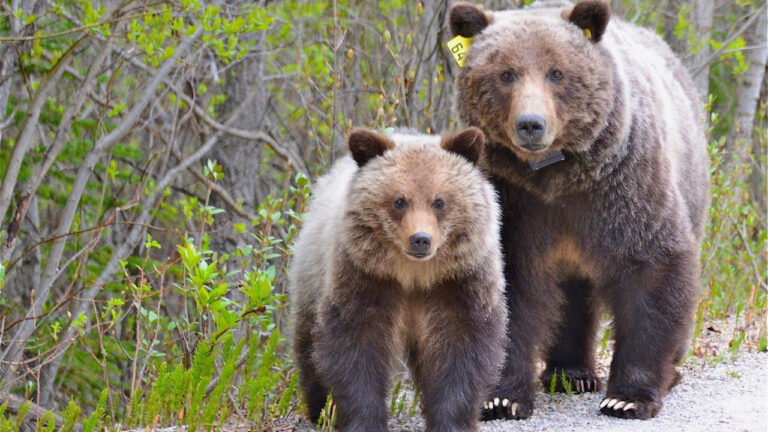
Grizzly bears

If black bears can take down a grown man fast, grizzlies can do it even faster and with even less room for error. A grizzly does not need much explanation. The size, strength, and speed speak for themselves. What people still struggle to understand is how quickly a bad grizzly encounter reaches the point where a man is no longer in control of anything. One charge can cover an unbelievable amount of ground. One hit can break bones. One bite or one pin can shut down the whole situation before the victim gets anything close to a real response off.
That is why grizzly country demands a different level of respect. You are not dealing with an animal that needs repeated chances to win. It only needs one opening. If a grizzly decides to make contact, the timeline is brutally short. That is true whether the bear is defending cubs, a carcass, or simply reacting to a close surprise. A lot of dangerous animals build tension before impact. Grizzlies often skip right to the part that matters.
Mountain lions

Mountain lions are built to end things quickly. That is what makes them so dangerous. They are not bruisers like bears or hogs. They are ambush predators designed around speed, leverage, and attack placement. A lion that decides to go can hit from cover, knock a man off balance, and go for the head, face, neck, or upper back before he fully understands what is happening. That is not drama. That is how an animal built for clean takedowns works.
This is why people who spend time in lion country are taught to take even small warning signs seriously. You may never get the big obvious lead-up you think you will. Sometimes all you get is a glimpse, a movement, or that split-second realization that something was watching from closer than it should have been. A grown man is not normal prey for a mountain lion, but a lion does not have to be hunting him as prey to put him down fast. All it takes is one committed pounce in the wrong place.
Alligators

Alligators are another animal that can end a normal day before most people have time to process what just happened. The reason is simple: the strike is explosive and the environment usually favors the gator. Near shorelines, docks, muddy banks, and boat ramps, people often have lousy footing right when the animal makes its move. A gator does not need a long chase. It needs enough range to launch, clamp down, and drag. That alone can put a grown man on the ground or into the water in a heartbeat.
Once the bite lands, the whole math changes. A man may be stronger in theory, but leverage disappears fast when he is off balance, partly submerged, or pulled into a spin. That is what people overlook. They imagine a chance to wrestle, react, or recover. In the real world, the first second matters most, and that is the second the gator is built to own. Around water, they can take over a bad situation frighteningly fast.
Crocodiles

If alligators are dangerous, crocodiles take that same basic threat and often turn it up. They are more aggressive in many situations, quicker to assert themselves, and just as capable of using water, mud, and shoreline angles to make a man lose control instantly. A crocodile does not need to knock somebody ten feet through the air. It just needs one solid grab in the right terrain. Once it has that, everything starts happening on the reptile’s terms instead of the person’s.
This is part of why people in croc country get taught hard lessons about water edges, fishing spots, crossings, and nighttime movement. A grown man standing upright feels secure right until he is not. Then footing goes, balance goes, and whatever plan he thought he had goes with it. Crocodiles are one of the clearest examples of an animal that can take a full-sized adult out of the fight in seconds without any warning most people would recognize in time.
Cape buffalo
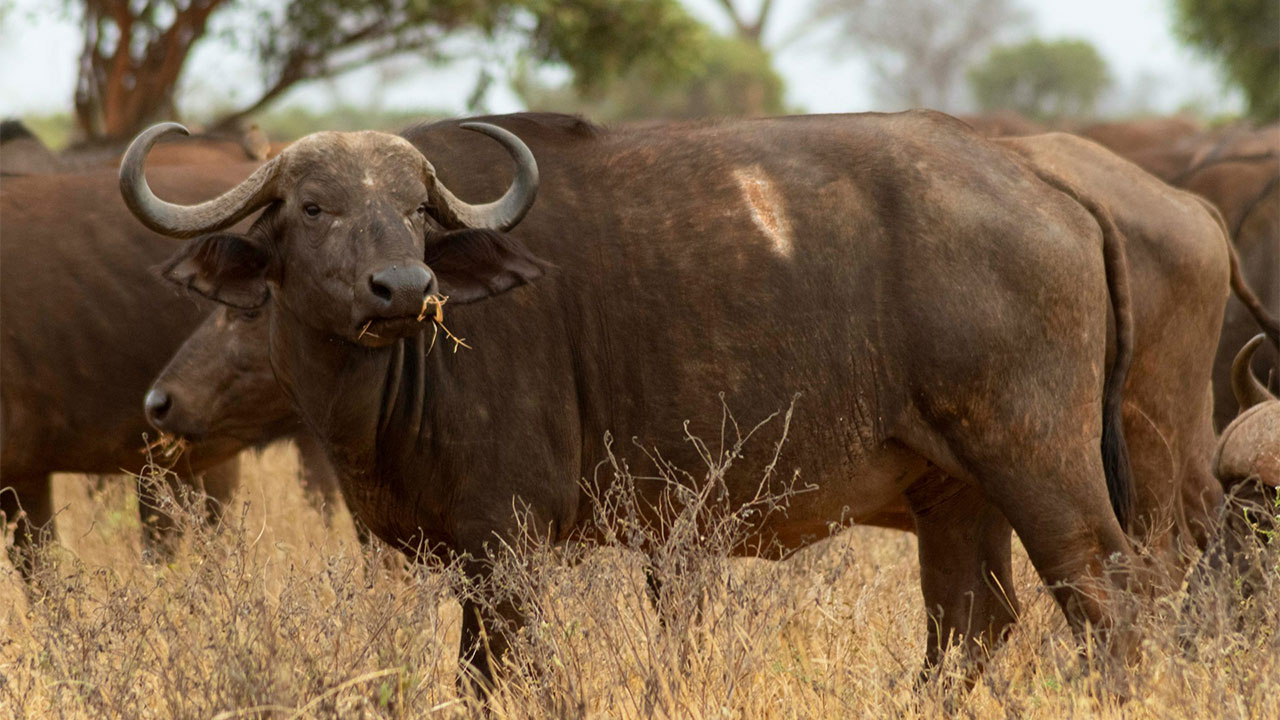
Cape buffalo have killed enough people to earn every bit of the reputation they carry. They are not on this list because they are mean in a cartoonish way. They are on it because they are massively built, quick for their size, and perfectly capable of turning a grown man into an afterthought in one charge. A buffalo does not need several tries. It can hit hard enough to launch, gore, trample, and keep moving before the victim even understands how much force just arrived.
What makes them especially dangerous is that they do not always look like they are about to explode until they do. A wounded buffalo is notorious for that, but even a healthy one in bad mood or bad circumstances can go from watchful to lethal fast. People sometimes talk about dangerous game like there is a clean sequence to it. With buffalo, that sequence can collapse in a hurry. One bad angle, one missed read, one hesitation, and the whole thing is over before it really starts.
Hippos
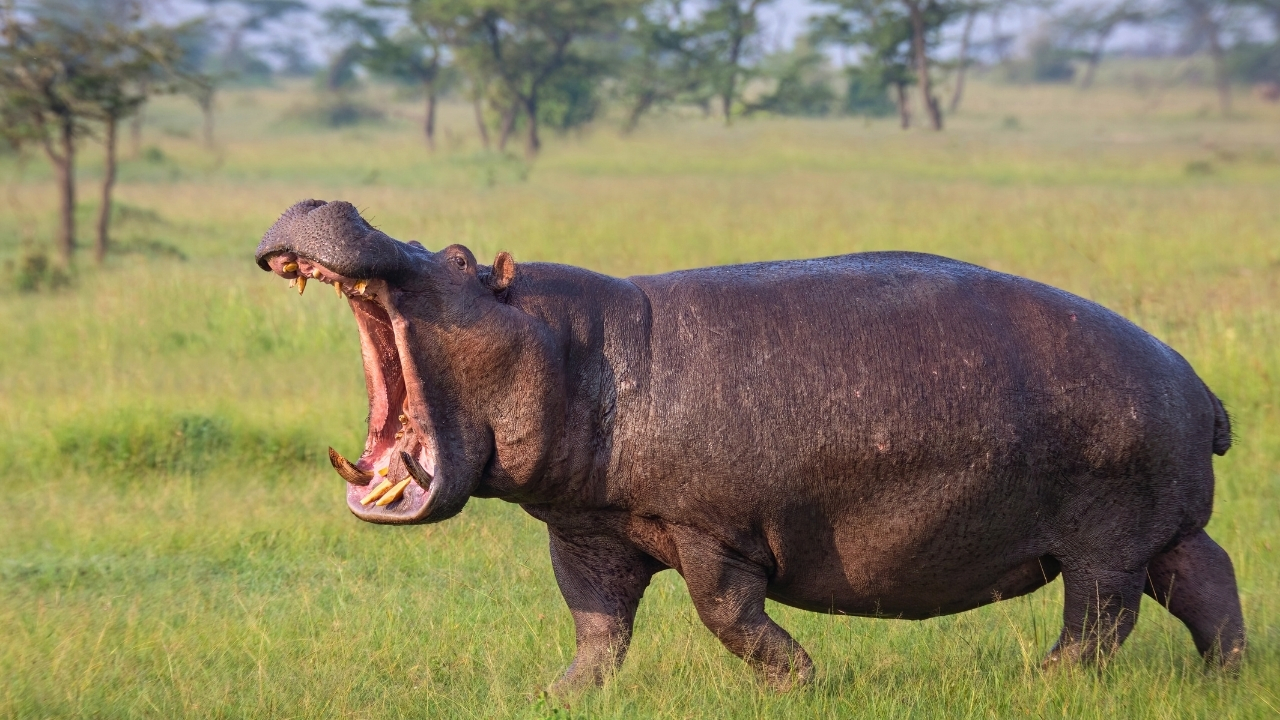
Hippos are one of the best reminders that “herbivore” means almost nothing when it comes to danger. They are territorial, aggressive, unbelievably powerful, and far faster than most people expect once they commit. On land, a hippo can cover ground in a hurry. In water, it owns the situation. A grown man caught too close to one does not need a long engagement to get taken down. A bite alone can be catastrophic, and the force behind a shove or charge is more than enough to flatten somebody before he gets out of the way.
The big mistake people make is thinking a hippo’s shape means sluggish. It does not. Those animals can move with shocking urgency, especially when guarding space, calves, or a path to water. They are responsible for a brutal number of deadly encounters for a reason. When a hippo decides you are in the wrong place, the timeline between warning and impact can be incredibly short. That makes them one of the fastest “problem escalators” on the planet.
Elk
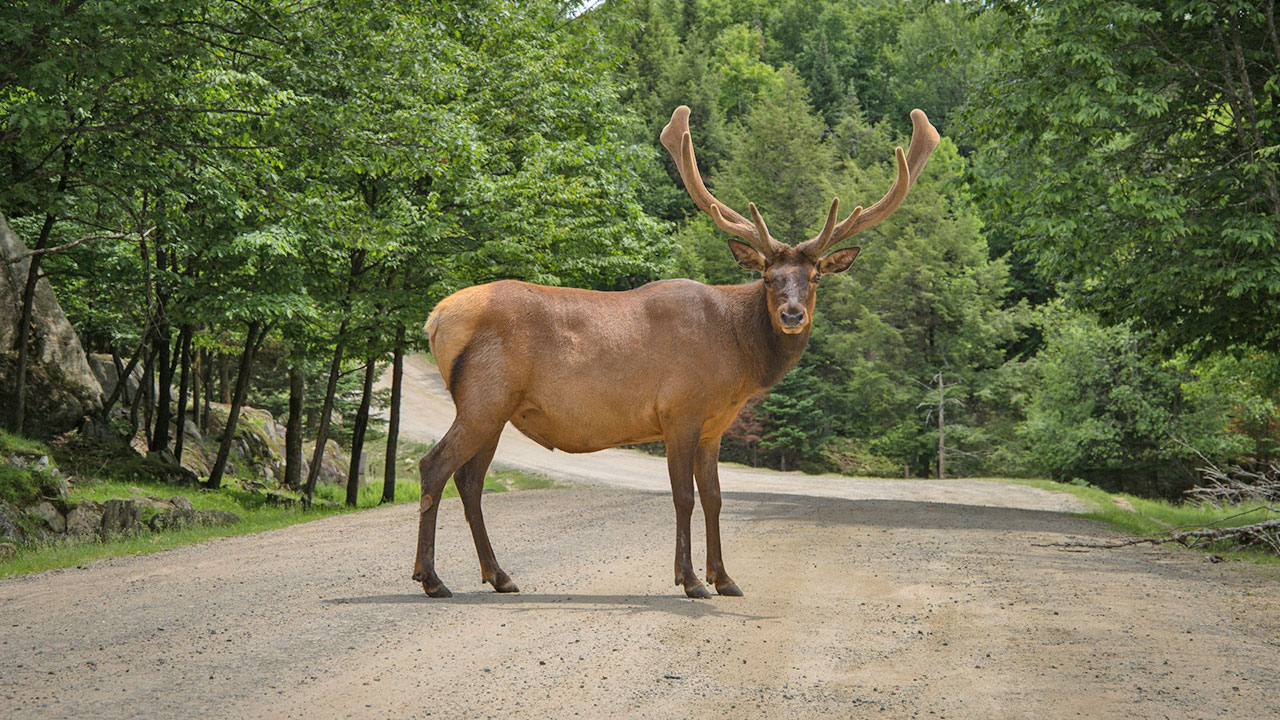
A lot of people do not put elk in this conversation, but a rut-crazed bull absolutely deserves it. A big elk has height, muscle, speed, and antlers that can do serious damage fast. The problem is not that elk are always looking to hurt people. It is that when one gets territorial, agitated, or too used to human presence, the gap between uneasy and dangerous gets real small. One charge can put a man down immediately, and antlers change the whole risk level the second contact happens.
This comes up most around trails, parks, roadside pull-offs, and places where people mistake tolerance for tameness. A bull elk in rut is running on bad judgment already. Add close cameras, dogs, or a person who refuses to give it room, and things can turn ugly in seconds. Even a cow elk can be a serious problem around calves. People think they will have time to react because it is not a predator. That is exactly the wrong lesson to take.
Wild cattle and bulls
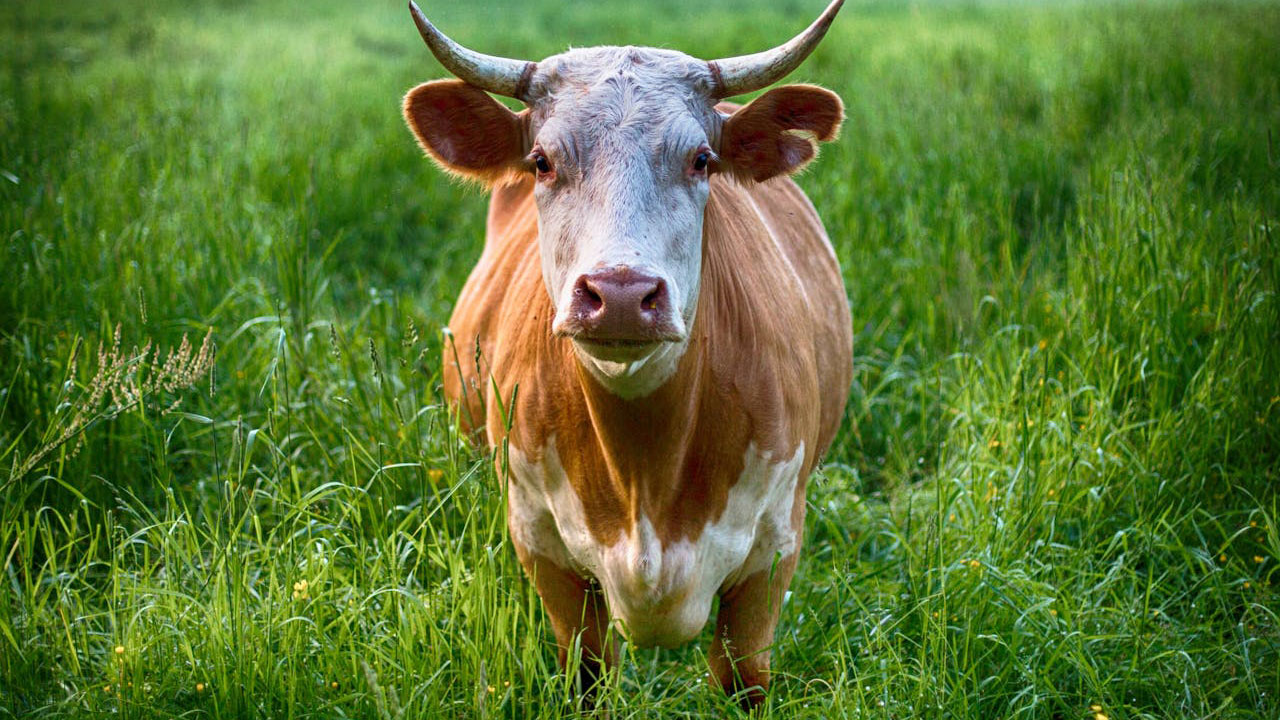
Domestic does not always mean safe, and once you get into feral cattle, range bulls, or even a bad-tempered bull in a pasture, that point gets made fast. A large bull can hit with enough force to put a grown man on the ground instantly, and once the person is down, trampling becomes the real danger. It is not flashy. It is just brutally effective. A horned head, several hundred to a couple thousand pounds of momentum, and one bad decision about distance is all it takes.
This is one of those threats that gets brushed aside because it feels too familiar. Folks who are comfortable around livestock sometimes let routine do the thinking for them. Then they turn their back on the wrong animal, crowd a gate, or get caught in a tight spot with no escape line. Bulls and aggressive cattle can take a man down faster than a lot of “wild” animals because people are often mentally half-asleep around them until it is too late.
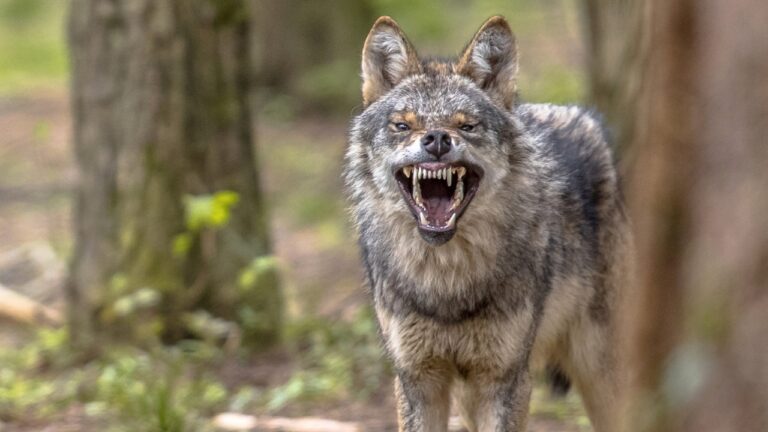
Wolves
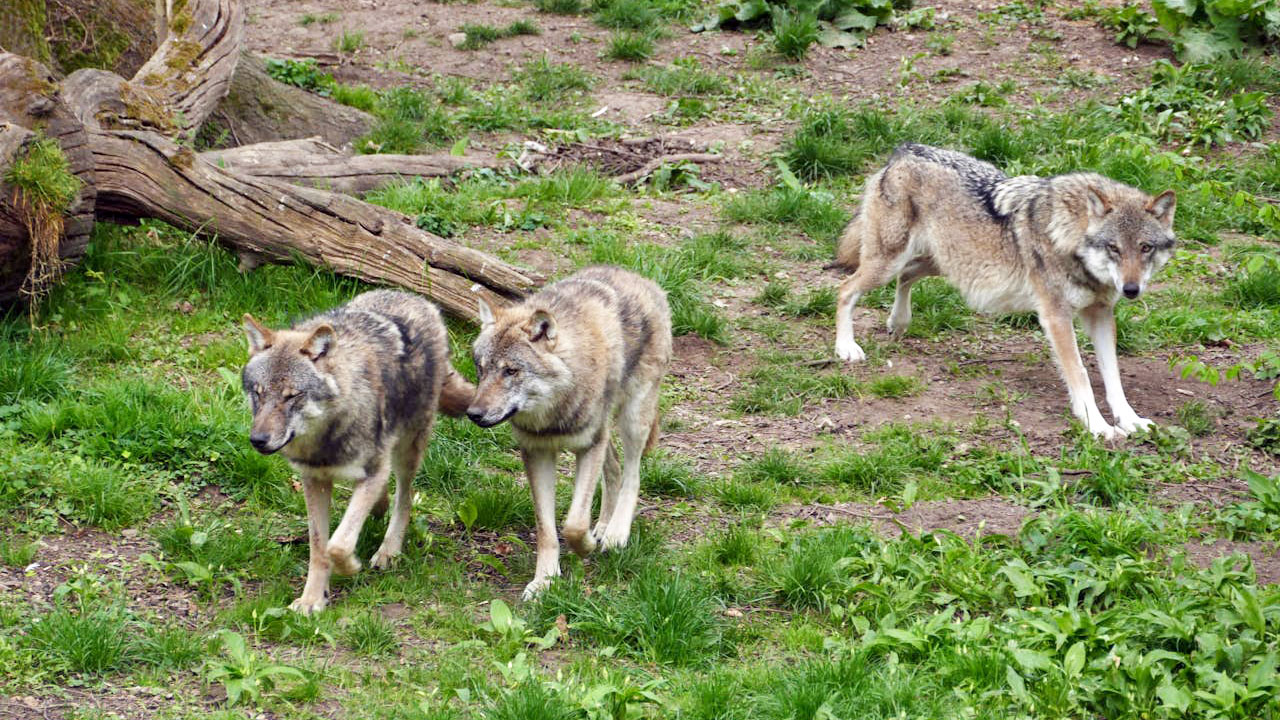
Wolves are not nearly as likely to attack people as pop culture likes to pretend, but if a wolf attack does happen, the danger is how fast the animal can exploit movement and vulnerability. A wolf is built to close, bite, and stay mobile. One healthy adult wolf is not a fantasy monster, but it is absolutely capable of putting a man on the ground if it gets the right opening. That risk climbs fast if the person slips, gets swarmed by panic, or ends up dealing with more than one wolf.
What matters here is not the frequency of attacks. It is the speed of the mechanics if one actually commits. A wolf does not need to stand there trading bad decisions. It needs one clean chance at the legs, arms, or upper body, and then it builds from there. Outdoorsmen who respect wolves usually understand this well. They are not invincible, but they are efficient, and efficiency is what makes dangerous animals dangerous in the first place.
Dogs running loose in a pack
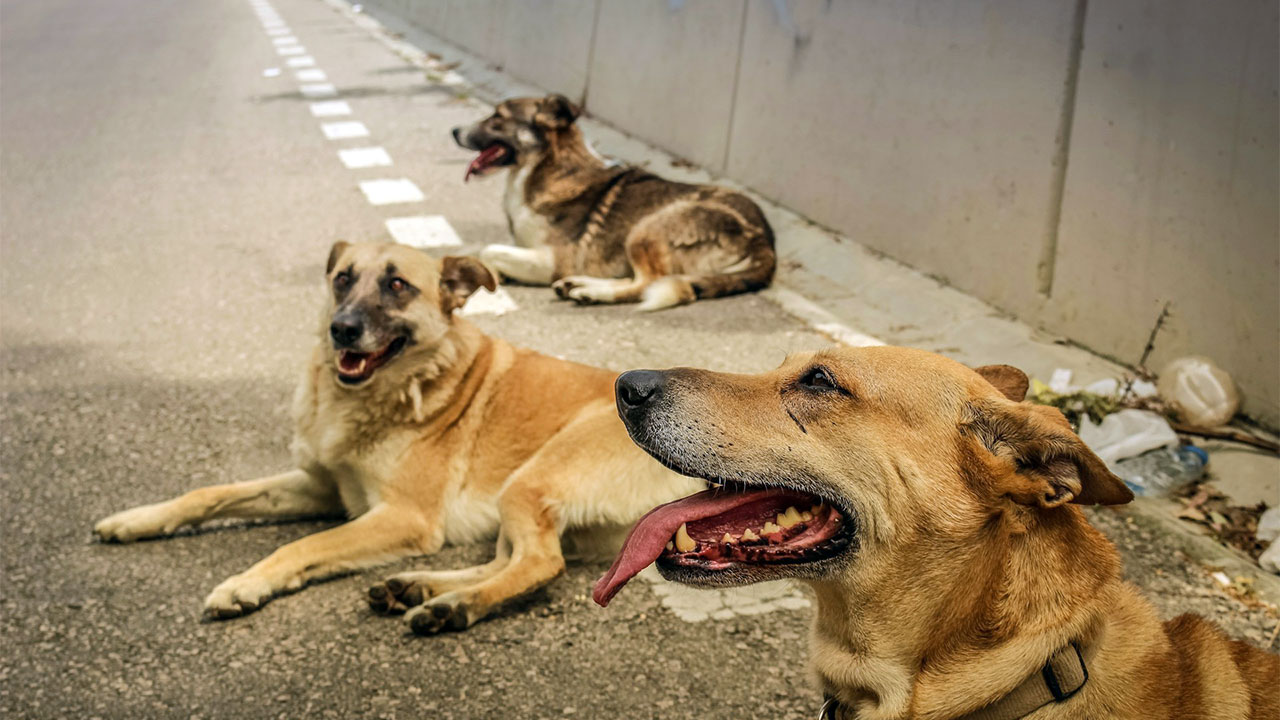
A lot of grown men would rather square up to a wild animal than admit that loose dogs can be one of the nastiest threats around. That is a mistake. A pack of roaming or feral dogs can put a man on the ground shockingly fast, especially if the dogs are used to chasing livestock, working together, or feeding off each other’s aggression. One dog draws attention. Another hits from the side. Another comes low. That is all it takes to turn a manageable problem into a pile-on.
The reason this catches people off guard is familiarity. Dogs feel readable. Most of the time, they are. But once several are worked up and moving with intent, that normal sense of control disappears fast. Around rural roads, isolated properties, and back edges of neighborhoods, loose dogs can be more immediate than people realize. A man who thinks he can just shout them off may find himself on the ground before that confidence catches up with reality.
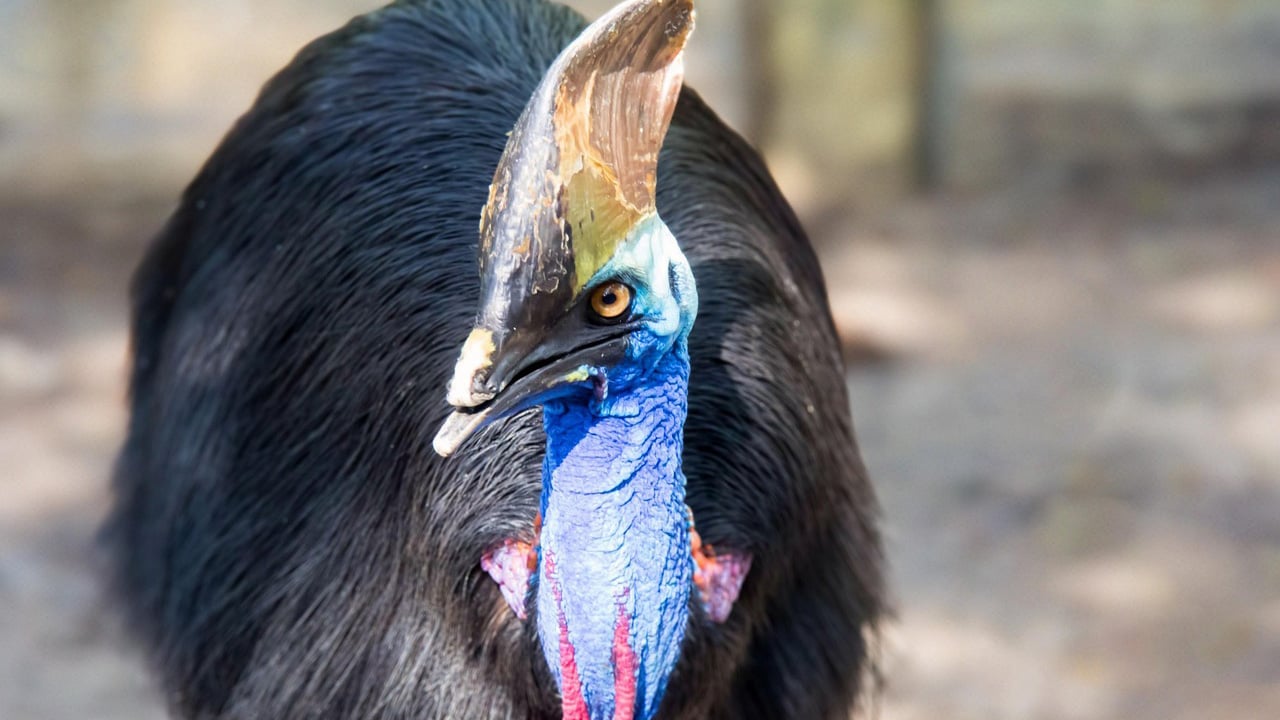
Cassowaries
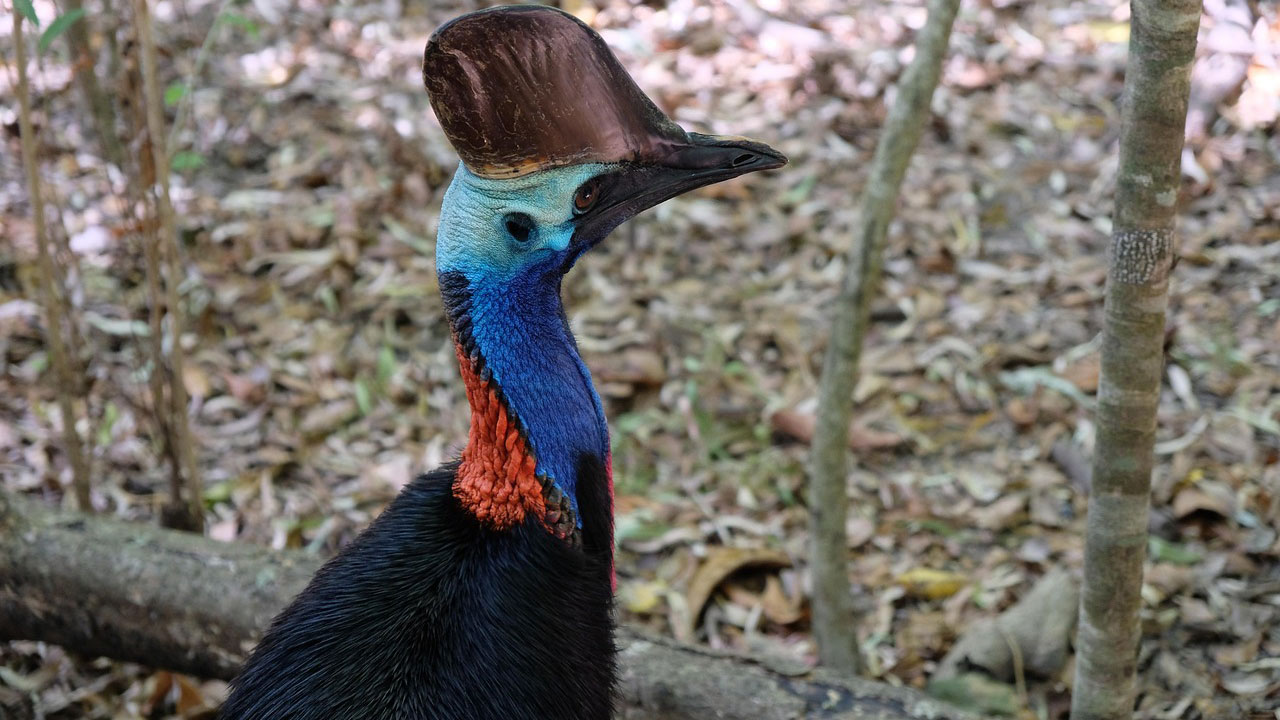
Cassowaries sound almost ridiculous until you look at what they are built to do. Then they stop being funny fast. These birds are large, strong, territorial, and equipped with powerful legs and dagger-like claws that can open flesh in a hurry. A grown man who crowds one, gets between it and where it wants to go, or treats it like some oversized petting-zoo bird can get knocked down before he understands how serious the mistake was. One bad kick is all it takes to change the whole encounter.
What makes cassowaries such a problem is how badly people misjudge them. Birds do not trigger the same respect that big cats or bears do. But a cassowary does not need fangs to put somebody down. It has speed, balance, and enough force to make close distance a terrible idea. In the right setting, it can drop a man far faster than most people would ever guess from looking at it.
Venomous snakes
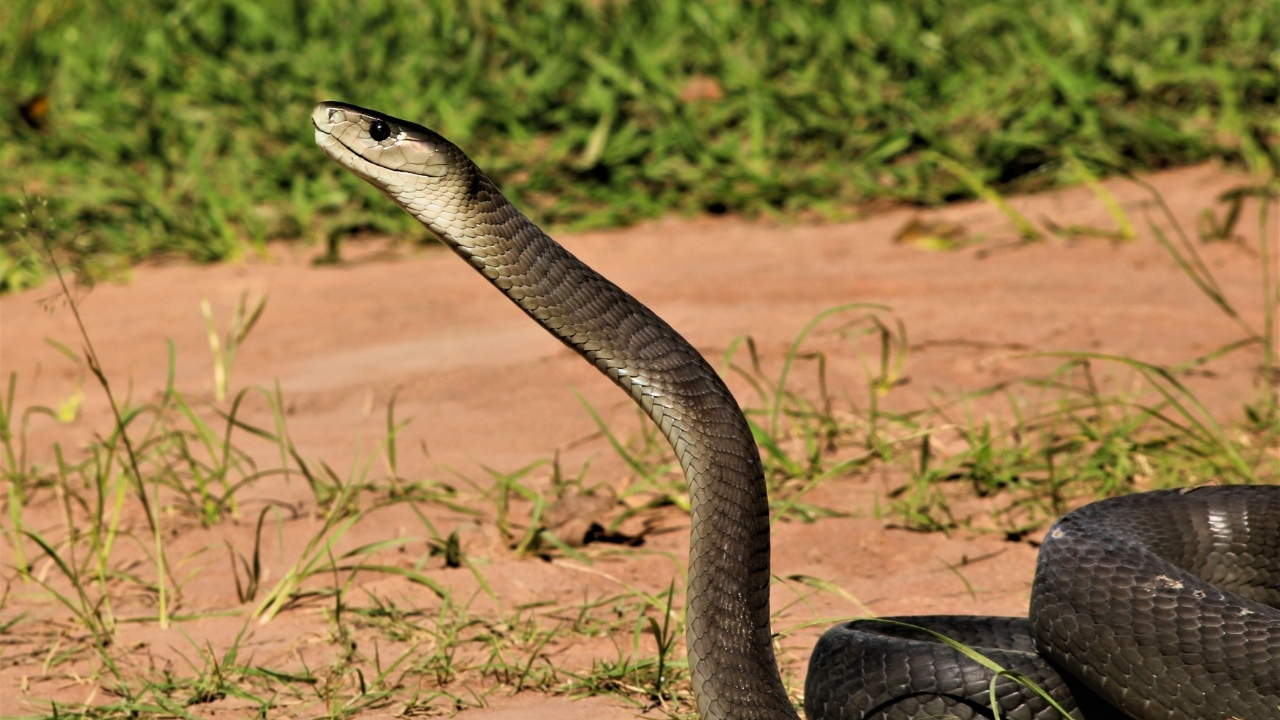
Venomous snakes do not “take down” a man in the same way a charging mammal does, but they absolutely belong here because the timeline can still get serious fast. A bite from a large rattlesnake, cobra, mamba, or viper can turn a healthy grown man into a medical emergency in short order. Pain, swelling, dizziness, tissue damage, breathing issues, and systemic effects can all start piling up faster than people expect, especially if the bite lands heavy and help is not close.
The problem is that snake encounters often happen at bad distances and bad moments. Reaching into brush, stepping over logs, working around water, moving gear at dusk, or grabbing the wrong thing in a shed all put people in range before they are ready. A snake does not need to tackle somebody. It just needs one clean strike. After that, time becomes the enemy. That is why people who work outdoors learn real quick that “it’s only a snake” is not a sentence worth saying.
Like The Avid Outdoorsman’s content? Subscribe to our newsletter so you never miss an article.
Here’s more from us: