Photo credit: Slatan/Shutterstock.com
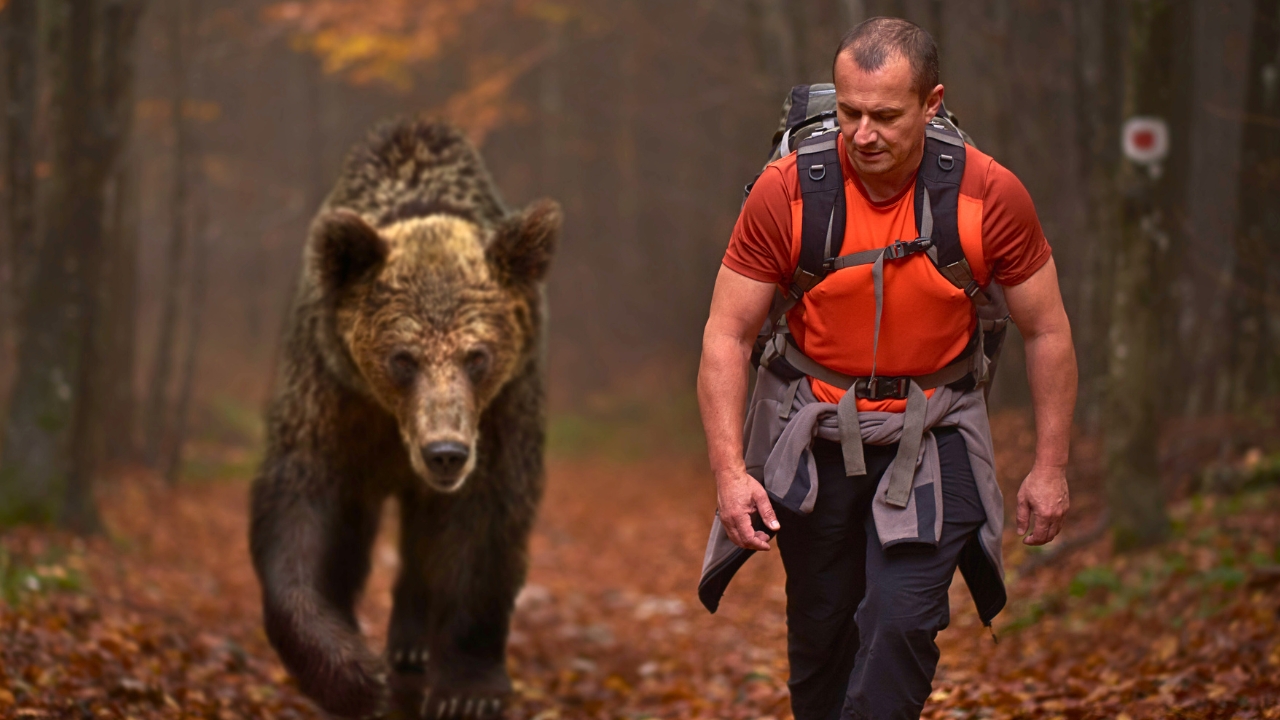
When people ask “what’s the most dangerous bear,” they usually expect “polar bear” or “grizzly” as a gut-level answer. If you look at the actual numbers, the species most often tied to fatal attacks worldwide is the brown bear—grizzlies in North America, plus Eurasian brown bears in Europe and Asia. Studies that track incidents globally show brown bears at the center of most recorded serious attacks. That doesn’t mean brown bears are out hunting people; fatal encounters are still rare. But if you’re trying to understand real-world risk by species, brown bears are the ones that show up most often in the fatal column.
Why brown bears sit at the top of the list
Brown bears are big, defensive, and often living in close overlap with people. A global review of attacks between 2000 and 2015 found most recorded bear incidents involved brown bears, especially in Europe, Russia, and parts of Asia. Add in grizzlies from Alaska, western Canada, and the northern Rockies and you’ve got one widespread species complex that accounts for a lot of rough encounters. Brown bears often react aggressively when surprised at close range or when they think cubs or a carcass are at risk. That “defensive explosion” behavior—short charge, powerful contact, head and neck bites—is exactly what turns a bad encounter into a fatal one when people get too close without realizing it.
Where brown bear fatalities actually happen
The map of fatal brown bear attacks doesn’t cover the whole world evenly. You see clusters in places that combine dense bear populations with a lot of people on the landscape: Alaska and western Canada, the Greater Yellowstone and Northern Rockies area, Romania’s Carpathians, and brown bear country in Eastern and Northern Europe. In Romania alone, officials say bears have killed more than two dozen people over the last two decades, and Slovakia has moved to heavy culls after high-profile attacks. In Japan, a recent spike in Asiatic black and brown bear incidents has people on edge after multiple fatalities in a single year. The common thread isn’t “killer bears”—it’s more bears, more people outside, and not enough folks treating that overlap seriously.
What usually triggers a deadly brown bear attack
Most fatal brown bear encounters start with a bad setup: surprising a bear at close range, walking into a carcass, crowding a sow with cubs, or letting food draw bears into camp. Global data show a lot of brown bear incidents are defensive in nature, with the bear reacting to a perceived threat instead of actively hunting someone. You also see patterns: solo hikers more at risk than bigger groups, off-trail travel through thick cover, and dogs that run out, find a bear, then bring it back to the owner. Predatory attacks—where a bear treats you as prey—do happen, but they’re a small slice of cases. Those are usually prolonged and focused, and they’re the ones where people need every tool they’ve got to break contact.
How black and polar bear risks really compare
Black bears are involved in more total encounters with people in North America, but far fewer end in death relative to the size of the population. One analysis of U.S. and Canadian data tallied roughly 84 brown bear fatalities versus 78 black bear fatalities and 11 from polar bears over the last century-plus. A lot of black bear attacks are bluff charges or short contact that stops quickly. Polar bears are a different story: fewer attacks overall, but a higher share that are predatory because these bears live in harsh environments and see very little human traffic. When something goes wrong around a polar bear, it goes wrong fast—but in raw numbers, brown bears still show up in the stats more often as the species linked to fatal encounters.
Staying alive in brown bear country
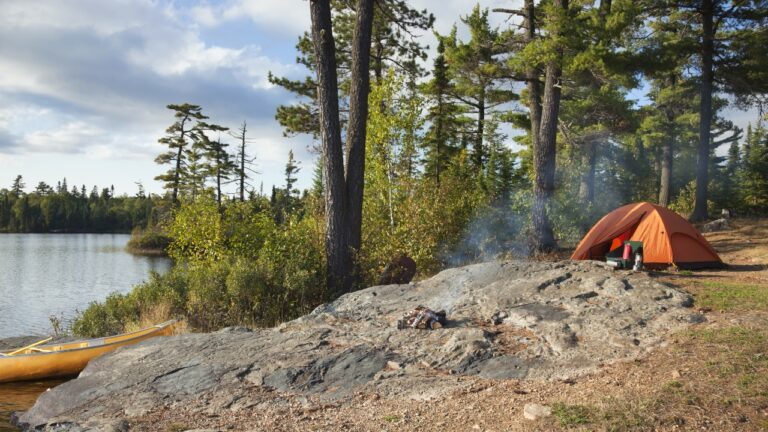
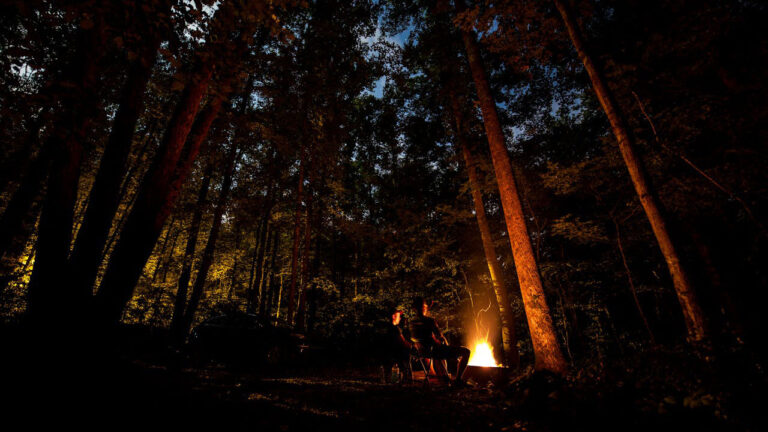
The upside here is that you can do a lot to keep your name off any statistic table. Groups of three or more people, talking and making noise, sharply reduce the odds of a surprise encounter. Bear spray has a strong track record of stopping charges when used early and correctly, and it’s lighter and easier to carry than a long gun for most hikers. Keeping a clean camp—no food in tents, real bear-resistant canisters or hangs where required—cuts down on food-conditioned bears that see humans as a meal ticket. If you hunt in brown bear country, treating every gut pile as a magnet and keeping your head on a swivel around carcasses matters more than whatever caliber you brought. Brown bears may lead the charts on fatalities, but they’re not a coin flip; the right behavior tilts the odds heavily back in your favor.
Like The Avid Outdoorsman’s content? Subscribe to our newsletter so you never miss an article.
Here’s more from us: