Photo credit: Wirestock Creators/Shutterstock.com
Some dogs get bought on impulse. Others end up in homes after weeks of reading forums, watching videos, grilling trainers, and comparing pros and cons. Certain breeds attract that type of owner because they’re known for being smart, versatile, or a little complicated. These are the dogs people usually “study into” instead of stumbling across. Sometimes that research pays off with a great match. Sometimes they learn the hard way that theory and reality don’t always line up. Either way, these breeds show up again and again wherever dog-nerds trade spreadsheets and training notes.
1. Border Collie
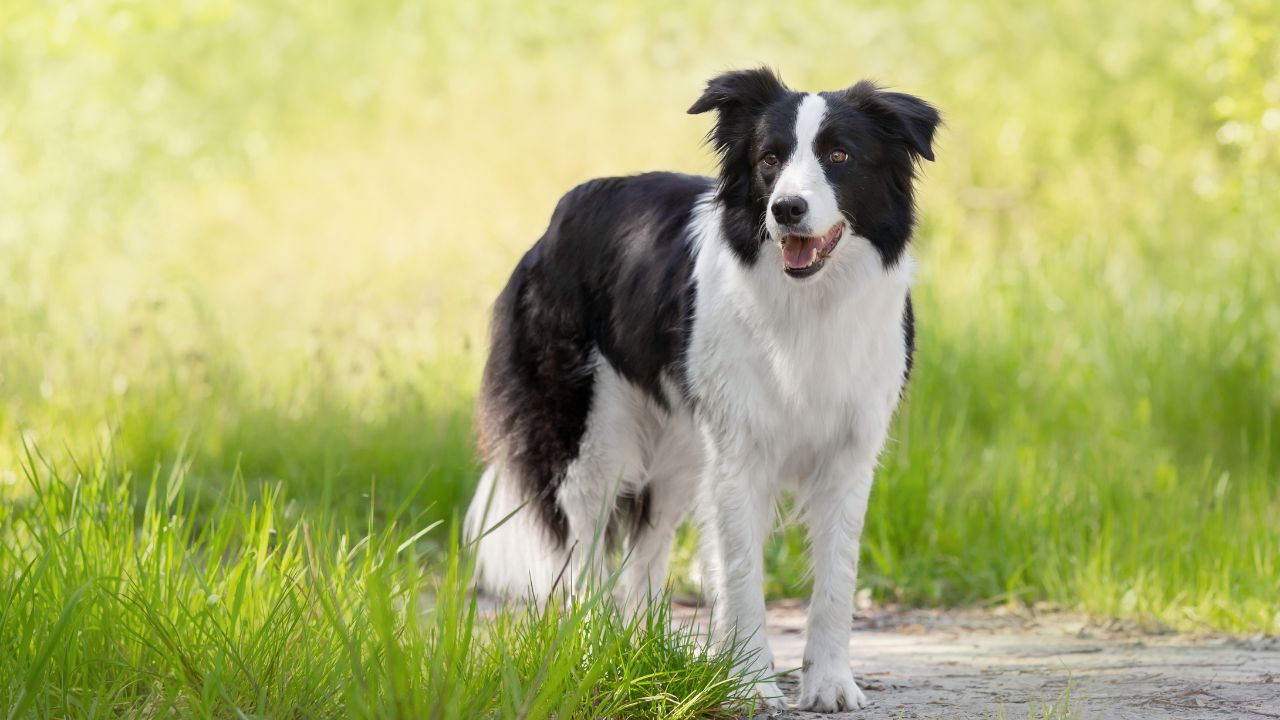
Border Collies are the poster dogs for “research first.” Everyone’s heard they’re smart, but it doesn’t take long to find out they’re also intense, sensitive, and constantly looking for work. People read about their herding trials, agility records, and farm life, then decide they’re up for the challenge. Some are. Others find out that the dog is three steps ahead of them all day and gets restless if the schedule slips. The folks who do well usually planned for training classes, sports, and hours of daily engagement. The ones who didn’t end up back online, wondering how the world’s smartest dog turned into a couch-destroyer.
2. Australian Shepherd

Australian Shepherds are the dog of choice for a lot of people who want “active but biddable.” A little research turns up all the usual warnings about energy, herding behavior, and sensitivity to chaos. That doesn’t scare off the planner types; it gives them a checklist. They read about health testing, color genetics, and working versus show lines, then go hunting for the “right” breeder. When it clicks, they get a dog that loves training, trails, and jobs around the property. When the reality of a busy life hits and the dog isn’t worked enough, they discover a different side: spinning, nipping, and endless fidgeting that they were technically warned about.
3. German Shepherd

By the time someone commits to a German Shepherd these days, they’ve usually scrolled through pages of hip scores, working titles, and debates about show lines versus working lines. They know about joint issues, stomach trouble, and the difference between a family companion and a dog that needs to be on a training field five days a week. Or at least they think they do. The planners who get it right line up good food, a reputable breeder, and a training club before the pup ever comes home. The ones who fall for the “protective family dog” marketing without listening to the fine print end up with a nervous, overpowered animal they’re not ready to steer.
4. Belgian Malinois

Nobody stumbles into a Malinois without at least hearing they’re a lot. The research rabbit hole is deep: working kennels, sport lines, hour-long videos of dogs flying up walls and hitting decoys. That attracts people who like the idea of a “tactical” dog and scares away anyone who doesn’t want to live at the training field. Trainers see both sides: folks who respectfully back away once they realize the real workload, and folks who ignore every warning because “we hike a lot, it’ll be fine.” The serious planners find clubs, mentors, and real outlets for that drive. The rest learn the hard way that reading about Malinois is a lot easier than living with one.
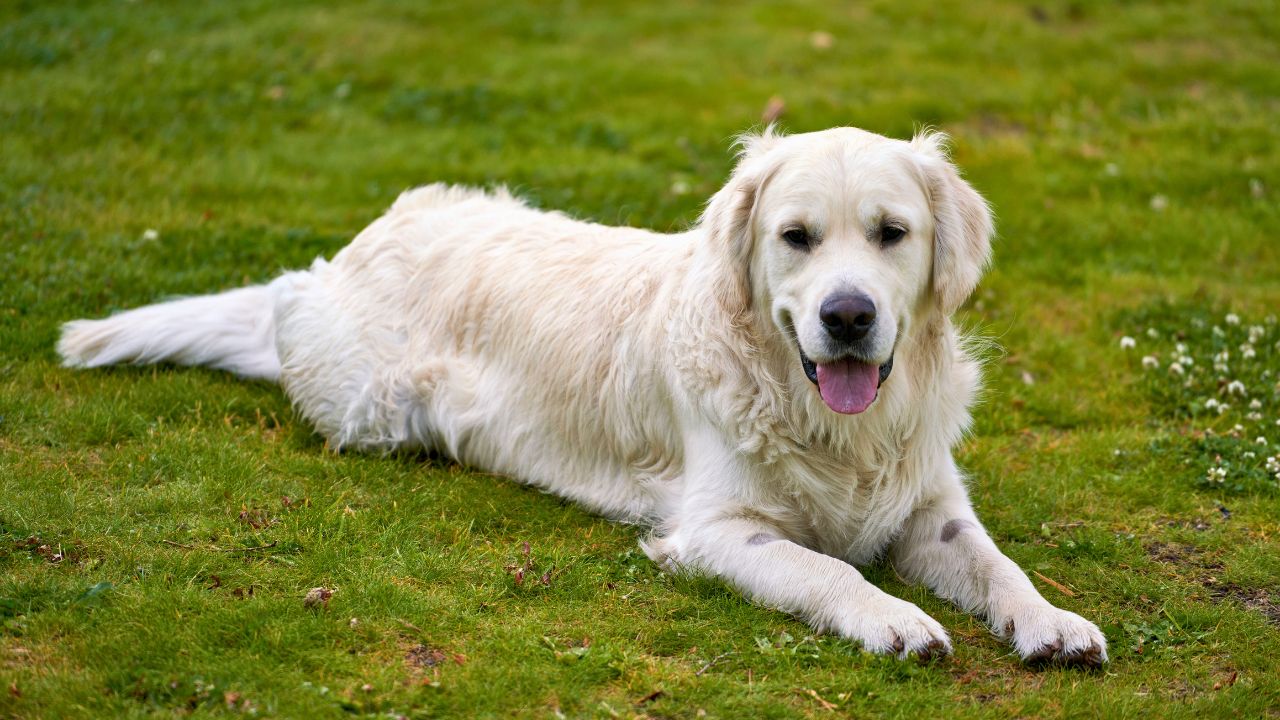
5. Golden Retriever

Goldens look like an easy button, but research-minded owners know better. They dig into cancer statistics, hip and elbow testing, temperament lines, and field versus show differences. The big question becomes: “Do I want a calm family dog or a driven working dog?” That leads to breeder interviews, health-test spreadsheets, and long waits for planned litters. People who do their homework usually end up with a dog that fits their household, whether that’s couch-friendly or bird-crazy. People who assume any yellow fluff will do sometimes land in the middle with a dog that’s too wired for their lifestyle and not wired enough for serious field work.
6. Labrador Retriever
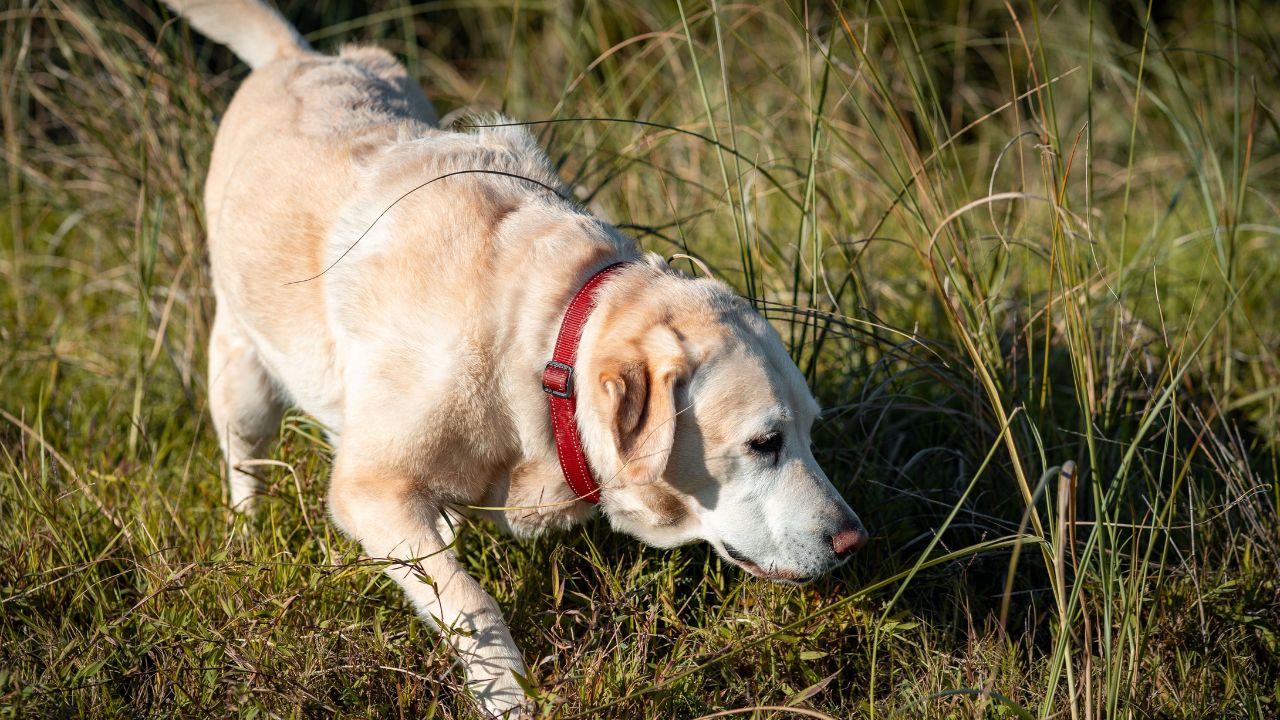
Labradors suck in casual buyers like any popular breed, but they also attract the spreadsheet crowd. Hunters look up field titles, performance records, and bloodlines tied to the kind of work they actually do—waterfowl, upland, or both. Families research show versus field, exercise needs, and that “teenage” period where the dog has more muscle than manners. Good planners also read up on weight management and joint health, because Labs will eat anything that doesn’t move and some things that do. When research drives the choice, owners are more likely to accept that this is an athletic working dog who happens to act like a goof, not a stuffed animal with a pulse.
7. Standard Poodle

Standard Poodles are a favorite of people who want brains, athleticism, and low shedding in one package. A quick search shows they’re not “fancy lapdogs”—they’re old water retrievers with real drive. That leads would-be owners into grooming tutorials, coat-type discussions, and arguments about how much clipping they can realistically keep up with. The planners tend to budget for professional grooming or commit to learning it themselves, and they sign up for obedience or sports work early. The folks who only saw “hypoallergenic” and skipped the rest get caught off guard when their smart, tall dog starts outthinking baby gates and inventing its own entertainment.
8. Vizsla

Vizslas live in that niche where hunters, runners, and outdoorsy families all end up researching the same dog. They’re attached, sensitive, and built for covering ground. Anyone who spends ten minutes online reading real owner experiences hears the same themes: “Velcro,” “needs exercise,” and “does poorly in harsh handling.” The people who still move forward after that usually want exactly that combination. They plan for crate training, long off-leash sessions, and a lot of contact. Those who buy on looks alone and skim over the nuance often end up with a dog that melts under loud corrections and chews the house when left alone too much.
9. Rhodesian Ridgeback

Ridgebacks are another breed you don’t randomly pick up at the mall. A little reading turns up their lion-hunting history, strong opinions, and tendency toward independence. That attracts methodical types who like a challenge and scares off folks who want instant obedience. Serious buyers dig into ridge genetics, dermoid sinus risk, and breeder ethics around it. They also ask a lot about same-sex dog issues and off-leash reliability. When expectations are set right, owners get a strong, steady dog that can handle hiking, land life, and real-world chaos. When someone blows off the research, they get dragged around by a powerful dog that shrugs at weak leadership.
10. Great Pyrenees

Anyone who’s done even a little research on Great Pyrenees knows they’re not oversized marshmallows. They’re livestock guardians with minds of their own. Reading about them means learning words like “barking,” “roaming,” and “independent.” The people who still sign up after that usually have land, livestock, or a clear job waiting. They read up on fencing, nighttime routines, and how to handle interactions with strangers at the gate. The folks who buy off a cute photo and skip the homework tend to write the forum posts a year later: “Why won’t my Pyr stop barking?” The researched crowd knew that answer going in and built their plan around it.
11. Shiba Inu

Shiba people are almost always researchers. The breed has a loud online footprint full of warnings about stubbornness, escape artistry, and low tolerance for nonsense. That weeds out a lot of casual interest. The ones who stick around start reading about responsible breeders, health tests, and the difference between a dog that tolerates kids and one that really enjoys them. They learn that recall is a long-term project and that dog parks are usually a bad idea. When they finally bring one home, they already expect some attitude and have a plan for training and management. The folks who skip straight from memes to ownership are usually in over their heads in a hurry.
12. Basenji

Basenjis are catlike, yodeling sighthounds you almost never see by accident. Owners tend to find them after deep dives into “unusual breeds” or low-shedding dogs that aren’t Poodles. The research phase brings up things like seasonal heat cycles, escape habits, and the fact that many of them aren’t big on obedience for its own sake. Responsible buyers also dig through health information, especially fanconi testing, and spend time talking to breeders about temperament. The payoff is a unique, clever dog that fits a very specific lifestyle. Without that homework, people end up stunned that their “quiet small dog” is an escape artist that doesn’t care about their commands.
13. Bernese Mountain Dog
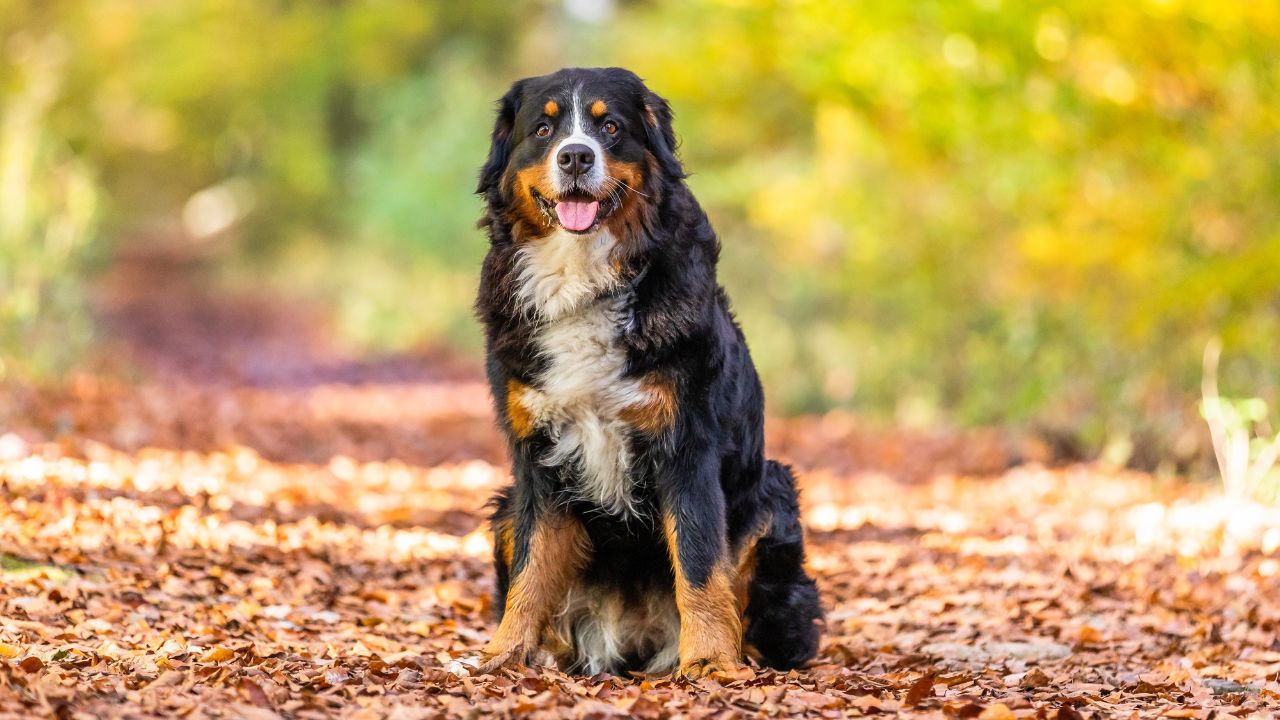
Berners are another “read for weeks first” breed. They’re big, gentle, and good-looking, but every serious article also mentions short lifespans and cancer rates. That makes people either back away or double down on finding breeders who test heavily and track longevity. The planners learn about heat intolerance, joint care, and realistic activity levels for a large working dog. They buy ramps, think ahead about vehicle size, and budget for medical care. When you skip that step and buy off a cute picture, you’re more likely to be blindsided by orthopedic issues and vet bills. The research crowd knows those risks and chooses with eyes open.
14. Corgi (Pembroke and Cardigan)
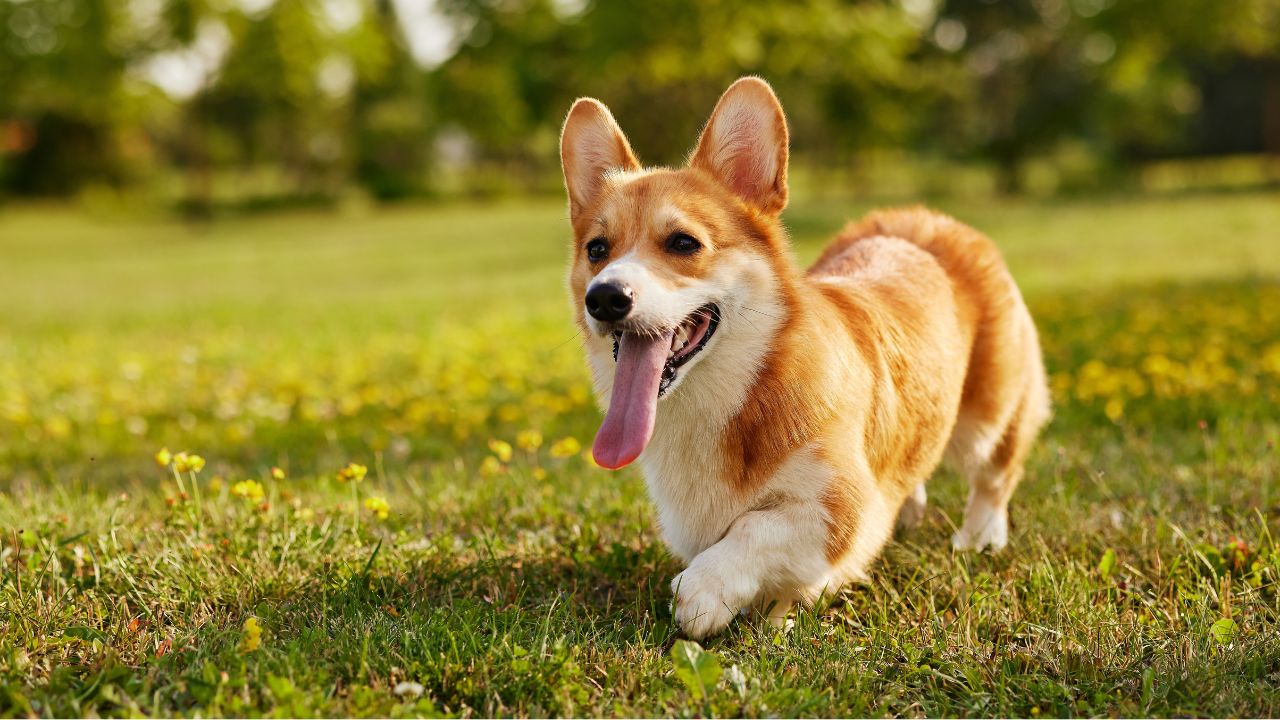
Corgis pull in nerdy planners because they’re a funny mix: small, herding-bred, and full of push. Digging into owner stories turns up barking, heel nipping, and control issues in homes that don’t set rules early. That leads people to look for good breeders, temperament testing, and early training plans. Many research-heavy owners also make peace with the shedding and back-health concerns before they ever put down a deposit. People who walk in blind expecting a quiet lapdog are the ones shocked by the amount of noise and bossiness. The ones who studied up already had “puppy class, herding outlets, and brushing schedule” written into their calendar.
15. English Springer Spaniel

Springers attract planners because they sit at the crossroads of hunting dog and family companion. A quick search shows two very different pictures: calm bird dogs that work all day, and frustrated house pets bouncing off the walls. Digging deeper, people find talk of field versus show lines, “springer rage” discussions, and the importance of good breeding and socialization. That steers serious buyers toward breeders who actually work their dogs or at least test temperaments thoroughly. They go in expecting to train, exercise, and keep the dog mentally busy. The folks who only saw a pretty picture and “good with families” often wind up surprised by how much structure a Springer really needs.
Like The Avid Outdoorsman’s content? Be sure to follow us.
Here’s more from us: