Photo credit: SportsmanGunCentre/YouTube
Some rifles earn their reputations the hard way. They’ve stacked tags, won matches, served in wars, and filled gun safes for generations. That kind of track record matters, and it’s worth respecting. But “famous” doesn’t mean “right for you.” A rifle can be legendary and still fight your body type, your hunting style, your budget, or the way you actually practice.
A lot of shooters waste years forcing themselves to like a rifle because everyone else does. You don’t have to. If a rifle’s strengths don’t line up with how you hunt, how you carry, and what you expect at real distances, it’s going to feel like work. These are well-known rifles with real reasons behind the fame—along with the honest reasons they still might not be your rifle.
Marlin 336 in .30-30 Winchester

The Marlin 336 is famous because it’s carried well, hit hard enough, and kept working in bad weather. In thick woods, a 336 feels like it belongs. It points fast, cycles smoothly, and doesn’t need a long sight picture to do its job.
But it might not be for you if your hunts keep stretching into longer shots or you want a rifle that lives behind a scope and a bipod. .30-30 drops and drifts faster than modern cartridges, and the lever-gun manual of arms isn’t everyone’s favorite under pressure.
If you love dialing turrets, stacking tiny groups, or practicing at distance, the 336 can feel limiting. It’s a classic for real reasons. Your reasons might be different.
Ruger M77 Hawkeye

The Ruger M77 Hawkeye is known for being tough, dependable, and built around controlled-round feeding. It’s a rifle you can drag through rough country without feeling like you’re babying it. That reputation is earned, and plenty of hunters trust it for exactly that.
Where it may not fit you is feel and refinement. The Hawkeye can feel heavier through the front than some modern options, and the factory trigger and stock ergonomics don’t hit everyone the same way. A rifle that feels “off” in your shoulder will show it in field positions.
If you want a rifle that feels sleek, light, and modern out of the box, the Hawkeye can feel like more rifle than you need. It’s a working gun. You have to like that kind of personality.
Savage 110
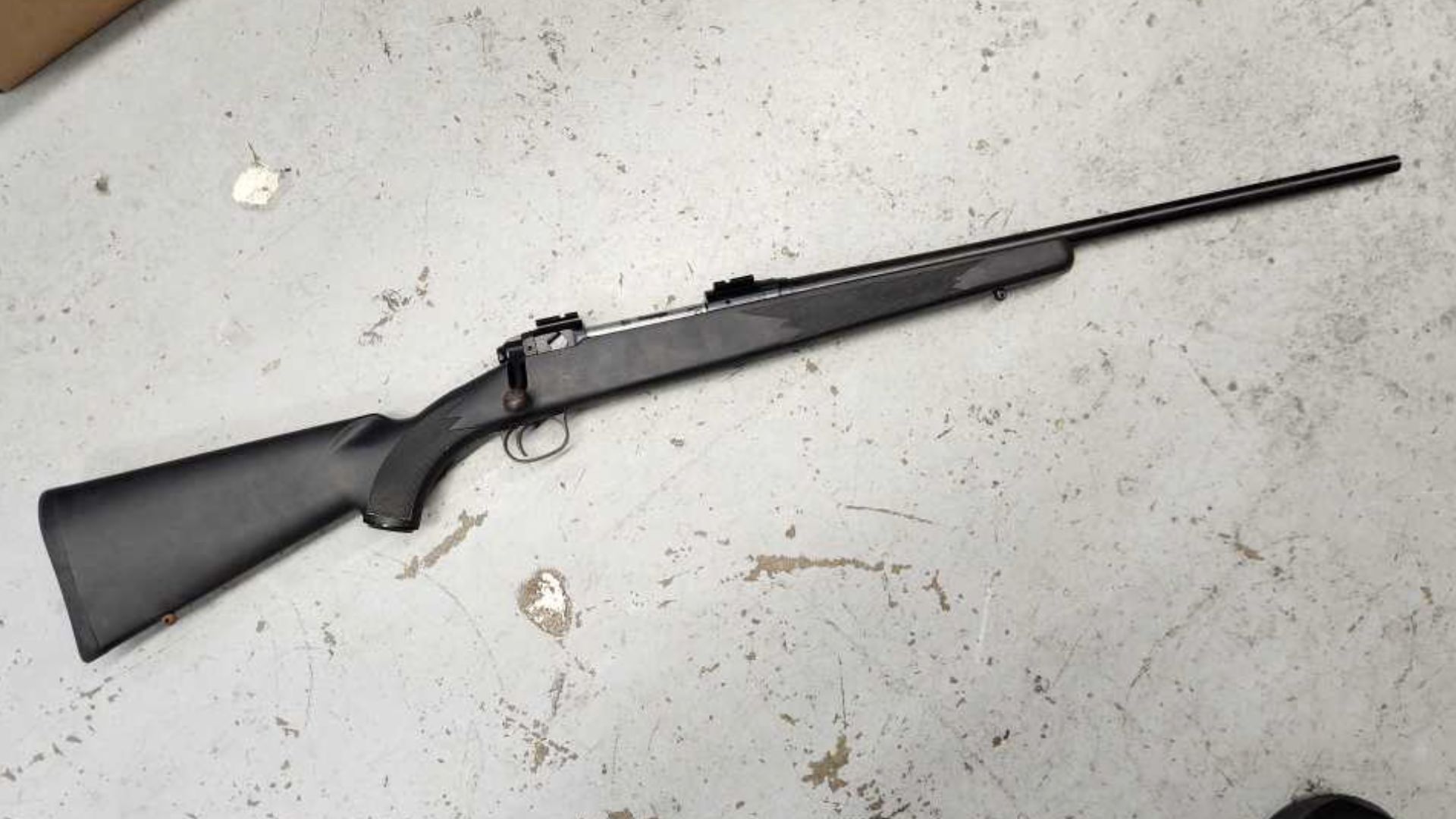
The Savage 110 is famous for accuracy-per-dollar and a design that’s been putting meat in freezers for decades. A lot of shooters have watched a plain 110 outshoot pricier rifles with the right load, and that sticks in your mind. It’s a serious value in a world that loves shiny marketing.
But it might not be for you if you care deeply about fit, finish, and the way a rifle cycles. Some 110 variants feel utilitarian in the hands, and the bolt throw and overall feel can come across as less polished than what you’ll find from more expensive rifles.
If you’re the type who shoots better when the rifle feels smooth and refined, that matters. The 110 can be a great tool, but not everybody enjoys using it.
Browning BAR Mk 3

The Browning BAR Mk 3 is famous because it made semi-auto hunting rifles feel reliable and practical for real hunters. It softens recoil, cycles quickly, and can be a real advantage when a second shot needs to happen now instead of later. In the right hands, it’s deadly on game.
It might not be for you if you prioritize light weight and easy maintenance. The BAR is heavier than most bolt guns, and it’s not the rifle you want to detail-strip on the tailgate after a wet week. It also tends to be pickier about how you set it up and maintain it compared to simpler actions.
If you hike far, hunt steep country, or want a rifle that’s easy to service and keep spotless, the BAR can feel like extra baggage. Great rifle. Not always a great match.
Browning X-Bolt

The Browning X-Bolt has a reputation for being accurate, smooth, and well-made. A lot of shooters pick one up and immediately like the bolt feel and the way it sits in the hands. It’s a modern hunting rifle that often delivers exactly what people want with minimal fuss.
It still might not be for you if you’re hard on gear or allergic to anything that feels “too nice.” Some X-Bolt configurations lean toward refined hunting rifle rather than beater truck gun, and that can change how you treat it in the field. The magazine system and overall setup also aren’t everyone’s favorite if you prefer simpler, more universal parts.
If you want a rifle you can abuse without caring, or you like the most common, widely standardized ecosystem, you may gravitate elsewhere. The X-Bolt earns its name. You still have to like the vibe.
Weatherby Mark V

The Weatherby Mark V is famous for one thing above all: it’s tied to fast, hard-hitting magnum cartridges and a legacy of long-range hunting culture. The action is strong, the look is iconic, and it carries a certain “serious rifle” presence that people notice.
That same reputation can make it the wrong rifle for you. Mark V setups often end up in magnum chamberings that bring more recoil, more blast, and more cost per trigger pull than most hunters actually need. If you don’t love practicing with it, you won’t shoot it as well when it counts.
It can also feel like overkill for woods hunting and everyday deer work. If you want a rifle you can shoot all afternoon without paying for it in your shoulder and wallet, the Mark V may not fit your reality.
Colt LE6920

The Colt LE6920 is famous because it became the reference point for a “real” AR-15 carbine. It has a reputation built around reliability, parts compatibility, and a configuration that mirrors what many people think an AR should be. When someone wants a baseline rifle, the 6920 is often the name that comes up.
It might not be for you if your AR needs are more specialized than general-purpose carbine work. Plenty of shooters want a longer rail, different gas system feel, a lighter front end, or features that come standard on newer rifles. The 6920 can feel dated depending on what you expect from a modern setup.
If you don’t enjoy upgrading or you want a rifle that arrives “exactly right” for your use, the 6920 might feel like a starting point, not a destination. Famous and solid can still be the wrong fit.
M1 Garand

The M1 Garand is famous because it’s one of the most important military rifles ever carried, and it’s still a joy to shoot when everything is right. The balance, the history, and the way it runs make it special. Owning one feels like you’re holding a piece of American story.
But it may not be for you if you want practical range time without extra homework. The Garand is heavier than most modern rifles, the sights take getting used to, and feeding it correctly matters. Ammo considerations are real, and so are the realities of a historic system that wasn’t designed around modern optics and accessories.
If you want a rifle you can set up with a dot, a light, and a sling and call it done, the Garand will feel limiting. It’s incredible. It’s also a commitment.
Springfield M1903A3

The 1903A3 is famous because it represents a high point in classic American bolt-gun design, with sights that were meant for serious marksmanship. It’s a rifle with real heritage, and when it’s in good condition, it can still shoot better than many people expect.
It might not be for you because old-school precision is slow and demanding. The rifle is long, the ergonomics reflect a different era, and the sight picture and trigger feel won’t match what most modern shooters are used to. It also brings the practical realities of surplus ownership: condition varies, parts vary, and you may spend time sorting the rifle before you ever trust it.
If you want plug-and-play performance, the 1903A3 can feel like a history project. That can be the whole appeal—or the whole problem.
Mauser K98k

The K98k is famous because the Mauser action became the blueprint for bolt guns worldwide. Controlled feeding, solid extraction, and rugged design put it on the map. A good K98k has a certain mechanical honesty that modern rifles sometimes lack.
It still might not be for you because military ergonomics aren’t modern ergonomics. The stock dimensions can feel awkward, the safety and bolt feel can be slower than what you’re used to, and the sights can be a challenge for aging eyes or fast shooting. Many examples also carry the uncertainty of surplus condition, mismatched parts, or worn bores.
If you want a hunting rifle you can tune around you—scope, stock fit, recoil pad, modern sling—the K98k can feel stubborn. Respect it. Don’t force it.
Mosin-Nagant 91/30

The Mosin-Nagant 91/30 is famous because it’s everywhere, it’s rugged, and it has a reputation for surviving abuse. It also introduced a lot of shooters to surplus rifles because it was affordable for so long. That accessibility turned it into a cultural icon.
It might not be for you if you actually want comfort, smooth handling, and consistent accuracy without a fight. Many 91/30s have heavy triggers, stiff bolts, and stocks that beat you up under recoil. Add in varying bore condition and ammo variables, and you can end up with a rifle that feels unpredictable compared to modern standards.
If your goal is dependable performance and enjoyable range time, a 91/30 can feel like work. It’s famous for real reasons. Those reasons aren’t always “fun.”
Norinco SKS

The Norinco SKS is famous because it’s reliable, handy, and chambered in a cartridge that does honest work at practical distances. It’s a simple semi-auto that tends to run even when it’s dirty, and it points naturally. For a lot of people, it’s the rifle they learned to shoot fast with.
It might not be for you because the platform has its own limits. The sights are basic, the trigger can be inconsistent, and the loading system isn’t as quick or flexible as what you’re used to if you live in the AR world. Optics mounting can also be a headache depending on the setup, and “easy upgrades” often make things worse.
If you want a modern interface and modern accessory support, the SKS can feel like a dead end. It’s solid. You still have to like its pace and personality.
Barrett M82A1

The Barrett M82A1 is famous because it made .50 BMG part of mainstream gun culture. It’s iconic, it looks the part, and it delivers a shooting experience you don’t forget. When people picture a big-bore semi-auto rifle, this is often the image in their head.
It’s probably not for you because living with it is a different world. The rifle is huge, heavy, loud, and expensive to feed. Range access can be limited, transport is a chore, and it doesn’t fit “casual shooting” unless your budget and logistics are already set up for it.
If your shooting life is about practical training, hunting, or normal range days, the M82A1 can feel like buying a boat when you really needed a pickup truck. Incredible rifle. Wrong tool for most lives.
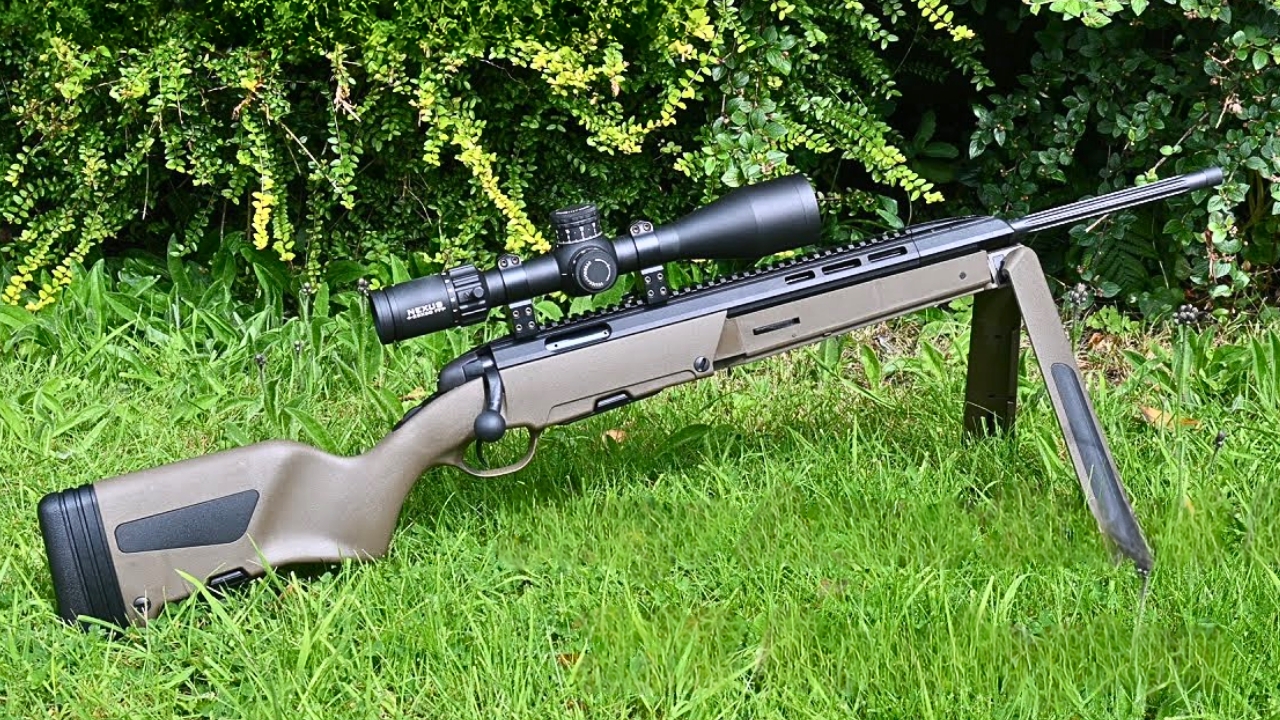
Steyr Scout

The Steyr Scout is famous because it’s built around a real concept: a lightweight, handy rifle meant to be carried and used quickly in field conditions. It’s a purposeful design, not a marketing slogan, and that’s why it keeps a devoted following. When you handle one, you can see the thought behind it.
It might not be for you because the concept asks you to buy into the concept. The forward optic idea, the stock design, and the overall layout feel different than what most hunters grew up on. If you want a traditional scope position and a traditional feel, the Scout can feel strange even if it’s working exactly as designed.
If you’re the kind of shooter who wants familiar controls and familiar setups, you may never relax behind it. And if you never relax, you won’t shoot your best.
Sako 85

The Sako 85 is famous because it’s refined, accurate, and built with real attention to detail. The action feels smooth, the fit tends to be excellent, and the rifle carries a reputation for doing everything cleanly. If you want a rifle that feels like quality, the Sako delivers that feeling.
It might not be for you for one blunt reason: cost. You can buy a rifle that kills deer just as dead for a lot less money, and that reality can mess with your head. Some shooters end up babying a premium rifle, which means it doesn’t get practiced with or carried as hard as it should.
It can also lock you into a mindset where you expect the rifle to do the work. A great rifle helps, but it doesn’t replace time behind the trigger. If you don’t want the pressure of owning something expensive, the Sako 85 can feel like more responsibility than enjoyment.
Like The Avid Outdoorsman’s content? Subscribe to our newsletter so you never miss an article.
Here’s more from us: