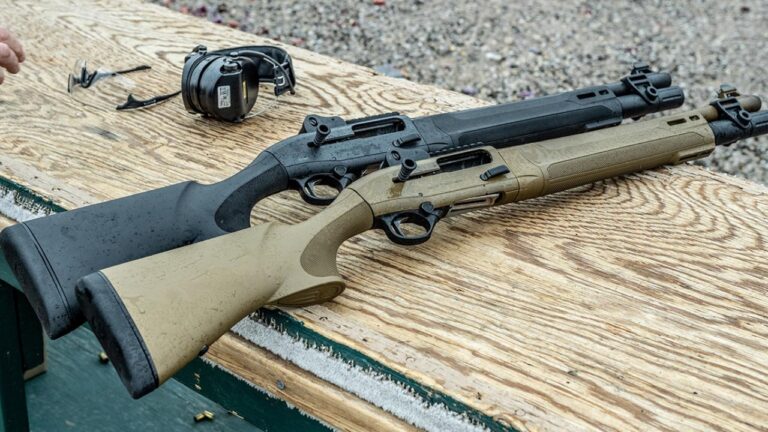
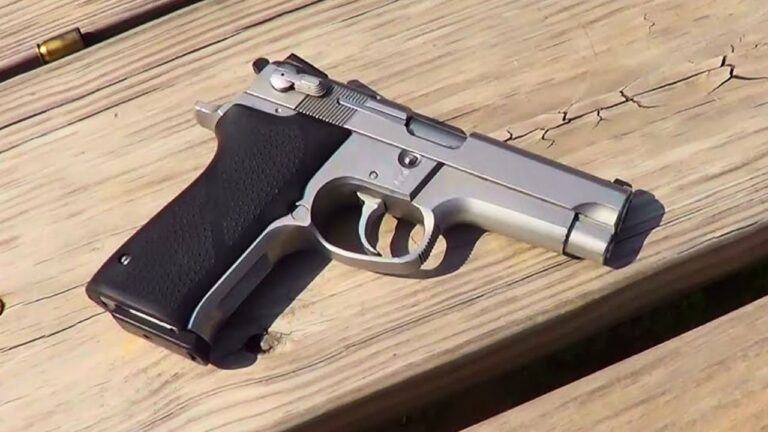
Photo credit: guruXOX/Shutterstock.com
Most carry guns don’t fail because the model is bad. They fail because the owner’s definition of “reliable” is way too soft. For a lot of people, “reliable” means: it fired a couple magazines at the range and nothing exploded. That’s not a test. That’s a first date. The “reliable” test most carry guns never pass is the cold, dirty, real-life function test with your actual carry setup—meaning your carry ammo, your carry magazines, your carry holster, and the gun in the condition it’s actually in after being carried for weeks: linty, a little dry, maybe a little gritty, and not freshly cleaned like it’s going on display.
This is the test that exposes the truth. Does the gun feed and cycle when it’s not pampered? Does it run when your hands are cold and your draw is rushed? Does it still work with the exact mags you carry and the exact ammo you bet your life on? Most people never find out because they don’t want to spend the ammo and they don’t want to discover a problem. But if you don’t discover problems on purpose, you discover them by accident.
The test starts cold, not after you “warm up”
A lot of shooters only judge guns after they’ve settled in. They shoot a few slow groups, find their rhythm, and then declare the gun good. Real carry doesn’t start warmed up. It starts cold—cold hands, cold brain, cold mechanics. A carry gun should pass a simple cold-start test: draw and fire clean, accountable hits immediately, without bobbles, without failures, without “let me try that again.”
Cold starts also reveal shooter-induced problems that get hidden later. If you’re limp-wristing a micro because you’re half awake, or your grip is inconsistent on the first rep, you’ll see it. If a gun is sensitive to that, you need to know now, not later.
It has to run with the mags you actually carry
Most “range reliability” is done with whatever mags are clean and handy, not the mags that live in your pocket, in your vehicle, or in your carry rotation. Carry mags pick up lint. They get bumped. They get topped off. They live a harder life than range mags, and they’re often the source of the dumbest malfunctions. If you only test with range mags, you’re testing the wrong system. A carry gun is the gun plus the mags plus the ammo. That trio has to work together.
This is why marking magazines matters. If a problem happens and you don’t know which mag was in the gun, you can’t learn anything. The gun doesn’t need “mystery reliability.” It needs repeatable reliability you can track.
It has to run your carry ammo, not just cheap ball
Plenty of guns will chew through FMJ all day and then get weird with certain defensive loads, especially in small guns or guns with borderline springs. The “reliable” test people skip is running enough of your carry ammo to verify feeding, ejection, and slide lock behavior—again, with carry mags—not just once, but across multiple sessions. A lot of shooters do five rounds, see it feeds, and call it good. That’s not proof. That’s wishful thinking.
I’m not saying you need to burn hundreds of rounds of expensive defensive ammo. But you do need enough reps that you’re not basing your confidence on luck. Even a small sample, spread over time, is better than a single ceremonial magazine run.
It has to work when the gun is dirty and dry, because that’s how carry guns live
Carry guns aren’t range guns. They get lint. They get sweat salt. They get dust. They get carried more than they get cleaned. Then people are shocked when something starts slowing down or cycling changes. A real reliability test includes running the gun after it has been carried, without cleaning it first, and seeing if it still runs. That’s not abuse. That’s reality.
Some guns tolerate neglect better than others, and that matters if you’re not the type who cleans weekly. If your gun requires perfect cleanliness to stay reliable, then you have to be the type who keeps it perfect. Most people aren’t, and that mismatch is where failures happen.
A “reliable gun” that you can’t draw cleanly isn’t reliable in practice. Holster issues cause fumbled grips, snagged cover garments, and bad first shots. Your carry test should include drawing from concealment the way you actually carry. That means real clothing, real belt, real holster, and enough reps to confirm you’re not building confidence on an unrealistic range routine.
If you want to keep this practical, run a short set of reps once a week: a few cold draws to one hit, then a few controlled pairs. Track anything odd. If your setup is solid, it’ll look boring. If it’s not, you’ll see patterns.
How to pass the test without turning it into a money pit
The point isn’t to waste ammo or chase perfection. The point is to remove surprises. A smart approach is this: keep a small rotation of carry mags, mark them, and actually shoot them. Run a mix of ball and carry ammo through the same mags. Don’t baby the gun by cleaning it right before every “test.” Let it be a carry gun, then see if it still runs. If you need extra mags, basic maintenance tools, or practice targets, Bass Pro Shops is an easy source, but the real key is the process, not the purchases.
Like The Avid Outdoorsman’s content? Subscribe to our newsletter so you never miss an article.
Here’s more from us: