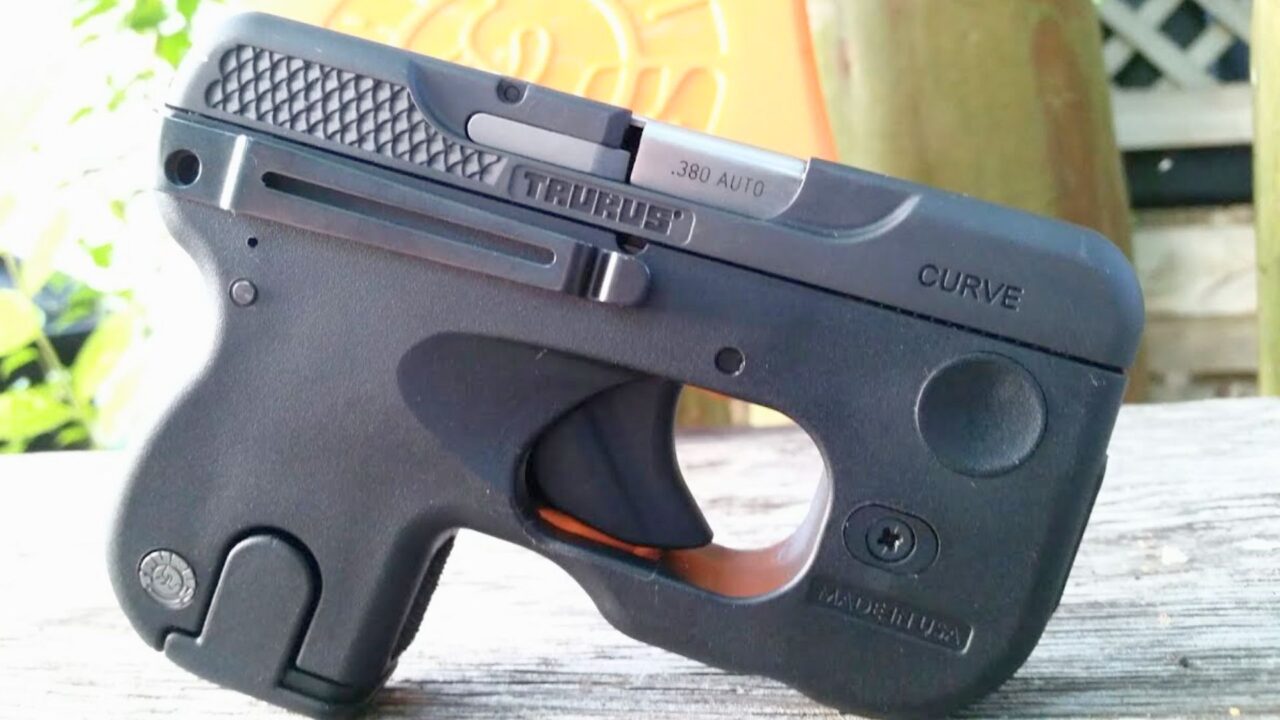
Photo credit: Hegshot87/YouTube
There’s no shame in admitting buyer’s remorse when it comes to firearms. A lot of guns look great behind the counter or get talked up in forums, but once you spend real time with them, the cracks show. Maybe the recoil’s harsher than expected, or the trigger’s spongy. Maybe it doesn’t fit your hand right, or it runs fine on the bench but chokes in the field. These are the guns that make you wish you’d put a few hundred rounds through them before swiping the credit card. Renting one at the range could’ve saved you the hassle—or at least let you go into the deal with clear eyes. Because once you break the seal and take it home, resale value rarely works in your favor. Here are the guns that too many shooters end up regretting, not because they’re all bad, but because they’re not what folks expected.
KelTec Sub2000
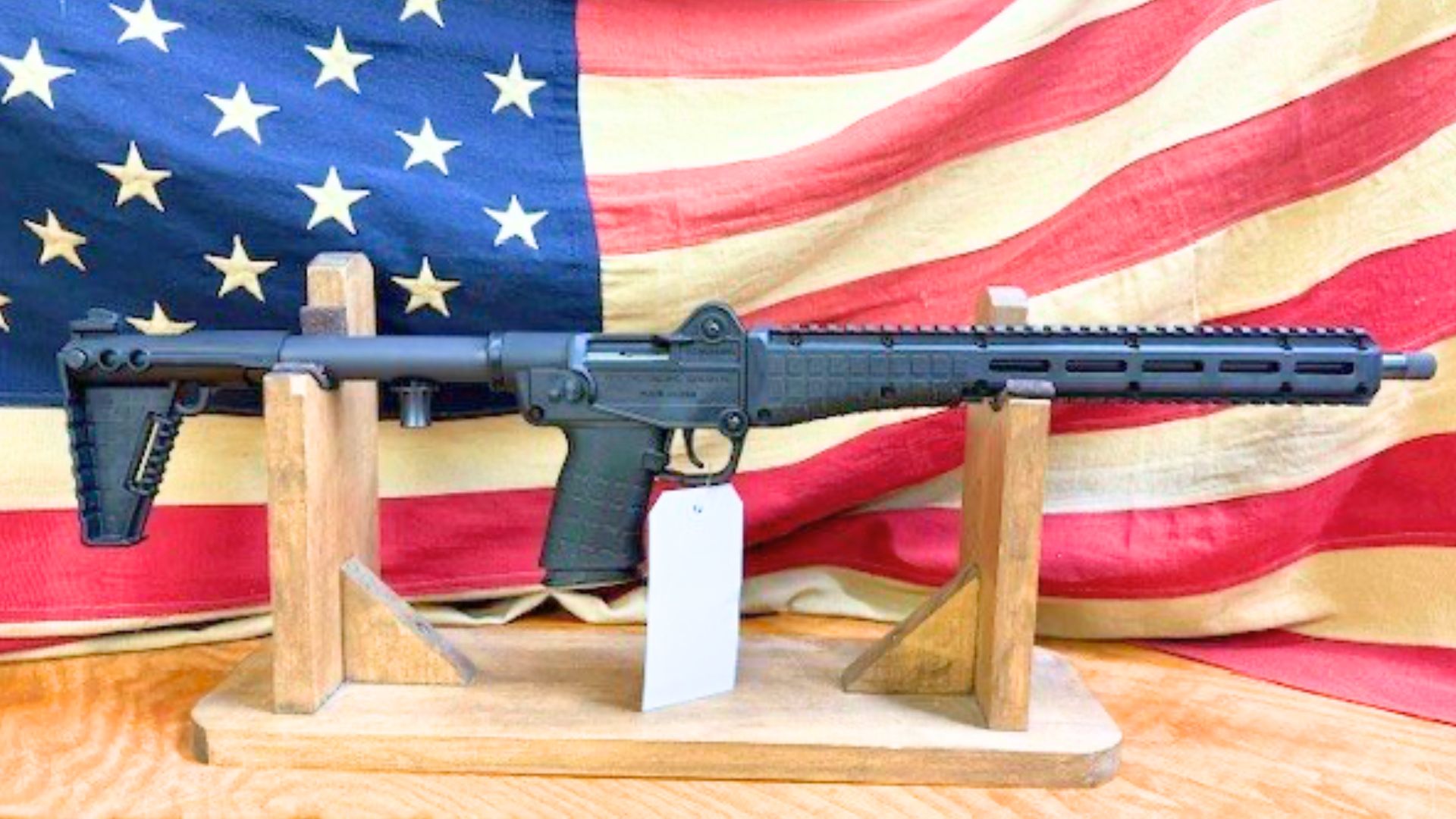
The KelTec Sub2000 is one of those guns that makes a strong first impression. It folds in half, takes Glock mags, and looks like it was made for bug-out bags and truck consoles. But the first time you actually shoot it, you’ll notice some things that don’t show up in the brochures. The cheek weld is rough, the stock doesn’t adjust, and the trigger has a long, gritty pull.
It also throws brass straight back at your arm and face if you’re not careful. While it’s accurate enough for close work and definitely lightweight, the ergonomics are awkward, and the charging handle placement isn’t for everyone. It’s fun for the first mag or two, but when you start looking at practical use or sustained range time, most folks come away underwhelmed. You’ll wish you’d rented it first just to see how much compromise comes with that folding design.
Taurus Curve

The Taurus Curve definitely gets attention. It’s curved to match your body, has no sights, and was pitched as the ultimate deep concealment pistol. Sounds good in theory. In practice, it’s one of the most frustrating guns you’ll ever try to shoot. The built-in laser barely holds zero, and without real sights, you’re left pointing and hoping.
The trigger is long and heavy, and recoil feels snappy in such a tiny frame. Even with ball ammo, reliability can be hit or miss. Most folks don’t figure that out until they’ve bought it and taken it to the range, where it becomes clear that accuracy and control were traded for novelty. If you’d rented one and run a few magazines through it first, you’d probably keep looking. It’s a reminder that not every new design is worth the leap.
Smith & Wesson M&P Shield EZ .380
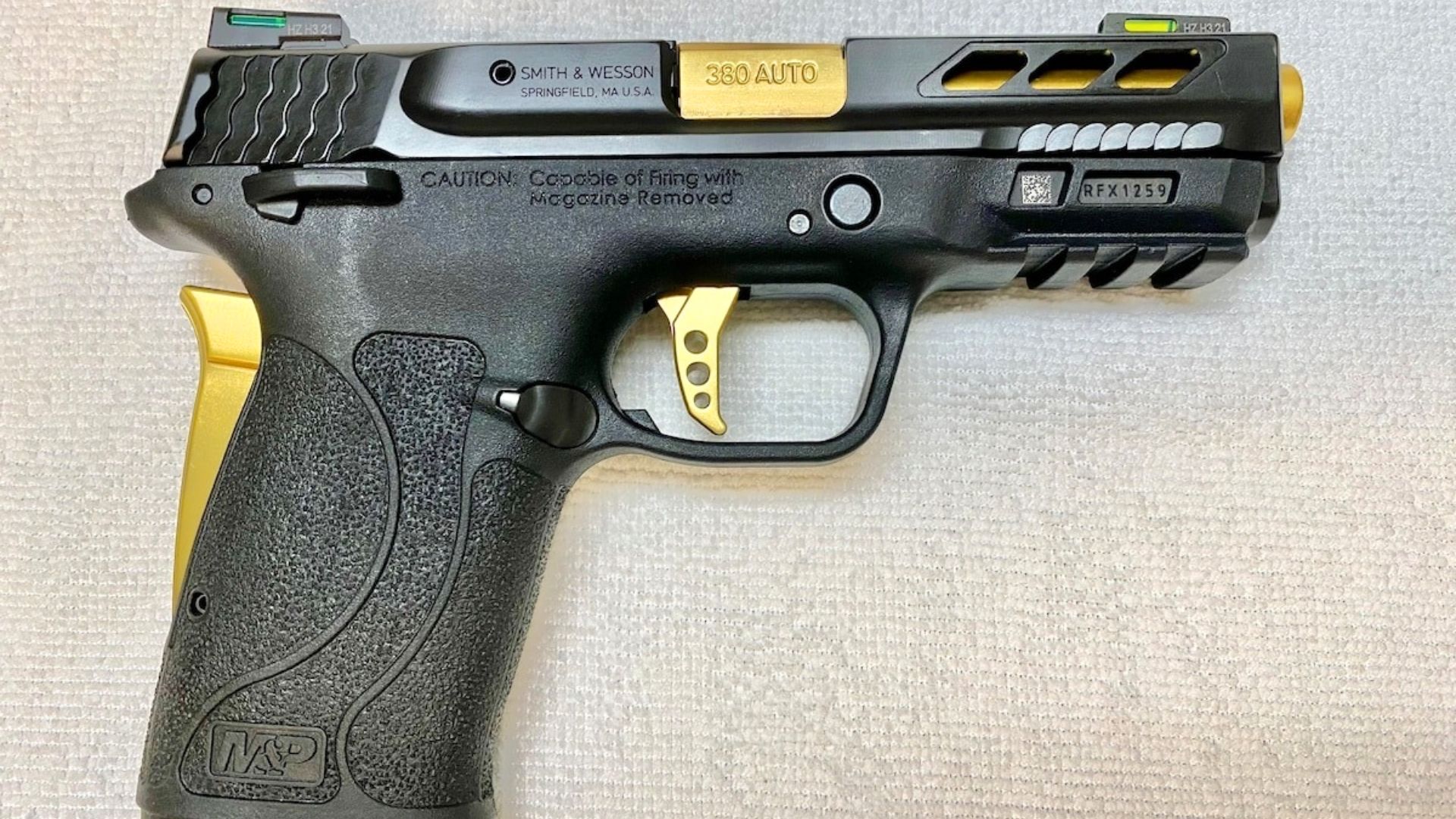
At first glance, the M&P Shield EZ in .380 looks like the ideal option for folks who need low recoil and easier slide manipulation. And for some users, especially those with hand strength issues, it does serve a purpose. But many others find it too soft in performance and awkward in feel after a few range sessions.
The grip safety is a common complaint—it doesn’t always engage cleanly unless your grip is perfect. The trigger has some play, and the slide doesn’t always lock back reliably. It’s comfortable for short practice sessions, but if you plan on carrying it or using it regularly, you might end up feeling like it’s too much of a compromise. Renting one before buying would’ve revealed how it fits your hand and whether the trade-offs are worth the ease of use.
Desert Eagle .50 AE

There’s no denying the Desert Eagle draws a crowd. It looks powerful, sounds intimidating, and it’s chambered in .50 AE—so people assume it’s the ultimate handgun. But unless you’re buying it for movie cosplay or to impress your buddies at the range, you’re probably going to regret the purchase.
It’s incredibly heavy, awkward to shoot, and the recoil makes fast follow-up shots nearly impossible. It’s also picky about ammo, and cleaning it is no small chore. Unless you’ve got large hands and a strong grip, running a full mag is more of a chore than a thrill. The cost of ownership, both in ammo and maintenance, isn’t small either. One rental session would likely be enough to scratch the itch—and save you from the regret of owning a novelty that spends more time in the safe than on the range.
FN Five-seveN
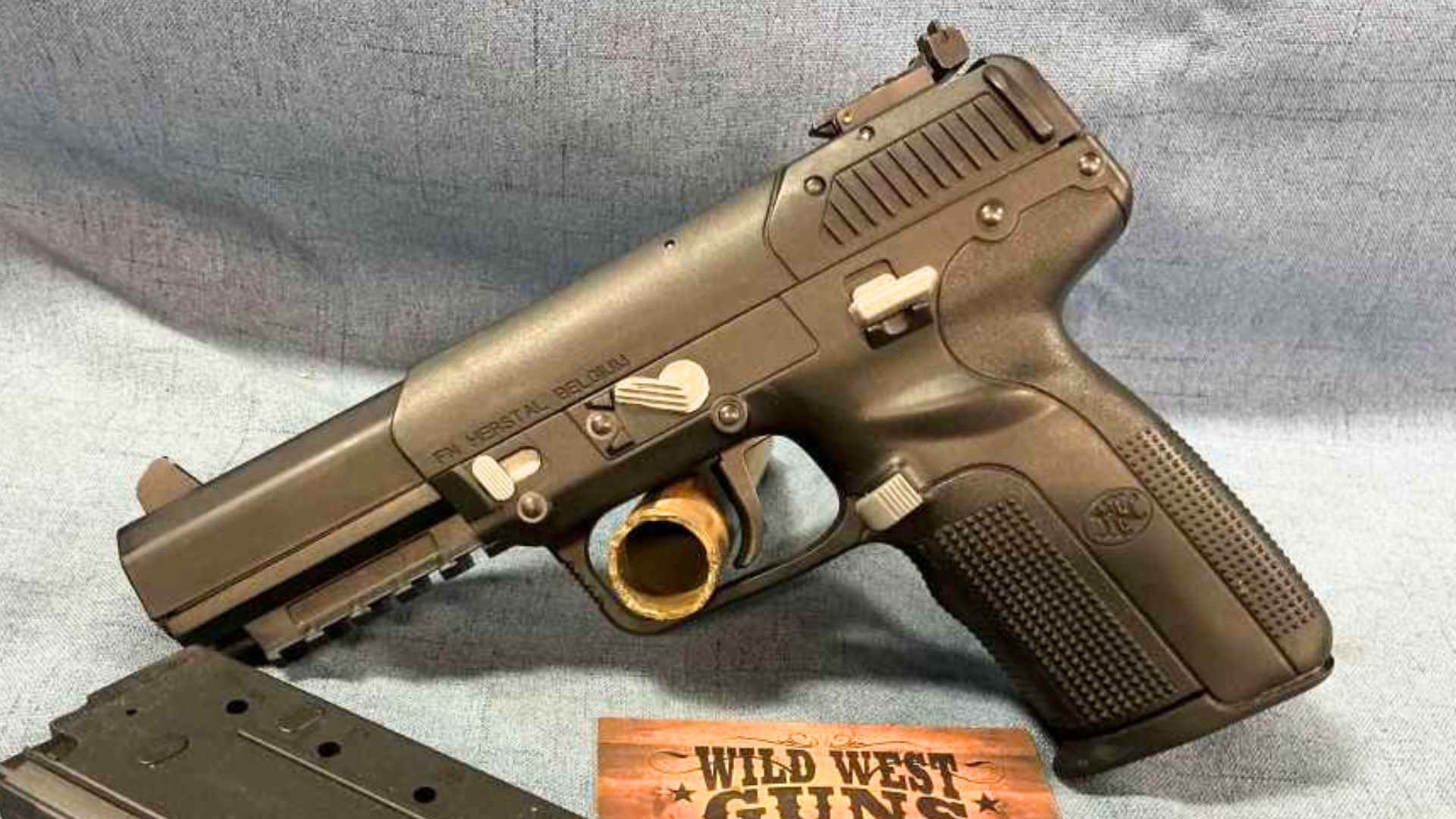
The FN Five-seveN looks like a futuristic sidearm and promises high-capacity, low-recoil performance in a lightweight platform. But the 5.7×28mm round is expensive and underwhelming for many folks once they actually use it outside of a controlled demo. It’s accurate and soft-shooting, sure—but it doesn’t hit as hard as people expect, especially for personal defense.
The grip is long and can feel awkward for smaller hands. Trigger reset is fine, but it’s not exactly crisp. Some folks find the whole experience sterile—lots of plastic and not much soul. Add in the high price of both the gun and the ammo, and you’ve got a pistol that looks better in theory than in practice. If you’d rented one, you’d likely realize it’s more of a niche tool than a go-to carry or range gun.
Remington RP9
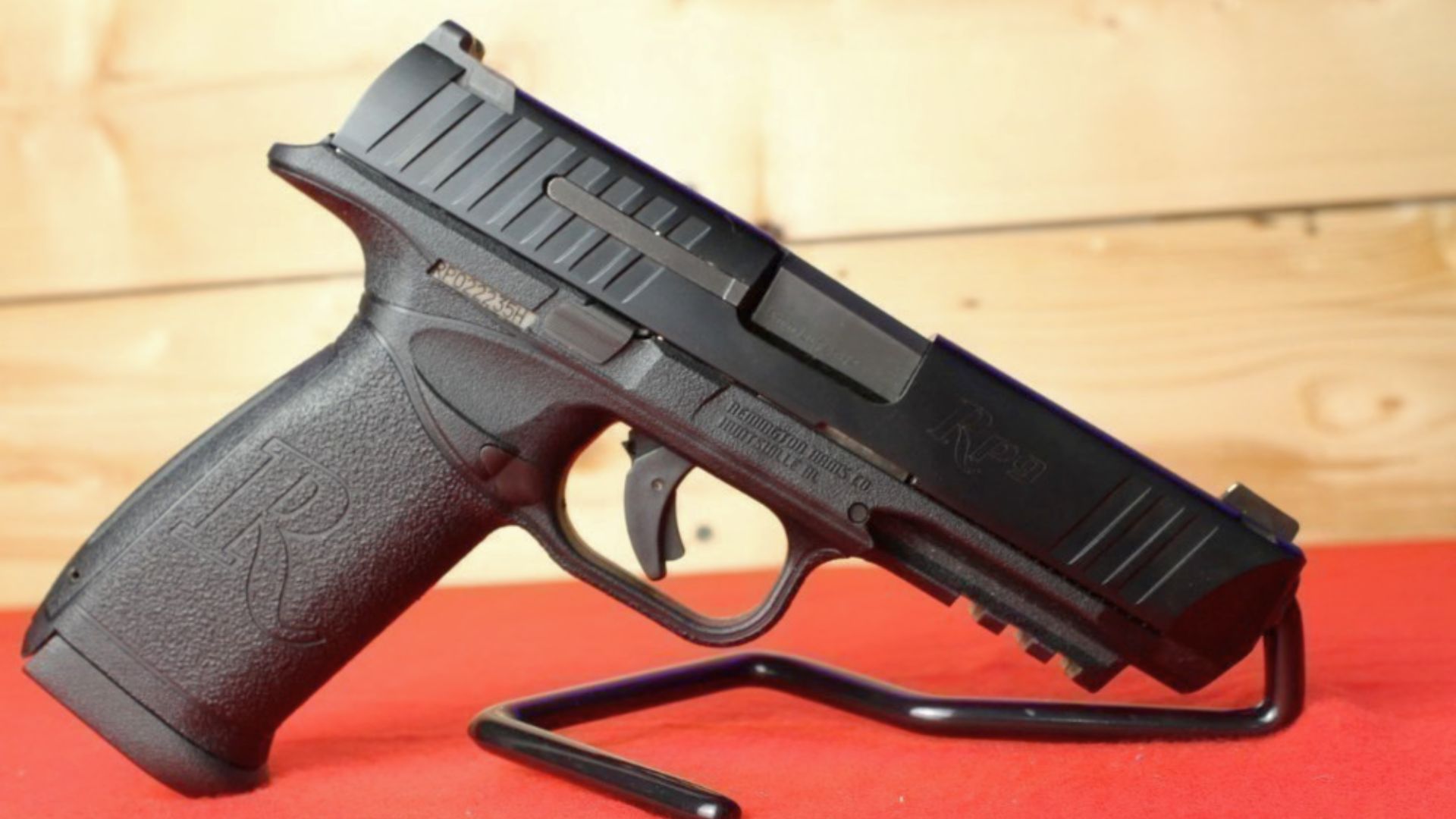
The RP9 came in with big marketing and even bigger capacity, offering a 15+ round full-size pistol at a bargain price. But once shooters got their hands on it, the complaints stacked up fast. The grip is bulky, the trigger feels vague, and the slide serrations are too shallow to be reliable under stress.
It doesn’t help that Remington had quality control issues at the time, and some RP9s were plagued with feeding problems and inconsistent ejection. It shoots, sure—but it doesn’t feel refined. Most shooters can find better ergonomics and reliability in other budget-friendly pistols. If you’d rented one before buying, you’d probably find the handling alone enough to steer you toward something else.
Mossberg 715T
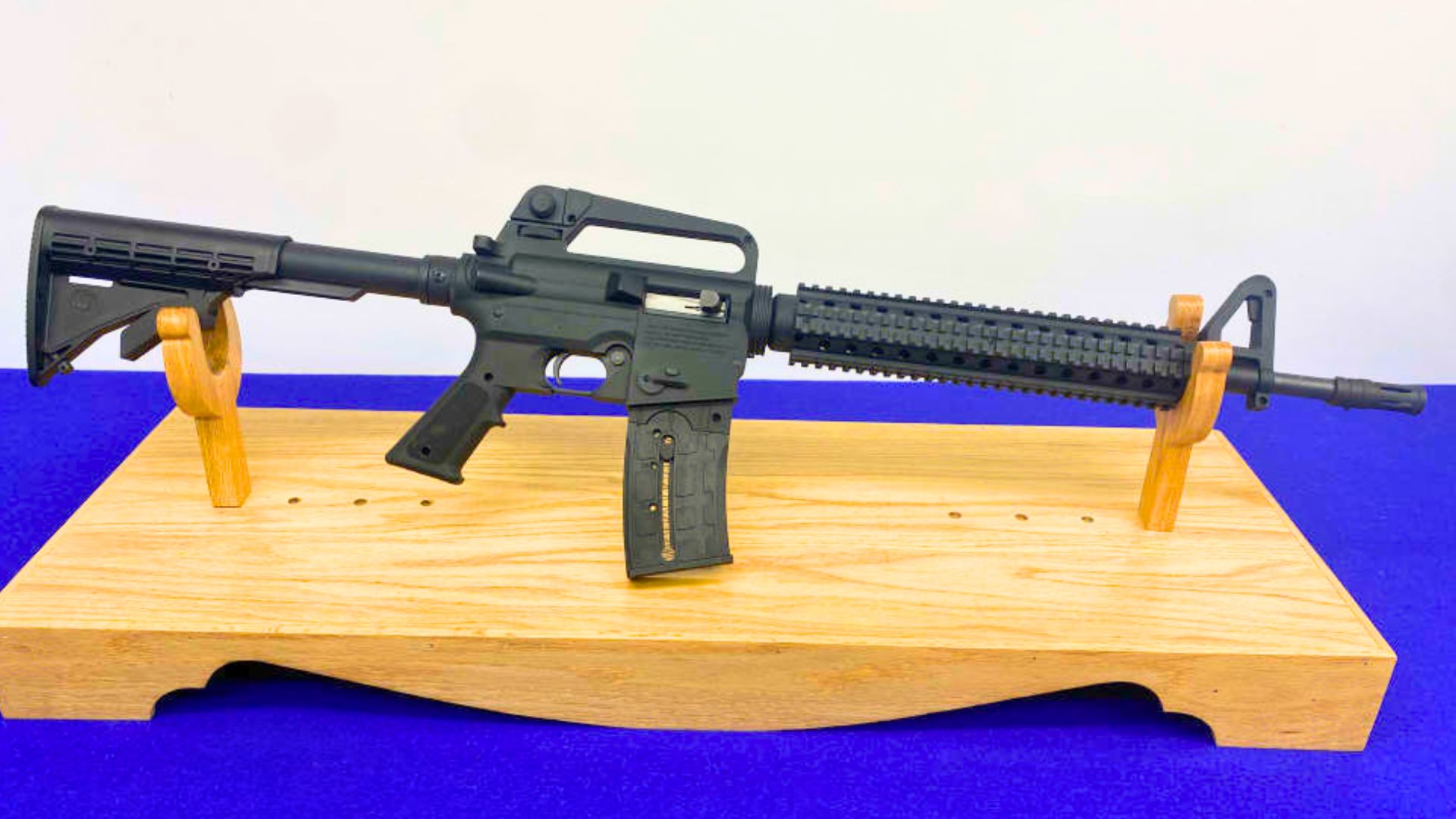
This one gets a lot of attention because it looks like a tactical AR-15 but runs on .22 LR. The Mossberg 715T is built off the 702 Plinkster and wears an AR-style shell to mimic a carbine. It looks the part and feels lightweight, but once you start shooting it, the illusion breaks down quick.
The controls are fake—what looks like a charging handle doesn’t work, and the safety isn’t in the right place. Magazines are clunky and don’t always feed well, and the trigger is far from crisp. It’s a plinker in a costume, and if you’re expecting it to feel or run like a real AR-15, you’ll be disappointed. Rent it, shoot it, and see for yourself. You’ll likely find there are better ways to spend your rimfire dollars.
Walther CCP

The Walther CCP has a soft-recoil gas-delayed blowback system that sounds great for new shooters or folks with sensitive hands. But in practice, it brings more quirks than comfort. The takedown process is odd and overly complicated. The trigger has some mush to it, and the gas system can be finicky when dirty.
Some shooters report reliability issues depending on the ammo, and that’s not something you want in a carry gun. It fits well in the hand and looks slick, but its real-world performance leaves some folks regretting the purchase. Renting one first would show you how it runs after a couple boxes of ammo—and whether the design really works for your needs.
Ruger LCRx in .22 LR

The Ruger LCRx in .22 LR makes sense on paper. Lightweight, double-action/single-action, and easy to carry. But once you shoot it, the problems show up. The heavy double-action trigger is tough to manage, especially with a light .22 bullet behind it. Accuracy suffers unless you’re shooting single-action only.
Because it’s a rimfire revolver, reliability depends heavily on your ammo. Misfires and light primer strikes are more common than folks expect. And while it’s great for training revolver fundamentals, it doesn’t offer much real stopping power. Many shooters end up disappointed with how much effort it takes to shoot well. If you’d rented it first, you might opt for the .38 Special version—or skip it altogether.
CZ Scorpion EVO 3 S1 Pistol

The CZ Scorpion EVO 3 S1 pistol looks cool. It’s compact, tactical, and feeds from 9mm magazines. But once you start shooting, a few things become clear. The trigger has a long, gritty pull. The safety digs into your hand. And without a brace or stock (especially after recent rule changes), it’s tough to run consistently.
Add in the sharp recoil impulse for a blowback 9mm and the weight of accessories needed to make it feel balanced, and you’ve got a platform that feels more like a project than a tool. It photographs well and handles well for a mag or two. But once the novelty wears off, many folks wish they’d spent the money elsewhere—or rented one to get a real sense of how it handles without the add-ons.
Like The Avid Outdoorsman’s content? Be sure to follow us.
Here’s more from us:
The worst deer rifles money can buy
Sidearms That Belong in the Safe — Not Your Belt
*This article was developed with AI-powered tools and has been carefully reviewed by our editors.