Photo credit: Buckeye Ballistics/YouTube
Plenty of good handguns fade from conversation without ever doing anything wrong. They don’t break, they don’t malfunction, and they don’t underperform—but they get pushed aside by trendier models, marketing hype, or newer features that sound great on paper but don’t add much in the real world.
You’ve probably owned one or two of these over the years. Maybe they weren’t flashy or didn’t come with an optics-ready slide, but they ran without complaint and never gave you a reason to second-guess your decision. These pistols earned their keep but never stuck around in the spotlight.
If you’ve got one tucked away in the safe or are thinking about grabbing something used, these are the handguns worth looking at twice. They might not headline today’s reviews, but they’re still reliable, capable shooters that deserve a little more appreciation than they get these days.
Ruger P95

If you carried in the late ’90s or early 2000s, the Ruger P95 probably crossed your path. It wasn’t pretty, but it was reliable, affordable, and tough enough to handle thousands of rounds without a hiccup. The polymer frame was ahead of its time in some ways, but the blocky looks kept it from getting much love.
The P95 had a reputation for soaking up recoil, thanks to its bulk, and the DA/SA trigger wasn’t half bad once you got used to it. It’s the kind of gun that always went bang, even after riding in a dusty truck console for years. Today, it’s overshadowed by slimmer and more modular options, but if you find one used, don’t overlook it. There’s a reason so many people held onto theirs even after moving on to newer pistols.
Smith & Wesson 5906
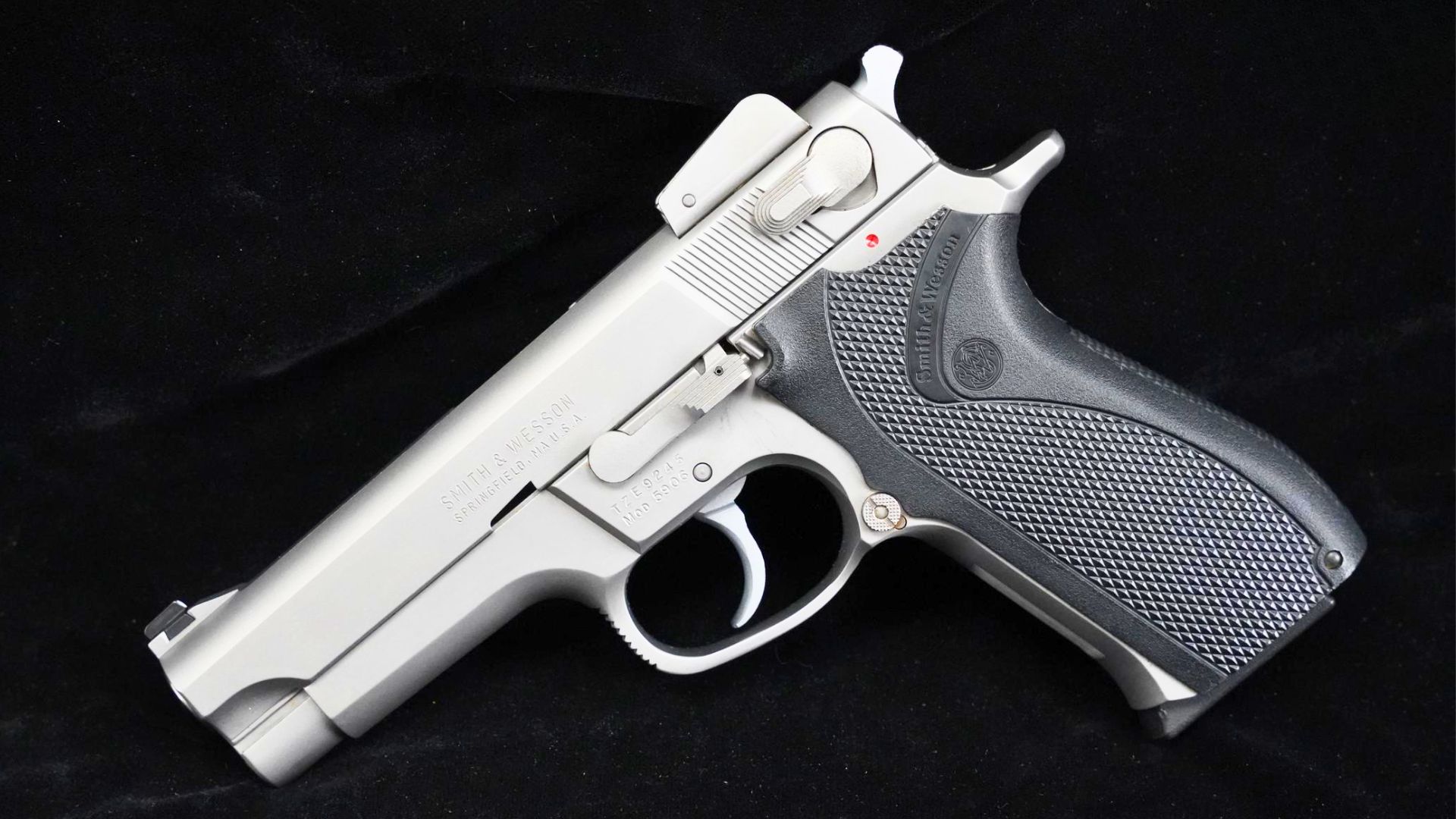
Back when metal-framed pistols were standard issue, the Smith & Wesson 5906 was everywhere. Built like a tank with a stainless steel frame and slide, it became a favorite for law enforcement agencies across the country. The weight made it soft-shooting, and the double-stack capacity was competitive for its time.
These days, striker-fired polymer guns have made guns like the 5906 seem dated. But that doesn’t change the fact that this thing runs forever and handles recoil better than most of today’s lightweight options. The DA/SA trigger might not be for everyone, but it’s a system that still works. If you want a pistol that feels like it’s carved from solid steel and shoots like it’s on rails, this one’s worth digging up.
SIG Sauer P225
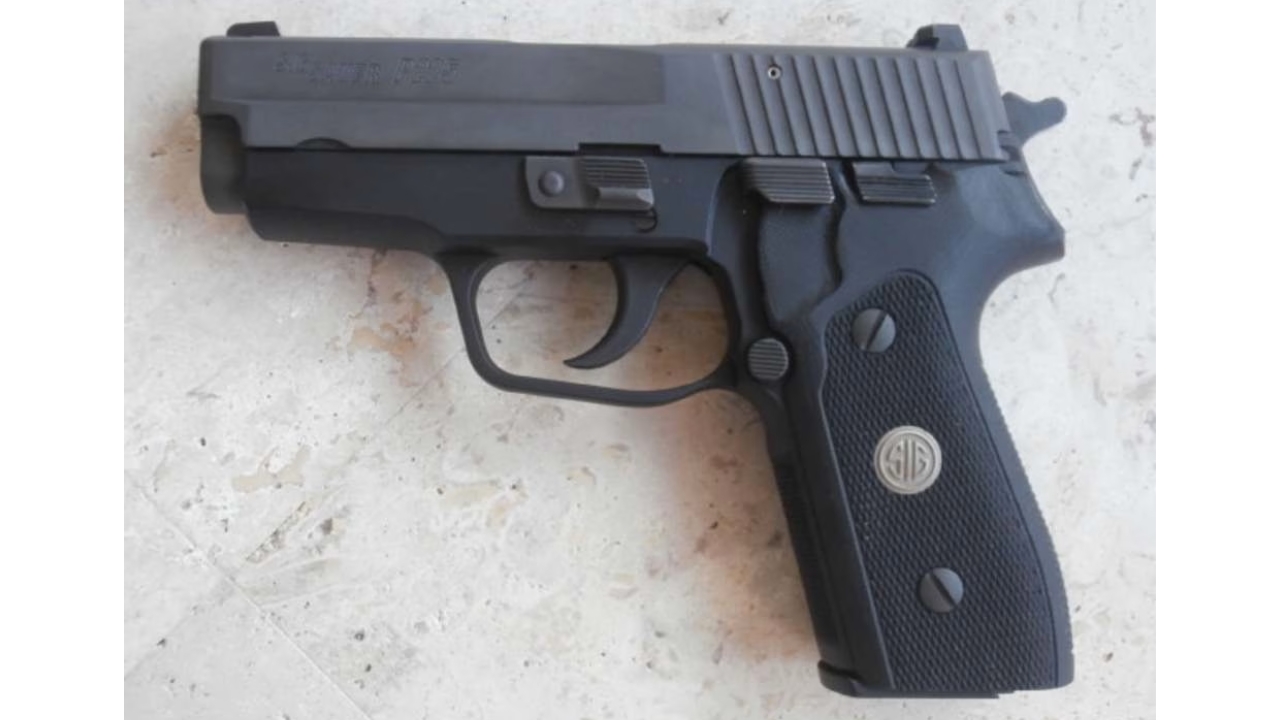
Before the P365 took over the compact carry world, the SIG P225 offered a slimmer, single-stack alternative that still had full-size reliability. It was especially popular in Europe and with a few U.S. agencies, but never reached the fame of its bigger P-series brothers like the P226 or P229.
The P225 balances well in the hand, with a smooth DA/SA trigger and excellent ergonomics. It shoots like a much larger pistol and has the same precise machining that made SIG’s older models legendary. It’s been quietly discontinued in most places, but if you come across one, it’s still a fantastic carry gun—especially if you appreciate all-metal construction and a hammer you can see and thumb.
Beretta Cougar 8000
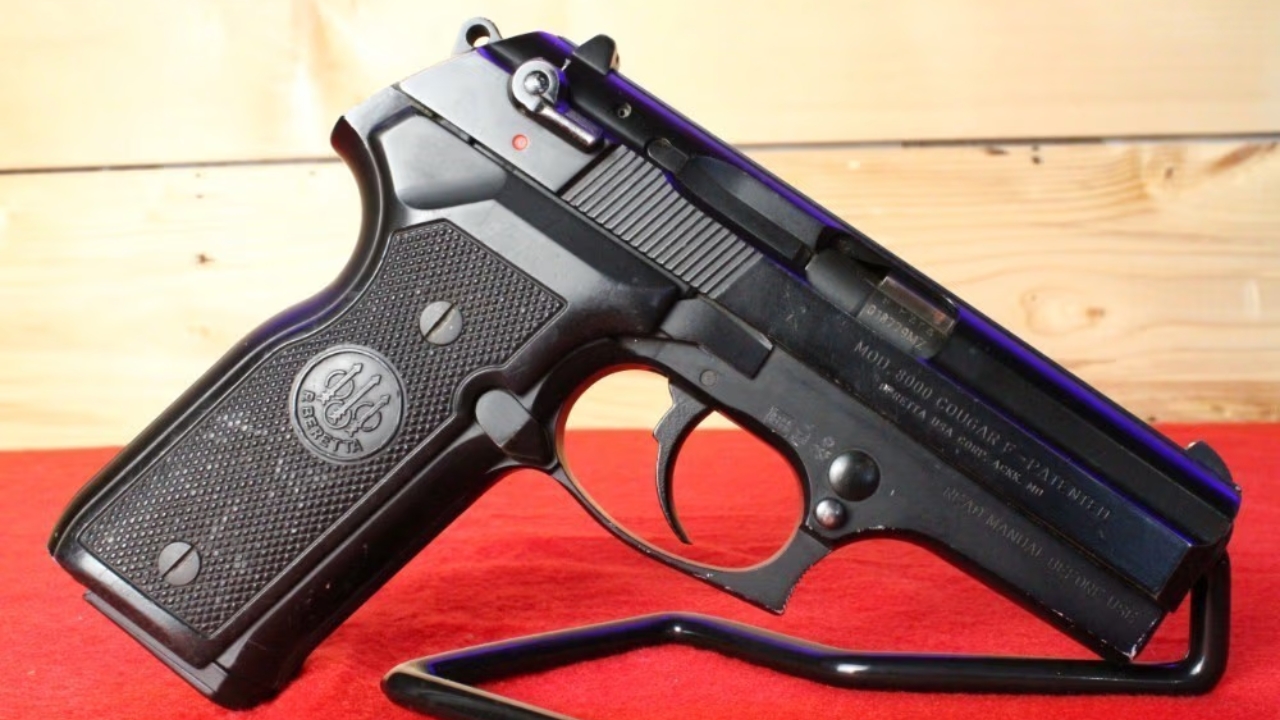
The Beretta Cougar 8000 never caught on like the 92FS, even though it shares many of the same design features. It uses a rotating barrel system that helps reduce felt recoil and muzzle flip, making it surprisingly soft for a compact .40 or 9mm. Its curvy grip frame fits most hands well, and the DA/SA trigger is smooth and reliable.
Beretta eventually moved on from the Cougar, focusing on the Px4 Storm, which uses the same barrel system. But the Cougar remains a rock-solid choice. You can still find them under the Stoeger name, built using the original tooling. It’s one of those pistols that didn’t fail—it just fell off people’s radar.
CZ 83
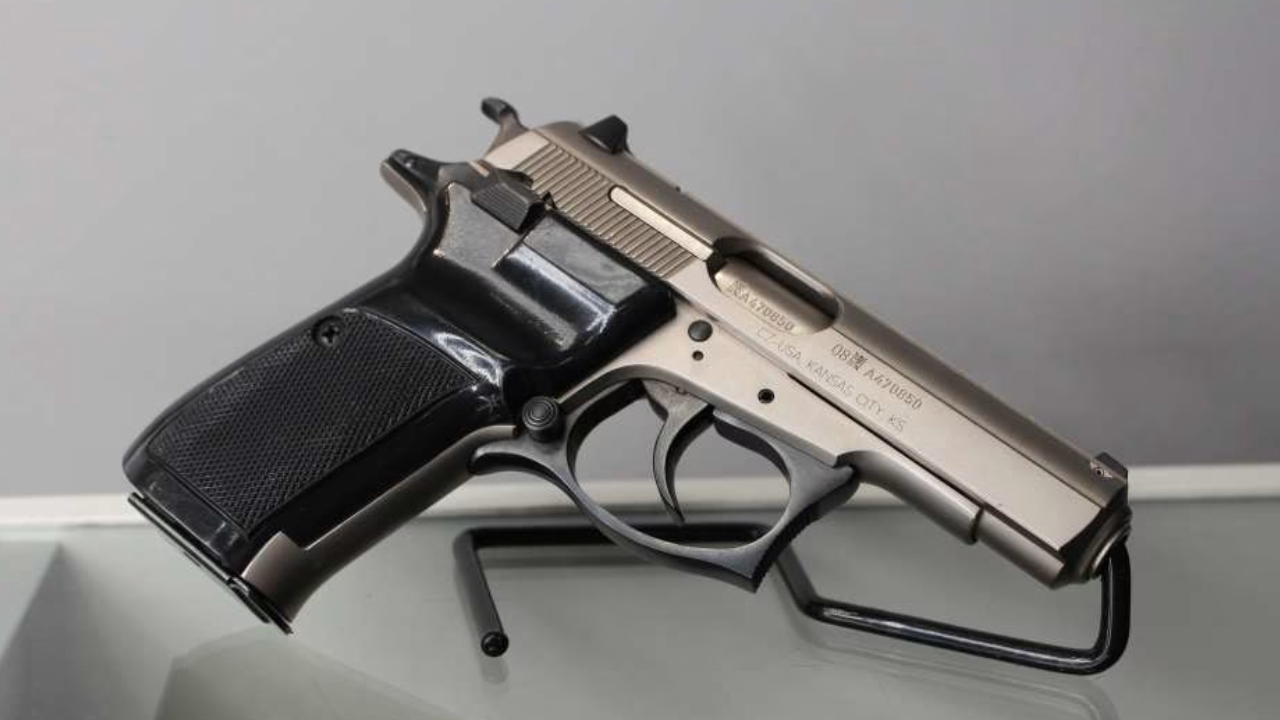
Chambered in .380 ACP or .32 ACP, the CZ 83 is one of those underrated European pistols that shoots better than it has any right to. It’s got a steel frame, fixed barrel, and one of the best factory DA/SA triggers in its class. It might not be tiny, but it carries well in a belt holster or jacket pocket and points naturally.
In a world flooded with polymer pocket pistols, the CZ 83 stands out for its accuracy and shootability. It’s more controllable than many of today’s micro-compacts and feels like a real gun, not a last-ditch option. If you’re looking for a .380 that doesn’t feel like a compromise, this one’s worth a second look.
FN Hi-Power
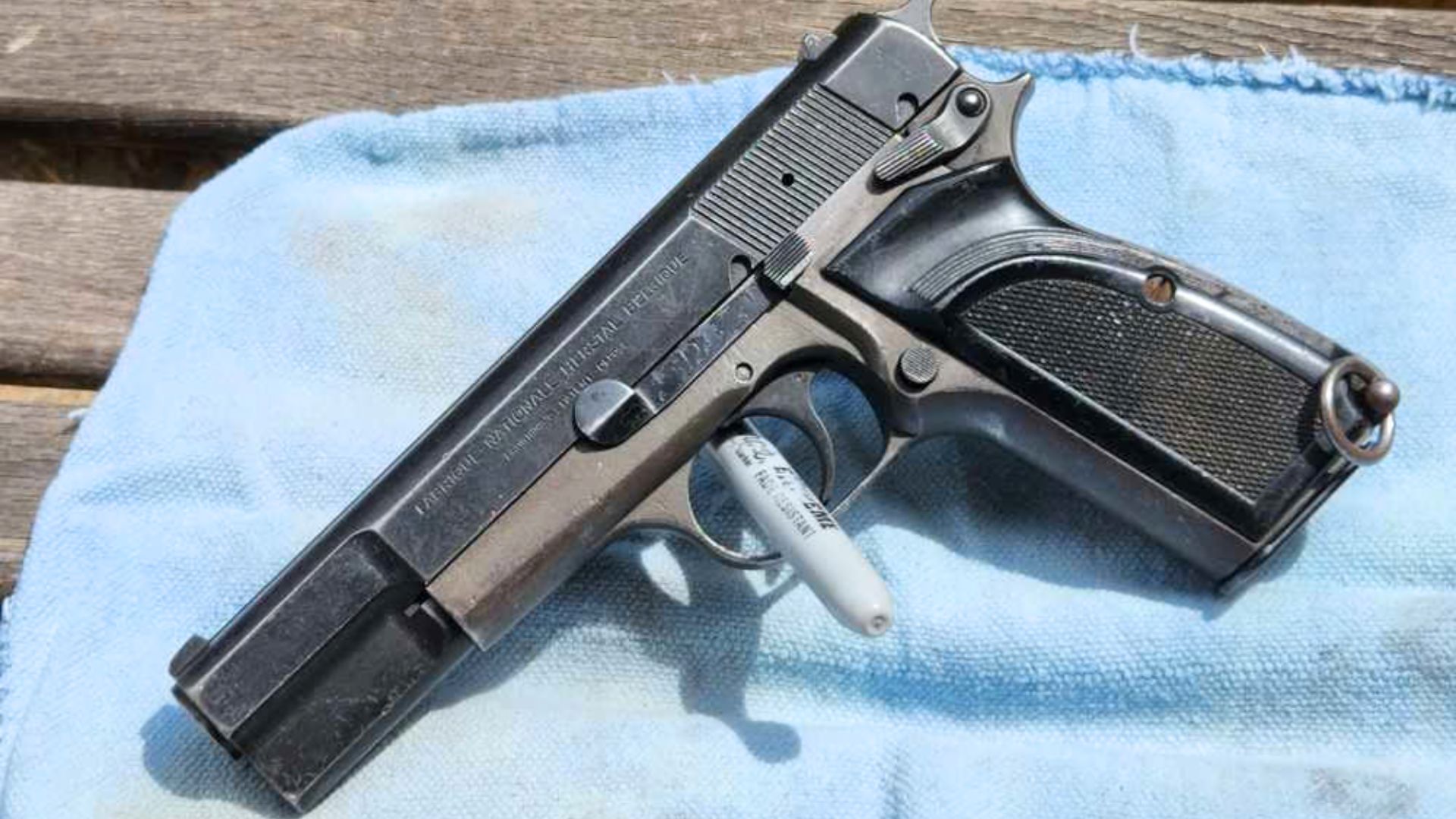
Before clones flooded the market, the FN-made Hi-Power was the standard by which many 9mm pistols were judged. Designed by Browning and refined by FN, it offered a 13-round magazine, slim frame, and crisp single-action trigger. For decades, it was the sidearm of choice for dozens of militaries worldwide.
Today, newer versions and clones have taken over, and the original FN models have become collector pieces. But if you find one in good shape, it still shoots every bit as well as anything modern. There’s a timeless feel to the Hi-Power that newer guns haven’t quite matched. You won’t find rails or optics cuts, but you will find a pistol that runs smooth and points like a natural extension of your hand.
Taurus PT92

The Taurus PT92 gets overlooked because of its Beretta roots, but that doesn’t make it any less of a performer. When Beretta left Brazil, Taurus kept the original tooling and kept cranking out the design—with a few improvements of their own, like a frame-mounted safety that allows cocked-and-locked carry.
It’s heavier than some would like, but that extra weight keeps recoil manageable and makes follow-up shots easier. It’s also been surprisingly reliable for a Taurus, with many owners reporting thousands of rounds with no issues. It’s not flashy and doesn’t get the attention newer polymer guns do, but the PT92 is still a solid full-size 9mm that can hold its own at the range or on a nightstand.
HK USP Compact

Back in the day, the USP Compact was the go-to carry pistol for folks who wanted HK reliability in a slightly smaller package. Built like a tank and featuring a unique recoil-reduction system, it offered multiple trigger options and was completely ambidextrous.
The controls take a little getting used to, and the grip can feel blocky to some. But once you get behind one, it’s hard not to appreciate the engineering. The .40 version, in particular, was a favorite of plainclothes officers and security contractors for years. It’s been largely replaced by the VP series and others, but the USP Compact hasn’t lost a step—it just got forgotten in the shuffle.
Walther P99

The Walther P99 introduced one of the first striker-fired systems with a decocker and a unique Anti-Stress (AS) trigger. It was way ahead of its time but never caught the U.S. market the way Glock or even Walther’s later PPQ did. Still, the P99 is accurate, reliable, and different in a good way.
It has a sleek profile, solid ergos, and a long track record of performance. If you want a striker-fired pistol with a bit more control over the trigger system, this one stands out. Walther quietly ended production in recent years, but they still show up used—and they’re worth grabbing before they vanish for good.
Colt Commander
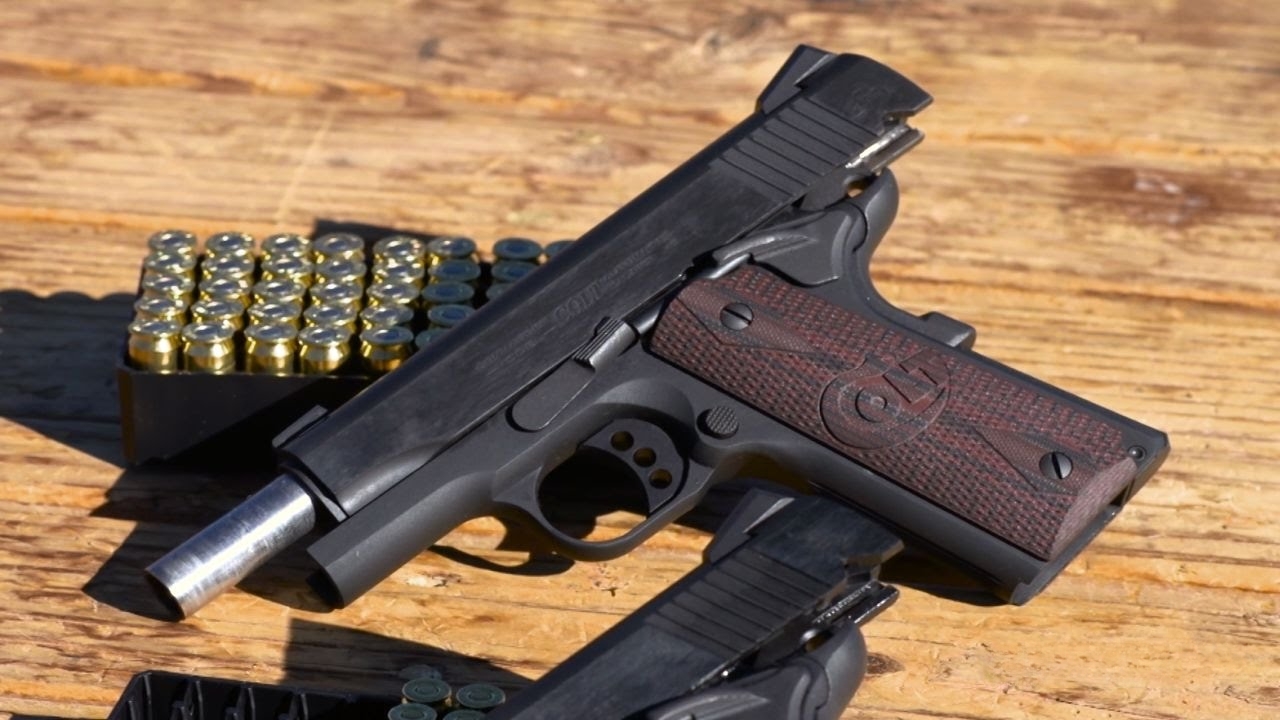
Before plastic pistols flooded the shelves, the Colt Commander was the lightweight 1911 everyone wanted to carry. Whether you picked the aluminum-framed version or the steel model, it offered full-size accuracy in a slightly shorter package that was easier to tote daily.
It’s not as small or light as today’s micro-compacts, but the Commander’s shootability and balance are hard to beat. The single-action trigger still makes other designs feel clunky, and with modern defensive ammo, the .45 ACP or 9mm versions are plenty capable. It might not be the latest thing, but it’s still a handgun that can hold its own with anything new.
Ruger P89

You probably knew someone who carried a Ruger P89 when it came out, but hardly anyone brings it up anymore—and that’s a shame. It was built like a brick and ran like a machine. It’s not sleek, and it’s not light, but it earned its reputation the old-fashioned way: by working every single time you needed it to.
The aluminum frame gave it some weight, but that made it shoot flatter than you’d expect from a 9mm of its era. The trigger isn’t winning awards, and the safety placement can trip up newer shooters, but for a budget-friendly, hammer-fired gun that took a beating and kept on ticking, the P89 belongs in the conversation. You’ll still find these in the hands of folks who don’t feel the need to chase the next polymer flavor of the month—and for good reason.
Star Model BM
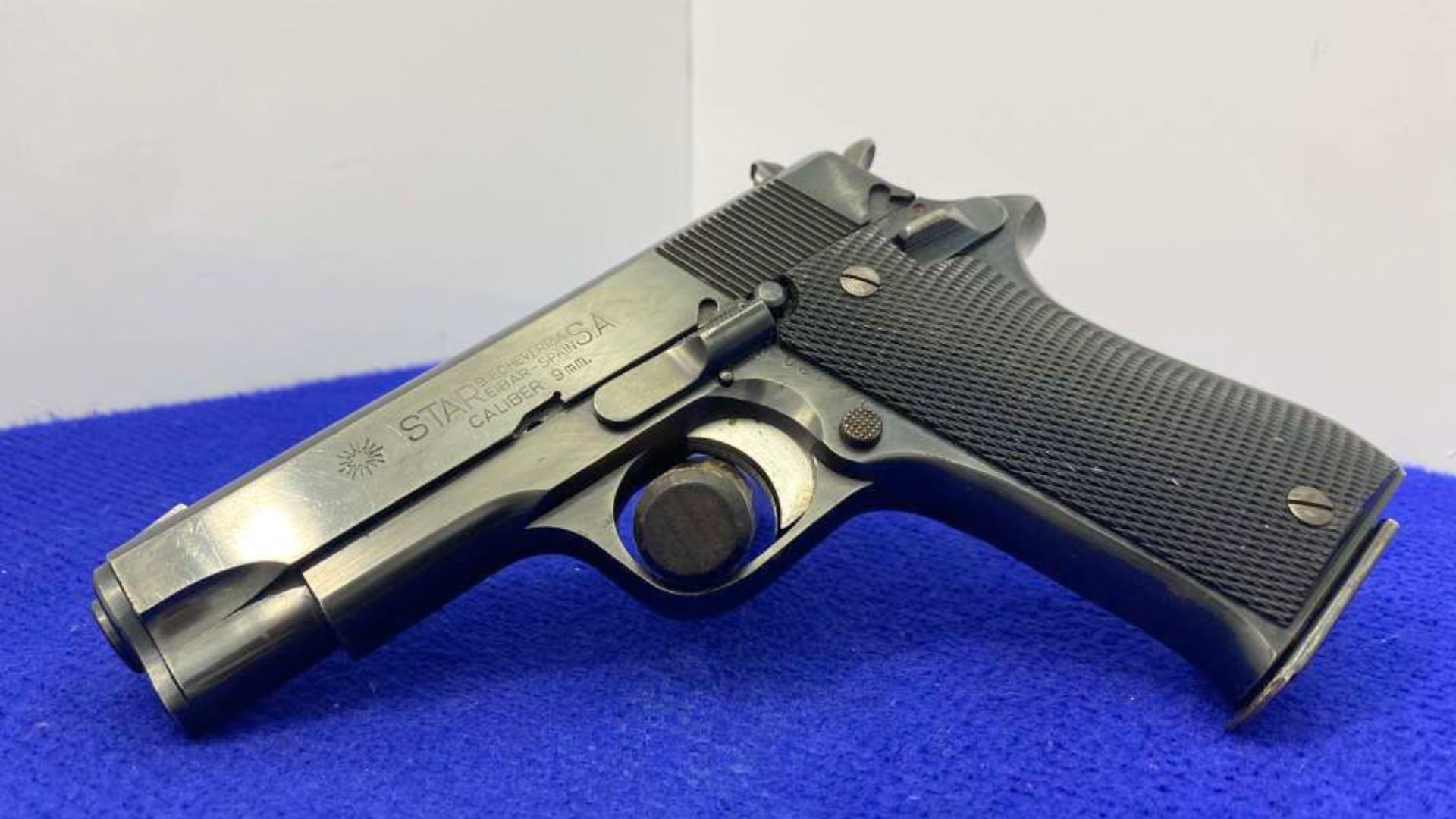
The Star Model BM used to be a common sight in surplus bins, and if you ever handled one, you know it’s worth more credit than it gets. It looks and feels like a scaled-down 1911 chambered in 9mm, with a solid steel frame and clean lines. It was made in Spain, not the U.S., which might be why it stayed under the radar here—but it shoots like something twice its price.
The controls are intuitive if you’re used to 1911s, and the trigger is crisp. It’s not built for high round counts like modern duty guns, but for casual shooting or carry, it holds up. The ergonomics are hard to beat, and the balance in the hand feels familiar and comfortable. These pistols were once dirt cheap, but shooters who hang onto them know they’ve got something that’s better than the market ever admitted.
Heckler & Koch P7
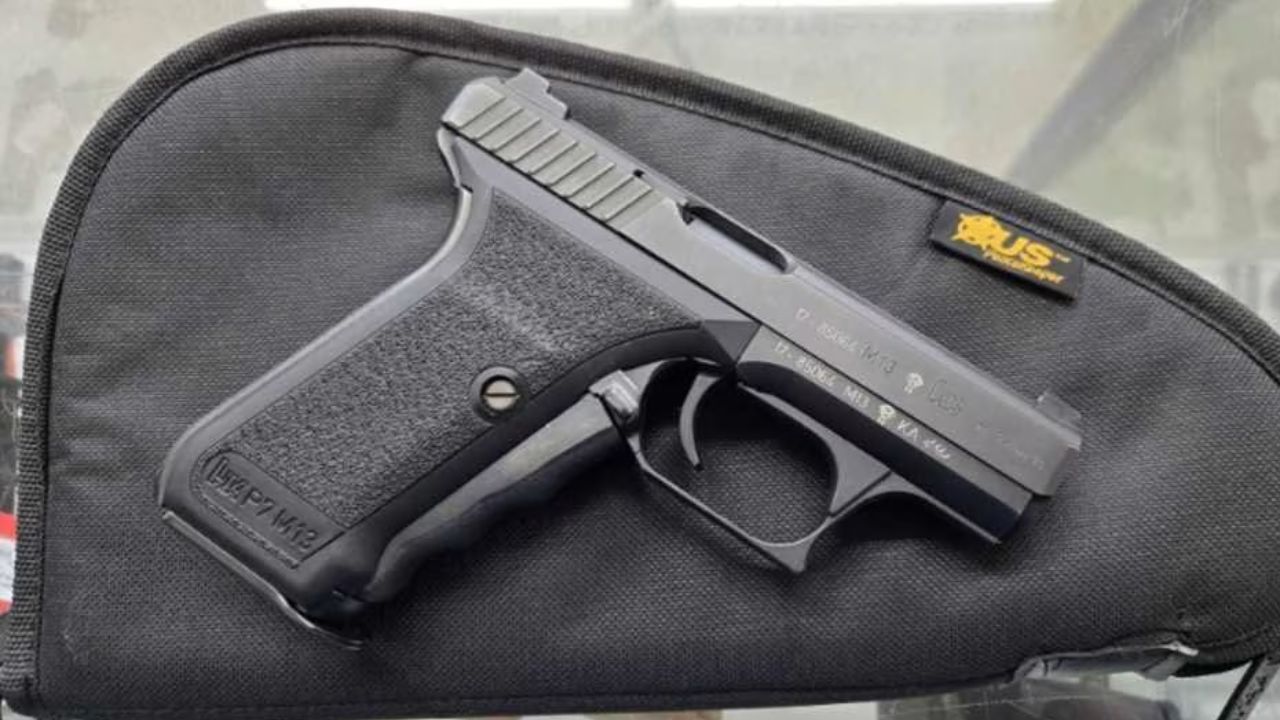
The H&K P7 was way ahead of its time in terms of engineering, and yet, it’s mostly forgotten outside of niche collectors. That squeeze-cocker design throws people off, but once you get used to it, it makes a lot of sense. You grip the gun, it cocks. Let go, it’s safe. No manual safety needed, no decocker, just grip and go.
Chambered in 9mm, it’s incredibly accurate thanks to its fixed barrel. It also has one of the lowest bore axes out there, which helps keep recoil minimal and muzzle rise almost nonexistent. It’s got some weight to it because it’s all metal, but that contributes to how well it shoots. These were carried by German police and elite units for a reason. They weren’t cheap to make, and H&K stopped producing them, but if you ever get the chance to shoot one, you’ll understand why people who know still rave about it.
Like The Avid Outdoorsman’s content? Subscribe to our newsletter so you never miss an article.
Here’s more from us: