Photo credit: HillbillyNitro USA/YouTube
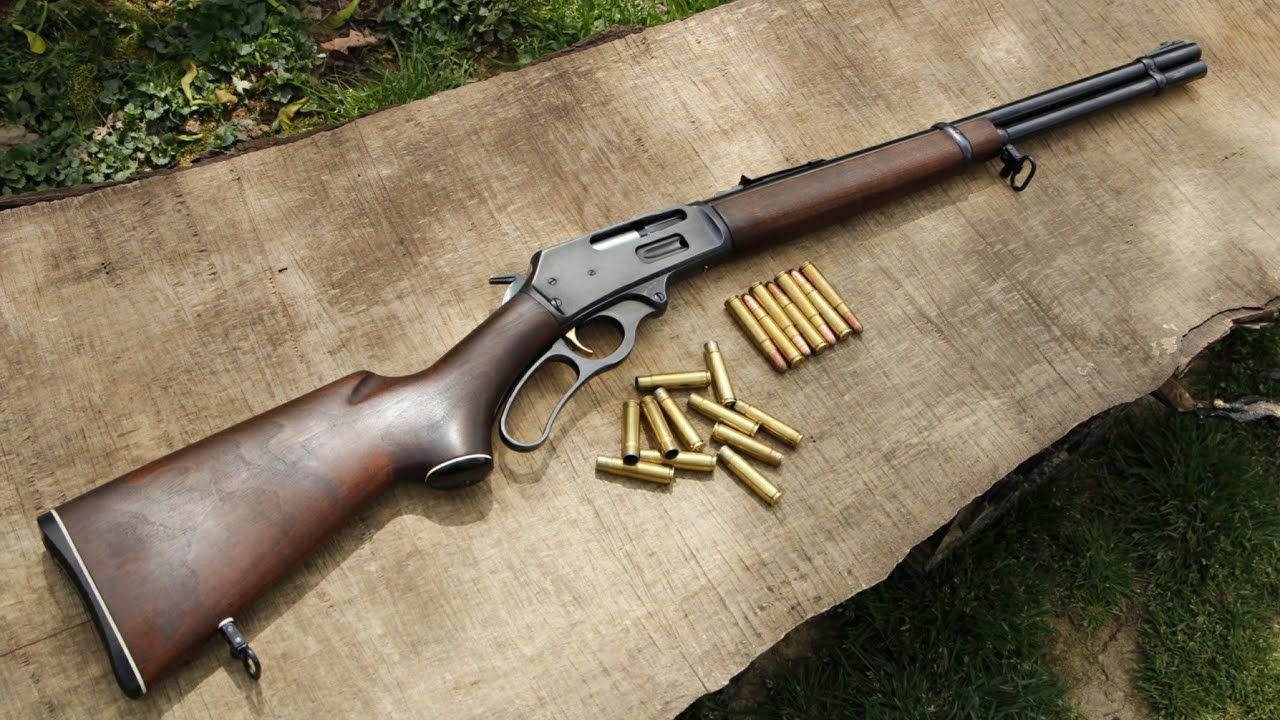
The Marlin 336 is one of those rifles that gets treated like it was always simply “that classic .30-30 deer gun.” That sells it short. The 336 was introduced in 1948 as the successor to the Model 36, and over time it became one of the most successful lever-action rifles ever made. American Rifleman says more than 6 million have been produced, and Ruger’s 2023 relaunch made clear just how important the rifle still is to the Marlin name.
What makes the 336 interesting is that it won by being practical in ways hunters really cared about: side ejection, a solid-top receiver, easy scoping, and a design that was simple to maintain. It was never just a nostalgia rifle. It became famous because it was useful, and then it stuck around long enough to become nostalgic too. Here are 15 surprising facts about the Marlin 336 that most shooters do not hear often enough.
1. It was introduced in 1948, not in the old blackpowder lever-gun era

A lot of people mentally place the 336 much earlier than it really belongs. The original Model 336 was introduced in 1948, which makes it a postwar rifle, not a frontier-era design. Ruger’s Marlin relaunch announcement and American Rifleman both make that date clear.
That matters because the 336 is old enough to be classic, but modern enough in concept that it feels more practical than a lot of older lever rifles. It came into a world where American hunters wanted efficiency, optics compatibility, and easy field use, not just tradition.
2. The 336 is really the grandson of the Marlin 1893

The 336 did not appear out of nowhere. It traces back through the Model 36 and before that the Model 1893. Shooting Illustrated’s 2025 retrospective and American Rifleman’s 2023 relaunch piece both describe that lineage clearly.
That is part of what makes the rifle so interesting. The 336 is a modernized descendant of older Marlin lever-action thinking, not a total break from it. It kept the family identity while improving what hunters actually used.
3. Side ejection is one of the biggest reasons it lasted

One of the 336’s most practical design advantages is its side-ejection system. That, combined with its solid-top receiver, made it much friendlier to scope use than top-eject competitors. Multiple histories of the rifle point to side ejection as one of the reasons it stood out.
That sounds like a small thing until you compare it to older lever guns that became awkward once hunters wanted glass. The 336 adapted naturally to the scoped-rifle world, and that helped keep it relevant long after open-sight-only hunting had stopped being the default.
4. It replaced the Model 36, not the Winchester 94

Because the 336 is always compared to the Winchester 94, some people almost talk like it directly replaced Winchester’s place in the market. That is not really the right frame. The 336 directly replaced Marlin’s own Model 36. American Rifleman says exactly that in its 2023 announcement.
That matters because the 336’s story is really an internal Marlin evolution story first. The Winchester comparison came naturally later because both rifles fought for the same deer-camp space, but the 336 started as Marlin refining its own line.
5. It became one of the most popular lever guns ever made

The 336 is not just beloved in a niche way. It became one of the most commercially successful lever-actions in the country. American Rifleman says more than 6 million were made over the rifle’s long run.
That is a huge number for a hunting lever gun. It tells you the 336 was not just respected by gun writers or a regional favorite. It became part of the background of American rifle ownership.
6. The original 336C and 336A had different barrel lengths right from the start

A lot of people think of the 336 as one fixed “20-inch deer rifle,” but the early lineup was already broader than that. MeatEater notes the original 336C had a 20-inch barrel, while the 336A had a 24-inch barrel.
That is a useful reminder that the 336 was never only one narrow configuration. Marlin understood early that hunters wanted different balances of handiness and velocity, and the line reflected that.
7. The pistol-grip stock helped set it apart from the Winchester 94

One of the subtle but important differences between the 336 and the Winchester 94 is the more vertical pistol-style grip on many 336 variants. MeatEater’s 2024 overview calls that out directly.
That helped shape how the rifle felt in the hand. The 336’s ergonomics were part of why a lot of hunters preferred it, especially once they started shooting from blinds, stands, or with scopes where a little more control and different hand angle felt useful.
8. It became a scoping favorite because Marlin leaned into that advantage
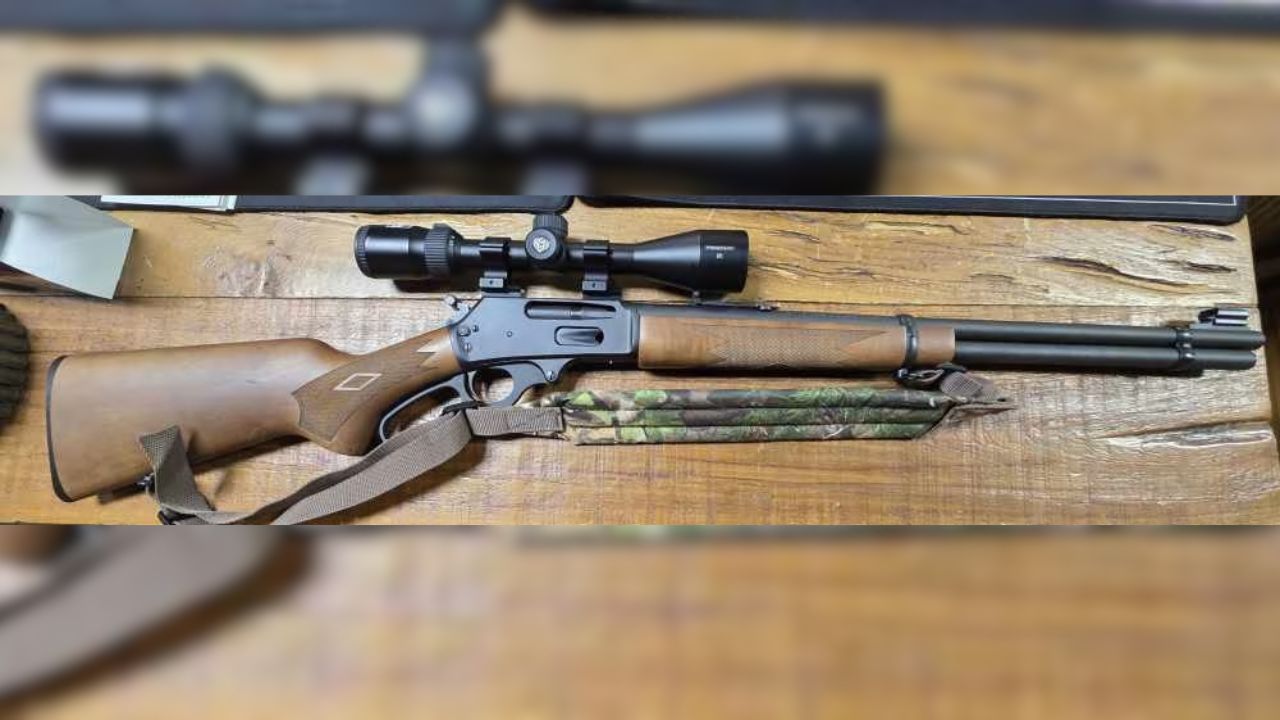
By 1956, Marlin began offering the 336 drilled and tapped for a scope, according to MeatEater’s historical overview. That was a very smart move because the side-eject design already made the rifle a natural optics candidate.
That is one of the big reasons the rifle stayed alive so well in whitetail country. Plenty of lever guns looked romantic, but the 336 could also live comfortably in the practical, scoped-deer-rifle world.
9. The famous gold trigger was not there from day one

A lot of shooters think the gold trigger is just part of the rifle’s original identity. MeatEater notes that Marlin added the gold trigger in 1959.
That is a fun little detail because it shows how much of the “classic Marlin look” was built over time. The 336 identity people picture now is partly the result of later refinements becoming iconic.
10. Micro-Groove rifling came later too

Another thing many people associate automatically with the 336 is Micro-Groove rifling, but that was not part of the original 1948 rifle. The rifle history summarized in the search results notes Marlin introduced Micro-Groove rifling into the 336 and other centerfire rifles in 1956.
That matters because it is another reminder that the 336 evolved. The rifle most people think of as “the classic 336” is really the result of a number of changes layered onto the original design over time.
11. The 336 is unusually easy to clean from the breech for a lever gun
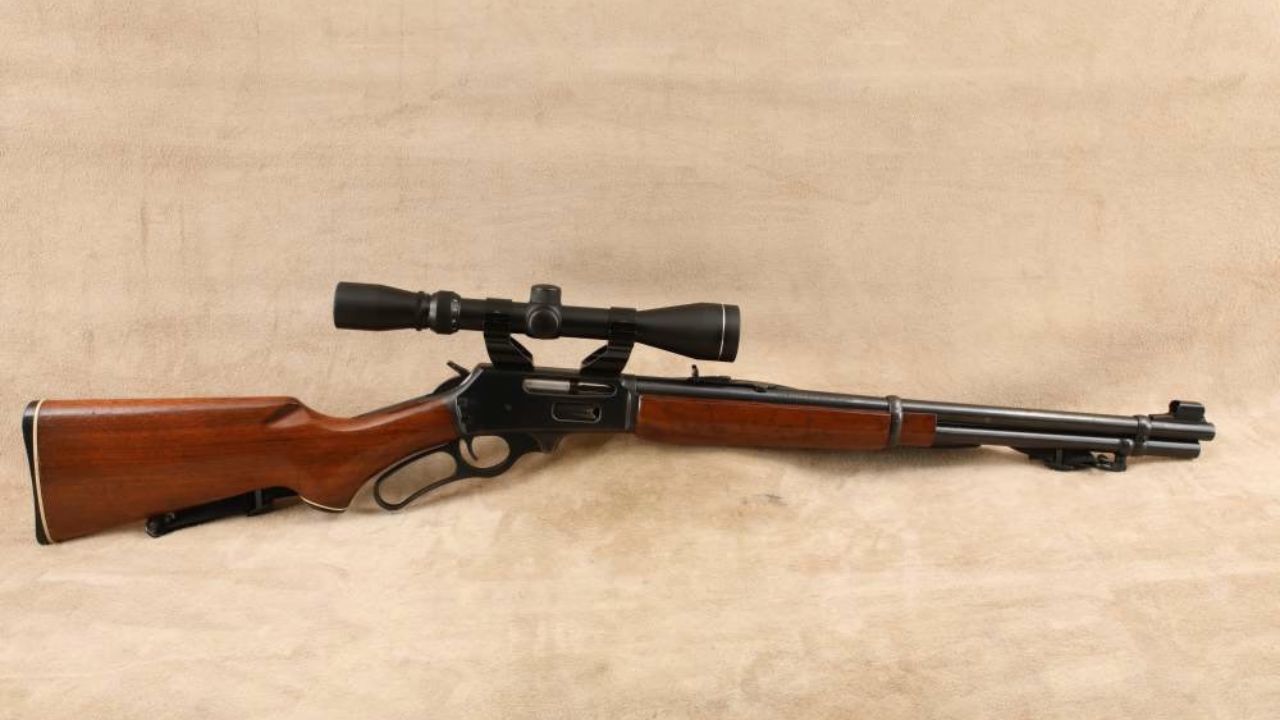
One of the smartest practical features of the 336 is how easily it can be opened up for maintenance. The model’s design allows the lever pivot screw to be removed so the lever, bolt, and ejector can come out, making it possible to clean from the breech instead of always working from the muzzle.
That is a big quality-of-life advantage for a hunting rifle. It helps reduce the risk of crown damage from careless muzzle-end cleaning and makes the rifle easier to service than many casual owners realize.
12. It has been chambered in more than just .30-30

The 336 is strongly tied to .30-30 Winchester, and rightly so, but it was never only a .30-30 gun. The model has also long been associated with .35 Remington, and different variants over time appeared in additional chamberings and barrel lengths. The rifle histories consistently note .30-30 and .35 Remington as the most common chamberings.
That broader chambering history matters because it helped the 336 stay useful to different kinds of hunters. It was not just one cartridge wrapped in one silhouette.
13. It became a defining eastern whitetail rifle

American Rifleman’s 2023 relaunch piece called the 336 an iconic eastern whitetail hunting firearm. That is not just marketing fluff. The rifle’s short overall feel, side-eject scope friendliness, and common .30-30 chambering made it about as well suited to woods deer hunting as a rifle could be.
That regional identity is part of why the 336 became so deeply loved. It was not trying to be everything to everyone. It fit a huge and important slice of American hunting life exceptionally well.
14. Ruger’s 2023 relaunch was a major comeback moment
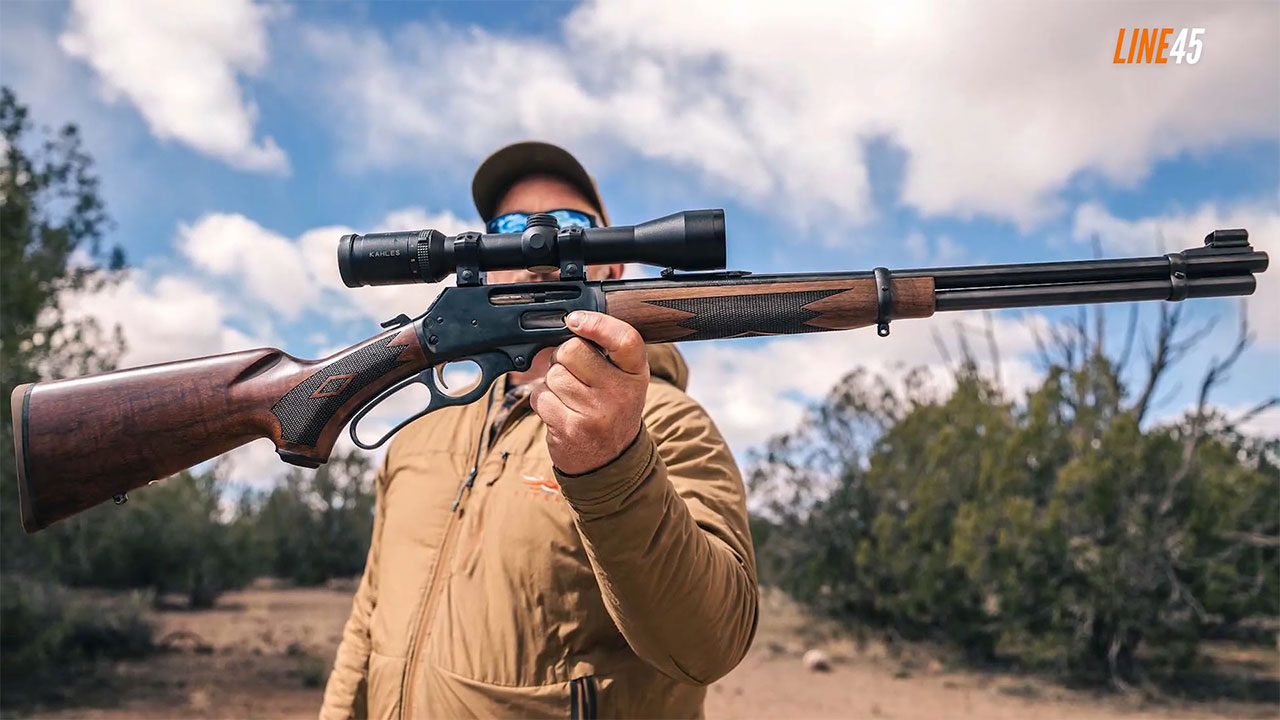
The Marlin 336 did not simply hum along unchanged forever. After Ruger acquired Marlin following the 2020 Remington bankruptcy, the new-production 336 Classic was formally reintroduced on March 27, 2023. Both Ruger-related coverage and American Rifleman marked that as a big deal.
That comeback matters because it proved the 336 was more than nostalgia bait. The market still cared enough about the rifle that its return drew major attention immediately.
15. The biggest surprise may be that it stayed practical while becoming nostalgic

A lot of rifles become beloved because they are old. The 336 became beloved because it stayed useful. It was easier to scope than many lever guns, easier to clean than people assume, and offered exactly the kind of handling a huge number of deer hunters wanted. That practical side is all over its history.
That is probably the most surprising fact of all. The Marlin 336 did not become a classic because people were sentimental first. They got sentimental because the rifle worked so well for so long.
Like The Avid Outdoorsman’s content? Subscribe to our newsletter so you never miss an article.
Here’s more from us: