Photo credit: NRApubs/YouTube
A lever gun is supposed to feel like a lifetime rifle. You work the action, it feeds, it fires, and it does it again without drama. That’s the whole appeal. The problem is that not every lever-action on the rack is built—or maintained—to that standard. Some are victims of bad production runs. Some are victims of “upgrades” done by a guy with a file and a YouTube video. And some are chambered in cartridges that turn every range trip into a scavenger hunt for ammo and parts.
When I say “avoid at all costs,” I’m talking about the stuff that consistently burns buyers: rifles with a track record of spotty QC, designs that get finicky when tolerances are off, and oddball chamberings that make you regret the purchase the first time you need ammunition in a hurry. If you want a lever gun that you can trust and actually shoot, these are the ones that deserve a hard pass.
Remington-era Marlin 1895
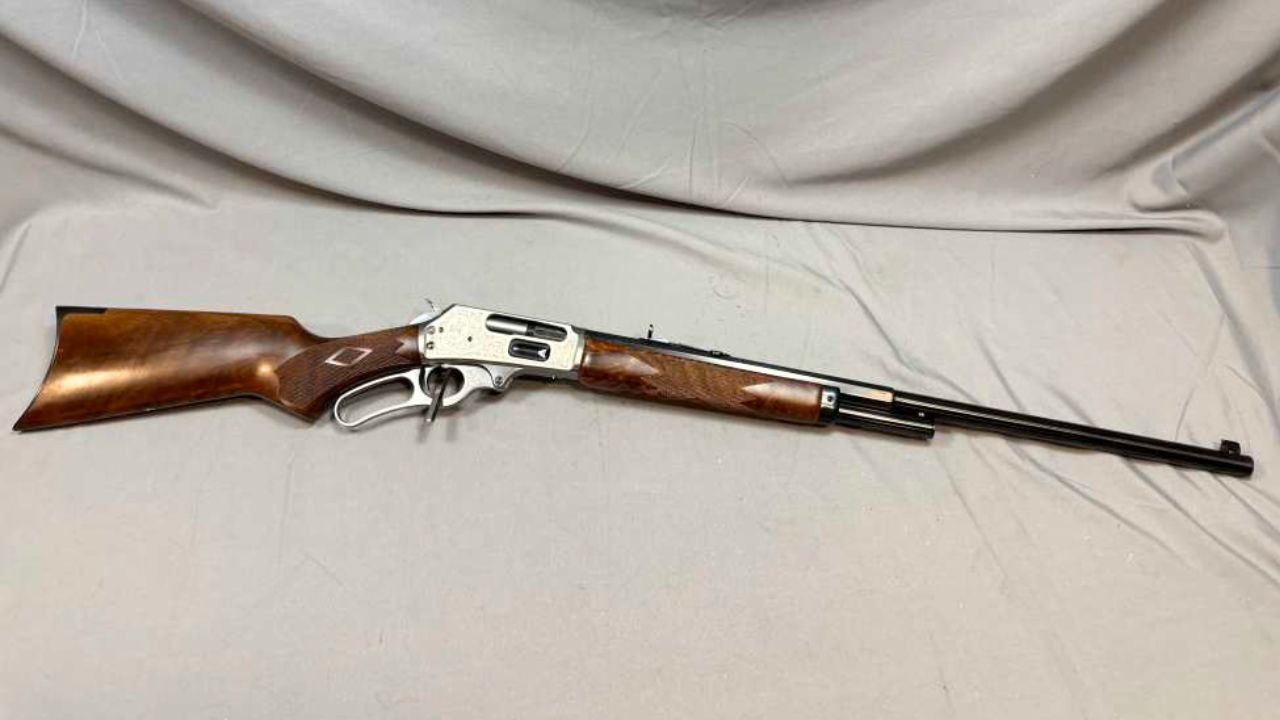
An early Remington-era Marlin 1895 can look right at first glance, especially in stainless or guide-gun trim. Then you start cycling it and the problems show up. Rough actions, sharp edges in the loading gate, stiff feeding, and sights that aren’t centered like they should be are common complaints from that transition period. When you’re dealing with a .45-70, “rough” turns into “annoying” fast.
The bigger issue is consistency. Some examples run fine. Others need work before you’d trust them on a hunt. If you can’t inspect it closely, confirm smooth feeding with dummy rounds, and verify the sights and crown, you’re gambling. There are too many better 1895 options on the market to roll the dice on a questionable early Remington build.
Remington-era Marlin 336

The Marlin 336 is one of the best whitetail lever guns ever made, which is why a rough transition-period example is such a letdown. During the early Remington years, buyers reported crooked sights, uneven wood-to-metal fit, rough chambers, and actions that felt gritty no matter how much you worked them. A 336 should feel smooth and predictable. When it doesn’t, it defeats the whole purpose.
A lever gun that feeds inconsistently or prints off to one side because the sights are misaligned is a headache you don’t need. If you’re shopping used and you see a 336 that looks “new” but feels like it was assembled in a hurry, walk away. There are plenty of older JM-era rifles and current production alternatives that don’t require you to troubleshoot a deer rifle.
Remington-era Marlin 1894

The Marlin 1894 is a fantastic pistol-caliber lever gun when it’s right. In some Remington-era examples, it wasn’t right. Feeding issues—especially with .357 Magnum and certain bullet profiles—became a common gripe, along with rough actions and timing that felt off. A lever gun in a handgun caliber should run like a sewing machine. When it turns picky, you’ll spend your range day diagnosing instead of shooting.
The frustrating part is that these rifles often look great on the outside. The problem is inside: how the carrier, gate, and chamber mouth work together under speed. If you can’t test it with the exact ammo you plan to use, you’re taking a blind risk. For a defensive ranch rifle or a woods deer gun, you want boring reliability. A finicky 1894 defeats the reason people buy one.
Mossberg 464

The Mossberg 464 was aimed at the “working man’s lever gun” crowd, and some rifles delivered on that. Early production rifles also built a reputation for roughness and small issues that add up: stiff actions, uneven fit, screws walking loose, and occasional extraction complaints depending on the individual gun. When you’re buying a lever gun, you’re buying the feel as much as the function.
A 464 that cycles like a rusty screen door doesn’t become charming with age. It becomes something you avoid practicing with. If the rifle was babied and already feels loose or gritty, it’s not going to improve when it’s dusty, cold, and carried hard. There are Mossberg 464s that run, but the variance is the problem. If you want a lever gun you can count on without tinkering, this is an easy one to skip.
Winchester Model 94 (early post-1964 rifles)

The Winchester Model 94 has a legendary name, but early post-1964 rifles are where a lot of buyers get disappointed. Winchester changed manufacturing to cut costs, and some of those early post-64 guns feel rougher, look less refined, and don’t carry the same fit-and-finish people expect when they hear “Winchester 94.” They can still function, but they often feel like a step down compared to earlier rifles.
If you’re paying “Winchester” money because you want that classic smoothness, these are the years that can leave you cold. You’ll see uneven machining, less appealing finishes, and actions that never feel as slick as you hoped. Plenty of shooters own them and hunt with them, but “avoid at all costs” applies when you’re shopping with high expectations and collector pricing is creeping in. Your money buys more satisfaction elsewhere.
Winchester Model 94 “Trapper” cut-down jobs

A real Winchester 94 Trapper can be handy and cool. The problem is the used market is full of “Trappers” that started life as standard rifles and got chopped down in someone’s garage. That’s where you run into front sights that don’t regulate, magazine tubes that don’t fit right, crowns that look like they were cut with a dull hacksaw, and barrels that were never re-finished correctly.
These rifles often look fine in low light and feel “tight” at the counter. Then you shoot them and wonder why they won’t group, won’t hold zero, or print way off. A bad crown alone can ruin a good barrel. A sloppy cut can create feeding and spring issues. If it’s not factory original and you don’t know who did the work, it’s a hard pass. A bargain cut-down can cost more than a proper Trapper once you fix it.
Rossi Model 92 in .357 Magnum

The Rossi Model 92 has put meat in the freezer and ridden in a lot of truck racks. It’s also one of the most common lever guns people buy and immediately start “tuning,” because a rough example can feel stiff, gritty, and picky about certain .357 loads. When the timing is slightly off, it’ll show up as hang-ups that make you lose confidence fast.
You’ll hear, “It’ll smooth out,” and sometimes it does. Sometimes it doesn’t. If the rifle won’t feed a mix of .38 Special and .357 Magnum without drama, you’re looking at a project, not a tool. The used market is full of Rossi 92s that have been “worked on” with unknown parts and unknown skill. If you can’t confirm smooth feeding and clean function before you buy, skip it and save yourself the hassle.
Rossi Model 92 in .454 Casull
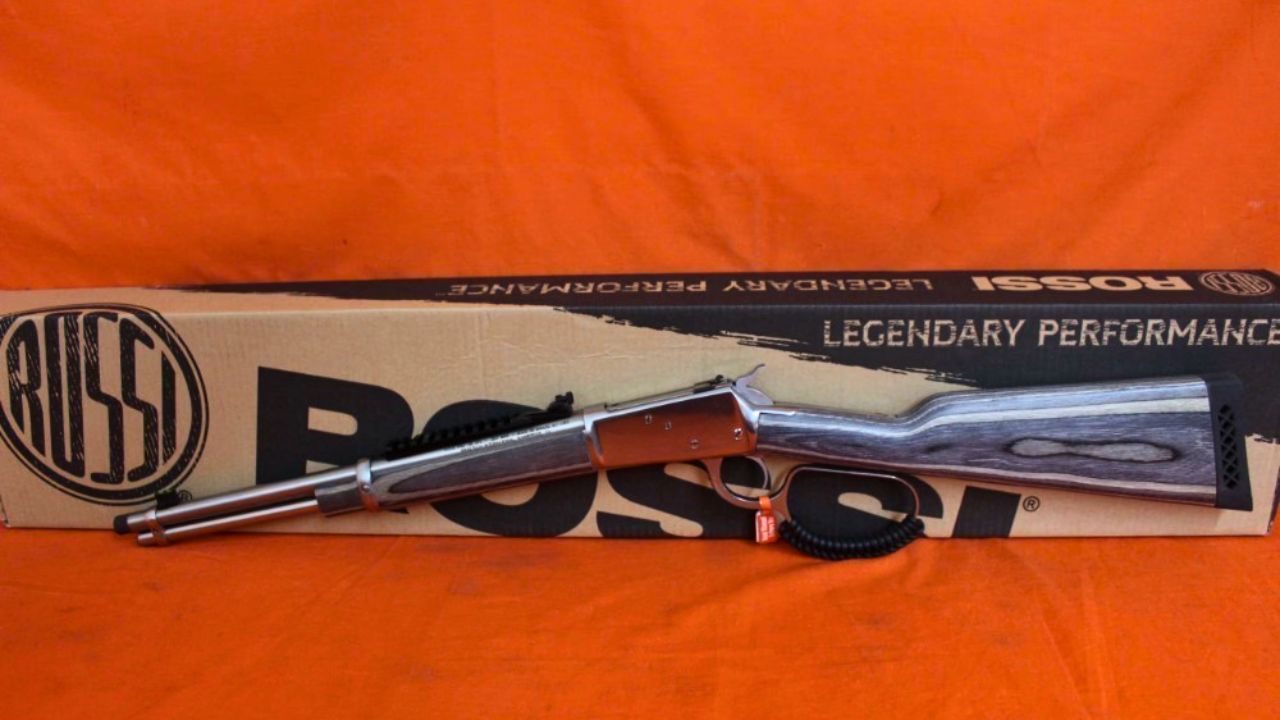
A .454 Casull lever gun sounds like the ultimate woods hammer. In practice, it can be a finicky setup if the rifle isn’t built and fitted well. High-pressure cartridges can expose extraction and timing problems fast, and some shooters run into sticky extraction, hard cycling, and accelerated wear when the rifle is pushed hard. When a lever gun starts needing you to muscle the action, the fun disappears.
This isn’t a knock on the cartridge’s power. It’s about living with it in a platform that has to feed and extract smoothly every time. A rifle that feels “tight” in the shop can feel like it’s fighting you once you shoot full-power loads. If you’re set on .454 in a lever gun, you want a model with a strong track record and careful fitting. A questionable .454 lever is the kind of purchase that turns into regret quickly.
Citadel Levtac-92

The Citadel Levtac-92 looks like a modern lever gun done right: threaded barrel, rail space, and a tactical vibe that photographs well. The problem is that the Levtac-92 market includes rifles that vary more than buyers expect. Some run smooth. Others arrive with actions that feel rough, feeding that’s bullet-profile sensitive, or small fit issues that make you start wondering what corners were cut.
Modernized lever guns already ask a lot from the design. Add inconsistent fitting, and you end up chasing reliability with different ammo and magazines of patience. If you’re buying it for defensive ranch use, you can’t afford “mostly reliable.” You want the boring, repeatable kind. If you can’t handle it in person and verify the action and feeding, this is one of those rifles where online optimism can turn into real-world frustration.
Chiappa 1892 “Alaskan”

The Chiappa 1892 Alaskan looks like a premium, hard-use lever gun. Short barrel, big-bore chamberings, modern finishes—everything about it says “serious.” Some owners also report that short, light 1892-pattern guns can be more sensitive to timing and feeding than a longer rifle, especially when you mix bullet shapes or cycle the action under stress.
A short lever gun gets run hard. That’s when a slightly rough carrier, a sharp loading gate, or marginal timing shows itself. If the rifle doesn’t feed smoothly with the exact loads you plan to carry, it’s not going to become more forgiving when it’s cold and dirty. There are Chiappas that run well, and there are Chiappas that feel like they need sorting. When you’re paying premium pricing, “needs sorting” belongs on the avoid list.
Marlin 336 in .356 Winchester

The Marlin 336 in .356 Winchester is a cool rifle, and it hits hard in the woods. It also sets a trap for buyers who want to shoot and hunt regularly. Factory ammo is far less common than .30-30, and prices can be painful when you do find it. If you don’t reload, you’re often stuck treating the rifle like a collector piece instead of a working deer gun.
That’s where regret lives. You buy it, you love it, and then you can’t practice the way you should. Lever guns reward repetition. If ammo scarcity keeps you from shooting, your confidence drops and the rifle becomes a safe ornament. For most hunters, a rifle that you can’t feed is a rifle you shouldn’t buy. The 336ER isn’t “bad,” but as a practical purchase, it’s one to avoid unless you’re committed to keeping it supplied.
Winchester Model 94 Big Bore in .375 Winchester
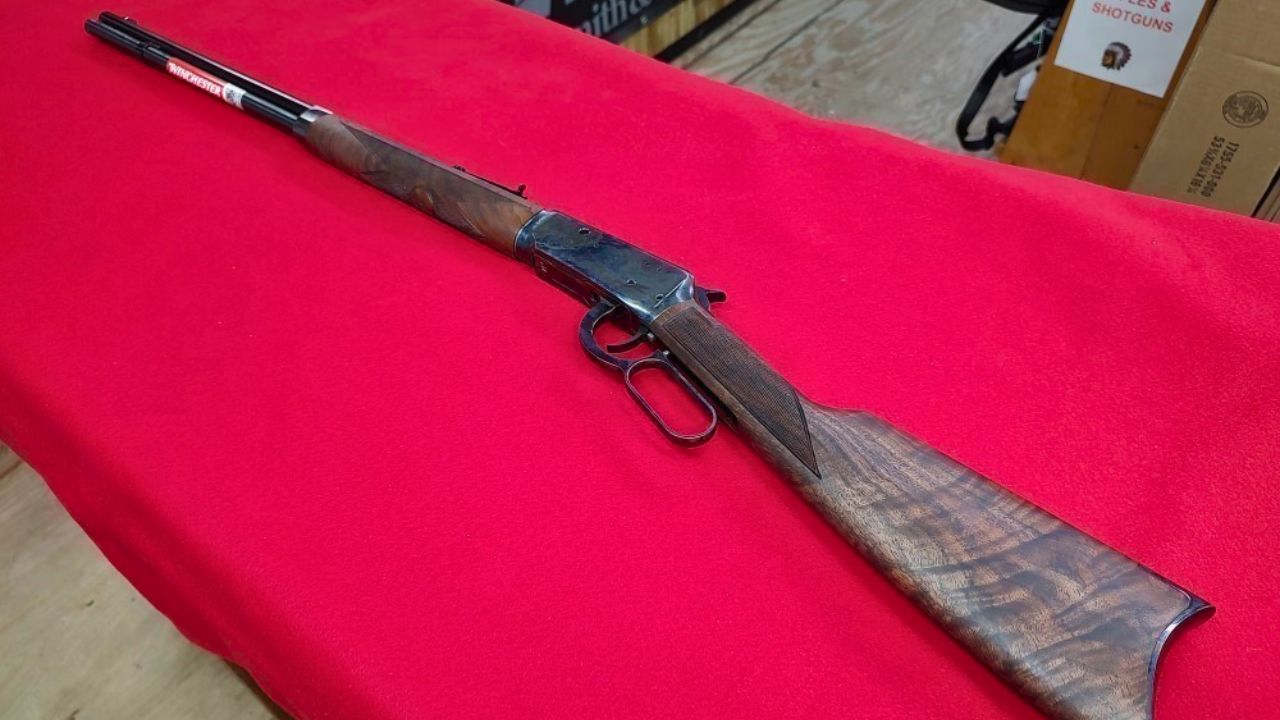
A Winchester 94 Big Bore in .375 Winchester has real punch and a lot of appeal. It also comes with a modern problem: ammunition availability. .375 Winchester isn’t sitting on shelves in most towns, and when you do find it, it often costs enough to make you ration trigger time. That’s a rough place to be with a lever gun, especially if you bought it as a hunting tool.
Parts and service considerations matter too. The Big Bore rifles are legitimate, but you’re dealing with an older platform and a cartridge that isn’t mainstream anymore. If something breaks, you’re not walking into any shop and grabbing what you need. If you’re a collector or a reloader, that’s a different conversation. If you’re a hunter who wants an easy-to-run rifle that you can practice with, this chambering becomes a burden fast.
Winchester Model 94 Big Bore in .356 Winchester

The .356 Winchester Big Bore 94 can be a thumper in thick timber, and it looks great on paper for elk and big-bodied deer at close range. In the real world, the chambering can make you miserable if you don’t reload. Ammo is scarce, component availability can be uneven, and it’s not the kind of cartridge you can replace on a whim when you show up at camp and realize you’re short.
A lever gun earns trust through practice. When ammo cost and scarcity limit your practice, you lose the whole advantage of carrying a fast-handling rifle. The rifle might be excellent, but the logistics are not. If you want a Big Bore 94 because you love the history, that’s fine. If you want it because you think it’s a practical everyday hunting rifle, it’s the sort of purchase that often turns into “I wish I bought something I could actually feed.”
Winchester Model 94 in .307 Winchester
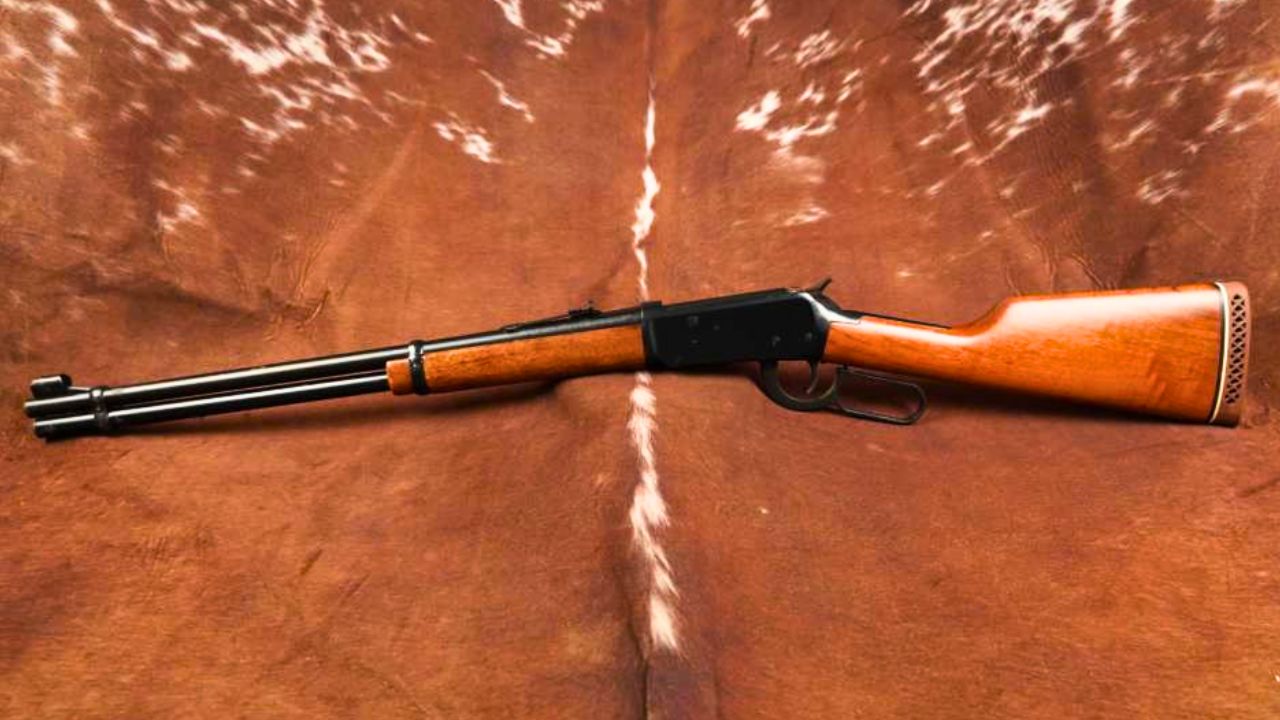
The Winchester 94 in .307 Winchester has a cool factor, and the cartridge can perform well within lever-gun distances. The downside is the same story: ammo reality. .307 Winchester isn’t common, and it’s not forgiving if you’re not set up to keep it supplied. You’ll find yourself searching, overpaying, or holding onto a small stash like it’s gold.
That’s not how most people want to live with a hunting rifle. If you run out, you’re not replacing it easily. If you want to practice, you’re doing math in your head every time you load the magazine. On top of that, used rifles in odd chamberings often come with unknown histories. If you don’t reload and you want a lever gun you can shoot a lot, avoid .307 rifles and stick to chamberings you can actually support.
Marlin 375 in .375 Winchester
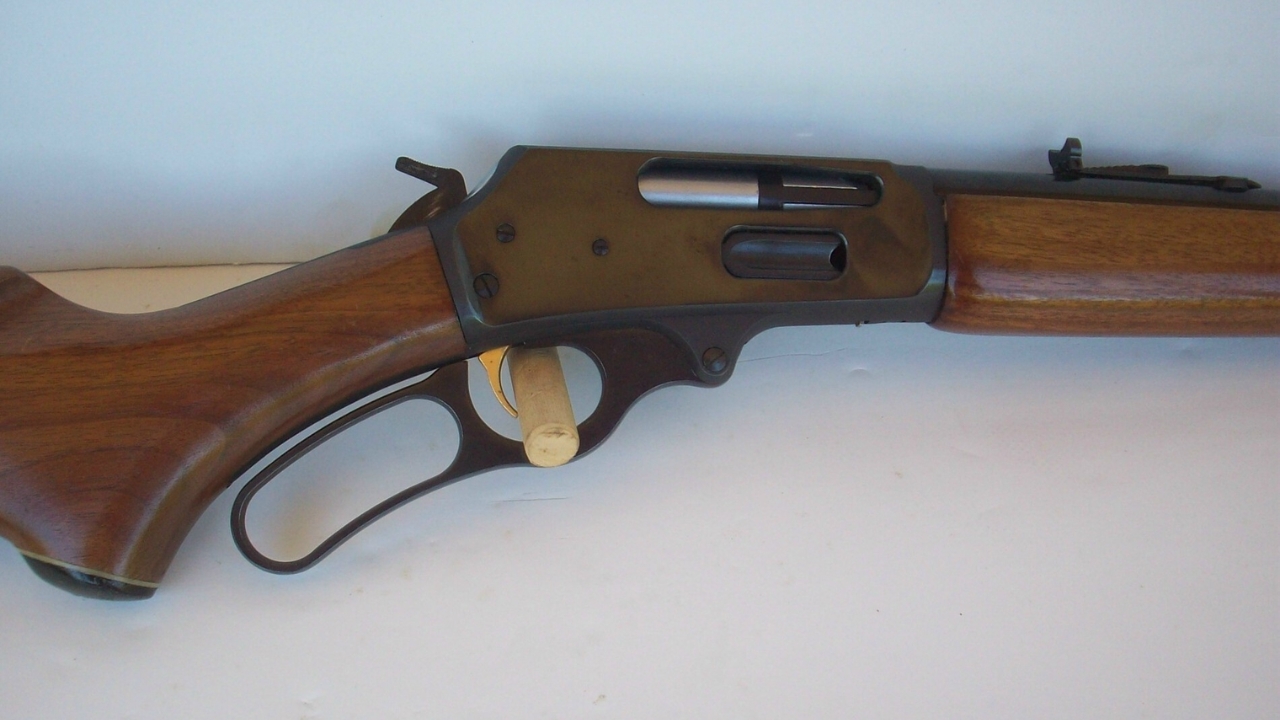
The Marlin 375 is one of those rifles that looks like a perfect “woods hammer.” It also sits in an awkward place where ammo availability dictates your entire ownership experience. .375 Winchester isn’t mainstream, and many owners find themselves either reloading or not shooting the rifle much. For a lever gun, not shooting much is a slow path to regret.
The rifle itself can be solid, but practicality matters. If your goal is a hunting tool that gets used, you want a cartridge that you can buy without planning your month around it. You also want the ability to confirm zero and practice positions without worrying about burning rare ammo. If you’re collecting, the Marlin 375 is interesting. If you’re hunting and want low-drama ownership, it’s a rifle that can turn into a safe queen faster than you expect.
Savage 99 in .358 Winchester

The Savage 99 is a classic, and a good one is a joy to carry. The “avoid” label applies when you’re looking at a .358 Winchester chambering as a practical hunting rifle without a plan for ammo. .358 Winchester isn’t everywhere, and when you do find it, it’s rarely cheap. That matters because the 99 is a rifle you want to shoot enough to trust it.
There’s also the used-gun reality. Many Savage 99s have lived hard lives, and wear can show up in ways that aren’t obvious at first glance. If you’re not careful, you can buy a rifle that needs more attention than you expected, in a chambering that’s hard to feed. A well-maintained 99 is a treasure. A tired 99 in a scarce caliber is the kind of purchase that can sour you on the whole idea.
Browning BLR in WSM chamberings

The Browning BLR is a quality rifle, but BLRs in WSM chamberings can create buyer regret fast if you’re not prepared. Ammo is more expensive, less available in small-town shops, and the BLR’s detachable magazines are not something you replace casually. Lose one, damage one, or show up with only one mag and you’ll feel it.
The BLR system works well, but it’s not a “grab anything and go” lever gun the way a .30-30 can be. If your goal is a lever rifle that’s easy to keep running, easy to feed, and easy to support, WSM chamberings push you in the opposite direction. The rifle can still hunt well, but ownership becomes more complicated than most lever-gun buyers expect. If you want low friction, this is a chambering choice that deserves a pass.
Any “commemorative” lever gun that’s been carried hard
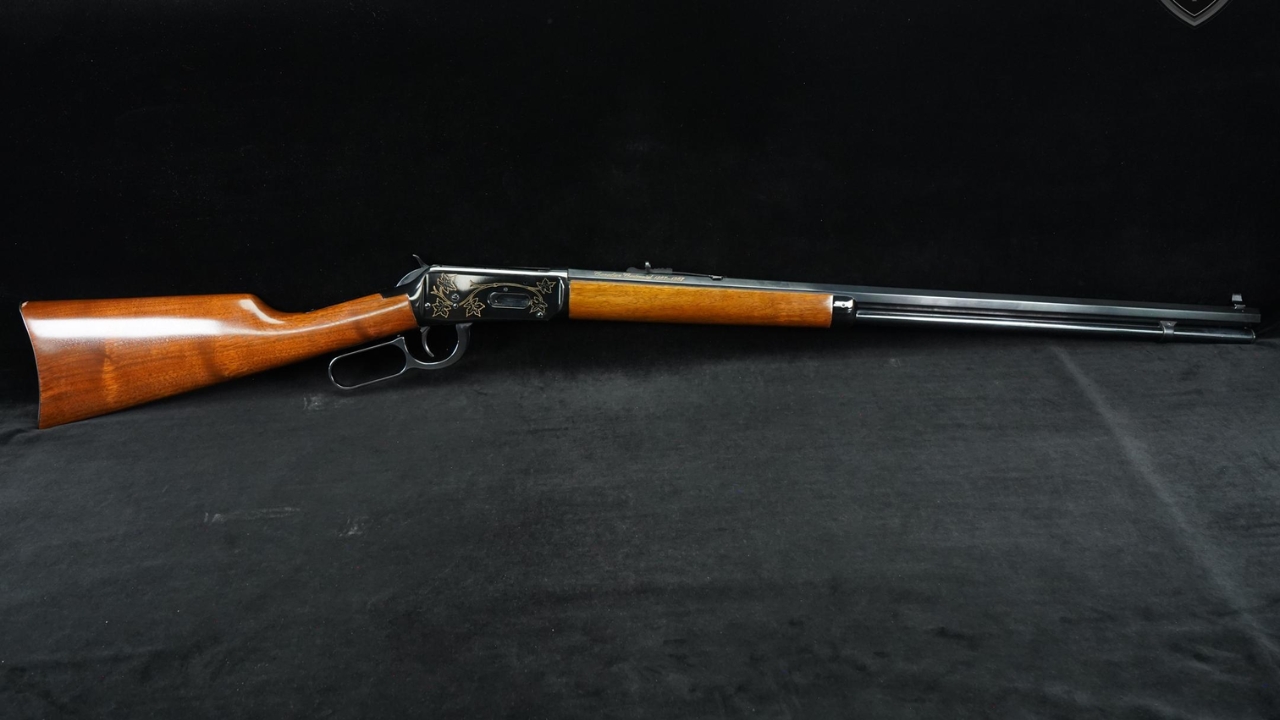
Commemorative lever guns look premium, and they often get priced like collectibles. The problem is a lot of them have been handled, carried, and sometimes hunted, then put back in the box and sold as “special.” You end up paying collector money for a rifle that may have loose screws, worn internal surfaces, and unknown maintenance—often with fancy plating or engraving that hides honest wear.
Function matters more than finish. If the rifle has been shot a lot and stored poorly, you can run into rust in the places you don’t see, gritty actions, and parts that feel tired. Then you’re stuck deciding whether to treat it like a collectible or a shooter, and neither path feels good. A lever gun should be a trusted tool. If the price is driven by a label and the condition is a mystery, walk away and buy a rifle that was built to be used.
Like The Avid Outdoorsman’s content? Subscribe to our newsletter so you never miss an article.
Here’s more from us: