Photo credit: WHO_TEE_WHO/YouTube
Not every cartridge is a good match for deer hunting. Some are too weak and leave deer suffering. Others are so powerful they waste meat or make a mess of what could’ve been a clean harvest. Whether it’s a bad fit for your terrain or just not ethical for the animal, picking the wrong round can ruin the whole experience. If you care about the hunt—and the animal—you’ll want to steer clear of the ones below.
.223 Remington

Yes, it can kill a deer. But that doesn’t mean it’s a good idea. The .223 just doesn’t offer much margin for error unless you’re a perfect shot and the deer’s standing still.
Even with the right bullet, the risk of wounding instead of dropping is high. It’s legal in some states, but if you’ve ever tracked a poorly hit deer through thick brush, you know it’s not worth the gamble.
.17 HMR
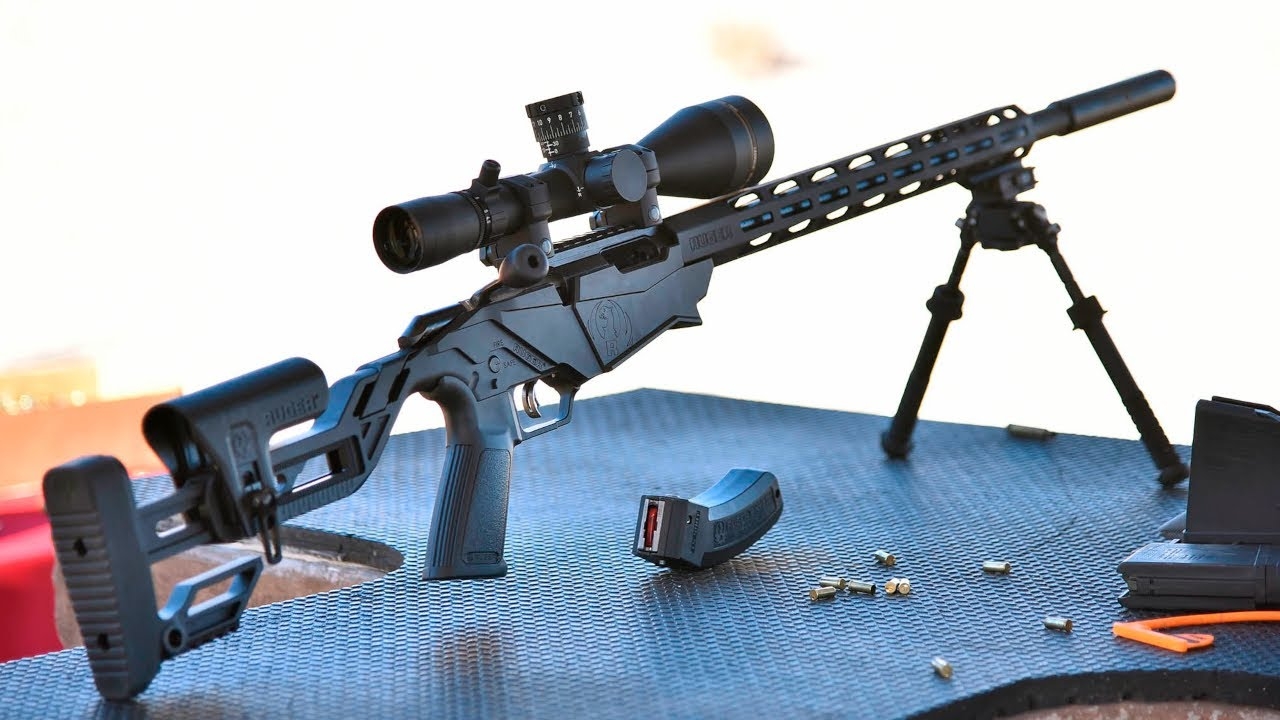
This one’s not even in the conversation for responsible deer hunting. It’s a rimfire round made for varmints, not 150-pound animals. Using it on deer is asking for a long, cruel chase.
Even a perfect heart shot with a .17 HMR might not get the job done quickly. It’s better left for squirrels, rabbits, and the range—definitely not big game.
.30-30 with the Wrong Load

The .30-30 can be great—but not every load is created equal. Some hunters grab soft, outdated, or cheap ammo that doesn’t penetrate well, especially on larger-bodied deer.
If you’re hunting with a .30-30, it needs to be paired with modern, well-constructed bullets. Otherwise, you could be stuck with shallow wounds and a blood trail that goes cold fast.
.45 ACP

It’s a solid self-defense round, but that doesn’t make it suitable for deer. Even out of a carbine, it lacks the energy and velocity needed for reliable expansion and penetration.
Some folks try it for close-range hunting with a lever gun, but that doesn’t change the fact that it’s underpowered for clean kills on whitetails. There are better options all around.
.22 Long Rifle

This one gets brought up way more than it should. The .22 LR is great for small game but has no business in the deer woods. It’s simply not humane.
Even if you think you can make that perfect neck or brain shot, it’s not worth the risk. A deer hit anywhere else is likely to run off and suffer for hours—or worse, never be recovered.
.300 Remington Ultra Magnum

This one’s on the other end of the spectrum—too much gun. The RUM hits hard, but unless you’re going after elk or moose, it’s overkill for deer and destroys a ton of meat.
You’ll likely deal with excessive recoil, flinching, and exit wounds that make a mess of shoulders and ribs. You don’t need a cannon for whitetail. Save it for bigger targets.
.357 Magnum (Out of a Revolver)

In a rifle, the .357 Magnum is passable at close range. Out of a revolver? Not so much. Limited velocity and range mean you’re pushing the ethical limits unless you’re within bow distance.
A handgun hunter needs to be skilled, no doubt. But even then, you want more energy than the .357 provides to guarantee a fast, humane kill on a full-grown deer.
5.45x39mm

This one’s more of a military round than a hunting cartridge. It’s small, fast, and pokes tiny holes that often don’t expand or dump energy like you’d want on deer.
Plenty of surplus 5.45 is still FMJ, which makes things worse. You might get lucky on a broadside shot, but luck shouldn’t be part of the plan when it comes to deer.
7.62x39mm (With FMJ)

The SKS and AK crowd often swear by this round, but the issue isn’t the caliber—it’s the bullet choice. Too many hunters use cheap FMJ ammo that zips through without doing real damage.
If you’re using a 7.62×39 for deer, it absolutely needs a quality soft point or hunting load. Otherwise, you risk a long track job or losing the deer altogether.
.410 Slug

Some states allow it, but that doesn’t mean it’s a great idea. The .410 slug has limited energy and can be unreliable unless you’re within bow range and super steady.
It’s better suited for turkeys or small game. If you’re using a shotgun for deer, at least bump up to a 20 gauge. The .410 just makes things harder on both you and the animal.
*This article was developed with AI-powered tools and has been carefully reviewed by our editors.