Photo credit: WHO_TEE_WHO/YouTube
A lot of hunting cartridges get judged by campfire talk instead of dead animals. A round gets labeled “too small,” “too old,” “too slow,” or “too weird,” and then it stays in that box for decades—even while bullets, powders, and rifles keep improving. The funny part is that plenty of those “second-tier” rounds do exactly what you need when the shot is reasonable and the bullet is picked with some common sense.
If you’re the type who actually cares about clean kills, manageable recoil, and rifles you can buy without taking out a loan, it’s worth looking again at the cartridges that get shrugged off. These are hunting rounds that tend to outperform their reputation when you put them in the right lane and stop expecting them to be something they’re not.
.243 Winchester

The .243 gets dismissed as “too light” every deer season, usually by someone who hasn’t watched what a good 95- to 105-grain bullet does in the ribs. With modern controlled-expansion bullets, it drives deeper than people give it credit for, and it puts a lot of deer down fast when you don’t get cute with angles.
Where it really outperforms its reputation is shootability. You can spot impacts, you don’t flinch, and you’ll practice more because it doesn’t punish you. That turns into better shot placement, and that’s what stacks bodies. Keep it to deer-sized game, pick a real hunting bullet, and the .243 stops being a “kid’s caliber” and starts looking like a smart choice.
.257 Roberts

The .257 Roberts is the kind of cartridge guys talk down on because they don’t see it on shelves every time they wander into a big-box store. That scarcity turns into a reputation problem, not a performance problem. In the field, it hits above what people expect from its numbers.
With 115- to 120-grain bullets, it shoots flat enough for normal hunting ranges and carries a calm recoil impulse that helps you shoot it well from real positions. It’s a deer cartridge first, but it handles pronghorn and similar game beautifully. The Roberts doesn’t need to be trendy. It needs a good bullet and a hunter who doesn’t try to turn every shot into a quartering-to stunt.
.25-06 Remington

The .25-06 gets labeled a “barrel burner” or a niche antelope round, and that sells it short. It’s one of the easiest cartridges to use when you want a flat trajectory without stepping into heavy recoil or magnum noise. It’s been putting animals down cleanly for a long time.
The trick is to treat it like what it is: a fast, efficient deer-and-pronghorn cartridge that rewards good bullets. With tough 115- to 120-grain options, it doesn’t act fragile on deer. It opens fast enough to anchor animals, but it doesn’t have to grenade meat if you avoid light varmint-style bullets. If you want reach without drama, the .25-06 quietly delivers.
6.5×55 Swedish

The Swede gets brushed off as “old” or “European,” like that somehow makes it less deadly. In reality, it’s a deep-penetrating cartridge with a long history on big-bodied game when it’s loaded with proper hunting bullets. It doesn’t need speed to do work.
What surprises people is how calmly it shoots and how well it penetrates for its size. Those longer, heavier-for-caliber bullets track straight and hold together well. In the woods, it’s boring in the best way—steady recoil, easy follow-through, and consistent terminal performance. If you’ve only seen 6.5 talked about through internet arguments, the 6.5×55 will remind you that real hunting is about holes in the right place.
7mm-08 Remington

The 7mm-08 gets overshadowed by louder trends, which is a shame because it’s one of the most practical all-around hunting rounds ever put in a short action. It doesn’t get the “cool factor” of a magnum or the hype of the newest 6.5, so it gets overlooked.
In the field, it’s hard to fault. With 140- to 150-grain bullets, it hits deer hard, shoots flat enough for sane distances, and keeps recoil mild enough that you don’t dread practice. It also holds together on tougher shots better than people expect from a “soft” cartridge. If you want one rifle that you can shoot well and trust, the 7mm-08 performs like it never got the memo that it’s supposed to be ignored.
.30-30 Winchester
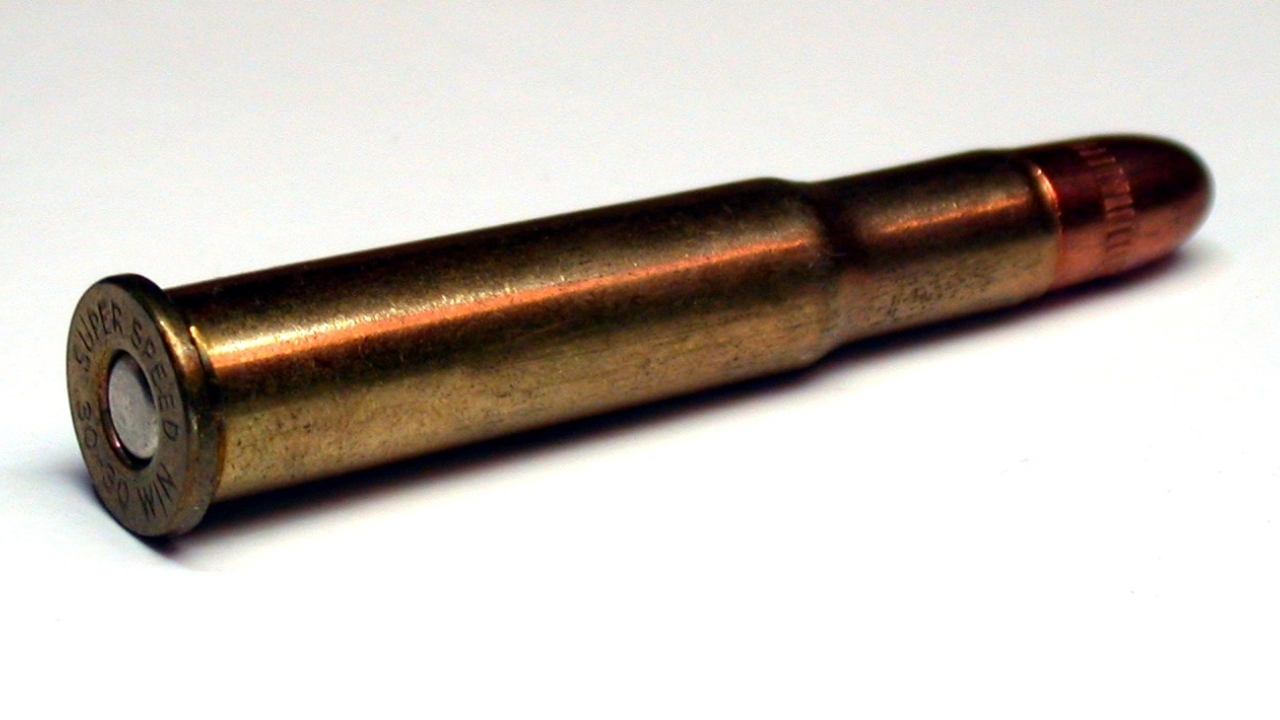
The .30-30 gets treated like it belongs in a museum, and then it keeps filling freezers every fall. People confuse “not flat” with “not effective,” and those aren’t the same thing. Inside realistic woods ranges, the .30-30 is still a hammer.
Modern ammo has helped its reputation more than most folks admit. Better bullets and smarter factory loads have tightened groups and improved performance on impact, especially with controlled-expansion designs. It doesn’t have to blow up meat, and it doesn’t have to be underpowered. Put it through the ribs, and deer don’t debate ballistics charts. The .30-30’s real advantage is that it’s fast to handle, quick to shoot well, and deadly where most deer actually get shot.
.35 Remington

The .35 Rem gets called “obsolete,” mostly because it isn’t everywhere anymore. That’s an availability problem, not a capability problem. When you look at what it does in the woods—big frontal area, moderate speed, deep penetration—it’s tailor-made for the kind of shots people take on whitetails and black bears.
It tends to track straight and break stuff without being overly violent. That means good blood trails and animals that don’t go far when the hit is right. It also shoots with a manageable push instead of a sharp snap, which helps you stay honest offhand. If you hunt thick cover and want a cartridge that acts like a sledgehammer without magnum baggage, the .35 Remington still earns respect.
.270 Winchester

The .270 gets lumped into “old school” cartridges, like that makes it less relevant. In reality, it’s still one of the cleanest-killing deer and elk rounds ever made when you load it with a real bullet. People forget how efficient it is because they’re busy chasing whatever’s trending.
The .270 shoots flat, carries energy well, and doesn’t beat you up. With 130-grain bullets it’s a classic deer setup, and with 140- to 150-grain controlled-expansion bullets it holds together on elk far better than the internet gives it credit for. It’s not flashy, but it’s consistent. If you’ve watched animals tip over with a .270, you stop caring whether it’s fashionable.
.280 Remington

The .280 is one of the best “why don’t more people shoot this?” cartridges out there. It got stuck in the shadow of the .270 and .30-06, and then newer 7mms stole the spotlight. None of that changes how well it performs on game.
It gives you 7mm bullet options with sensible recoil and excellent downrange behavior. With 140- to 160-grain hunting bullets, it’s deadly on deer and entirely capable on elk when you keep your shot selection honest. The .280’s biggest advantage is balance: it shoots flat enough, hits hard enough, and stays controllable enough that you can actually shoot it well in the field. It’s a working-man’s 7mm that never needed marketing to be effective.
.308 Winchester

The .308 gets trashed for being “slow” compared to newer cartridges, and that’s missing the point. It’s accurate, efficient, and it flat-out kills animals when you use the right bullet. Hunters confuse velocity worship with real-world results.
The .308 shines because it’s forgiving. Short actions, tons of rifle choices, tons of ammo choices, and it performs well across a wide range of bullet weights. With 150- to 165-grain bullets it’s a deer problem-solver, and with tough 165- to 180-grain bullets it handles elk reliably at reasonable distances. It’s also easy to tune and easy to practice with. A cartridge that helps you shoot better is a cartridge that performs better than its reputation.
6.5 Creedmoor

The Creedmoor’s reputation problem is mostly social. It got hyped hard, and that created backlash. People started acting like it’s either magic or useless, and neither is true. On deer-sized game, it performs extremely well when you choose a bullet that’s built to hold together.
Its real advantage is that it makes accurate shooting feel easy. Low recoil means you practice more and shoot more precisely under pressure. With 120- to 143-grain hunting bullets, it penetrates well and opens reliably at normal hunting speeds. It’s not a moose hammer and it’s not a bad choice, either. The Creedmoor’s “overrated” label usually comes from unrealistic expectations, not from what it actually does in the field.
.45-70 Government

The .45-70 gets painted as a shoulder-bruising novelty round, or a rainbow-trajectory relic. Then you see what it does at woods distances and the reputation starts to look silly. It hits hard, it penetrates, and it ends arguments quickly when you’re hunting in thick stuff.
Modern loads cover a wide range, and that’s where people get confused. You can run mild stuff that’s pleasant and effective, or you can run heavy loads in strong rifles that hit like a truck. Either way, it doesn’t need speed to do damage. Bullet selection matters, but the .45-70 is fundamentally a straight-line, bone-breaking cartridge. If you hunt hogs, bear, or big-bodied deer in close cover, it performs better than the “old cannon” jokes suggest.
.350 Legend

The .350 Legend catches flak because it looks boring on paper and because some folks treat it like a gimmick. In reality, it’s a practical solution cartridge that performs well in the lanes it was built for: deer at moderate distances, mild recoil, and rifles that handle fast.
With the right bullet, it kills cleanly and doesn’t punish you. That makes it a great option for new hunters, recoil-sensitive shooters, and anyone hunting in straight-wall states who wants more reach than the classic big-bore slugs. It’s not meant to be a 400-yard cartridge, and it doesn’t have to be. Inside its wheelhouse, it’s consistent, accurate, and more effective than the internet snickering would lead you to believe.
.300 Savage

The .300 Savage gets overshadowed by the .308, and that’s fair in terms of availability. But in the field, it still performs like a serious deer cartridge. It was designed to do exactly what a lot of hunters still want: efficient power in a handy rifle.
With 150- to 180-grain bullets, it hits deer with authority and gives you excellent performance inside normal hunting distances. The reputation problem comes from being “old” and “hard to find,” not from failing to kill animals. If you’ve got a good rifle in .300 Savage, you’re not undergunned. You’re carrying a cartridge that was ahead of its time and still works the way it always has—by punching clean holes where they matter.
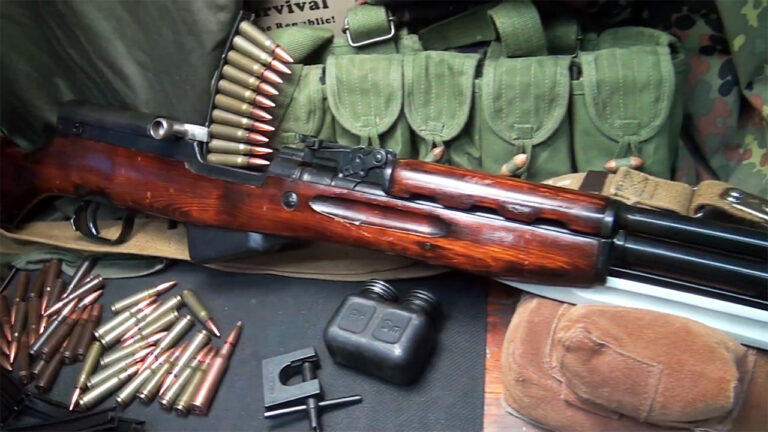
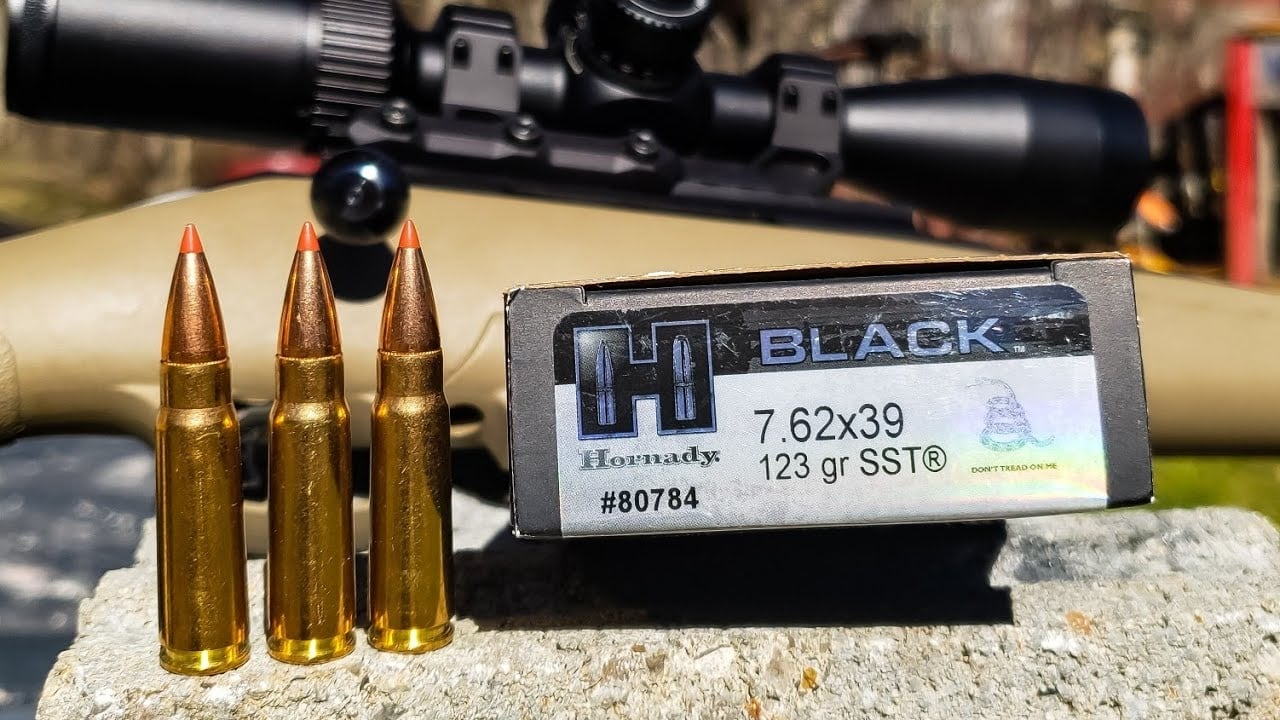
7.62×39

A lot of hunters dismiss 7.62×39 because they associate it with cheap steel-case ammo and rifles that aren’t built for precision. That’s a stereotype, not a terminal performance verdict. With proper hunting ammo and a decent rifle, it can be a very effective close-to-mid-range deer cartridge.
It hits with more authority than people expect, and it tends to penetrate well with soft-point loads. The key is being honest about distance and shot angles. Keep it inside the ranges where the cartridge still carries enough speed for reliable expansion, and it does fine work. It’s also easy to shoot fast and well from field positions, which matters when a deer is moving and you don’t have all day. In the right lane, it performs better than its reputation.
Like The Avid Outdoorsman’s content? Subscribe to our newsletter so you never miss an article.
Here’s more from us: