Photo credit: Jor Chi Family/YouTube
Some calibers are a dream for practice. They’re affordable, easy on the shoulder, and they let you shoot a lot without flinching or dreading the next trigger press. That matters, because most hunting “problems” are really shooting problems—rushed shots, shaky positions, bad follow-through. A caliber that helps you train more can make you better.
But hunting isn’t paper. Animals move, angles change, wind shows up, and bones don’t care how tight your groups were at 100. The same cartridge that makes practice fun can turn into a rough hunting tool when you ask it to penetrate, break shoulders, or stay consistent at distance. These calibers are great teachers on the range—and frustrating choices in the field more often than people want to admit.
.17 WSM

.17 WSM feels like the rimfire that wants to be a centerfire. It’s fast, it shoots flat, and it’s fun to ring steel because you get that “laser” trajectory without recoil. As a practice round, it teaches you to stay precise and manage small targets at longer distances.
Hunting is where the light bullet shows its limits. The cartridge is built around speed, and speed doesn’t automatically equal deep penetration. On varmints it can be excellent, but on tougher targets, the bullet can lose steam quickly or fail to stay together through heavier tissue. Wind also becomes a real factor, and the margin for error is thin.
It’s great for range time because it makes precision approachable. It’s rough for hunting when you try to make it do more than it was designed for.
.223 Remington

.223 Remington is one of the best practice calibers because it’s soft shooting, accurate, and easy to run fast. You can train hard without developing a flinch, and it’s forgiving enough that you can focus on fundamentals instead of bracing for recoil. It’s also a great round for positional practice because it lets you spot impacts and make corrections quickly.
Hunting is where .223 can disappoint when the animal gets bigger or the angles get worse. It can work well with the right bullets and smart shot selection, but it doesn’t give you much margin for shoulder hits, quartering shots, or heavy bone. Wind drift at distance can also become a problem sooner than many hunters expect.
As a training cartridge, it’s hard to beat. As a hunting cartridge, it requires discipline—good bullets, good angles, and honest distance limits.
.204 Ruger
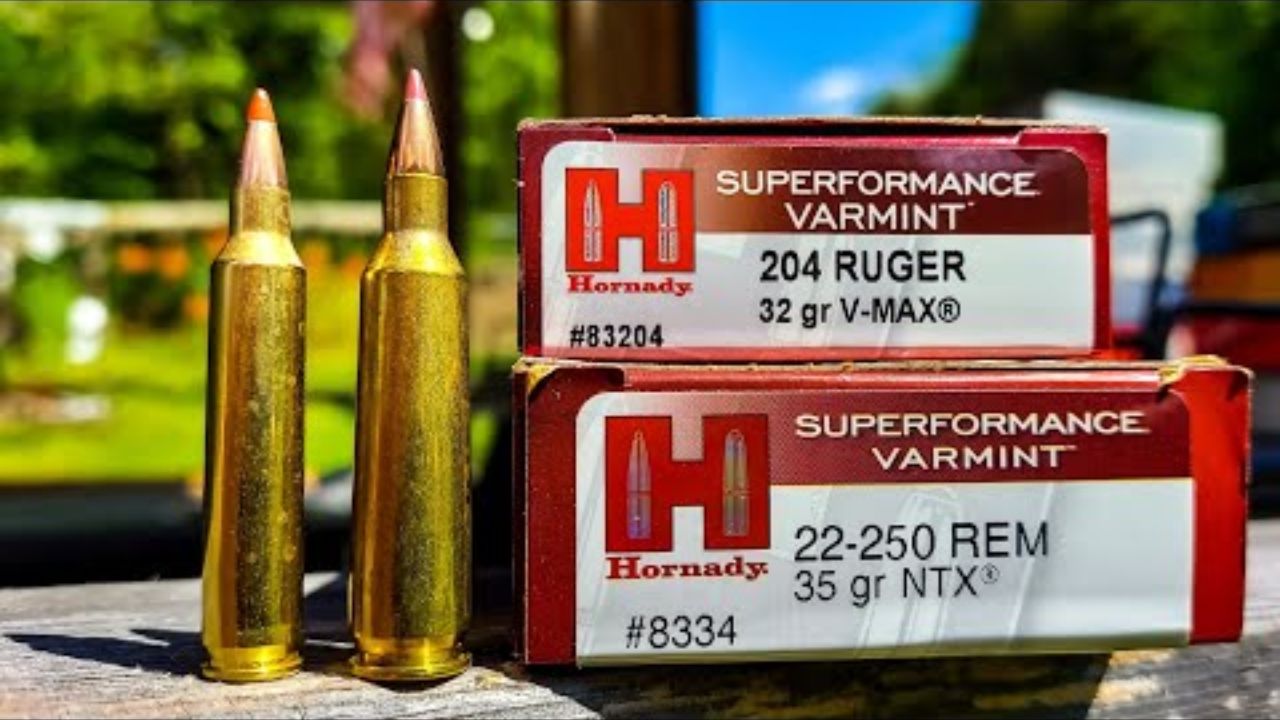
.204 Ruger is a practice favorite because it’s flat, fast, and light on recoil. It makes small targets feel easy, and it’s a confidence builder when you’re working on precision at distance. The cartridge can make your range sessions feel like you’re cheating, especially on steel and paper.
Hunting is where that speed can work against you. Many .204 loads are built for varmint-style performance, meaning quick expansion and shallow penetration. On tougher animals, that can lead to inconsistent results, especially if you hit forward or catch bone. Wind drift can also be more noticeable than you’d expect for how “flat” it looks on charts.
If your hunting is strictly coyotes and similar-sized targets, it can be great. If you start using it where penetration matters more than trajectory, it becomes a rough choice.
5.56 NATO

5.56 NATO is a training staple for good reason. It’s easy to shoot well, easy to shoot fast, and it lets you practice a lot without punishing your shoulder. It’s also a cartridge where you can build real skill—transitions, positional work, movement—because recoil doesn’t dominate the experience.
Hunting is where 5.56 gets complicated. It can work on smaller game and even deer with the right loads where legal, but it’s not a forgiving hunting cartridge. Bullet choice matters a ton, and shot placement becomes non-negotiable. If you’re used to “center of shoulder and done,” 5.56 can disappoint, especially on quartering shots or bigger-bodied animals.
As a practice round, it builds shooters. As a hunting round, it demands restraint and smart decision-making, and many hunters don’t want that stress on a real animal.
7.62×39
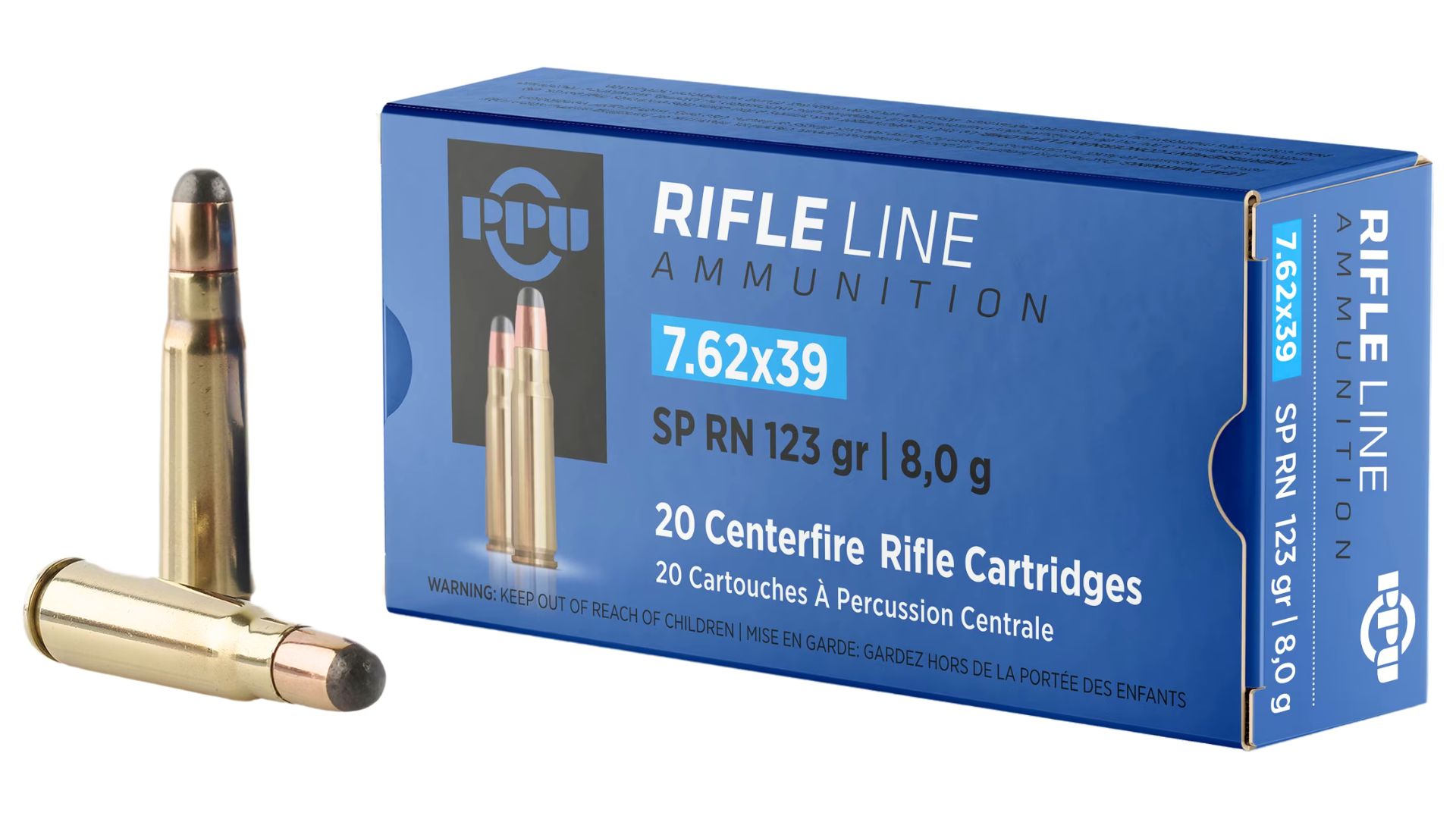
7.62×39 is fun for practice because it’s usually manageable in recoil, easy to shoot in quick strings, and it feels “real” without being punishing. It’s also a great cartridge for learning holds at practical distances because it drops enough that you have to pay attention, but not so much that it becomes frustrating.
Hunting is where its limitations show up. Bullet selection can be hit-or-miss compared to mainstream hunting cartridges, and performance on game depends heavily on using proper soft-point or expanding loads. The trajectory also gets rainbow-shaped faster than many hunters expect, which makes distance estimation more important. If you stretch it too far, wind and drop start stacking up.
It’s an excellent practice and woods-distance cartridge. As a hunting round, it’s rough when you try to make it a longer-range solution or use the wrong ammo.
.300 Blackout
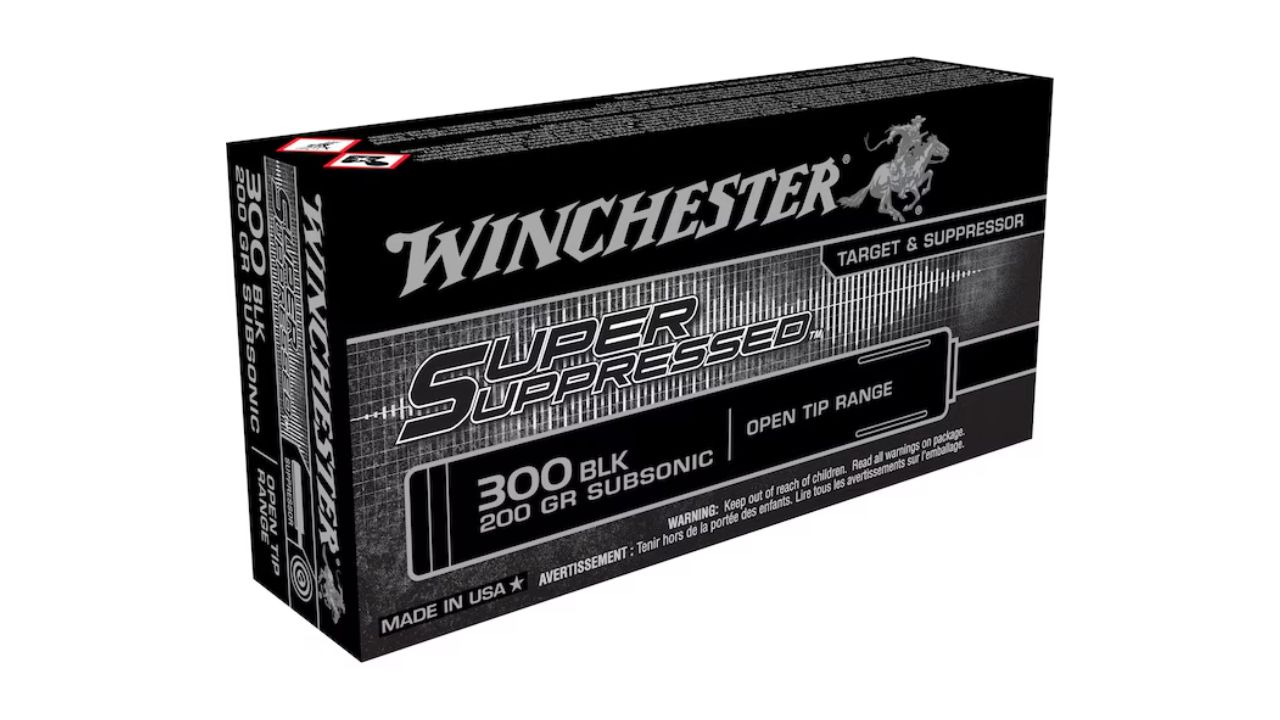
.300 Blackout is a practice-friendly cartridge in the right setup, especially if you like short rifles and quick handling. It’s easy to manage, it’s enjoyable on steel at closer ranges, and it teaches you a lot about trajectory and holds because it’s not a flat shooter. It also lets you train without the sharp recoil and blast of bigger .30-caliber rounds.
Hunting is where many people get disappointed—mostly because they treat it like a do-everything .30 caliber. Supersonic loads can work well at reasonable distances, but the cartridge drops quickly and loses velocity fast compared to classic deer rounds. Shot placement and distance discipline matter. Subsonic loads add another layer of complexity and demand very specific expectations.
For practice, it’s great because it’s approachable and useful. For hunting, it’s rough if you don’t keep it inside its real-world window.
6.5 Grendel

6.5 Grendel is a range sweetheart because it shoots accurately, handles wind better than small bores, and doesn’t beat you up. It’s a cartridge that encourages longer practice sessions because recoil stays manageable, and it teaches you a lot about making hits at distance without going full magnum.
Hunting is where it can become rough when you push it outside what it does best. It can work well on deer-sized game, but it’s not a cartridge that thrives on heavy bone hits or steep quartering angles the way bigger rounds do. It also depends heavily on bullet choice and impact velocity. If you’re hunting farther out, you can run into terminal performance issues when velocity drops.
As a practice cartridge, it’s excellent for building skill. As a hunting cartridge, it demands honest limits, and many hunters don’t like living with that fine print.
.22 LR

.22 LR is the best practice cartridge ever created. You can shoot it all afternoon, work on trigger control, and run drills without beating yourself up. It makes you honest, because every wobble shows up on target, and it’s cheap enough that you actually practice.
Hunting is where the limitations bite. On anything larger than small game, penetration and terminal effect are narrow, and shot placement has to be perfect. Wind drift also matters more than people expect once you stretch distance. Even on small game, bad angles can lead to wounded animals if you get careless.
If you love practice—and you should—.22 LR is unbeatable. For hunting, it’s a specialist tool, not a general one, and it punishes overconfidence.
.22 WMR

.22 WMR is fun because it feels like a rimfire with reach. It shoots flatter than .22 LR, hits harder, and still lets you practice without recoil drama. It’s a confidence builder for newer shooters and a useful training round for learning holds and wind at rimfire distances.
Hunting is where it gets tricky. Yes, it can take small game and pests cleanly, but it’s easy to overestimate it on tougher targets or bad angles. Bullet construction is often geared toward quick upset, and penetration can be inconsistent when you hit heavier tissue. It also doesn’t forgive placement errors the way larger centerfires can.
As a practice round, it’s a great step up. As a hunting round, it’s best kept in its lane—small animals, smart angles, and realistic distance.
.17 HMR

.17 HMR is a blast at the range because it shoots flat, groups tight, and gives you immediate feedback. You can work on precision without recoil, and it makes steel at distance feel easy. It’s one of those cartridges that makes you want to shoot “one more magazine” because it’s so pleasant.
Hunting is where it can turn rough. The tiny, fast bullets often expand quickly and don’t always penetrate well on anything tougher than varmints. Wind drift can also surprise you because the bullets are light, and small deflections matter when the target is small and the vitals are smaller. The cartridge rewards perfect conditions.
If your hunting is prairie dogs and similar-sized critters, it’s a strong tool. If you start stretching its role into tougher animals or messy angles, it stops feeling like a sure thing.
.243 Winchester

.243 Winchester is a practice favorite because it’s light recoiling, accurate, and easy to shoot well. It’s one of the best cartridges for teaching good habits because you can focus on fundamentals instead of bracing for recoil. It’s also easy to see impacts through the scope, which helps you learn fast.
Hunting is where it can be rough if you use it like a bigger deer cartridge. On deer it can work very well with the right bullets, but it doesn’t give you a lot of margin on poor angles or shoulder shots, especially on larger-bodied animals. It’s also a cartridge that can punish cheap bullet choices, because lightweight bullets can come apart if they hit hard tissue at close range.
For practice, the .243 shines. For hunting, it works best when you hunt thoughtfully—good bullets, smart angles, and realistic expectations.
6mm Creedmoor

6mm Creedmoor is loved on the range because it’s accurate, flat, and easy on the shooter. You can run it hard without flinching, and it rewards good fundamentals. It’s also great for learning wind calls because it stays stable enough to give you meaningful feedback without requiring magnum recoil.
Hunting is where it can get rough because it’s still a 6mm. It can be effective on deer-sized game with the right bullets, but it doesn’t offer the same penetration and angle forgiveness as larger calibers. It also relies on the hunter to be honest about shot placement, especially if the animal is quartering or moving. In the real world, perfect broadside isn’t guaranteed.
As a practice round, it’s a skill-builder. As a hunting round, it becomes stressful if you want a cartridge that bails you out when the shot isn’t ideal.
.25-06 Remington
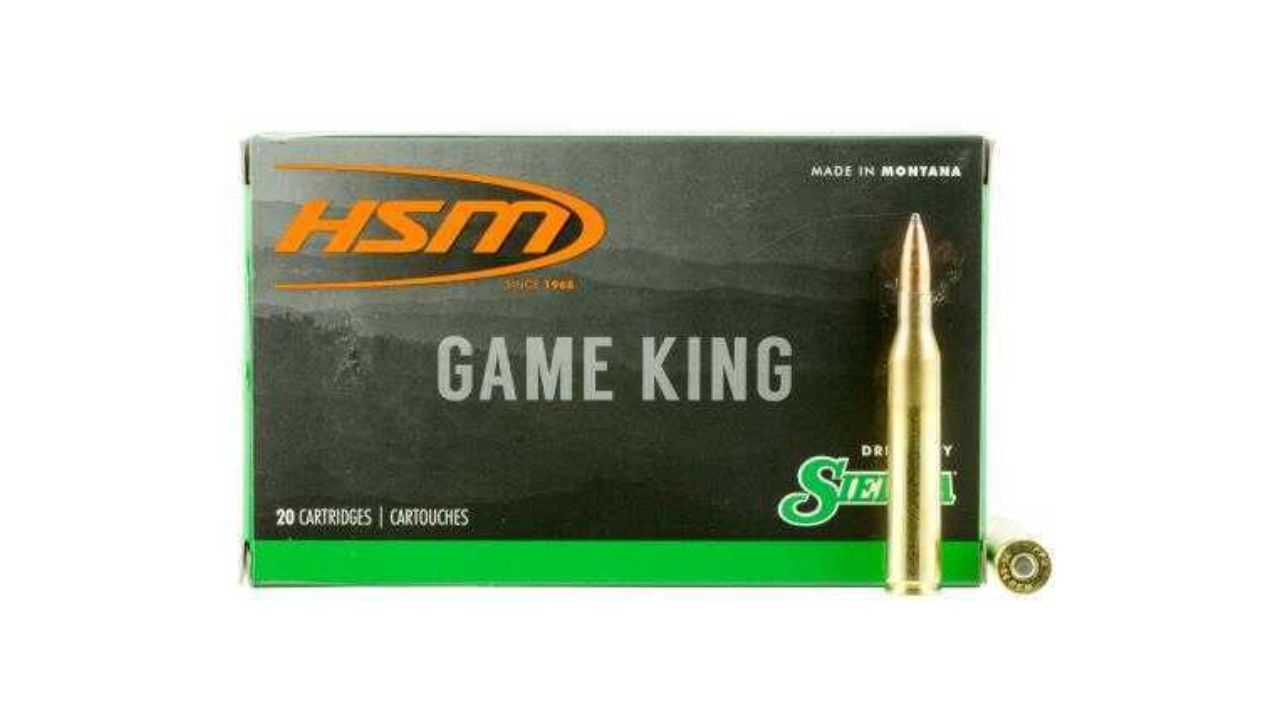
.25-06 is a fun range cartridge because it’s flat, fast, and often very accurate. It makes distance feel manageable and gives you confidence when your holds are right. Recoil is usually reasonable, so you can practice longer than you’d expect from a cartridge with that kind of speed.
Hunting is where it can be rough in two ways. First, the fast impact speed up close can make some bullets behave badly—too much expansion, not enough penetration—especially on tougher angles. Second, it tends to encourage longer shots because it shoots so flat, and that’s where wind and real-world shooting positions start exposing people. It’s easy to believe the cartridge will handle it, even when your field setup won’t.
For practice, it’s enjoyable. For hunting, it’s rough when speed makes you overconfident or bullets don’t match the job.
.270 Winchester

.270 Winchester is a great cartridge to practice with because recoil is manageable and accuracy can be excellent. It shoots flat enough to make distance practice feel rewarding, and it’s widely supported with rifles and ammo. You can build real confidence behind it without feeling beat up.
Hunting is where it can turn rough if you pick the wrong bullets or treat it like a heavier hitter than it is. With light-for-caliber, fast-expanding bullets, close-range impacts can lead to excessive damage and inconsistent penetration on tougher angles. It’s also a cartridge that can nudge hunters into longer shots because it carries well, which makes wind and imperfect positions the real enemy.
The .270 works on game, no question. The “rough” part is how easy it is to misuse it—wrong bullet, wrong angle, and too much confidence in flat trajectory.
.30 Carbine
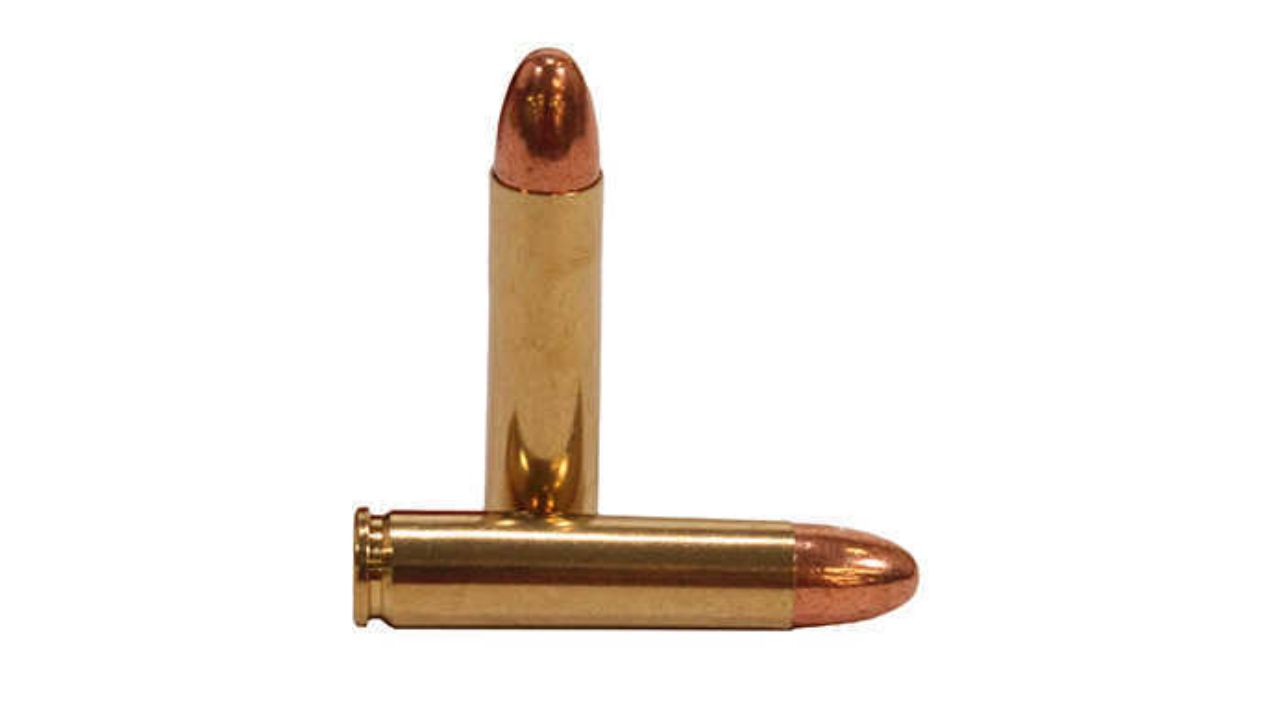
.30 Carbine is easy and fun to practice with because recoil is mild and follow-up shots are quick. It’s a cartridge that lets you focus on sight picture, trigger control, and cadence without paying a price in your shoulder. It’s also a great way to practice practical-distance shooting because it rewards good fundamentals without demanding heavy recoil management.
Hunting is where it can be rough because it doesn’t bring a lot of bullet weight or velocity compared to classic hunting rounds. On small game and certain close-range scenarios, it can work, but it’s not a forgiving cartridge when the animal is tough or the angle is poor. Penetration through heavier tissue can be inconsistent, and the cartridge doesn’t give you much room to “get away with it.”
As a practice round, it’s a pleasure. For hunting, it’s rough when you need decisive terminal performance instead of mild manners.
Like The Avid Outdoorsman’s content? Subscribe to our newsletter so you never miss an article.
Here’s more from us: