Photo credit: WHO_TEE_WHO/YouTube
Quartering shots are where deer rifles earn their keep. When a buck is angling away through brush or turning to leave a field edge, you’re often looking at ribs, a near-side shoulder, and the far-side vitals tucked behind bone. That’s not the time for a fragile bullet or a light-for-caliber load that quits early.
The right deer round here is less about raw speed and more about keeping the bullet together while it drives deep. High sectional density helps. Controlled expansion helps more. Pick a cartridge that shoots flat enough for your terrain, then feed it a bullet built to hold weight and keep tracking straight through muscle and ribs.
.308 Winchester
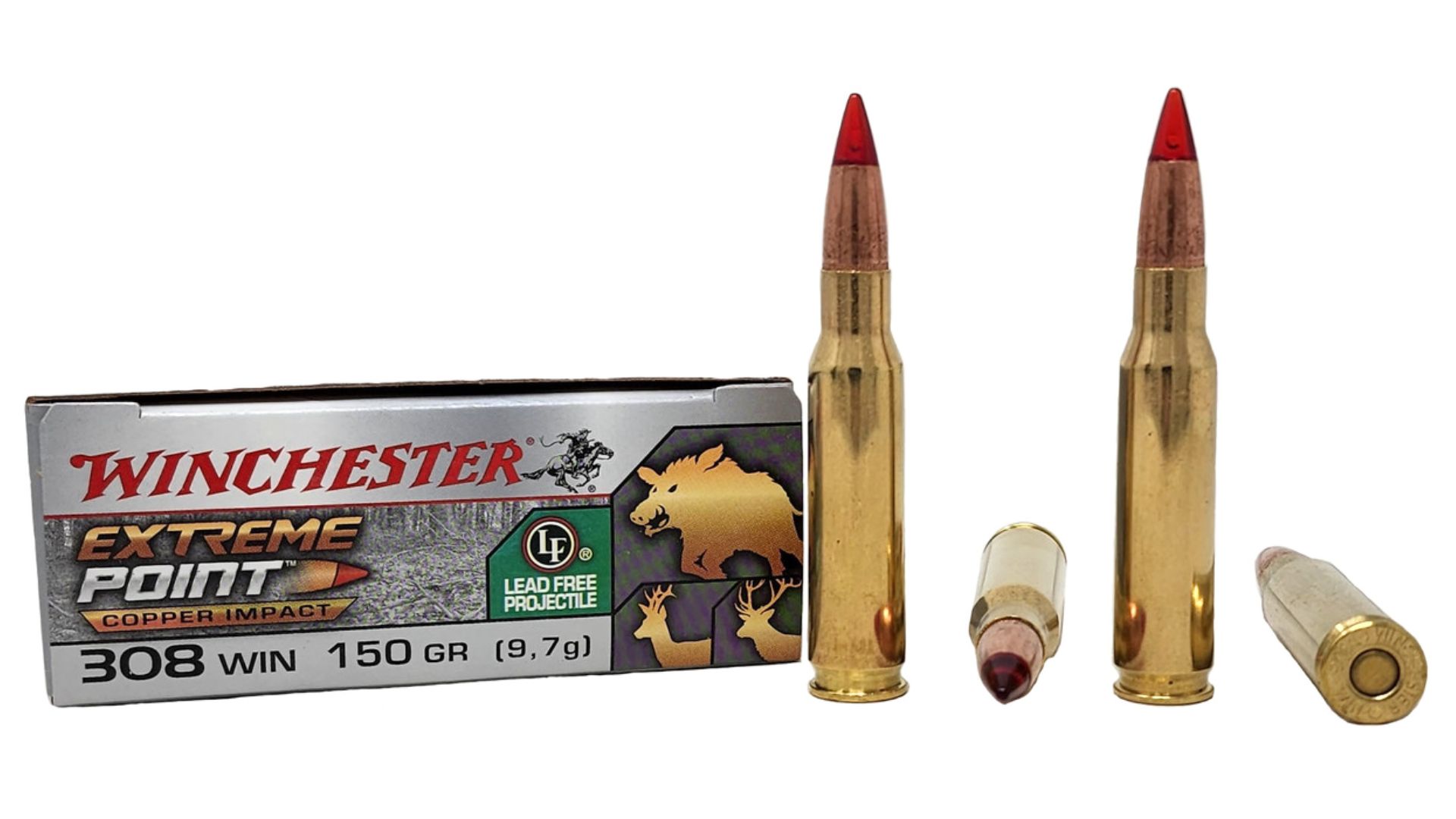
The .308 Winchester is hard to beat when the shot angle gets weird. It pushes medium-to-heavy .30-caliber bullets at sensible speed, which often means controlled expansion and straight-line penetration instead of dramatic blowups. On a quartering-away deer, that matters when you’re trying to reach the off-side lung after breaking ribs on the way in.
Keep it practical: 150- to 165-grain bonded bullets, a Partition-style design, or a solid copper option are all strong choices. You’ll get enough momentum to handle shoulder on an angled shot without turning the near-side into soup. The .308 also makes it easier to practice, and good practice is what keeps you calm when the deer turns and the window is short.
.30-06 Springfield
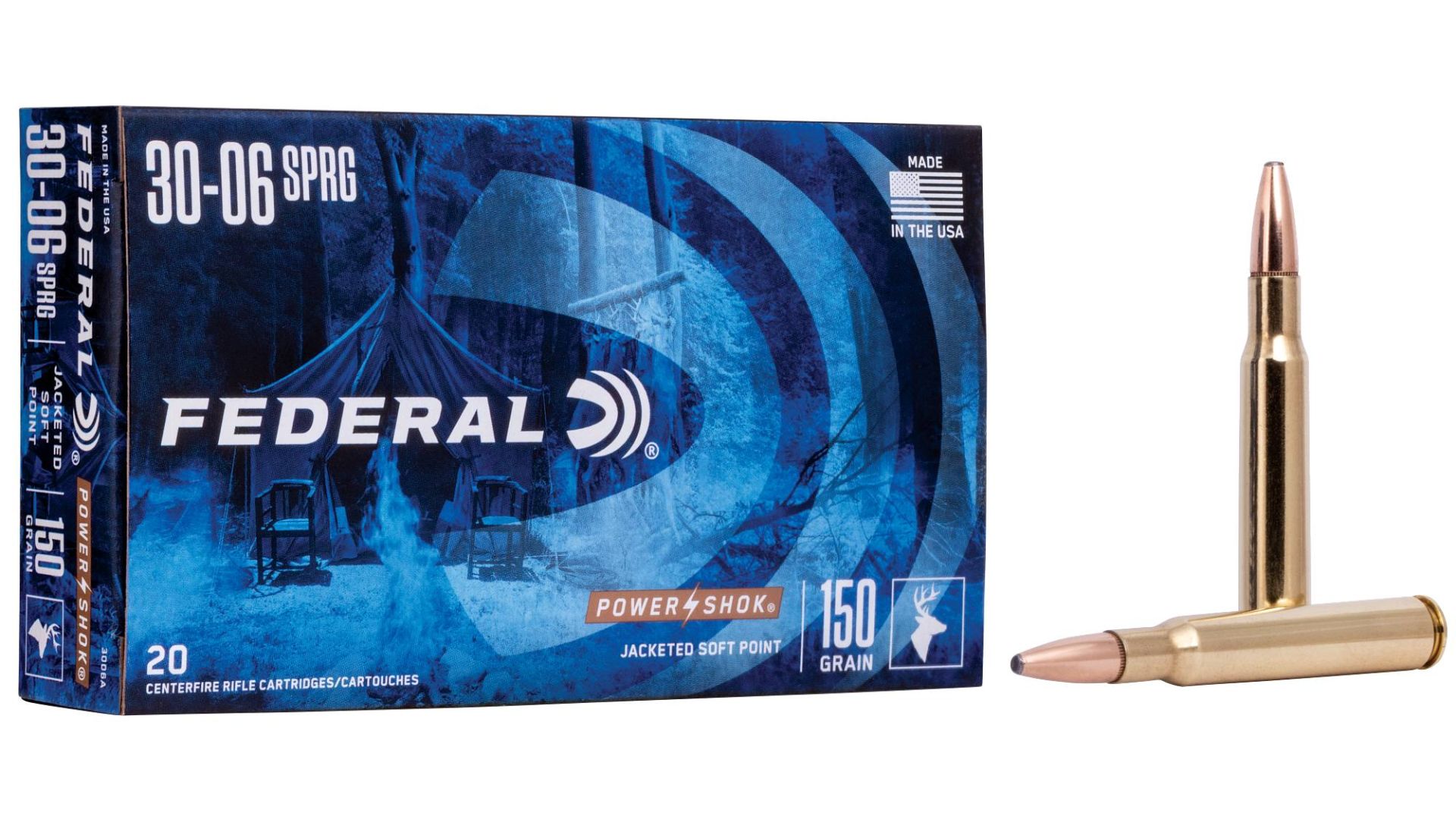
The .30-06 Springfield has been solving quartering-shot problems for more than a century. You’re getting enough case capacity to drive heavier bullets with authority, and that extra margin shows up when you hit a rib, a shoulder blade, and still need the bullet to finish the job in the chest cavity.
For deer, a 165- or 180-grain controlled-expansion bullet is the sweet spot for angled shots. You’re not chasing speed; you’re chasing reliable weight retention and deep penetration. The .30-06 also handles a wide range of bullet designs, so you can tailor it to your woods and your recoil tolerance. If you want one rifle round that forgives imperfect angles better than most, the old ’06 still belongs near the top.
.270 Winchester
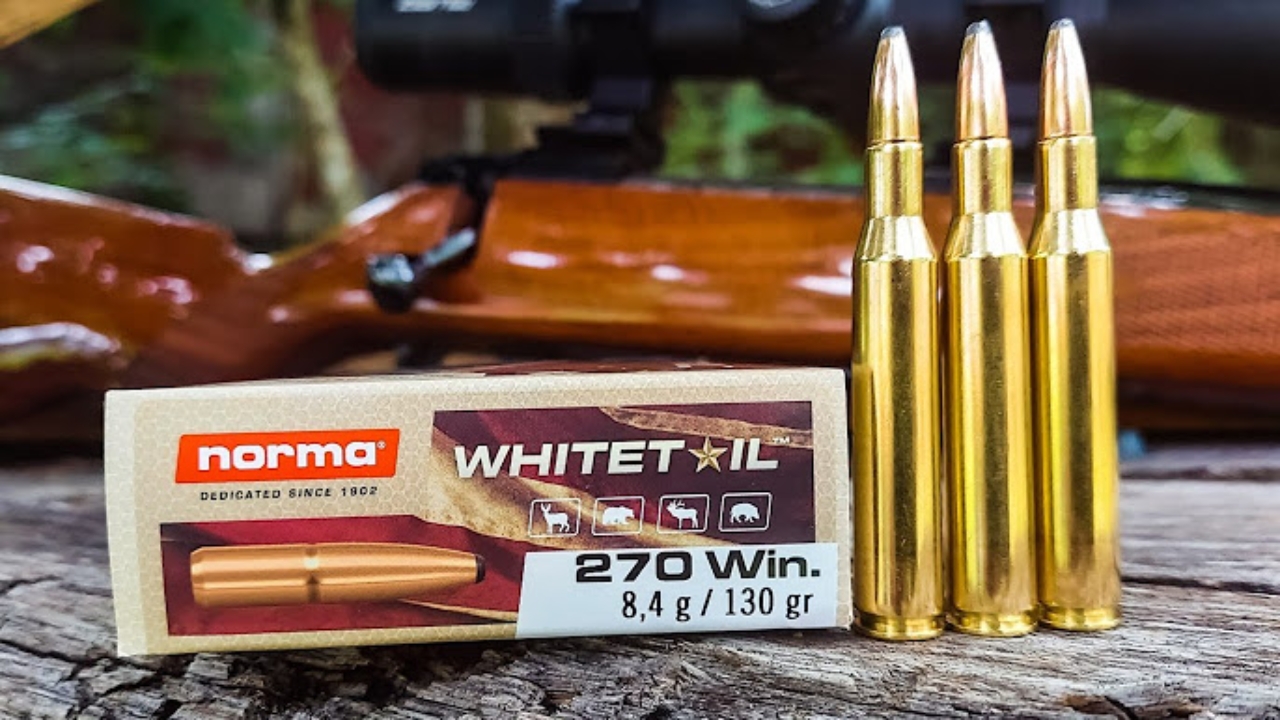
The .270 Winchester gets labeled as a broadside deer round, yet it can handle quartering shots extremely well with the right bullet. Its strength is sectional density. A 130- or 150-grain .277 bullet can be long for its weight, and that helps it keep driving when it meets bone on the way to the vitals.
The key is bullet construction. Pick a bonded soft point, a Partition-style bullet, or a copper monolithic that holds together at .270 impact speeds. On a quartering-away deer, that combination gives you a clean entrance, enough penetration to reach the far lung, and a good chance of an exit for blood. You’ll still want smart shot placement, but the .270 is more capable on angles than many hunters give it credit for.
7mm-08 Remington
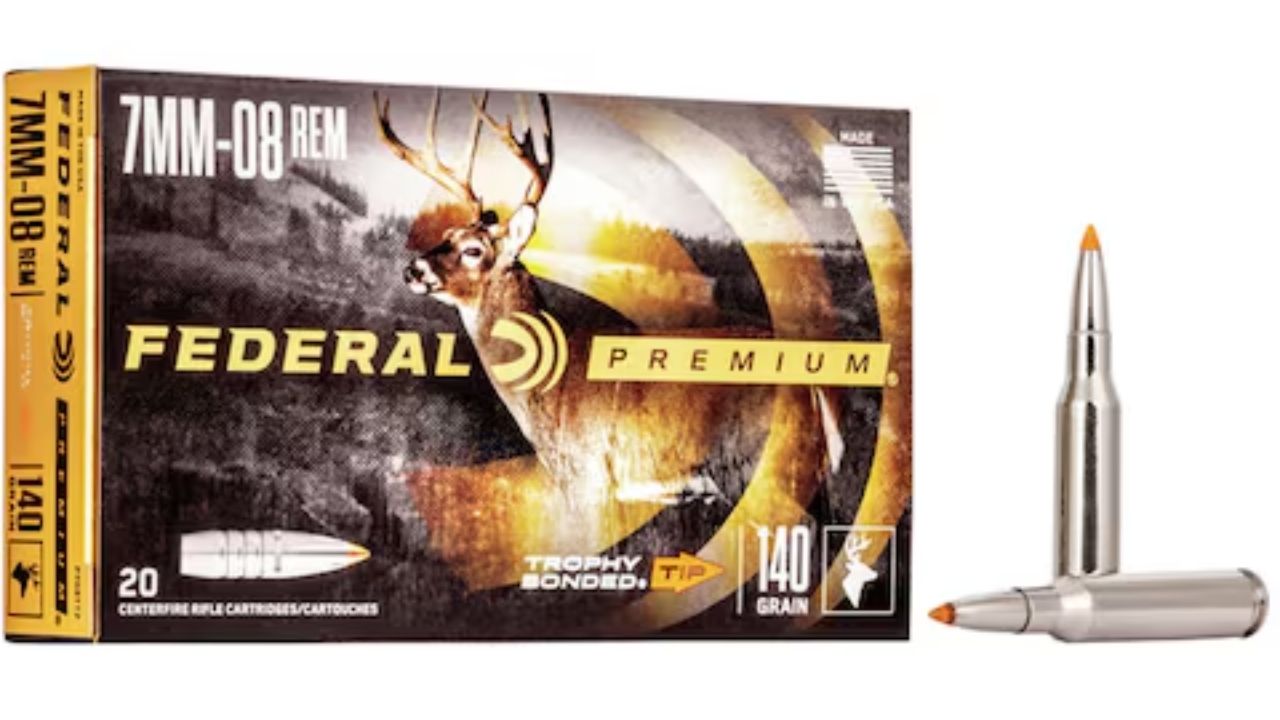
The 7mm-08 Remington is a quiet killer on quartering shots because it balances penetration and shootability. You can push a 140- to 160-grain 7mm bullet with high sectional density, and that bullet shape tends to track straight through ribs and muscle instead of turning sideways early.
Where it really shines is control. You’re more likely to place the shot precisely when recoil stays manageable, and precision matters when you’re aiming through an angle toward the off-side lung. Feed it a bonded bullet, a Partition-style design, or copper, and you’ve got a round that handles bone better than its mild reputation suggests. For hunters who want one deer cartridge that performs on angles without beating you up, the 7mm-08 is a strong answer.
6.5 Creedmoor

The 6.5 Creedmoor can do excellent work on quartering shots, provided you treat bullet choice as part of the cartridge. The 6.5mm bullets that make it famous also bring high sectional density, which helps penetration through ribs and the heavy stuff around the shoulder.
The trap is using match-style bullets on hunting angles. Stick with 129- to 143-grain controlled-expansion hunting bullets—bonded, Partition-style, or copper—and the Creedmoor holds its own. On a quartering-away deer, you’re looking for a bullet that opens reliably but keeps enough shank to keep driving into the chest. The Creedmoor’s mild recoil makes follow-up shots fast and accurate, and that can matter when the first hit is good but the deer is still trying to leave.
.280 Ackley Improved

The .280 Ackley Improved is one of those cartridges that feels made for tough angles on deer-sized game. You get 7mm bullet sectional density, plus a little more speed than the classic .280 Remington. That extra velocity helps expansion at longer ranges, while the bullet weight options still support deep penetration up close.
For quartering shots, 150- to 168-grain controlled-expansion bullets are a smart place to live. They tend to hold together, drive straight, and still open enough to wreck both lungs even when the path includes shoulder, ribs, and a lot of meat. The .280 AI also stays shootable in a hunting-weight rifle, which keeps your form honest. If you want a modern 7mm that handles angled deer shots with authority and doesn’t feel like a magnum, this one is hard to argue with.
.25-06 Remington
The .25-06 Remington surprises people on quartering shots because it hits with more penetration than its small bore suggests—when you match it with the right bullet. A 115- to 120-grain .257 bullet can carry solid sectional density, and the cartridge’s speed helps it open even when the deer is farther out.
The caution is bullet toughness. Thin-jacketed varmint-style bullets do not belong here. Use a bonded hunting bullet, a Partition-style design, or a copper monolithic, and the .25-06 can break ribs and keep going into the chest from a quartering angle. It’s a great choice for hunters who want flat trajectory and mild recoil without giving up penetration. Put it through the near-side shoulder on an angling deer and you’ll see why it has loyal fans.
.260 Remington

The .260 Remington is the Creedmoor’s older cousin, and it plays the same quartering-shot game very well. It launches 6.5mm bullets with excellent sectional density, and that shape helps the bullet stay on track through ribs, muscle, and the heavy tissue you meet on an angled deer.
The cartridge does best with hunting bullets designed to hold together. Think 125- to 140-grain bonded options, Partition-style bullets, or copper designs that keep weight. On a quartering-away shot, your goal is a long wound channel that reaches the far lung, not a shallow crater in the shoulder. The .260 gives you that, and it does it with mild recoil that encourages practice.
6.5 PRC
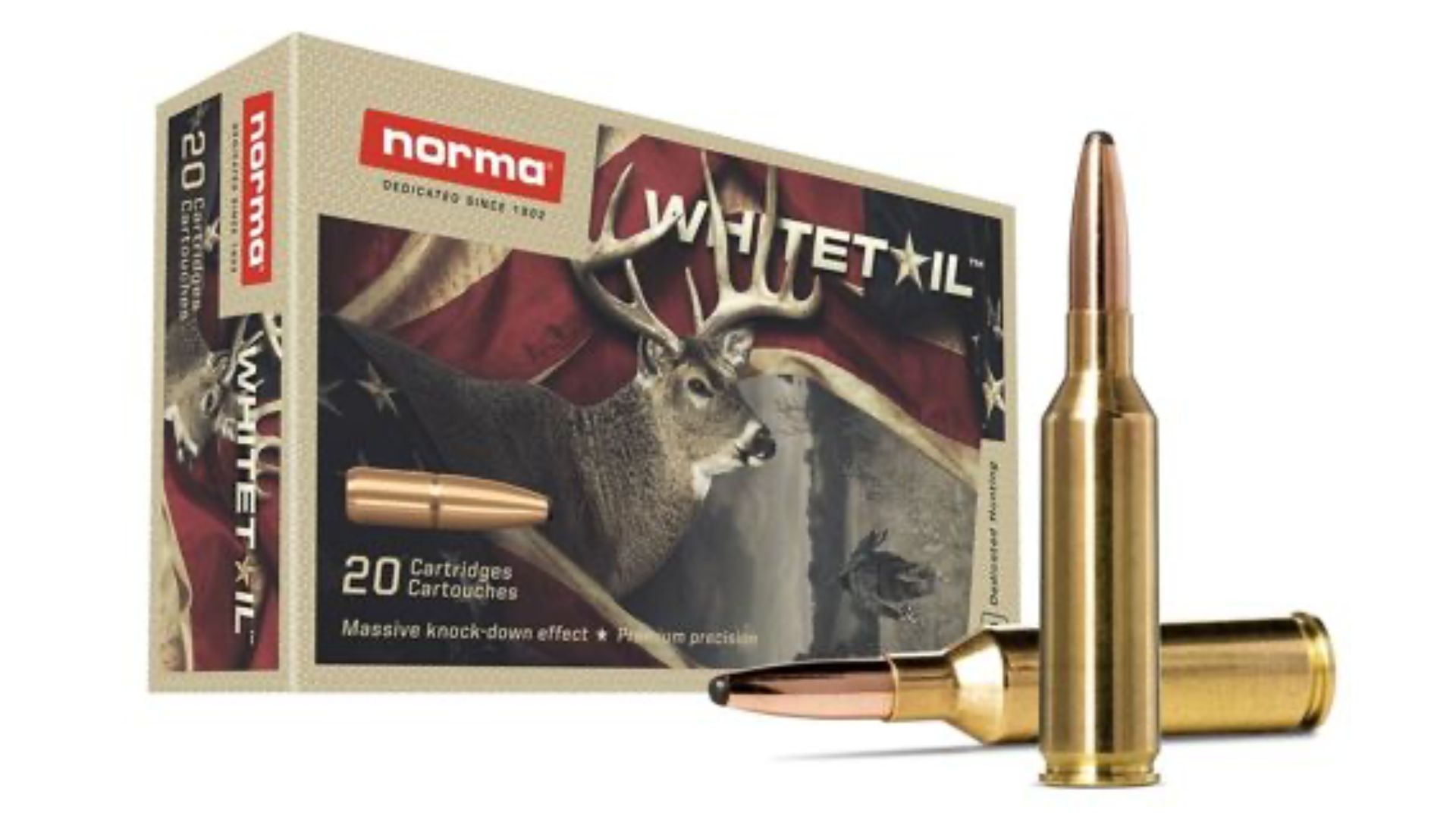
The 6.5 PRC adds speed to the 6.5mm recipe, and that can be a real advantage on quartering shots when you choose a bullet that won’t come apart. Higher impact velocity can turn marginal bullets into a mess on bone, so controlled expansion becomes even more important here than it is with the Creedmoor.
Run a tough 140- to 156-grain hunting bullet—bonded, Partition-style, or copper—and the PRC will punch through ribs and still reach deep vitals on an angle. The higher velocity also helps at longer distances, where slower rounds can start to lose expansion reliability. If your deer hunting includes open country and the occasional angled shot across a draw, the 6.5 PRC can be a very effective tool, as long as you feed it bullets built for hunting.
7mm Remington Magnum

The 7mm Remington Magnum is a classic for a reason: it gives you reach and penetration in the same package. On quartering shots, a 160- to 175-grain 7mm hunting bullet can drive deep, break bone, and still open enough to do serious work in the lungs. That’s a comforting combination when the deer isn’t giving you a perfect broadside.
The risk with the 7mm mag is speed with fragile bullets. Keep it controlled: bonded bullets, Partition-style designs, or copper monolithics shine here. They handle close-range impact without shedding all their weight, and they still expand well when the shot stretches out. If you hunt mixed terrain and you want one round that can handle an angled deer at 60 yards or 260 yards, the 7mm mag remains one of the most capable options around.
.300 Winchester Magnum

The .300 Winchester Magnum will handle quartering shots with ease, though you pay for it with recoil and more meat damage potential if you pick the wrong bullet. The benefit is momentum. With 180- to 200-grain bullets, you’ve got the ability to break heavy bone and keep driving into the chest even when the angle is steep.
The smart play is restraint. Use controlled-expansion bullets—bonded, Partition-style, or copper—and avoid overly soft designs that can blow up on the near shoulder. With the right bullet, the .300 Win Mag gives you a deep, straight wound channel and a high probability of an exit, which helps tracking. Many hunters don’t need this much cartridge for deer, but if you already run one for elk, it can be extremely effective on angled deer shots.
.35 Remington

The .35 Remington is a woods round that handles quartering shots better than many modern deer cartridges, especially inside normal timber ranges. A 200-grain .358 bullet has plenty of frontal area, and when it’s built for penetration it tends to plow through ribs and muscle without getting deflected as easily.
Quartering-away shots in thick cover often happen fast, and the .35 Rem’s typical lever-gun platforms point quickly. Use a good hunting bullet and the cartridge delivers deep penetration with a wound channel that encourages short tracking jobs. It’s not a long-range solution, and it’s not meant to be. It’s meant to hit hard at 50 to 150 yards and keep going when the shot angle isn’t perfect.
.45-70 Government
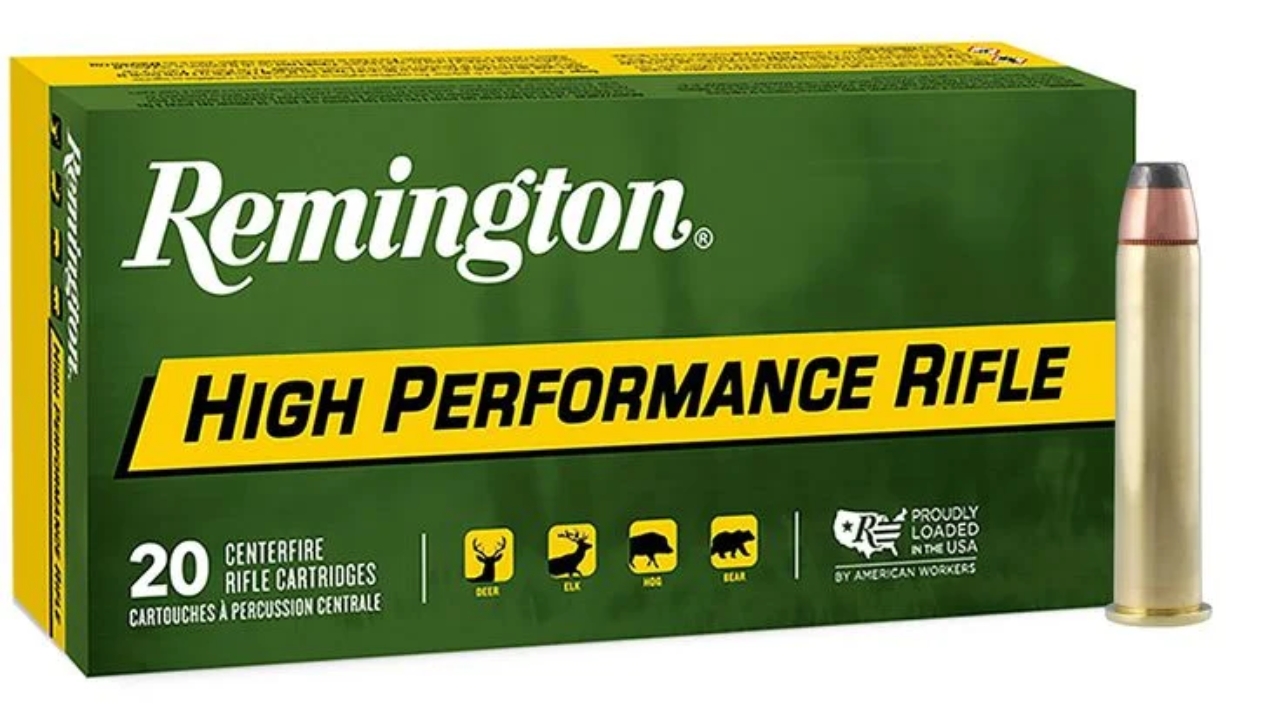
The .45-70 Government is built for ugly angles at close range. Big, heavy bullets moving at moderate speed tend to keep their integrity, and they don’t need high velocity to drive deep. On a quartering shot, that matters when you’re trying to reach the far-side lung after breaking shoulder and ribs.
Your results depend heavily on bullet choice and load level. For deer in typical lever guns, a 300- to 405-grain controlled-expansion bullet gives you deep penetration and a wide wound channel without relying on fragile expansion. It’s also a round that can punch through more tissue than you might want if you’re thinking about what’s beyond the deer, so backstops still matter. Inside timber ranges, few deer cartridges handle steep quartering angles with the same confidence as a well-chosen .45-70 load.
.30-30 Winchester

The .30-30 Winchester has been handling quartering shots since before your granddad had gray hair. At normal woods distances, a 150- or 170-grain .30-30 hunting bullet can penetrate surprisingly well, especially when you keep expectations tied to real lever-gun ranges and smart shot placement.
Modern bullet options help a lot. Controlled-expansion designs and tougher soft points can stay together better than the old thin-jacket stuff, and that’s what you want on an angle through shoulder and ribs. The .30-30 doesn’t give you long-range forgiveness, but it gives you fast handling and dependable performance in close cover. When a buck is angling away through brush at 60 yards, the .30-30 can still put a deep wound channel through both lungs and leave an exit that makes tracking easier.
.338 Federal

The .338 Federal is one of the most underrated deer rounds for quartering shots because it pairs a short-action case with big-bore authority. A 180- to 210-grain .338 bullet has the weight and diameter to keep driving when it meets bone, and it tends to leave a heavy, straight wound path through the chest.
It’s also more manageable than many hunters assume. You’re not dealing with magnum-level blast, yet you get excellent penetration on steep angles. Pick a controlled-expansion hunting bullet and the .338 Federal can break shoulder, cross the vitals, and often exit, which makes tracking far easier. Ammo selection can be thinner than mainstream rounds, so it pays to find a load your rifle likes and stick with it.
.257 Roberts

The .257 Roberts is a classic deer cartridge that can handle quartering shots well when you choose a bullet built to stay together. In the 115- to 120-grain range, .257 bullets carry enough sectional density to push through ribs and keep driving toward the far-side lung on an angled deer.
The Roberts isn’t a high-velocity burner, and that can help. Moderate impact speeds often keep bullets from coming apart on the near shoulder, which is where quartering shots get tricky. Run a bonded bullet or a Partition-style design and you get reliable penetration with less bloodshot meat than many faster rounds. It’s also pleasant to shoot, which encourages real practice, not three shots before season. If you like classic rounds that still perform when the angle isn’t perfect, the .257 Roberts deserves a spot in your deer woods.
.300 Savage
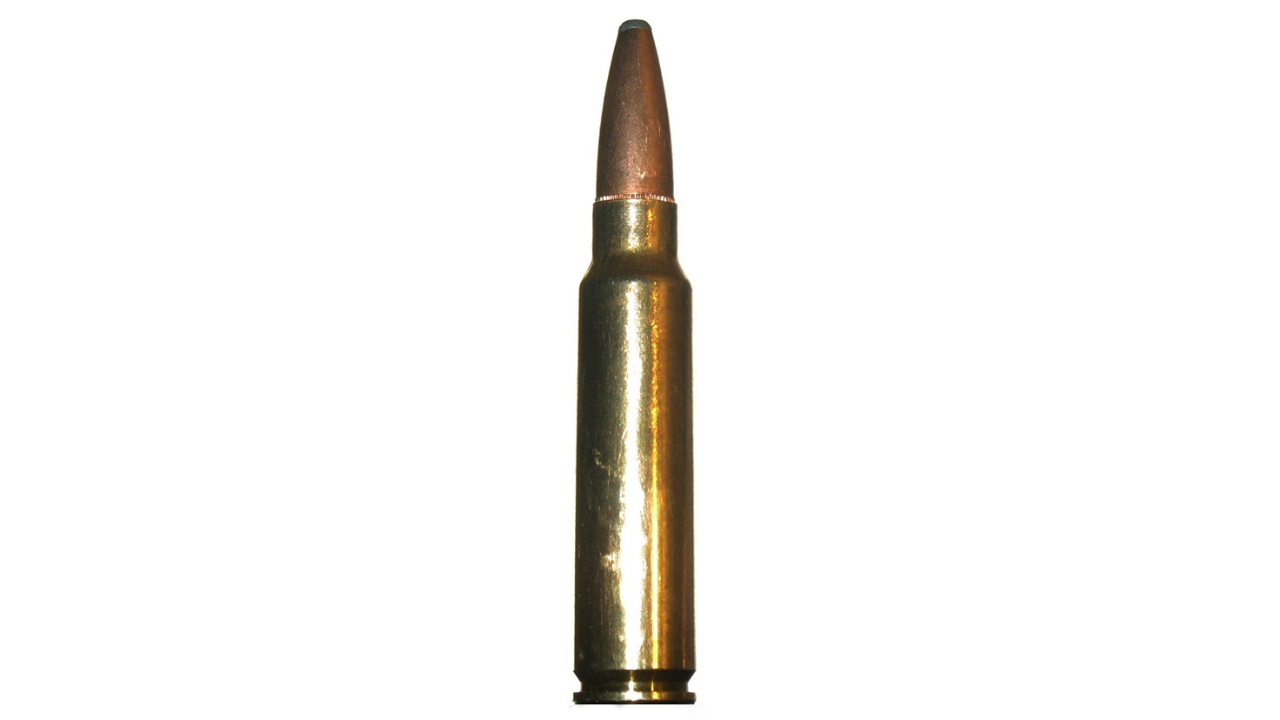
The .300 Savage has been putting venison in freezers for a long time, and it handles quartering shots well because it carries .30-caliber bullet weight at moderate speed. That balance often produces controlled expansion and deep penetration, especially with 150- to 180-grain hunting bullets designed for weight retention.
Many .300 Savage rifles are classic lever guns, and that matters in tight cover where quartering opportunities happen quickly. The cartridge hits harder than the .30-30 and tends to drive deeper through angled shoulder and ribs, while staying mild enough for quick, accurate shooting. Bullet choice still matters: pick a tougher hunting bullet rather than a thin, fast-opening design. If you hunt thick timber and want a cartridge that handles imperfect angles without magnum recoil, the .300 Savage still makes a lot of sense.
Like The Avid Outdoorsman’s content? Subscribe to our newsletter so you never miss an article.
Here’s more from us: