Photo credit: Vortex Nation/YouTube
Some calibers get all the attention because they are new, fast, flat-shooting, or attached to whatever rifle or handgun everyone is talking about that year. Then there are the cartridges that never really become fashionable. They do not dominate social media arguments, they do not get constant factory rifle launches, and they rarely show up in the latest “must-have” conversations.
But serious work is not always loud. Some calibers keep showing up because hunters, shooters, farmers, guides, and practical gun owners know what they do. They put meat in the freezer, handle pests, ride in trucks, protect property, and keep working long after trendier cartridges come and go. These are the calibers that never needed to be trendy to prove they mattered.
.257 Roberts

The .257 Roberts never became the cool kid in the deer woods, but it has always been better than its popularity suggests. It shoots flat enough for normal hunting, recoils mildly, and carries enough bullet weight to handle deer and antelope cleanly when the shooter does his part.
What makes the Roberts special is how easy it is to shoot well. You are not getting beat up, you are not fighting blast, and you are not carrying more rifle than you need. It sits in that sweet spot where old-school hunters quietly knew it worked, even if the broader market kept chasing louder cartridges.
.35 Remington

The .35 Remington does not impress anyone who judges cartridges by speed alone. It is slow by modern standards, and it is not built for long fields, bean plots, or canyon shooting. That is why plenty of people overlook it.
In the woods, though, it still does serious work. Out of a lever-action rifle, it hits deer and black bear with authority at close range. The heavier bullet and moderate velocity make sense where shots are quick and cover is thick. It is not a cartridge for showing off. It is a cartridge for dragging game out of timber.
.32 H&R Magnum

The .32 H&R Magnum never took over the revolver world, but it fills a smarter role than most people realize. It gives you more punch than .22 rimfire options, less recoil than .38 Special in small revolvers, and good practicality for trail use, pest control, and light defensive carry.
It is especially useful for shooters who want a revolver they can actually practice with. Small carry guns are only helpful if you can hit with them, and the .32 H&R makes that easier. It never became trendy, but for low-recoil wheelgun use, it still makes a lot of sense.
.338 Federal

The .338 Federal is one of those cartridges that sounds great to experienced hunters and barely registers with everyone else. It puts a larger bullet into a short-action rifle without turning the gun into a magnum. That is a useful idea, especially in thick country.
For elk, black bear, hogs, and close-to-moderate-range deer hunting, it hits harder than many people expect. You get strong bullet weight, manageable rifle size, and recoil that is more reasonable than bigger .338s. It is not a long-range trend cartridge. It is a practical hunting round for people who care more about impact than image.
.41 Magnum

The .41 Magnum has lived in the shadow of the .357 and .44 Magnum for decades. Most handgun hunters and revolver people either go lighter with the .357 or heavier with the .44, which leaves the .41 stuck in the middle.
That middle ground is exactly why it works. The .41 Magnum shoots flatter and hits harder than many expect, while often feeling more manageable than full-power .44 Magnum loads. For deer, hogs, black bear, and field carry in a strong revolver, it is a serious cartridge. It never got the following it deserved, but the people who use it tend to understand why it stayed alive.
.280 Remington

The .280 Remington has always had a tough job because it lives between giants. The .270 Winchester and .30-06 Springfield became household names, while the .280 quietly offered a very balanced mix of bullet weight, trajectory, and recoil.
Hunters who use it know the appeal. It handles deer beautifully, has enough bullet for elk with the right load, and takes advantage of excellent 7mm projectiles. It never became the default American hunting cartridge, but it never needed to. In a good bolt-action rifle, the .280 Remington is one of the most practical big-game rounds that too many hunters ignored.
.327 Federal Magnum

The .327 Federal Magnum should probably be more popular than it is. It gives revolver shooters higher capacity in some small frames, strong velocity, and more energy than older .32 revolver rounds while staying easier to manage than hard-kicking magnums.
Its problem was never usefulness. Its problem was timing and market attention. Shooters were already focused on semi-autos, and small revolvers were not exactly the center of the carry world. Still, for trail carry, small-game use, pest control, and defensive revolvers, the .327 Federal Magnum brings real versatility. It is one of those cartridges that makes more sense after you actually shoot it.
7×57 Mauser

The 7×57 Mauser sounds ancient to people who only pay attention to new rifle launches. That age makes some hunters assume it is outdated, but the cartridge has been proving otherwise for a very long time.
Its strength is balance. It uses 7mm bullets well, penetrates deeply with proper loads, and does not punish the shooter with heavy recoil. For deer, antelope, hogs, and even larger game with the right bullet, it remains a very capable hunting round. It may not have the factory support of more common cartridges, but in the field, the 7×57 still has plenty left to say.
.44 Special

The .44 Special has never had the loud reputation of the .44 Magnum, and that is partly why practical revolver people like it. It gives you a big bullet at moderate speed without the blast and recoil that make magnum revolvers unpleasant for some shooters.
In a good revolver, the .44 Special is accurate, controllable, and useful. It works for trail carry, close-range defense, and field use where deep magnum power is not required. It is not flashy on paper, but it gives experienced shooters something they value more: control. A cartridge you can shoot well often beats a more powerful one you avoid practicing with.
.30-30 Winchester
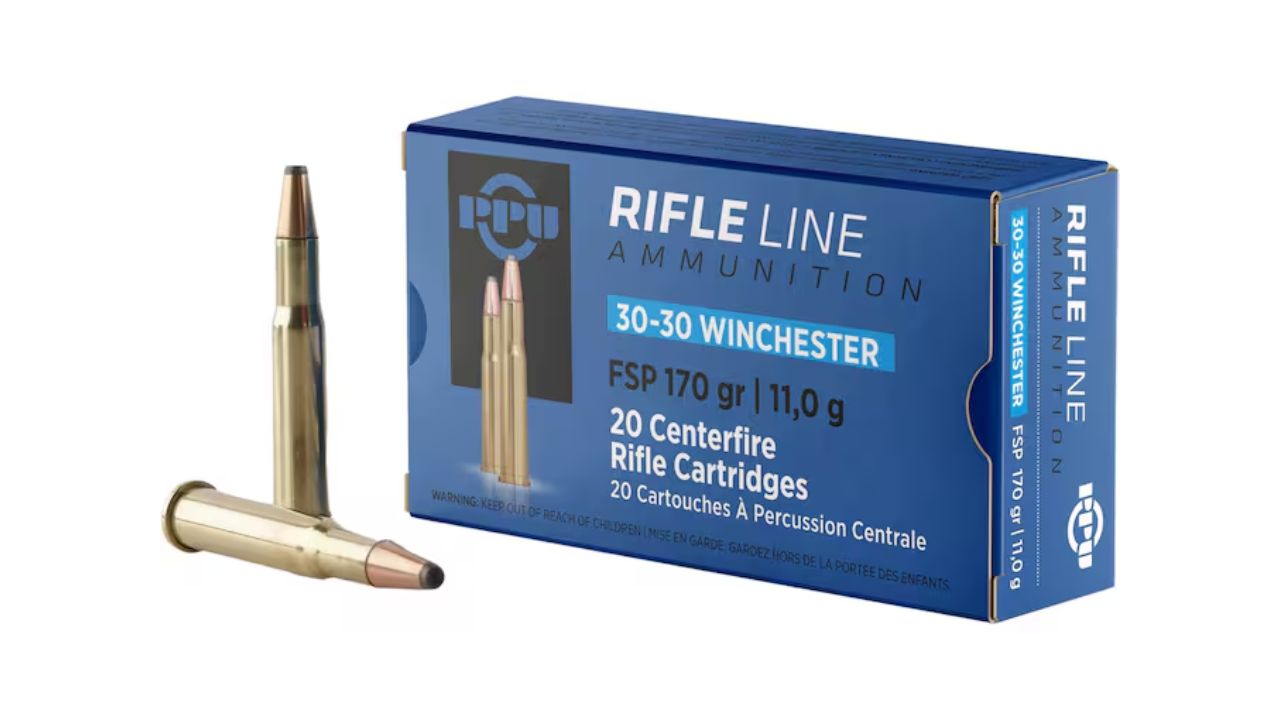
The .30-30 Winchester is famous, but it has not been trendy in a long time. It gets treated like an old deer-camp cartridge by shooters who assume everything worthwhile needs more speed, more range, or a sleeker bullet.
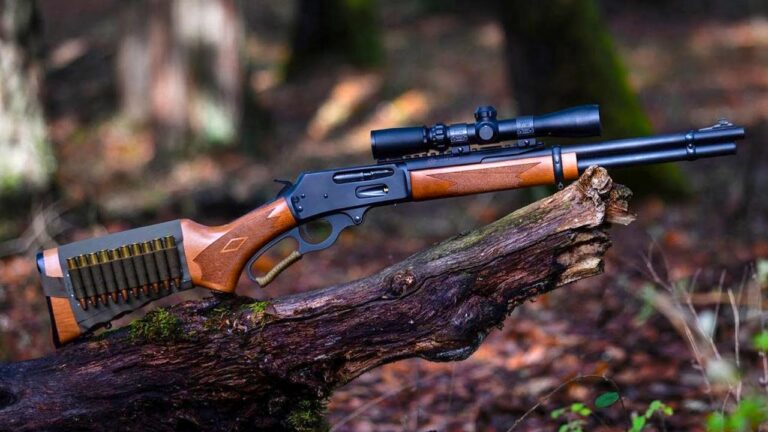
That thinking falls apart in the woods. The .30-30 still works because most deer are not shot at extreme distances. A handy lever-action in .30-30 carries well, points quickly, and hits hard enough inside its lane. It is not trying to be a long-range cartridge. It is a close-to-moderate-range hunting round that has filled more freezers than most trendy rounds ever will.
.45 Colt

The .45 Colt has been around so long that some people forget how useful it still is. In mild loads, it is pleasant and classic. In strong modern revolvers or lever guns built for heavier loads, it can become a serious field cartridge.
That versatility is why the .45 Colt keeps hanging around. It can be a soft-shooting range round, a capable defensive revolver cartridge, or a hard-hitting woods load depending on the gun and ammunition. It never needed to be fashionable because it had already earned its place. The right .45 Colt setup still feels practical in a way newer cartridges do not always match.
.22 Hornet
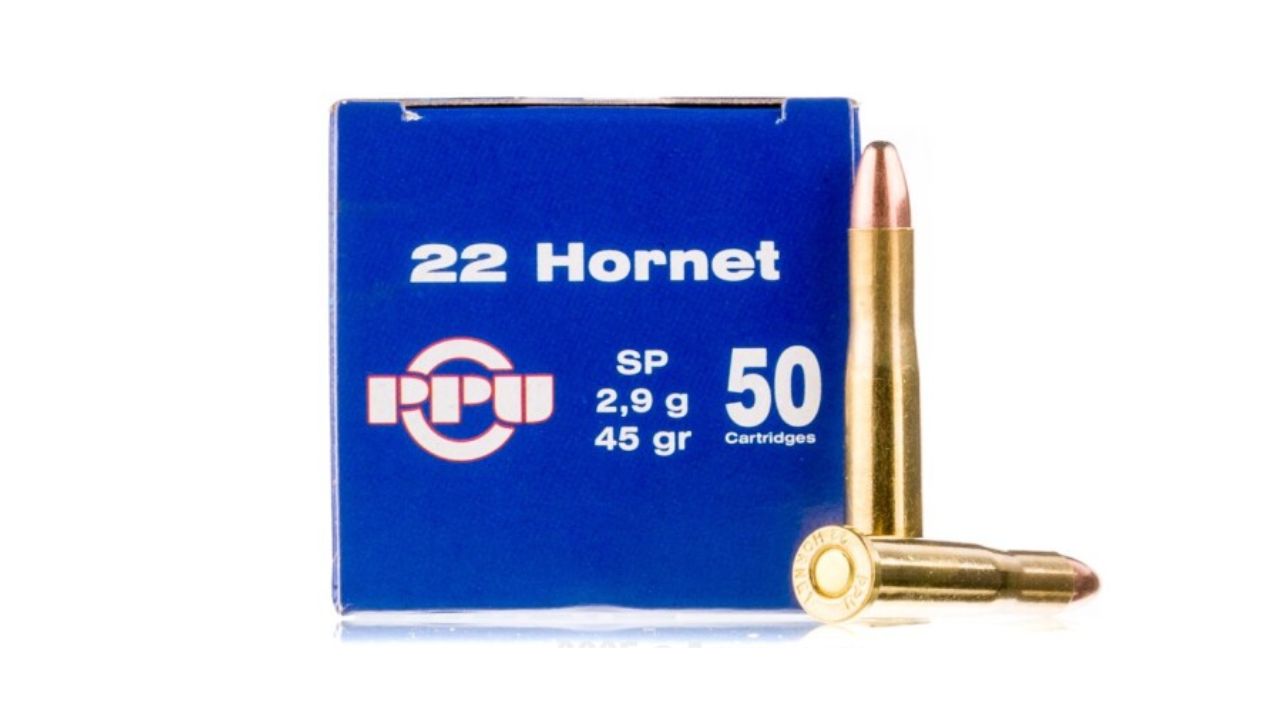
The .22 Hornet is easy to overlook because it is not as fast as the .223 Remington and not as common as rimfire magnums. It sits in a strange little space, which is probably why it never became trendy.
That space is also why it is useful. The Hornet is mild, quiet compared with larger centerfires, and excellent for small predators, pests, and low-recoil varmint work. It does not tear things up like hotter rounds can, and it works well in light rifles. For farms, ranches, and careful small-game use where legal, the .22 Hornet still does a job that bigger cartridges often do too aggressively.
.300 Savage

The .300 Savage is one of those cartridges that gets forgotten because the .308 Winchester took over its lane. That does not mean the .300 Savage stopped working. It was a serious deer and black bear round long before newer short-action cartridges became normal.
In the field, it still has plenty of punch for common hunting distances. A classic rifle chambered in .300 Savage carries history, but it also carries real capability. The recoil is manageable, the performance is honest, and the cartridge fits beautifully in older lever and bolt guns. It is not easy to find everywhere now, but anyone who has hunted with one knows it still belongs.
.358 Winchester

The .358 Winchester is not a cartridge for people chasing flat trajectories and long-range bragging rights. It is a short-action thumper built for hunters who work in woods, mountains, and broken cover where shots are closer and impact matters.
It throws heavy bullets with real authority and fits in rifles that are handier than long-action magnums. For black bear, elk in timber, hogs, and big-bodied deer, it has always made sense. The problem is that it never had broad market glamour. That does not change what it does. Inside sensible distances, the .358 Winchester hits like a cartridge built by someone who actually hunted.
16 Gauge

The 16 gauge is not a rifle caliber, but it absolutely belongs in the conversation about overlooked working rounds. It got squeezed between the 12 gauge and 20 gauge, which made a lot of buyers ignore it without giving it much thought.
That was their loss. A good 16 gauge can carry lighter than many 12s while hitting harder than a typical 20. For upland birds, rabbits, squirrels, and even some close-range deer setups with appropriate loads, it is a sweet-handling option. It never became the modern shotgun trend, but hunters who grew up with one often still swear by it. Good tools do not stop working because the market gets distracted.
Like The Avid Outdoorsman’s content? Be sure to follow us.
Here’s more from us: