Ammo tolerance is one of those phrases that gets thrown around like it’s a guarantee. In real carry-gun terms, what you’re after is a pistol that feeds different bullet shapes, runs across a spread of pressures, and doesn’t get cranky when you rotate between cheap FMJ, flat-nose range ammo, and modern hollow points. You also want a gun that stays consistent when it’s a little dusty, a little dry, or riding in a holster every day.
No handgun is truly “flawless with everything” in every condition. Ammo varies by lot, magazines wear, and the smaller the gun, the less forgiveness you usually get. But some models have earned a reputation for being broad-minded eaters in the real world—especially when you keep good magazines in them and you actually verify your carry load. These are carry guns that tend to run with the mixed ammo you’re most likely to find and use.
Glock 17

The Glock 17 earns its spot because it’s a full-size pistol that tends to be forgiving with ammo. The longer slide and full grip give you more stability, and that helps the gun cycle consistently across cheap ball, hotter loads, and mainstream hollow points. A lot of “ammo sensitivity” disappears when the platform has enough mass and a proven magazine design.
As a carry gun, it’s bigger than some folks want, but plenty of people still carry it because it shoots predictably and stays boring in function. It also gives you the benefit of common parts, common mags, and easy maintenance. If you want a pistol that usually shrugs off mixed ammo without turning into a troubleshooting project, the Glock 17 is one of the safest bets you can make.
Glock 48

The Glock 48 makes sense for this topic because it often behaves like a larger gun while carrying flatter. That longer slide helps with cycling and feeding consistency, and the thinner profile still rides comfortably for daily concealment. It’s a good example of “not tiny, not bulky,” which is where ammo tolerance often improves.
In practical use, the 48 tends to run common FMJ and reputable hollow points with minimal fuss, assuming your magazines are healthy. It’s also easy to control, which matters more than people admit. A stable grip keeps the gun cycling the same way, and that reduces the odds of blame landing on ammo. If you want a slim carry pistol that’s usually less picky than the smallest micro guns, the Glock 48 is a strong choice.
Glock 34

The Glock 34 isn’t a typical concealed-carry pick for everyone, but it absolutely fits the “runs with mixed ammo” conversation. The longer slide and softer recoil behavior make it extremely forgiving, especially with lighter training loads that sometimes expose weaknesses in smaller pistols. It’s the kind of gun that keeps cycling even when you’re tired and your technique isn’t perfect.
Some people do carry it, especially in colder weather or under a jacket, and the payoff is shootability and consistency. With more sight radius and a steadier feel, you’re less likely to induce malfunctions that get blamed on ammo. If you want a pistol that tends to eat a wide spread of 9mm without drama and you’re willing to carry something larger, the Glock 34 makes a lot of sense.
Beretta 92FS

The Beretta 92FS has a long track record of reliability with mixed ammo, and that’s tied to a design that’s been around serious use for decades. The gun tends to feed different bullet shapes well and cycle consistently across typical training loads and quality defensive ammo. It’s also a pistol that runs smoothly when it gets hot and dirty.
For everyday carry, it’s not small, but it carries flatter than people expect, and the shooting experience is usually easy to manage. The weight and size help it stay consistent, which is part of why it’s less prone to “mystery” ammo problems. If you want an old-school service pistol that still earns trust, and you don’t mind carrying a larger gun, the 92FS remains a proven eater.
Beretta 92 Compact

The Beretta 92 Compact brings much of the 92’s feeding reliability into a more carry-friendly package. You still get a design that tends to handle varied bullet profiles well, and you still get that smooth cycling feel that helps with consistency across different loads.
Because it’s a little smaller, it’s easier to conceal while still being large enough to shoot well. That’s a real advantage here, since tiny pistols can be less forgiving with weak practice ammo and marginal grip. With the 92 Compact, you’re often living in a more stable zone where the gun cycles the same way shot after shot. If you like the Beretta 92 concept but want something that fits carry a little better, the Compact is a practical answer.
CZ 75 Compact
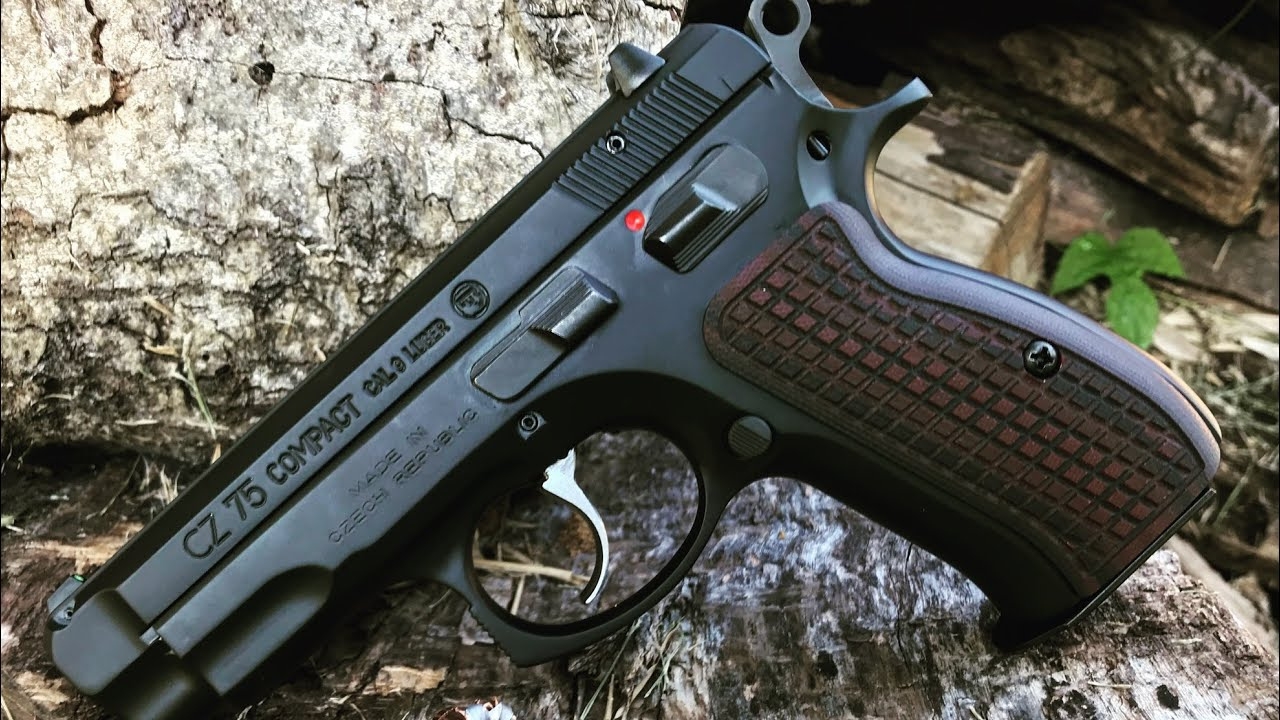
The CZ 75 Compact is one of those pistols that quietly earns loyalty because it runs and shoots well without constant tinkering. The design has been around long enough that the magazine geometry and feed behavior are well understood, and it tends to handle common FMJ and mainstream hollow points with solid consistency.
For carry, the Compact size is a nice balance. It conceals easier than a full-size steel gun, but it still has enough weight and grip to keep recoil predictable. That helps you keep a consistent cycle, especially when you’re mixing ammo types that recoil differently. Keep good mags in it and don’t ignore maintenance, and the CZ 75 Compact is the kind of pistol that usually doesn’t care much what’s in the box that day.
CZ P-07
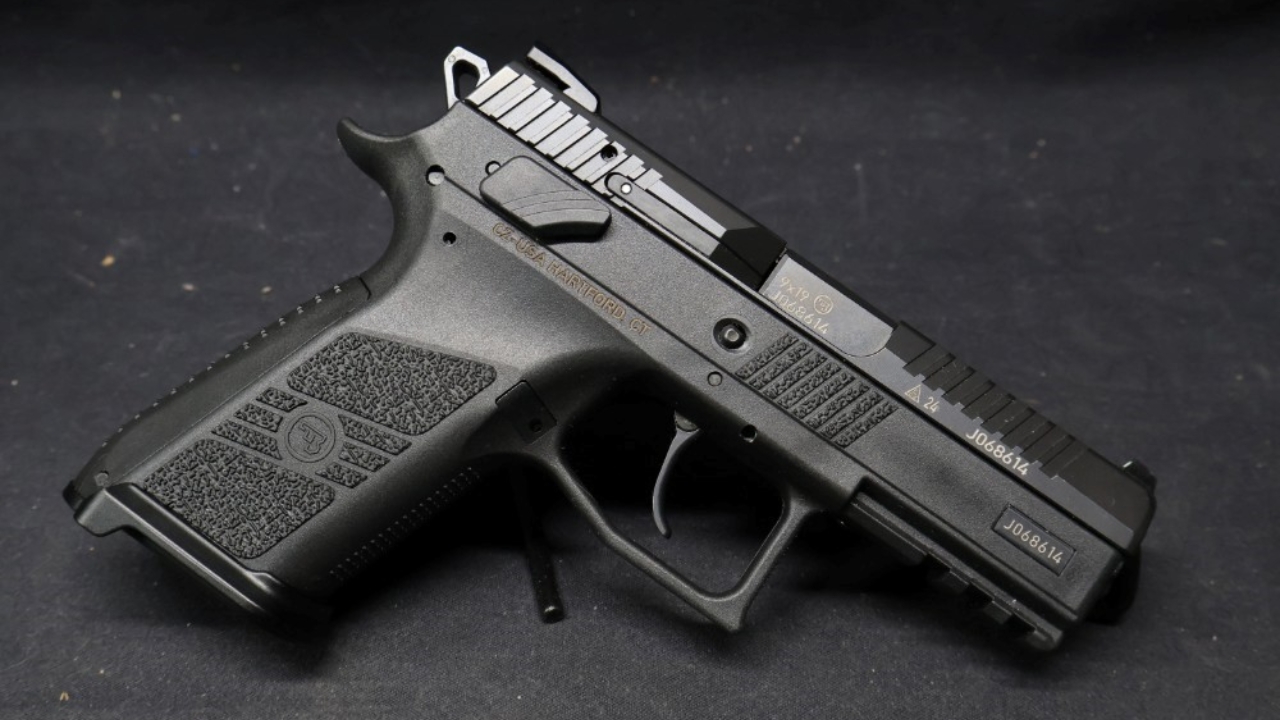
The CZ P-07 makes sense here because it’s a modern carry-friendly pistol that tends to be tolerant of mixed 9mm. It’s built to handle real use, it’s easy to grip consistently, and it typically feeds common practice ammo and reputable defensive loads without turning picky.
What helps the P-07 is that it’s not too small. That extra grip and slide mass give it some forgiveness, especially when you’re shooting cheap ammo or running drills fast. If you’ve ever watched a micro pistol get finicky when your hands are cold or your grip loosens, you’ll appreciate a compact that stays steadier. If you want a carry gun that’s practical, durable, and generally broad-minded about ammo, the P-07 is a smart pick.
SIG Sauer P226

The P226 has a deep history as a duty gun, and that history exists because it runs. It’s typically very tolerant of different 9mm loads, and it tends to feed a wide variety of bullet shapes well when everything is in spec and your magazines are solid. That’s exactly the kind of track record you want behind the idea of “ammo tolerance.”
As a carry gun, it’s on the larger side, but the payoff is predictability. The weight and size make it controllable, which helps keep cycling consistent even when you’re mixing ammo types. It’s also a pistol that usually doesn’t mind long practice sessions, which is how you actually validate reliability in the first place. If you want a proven service pistol that’s usually unfazed by mixed ammo, the P226 belongs here.
SIG Sauer P228

The P228 is often carried because it offers a slightly trimmer feel than some full-size duty pistols while still keeping the “runs like a duty gun” reputation. It tends to feed and cycle reliably across a range of common 9mm loads, especially when paired with healthy magazines.
For everyday carry, it sits in that sweet spot where you can conceal it with the right setup, yet it still shoots like a serious pistol. That matters because the more stable the gun is in your hands, the fewer problems you’ll attribute to ammo. It’s also a model with long-term real-world validation, which counts for a lot when you’re betting your carry choice on consistency. If you want a compact-ish classic that tends to run with mixed ammo, the P228 is a solid choice.
Ruger SR9c

The Ruger SR9c is one of those carry pistols that built a quiet following because it generally runs well with common 9mm ammo. It’s not a trendy pick today, but it tends to feed typical FMJ and mainstream hollow points without turning into a constant adjustment project, which is what matters for this topic.
It’s also sized well for practical carry. You get a pistol that conceals easily, yet still has enough grip and stability to stay controllable. That helps reliability, especially when you’re running cheap practice loads or shooting fast. As with any carry gun, magazines matter a lot, so the smart move is to keep your carry mags in good shape and rotate them. If you want a carry-friendly pistol that often handles mixed ammo better than expected, the SR9c deserves a nod.
Ruger LCP Max

The LCP Max earns a spot because it’s one of the more usable pocket guns that still tends to run across a wide spread of .380 practice ammo and modern defensive loads. With tiny pistols, ammo tolerance is always a bigger ask, but the LCP Max has a reputation for being less finicky than many people expect when you keep it in good condition.
The key is realism. Pocket guns are harder to shoot well, and a sloppy grip can turn borderline ammo into a malfunction. But if you hold it firmly and you don’t let lint and gunk build up for months, the LCP Max often runs reliably with the common .380 you’ll actually find. If you want a truly easy-to-carry gun that still tends to behave with mixed ammo, the LCP Max is one of the better modern answers.
Smith & Wesson Bodyguard 380
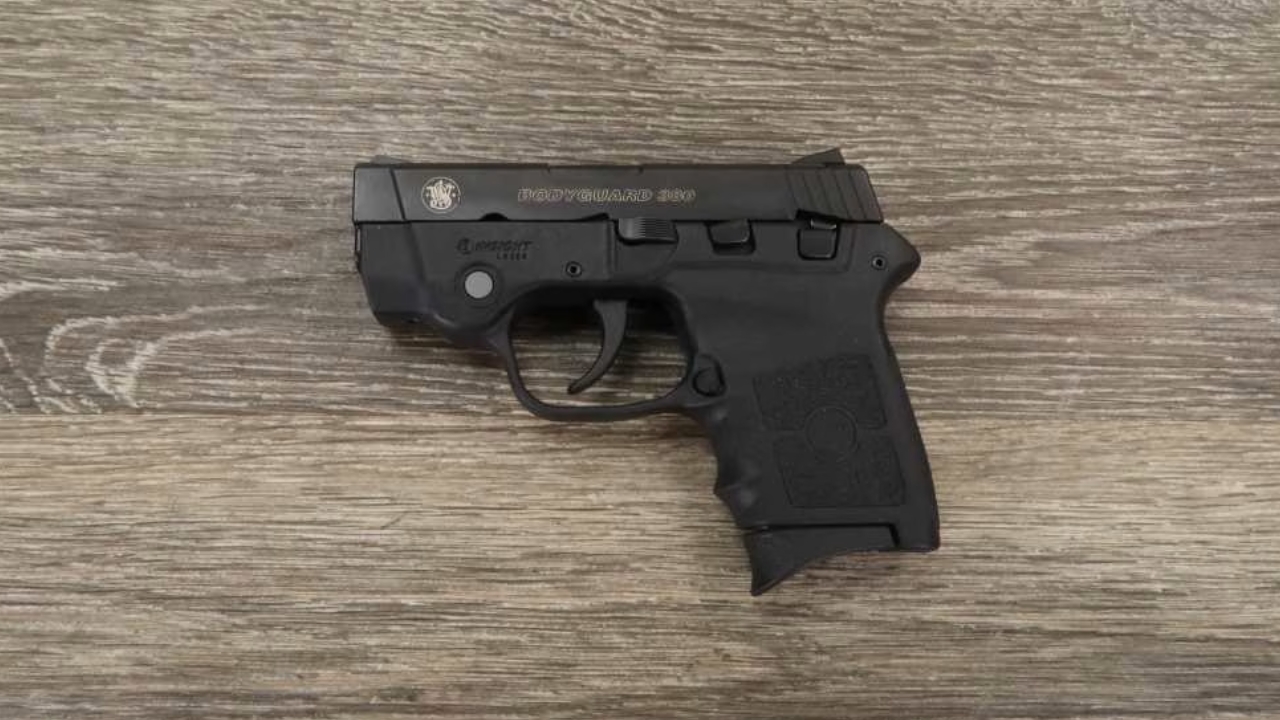
The Bodyguard 380 has been carried for years because it’s easy to keep on you, and many examples run reliably with the typical .380 loads people buy for practice and carry. It’s not a range toy, but it’s a legitimate carry option for days when bigger guns are hard to conceal.
Ammo tolerance in .380 pistols can vary more than people want to admit, but the Bodyguard has a long enough track record that its strengths and quirks are well known. With good magazines and a firm grip, it often runs through common FMJ and reputable defensive ammo without constant drama. Keep it reasonably clean, especially around the pocket-lint zones, and it tends to do its job. If you need a small carry gun that still usually eats typical store-bought .380, it’s worth consideration.
Kahr PM9

The Kahr PM9 is a classic carry pistol that many experienced carriers trust because it’s slim, concealable, and often reliable with a broad range of 9mm ammo once it’s properly proven. It’s designed around the idea of deep concealment without giving up the benefits of 9mm.
In practical use, the PM9 tends to do well with common FMJ and many hollow points, but it rewards you for taking it seriously. That means running enough rounds to confirm it’s happy with your preferred ammo and keeping magazines in good condition. The upside is a pistol that carries easily and can still run like a serious tool when set up right. If you want a slim, proven carry gun that many people have relied on with mixed ammo, the PM9 is a good fit for this list.
Kimber K6s

The Kimber K6s belongs here for one reason: a revolver doesn’t care about feed geometry. If your goal is “works with different bullet shapes,” a carry revolver naturally checks that box. The K6s gives you a carry-friendly revolver that many people find shoots better than the ultra-light snubs, while still carrying comfortably.
That doesn’t mean revolvers are magic. Dirt under the extractor, a loose screw, or poor maintenance can still stop one cold. But in terms of ammo variety, you can practice with mild loads and carry serious defensive loads without worrying about hollow-point profile issues or cycling energy. If you want a carry gun that sidesteps a lot of ammo-related semiauto concerns, the K6s is a practical, modern revolver option that fits everyday carry well.
Colt Detective Special

The Colt Detective Special is an old-school carry revolver that still makes sense in this conversation because it’s naturally tolerant of bullet shapes and doesn’t rely on feeding to function. For people who prefer a revolver for daily carry, that can be a major comfort point when you’re switching between practice ammo and defensive loads.
What you do have to respect is condition. Older revolvers vary, and timing and lockup matter more than internet opinions. But a clean, mechanically sound Detective Special can be a very capable carry gun, and it avoids the “this hollow point won’t feed” problem entirely. If you want a carry option that’s proven and flexible with ammo, and you’re willing to pick a good example, the Detective Special remains a legitimate choice that still carries well today.
Like The Avid Outdoorsman’s content? Be sure to follow us.
Here’s more from us: