Photo credit: PingPong56/Shutterstock.com
Plenty of folks stick with one gun all year, while others swap based on the season. There’s no one-size-fits-all answer, but there are tradeoffs either way. Weather, wardrobe, comfort, and even caliber play a role. Before you settle on a single carry gun—or switch it up every few months—here are some things to keep in mind.
Summer Clothing Can Change the Game
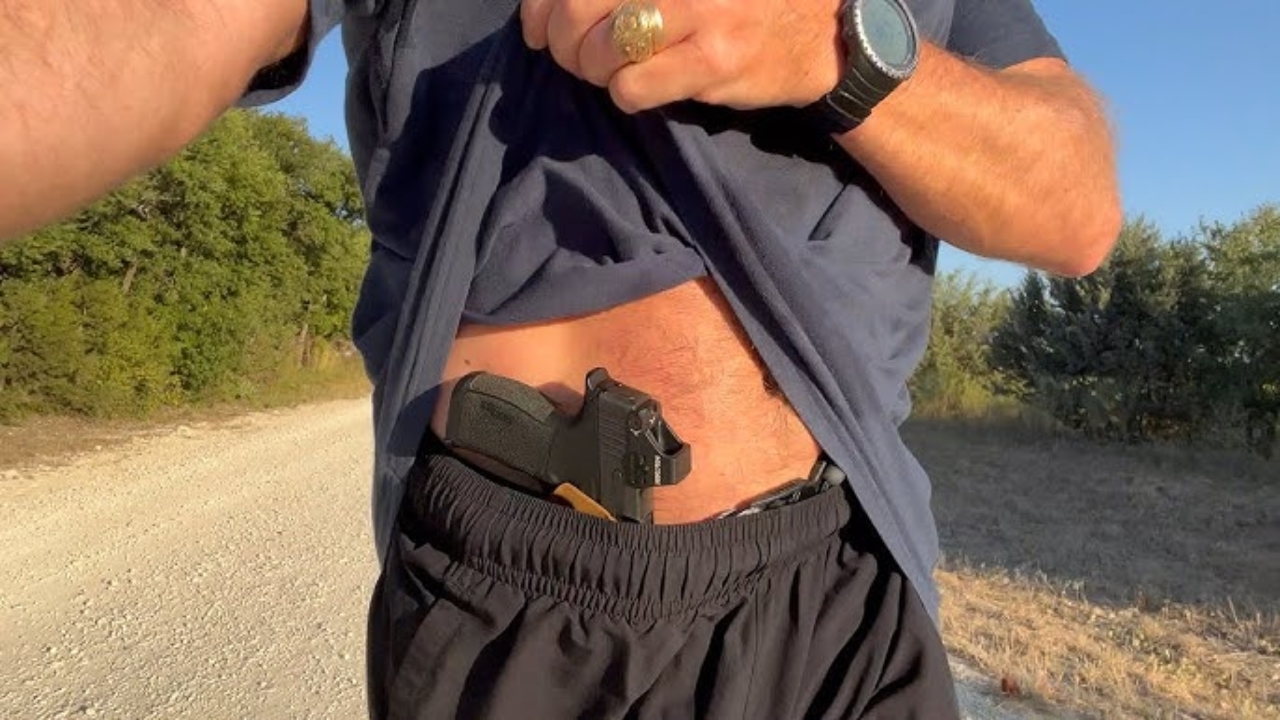
When it’s hot out, you’re likely wearing less—shorts, t-shirts, maybe no outer layer at all. That makes hiding a full-size pistol tougher. Printing becomes a real concern, and even a comfortable holster can start feeling bulky fast.
A smaller gun might be easier to carry in warm weather, especially if you’re ditching the cover garments. It’s not about being undergunned—it’s about being realistic with what you can conceal and carry consistently.
Winter Offers More Room—But Adds Bulk

When the jackets come out, bigger guns suddenly become an option again. You’ve got more layers to hide them and bigger pockets to work with. A full-size gun with a spare mag? No problem.
But keep in mind, all those layers can make accessing your gun slower. Drawing from under a thick coat isn’t as easy as clearing a light hoodie. Practice your draw with your winter setup or that extra firepower won’t matter.
Familiarity Builds Confidence

Carrying the same gun year-round means you’re always practicing with the same trigger, sights, and controls. Muscle memory builds fast when you stick to one setup. That can make a difference under stress.
Switching between guns with different safeties or trigger pulls can cause fumbles if you haven’t trained with each one enough. If you do rotate, make sure you’re staying sharp with every platform you carry.
Caliber Consistency Matters

Using one gun year-round usually means you’re sticking to one caliber, too. That simplifies training, stocking ammo, and maintaining consistency in recoil control and accuracy.
If you’re bouncing between a 9mm in winter and a .380 in summer, your shooting dynamics can change more than you realize. It’s not a dealbreaker, but it’s worth factoring into your training time and ammo budget.
Holsters and Gear Don’t Always Cross Over

Each gun usually requires its own holster, mag carrier, and sometimes even a different belt setup. Carrying the same gun all year means less gear to keep track of—and more time getting used to it.
If you rotate guns, you’ll need to invest in quality gear for each one. And don’t forget to actually test those setups. Just because a holster fits doesn’t mean it carries well or allows for a clean draw.
Training Time Gets Divided
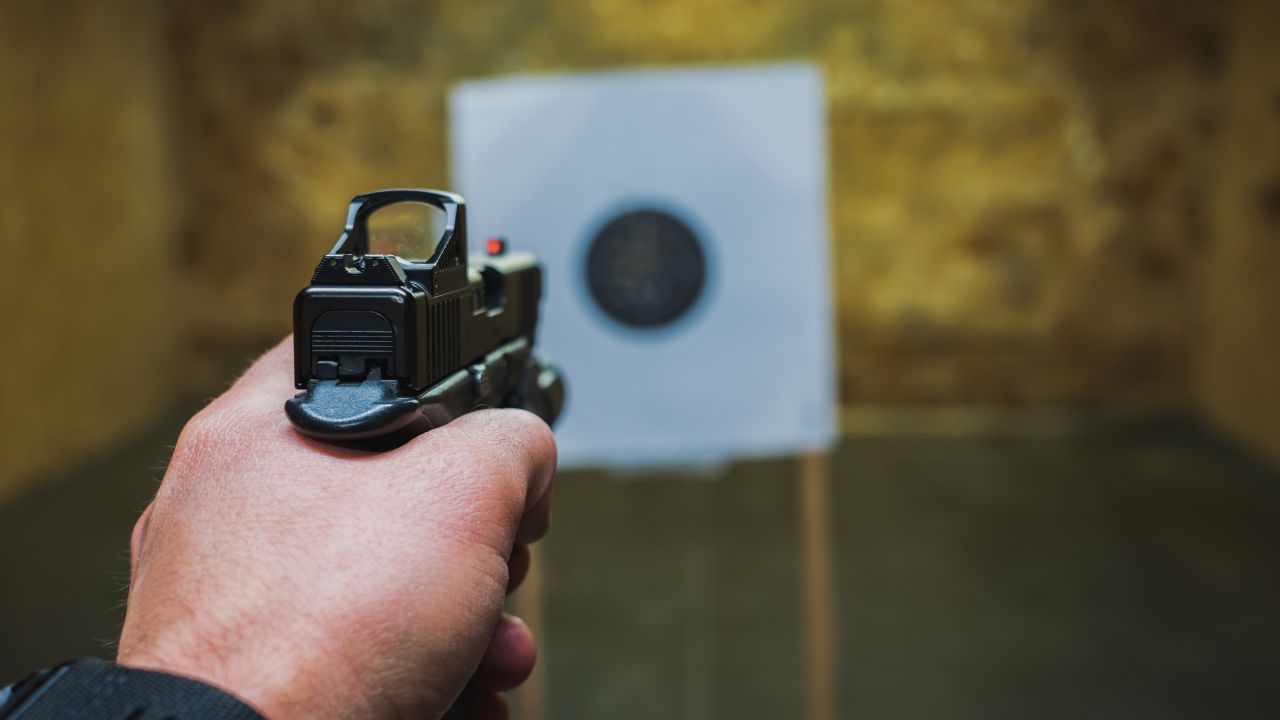
If you’re constantly switching guns, you’ve got to spread your training across each one. That can be tough if time or range access is limited. You may not get enough reps in with any of them.
Carrying one gun all the time means you can really dial it in. Draw, reload, malfunction drills—they all become second nature. If your gun ever has to come out for real, that familiarity counts.
Climate Affects Gun Finish and Function
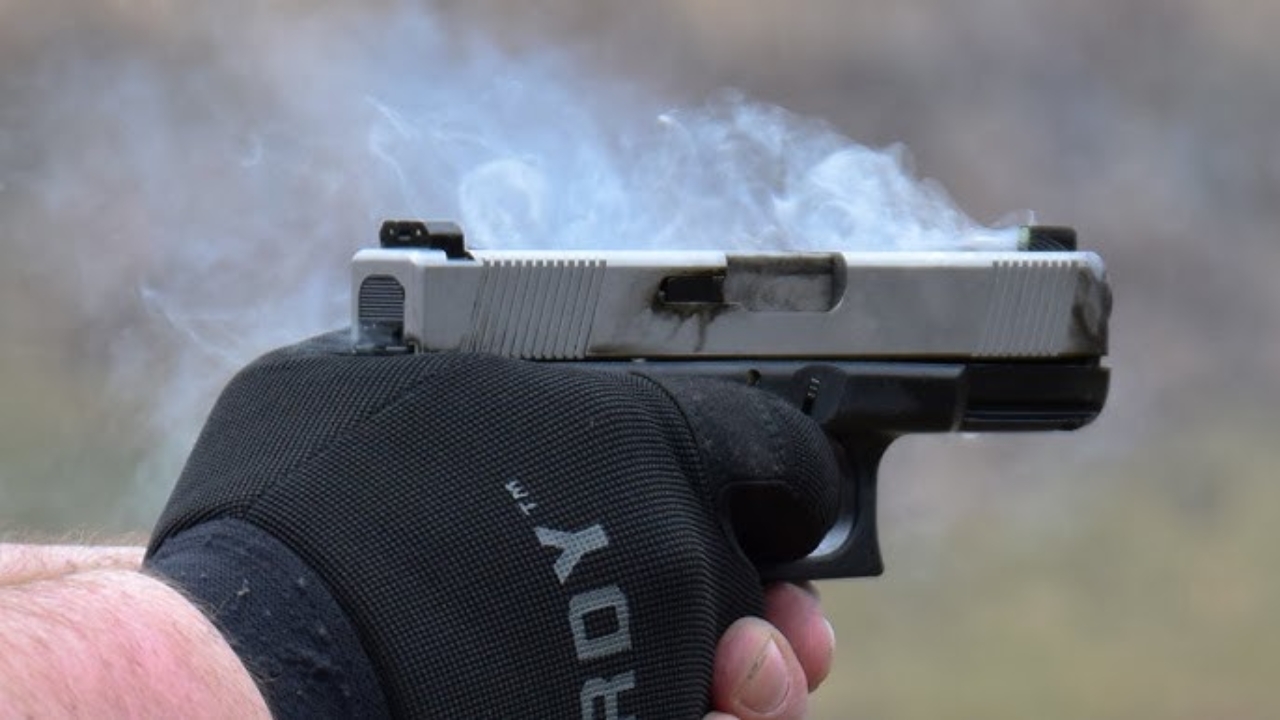
Hot and humid climates can cause some guns to rust faster—especially if you sweat a lot while carrying. Stainless or coated guns tend to hold up better in those conditions. In cold climates, some lubes can thicken or freeze, affecting reliability.
If you’re sticking with one gun year-round, it needs to handle both extremes. If not, you might be better off swapping to something more weather-appropriate for each season.
Comfort Drives Consistency

If your carry gun isn’t comfortable, you’re going to find excuses to leave it behind. That’s true whether it’s winter or summer. Smaller guns are usually lighter and easier to conceal but may not shoot as well. Bigger guns shoot better but can drag you down.
Carrying the same gun year-round only works if it’s one you’ll actually carry. Otherwise, you’re better off adapting to what keeps you armed daily.
Situational Needs May Shift
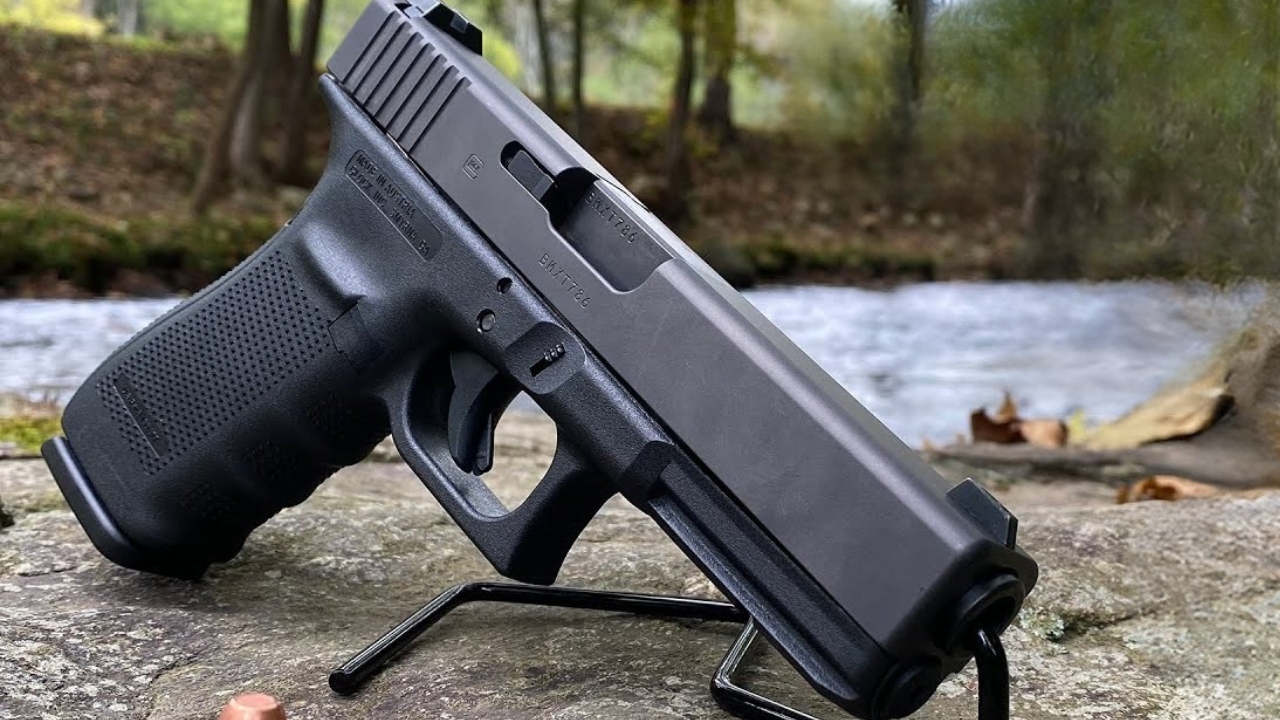
In some places, winter might mean hiking or dealing with wildlife, which could change what you want to carry. You might prefer something with more punch or more capacity. Summer might involve more urban movement where concealability matters most.
Thinking about your environment and daily routine can help you decide whether to stick with one gun or change it up as needed.
There’s No “Wrong” Answer—Just Be Honest

At the end of the day, this isn’t a purity test. Some folks can comfortably carry a Glock 19 in July. Others feel better with a micro 9 or a snub revolver when it’s blazing hot. Neither approach is wrong—as long as you’re consistent, confident, and trained.
If you’re switching guns, train with both. If you’re sticking with one, make sure it truly works for every situation you’ll face. What matters most is that you’re armed and prepared—not what’s stamped on the slide.
*This article was developed with AI-powered tools and has been carefully reviewed by our editors.