Photo credit: MrBigKid/YouTube
Some handguns stay in holsters because they still make real sense. Others stay there because the owner got used to them years ago and refuses to admit the market moved on. That is not always because the gun is terrible. In a lot of cases, it is because the owner built a whole little identity around carrying it. They know its quirks, they already bought the holster, and they do not want to hear that there may now be easier, lighter, more shootable options that do the same job better.
That is where stubbornness starts doing more work than satisfaction. You hear it in the way people talk about these guns. They do not just recommend them. They defend them. They explain the downsides like they are part of the charm. They act like everyone else got soft or distracted by trends, when really they just do not want to rethink a carry choice they made a long time ago. Here are 15 handguns people keep carrying mostly because they are too dug in to switch.
Glock 26

The Glock 26 is still riding around in a lot of holsters because it used to be the smart answer. Back when chunky little double-stack subcompacts were the standard, it made a lot of sense. It had the Glock name, decent capacity for the time, and enough shootability that people trusted it without much hesitation.
Now a lot of people carrying one are doing it because they already committed to it years ago. They know the gun, they trust the brand, and they do not want to hear that slimmer, higher-capacity micro-compacts changed the category in a serious way. The 26 still works, but a lot of its current carry life feels like pure refusal to update old logic.
Smith & Wesson Bodyguard .380

The original Bodyguard .380 hangs on because a lot of people bought it when tiny carry guns felt like a bigger compromise than they do now. It seemed practical, easy enough to conceal, and serious enough for pocket duty. That was enough to build some long-term loyalty, especially among people who wanted something small from a familiar brand.
The problem is that the carry world did not stop there. Better triggers, better sights, and better overall pocket-gun experiences came along, and the old Bodyguard started looking more like a holdover than a standout. Plenty of people still carry it anyway, usually because it is already theirs and already part of the routine.
Ruger LC9

The LC9 still gets carried by people who built a lot of faith around it when slim carry guns were a rougher market. At the time, it seemed like a practical answer. It was thin, easy to hide, and gave buyers the sense that they were getting a serious carry gun without needing to step into a bigger, heavier format.
Now it mostly survives in waistband loyalty. People who still carry one usually do not sound thrilled about it so much as committed to it. They already know how it feels, already learned the trigger, and already convinced themselves it is “good enough.” That is usually a sign stubbornness is doing at least half the carrying.
Beretta Nano

The Nano is exactly the sort of pistol people keep carrying because they trusted the name more than the long-term experience. When it came out, a lot of buyers wanted Beretta to have a serious slim carry option, and that brand loyalty carried the pistol much farther than its actual enthusiasm level should have allowed.
A lot of current Nano carriers sound like they are protecting an old purchase more than enjoying a current favorite. They know it, they own it, and they do not want to admit the market got much better around it. That is how a carry gun goes from being chosen to being tolerated.
Kahr CW9

The CW9 is one of those pistols people still carry because it once represented a smart, simple carry choice. Thin, easy to conceal, and plain in a way that felt practical, it built a following among people who wanted a no-drama single-stack handgun that would just disappear on the belt.
That same simplicity now keeps it alive mostly through habit. The owner already has the holster, already learned the feel, and already talked themselves into the long trigger and older-style carry experience. They may not be excited about it anymore, but they are still carrying it because changing now would feel like admitting they stayed behind.
Walther PPS M1
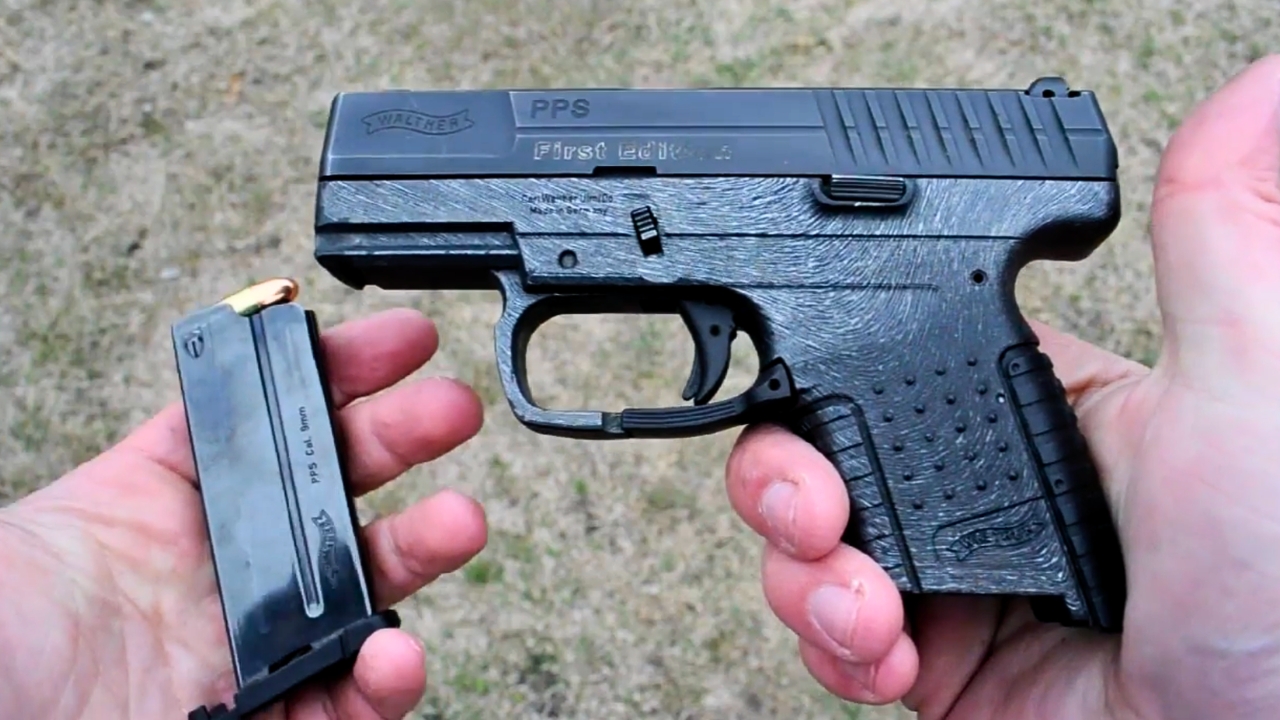
The first PPS earned real respect when it came out, and that respect still keeps some of them on belts today. It was slim, serious, and ahead of a lot of competition at the time. People who bought into it early often still think of it as the carry gun that proved slim did not have to mean flimsy or frustrating.
That said, many of the people still carrying one now are doing it more out of loyalty than clear-eyed comparison. The carry market changed a lot, but they still talk about the PPS M1 like it remains the obvious answer. Usually that means they stopped reevaluating a while ago and decided familiarity was good enough.
Glock 43

The Glock 43 still rides in a lot of holsters for one simple reason: it was the Glock slimline answer, and that alone locked in a lot of owners. Once somebody bought one, trained with it, and committed to Glock carry logic, it became hard for them to admit that the category moved past six-round single-stacks pretty quickly.
A lot of people still carrying the 43 are not doing it because it remains the clear winner. They are doing it because they know it, trust it, and do not want to rethink their setup. That kind of carry stubbornness is common with Glock owners in particular, and the 43 shows it clearly.
Springfield XD-S
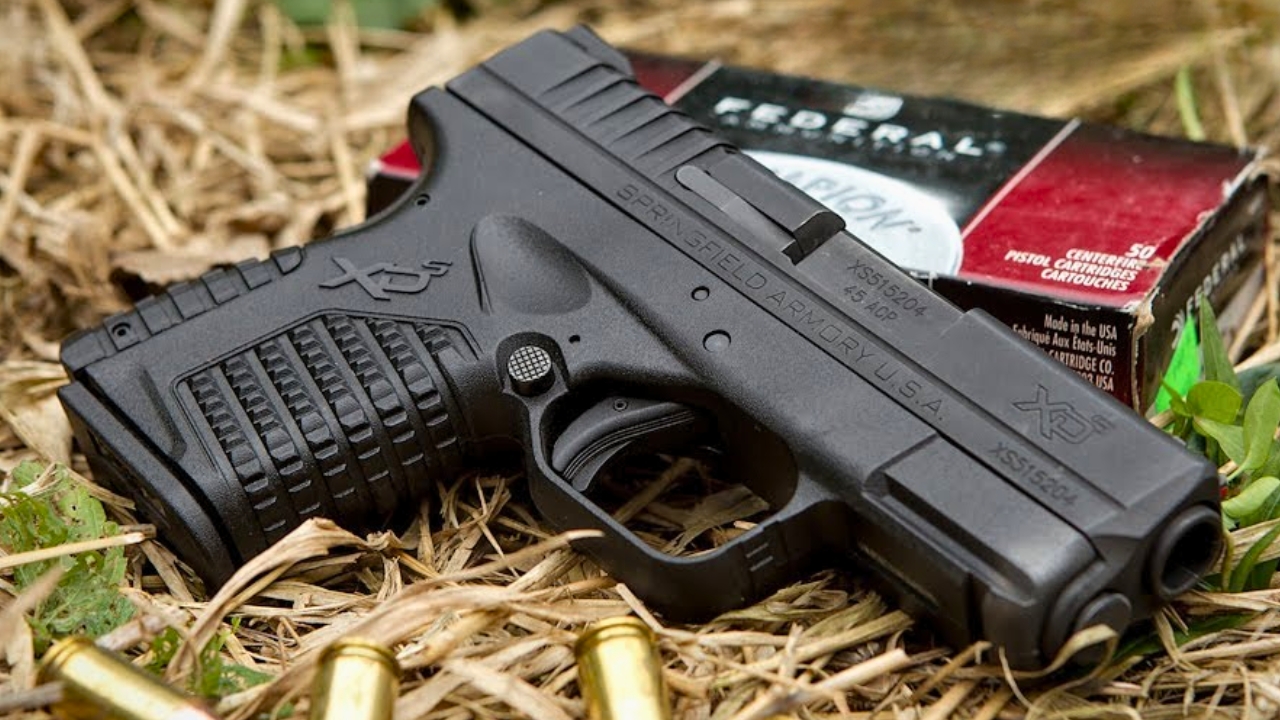
The XD-S still shows up in carry conversations because a lot of people bought it when slim .45s and slim 9mms felt like an exciting new lane. It gave Springfield loyalists something they could carry without switching brand identity, and that meant a lot to buyers who had already settled into the XD family.
That old loyalty is still keeping some of them in rotation. The owner already justified the platform, already bought into the grip safety and overall feel, and already decided they were not going to chase every new carry trend. Whether the XD-S is still the best fit often becomes secondary to the fact that they already committed.
SIG Sauer P239
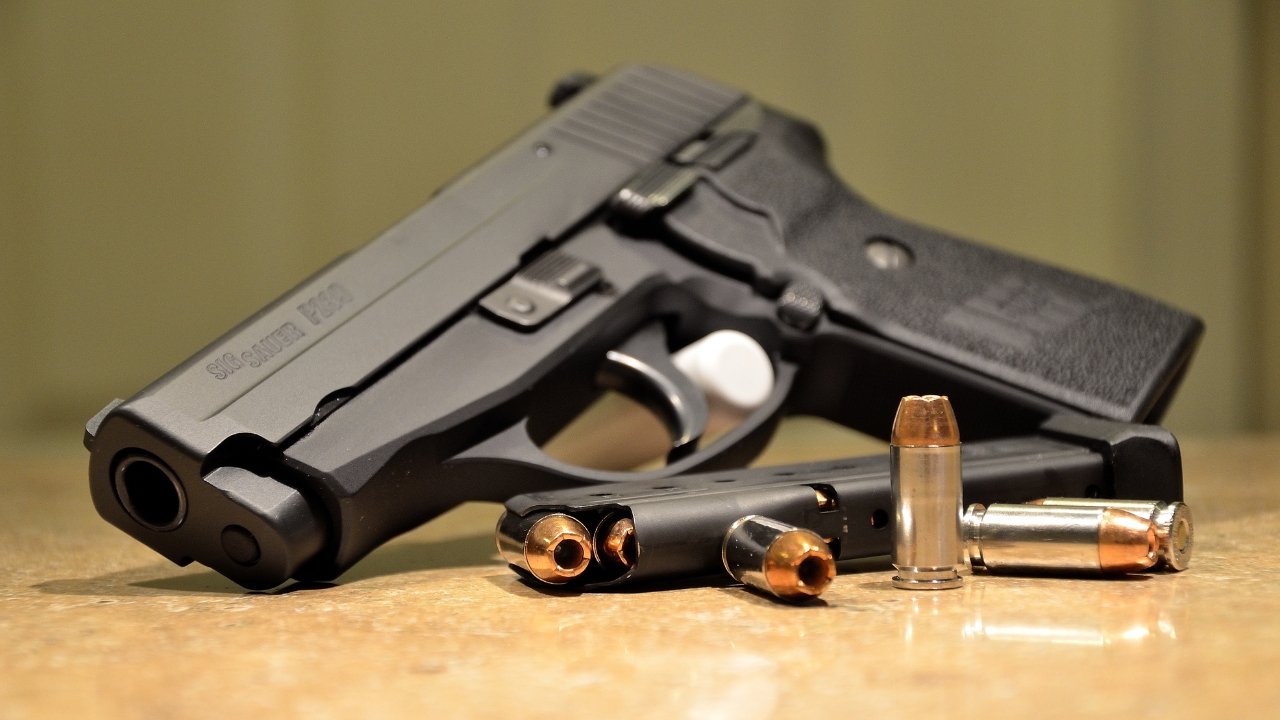
The P239 is a classic stubborn carry gun. People still carrying one are usually not doing it because it is the easiest or most modern answer. They are doing it because they love the old metal-frame SIG feel, like the seriousness of the pistol, and do not want to hear that there are lighter, higher-capacity choices that make more practical sense in 2026.
That is pure carry loyalty, and a lot of it is stubborn. The P239 is not some ridiculous gun to carry, but most people still choosing it are making an emotional choice as much as a technical one. They are carrying what they trust from another era, not what the category now points toward most clearly.
Colt Mustang

The Mustang keeps hanging on because people like the idea of carrying something classic, compact, and a little more tasteful than the polymer pocket crowd. That appeal is real. The problem is that some owners hold onto it a little too tightly even after the market gave them easier and often more confidence-inspiring alternatives.
A lot of Mustang carry comes down to identity. The owner wants to be the person who carries a little Colt, not the person who switched to whatever newer gun the market decided was better. That can be charming. It can also be stubborn enough to ignore obvious tradeoffs.
Bersa Thunder .380
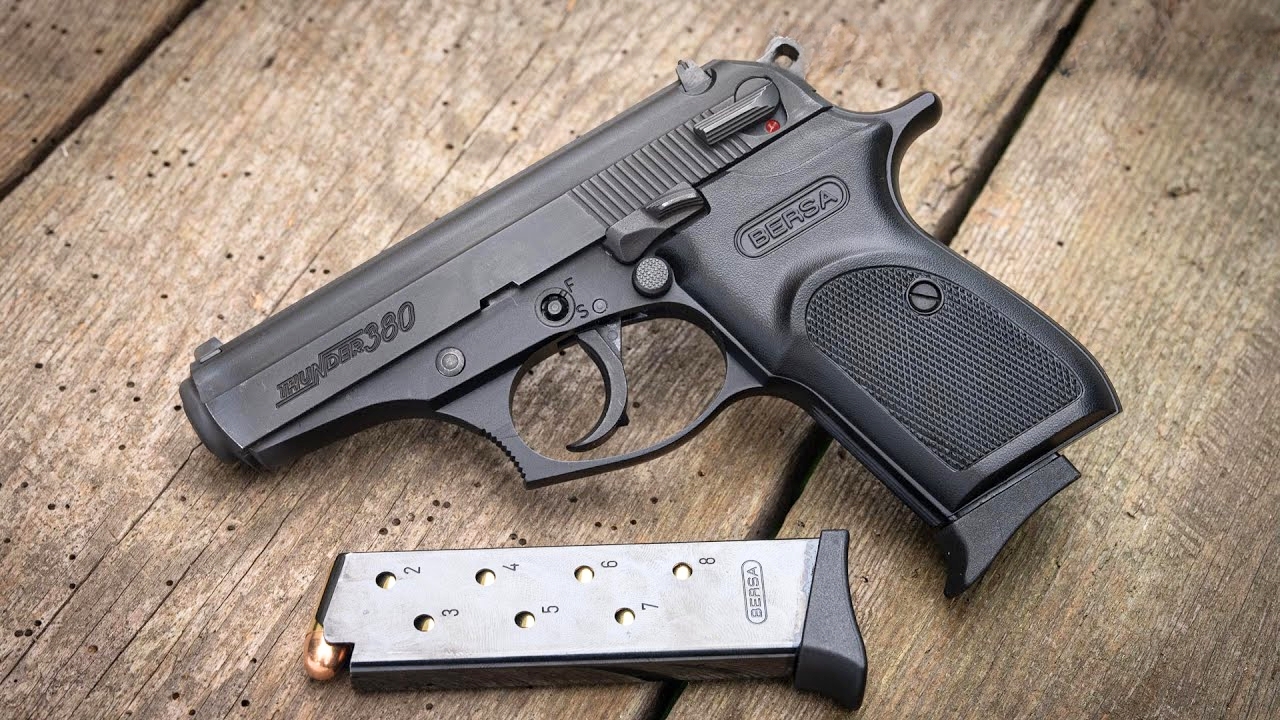
The Thunder .380 gets carried by some people because it was their practical answer years ago and they never really moved off that answer. It was affordable, approachable, and gave them a handgun they could shoot reasonably well without chasing the latest thing. That kind of first serious carry purchase can be hard to retire mentally.
But many of the people still carrying one now are doing it more because they refuse to change than because the pistol still clearly leads its lane. They already trust it, already know how it works, and already spent years defending it. At a certain point, stubbornness becomes part of the setup.
J-frame Airweight revolvers

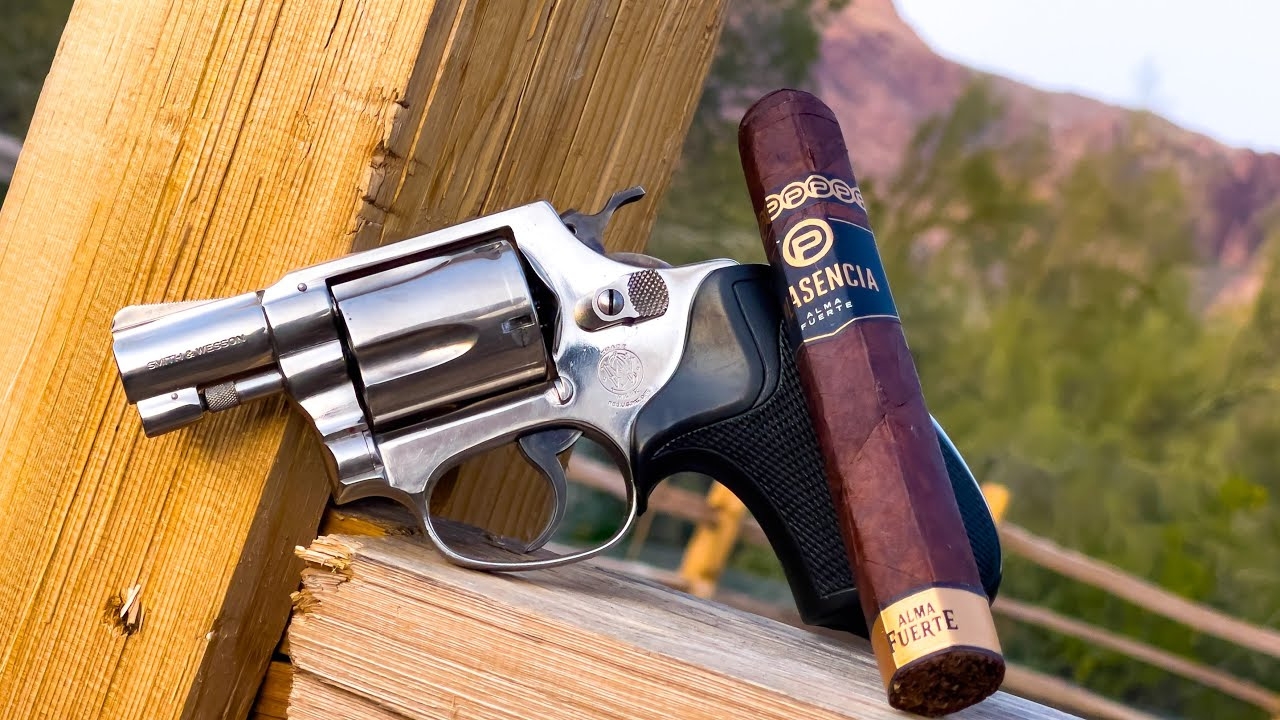
A lightweight J-frame stays in a lot of pockets and ankle rigs because older-school carriers built a whole philosophy around it. It is simple, it disappears easily, and it has decades of real carry history behind it. For some people, that alone is enough to make any argument about capacity or reload speed sound like trend-chasing nonsense.
That is exactly why stubbornness plays such a big role here. Plenty of J-frame carriers are not actually claiming it is the best pure performance choice anymore. They are carrying it because it is what they have always trusted and what they are too dug in to give up. Sometimes that is wisdom. Sometimes it is just refusal to change.
Colt Detective Special
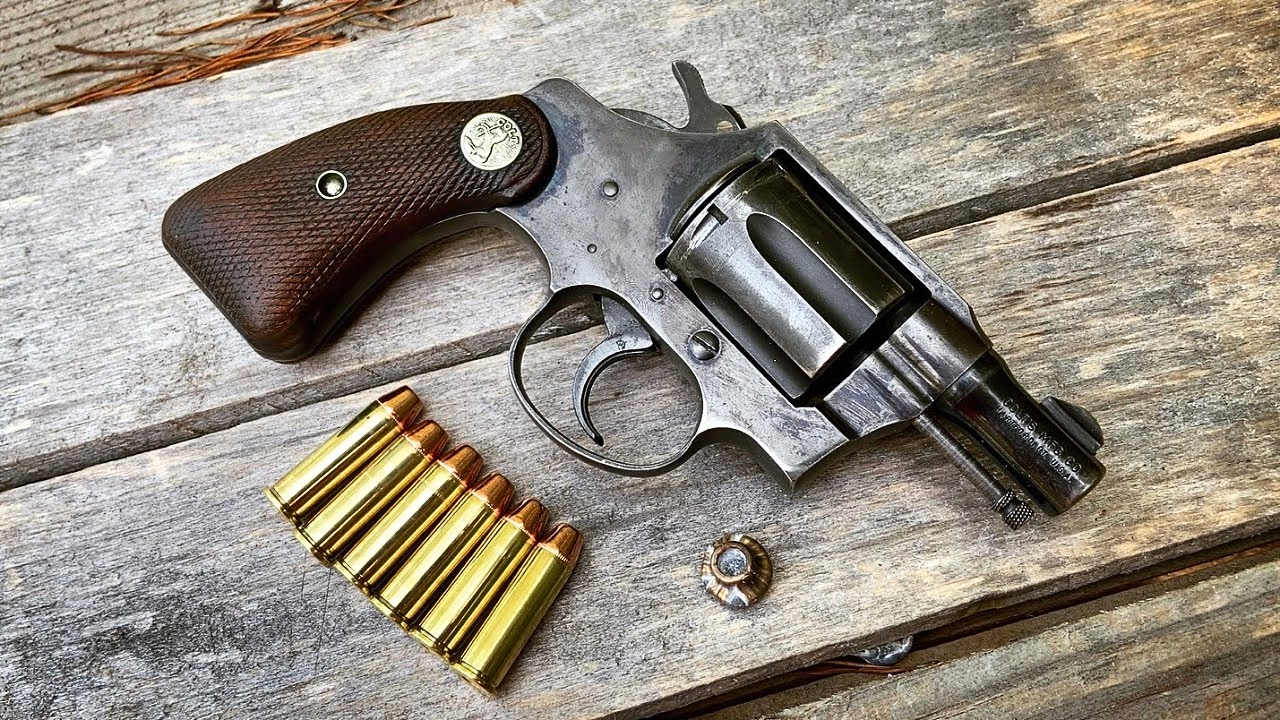
The Detective Special is another one that rides on old loyalty. It is a handsome little revolver with real carry history, and for the people who know it well, it still feels like a compact handgun with more class than most modern choices. That sort of attachment is powerful.
But the people still carrying one now are almost always carrying more than a gun. They are carrying a whole worldview about what a serious concealed handgun should be. That means the decision is not purely practical anymore. It is emotional, historical, and yes, often stubborn.
Walther PK380

The PK380 still gets carried by some people because they convinced themselves that “easy to rack” and “easy enough to carry” outweighed the pistol’s other shortcomings. That made sense for certain buyers when they first picked one up, especially if hand strength or recoil sensitivity pushed them in that direction.
A lot of current carriers, though, sound less enthusiastic than committed. They already solved their carry problem with the PK380 years ago and never revisited the solution. Even if better options came along for their needs, changing now would mean reopening an argument they already decided they were done having.
Ruger LCP original

The original LCP still lives in a lot of pockets because it got there early and stayed there through sheer convenience. It was the gun people could always carry, which made them forgive a lot. Once someone builds a habit around that kind of pocket pistol, it can be shockingly hard to replace even when better pocket guns arrive.
That is why so many original LCP carriers sound like they are defending a lifestyle more than a gun. They like the idea that the pistol disappears, and they do not want to hear that other options now do that with fewer compromises. So they keep carrying it, not because it is still the most satisfying answer, but because it became part of how they think about being armed.
Smith & Wesson Model 36

The Model 36 rounds this out because it is the sort of revolver people keep carrying once they have decided they trust a small steel snub more than the entire modern carry market. That kind of decision is not easily undone. It is tied up in habit, feel, history, and the owner’s belief that simpler automatically means better.
For some of those owners, that belief still lines up with real satisfaction. For plenty of others, though, the carry choice is being maintained mostly out of stubborn loyalty to an older formula. They are not switching because switching would mean giving up more than a gun. It would mean giving up the way they think carry ought to be.
Like The Avid Outdoorsman’s content? Subscribe to our newsletter so you never miss an article.
Here’s more from us: