Photo credit: Safety Harbor Firearms/YouTube
Some rifles get used hard because their owners trust them. Others get wiped down, handled gently, and talked about with a kind of careful defensiveness that tells you everything you need to know. That does not always happen because the rifle is rare or expensive. A lot of the time, it happens because the owner knows the gun’s reputation is shakier than they want to admit. They know parts are scarce, finishes are fragile, zeroes wander, actions feel rougher than they should, or the whole rifle never quite lived up to the image that sold it.
That is when the babying starts. The owner avoids rough weather, avoids hard range sessions, avoids using it like a real field rifle, and then calls that “taking care of it.” Maybe some of that is smart. A lot of it is self-protection. These are the rifles people handle like collectibles not because they are priceless, but because deep down they know the rifle might disappoint them if they stop being careful.
Remington 742 Woodsmaster
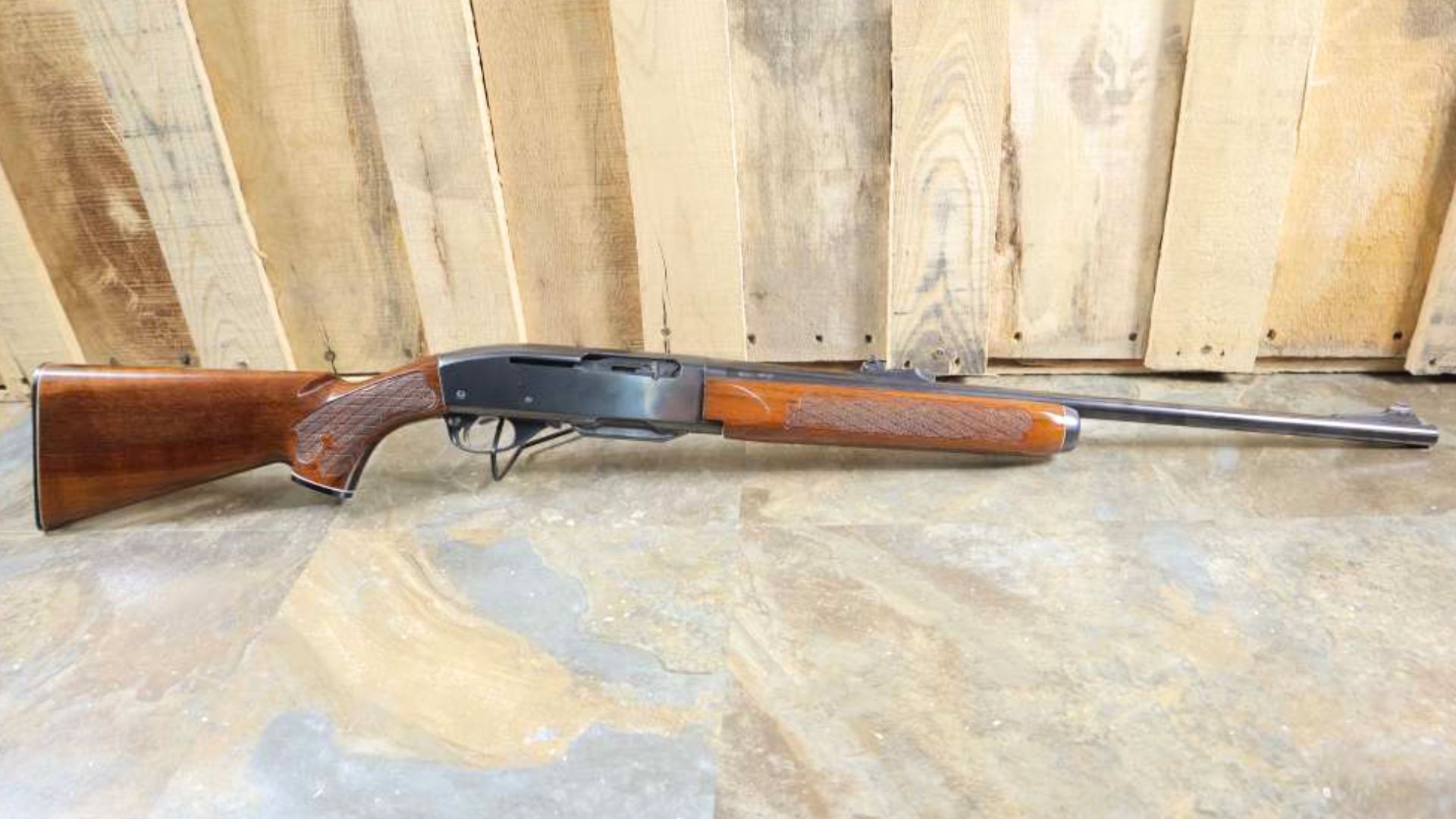
The 742 gets babied because a lot of owners already know the rifle has limits they do not want to test too hard. It carries plenty of nostalgic hunting credibility, and a lot of deer hunters still speak about it with real affection. But that affection usually comes with caution. Owners know the platform is not the kind of semiauto you want to run like a modern hard-use rifle.
That is why so many 742s come out for a few shots, maybe a season, then go right back into the case. People clean them carefully, avoid pushing them, and speak about them like old family china with a sling swivel. They are not necessarily wrong to do that. They are simply admitting, in practice, that they know better than to treat the rifle like it is tougher than it really is.
Mini-14 older pencil-barrel rifles

Older Mini-14s get babied because owners know the internet jokes were not always just jokes. A lot of buyers loved the traditional looks, the handy feel, and the fact that it was not another AR. Then they spent enough time at the range to realize those older rifles could heat up and start wandering in ways that made confidence a little harder to maintain.
That is when the careful treatment begins. Owners keep range sessions short, avoid long strings, and talk about the rifle more like a ranch companion than something they want to really press. Some of that comes from affection. Some of it comes from knowing the rifle looks more confidence-inspiring than it sometimes behaves once it gets hot and honest.
Remington 770

The 770 gets babied because even the people who bought one usually know exactly what they bought. It was the “good enough for now” rifle, the package-gun compromise, the name-brand shortcut to a hunting setup without spending real money. That works fine until the owner starts spending enough time with the rifle to notice every rough edge that was always there.
From there, a lot of owners become weirdly gentle with them. They do not trust the rifle enough to beat on it, so they treat it like delicacy is part of normal ownership. They avoid rough travel, avoid hard use, and quietly act like preserving it matters more than proving it. Usually that is because proving it would make the whole relationship uncomfortable.
Mossberg Patriot

The Patriot gets babied because it often sells stronger in the rack than it feels in the field. It looks like a respectable hunting rifle and sounds like a respectable hunting rifle in conversation, which is enough for a lot of first impressions. But once the owner has actually lived with the action, the stock, and the overall feel, a little caution tends to creep in.
That caution usually shows up as selective use. People take it out when conditions are easy, put it away quickly, and avoid treating it like a rifle they would happily trust through years of hard miles. They may still say they like it, and maybe they do. But they also tend to handle it like a rifle they do not want exposed too clearly.
Century CETME / bargain roller-lock clones
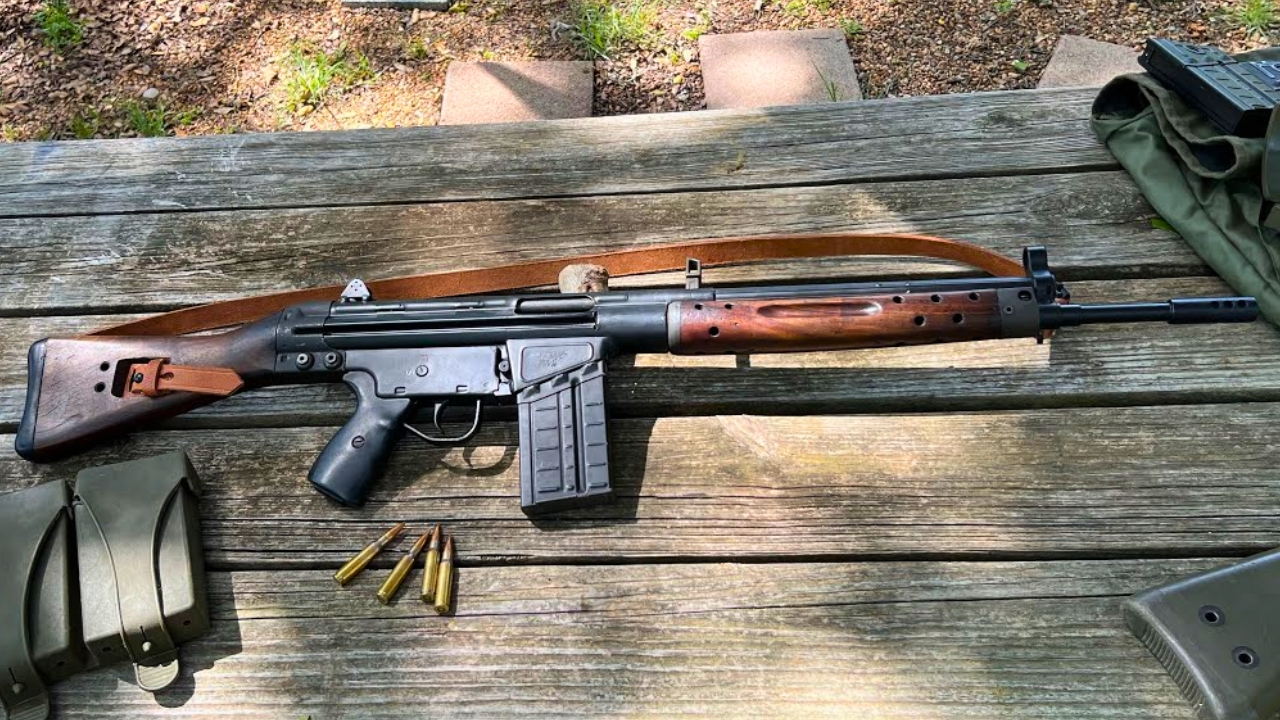
Cheap CETME and G3-style clones get babied because the owners know the name on the receiver is not the part people actually trust. The platform’s reputation does a lot of the selling, and then the real build quality starts introducing itself. Some run well enough. Some do not. That uncertainty has a way of changing how people treat them.
Instead of pounding rounds through them with carefree confidence, a lot of owners get cautious. They check things more often, handle them more delicately than the platform image suggests, and talk about them like temperamental projects instead of bombproof rifles. That is the difference between owning a legend and owning a bargain version of one.
IWI Tavor SAR

The Tavor SAR gets babied because a lot of owners bought into the image before they fully came to terms with the tradeoffs. It looks serious, compact, and military enough to inspire a lot of confidence at the counter. Then real use starts bringing up the trigger, the balance, and the fact that “different” is not always the same as “better.”
That is when the careful treatment often starts. Owners still respect the rifle, but they stop pretending it is the one they want to run hardest. It becomes the gun they bring out to admire, to demonstrate, or to keep in nice condition because deep down they know they enjoy the concept more than the sustained experience of shooting it.
Henry Long Ranger

The Long Ranger gets babied because buyers often love the idea of it more than the reality of using it hard. It promises a more modern lever-gun experience, and that is enough to make a lot of owners feel like they bought something clever and more refined than the average deer rifle. It looks like a rifle they should admire.
Once that glow settles down, many owners start handling it like a piece they do not quite want to stress-test. The rifle often becomes something they keep nice rather than something they truly wear in. That is usually a sign that the owner knows the attraction is partly emotional and that real abuse might weaken the illusion.
Springfield M1A
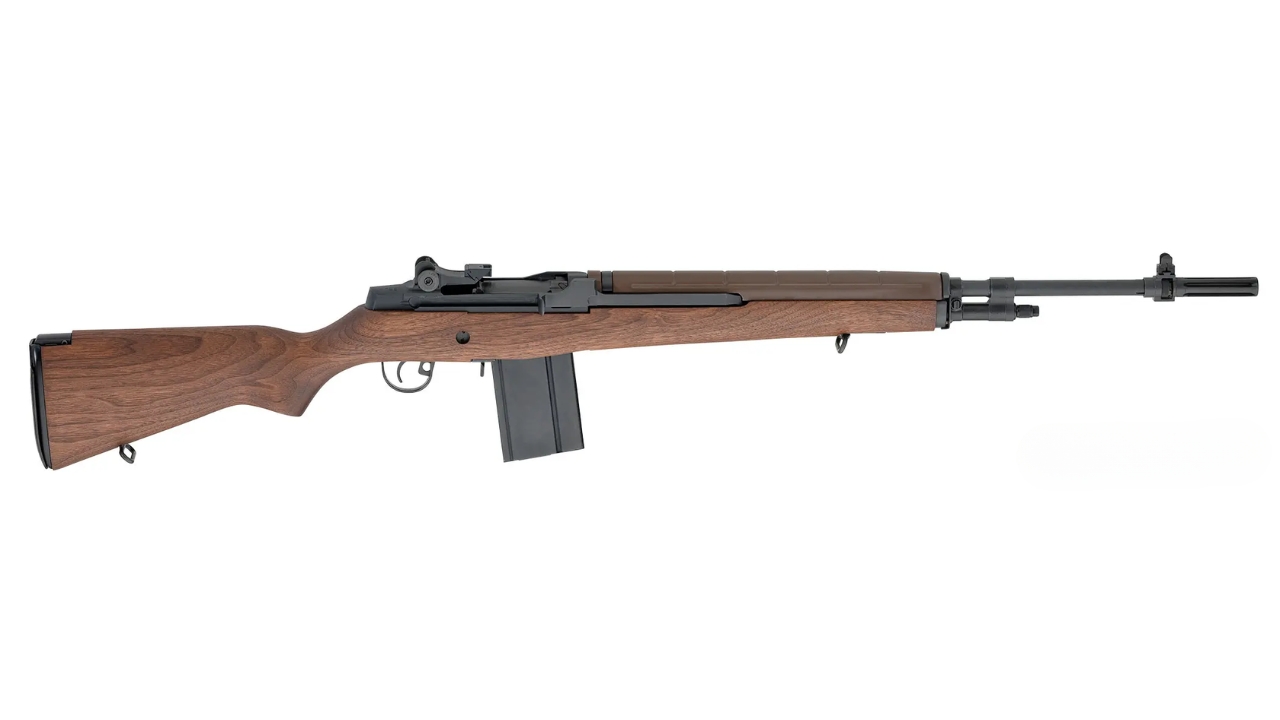
The M1A gets babied because a lot of owners know they bought a romantic rifle, not always the most practical one. It looks serious, sounds serious, and carries all kinds of old-school authority. That makes people want to own one. Actually living with one can be a different conversation, especially once optics, weight, and upkeep get involved.
That is why so many M1As stay clean and lightly used. Owners admire them, defend them, and bring them out when they want to enjoy the idea of the rifle again, but they often avoid the kind of use that would make all the compromises impossible to ignore. A babied M1A is often a very honest M1A relationship.
Rossi R95 and other budget lever guns

Budget lever guns get babied because their owners usually know, on some level, that they did not buy the rifle for sheer confidence. They bought it because they wanted into the lever-gun world without paying Marlin or Winchester money. That is understandable. It also tends to create a more careful kind of ownership.
Instead of carrying them like old trusted partners, people often handle them like rifles they do not want to push too hard. The action gets worked gently, the finish gets guarded, and the whole experience has a slightly nervous edge to it. That usually means the owner is trying to preserve their good opinion by not asking too much of the rifle.
Remington 7400
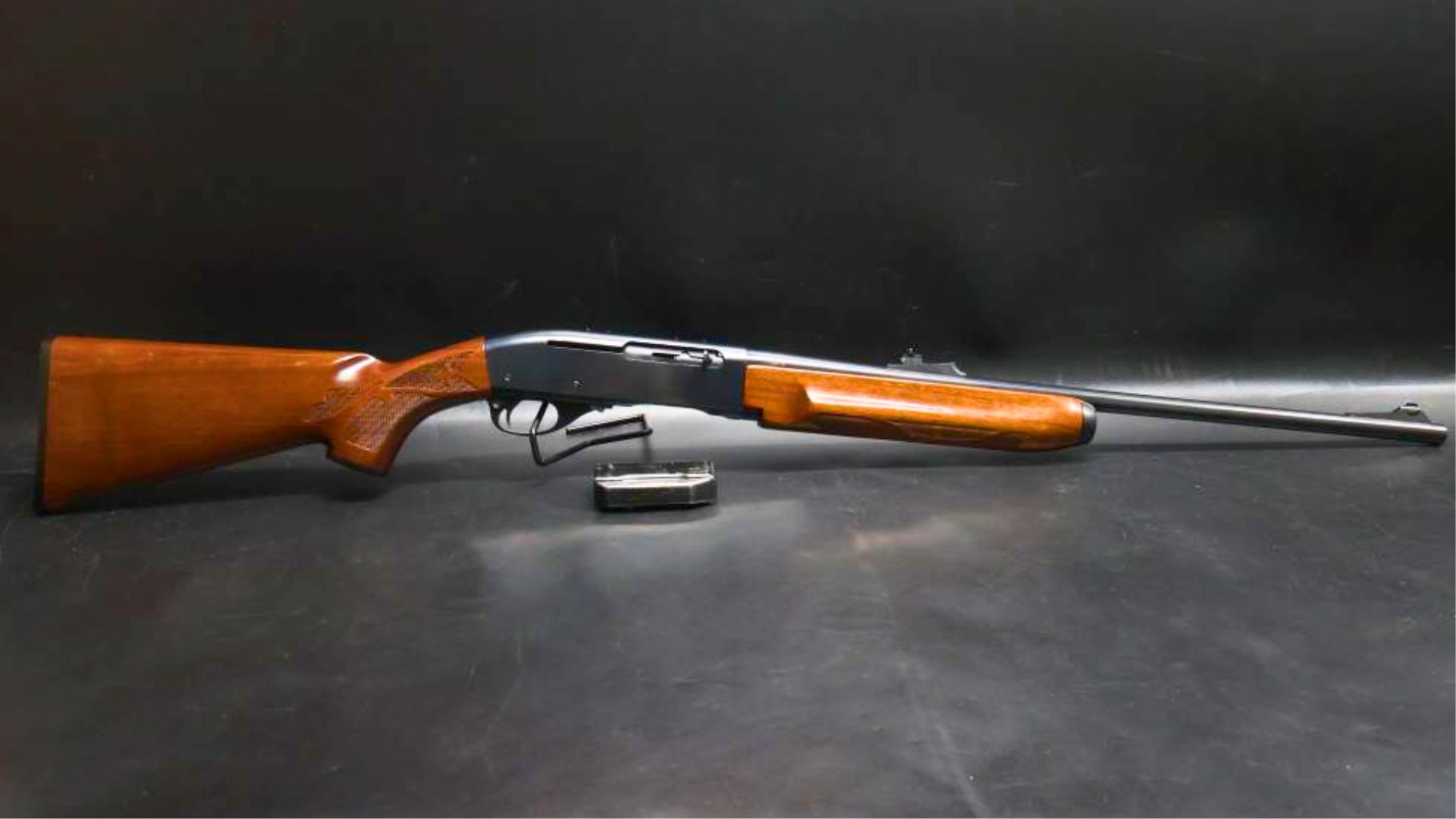
The 7400 gets babied for the same reason the 742 does: the owners know the platform’s reputation is never far from the conversation. These rifles have plenty of history in deer camps, and many owners feel real loyalty toward them. But loyalty is not the same thing as confidence, and with rifles like this, the difference shows.
They get hunted with carefully, shot sparingly, and spoken about in a tone that usually includes some defensive qualifiers. People know the rifle is not something they want to beat on endlessly. So they preserve it, protect it, and call that wisdom. Sometimes it is. Sometimes it is just quiet acknowledgment of the rifle’s limits.
Browning BAR older hunting models

Older BAR hunting rifles get babied by some owners because they know replacing a nice one would hurt. This is a slightly different category. It is not always that they distrust the rifle. Sometimes it is that they know the rifle has become valuable enough, elegant enough, or uncommon enough that treating it like a rough field tool would feel careless.
Still, that babying also reveals something else. Many owners know these rifles are at their best when treated with a little dignity. They are not usually the gun someone wants to bang around in a truck bed or drag through every kind of abuse. The careful handling comes partly from appreciation and partly from knowing the romance would suffer if the rifle got used too honestly.
Savage Axis first-generation rifles

Early Axis rifles get babied because owners know the main selling point was usually price, not confidence. A rifle that wins buyers over mostly by shooting acceptably for little money often ends up with a strange kind of relationship. The owner likes what it represented financially, but not always what it feels like physically.
So they treat it gently. They do not really want to admit the stock feels cheap, the action feels basic, or the overall rifle lacks the settled confidence of better guns. It is easier to keep it nice and say it has “always done fine” than it is to run it hard enough to expose everything they already suspect.
Winchester Wildcat

The Wildcat gets babied because it looks like a carefree modern rimfire but often does not inspire the same long-term trust as the older .22s people grew up with. Buyers like the light weight and simple concept, but a lot of owners end up handling it like something they are still trying to convince themselves about.
That careful treatment is usually a tell. When people truly trust a .22, they throw it in the truck, hand it to kids, shoot it often, and do not think twice. When they baby one, it often means the relationship is less secure than they want to admit. They know, at least privately, that it has not earned old-school rimfire confidence.
KelTec SU-16
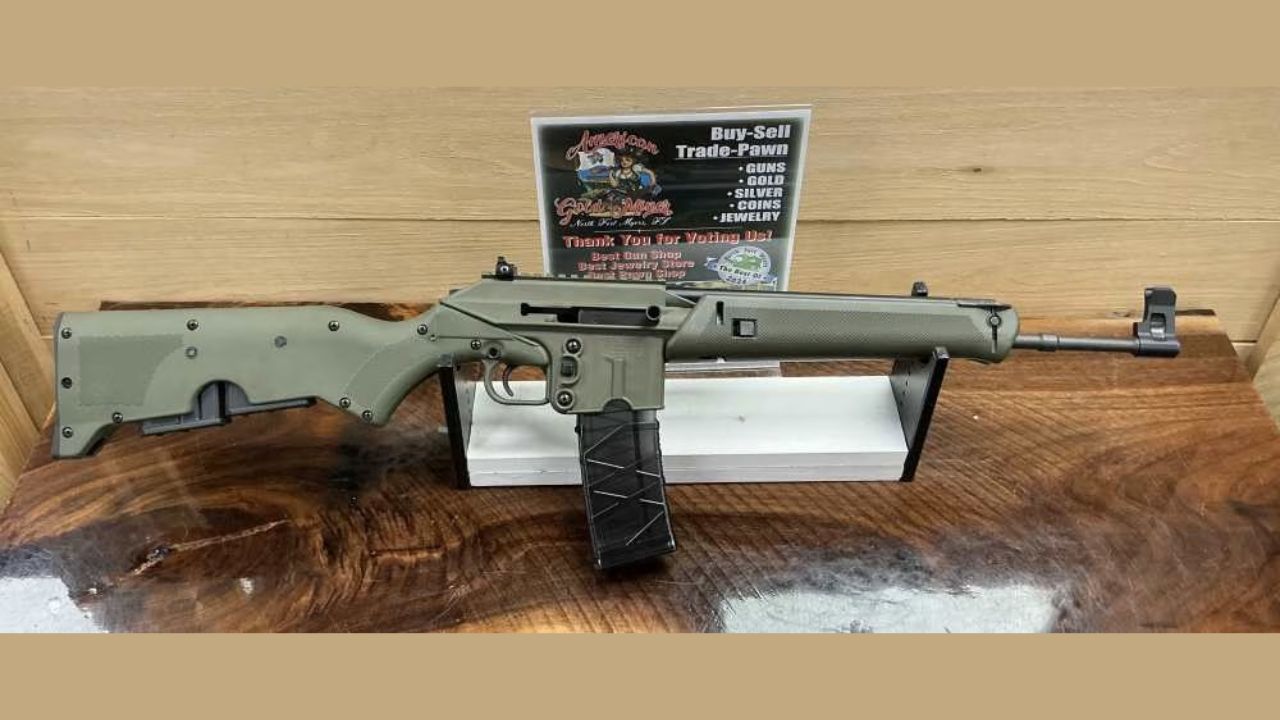
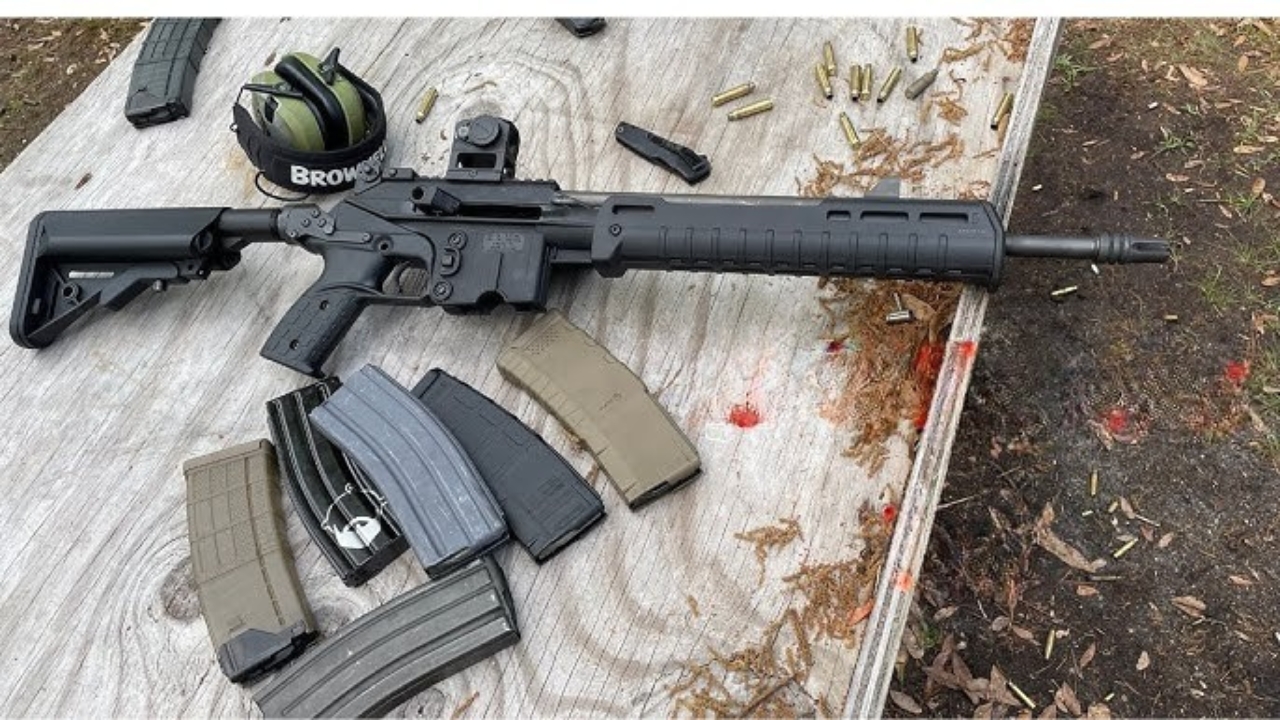
The SU-16 gets babied because its whole appeal is built on being clever, light, and different. Owners love the portability and the concept, which is exactly why they often do not want to stress the rifle too much. Once real use starts making the lightweight feel more fragile than brilliant, the careful treatment begins.
A lot of owners stop short of fully trusting it like a hard-use rifle. They still like owning it, still like showing it off, and still like what it says about them as practical-minded buyers. But they handle it with more caution than they probably expected because deep down they know the rifle’s strengths are not the same as rugged confidence.
Like The Avid Outdoorsman’s content? Subscribe to our newsletter so you never miss an article.
Here’s more from us: