Photo credit: Military Arms Channel/YouTube
A lot of handguns look tough in a photo. Big ports, big calibers, aggressive marketing names, chunky slides, oversize cylinders—the whole “don’t mess with me” vibe. Then you get to the range and realize toughness on the outside doesn’t always translate to easy hits. The guns that disappoint most shooters aren’t always inaccurate. They’re often hard to hold, hard to track, and hard to shoot well at speed because the design is working against your hands, your eyes, and your timing.
If you’ve been around handguns long enough, you’ve seen the pattern. Short barrels, tiny grips, heavy triggers, and light frames can turn decent mechanics into ugly groups. These are the kinds of pistols that look ready for war, then make you earn every clean shot.
Smith & Wesson Model 329PD

The 329PD looks like the ultimate “bear gun you can actually carry,” and that’s exactly why it humbles people. A .44 Magnum in a featherweight revolver is a lot of recoil in a very short time. The muzzle rises fast, the grip wants to shift, and your follow-up shot starts feeling like a separate event instead of part of a rhythm.
Accuracy isn’t the problem as much as control. With full-power loads, many shooters start anticipating the hit to their palm, and the front sight gets yanked off target. You can shoot it well with disciplined technique and smart ammo choices, but it’s not forgiving. If you buy it for confidence and don’t train, it tends to hand you the opposite.
Smith & Wesson 340PD
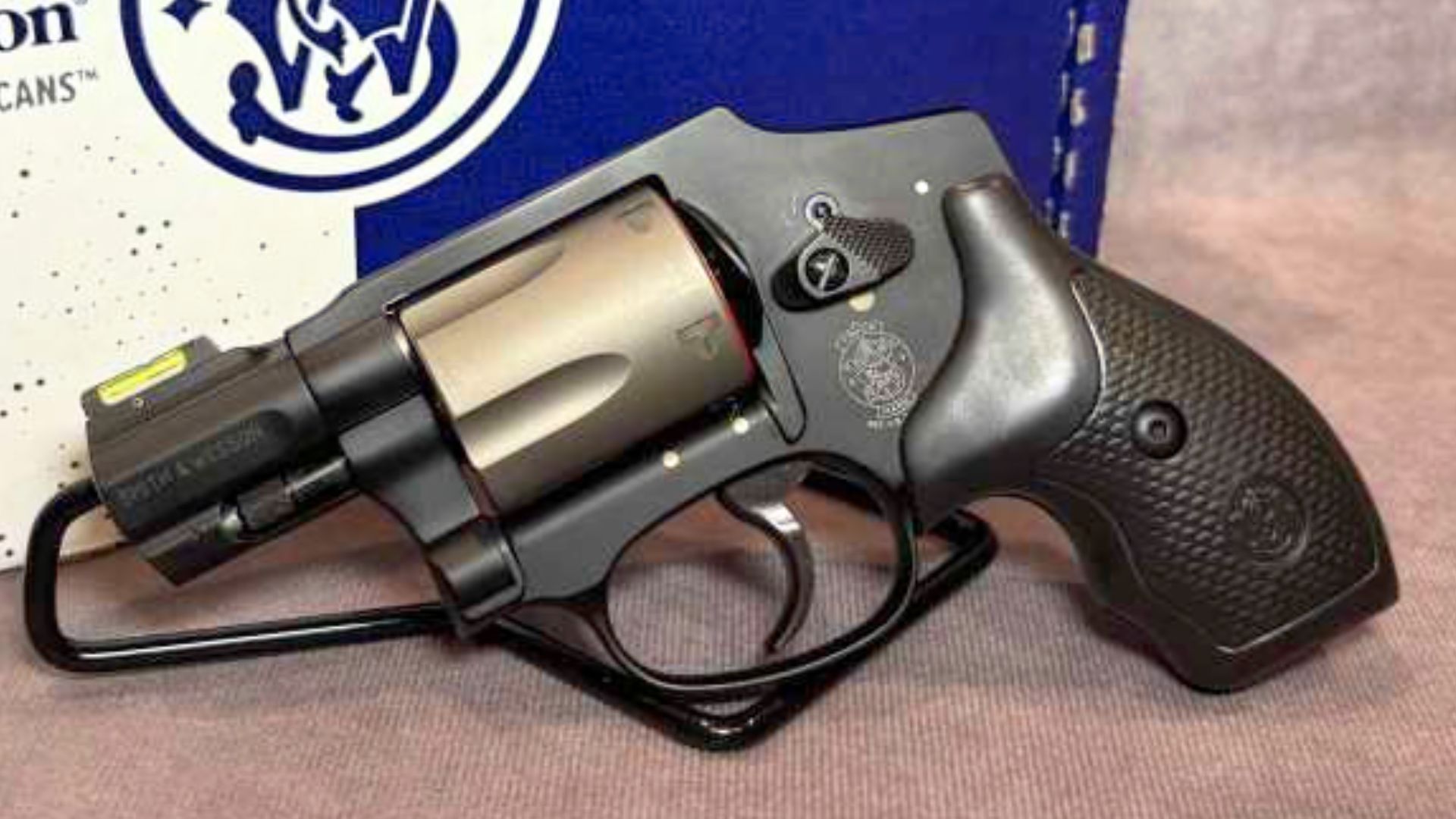
The 340PD has that “pocket rocket” appeal—tiny revolver, serious cartridge, easy to carry anywhere. The catch is that a very light .357 snub can feel like a firecracker going off in your hand. The recoil impulse is sharp, the blast is loud, and the grip area doesn’t give you much leverage to keep things steady.
That combo makes good shooting harder than most people expect. The sight radius is short, the trigger stroke is long, and the gun moves a lot during the press. Even if you’re capable, it demands focus to keep hits tight past close range. For many shooters it ends up being a gun they respect, carry, and barely practice with—which shows on paper.
Ruger LCR .357 Magnum

The LCR looks built for hard use, and it is, but the .357 version still lives in the same reality as every small revolver. Light weight plus magnum recoil equals a gun that’s hard to keep planted. The grip helps, yet the revolver can still twist and jump enough that your sights don’t come back to the same place without work.
The trigger is smooth for what it is, but it’s still a long double-action pull you have to manage while the gun is moving. Many shooters shoot the .38 +P versions noticeably better for that reason. The .357 LCR can be effective and reliable, but it rewards restraint and repetition. If you buy it for the “tough” factor and ignore the practice, the target will tell on you fast.
Ruger Super Redhawk Alaskan

The Alaskan looks like the kind of revolver you’d carry on a glacier or a river bar—short, stout, and ready for ugly moments. The problem is that big-bore power in a short package can be hard to shoot well unless you’ve already built strong fundamentals. With heavy loads, recoil comes back hard and the muzzle lift can be dramatic.
That affects accuracy in real strings because your grip and trigger control have to be locked in. The short barrel doesn’t help your sight picture, and the blast can rattle you even when you think you’re prepared. It’s a serious tool for a serious problem, but it’s not a casual range gun. If you want clean groups and fast repeats, you’ll have to earn them with this one.
Smith & Wesson Model 500 (short barrel variants)

A short-barreled Model 500 looks like a statement piece, and it shoots like one too. The recoil is substantial, the concussion is intense, and the whole experience can pull your attention away from sight alignment and trigger press. It’s not that the gun can’t be accurate. It’s that most people can’t stay disciplined through the violence of the shot cycle.
When your brain starts bracing, your groups open up and your hits drift. The gun is also heavy enough that holding steady for extended strings isn’t as easy as it sounds, especially offhand. If you’re buying it for fun or for a niche task, you can make it work. If you expect it to be an easy-shooting hand cannon, the target usually disagrees.
Magnum Research Desert Eagle

The Desert Eagle looks like the final boss of handguns. In practice, it’s a large, heavy pistol that demands a certain way of shooting. Grip it wrong, limp it, or feed it ammo it doesn’t like, and you can end up fighting function and recoil management at the same time. Even when it runs well, it’s not a pistol most people shoot accurately under any kind of pressure.
The weight helps with recoil, but the gun is still hard to hold consistently because of its size. The trigger and controls aren’t built around speed and precision the way a duty pistol is. You can shoot it well with time and familiarity, but it’s not friendly. Many shooters buy the look, then discover the reality is slower hits and more effort than they expected.
Taurus Judge Public Defender

The Judge Public Defender looks like it belongs in a survival movie—big cylinder, big attitude, and the promise of versatility. The shooting experience can be a letdown because the platform is a compromise. The long trigger pull, bulky grip, and heavy cylinder can make it harder to keep steady, especially when you’re trying to shoot accurately at distance.
With .410 shotshells, patterns can spread quickly, and you still have to aim like a handgun. With .45 Colt, you’re working with short sights and a gun that isn’t shaped like a classic target revolver. None of that means it can’t work, but it often doesn’t shoot the way buyers imagine. If you want tight groups and fast confidence, it’s usually not the easiest road.
North American Arms .22 Magnum Mini-Revolver

NAA mini-revolvers look tough in a tiny, “always there” way. The issue is that tiny also means hard to control. The grip is minimal, the sights are basic, and the gun demands careful handling to shoot with any precision. Even experienced shooters can struggle to keep consistent hits beyond very close range.
The trigger press can be tough to manage when you have so little purchase. The small size also magnifies every flinch and every wobble. As a deep-concealment novelty or last-ditch option, it has a role. As a “shoots great” handgun, it’s rarely that. You have to slow way down and treat it like a very specific tool, not a tiny version of a normal revolver.
Kel-Tec PF-9

The PF-9 has a rugged, utilitarian look, and the idea is appealing: a very light 9mm you can carry anywhere. The tradeoff shows up when you start shooting fast. Light weight and a thin grip can make recoil feel snappy, and the gun tends to move enough that your sights don’t settle quickly without deliberate technique.
That affects practical accuracy more than most people expect. It’s not a pistol that rewards sloppy grip or lazy follow-through, and the small controls can be harder to manage under stress. Many shooters can keep it running and keep hits acceptable at close range, but “acceptable” isn’t the same as “easy.” If you want a pistol that makes you look tough and shoot effortlessly, this usually isn’t it.
Ruger LCP II

The LCP II looks like a backup gun you’d trust in rough places, and in many ways it is. The issue is that tiny .380s are not built for easy marksmanship. The grip is short, the sights are small, and the gun is so light that recoil and muzzle movement feel exaggerated even with mild ammo.
That means you work harder for accuracy. You have less surface area to hold onto, less sight to reference, and less margin for error in the trigger press. At close range, it can do exactly what it’s meant to do, especially with practice. Stretch the distance, speed up your strings, or shoot it one-handed, and you’ll see why so many people carry these a lot and shoot them a little.
Kahr PM9

The PM9 has that “serious carry gun” look—compact, clean, purpose-built. What surprises people is how much discipline it takes to shoot tiny guns well, even when the quality is good. The long, smooth trigger can be accurate, but it requires a steady press that doesn’t move the sights. On a small frame, that’s not automatic.
Recoil is manageable, yet the short grip and short sight radius still punish small errors. Many shooters end up shooting larger pistols better even if the PM9 is mechanically capable. With enough reps, you can get impressive results, but the gun asks you to be honest about your fundamentals. If you buy it because it looks like a professional’s tool and expect instant performance, the paper usually gets humbling.
SIG Sauer P938

The P938 looks like a mini fighting pistol—metal frame, cocked-and-locked vibe, serious attitude. The reality is that small single-action pistols demand consistency. The grip is short, the gun is lively in recoil, and your margin for sloppy trigger work is thin. You can shoot it accurately, but you have to do your part every time.
Fast strings are where many shooters struggle. The gun moves more than a compact duty pistol, and your support-hand grip has less room to work. If your hands are large, it gets even tougher to build repeatable control. The P938 can be a great carry gun for the right shooter, but it’s not “easy mode.” It looks tough, yet it expects you to be precise.
Kimber Ultra Carry II

A 3-inch 1911 looks like the perfect tough-guy carry piece—slim, classic, and serious. The challenge is that short 1911s can be less forgiving in handling and timing than their full-size cousins, and the shorter sight radius doesn’t help your practical accuracy. Even when one runs well, it can feel busy in recoil.
You also have to manage a crisp trigger in a small, lively gun. That sounds great until you’re shooting fast and your grip shifts slightly. The gun can punish inconsistency with low-left hits and wide groups, especially if you’re rushing. Plenty of shooters do well with them, but they take attention and repetition. If you’re drawn to the look and assume it will shoot like a full-size Government model, you may be disappointed.
Springfield Armory XD-S .45 ACP

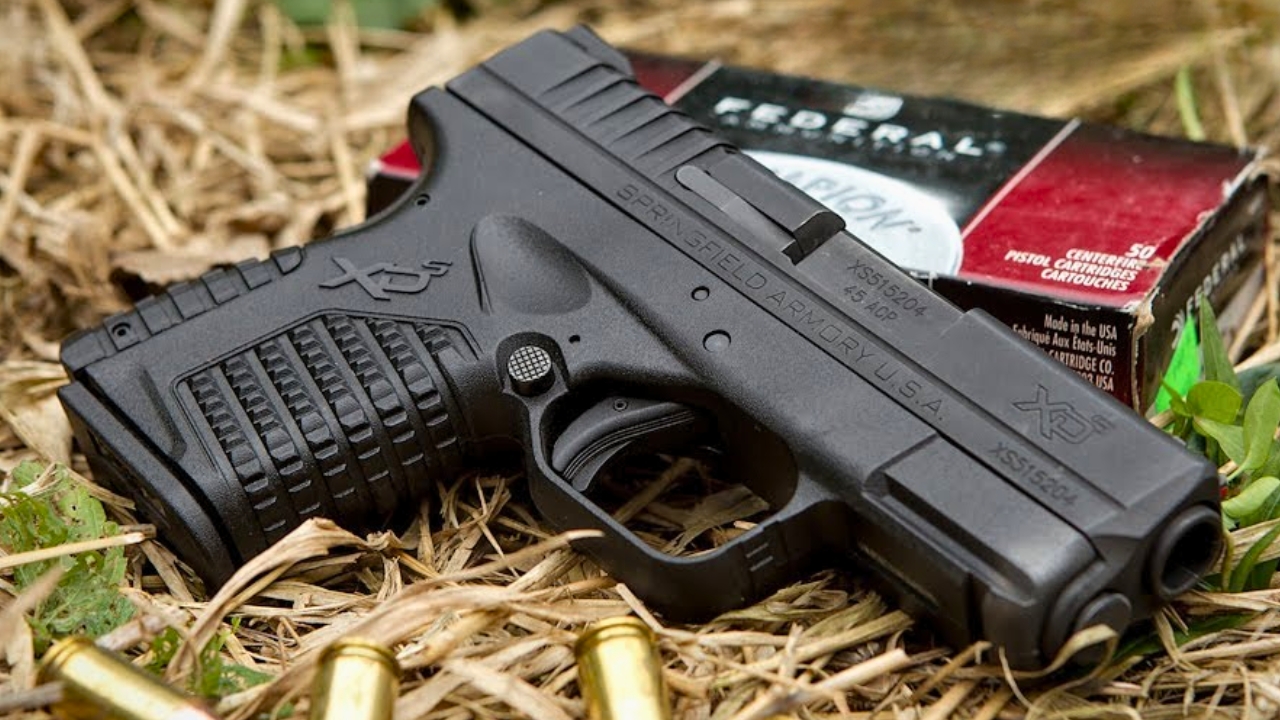
The XD-S .45 looks like a compact powerhouse. A thin .45 can also be a handful. Recoil is brisk, the grip is short, and your ability to clamp the gun down is limited compared to a thicker, heavier pistol. That makes fast, accurate strings harder than many new owners expect.
The result is often decent first-shot accuracy and messy follow-ups. You can slow down and shoot it well, but speed exposes how much the gun moves and how quickly your grip can degrade. That’s not a moral failing of the design—it’s the physics of a small, light gun firing a bigger cartridge. If you want a compact that looks aggressive and shoots effortlessly, most shooters find they have to work harder than they planned.
Glock 29

The Glock 29 looks like the ultimate compact “woods carry” semi-auto. It’s also a compact 10mm, and that means recoil can be sharp with full-power loads. The grip is short, the slide mass is compact, and the gun can feel lively enough that your sight picture gets disrupted quickly when you’re trying to shoot fast.
In practical terms, you often end up choosing between comfort and control. With the right ammo and a solid grip, it can be very effective, but it’s not a pistol that flatters casual fundamentals. Many shooters shoot a full-size 10mm better for the same reason they shoot a full-size 9mm better: more grip, more stability, more forgiveness. The G29 looks like a hard-use hammer, but it makes you earn tight groups at speed.
Smith & Wesson M&P Shield .40

A Shield .40 looks like a compact carry gun with extra bite. The issue is that .40 S&W in a slim, light pistol can feel snappy, and snappy recoil tends to punish rushed trigger presses. The gun moves more, your sights lift higher, and follow-up shots demand a firmer grip than many shooters naturally bring.
That shows up on targets as vertical stringing and inconsistent hits when you speed up. The pistol can be accurate, but many shooters find they have to concentrate harder compared to the 9mm version. If you train enough, you can run it well, yet it rarely feels easy. It’s a classic example of a handgun that looks ready for serious work and can do it, but it doesn’t hand you good shooting for free.
Like The Avid Outdoorsman’s content? Subscribe to our newsletter so you never miss an article.
Here’s more from us: