Photo credit: alexdov/ShutterStock.com
Some handguns look great on paper but fall apart once you actually shoot them. Sometimes it’s a weak frame, sometimes a bad recoil system, and sometimes the gun’s just overmatched by its own caliber. The recoil impulse batters parts, cracks slides, or shakes loose pins until the gun simply can’t keep up. It’s not that the shooter can’t handle it — the gun can’t.
These are the pistols that choke on their own power, the ones that try to deliver big performance in small packages or rely on cheap materials to manage heavy pressure. Whether it’s a pocket 9mm that beats itself to death or a magnum semi-auto that loosens every screw after a box of ammo, these are guns that prove caliber and design don’t always get along.
You can feel it in the frame, in the recoil spring, and sometimes in the parts that start walking out after a few magazines.
KelTec PF9

The KelTec PF9 was supposed to be the ultimate lightweight 9mm carry pistol, but it ended up being a gun that fights itself. At barely over 12 ounces, it doesn’t have the mass to soak up recoil, so every shot slams the frame and slide hard. Owners often report peening on the locking surfaces, cracked polymer rails, and pins walking out after moderate use. The gun technically handles 9mm, but it clearly wasn’t designed for steady diets of it.
Even with standard pressure loads, the PF9 feels abusive to shoot and accelerates wear quickly. KelTec later admitted the PF9 demanded regular maintenance and recommended limiting high round counts — never something you want to hear from a defensive pistol manufacturer. It’s accurate enough for a few magazines, but longevity? That’s another story. The PF9 is one of those pistols where the caliber wins every round of the fight.
Kimber Micro 9
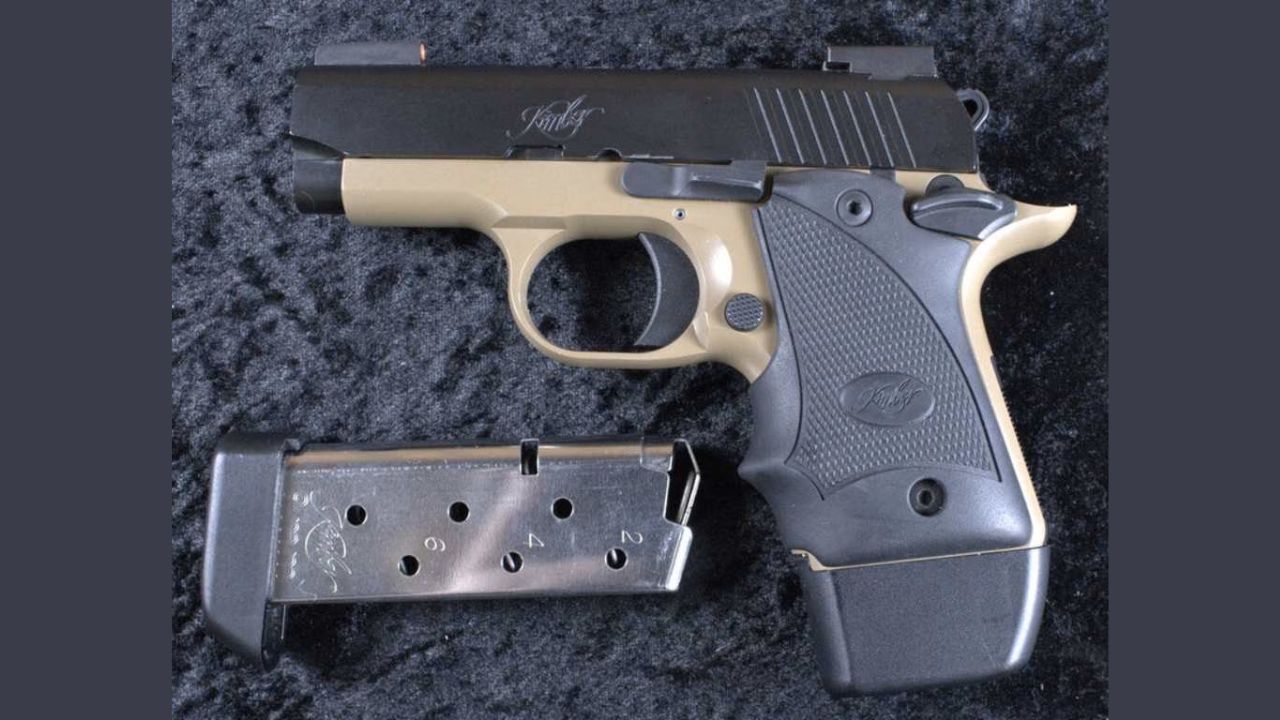
The Kimber Micro 9 is marketed as a premium pocket 9mm, but the small frame and tight tolerances make it struggle under full-power loads. The recoil impulse in such a short, lightweight gun often causes feed issues, early part wear, and even cracked grips in heavy use. The aluminum frame isn’t forgiving, and it gets beaten up quickly if you shoot more than a couple boxes at a time.
Many owners report it feels like the gun’s outrunning itself — slide velocity is so snappy that the magazine can’t always keep up. The end result? Nose-dives and failures to return to battery. Kimber’s fit and finish look great in a glass case, but under recoil the Micro 9’s mechanical rhythm just doesn’t stay synchronized. It’s a carry gun that looks refined but lives on borrowed time if you actually practice with it. The 9mm cartridge simply overwhelms that tiny platform.
Walther CCP (original model)
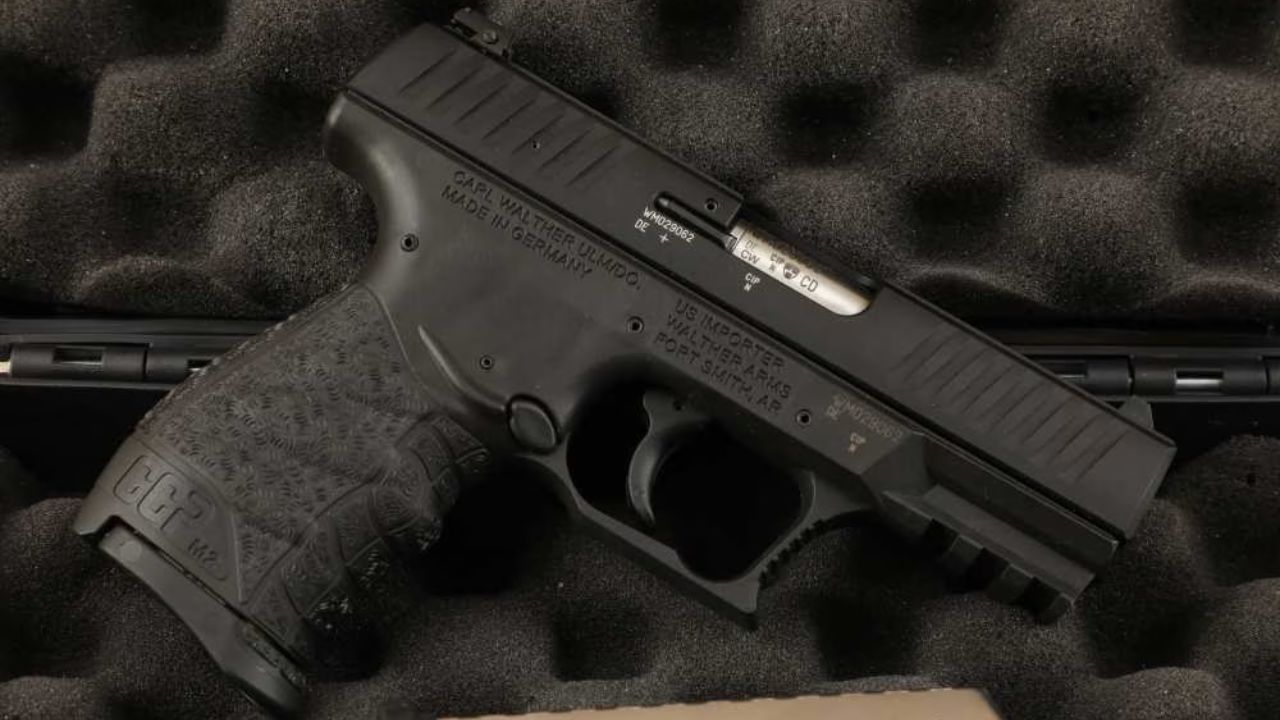
The first-generation Walther CCP was designed with a “soft recoil” gas system meant to tame 9mm in a compact frame. On paper, it sounded like a great idea. In practice, that gas piston system cooked itself. Carbon buildup caused reliability issues, and the gun’s soft materials wore down fast under regular shooting. The slide finish and internal parts couldn’t handle the heat from extended strings of fire.
Even Walther’s own support team acknowledged the system needed frequent cleaning and careful ammo selection to stay reliable. That’s a red flag when you’re talking about a 9mm defensive pistol. Shooters found that after a few hundred rounds, the CCP became erratic — stovepipes, sluggish cycling, and gritty trigger resets. The “soft recoil” marketing couldn’t mask the fact that the gun was literally cooking its own internals. Later versions improved it, but the original CCP is a prime example of a pistol outmatched by its own cartridge.
Springfield XD-S .45 ACP
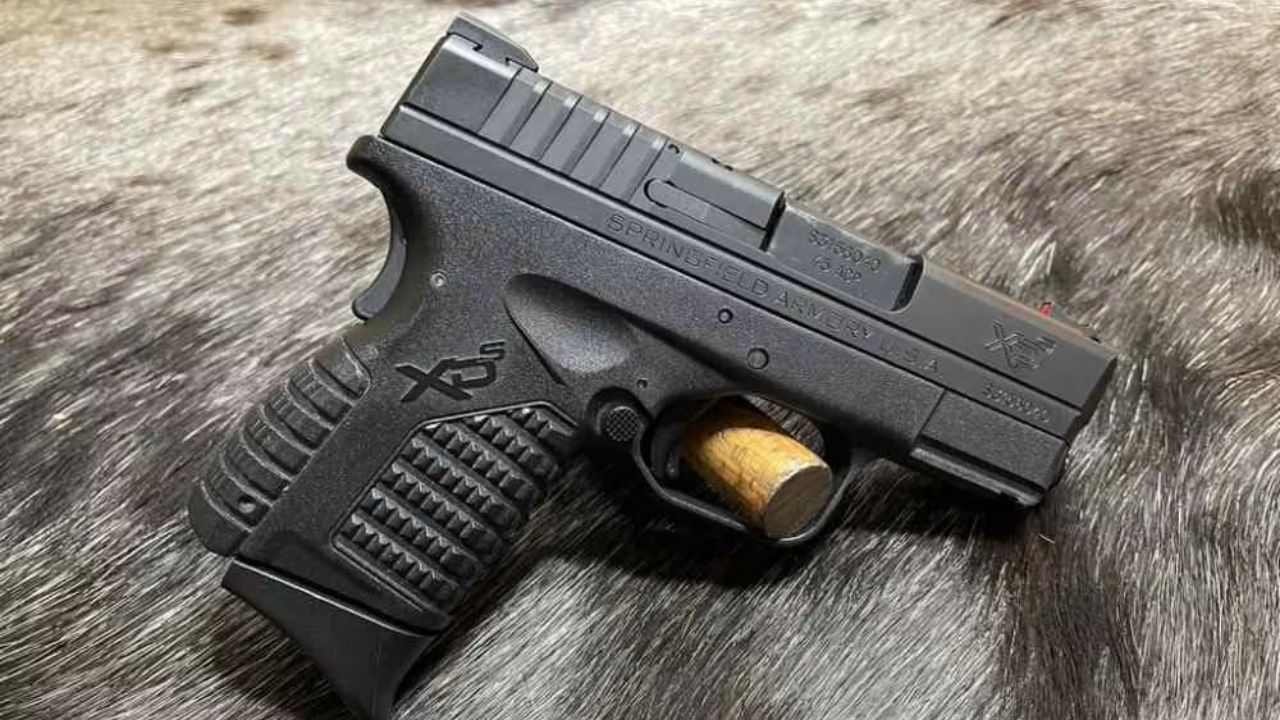
The Springfield XD-S in .45 ACP is an impressive idea — big bore power in a single-stack carry package. Unfortunately, that combination pushes the limits of what the design can physically manage. The small frame and stiff recoil spring make it unpleasant to shoot, and more importantly, hard on itself. Early models suffered from part breakage and premature wear on locking lugs and slide stops.
Shooters also reported grip safety issues when recoil caused inconsistent engagement, leading to failures to fire under stress. It’s a gun that performs beautifully for the first few boxes, then starts showing fatigue. The .45 ACP cartridge generates too much impulse for such a compact platform without added mass or a stronger system to spread it out. If you’ve ever felt a pistol beating itself apart while firing, this is that gun. It handles .45 ACP — technically — but not gracefully or for long.
Colt Delta Elite (early 10mm models)
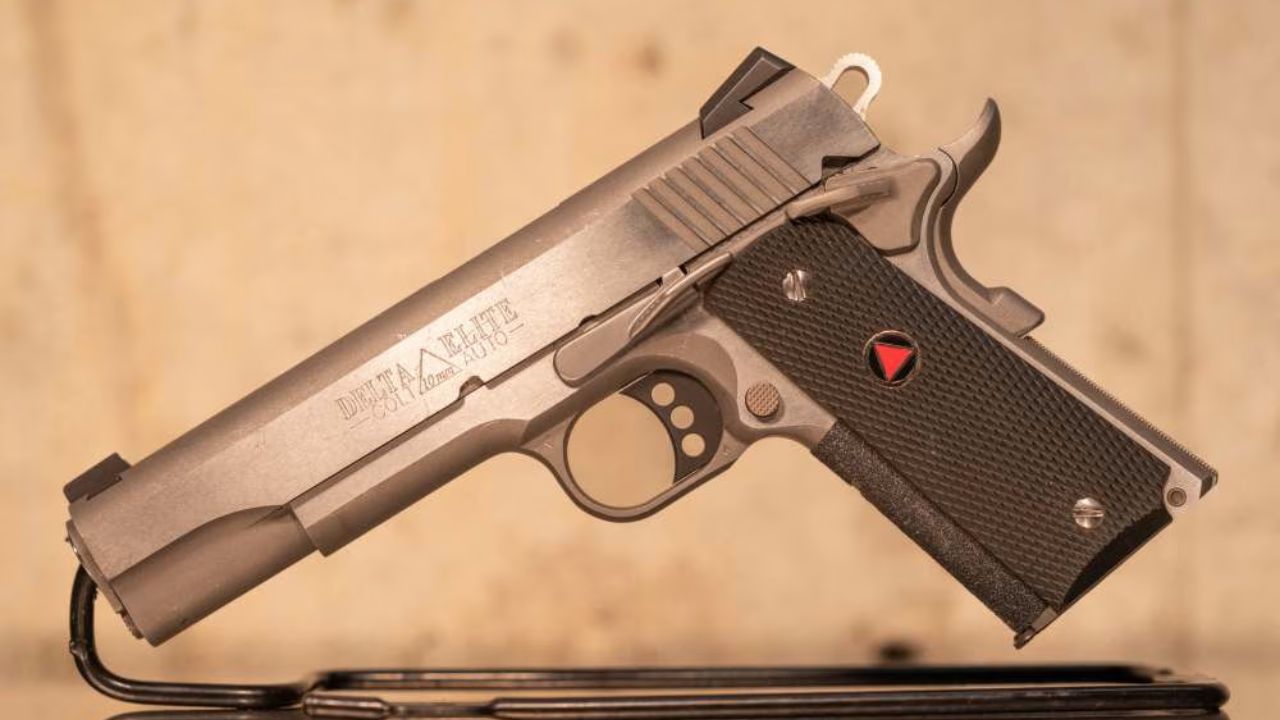
When Colt brought out the Delta Elite in the late 1980s, it was one of the first 10mm 1911s — and it quickly revealed how punishing that cartridge can be. The 10mm Auto produces high pressures and fast slide velocity, and the early Deltas didn’t have the beefed-up frames or recoil systems to handle it. Cracked frames and sheared slide stops became common after a few thousand rounds.
Shooters loved the power but dreaded the maintenance. Colt later reinforced the design, but the damage to the reputation was done. The early Delta Elite was one of those guns you had to baby — run lighter loads, change springs often, and hope the frame didn’t stretch. The concept was ahead of its time, but the metallurgy wasn’t. It’s a perfect example of a pistol chambered in a round it couldn’t quite control.
Glock 36

The Glock 36 is a slim, single-stack .45 ACP meant for concealed carry, and while it’s reliable for many, it also has a history of harsh recoil and accelerated wear. The narrow slide and reduced mass mean there’s less material to absorb that big .45 punch. Many owners report cracked locking blocks, peened slide rails, and occasional feeding issues under rapid fire.
It’s not unsafe, but it clearly operates at the edge of what the platform can manage. The short grip amplifies felt recoil, and the gun tends to torque in the hand, which also stresses internal components. Glock made it work mechanically, but durability takes a hit over high round counts. The .45 ACP’s recoil impulse simply doesn’t harmonize with the G36’s lightweight build. It’s a gun that works — until it doesn’t — and that’s not something you want in a defensive pistol.
Taurus PT709 Slim

The Taurus PT709 Slim was Taurus’s attempt at a lightweight single-stack 9mm, but it ended up being more fragile than functional. The polymer frame flexed too much under recoil, and many owners experienced cracked frames or loose pins after a few hundred rounds. The recoil spring system often lost tension prematurely, leading to feeding failures and sluggish cycling.
It’s a gun that seems fine for a box or two of ammo, but not for sustained training. Even with standard-pressure 9mm loads, the PT709 shows fatigue early. The trigger assembly is another weak point — it’s prone to breakage under regular use. On paper, it’s a compact, easy-to-carry 9mm. In reality, it’s a design that gets overwhelmed by its own cartridge over time. The PT709 Slim’s lightweight build and loose tolerances make it one of those pistols that simply wears out faster than it should.
AMT Backup .45 ACP

The AMT Backup in .45 ACP is a classic example of a gun that shouldn’t have existed in that chambering. It’s all stainless steel, yet somehow manages to feel like you’re firing a hand grenade with each shot. The slide and frame take a beating from the .45’s recoil impulse, and the tiny grip makes it nearly uncontrollable. Recoil springs weaken fast, and the gun becomes unreliable within a surprisingly low round count.
Even seasoned shooters call it brutal. Feed issues, cracked slides, and premature wear are all well-documented. The Backup in smaller calibers worked fine, but scaling it up to .45 ACP was a mistake. There’s simply not enough material or grip area to manage the pressure and recoil effectively. It’s heavy to carry, punishing to shoot, and unreliable when pushed. The AMT Backup .45 proves that compact doesn’t always mean capable.
Beretta Nano

The Beretta Nano was supposed to be the company’s answer to the subcompact 9mm craze, but the design turned out unforgiving. The short slide and stiff spring made it recoil sharply, and its internal components wore quickly under repeated firing. Reports of cracked frames and sheared pins weren’t rare among high-mileage users.
The Nano’s minimal grip area also made managing recoil tough, leading to “limp-wrist” malfunctions even from experienced shooters. It’s not that the 9mm is too much for most guns — it’s too much for this one in particular. The Nano’s timing, recoil management, and ergonomics combined to make a gun that feels like it’s constantly fighting itself. Beretta eventually replaced it with the APX Carry, which addressed many of those flaws. But for those who ran the Nano hard, it was obvious: this was a pistol that couldn’t comfortably live with its own chambering.
LAR Grizzly .45 Win Mag

The LAR Grizzly is a massive 1911-style pistol chambered in .45 Winchester Magnum, and while it looks intimidating, it has a reputation for shaking itself apart over time. The sheer power of the cartridge hammers the slide and frame relentlessly. Even though it’s built like a tank, parts fatigue fast, and recoil springs need frequent replacement to keep it running.
Shooters describe the recoil as “violent,” and not in the fun way. The gun’s weight helps, but it doesn’t cancel the mechanical stress. Slide cracks, locking lug wear, and parts loosening were common complaints. It’s a beast that’s fun to shoot occasionally, but not something you’d rely on for sustained use. The .45 Win Mag is a handful even for rifles — putting it in a semi-auto pistol was always going to be a stretch. The Grizzly handles it… barely.
Desert Eagle .50 AE

Few handguns are more recognizable than the Desert Eagle .50 AE, but that fame comes with baggage. It’s a marvel of engineering that still struggles to reliably contain the brute force it unleashes. The gas system fouls quickly, and the massive slide slams rearward with enough authority to beat up recoil springs and locking lugs over time.
Owners often complain about inconsistent cycling and parts wear, especially with certain ammo types. It’s one of those guns that feels incredible to shoot once or twice, but maintenance becomes a chore if you run it often. Despite its size and weight, even the Desert Eagle can’t shrug off the abuse of its own cartridge indefinitely. It’s not unsafe — it’s simply overpowered for its own good. The .50 AE is so extreme that even a pistol designed around it ends up paying the price for every trigger pull.
Like The Avid Outdoorsman’s content? Be sure to follow us.
Here’s more from us:
The worst deer rifles money can buy
Sidearms That Belong in the Safe — Not Your Belt
*This article was developed with AI-powered tools and has been carefully reviewed by our editors.