Photo credit: 704 Tactical/YouTube
Some collector guns do something strange to otherwise sensible people. A buyer who would normally compare prices, inspect condition carefully, and walk away from a bad deal suddenly starts making excuses the second a certain model appears in the case. They stop thinking about practical value and start thinking about rarity, nostalgia, bragging rights, and that creeping fear that if they do not buy it right now, they may never get another shot. That is how rational people end up paying irrational money.
The wild part is that these guns are not always the rarest, best, or smartest buys in the room. They are just the models that trigger emotion fast and hard. Sometimes it is the name. Sometimes it is the history. Sometimes it is a wave of collector hype that makes every clean example feel like a vanishing artifact. Whatever the cause, these are the guns that make buyers ignore flaws, stretch budgets, and talk themselves into decisions they would laugh at in almost any other situation.
Colt Python

The Colt Python has been turning ordinary gun buyers into emotional wrecks for years. A man who would haggle over fifty bucks on almost anything else will stare at a Python with a bright finish and smooth lockup and suddenly start convincing himself the price is fine. The name does a lot of that work. So does the long-running talk about Colt fitting, old-school quality, and that revolver mystique people repeat like gospel.
The irrational part shows up when condition issues, refinishing, or incomplete originality get brushed aside because the buyer is so focused on landing a Python at all. They want the story of owning one more than they want to think clearly about whether this specific one deserves the money. That is how famous guns get sold above their actual merit. The Python may be a great revolver, but it also has a way of making buyers act like they forgot how math works.
Browning Hi-Power
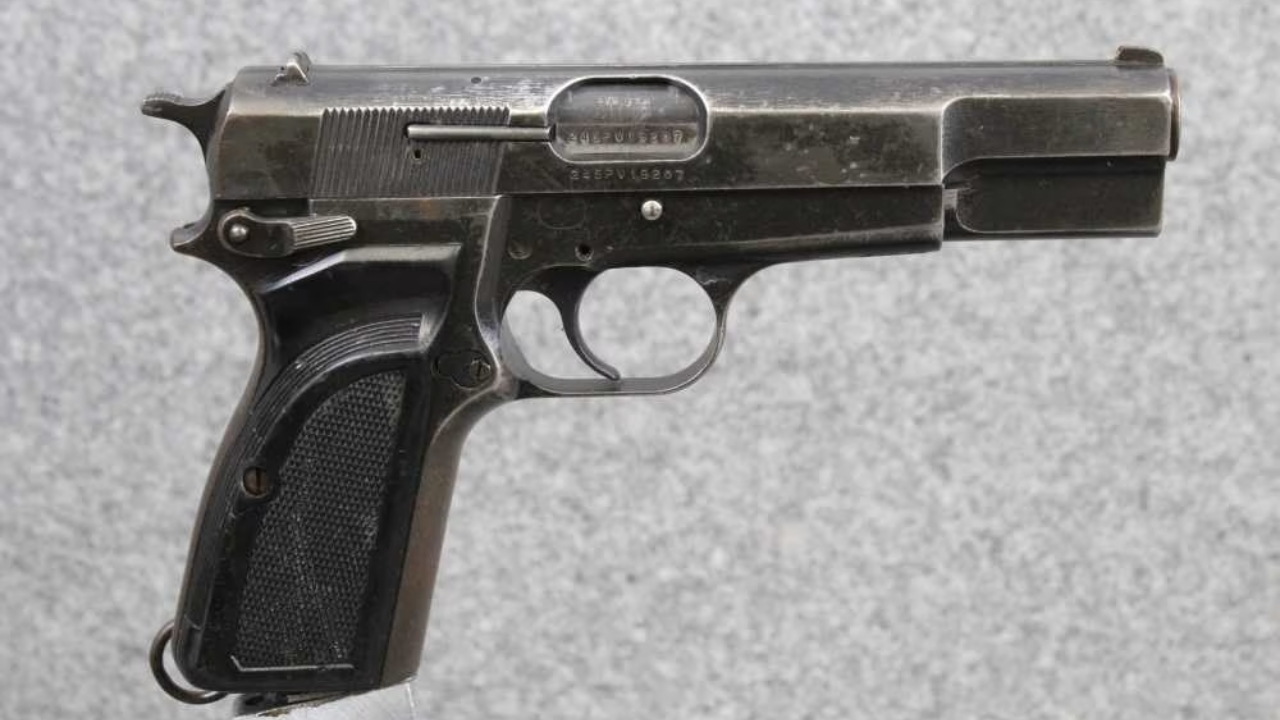
The Browning Hi-Power makes people behave irrationally because it hits several pressure points at once. It has history, good looks, military pedigree, and the kind of classic-pistol reputation that makes buyers feel like they are stepping into something deeper than an ordinary purchase. Once someone decides they “need” a Hi-Power, logic starts slipping fast, especially if the pistol is Belgian and wearing decent finish.
That is when buyers start overlooking mismatched parts, weak magazines, odd wear, or inflated asking prices that would make no sense on a different gun. They tell themselves the market is only going higher or that they can always fix the details later. Maybe they can. Maybe they cannot. The point is that the Hi-Power often stops being a handgun and starts becoming an emotional quest, and emotional quests rarely lead to disciplined buying decisions.
Winchester Model 94

The Winchester Model 94 turns people irrational because it does not feel like merely buying a rifle. It feels like buying into deer-camp memory, American gun culture, and a version of the past people do not want to miss out on. A buyer sees one and starts thinking about grandparents, old truck racks, and hunting seasons that seem simpler in hindsight. That kind of nostalgia is powerful, and sellers know it.
Because of that, buyers start paying premiums for very average rifles simply because the name “Winchester 94” still lands hard. Common examples with nothing especially rare about them get treated like family heirlooms before the money even changes hands. A normal buyer who would reject an overpriced modern rifle in seconds suddenly becomes very flexible when a 94 is involved. That is how nostalgia quietly turns sound judgment into an expensive habit.
HK P7
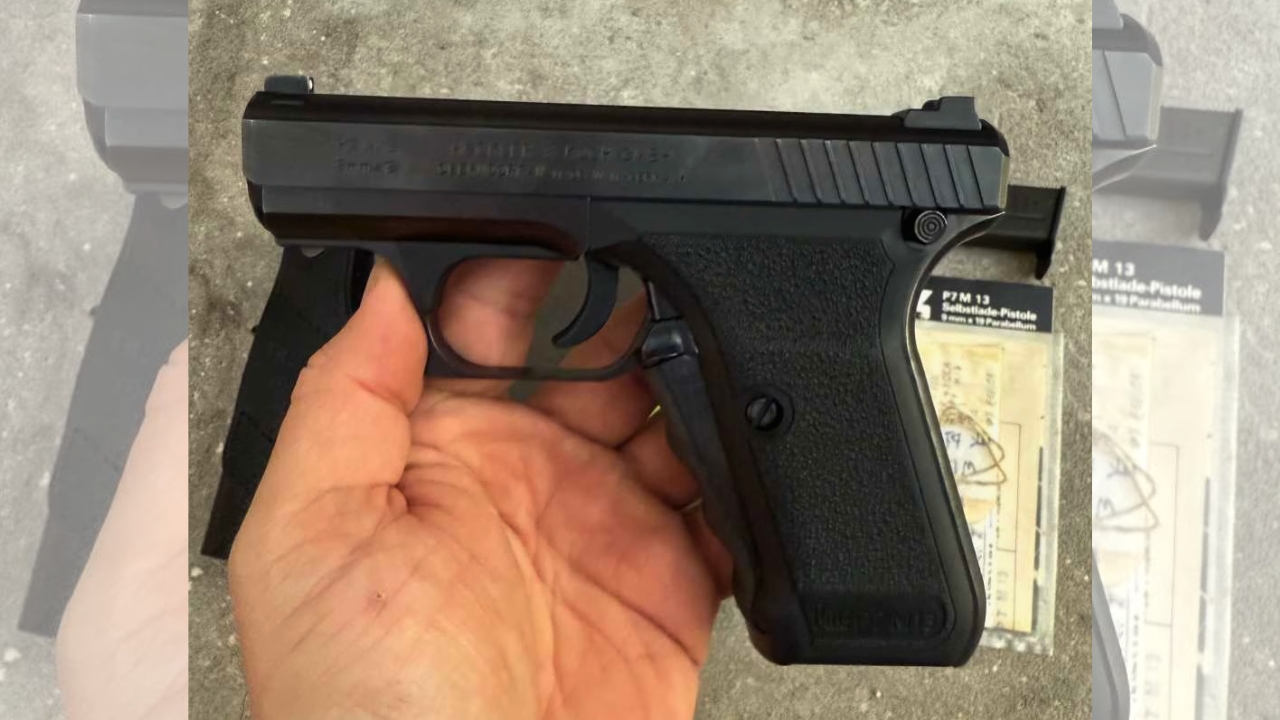
The HK P7 has a way of making practical shooters lose their practical instincts. On paper, they know it is expensive, older, and not necessarily easy to support forever. Then they hold one, feel the squeeze-cocker, hear all the talk about German engineering, and suddenly they are acting like they have stumbled across the last great secret in the handgun world. The mystique around the P7 is real, and it hits hard.
That is why buyers start making excuses for heat, cost, spare-parts worries, and prices that have climbed well beyond ordinary-pistol territory. They are not buying only a gun anymore. They are buying the feeling that they finally got the clever, elite little pistol collectors keep talking about. Once that happens, practical concerns stop carrying much weight. The P7 is exactly the kind of gun that makes otherwise disciplined buyers turn into romantics with a wallet problem.
Marlin 1895 Guide Gun
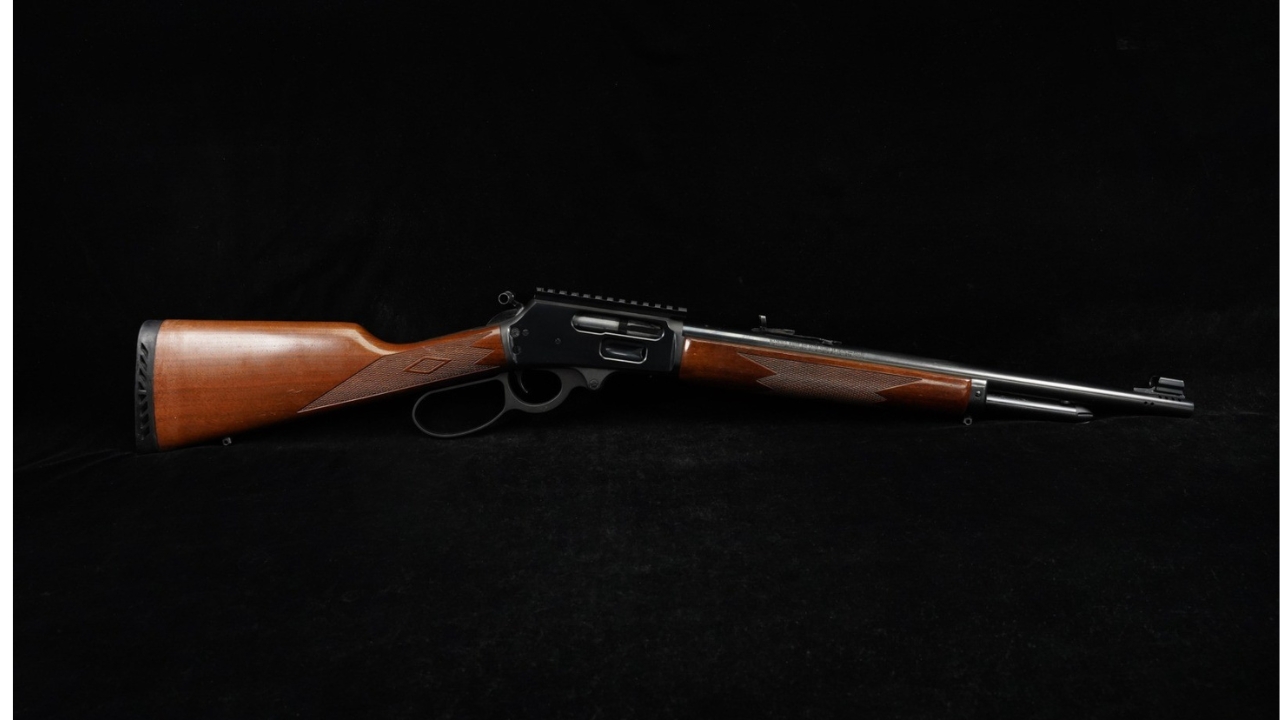
The Marlin 1895 Guide Gun makes people irrational because it sits right at the intersection of usefulness, rugged appeal, and lever-gun fever. Buyers picture Alaska, thick woods, bear country, and hard-hitting authority even if their real use case is mostly range trips and the occasional deer season. That image is strong enough to get people spending fast, especially when clean older Marlins show up.
The irrational part is how quickly buyers start justifying worn examples, inflated pricing, or questionable modifications because they are afraid of missing out. They remember when these rifles were cheaper, which somehow makes them even more willing to overpay now. Instead of slowing down, they panic-buy. That is what collector energy does when it mixes with practical fantasy. The rifle may be good, but people start buying the idea of the rifle, and that is where discipline usually dies.
Colt Single Action Army

The Colt Single Action Army does not have to do much to short-circuit common sense. The second people hear the name, they start thinking frontier history, American mythology, and the idea of owning a revolver that feels bigger than ordinary gun ownership. That is a powerful pull. Even buyers who know better can start acting like every old SAA is sacred the moment it lands in front of them.
That leads to all kinds of irrational behavior. People pay huge money for guns with weak provenance, suspect refinishing, or shaky originality because they are so focused on the model name itself. They want to own the legend, and the legend gives them permission to stop thinking clearly. With the Single Action Army, historical gravity can overwhelm good judgment in a hurry. People stop asking what this revolver is worth and start asking what owning one says about them.
Smith & Wesson Model 19
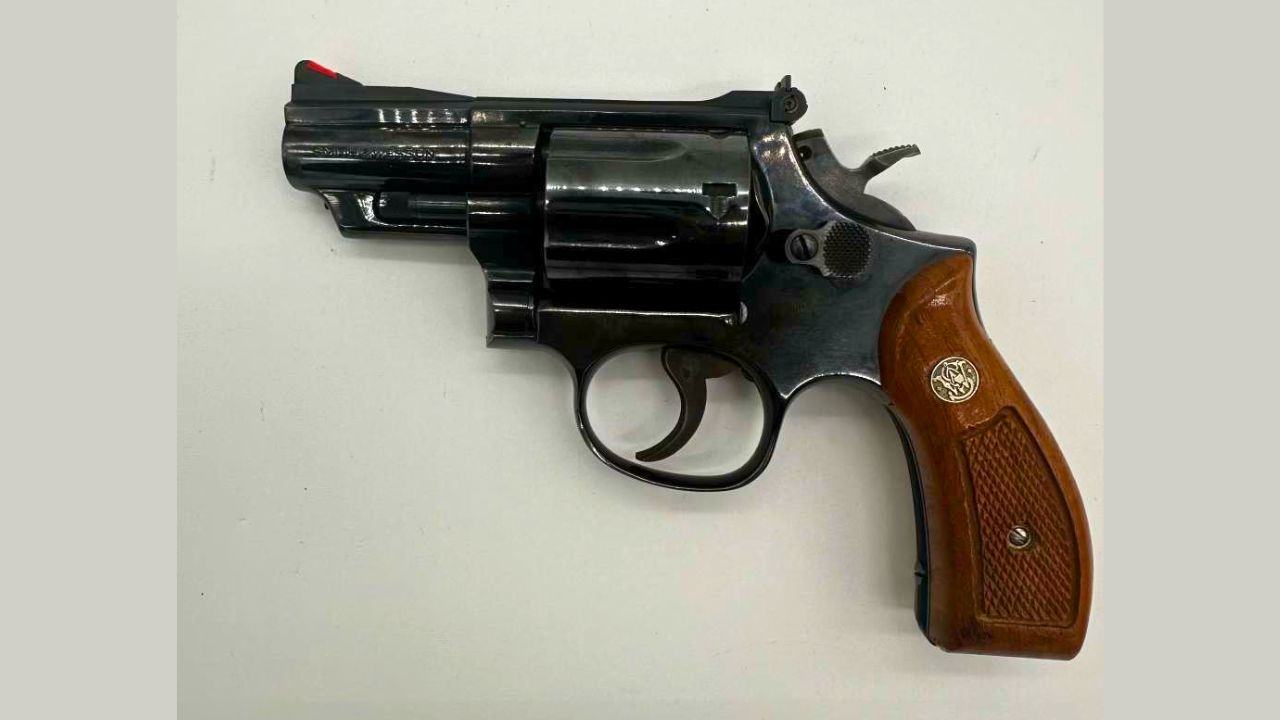
The Smith & Wesson Model 19 makes buyers irrational in a quieter way than some flashier collector guns, but it still happens all the time. People pick one up, feel the balance, admire the bluing, and suddenly start talking like they have found the last honest revolver ever made. That emotional shift happens fast, especially with pinned-and-recessed examples or cleaner older guns that remind buyers how much they like classic Smith craftsmanship.
Then the compromise starts. Buyers ignore timing concerns, overlook replaced grips, or accept prices they would normally challenge because they do not want to lose the gun. The Model 19 creates that effect because it feels both collectible and usable, which is a dangerous mix for disciplined shopping. Once a gun feels like something you could admire and actually enjoy, the temptation to overpay gets a lot stronger.
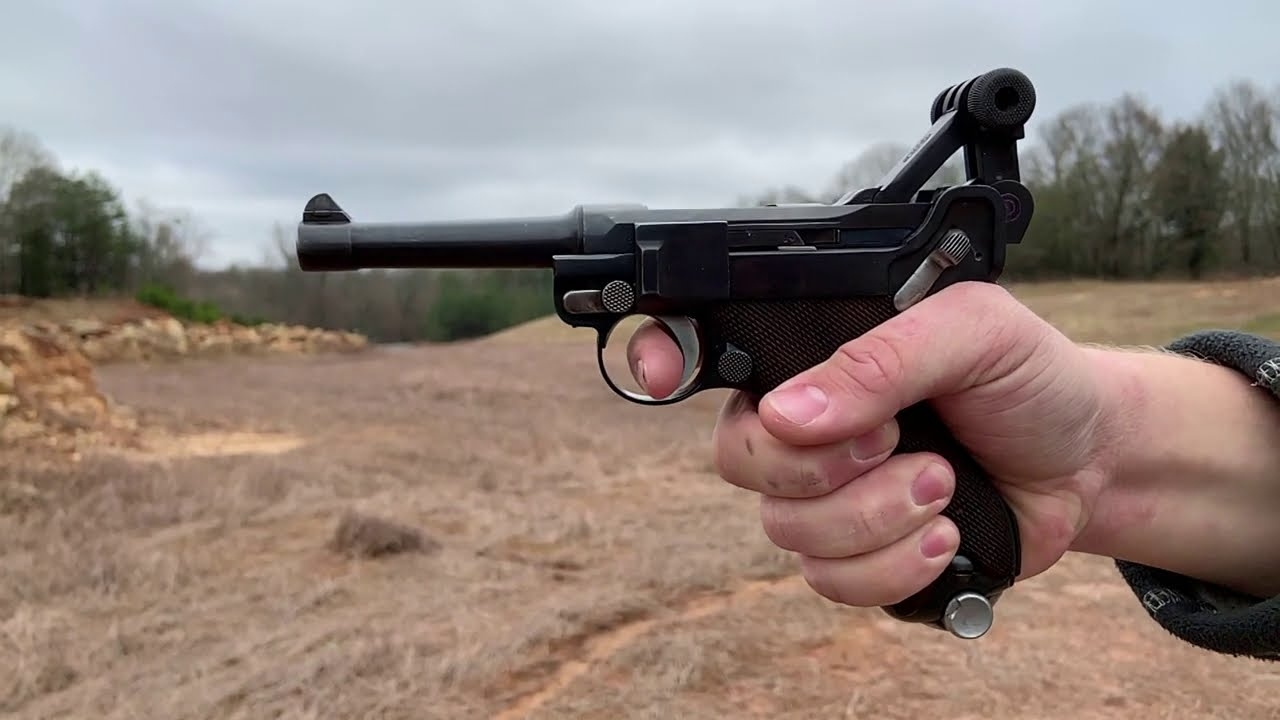
Luger P08
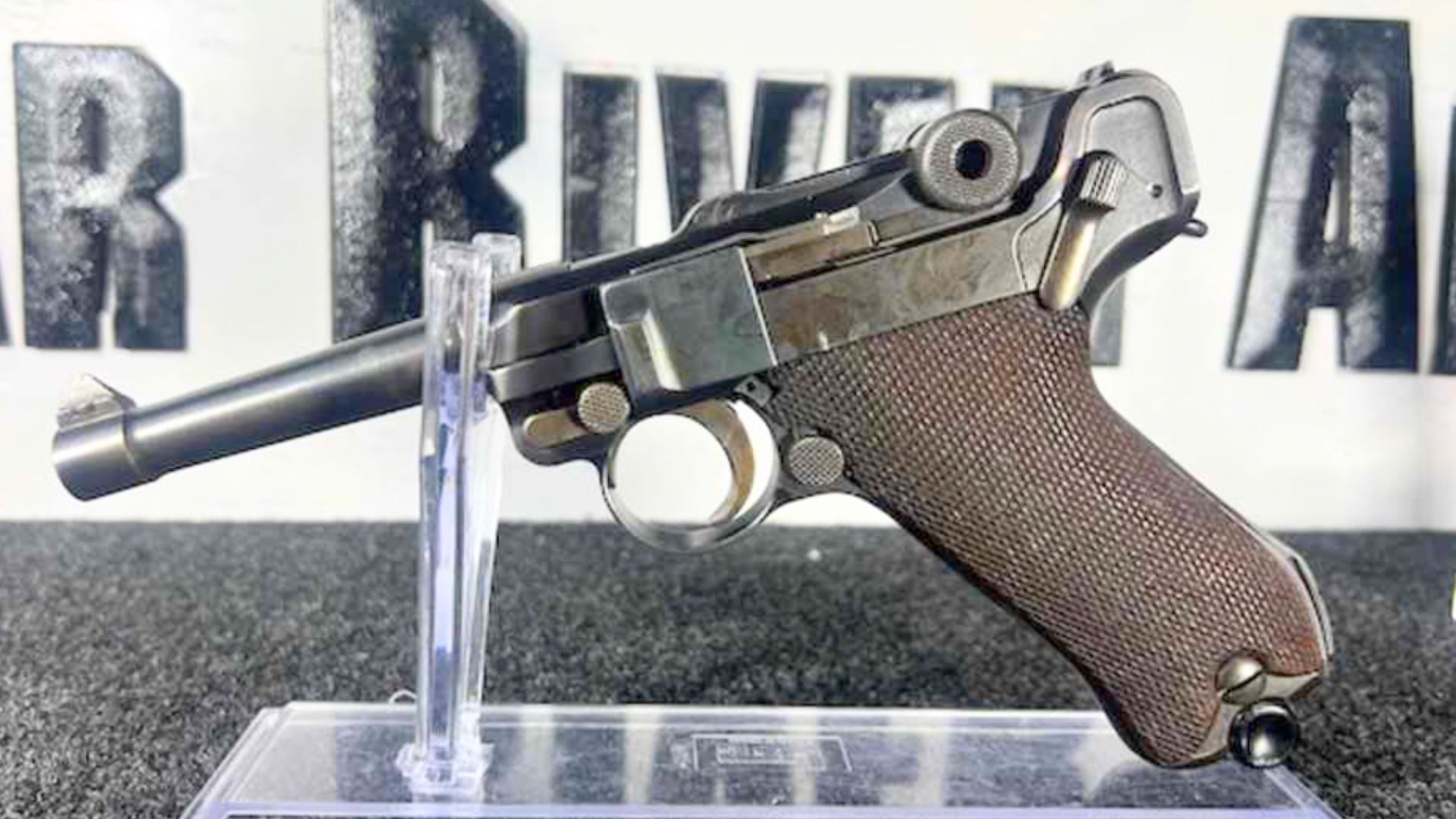
The Luger P08 turns people irrational because it barely feels like a normal handgun purchase at all. It feels like buying a piece of history that everybody instantly recognizes. The shape alone does most of the damage. Buyers see it and stop thinking like shooters. They start thinking like curators, historians, and people who want to own something iconic whether or not the specific example in front of them is actually a smart buy.
That is why buyers tolerate all kinds of issues they would never accept elsewhere. Matching numbers get stretched into “mostly matching.” Condition problems become “honest wear.” Dubious stories gain sudden credibility because the buyer wants the whole thing to be true. The Luger has a way of making people want the fantasy badly enough that they start negotiating against themselves. Once that happens, rational buying is basically over.
Ruger No. 1
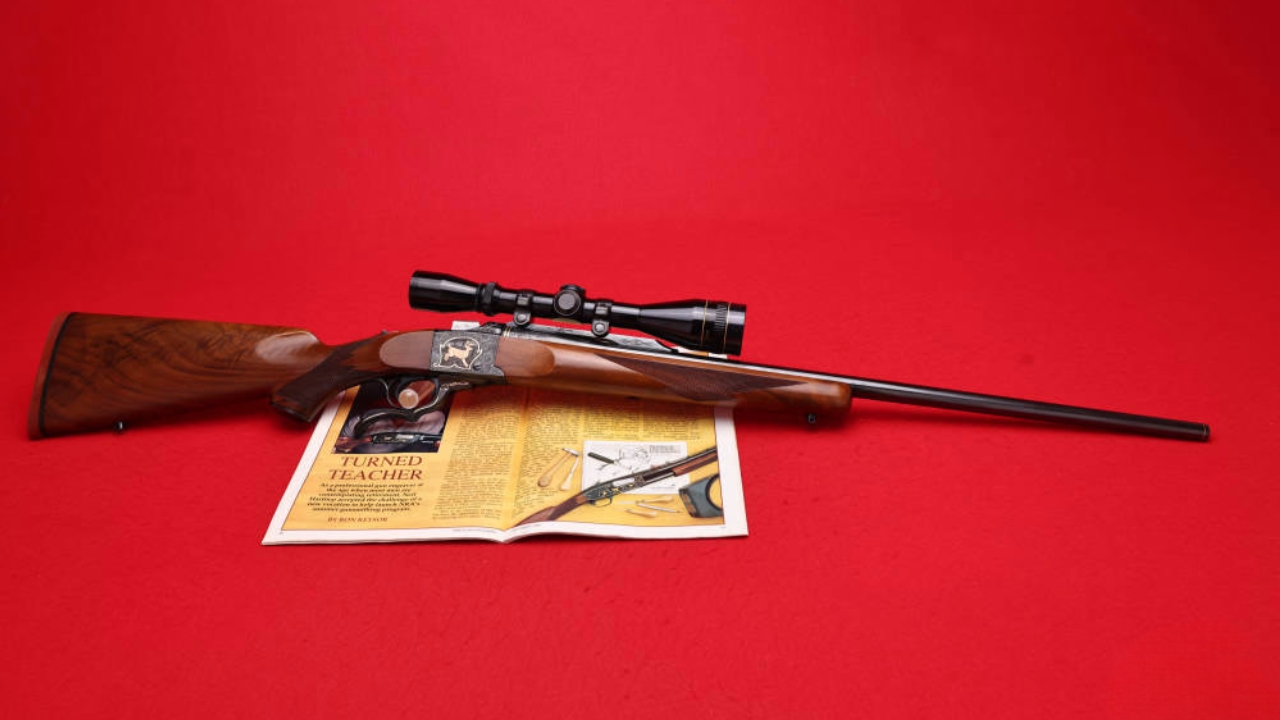
The Ruger No. 1 turns people irrational because it feels classy in a way very few rifles do anymore. Buyers see one with strong wood and a clean profile and start imagining themselves as the kind of shooter who appreciates elegance over convenience. That fantasy matters. It makes the rifle feel like more than a single-shot. It feels like a statement about taste, restraint, and having better judgment than the average buyer.
Ironically, that is exactly when judgment starts slipping. People overpay for chamberings they do not need, configurations they barely understand, or rifles that are priced more on style than actual demand. The No. 1 gets treated like art by people who should probably be shopping like hunters. It is not that the rifle lacks merit. It is that the image of the rifle can get so strong that buyers stop caring whether the numbers still make sense.
SIG Sauer P226 West German

A West German SIG P226 can turn regular buyers into irrational people because it combines the comfort of a known service pistol with the collector energy of “the good old ones.” The phrase alone does damage. Once buyers convince themselves they are looking at a superior era of SIG production, every clean older P226 starts feeling like a chance they cannot afford to lose, even when the actual differences are smaller than the emotional differences.
That is when asking prices get forgiven and practical concerns fade. Holster wear becomes character. Box and papers suddenly feel worth hundreds more. Buyers who would usually care about value start chasing the mood of owning a classic German SIG instead. Some of that appeal is real. A lot of it is also collector psychology at work. The gun becomes a symbol of quality remembered more than it is examined in the moment.
Winchester 9422

The Winchester 9422 makes people irrational because it takes something as ordinary as a rimfire and wraps it in enough quality and nostalgia to make buyers act like they have discovered buried treasure. Lever-action fans already have weak resistance to anything that feels old-school and well made. Add the Winchester name and a polished, compact .22 package, and people start reaching for their wallets before the inspection is even over.
That is how average examples start bringing money that surprises everyone except the most emotionally invested buyer. They are not always evaluating the rifle on practical merit. They are reacting to the feeling that these are not coming back, and that if they pass now, somebody else will grab it. Fear of missing out is strong in collector markets, and the 9422 triggers it hard because it looks like the kind of rifle nobody should have let get scarce.
Colt Detective Special

The Colt Detective Special creates irrational buyers because it feels like an actual classic carry revolver, not some oversized collector toy that belongs behind glass. That matters. It feels relevant, sharp, and connected to an era people still admire. A buyer can easily convince himself he is not overpaying for nostalgia because the gun still makes sense as an object. It is easier to overspend when the gun still feels useful.
That is why people let a lot slide with these guns. Finish wear, timing questions, replaced grips, and inflated prices suddenly do not seem like deal breakers. The Colt name carries enough emotional weight to keep people leaning forward even when the details should slow them down. A Detective Special can make someone feel like he is buying character, history, and practical style all at once, and that combination is hard on self-control.
Pre-64 Winchester Model 70

The pre-64 Winchester Model 70 may be the ultimate example of a rifle that turns normal buyers irrational. The second that label comes up, buyers stop acting like they are shopping and start acting like they are auditioning for membership in some old-school rifleman’s club. The phrase carries so much collector force that even people who cannot clearly explain the details still know they are supposed to care.
That kind of reputation gives sellers enormous leverage. Buyers start ignoring condition concerns, overvaluing common chamberings, and stretching budgets simply because the rifle checks the “pre-64” box. They are not always buying the individual gun. They are buying the identity that comes with owning one. That is a dangerous mindset because it makes the label feel more important than the rifle in front of them, and once that happens, irrational money is never far behind.
Beretta 92FS Inox
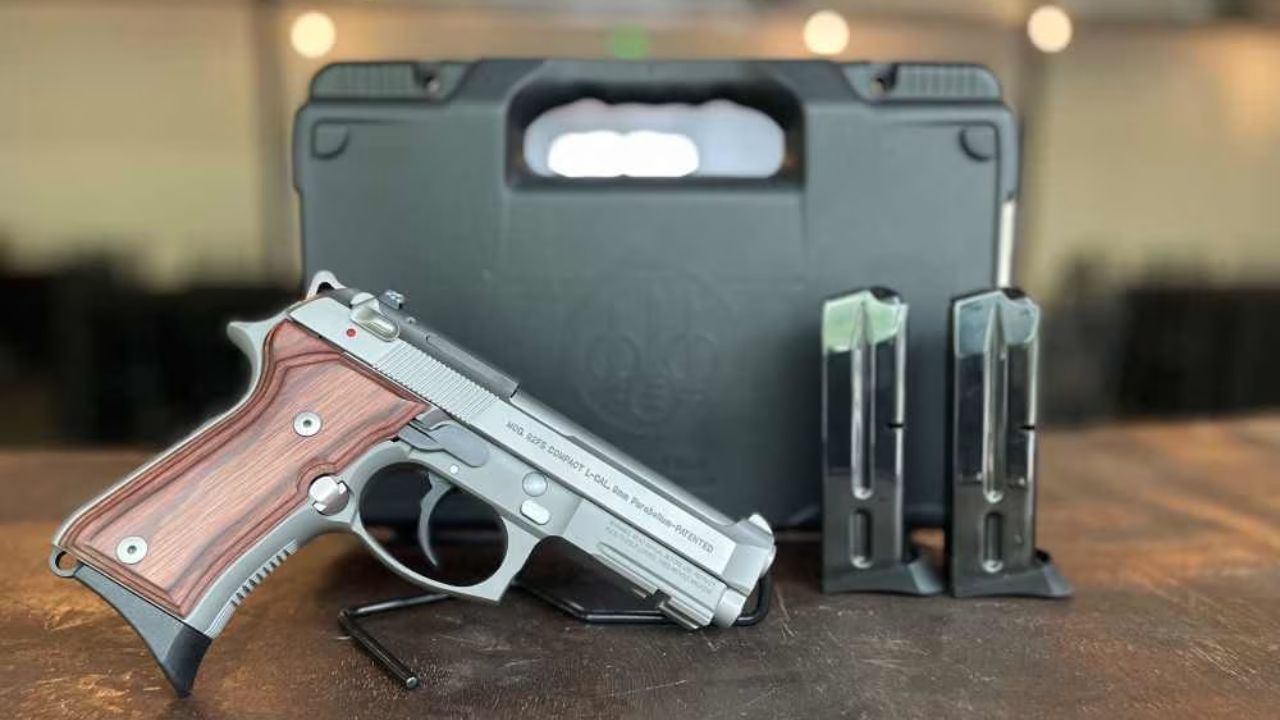
The Beretta 92FS Inox makes people irrational because it takes a familiar pistol and adds enough visual charm to make buyers act like it is something much rarer than it often is. Stainless guns always seem to hit a little differently, and the Inox version has a way of making even casual Beretta fans start talking like they have found the perfect mix of service-pistol credibility and collector style.
That leads to buyers paying more than they should for examples that are nice but not necessarily special. They tell themselves the market will keep moving, or that they have always wanted one, or that the Inox just “feels right.” All of that may be true, but it also creates the sort of emotional pressure that pushes buyers past the point where they are thinking clearly. A good-looking variation can do that, especially when the base gun already has a strong following.
Savage 99

The Savage 99 makes collectors irrational because it combines real history with an underdog aura that makes people feel smarter for chasing it. It is not as obvious a flex as a Python or a pre-64 Model 70, which actually helps. Buyers feel like they are in on something more subtle, more informed, and maybe more meaningful than the headline-grabbing collector guns everybody else already knows.
That sense of being in the know makes people surprisingly willing to overpay once they find a clean one in a desirable chambering. They start thinking about scarcity, old deer camps, and the uniqueness of the design, and pretty soon they are excusing price creep they would reject on a more common rifle. The Savage 99 does not create loud irrationality. It creates thoughtful-sounding irrationality, which may be even harder to resist.
Browning Auto-5
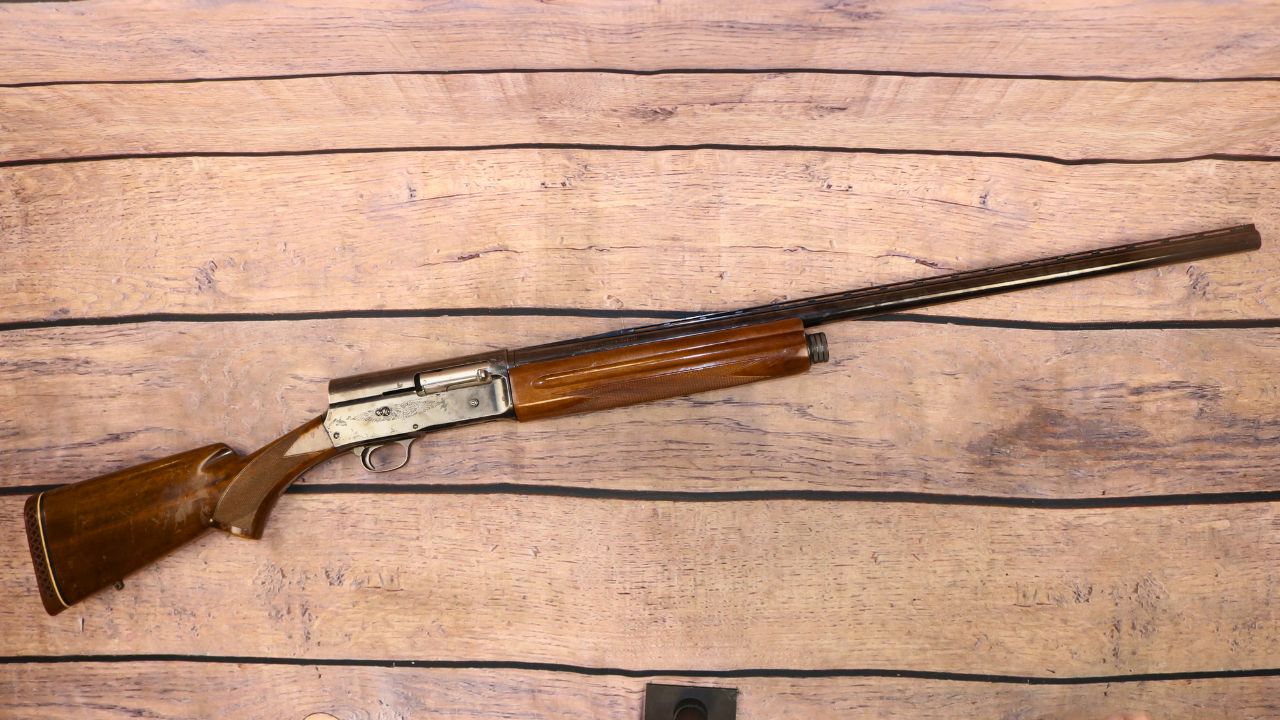
The Browning Auto-5 turns normal buyers irrational because it feels like buying into old-world quality and real gunmaking history at the same time. The humpback profile is iconic, the Browning connection carries weight, and the whole shotgun seems to invite the buyer to imagine a better era of sporting arms. That emotional pull can hit hard even on people who did not walk in planning to buy a classic shotgun.
Then the usual collector mistakes start. Buyers overpay for condition that is not as clean as they think, ignore mismatched barrels or altered parts, and fall in love with the silhouette before they study the specifics. The Auto-5 has enough built-in romance to make people move too fast. Once they decide they want one, a lot of them stop shopping like skeptics and start shopping like believers, which is rarely the cheapest way to do it.
Like The Avid Outdoorsman’s content? Be sure to follow us.
Here’s more from us: