Photo credit: SUNDAY GUNDAY/YouTube
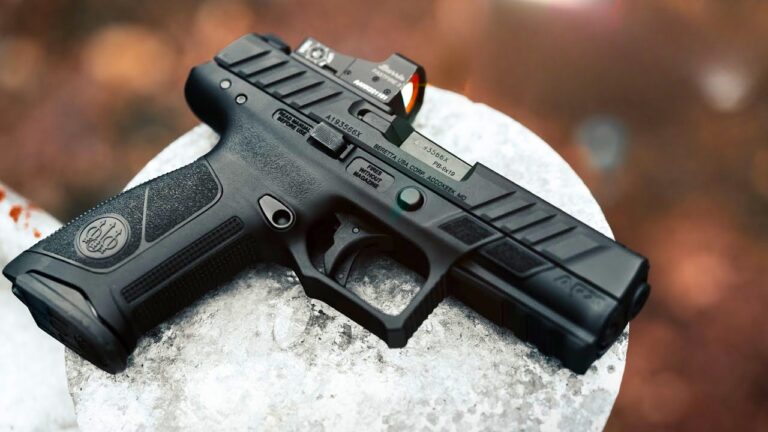
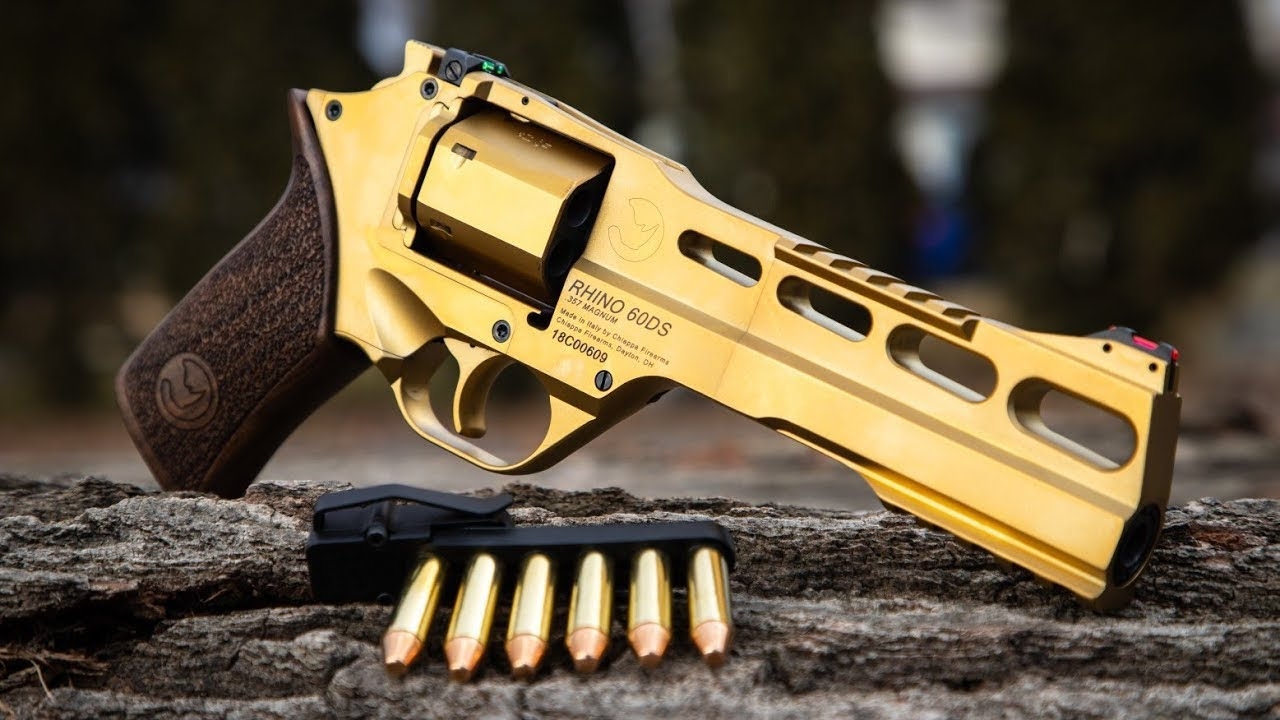
Some guns are built to do real work. Others are built to get picked up, stared at, talked about, and shown off. That does not always make them useless, but it does change the reason people buy them. A lot of these firearms move because they look wild in the case, sound impressive in conversation, or carry enough movie, internet, or range-lane swagger to make the owner feel like they bought something special. Then the actual shooting starts, and the gap between attention and performance becomes pretty hard to ignore.
That is where experienced shooters usually lose patience. They know a gun can be fun and still not be especially good. They know flashy features, huge size, weird layouts, and gimmick-heavy designs do not automatically make a firearm more capable. In many cases, these are the guns people buy because they want reactions first and results second. Here are 15 that fit that pattern better than their owners usually want to admit.
Desert Eagle

The Desert Eagle may be the king of this whole category. People buy it because it is huge, recognizable, loud, and impossible to ignore. It carries movie-star status in the gun world, and a lot of buyers want that feeling more than they want a handgun that is actually practical, comfortable, or easy to live with. In the case, it looks like pure authority.
At the range, though, the limitations show up fast. It is heavy, awkward for many shooters, expensive to feed, and far more about spectacle than everyday usefulness. That does not mean it cannot be fun in short bursts. It means the main draw is almost always the reaction it gets. Most people are chasing the image, not the performance.
Taurus Judge

The Judge sells attention better than almost any revolver on the rack. New buyers hear the .410 pitch, see the oversized cylinder, and start imagining some kind of ultimate do-it-all defensive handgun. It feels dramatic and different, which is exactly why it gets picked up so often by people who want something that sounds more impressive than the usual revolver.
The problem is that it rarely shines the way people expect once the shooting starts. It is bulky, awkward, and built around a concept that creates more compromise than real advantage. A lot of owners enjoy talking about what it can chamber a lot more than they enjoy what it actually does. It wins attention easily. Performance is another story.
Bond Arms derringers

Bond Arms derringers look like serious little pocket cannons. Heavy steel, polished finish, and that tiny overbuilt shape give buyers the feeling they are getting something tough, unusual, and conversation-worthy. That is a huge part of the appeal. They are memorable the second somebody sees one, and that alone drives plenty of sales.
Then range time arrives and reality settles in. They can be harsh, limited, and far less satisfying to shoot than they look in the hand. The actual usefulness is much narrower than the attitude they project. A lot of buyers are drawn in by the look of rugged compact power, but the performance side usually does not keep pace with the cool-factor pitch.
KelTec KSG

The KSG is built to turn heads. The bullpup layout, short overall length, and dual magazine tubes make it look like the smartest shotgun in the room before anyone even loads it. Buyers love the idea of all that capacity in such a compact package, and the look alone makes it feel like a leap ahead of more ordinary pump guns.
Once it gets to the range, that excitement can cool off fast. The manual of arms takes getting used to, recoil is not especially friendly, and the overall shooting experience often feels less polished than buyers hoped. It is not that the KSG cannot work. It is that a lot of people bought it for the reaction it gets, not because they truly wanted the most efficient, easiest shotgun to run.
Chiappa Rhino
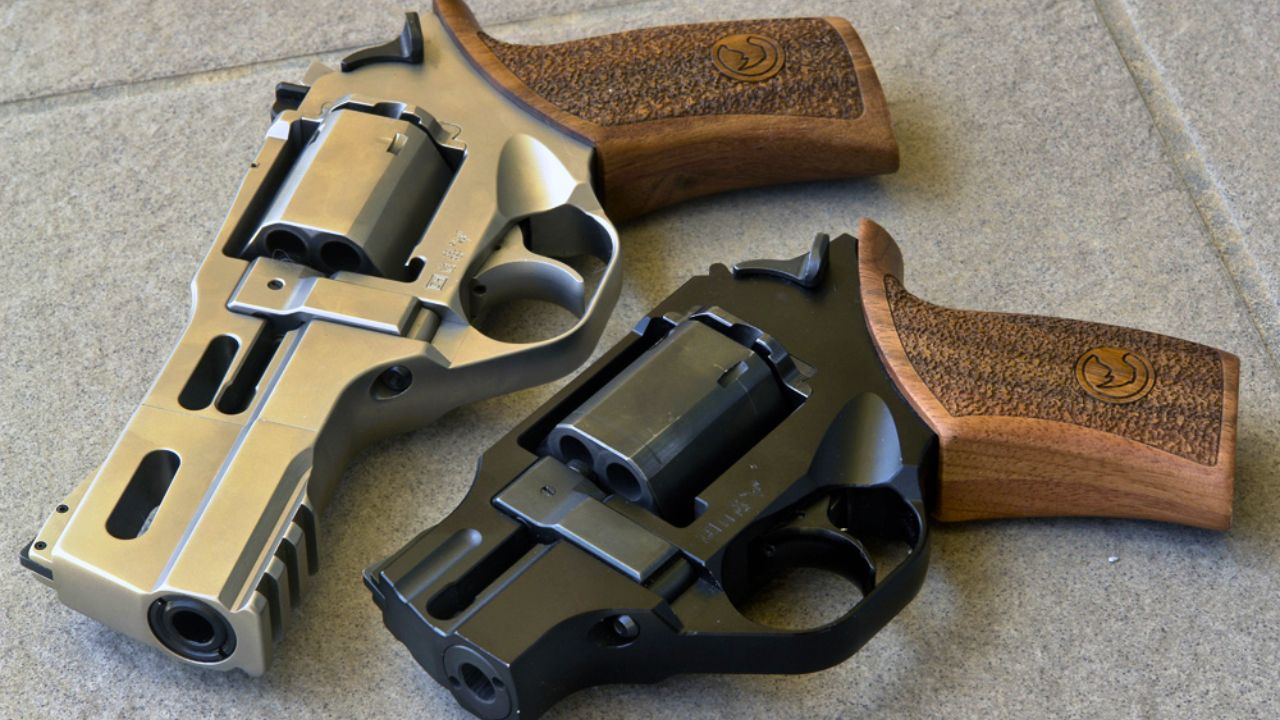
The Rhino is one of those revolvers people buy because they want everyone to notice they did not choose a normal revolver. The low bore axis, angular frame, and futuristic look make it feel like an engineer’s answer to old-school wheelguns. It absolutely stands out, and for a lot of buyers, that is the whole point.
Some people end up liking them quite a bit, but plenty of others realize the novelty pulled harder than the actual shooting experience. The controls are unusual, the trigger feel is not for everyone, and the overall appeal can lean more on design story than on simple satisfaction. It gets attention immediately. Whether it delivers enough in return is a different question.
DP-12

The DP-12 looks like it was designed by someone asking how to make a shotgun impossible to ignore. Twin barrels, big proportions, and a very aggressive style give it instant wow factor. Buyers see it and assume it must outperform ordinary shotguns simply because it looks twice as intense and twice as complicated.
Then they spend time trying to run it well. The bulk is real, the weight is real, and the handling is often less natural than people expected. This is a classic attention gun because the concept sells itself visually long before performance enters the discussion. People love showing one off. Fewer people seem eager to prove it is actually the smartest shotgun they could have bought.
Magnum Research BFR
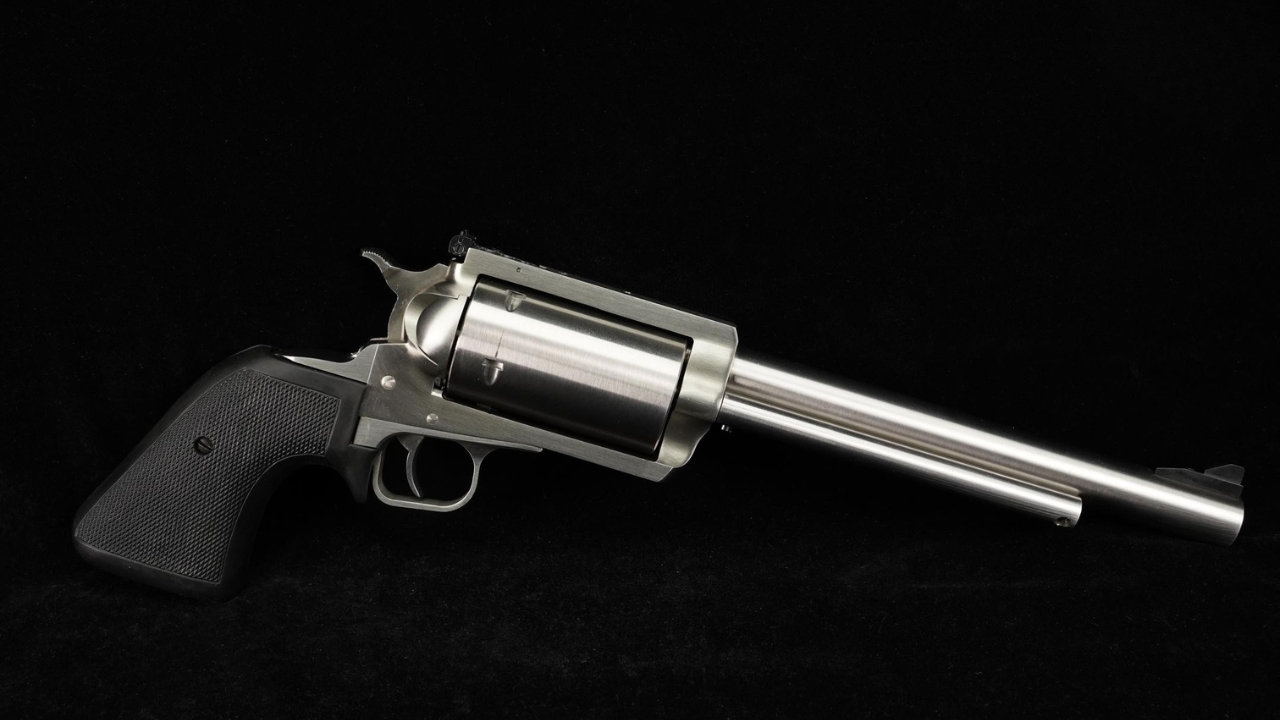
The BFR is pure spectacle. The size alone makes people grin, and chamberings with real thump only add to the drama. Buyers do not usually go looking for one because they want the most practical revolver for steady use. They want a hand cannon that gets comments the second the case opens and makes every range trip feel like an event.
The problem is that spectacle has a short shelf life once recoil, weight, and ammo cost start taking over the conversation. These revolvers can absolutely be fun, but they are more often bought for the reaction they create than for the number of meaningful jobs they actually do well. Attention is built into the purchase. Performance comes second.
Mossberg 500 Chainsaw

The Chainsaw version of the Mossberg 500 exists because attention sells. That top-mounted chainsaw grip makes the gun look wild on the rack and guarantees it will get talked about. Buyers who want something different get hooked fast because it looks like a harder, more aggressive version of a proven shotgun.
In practice, it does not really improve the shotgun in the ways that matter. It mostly changes how weird it feels and how quickly people gather around to look at it. Experienced shooters tend to see it as a normal pump dressed up to win reactions, not results. That is exactly what makes it fit here so well.
Coonan .357

A 1911-style pistol chambered in .357 Magnum sounds like one of those ideas that exists partly because it is impossible not to notice. Buyers are drawn to it because it looks like a smarter, more hardcore, more enthusiast-approved choice than a normal pistol. It has instant conversation value, and for many people that is enough to justify the purchase.
But once the novelty wears off, the tradeoffs get louder. It is specialized, harder to support than mainstream pistols, and often more impressive as a concept than as a long-term ownership experience. A lot of the draw comes from owning something unusual and dramatic. Performance is often treated like a bonus rather than the main reason to buy.
North American Arms mini revolvers

Mini revolvers sell because they are tiny enough to amaze people. They disappear in the hand, look like a joke until they are not, and have exactly the kind of novelty that gets passed around at gun counters and family gatherings. A lot of buyers see them and instantly want one because they are so unusual.
That does not mean they deliver much as true shooting tools. Tiny sights, tiny grips, and tiny practical value make them more interesting than rewarding for many owners. These are classic attention guns because their strongest feature is the reaction they get when somebody sees how small they are. The shooting performance is rarely the part people remember most.
Desert Tech HTI
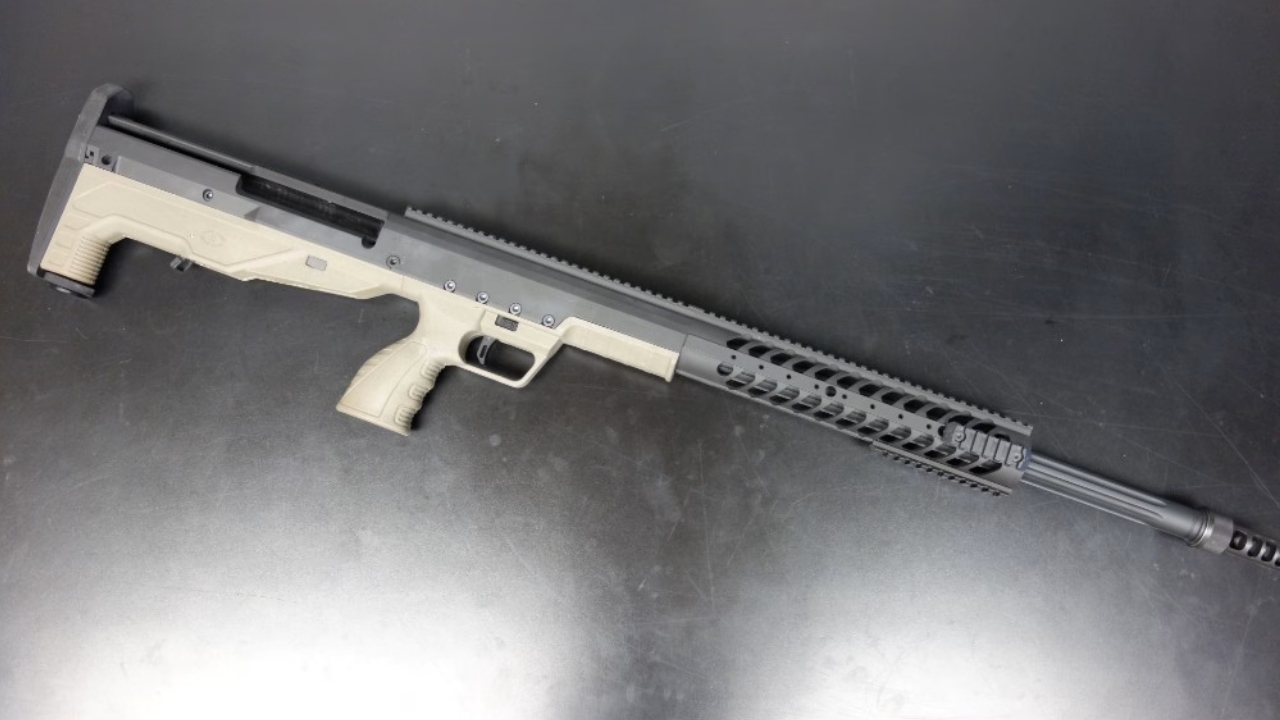
The HTI has the kind of look that immediately tells everyone in the room you wanted something extreme. Bullpup layout, massive cartridges, and a highly tactical appearance make it feel like a rifle built as much for impact as for practical use. Buyers are often pulled in by how serious and over-the-top it looks before they have any real reason to need what it offers.
That kind of purchase is often more about owning an eye-catching machine than filling a realistic role. Yes, it can perform, but the market for it includes plenty of people who want the biggest visual statement possible. It is a rifle that says a lot. Whether most buyers truly need its capabilities is another matter entirely.
Taurus Raging Judge
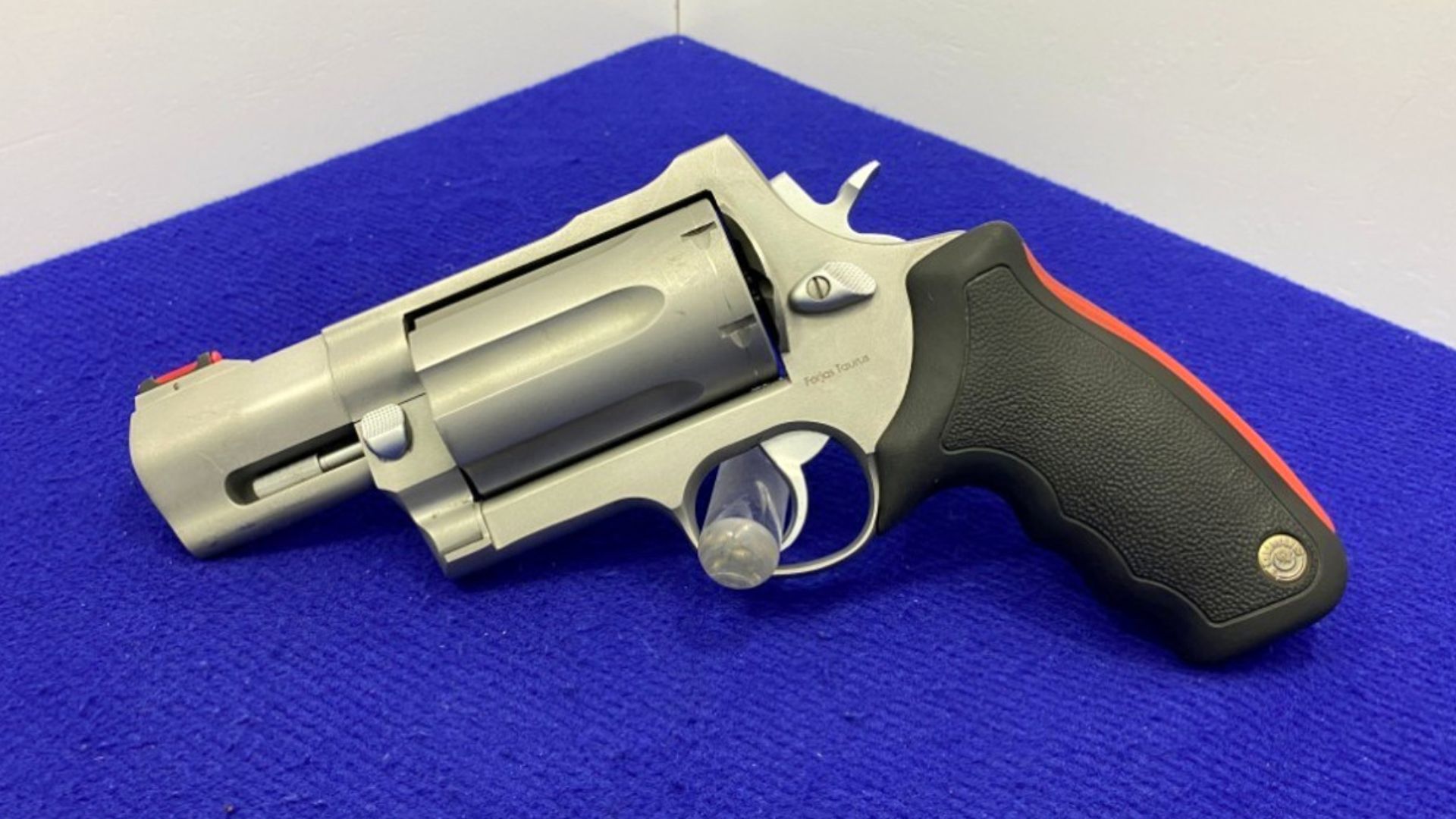
If the standard Judge was not attention-grabbing enough, the Raging Judge made sure nobody missed the point. It is larger, louder in appearance, and even more exaggerated in concept. Buyers do not stumble into one because they wanted subtlety. They buy it because it looks outrageous and carries the kind of oversized swagger that gets immediate attention.
The problem is that exaggerated concept rarely leads to a better real-world experience. The gun is huge, heavy, and still built around the same compromise-driven idea. It is far easier to admire in a display case or brag about in conversation than to justify as a smart performance-first choice. That is the whole pattern here.
Auto-Ordnance Thompson semiauto
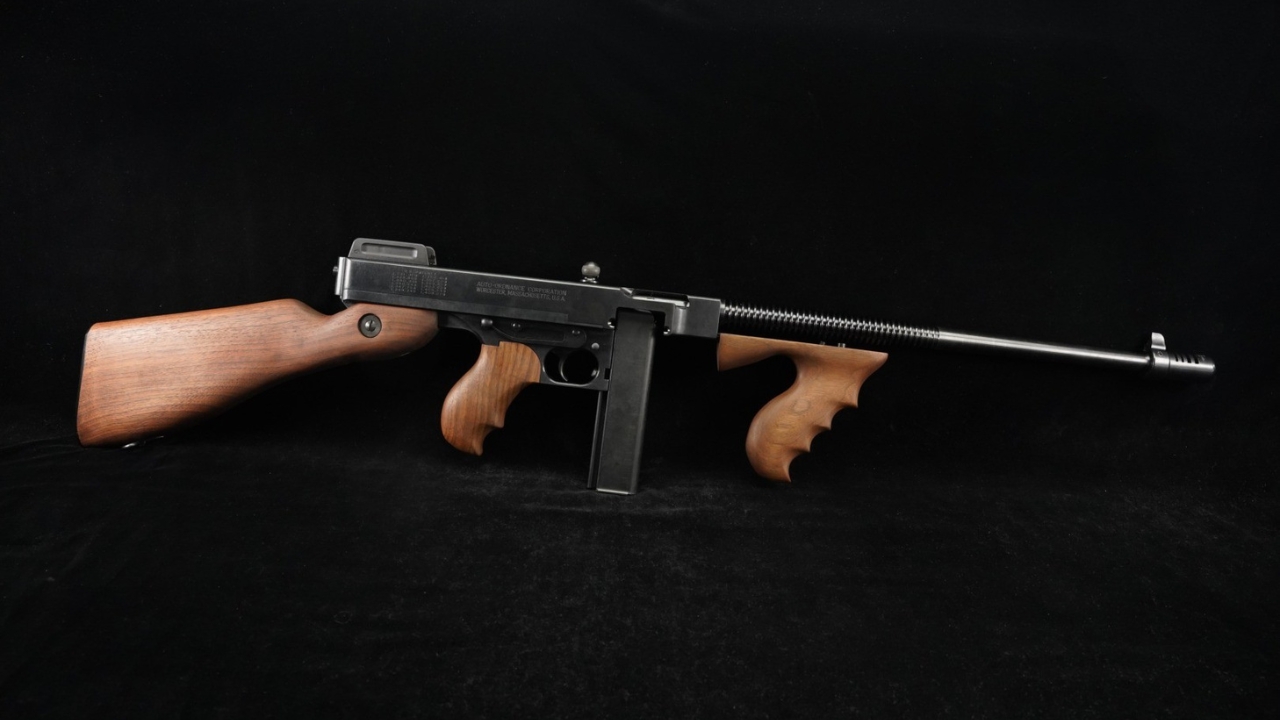
The semiauto Thompson has enormous presence. Drum magazines, classic lines, and all the historical cool in the world make it one of the easiest rifles to want for image alone. People buy them because they are iconic and because owning one feels like owning a piece of legend, even in semiauto form.
Then they actually carry and shoot one. The weight, awkwardness, and general reality of living with it remind people that iconic does not always mean efficient. This is one of those guns where the attention value is impossible to separate from the purchase. The performance is real enough, but it is not why most buyers wanted one in the first place.
KelTec PMR-30

The PMR-30 gets bought because it looks different and sounds clever. Thirty rounds of .22 Magnum in a lightweight pistol is exactly the kind of spec sheet people love showing off. It feels like something only a more creative, more informed buyer would appreciate, and that idea alone carries a lot of appeal.
But the attention side of the gun often stays stronger than the performance side. It is unusual, fun to talk about, and undeniably eye-catching, yet many owners seem more attached to the concept than to the actual shooting experience over time. It is one of those pistols people buy because they want to own the idea of something impressive.
S&W Governor
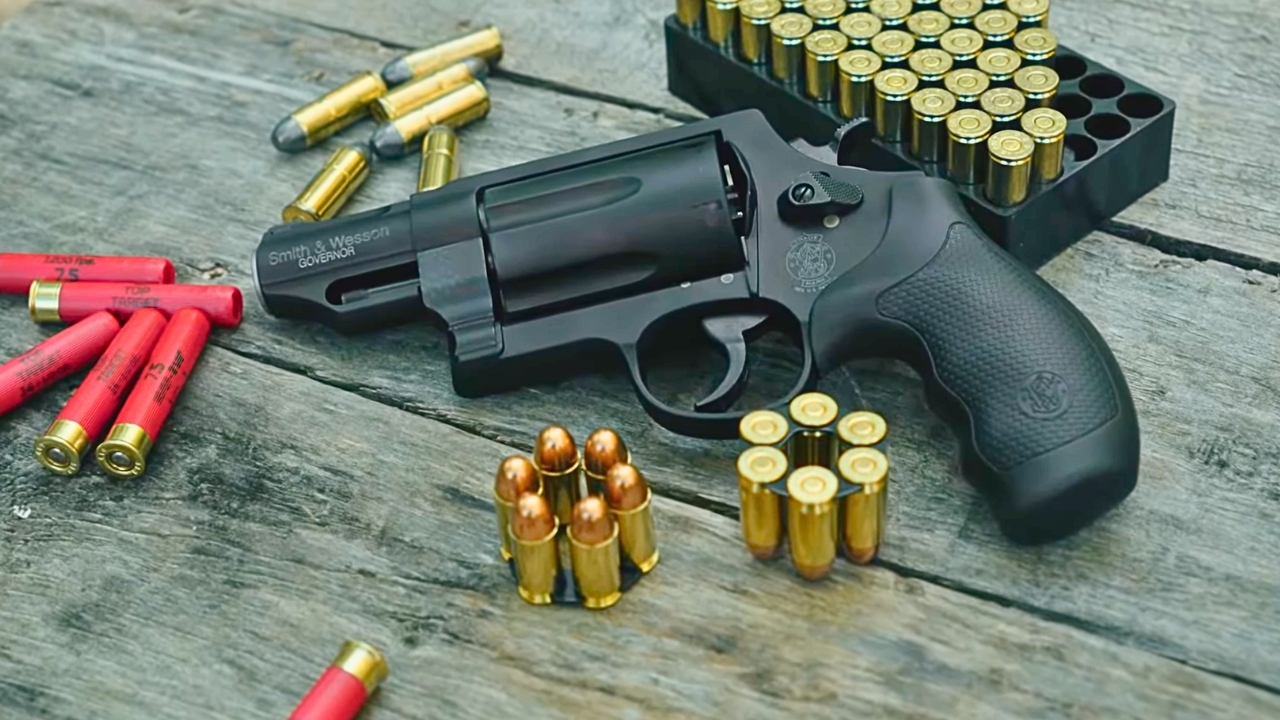
The Governor works the same lane as the Judge, but with Smith & Wesson branding helping sell the image. It looks imposing, sounds versatile, and immediately tells other people that you did not buy a boring revolver. That alone makes it attractive to buyers who want something different enough to spark a conversation every time the case opens.
Once the novelty wears off, the same issue tends to show up. It is bulky, compromise-heavy, and not really exceptional at any one task. That usually does not stop people from buying it, because the draw was never only performance. A big part of the appeal was always the reaction. In that sense, it does exactly what many buyers wanted. It gets attention.
HK VP70
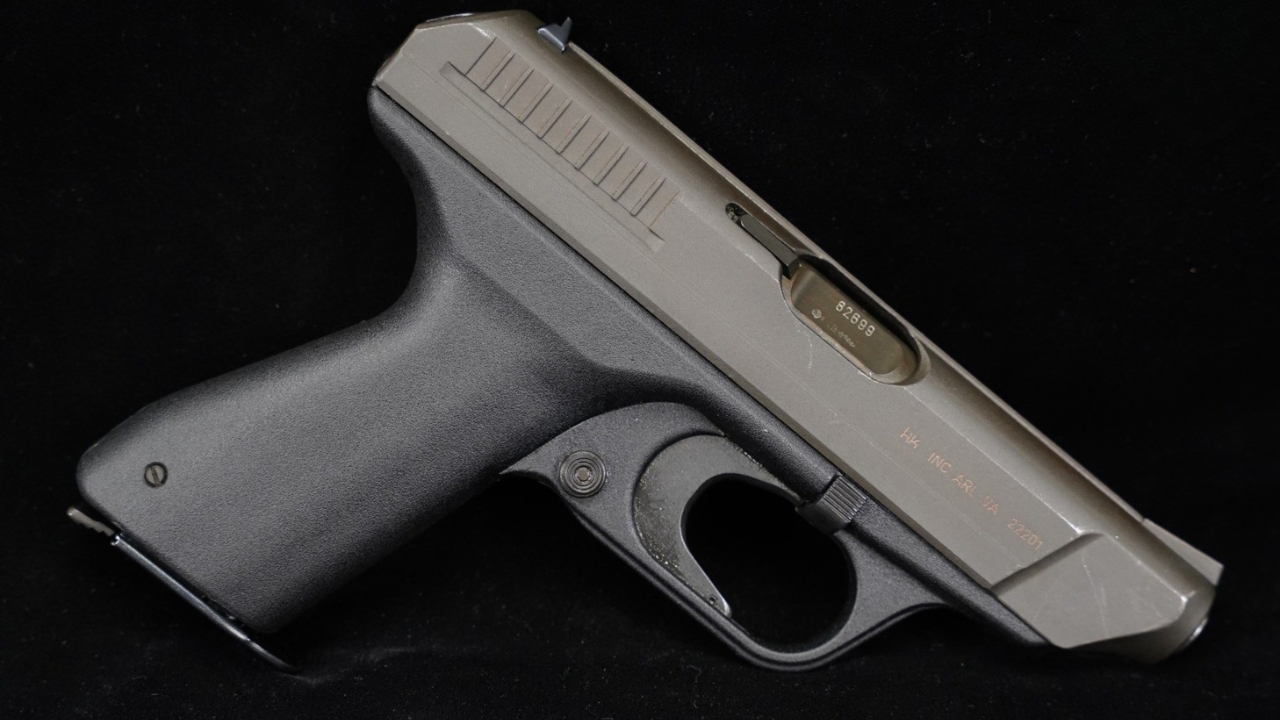
The VP70 is a little different from some others on this list because the attention it gets comes from oddity and history rather than flash. It looks unusual, feels unusual, and carries enough HK cachet to make collectors and curious buyers want one. A lot of the appeal is tied to how different it is from almost everything else in the pistol world.
That difference does not always translate into a great shooting experience. The trigger is infamous, the feel is divisive, and the gun often ends up being more respected as an artifact than appreciated as a pistol. People buy it because it is interesting, rare-looking, and worth talking about. That attention factor often does more work than the actual performance.
Like The Avid Outdoorsman’s content? Subscribe to our newsletter so you never miss an article.
Here’s more from us: