Photo credit: Lucky Gunner Ammo/YouTube
Some guns know exactly how to sell themselves. They look sharp in the case, sound impressive in the sales pitch, and seem like they solve problems better than they actually do. New buyers get pulled in by big promises, unusual features, or the idea that they are getting something more advanced than the usual safe choice. Then reality shows up at the range, in the holster, or during actual ownership.
Experienced shooters usually spot these guns for what they are a little faster, but that does not mean they enjoy dealing with them either. In a lot of cases, these firearms frustrate seasoned owners because the problems were predictable from the start. They are too picky, too awkward, too gimmicky, too expensive to feed, or simply not as useful as they first appear. Here are 15 firearms that tend to fool new buyers and irritate people who know better.
Taurus Judge

The Judge is one of the easiest guns on the market to sell to a new buyer. It looks powerful, sounds versatile, and gives off the impression that it can handle anything you throw at it. The .410 and .45 Colt combo makes it seem like some kind of do-it-all revolver that offers more flexibility than a standard handgun.
That pitch falls apart fast once people actually start shooting it. The size is bulky, the handling is clumsy, and the performance rarely matches the fantasy that sold it. Experienced shooters usually get frustrated because they know the gun is built around a concept more than a practical advantage. It is memorable, sure, but not always for the reasons owners hoped.
KelTec KSG

The KSG grabs new buyers because it looks futuristic and compact while offering impressive on-paper capacity. In the store, it seems like a brilliant defensive shotgun that outsmarts traditional pump guns. A short bullpup layout and dual magazine tubes sound like a winning combination when you are looking at features instead of living with the gun.
Then range time reminds people that clever does not always mean enjoyable. The controls take getting used to, loading can be annoying, and recoil has a way of making the whole package feel less fun than it looked under the lights. Experienced shooters often find it frustrating because they can see how much effort it takes to get modest real-world gains.
Desert Eagle
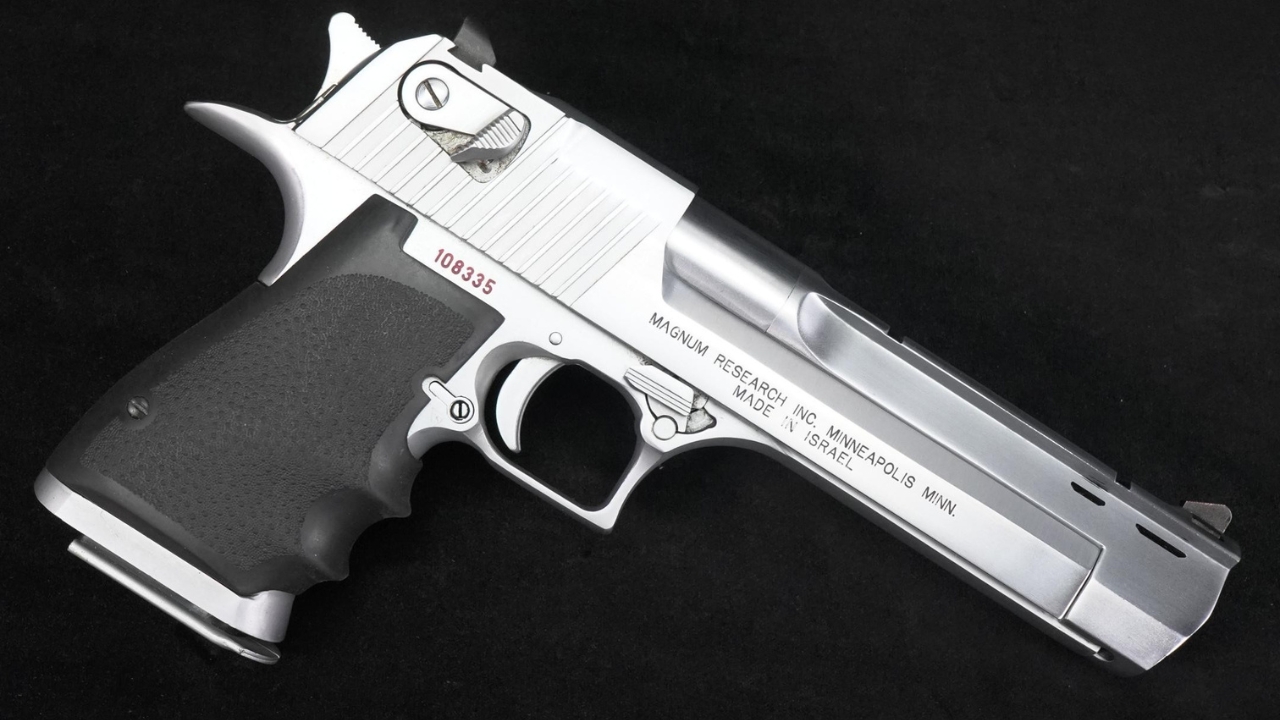
The Desert Eagle fools new buyers with pure presence. It is huge, iconic, and looks like the ultimate handgun for someone who wants power and attention in one oversized package. A lot of people buy one thinking it will be the most exciting pistol they have ever owned.
Then they realize that impressive and enjoyable are not always the same thing. It is heavy, expensive to feed, and a lot less practical than its image suggests. Experienced shooters often get tired of them quickly because the novelty burns off faster than the ammo bill. It looks incredible in the case, but that does not guarantee much after the first few range sessions.
Bond Arms derringers
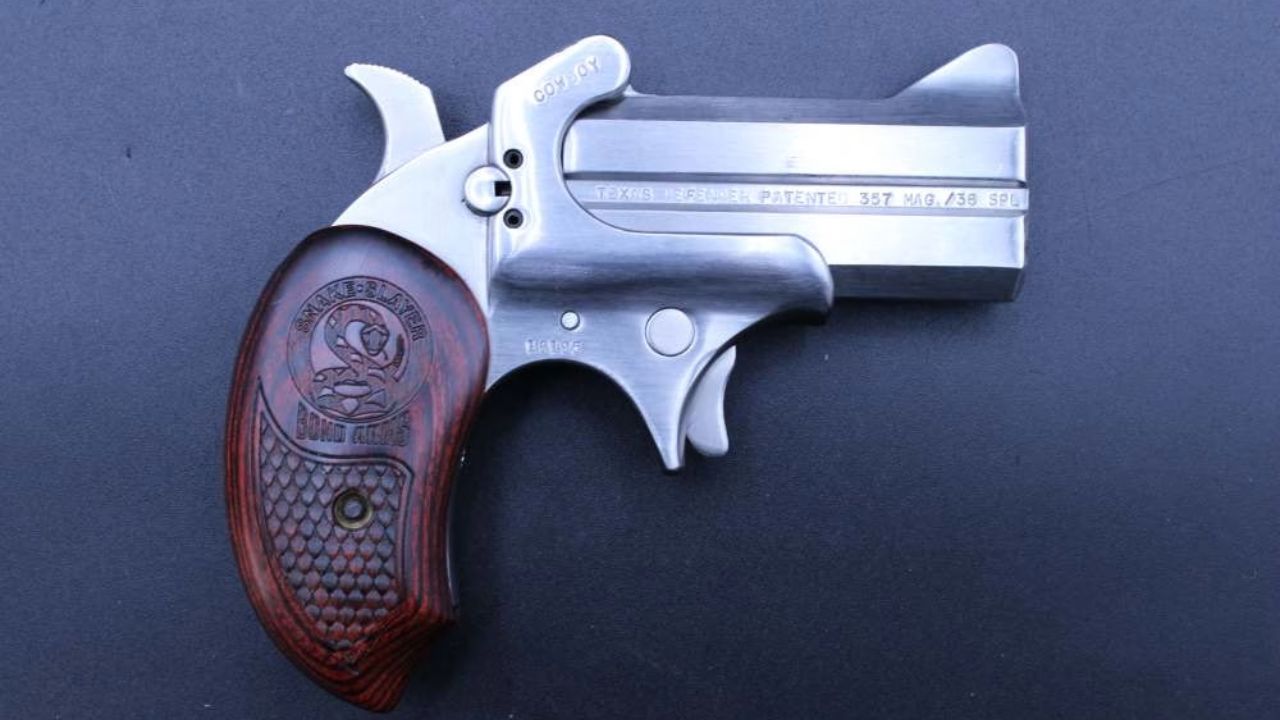
Bond Arms derringers look like serious little powerhouses to inexperienced buyers. They are all steel, feel hefty for their size, and seem like compact defensive tools with real toughness behind them. A new buyer picks one up and immediately thinks they are getting something sturdy and more capable than the tiny size suggests.
Then they shoot it. Recoil is sharp, handling is limited, and the actual range experience can be punishing compared to what that polished little package promised. Experienced shooters tend to get frustrated because they know build quality alone does not make a gun practical or pleasant. These pistols often sell on appearance and attitude more than on genuine usefulness.
Chiappa Rhino

The Rhino fools people by looking like it solved revolvers. New buyers see the low bore axis, unusual frame shape, and modern styling and assume they are looking at a smarter, better wheelgun. It has the kind of design that makes people believe they are buying innovation instead of compromise.
For some owners it works out, but for plenty of others the excitement fades once they actually start shooting it regularly. The trigger feel can be divisive, the controls are different in ways not everybody enjoys, and the whole experience often feels more unusual than better. That frustrates experienced shooters because they know being different does not automatically mean the result is more satisfying.
Walther P22
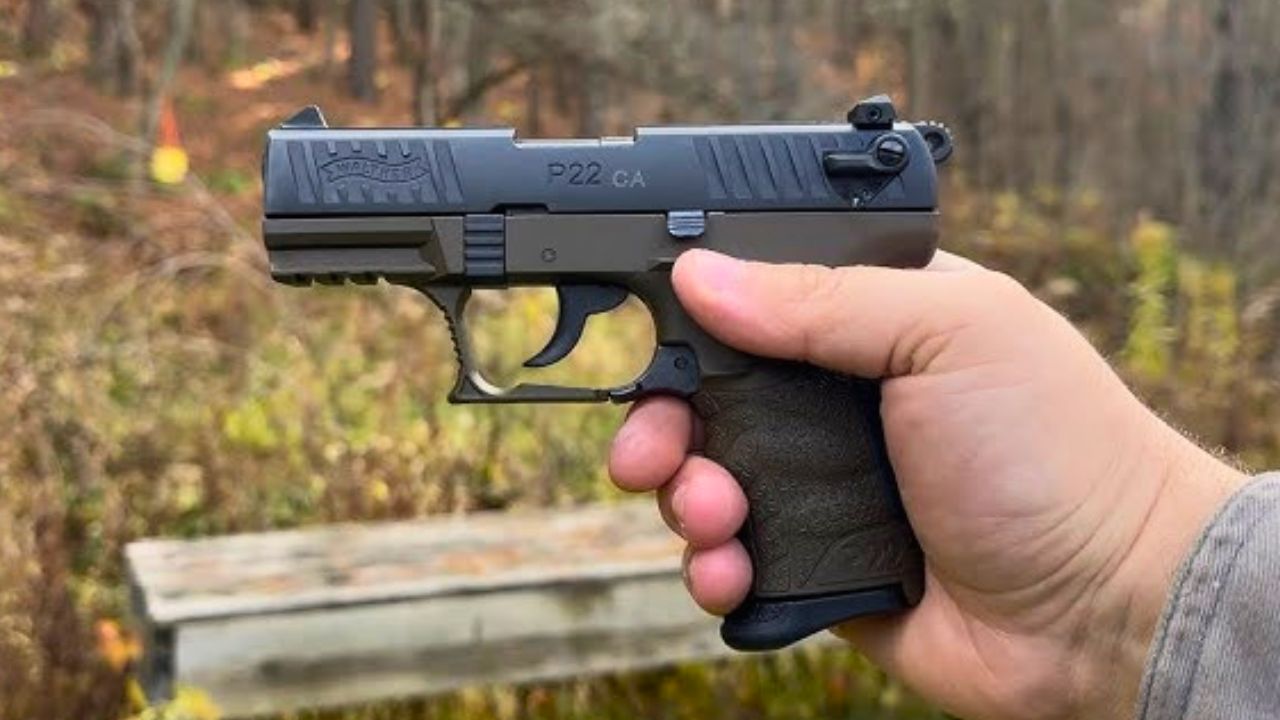
The P22 fools new buyers by looking like the perfect little rimfire. It is compact, modern-looking, and seems like a fun, easy pistol for cheap practice and light range use. A lot of people buy one thinking they are getting a simple way to enjoy lots of shooting without much hassle.
Unfortunately, that simple experience is not always what they get. The P22 has frustrated enough owners over the years that its reputation is hard to ignore. Experienced shooters know there are better rimfire pistols out there that demand less patience. New buyers see a fun little .22. More seasoned owners often see a pistol that asks for too many excuses.
Remington R51

The R51 fooled new buyers with a great story. Slim profile, interesting design, manageable recoil claims, and a recognizable name made it seem like a smart alternative to the usual carry pistols. It had the kind of sales pitch that made people feel like they had found something more thoughtful than the standard choices.
Then ownership started telling a different story. Reliability concerns and general disappointment hit hard, and experienced shooters got frustrated because many of the problems cut straight into what matters most in a carry gun: trust. New buyers saw something sleek and clever. More knowledgeable shooters saw a pistol that failed the most important test by making people doubt it.
Taurus PT-111 Millennium
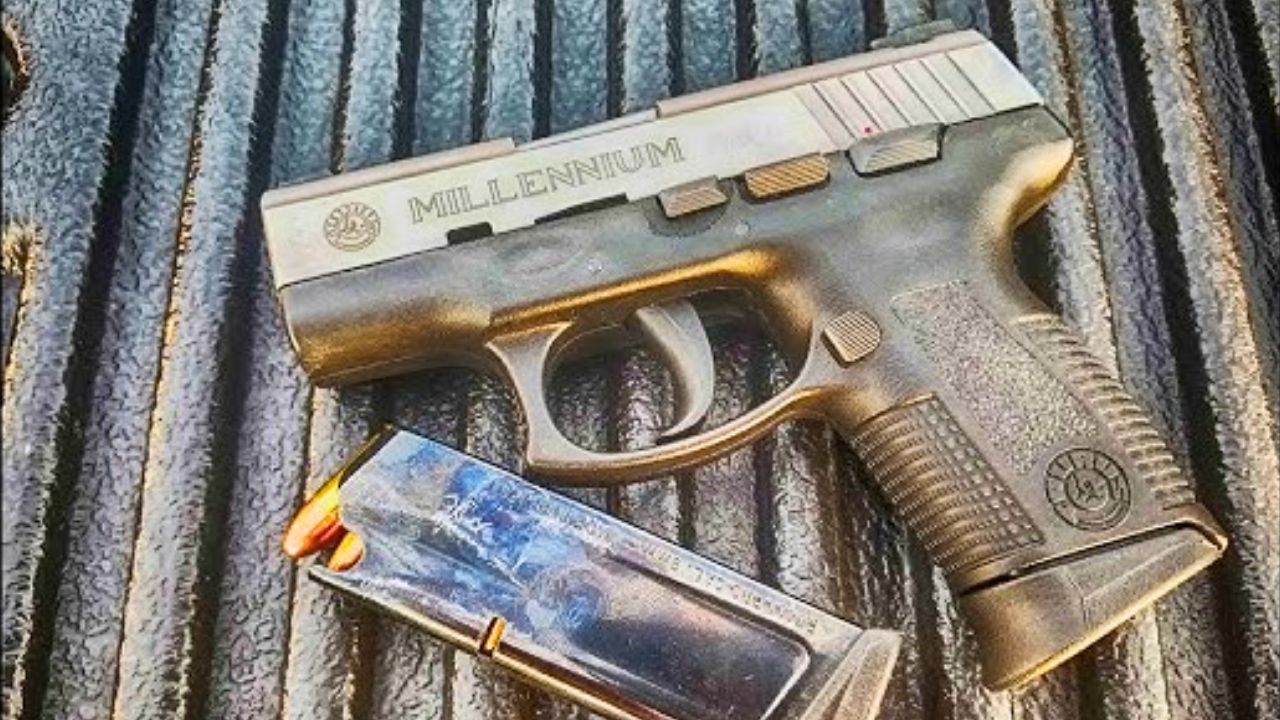
The PT-111 Millennium has long appealed to new buyers because it checks some appealing boxes at a lower price. It looks like a practical carry pistol, offers decent capacity, and lets buyers feel like they found a bargain in a market where better-known brands cost more. That is a tempting mix when someone is shopping with limited experience.
The frustration starts later. Even when an individual pistol runs acceptably, experienced shooters know that confidence in a carry gun should not feel this conditional. Many owners eventually realize that buying cheap and buying smart are not always the same thing. The gun fooled people by looking like value. It often frustrated others by proving that value is only real when the performance actually backs it up.
Mossberg 500 Chainsaw
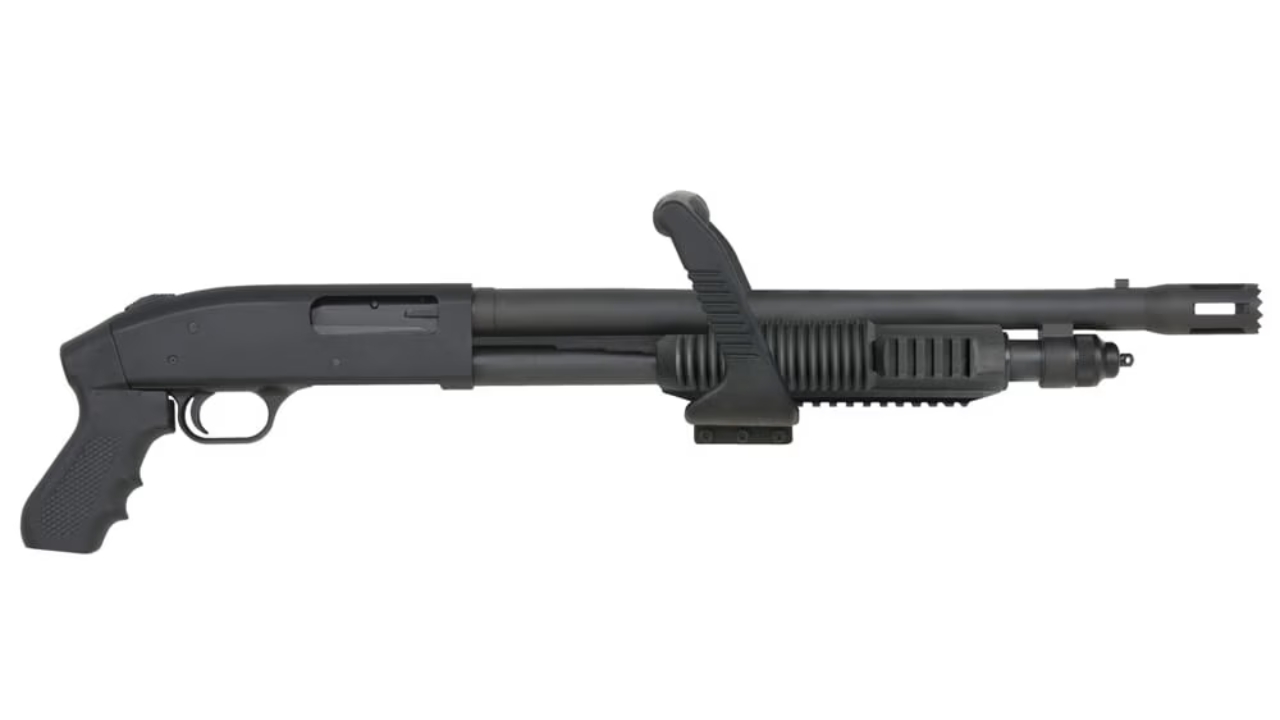
This one fools new buyers because it looks mean, different, and unforgettable. In the store, that chainsaw-style top grip makes it seem like a harder-hitting, more intimidating take on a proven pump shotgun. Somebody new to shotguns can easily mistake that visual drama for genuine improvement.
Experienced shooters usually see the problem right away. The unusual setup does not make the shotgun easier to run, more practical, or more enjoyable. It mostly makes it weirder. That leads to the kind of frustration that comes from watching a reliable design get dressed up in a way that adds attention without adding much real function. It wins the display case and loses ground after that.
Magnum Research BFR

The BFR fools new buyers because it looks like the ultimate power revolver. It is massive, chambered in serious cartridges, and seems like the kind of gun that must be incredible simply because it is so large and intense. People are drawn to the drama of owning something that looks that formidable.
Then they actually spend time with it. The weight, recoil, and overall effort involved in shooting it can turn that first excitement into fatigue in a hurry. Experienced shooters often find these guns frustrating because the practical use is narrower than the visual impact suggests. It is not that the BFR is worthless. It is that many buyers fall for the spectacle before thinking through how often they will actually enjoy using it.
KelTec Sub-2000
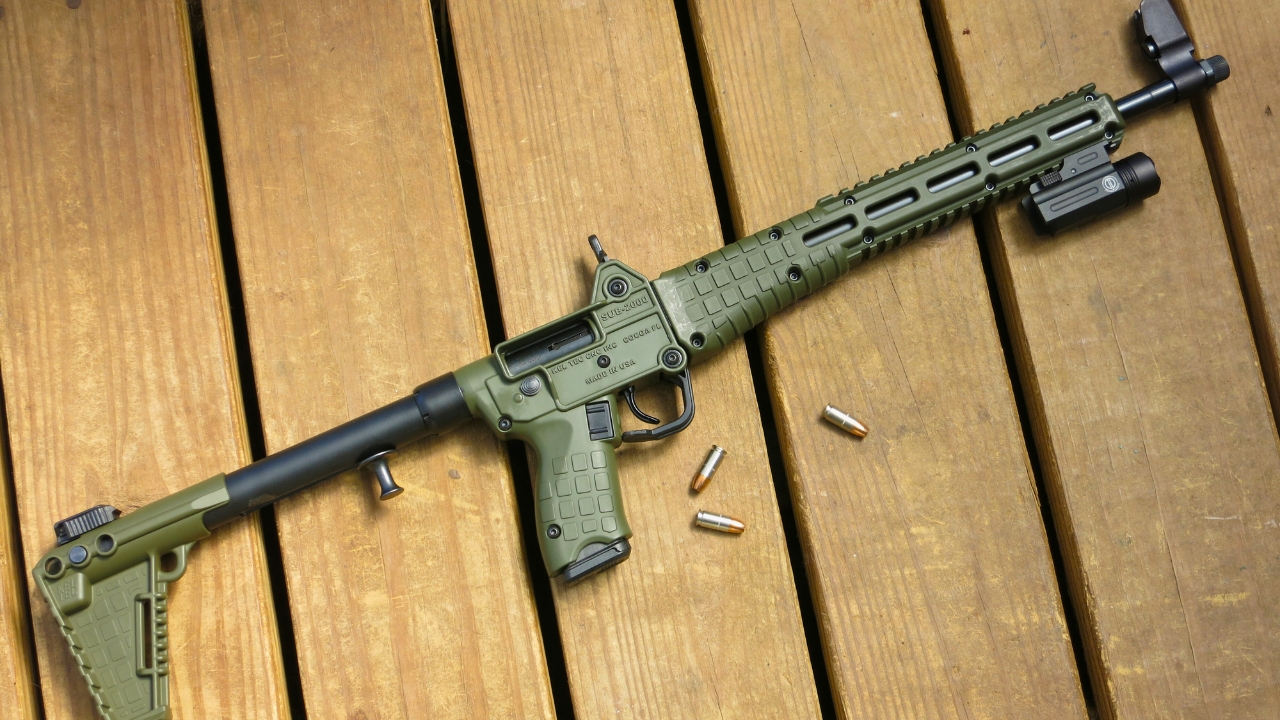
The Sub-2000 fools new buyers with a very smart concept. It folds, it uses common magazines, and it seems like a clever answer for anyone who wants a compact pistol-caliber carbine. In theory, it looks like one of those guns that practical people should automatically appreciate.
In use, the experience can feel rougher than the idea. Ergonomics, trigger feel, and overall refinement are common sticking points. Experienced shooters often get frustrated because they can see the potential, but also see how much compromise comes packaged with it. New buyers see innovation. More seasoned owners often see a gun whose coolest feature is also what distracts from the rest of its limitations.
North American Arms mini revolvers
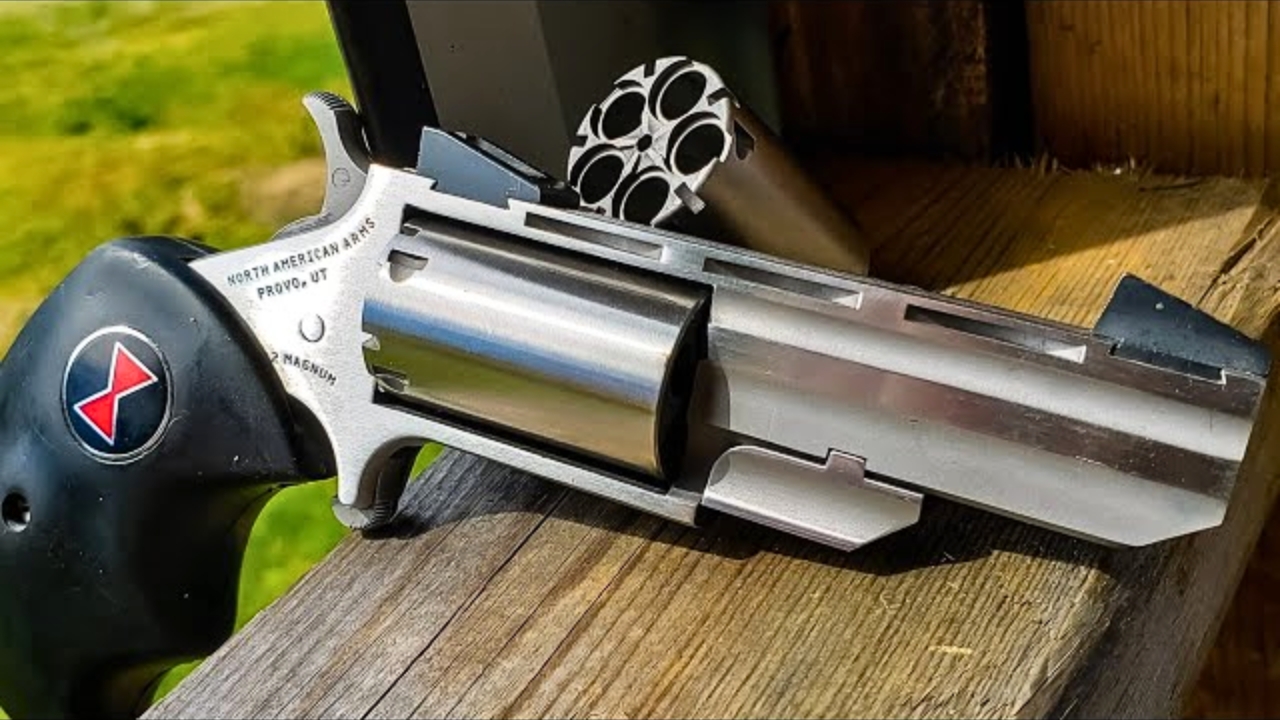
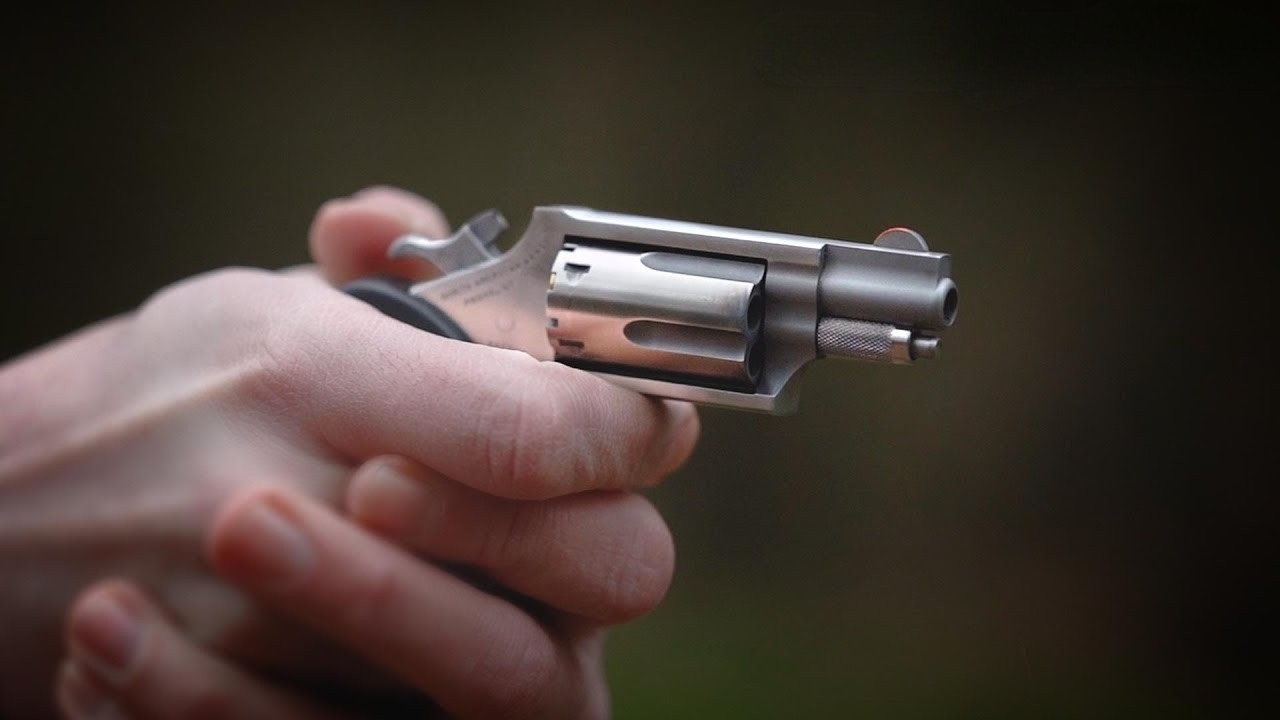
Mini revolvers fool new buyers through pure novelty. They are tiny, memorable, and the kind of gun people instantly want to pick up and talk about. A first-time buyer may think they are getting a clever little backup option that disappears anywhere and still offers enough usefulness to matter.
Then real shooting begins. Tiny grips, tiny sights, and limited shootability make the experience far less satisfying than the novelty suggested. Experienced shooters get frustrated because they know that being easy to carry does not help much if the gun is miserable to run well. These little revolvers are often more fun to show somebody than to spend meaningful trigger time with.
DP-12
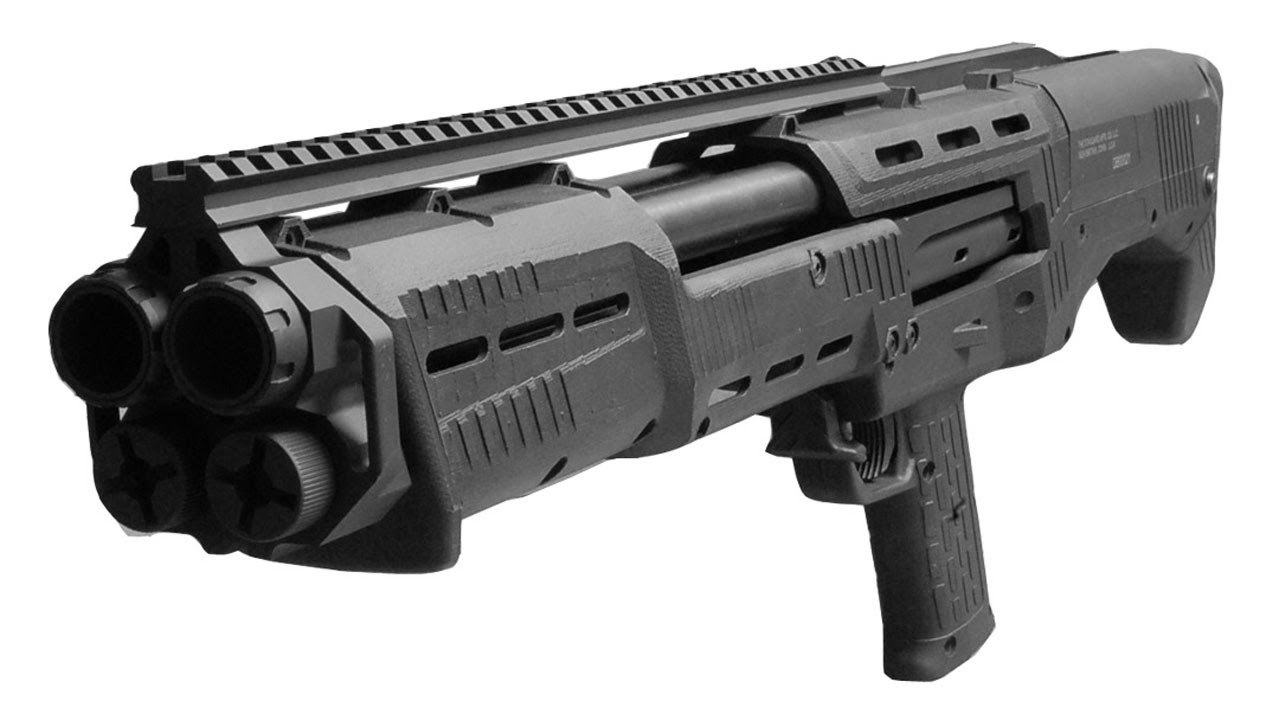
The DP-12 fools new buyers because it looks like a shotgun from the future. Twin barrels, aggressive styling, and a big presence make it feel like the ultimate tactical scattergun. People see it and assume it must outperform ordinary shotguns simply because it looks far more intense than ordinary shotguns.
That assumption usually fades once the gun actually gets worked. It is heavy, bulky, and more awkward than the visual appeal suggests. Experienced shooters tend to get irritated because they know the concept is doing a lot more selling than the real-world handling. The DP-12 gets buyers excited with appearance and complexity, then frustrates them with the kind of tradeoffs simpler guns avoided years ago.
AMT Hardballer
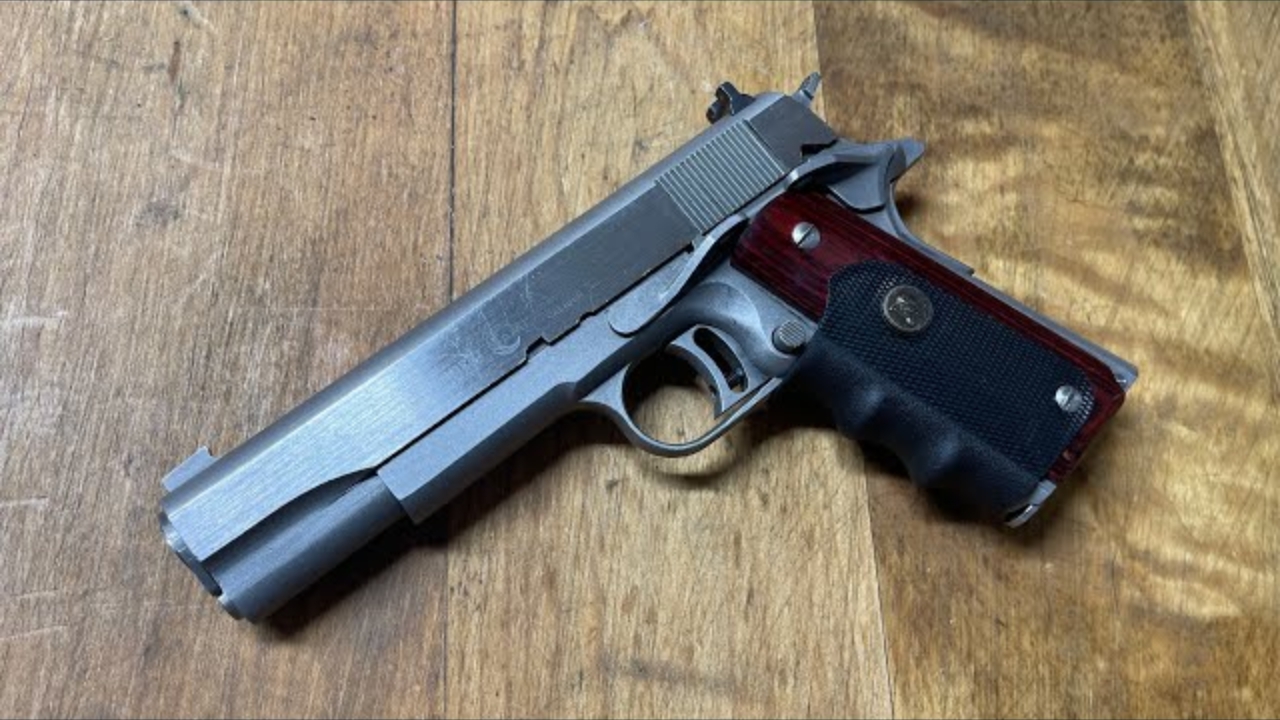
The Hardballer fools new buyers because stainless steel and 1911 styling are a powerful combination. It looks like a serious pistol with old-school appeal and enough visual presence to make somebody think they found a rugged classic. That visual confidence can hide a lot when the buyer is still learning what really matters.
Experienced shooters usually get frustrated when the reality shows up in the function. The Hardballer has long had a reputation for uneven quality, and that tends to matter more after the first few trips to the range. New buyers see the look and the concept. More seasoned shooters often see a gun that takes too much forgiveness for what it gives back.
Taurus Judge Public Defender Polymer
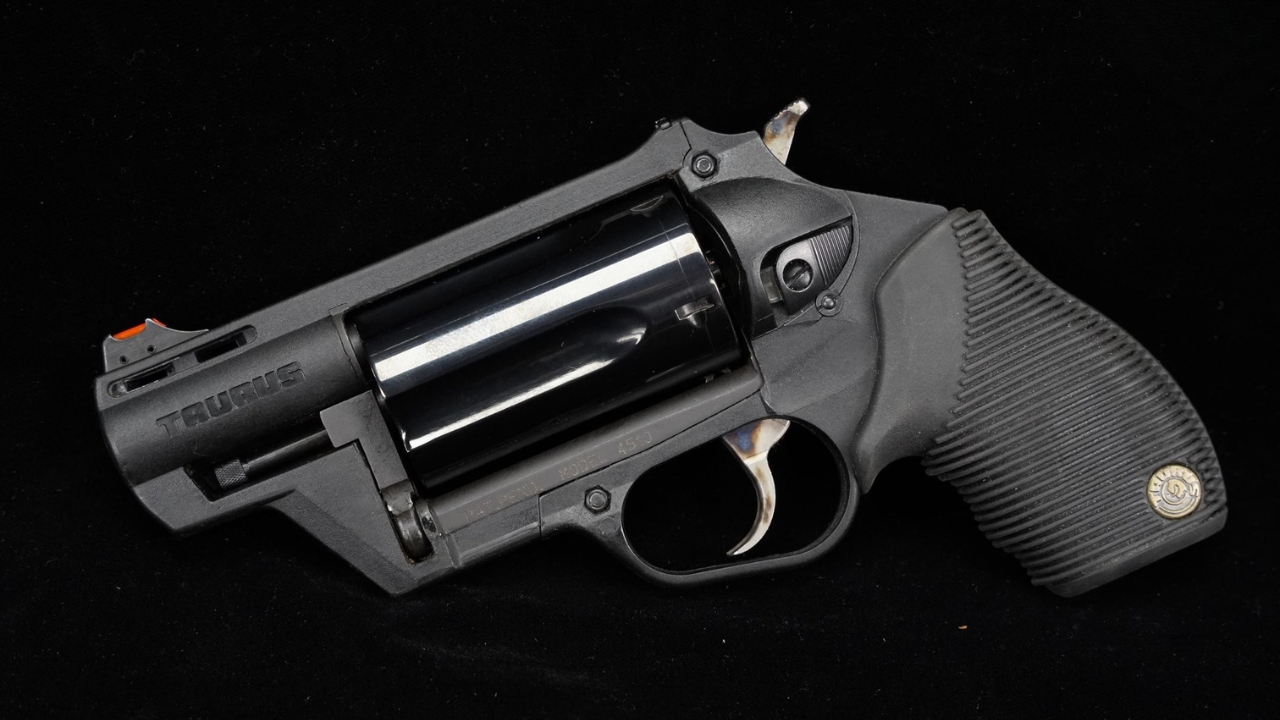
This version of the Judge fools new buyers even more easily because it feels like the easier, lighter answer to the same broad pitch. It carries the same promise of versatility while seeming a little handier and more approachable than the larger models. That can make it look like the practical choice for somebody who wants the Judge idea without the full-size bulk.
It usually ends up delivering the same underlying frustrations. The format still carries the same compromise-heavy reality, and experienced shooters know shaving some weight does not suddenly fix the concept. If anything, it can make the shooting experience less pleasant. New buyers see a lighter all-in-one revolver. Experienced ones often see a familiar idea that still fails to live up to its own sales pitch.
Like The Avid Outdoorsman’s content? Subscribe to our newsletter so you never miss an article.
Here’s more from us: