Photo credit: The Avid Outdoorsman
The trouble started with a row of privacy shrubs. For the homeowner, they were part of the property, part of the yard, and part of what separated his home from the neighbor next door. For the neighbor, apparently, they were something to cut down.
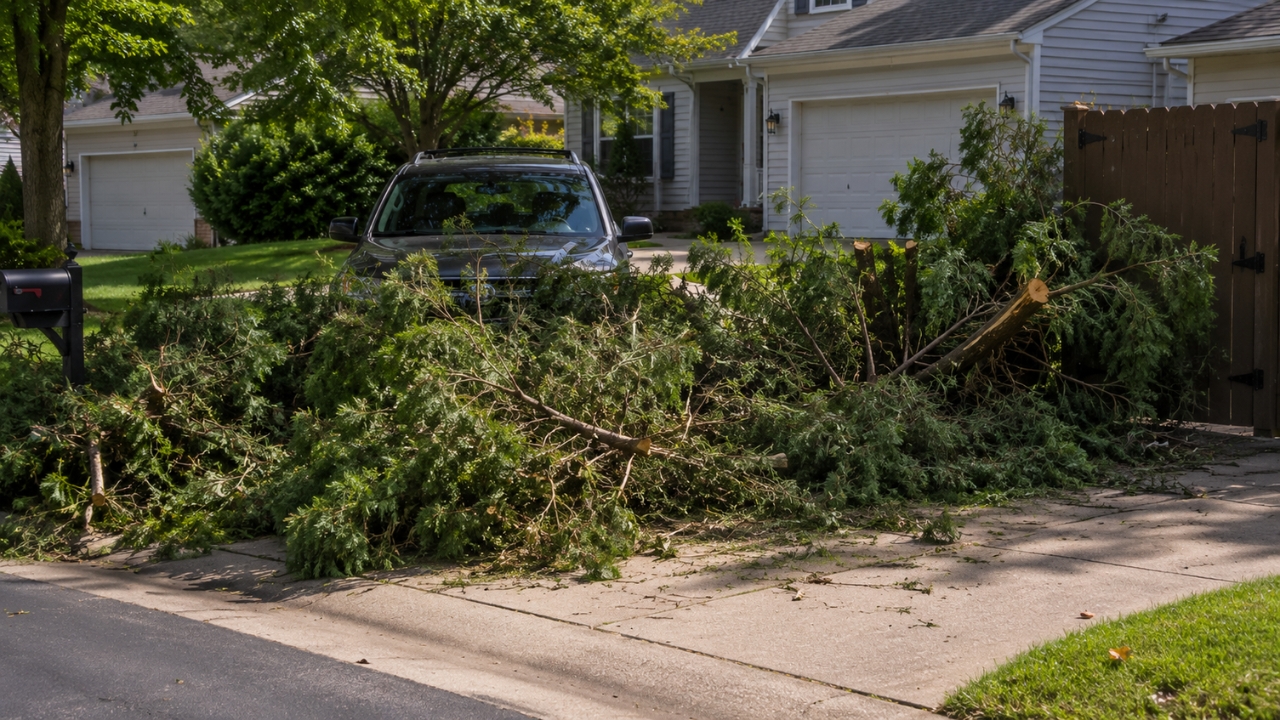
According to the Reddit post, the homeowner said his neighbor took a chainsaw to the shrubs without permission. That was already bad enough, but the neighbor did not stop at cutting them. The homeowner said the neighbor then dragged the cut branches and debris over and dumped the mess in front of his house.
That turned the situation from a property dispute into something that felt personal. The homeowner was not just dealing with damaged landscaping. He was dealing with a neighbor who had allegedly destroyed part of his yard and then left the cleanup in a place where it would be impossible to ignore.
The original Reddit post can be found here: https://www.reddit.com/r/legaladvice/comments/9iy2rg/my_neighbor_cut_my_privacy_shrubs/
The homeowner said the pile of debris also blocked his driveway. That detail changed the tone of the whole story. A damaged row of shrubs can be argued over later, but blocking someone’s driveway affects them right away. It can keep them from leaving, coming home, or using their own property normally.
The post suggested the homeowner was trying to figure out what his options were without making the dispute worse. That is the hard part with neighbor problems. You are not dealing with a stranger you will never see again. You are dealing with someone who lives close enough to keep the conflict going every day if they want to.
Still, the homeowner had a few separate problems in front of him. There was the damage to the shrubs. There was the dumped debris. There was the blocked driveway. And there was the bigger question of whether the neighbor had trespassed or crossed a legal line by cutting vegetation that did not belong to him.
The homeowner wanted to know whether he could make the neighbor pay for the damage and cleanup. He also seemed to want to know whether this was something police would take seriously or whether it would be treated as a civil issue between neighbors.
Commenters focused first on proof. They told the homeowner to take photos of everything before cleaning it up. That included the cut shrubs, the debris pile, the blocked driveway, and any damage left behind. If the homeowner had older photos showing what the shrubs looked like before, commenters said those could help too.
Several people said the property line mattered. If the shrubs were fully on the homeowner’s land, the neighbor’s position looked much worse. If they were on the line, the issue could be more complicated, but it still did not mean the neighbor could simply chainsaw them down and dump the mess wherever he wanted.
Others told the homeowner to document the cleanup cost. If he had to hire someone to remove the debris or repair the landscaping, those receipts could become part of a claim. Even if he cleaned it up himself, commenters suggested keeping notes on the time and work involved.
Some commenters said the driveway issue might be the most immediate problem. Blocking someone’s access can sometimes get attention faster than arguing over bushes. A few suggested calling the non-emergency police line if the debris was still blocking the driveway, especially if the homeowner could not safely leave or access the property.
There was also a practical thread running through the advice: do not get into a shouting match with the neighbor. Commenters encouraged the homeowner to keep communication short, take pictures, preserve evidence, and deal with it through official channels if possible.
The post did not end with the neighbor apologizing or offering to replace what he cut. It ended in that uncomfortable place where a homeowner is left looking at the damage, wondering how far a neighbor is willing to go, and trying to decide whether the next move should be a police call, a demand letter, or a trip to small claims court.
Like The Avid Outdoorsman’s content? Subscribe to our newsletter so you never miss an article.
Here’s more from us: