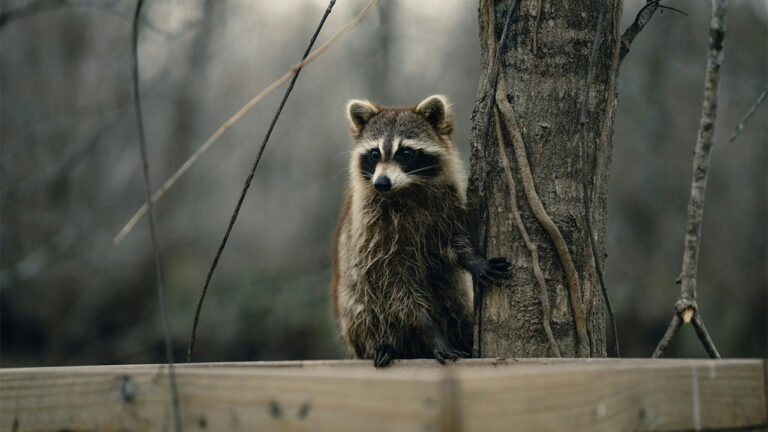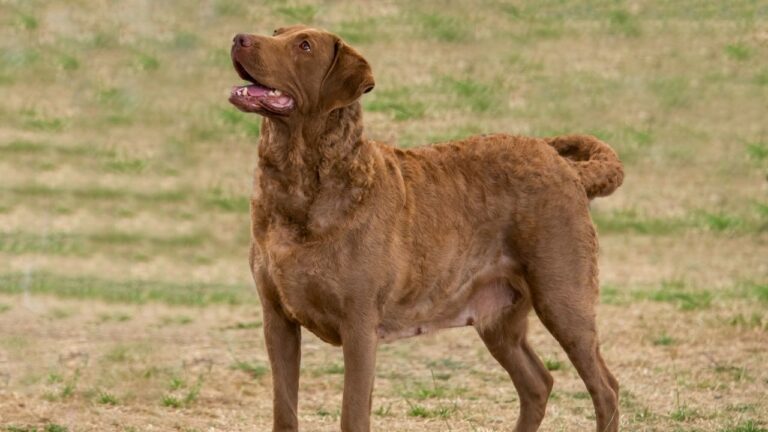
Photo credit: Evgeniyqw/Shutterstock.com
Most dangerous wildlife problems around homes do not start with some big dramatic sighting. They start quietly. A little movement near the fence line. A pet acting weird at night. Trash getting messed with once. Deer bedding too close to the yard. A food bowl left out on the porch. By the time people realize an animal has been using the property regularly, the setup has often been attractive for a while. Wildlife agencies keep saying the same thing in different ways: homes start drawing trouble when food, cover, water, and pet routines become easy for wild animals to learn.
That is why the animals people miss are usually not the ones making the most noise. They are the ones that move well at night, use ordinary cover, and take advantage of the parts of a yard people stop noticing. Coyotes are a big one. So are bears in the right regions, bobcats around brushy neighborhoods, and mountain lions where prey and cover line up near development.
Coyotes are often the first problem people underestimate
Coyotes have gotten very good at using neighborhoods without being obvious about it. Washington’s current game-management draft says human-wildlife interactions increase with more people, more small livestock around residences, and more intentional or unintentional feeding around homes, and it specifically identifies feeding deer and turkey plus domestic animals as common factors in conflicts involving predators like cougars and coyotes. Los Alamos also warns that feeding wildlife can attract predators like bears and coyotes into close proximity with people and domestic animals.
What makes coyotes easy to miss is that they do not need much to work with. A drainage ditch, greenbelt, brushy lot line, or dark run of fence can be enough. Then they start learning details: where rodents gather, when cats roam, which small dogs go out alone, and which yards keep offering food. People often do not realize that pattern until a pet goes missing or the sightings start happening in the same part of the block over and over. That is when the neighborhood coyote problem suddenly feels “new,” even though the animal may have been studying the area for weeks. That inference is based on agency guidance about attractants and repeated predator use of residential spaces.
Bears are a backyard problem the second food becomes predictable
In bear country, people often do not notice the danger until the bear is already on the porch, in the trash, or working around a feeder. Connecticut says bears near homes are usually looking for easy food sources like garbage, bird feeders, and other attractants, and the state advises residents to remove those rewards so bears do not start associating neighborhoods with food.
That matters because bears learn quickly. Once food rewards become dependable, the animal stops acting like a random visitor and starts acting like the property belongs on its route. The trouble is that a lot of bear attractants look normal to homeowners: seed under a feeder, a dirty grill, unsecured garbage, pet food, or fruit dropping under trees. By the time somebody says the bear is “way too comfortable,” the bear usually got that comfortable by being right several nights in a row. That inference follows directly from state guidance about removing repeated food rewards around homes.
Bobcats slip by because they do not have to make a scene
Bobcats are one of the easiest animals around homes to miss because they do not usually create the same noise or obvious mess as larger predators. But in suburban settings with brush, rabbits, rodents, and small pets, they can become a real problem before people realize one is nearby. Arizona Game and Fish recently grouped bobcats with coyotes, bears, and mountain lions in its public warning that wildlife lose fear of people when human areas provide food, water, or shelter.
That is the pattern worth noticing. A bobcat does not need a huge wooded tract. It only needs enough concealment to move through a yard edge, enough prey to make the trip worthwhile, and enough quiet to avoid pressure. Because they are so quiet, people often do not think “predator” when they see one brief shadow near landscaping or a pet reacting to the same corner of the yard after dark. But the same residential-attractant logic agencies apply to other predators fits bobcats too: if the property makes sense, the animal keeps coming back.
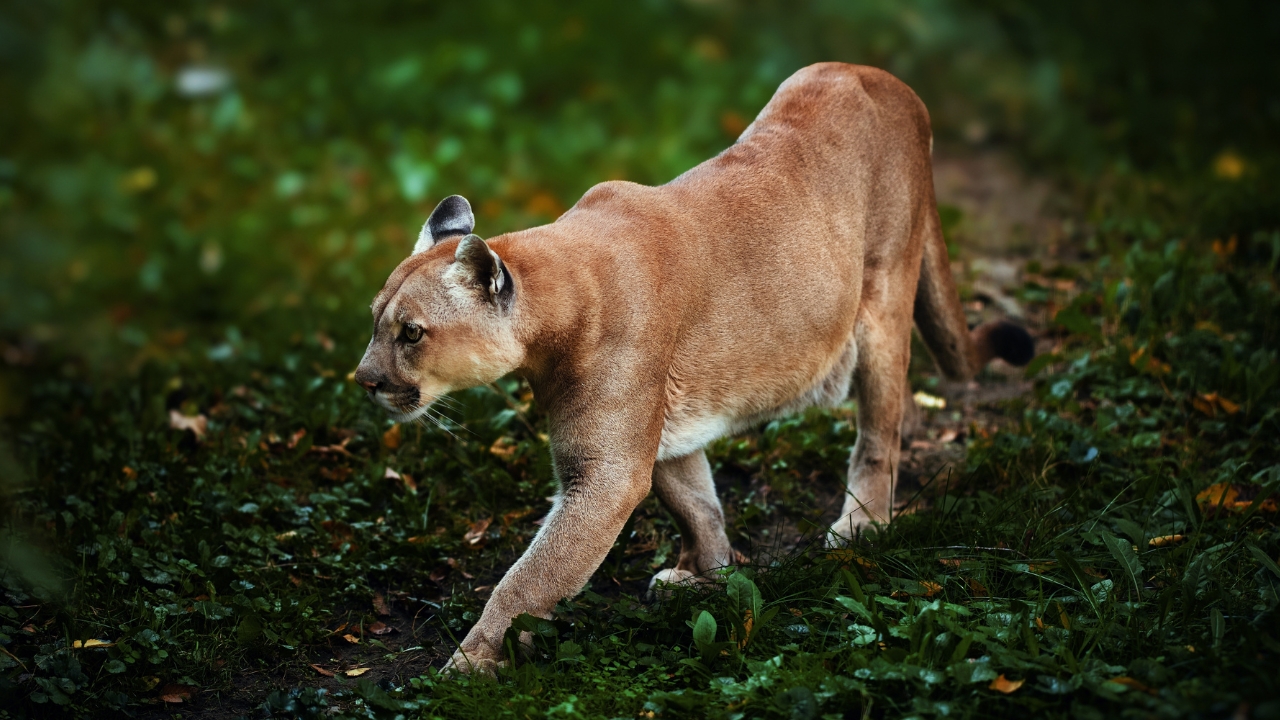
Mountain lions stay unnoticed until prey pulls them close
Mountain lions are not a common backyard animal in the way coyotes can be, but they are exactly the kind of predator people do not think about until it is too late. Washington’s current management draft says feeding deer and turkey brings cougars closer to human development, and it identifies domestic animal husbandry near residences as one of the common conflict drivers.
That is what makes lions so unsettling near neighborhoods. People focus on the cat, but the real sign usually comes first: deer staying too close to homes, heavy cover running right behind yards, and pets outside during low-light hours. A lion does not need to “move into” the neighborhood in any dramatic way. It only needs prey, concealment, and a reason to use the same corridor more than once. By the time residents get a clean sighting, the animal may already have been closer to porches, trails, and fence lines than anyone guessed. That is an inference drawn from predator-conflict guidance linking prey attractants and residential edges to cougar interactions.
The real problem is usually the setup, not the surprise
The animals around homes that people miss until it is too late are usually the ones using ordinary space in smart ways. They are not hiding in some dramatic wilderness pocket. They are using the side yard, the feeder spill, the trash area, the greenbelt, the brush behind the fence, or the pet routine that never changed. Agencies keep coming back to the same advice because the same mistakes keep creating the same outcomes: unintentional feeding, easy cover, easy prey, and no real pressure to stay away.
That is why these animals catch people flat-footed. The yard still looks normal right up until it doesn’t. A coyote has already been circling. A bear has already learned the cans. A bobcat has already worked the edge. A lion has already followed the deer. The “too late” moment is usually just the first time the homeowner finally sees what the animal figured out long before.
Like The Avid Outdoorsman’s content? Subscribe to our newsletter so you never miss an article.
Here’s more from us: