Photo credit: Black Bear Outdoors/YouTube
When a gun carries the wrong mix of recoil, controls, balance, or reliability quirks, it can rattle even capable shooters. You’ve probably seen it: someone who’s normally steady suddenly starts tightening their grip, blinking too much, or questioning every shot. Those reactions don’t come from lack of skill. They come from guns that stack tension instead of confidence. Guides, instructors, and range officers all notice the same patterns. Certain guns look fine on paper but introduce problems the moment adrenaline rises or the pace picks up.
These are the guns that change the whole vibe behind the trigger. Instead of settling in, you find yourself trying to manage recoil, chase malfunctions, or fight controls that never feel natural. Spend enough time around shooters and you learn which models calm people down—and which ones turn solid marksmen into anxious messes.
Magnum Research BFR in .45-70

The BFR in .45-70 is impressive, and you feel that the moment you pick it up. But that big-bore power comes with real consequences. Recoil isn’t just stout—it’s disruptive. Even shooters who consider themselves recoil-tolerant start tightening up after a few rounds. That tension shows in early flinches, rushed shots, and people leaning away from the gun without realizing it.
Accuracy suffers because nobody truly shoots relaxed with a revolver pushing that hard. Follow-through becomes inconsistent, and sight alignment drifts between shots. Guides and instructors often watch a confident shooter morph into someone who’s second-guessing every trigger pull. The gun isn’t unsafe—it’s simply too much for most hands to run well under pressure.
Walther PPS M1
The Walther PPS M1 has a slim, carry-friendly profile, but that thin grip and tall slide make it far less forgiving than people expect. Shooters with solid fundamentals often find the gun twisting slightly under recoil, especially during faster strings. That movement disrupts sight tracking, and you start seeing hesitation between shots as people try to predict where the sights will land.
Another challenge comes from the stiff magazine release paddle. Under stress, plenty of shooters fail to seat the mag securely, leading to failures on the next string. Once a couple malfunctions happen, confidence drops fast. By the end of a session, even experienced shooters start babying the gun rather than running it with authority.
Smith & Wesson Model 329PD
The 329PD is famous for being extremely light and extremely powerful. Chamber it in .44 Magnum and you’ve built a revolver many hunters want to love—but rarely shoot well. The recoil impulse hits hard and fast, and the gun has enough snap to punish poor grip angles immediately.
Even shooters who normally run magnums without blinking start anticipating the shot. The muzzle jump is abrupt, and the lightweight frame transmits more shock into the hands than heavier revolvers. After a few cylinders, accuracy falls apart. You’ll see normally steady shooters muttering under their breath and reconsidering every round. It’s a tool with purpose, but you rarely see anyone shoot it comfortably.
KelTec PF-9

The PF-9 checks a lot of carry boxes—thin, light, and inexpensive. But those same traits make it one of the snappiest 9mms ever made. The recoil impulse feels sharp, and many shooters struggle to get their support hand locked in. With each shot, muzzle rise interrupts sight alignment enough that follow-ups become hesitant and choppy.
On top of that, the long, heavy trigger encourages anticipation. You see shooters leaning forward or pulling shots because they’re fighting the trigger rather than pressing through it. Once a couple rounds land off target, nerves set in. Confidence drops quickly, especially for people who thought switching to a small 9mm would make life easier.
Taurus PT145 Millennium Pro
The PT145 Millennium Pro has a loyal following, but its long, mushy trigger has challenged plenty of shooters. Instead of a predictable break, the trigger stacks inconsistently, causing shooters to over-correct or jerk through the final inch. Even experienced hands start missing low or wide after a few strings.
Grip contour is another problem. The short grip doesn’t anchor well for people with medium or large hands, forcing awkward adjustments between shots. That movement shows up immediately in slow-fire groups and even more dramatically in timed drills. After a few magazines, most shooters start doubting their fundamentals—and blaming themselves instead of the gun’s ergonomics.
Springfield XD Subcompact 9
The XD Subcompact is dependable in terms of reliability, but it’s tough to shoot accurately under pressure. The chunky grip frame forces your hands into a high, compressed hold, which sounds fine until recoil kicks in. Many shooters struggle to track the tall slide as it cycles because the gun lifts more than expected.
The trigger also varies slightly between batches, and some pull heavier than advertised. That leads to shots breaking later than shooters anticipate. Once timing feels off, confidence erodes fast. You’ll watch steady shooters become hesitant, slowing down and questioning each press because the gun never settles in their hands naturally.
Glock 36

The Glock 36 is Glock’s answer to a slim .45 ACP carry gun, but it brings challenges you don’t see with its double-stack cousins. The narrow grip concentrates recoil into a smaller contact area, making muzzle rise sharper than many expect. Experienced shooters who are rock-solid with a G19 or G30 suddenly find themselves chasing sights.
The shorter frame also means less surface area for stabilization. With heavier .45 loads, the gun moves around more than many shooters anticipate. Even confident shooters start re-gripping between rounds, and that constant adjustment shows up in wider groups. The gun works fine mechanically—but it can wreck confidence fast.
Kimber Ultra Carry II
The Ultra Carry II blends 1911 ergonomics with a compact frame, but that shorter barrel and reduced mass change the shooting experience completely. Recoil becomes snappier, and many shooters new to compact 1911s flinch in anticipation of the break. That hesitation affects timing and usually throws shots low and left.
The shorter sight radius makes every small error more obvious. Even tiny grip inconsistencies translate into misses at moderate distances. Shooters who are confident with full-size 1911s often feel surprised at how challenging the Ultra Carry II is to run cleanly. By the end of a session, plenty of people rethink their carry choice.
Ruger LC9 (Hammer-Fired Version)
The original LC9 had a notoriously long, heavy trigger pull that frustrated even disciplined shooters. Instead of a smooth break, it felt like the trigger traveled forever, causing shooters to rush the last quarter of the pull. The result was predictable—shots dragged low or wide.
Combine that with a slim frame that doesn’t soften recoil much, and you get a gun that pushes shooters into bad habits quickly. Many experienced hands start slapping the trigger without meaning to. Once that frustration sets in, confidence drops and groups fall apart. The gun is reliable, but it’s not confidence-building for most shooters.
Smith & Wesson SD40VE

The SD40VE is famously durable but comes with a heavy trigger that intimidates many shooters. That trigger weight forces a slower, more deliberate press, and shooters who normally run smooth striker-fired guns suddenly start yanking shots. Confidence fades as rounds hit low or drift off to the right.
Recoil in .40 S&W doesn’t help. The combination of a snappy caliber and a long, heavy trigger creates hesitation in even seasoned shooters. You’ll see pacing slow down, breathing change, and people checking their grip repeatedly. It’s not that the gun is unsafe—it’s simply not easy to run well without serious practice.
CZ P-07 Duty (First Gen)
The first-generation P-07 Duty had a trigger that felt gritty and unpredictable. Shooters often struggled to manage the double-action pull, especially when transitioning quickly from DA to SA. That inconsistency made timing difficult, and confident shooters often felt out of rhythm with the gun.
The early polymer frames also had durability concerns around the rail areas. Even if the gun held together fine, shooters aware of those stories tended to grip too tightly or overthink each string. That tension affected accuracy more than expected. Once you start doubting a gun, it affects every part of your shooting.
SIG SP2022
The SP2022 has a lot going for it, but its DA/SA transition throws plenty of shooters off. The long, heavy double-action first pull followed by a lighter single-action pull often causes shots to land in two separate clusters. That inconsistency makes shooters second-guess their fundamentals faster than almost anything else.
Grip bulk is another hurdle. The polymer frame feels wide, and shooters who normally have no trouble maintaining control start readjusting mid-string. Once grip inconsistency creeps in, the gun feels unpredictable. Confidence fades fast, especially during timed drills.
Ruger SR40C
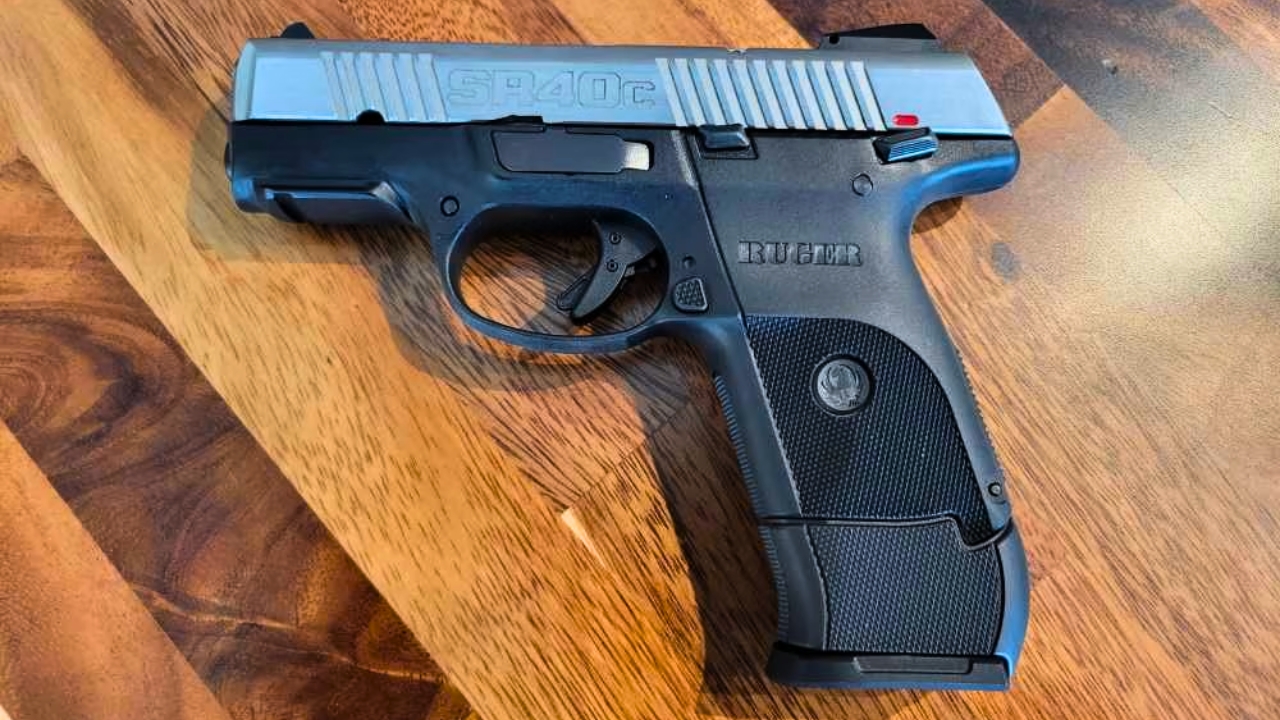
The SR40C is reliable, but its recoil characteristics take people by surprise. The compact frame paired with the .40 S&W snap creates pronounced muzzle rise. Even shooters with excellent fundamentals start getting pushed out of rhythm. They’ll slow down, tighten their grip, or over-compensate their follow-through.
Another issue is the trigger reset. It’s longer than many expect, and shooters often “outrun” it during faster drills. That leads to dead triggers or awkward pauses that shake confidence even further. By the end of a practice session, many shooters look visibly frustrated.
Beretta Nano
The Beretta Nano has a smooth exterior and snag-free design, but its recoil impulse is surprisingly abrupt for a small 9mm. That snap causes shooters to lose the front sight between shots, and many struggle to get back on target smoothly.
The minimalist controls make certain tasks—like clearing malfunctions—slower for people used to more traditional designs. That delay might not matter on paper, but under pressure it shakes confidence fast. Shooters feel like the gun never truly settles in the hand, and once doubt creeps in, accuracy crumbles.
Kahr CW380
The CW380 is pocket-friendly, but that tiny frame magnifies every small mistake. The long, rolling trigger pull feels familiar to double-action revolver shooters, but most people struggle to break it clean. Shots drift low or wide as anticipation creeps in.
Recoil is surprisingly snappy for such a small caliber. The short grip makes it tough to anchor your hands consistently, so each magazine feels different. Shooters who are usually confident with micro guns often look rattled after a few strings. The gun is mechanically sound—but it’s simply hard to shoot well.
Like The Avid Outdoorsman’s content? Be sure to follow us.
Here’s more from us:
The worst deer rifles money can buy
Sidearms That Belong in the Safe — Not Your Belt
*This article was developed with AI-powered tools and has been carefully reviewed by our editors.