Photo credit: The VSO Gun Channel/YouTube
Some cartridges stick around long after their peak performance years, and when you spend enough time around shooters, you start to notice a pattern. Folks hang onto certain calibers not because they outperform the newer rounds, but because they’ve got decades of memories tied to them. Maybe it was their first deer rifle, or maybe it’s the round their grandfather swore by. Nostalgia has weight in this world, and it keeps plenty of cartridges alive even when more efficient, flatter-shooting, or better-designed options are everywhere. You can’t blame anyone for wanting to hang onto something familiar, especially when it still gets the job done inside its lane. These are the calibers you still see at the range or in the woods, not because they dominate on paper, but because people simply refuse to let them fade away.
.30-30 Winchester

You still see the .30-30 Winchester in deer camps across the country because generations grew up watching it work. It’s not the flattest shooter and it loses steam quickly past moderate distances, but most folks aren’t using it for long-range work anyway. The cartridge has history behind it, and that history keeps it alive even when newer rounds outperform it in nearly every technical category. There’s something reassuring about carrying a lever gun chambered in a caliber your family has used for a century.
In the woods where ranges stay tight, the .30-30 still performs well enough to stay relevant. The nostalgia factor is huge with this one; shooters know it’s not the hottest choice anymore, yet they still reach for it because it reminds them of earlier seasons, simpler gear, and deer hunts before everyone carried a scoped bolt gun.
.45-70 Government
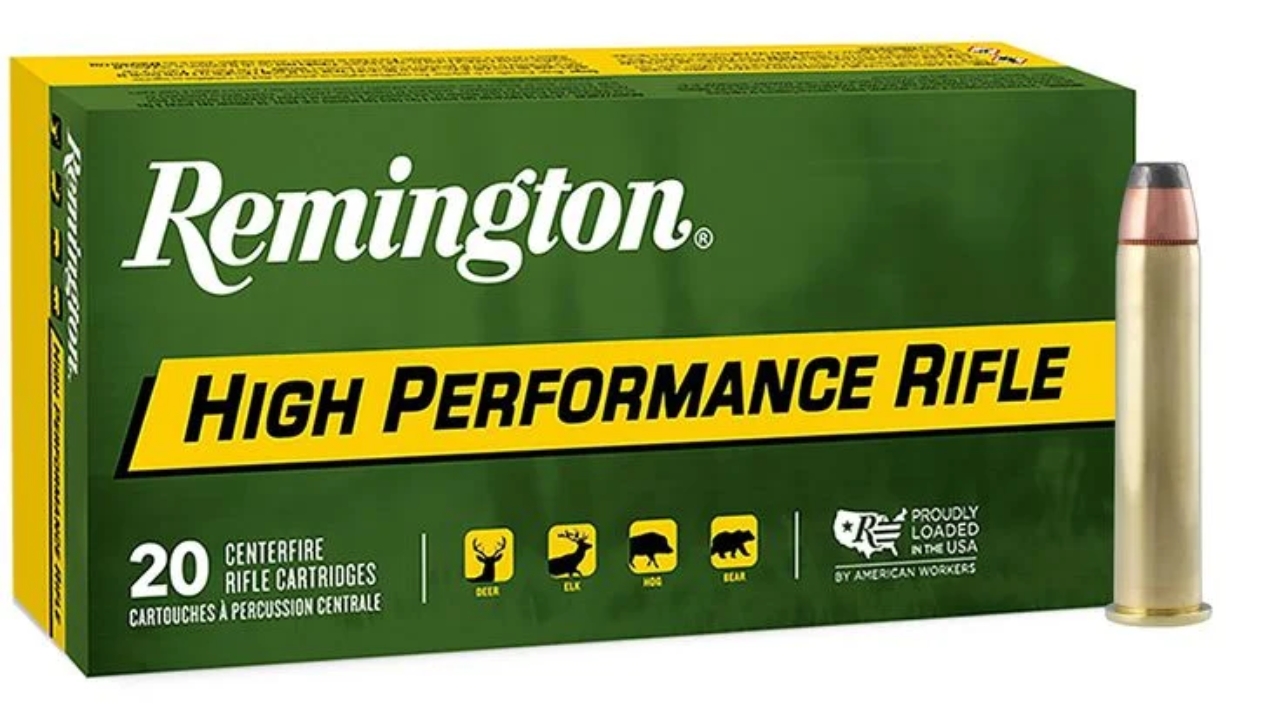
The .45-70 has been around since the 1870s, and people continue to shoot it because it’s tied to American hunting history in a way few cartridges can match. It hits hard at close range and pairs perfectly with big-frame lever rifles that have a loyal following. But even with modern loadings, the round drops fast past moderate distances and brings stout recoil that many shooters don’t really need anymore. Still, nostalgia keeps it in circulation.
If you’re hunting thick timber or simply enjoy the feel of a heavy lever gun, you understand why the .45-70 refuses to disappear. It’s a cartridge that delivers a certain experience—one rooted in tradition, recoil, and big, slow bullets. Shooters keep using it because it connects them to the past as much as it fills a tag.
.30-06 Springfield
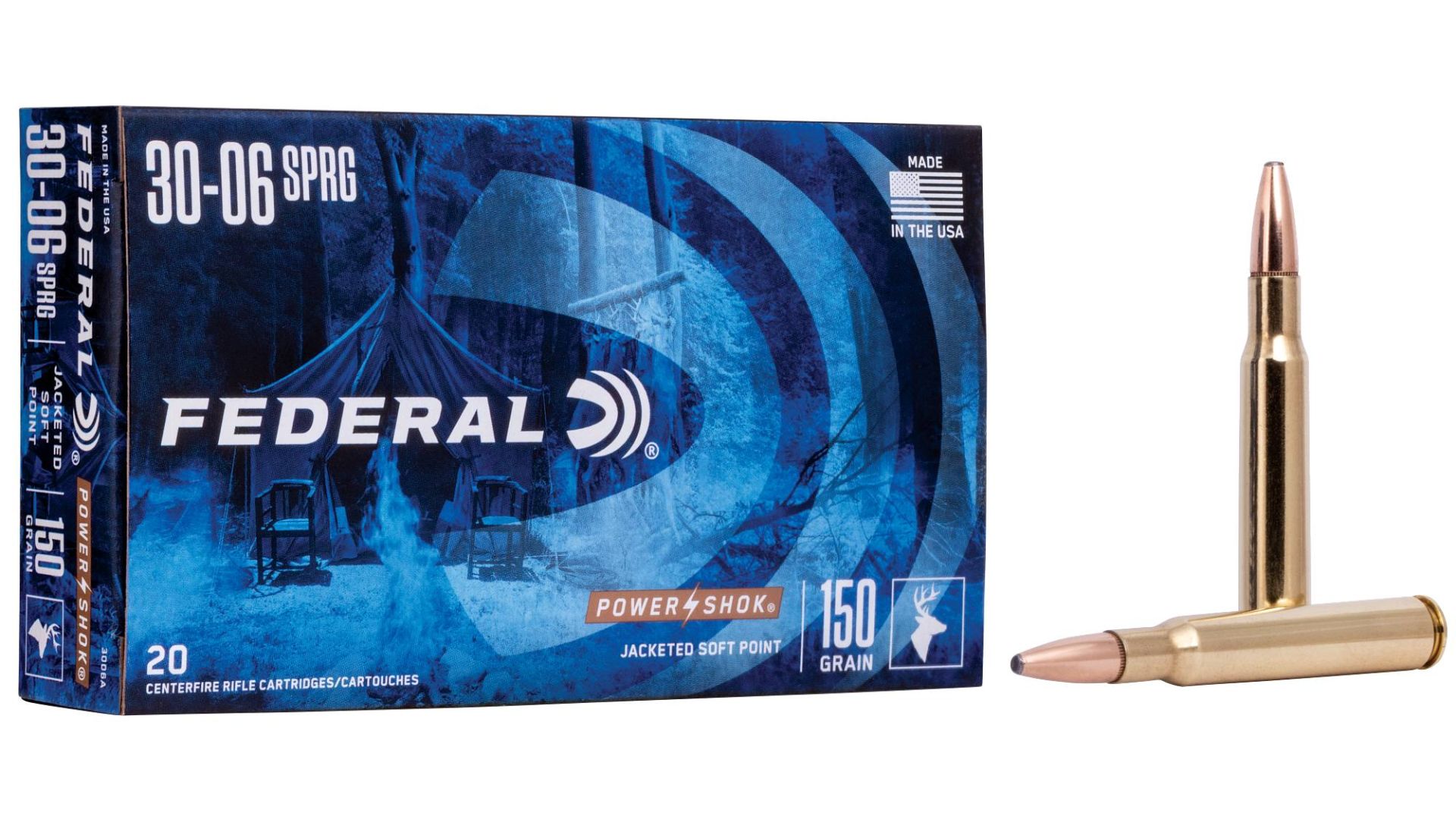
The .30-06 has taken every big-game animal in North America, and people keep shooting it because it’s been the standard for more than a century. Newer cartridges may shoot flatter and generate less recoil for similar performance, but the .30-06 carries a legacy that won’t fade anytime soon. It’s what many hunters learned on, and it still performs well in practical hunting ranges.
Even with modern alternatives eating into its popularity, you’ll always see .30-06 rifles on the racks simply because shooters trust it. That trust isn’t always based on efficiency; it’s based on years of field results and the comfort of carrying something familiar. Nostalgia keeps it relevant, and the cartridge earns that loyalty with consistent real-world performance.
.270 Winchester
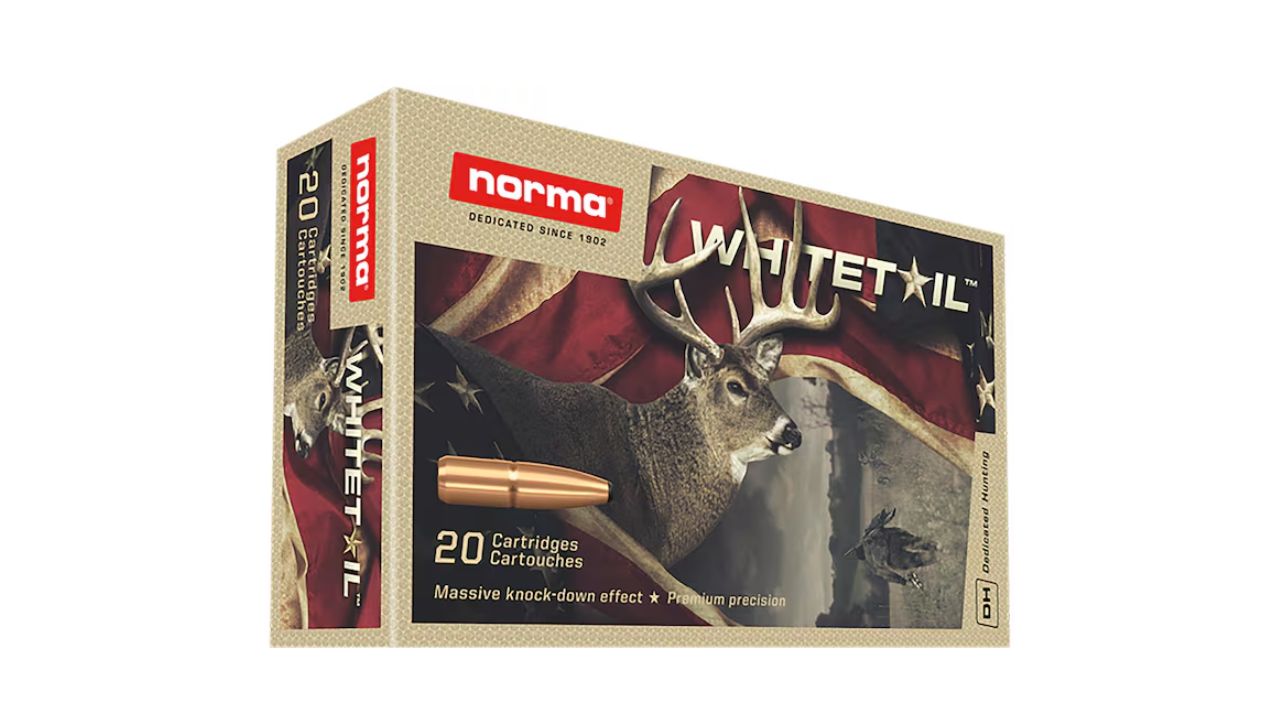
The .270 Winchester has been a favorite for decades, especially among older hunters who grew up reading Jack O’Connor and watching the round shine on mule deer and pronghorn. It’s still accurate and effective, but newer cartridges have caught up and surpassed it in some areas. Even so, you continue to see shooters carrying .270s because the round feels like part of hunting history.
The nostalgia tied to this cartridge is powerful. Shooters who grew up with it don’t see a reason to switch, even with more efficient options available. The .270 still performs well within normal ranges, and that real-world reliability paired with decades of tradition keeps it firmly planted in gun safes across the country.
.35 Remington
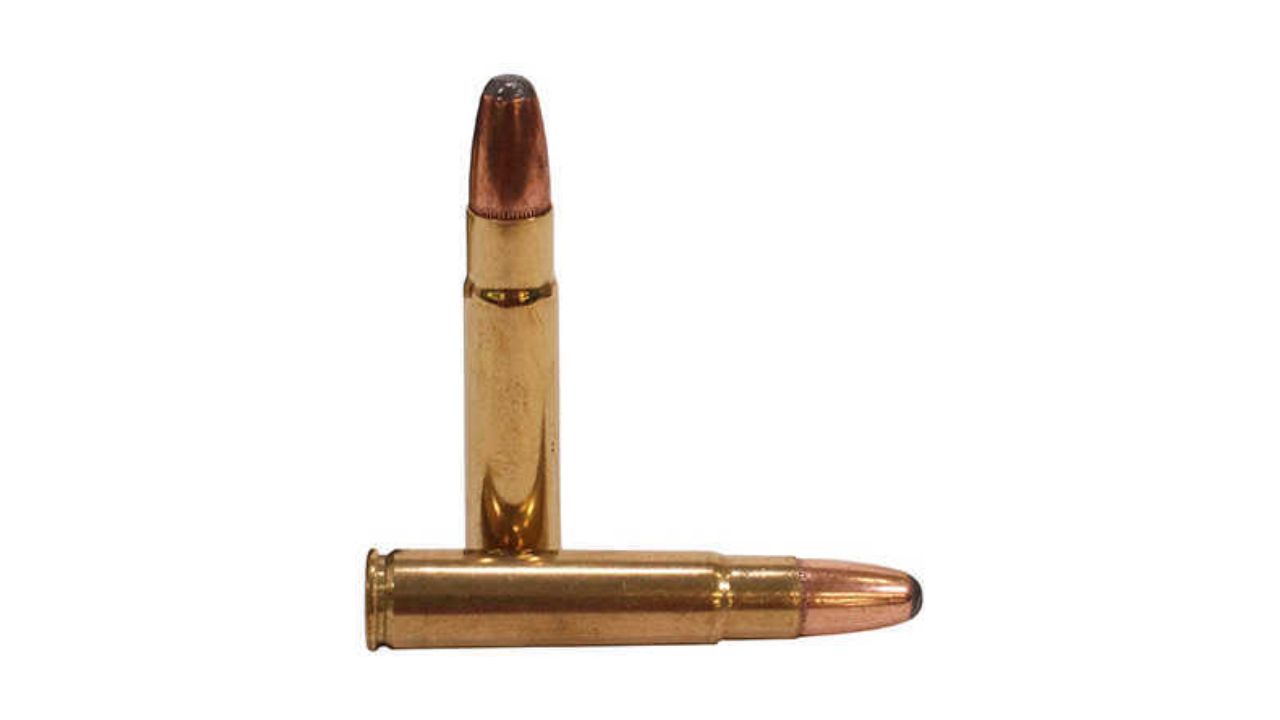
You don’t see nearly as many rifles chambered in .35 Remington as you used to, but it maintains a devoted following among hunters who grew up in thick brush country. The round offers solid performance at close ranges, but it doesn’t compete with modern cartridges past moderate distances. Still, the nostalgia factor keeps people shooting it, especially those who’ve carried Marlins or older Remington pumps their whole lives.
There’s something comforting about a cartridge you’ve trusted to drop deer in heavy cover year after year. Even though newer calibers outperform it on paper, the .35 Remington offers shooters a familiar recoil impulse, a familiar trajectory, and a sense of continuity with earlier generations of hunters.
.32 Winchester Special

The .32 Special is one of those cartridges that survives almost entirely because of tradition. There are far better options today for every job it was designed to do, but lever-gun enthusiasts keep it alive because it’s tied to rifles passed down through families. The round has always been overshadowed by the .30-30, yet nostalgia keeps it from disappearing altogether.
Many shooters keep using the .32 Special simply because their rifle has history attached to it. When a cartridge is tied to your family’s hunting story, performance charts don’t matter much. You keep loading it, keep shooting it, and keep passing it down because it connects you to something bigger than the ballistics.
.257 Roberts
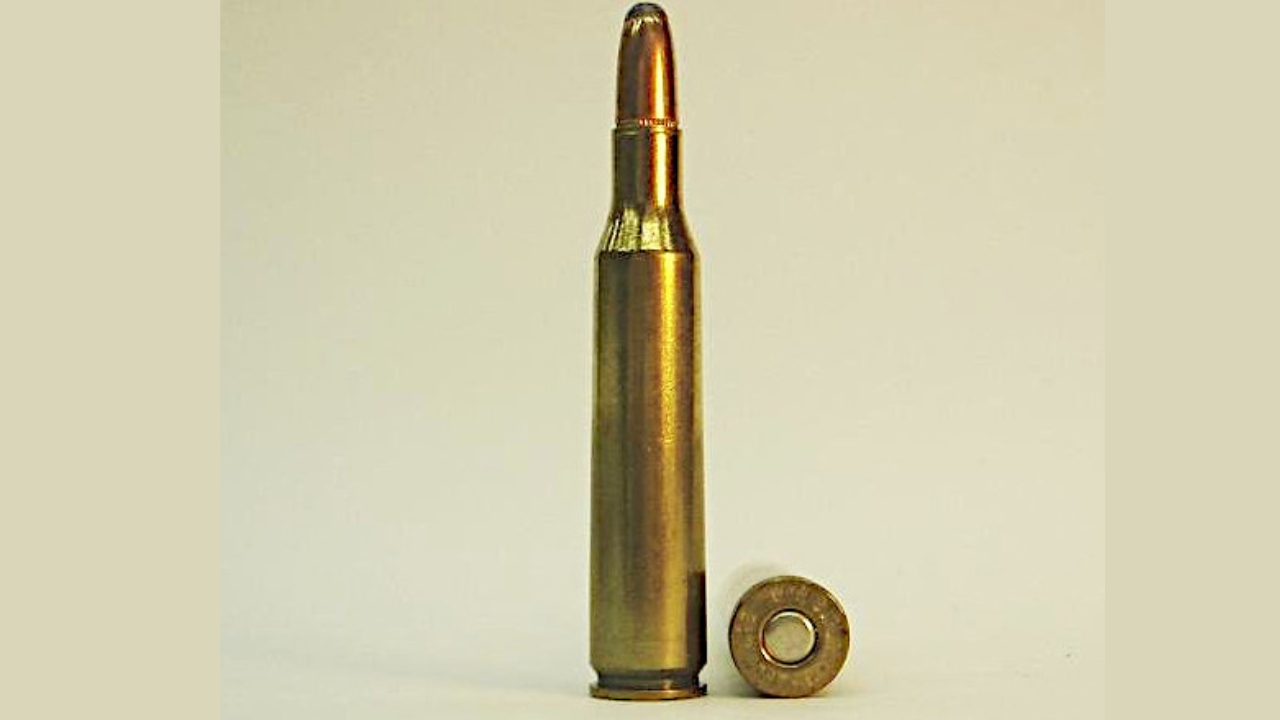
The .257 Roberts is a sweet-shooting cartridge with real capability, but it’s fading fast in the modern market. Shooters who still use it do so because they appreciate its history and its mild recoil. It’s accurate and capable inside normal ranges, yet it gets overshadowed by more modern rounds like the 6.5 Creedmoor. Nostalgia is a big part of why it survives.
You’ll still find it in the hands of older hunters who grew up with the round or inherited rifles chambered for it. They know it’s not on many shelves anymore, but they keep loading it because it offers a classic shooting experience you don’t get with newer cartridges designed purely around numbers.
.44-40 Winchester

The .44-40 is another cartridge that lives on thanks to lever-gun fans and cowboy-action shooters. Ballistically, it doesn’t stand out today, and modern defensive or hunting rounds outperform it easily. But people continue using it because it’s tied to the Old West and early American hunting culture. Nostalgia gives it staying power.
Shooters who run .44-40 usually do it for the experience, not the ballistics. The round delivers a classic feel, mild recoil, and a connection to the past that newer cartridges can’t match. When a cartridge carries more than a century of history, it doesn’t fade quietly.
.300 Savage
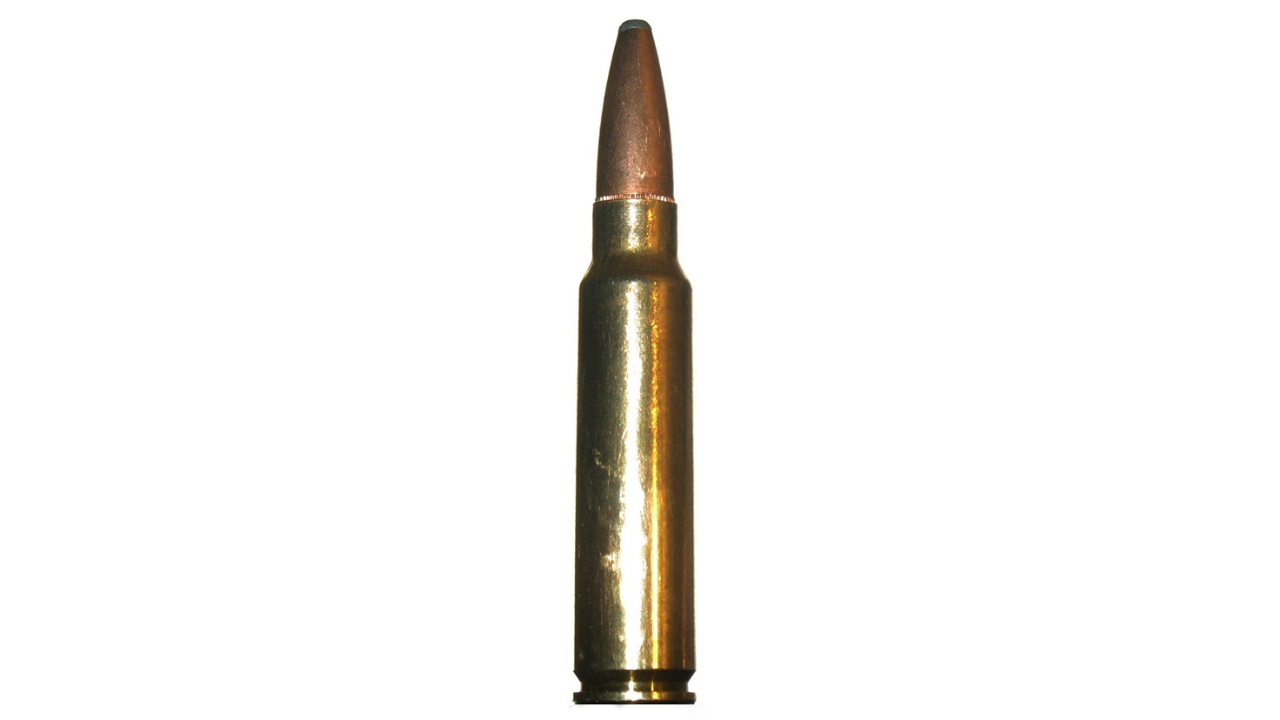
Before the .308 Winchester, there was the .300 Savage. It offered great performance for its time, but the .308 made it largely unnecessary. Still, plenty of older rifles remain in circulation, especially classic Savage 99s, and owners continue to shoot the cartridge out of affection for the rifle and the history tied to it.
Even though ammo availability is shrinking, shooters keep using it because these rifles mean something to them. They’re not chasing long-range accuracy or efficiency—they’re keeping a tradition alive. Nostalgia drives most of the .300 Savage use you see today, and that’s enough to keep it from disappearing completely.
.220 Swift
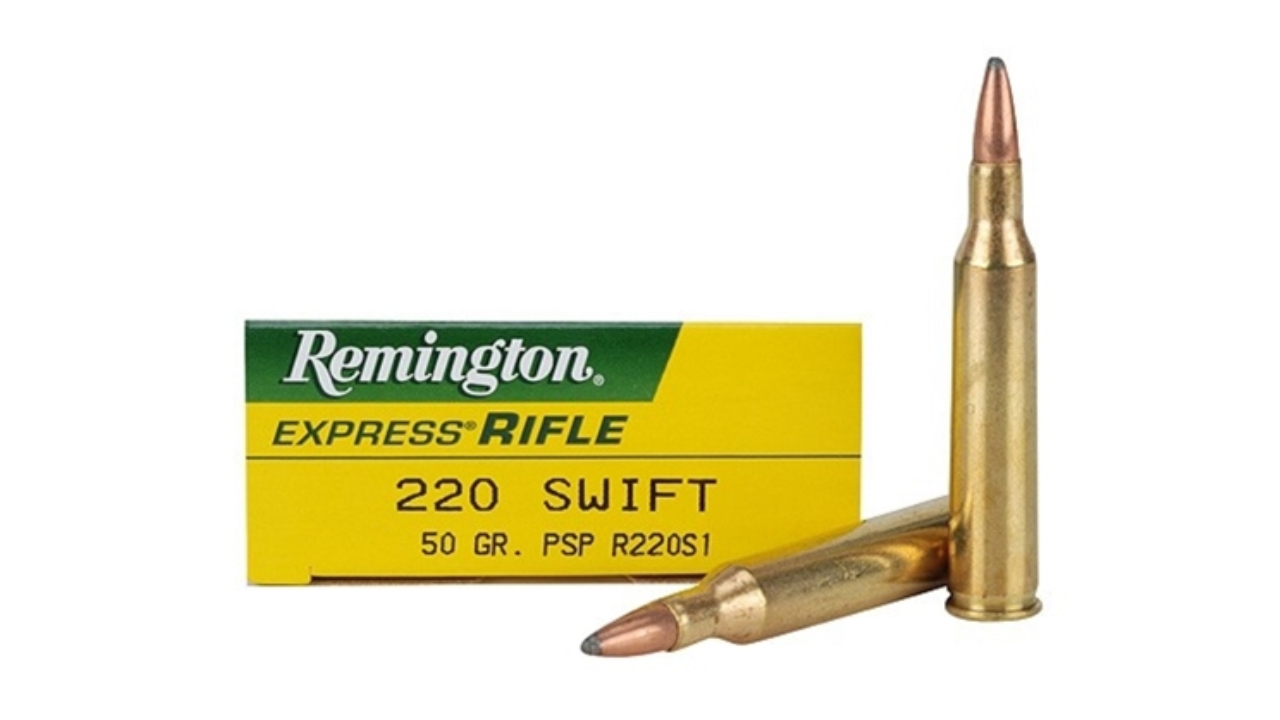
The .220 Swift once held the crown for speed, and for older varmint shooters, that reputation was hard to ignore. It’s still incredibly fast, but the round has always been a bit over the top for barrel wear and practicality. Newer cartridges offer better overall balance, yet Swift shooters stick with it because of its legendary status.
If you’ve ever talked to someone who grew up shooting the Swift, you’ll hear nothing but stories about flat trajectories and explosive hits. That nostalgia keeps people reloading it even as factory offerings shrink. They don’t want to let go of a round that defined an era of varmint shooting.
.284 Winchester

The .284 Winchester never became mainstream, but it gained a cult following among handloaders who appreciated its performance. Even though other modern cartridges outperform it, those who reload it continue to cling to the round because it represents a time when wildcatting and experimentation defined the shooting world.
You don’t see many factory rifles chambered in .284 anymore, yet the shooters who love it refuse to move on. They enjoy the history, the tinkering, and the identity that comes with shooting a cartridge most people overlook. Nostalgia—and a little stubbornness—keeps the .284 alive.
7×57 Mauser

The 7×57 has a long track record around the world, and people still shoot it because it performs well without beating you up. But nostalgia plays a major role in its survival. It’s tied to classic Mauser rifles and early big-game hunting history, and that heritage keeps shooters interested even as modern 7mm cartridges overshadow it.
Those who carry a 7×57 usually do so because the rifle means something to them. They grew up with it or inherited it, and they appreciate the old-school shooting experience it delivers. Nostalgia and legacy make this cartridge hard to let go.
.375 H&H

The .375 H&H remains a respected dangerous-game caliber, but nostalgia is a heavy factor in why many shooters still keep it around. It’s been the standard for more than a century, and people who use it often admire its history as much as its performance. Newer cartridges offer more efficient ballistics, but none carry the same heritage.
Shooters who use the .375 H&H typically respect the tradition behind it. Even if they don’t need it for modern hunts, they keep it in rotation because it represents a time when safari rifles were built differently. Nostalgia keeps this one rooted firmly in the past—and still very present.
.32 ACP

The .32 ACP stays alive mainly because so many older pocket pistols were built around it. Modern defensive rounds outperform it easily, but people still shoot it because of the classic pistols tied to it. The caliber has a long history in European police guns and early American pocket pistols, and nostalgia keeps those guns in hands today.
Most shooters who stick with .32 ACP know it’s not the strongest option, yet they enjoy shooting these smaller pistols because they connect them to earlier generations. It’s more about the experience than the performance.
.41 Magnum

The .41 Magnum was never as popular as the .44, yet it keeps a small but dedicated following. Many shooters stick with it because they appreciate its history, and some simply enjoy being part of a niche group. Ballistically, it sits in an odd place, and not many factory guns support it anymore, but nostalgia keeps it going.
Shooters who carry the .41 Magnum usually have a personal connection to it. Maybe it was their first big revolver round or something their father swore by. Nostalgia is a powerful reason to hold onto a cartridge—even one that’s slowly fading away.
Like The Avid Outdoorsman’s content? Be sure to follow us.
Here’s more from us:
The worst deer rifles money can buy
Sidearms That Belong in the Safe — Not Your Belt
*This article was developed with AI-powered tools and has been carefully reviewed by our editors.