Photo credit: Suburban Rifleman/YouTube
A lot of buyers do not say “investment” out loud, but that is exactly how they shop. They buy a gun because the name sounds safe, the model feels respected, or the market chatter makes it seem like prices can only go one direction. For a while, that confidence feels smart. Then enough time passes, and the gun just sort of sits there. It does not crash, but it also does not become the obvious home run people convinced themselves it would be.
That is what this list is about. These are regular production gun models people often treated like future gainers, only to find out the value story was weaker, slower, or flatter than expected. Some are still good guns. Some are still worth owning. But they did not become the automatic appreciation machines buyers thought they were buying.
Colt AR-15A2 HBAR Sporter
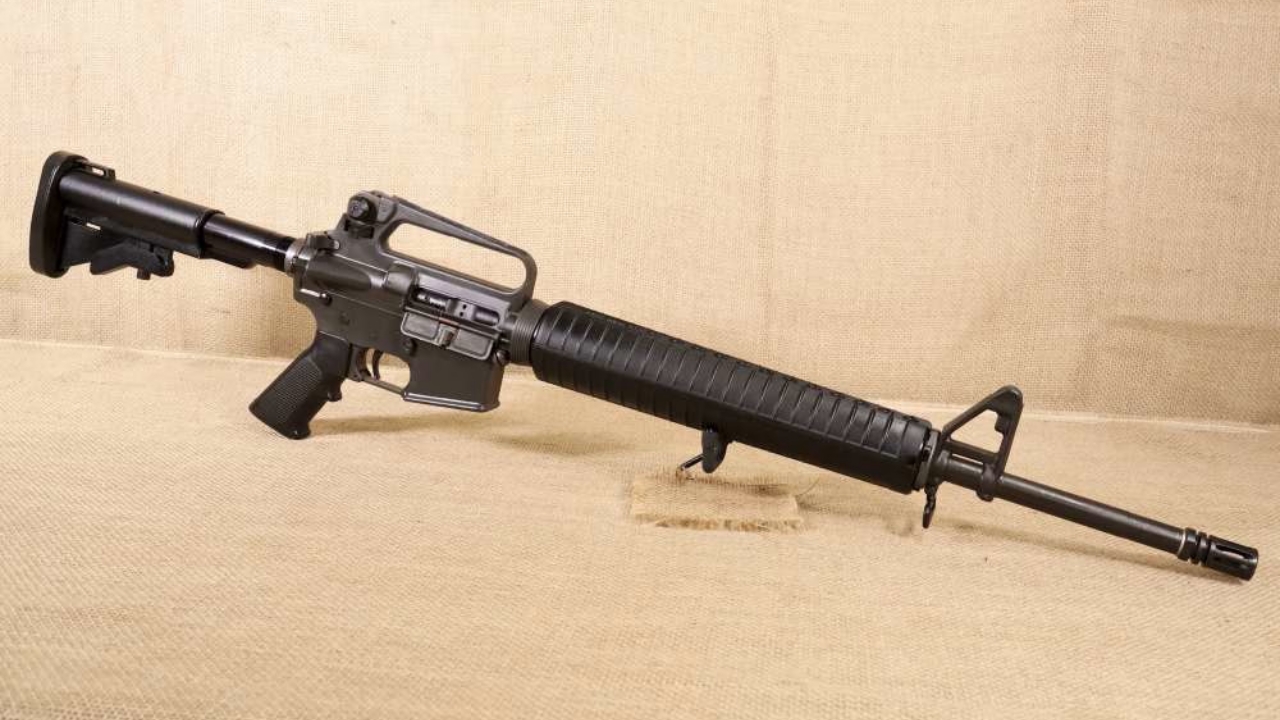
The AR-15A2 HBAR Sporter looked like the sort of rifle that should have kept climbing forever. It had Colt on the receiver, it came from a period buyers like to romanticize, and it felt like the safe way to buy into old-school AR value. A lot of people put them away believing the Colt name alone would make the rifle a steady upward march.
That did not always play out cleanly. The market stayed interested, sure, but not every HBAR became a goldmine. There were enough of them, enough overlap with other Colt models, and enough buyer hesitation about paying too much for a heavy, fairly ordinary configuration that the expected rocket ride often turned into a slower, less exciting story than owners imagined.
Browning BAR Safari

The BAR Safari has long had the kind of polished hunting-rifle image that makes people think appreciation is inevitable. Browning name, glossy wood, upscale autoloader feel, all of that makes the rifle sound like a smart thing to stash away and revisit later. Buyers often assumed a refined old sporting semiauto would age into obvious collector money.
The trouble is that polished image does not always create broad, aggressive demand. The rifle remained respected, but not always with the urgency owners were counting on. Plenty of buyers discovered that “nice old Browning” and “strong appreciating asset” are not automatically the same thing, especially when real-world demand is narrower than the reputation suggests.
Remington 700 BDL

The 700 BDL seemed like one of the safest bets in the sporting-rifle world. It was the classic polished deer rifle, tied to a huge name, and familiar enough that many buyers assumed the market would always reward it more and more as time passed. That confidence made a lot of people treat them like value locks.
But regular production BDLs often turned out to be more stable than explosive. They held interest, but many never made the leap into “I’m glad I bought three of these” territory. The model stayed common enough, the nostalgia stayed broad rather than urgent, and the premium many owners expected just never became as automatic as the old reputation made it sound.
Ruger Mini-14 Ranch Rifle

For a long time, buyers convinced themselves that older Mini-14 Ranch Rifles were bound to become unstoppable value pieces. The logic sounded good: Ruger name, traditional-looking semiauto, loyal fan base, and an identity separate from the AR crowd. A lot of people bought them expecting the market to keep rewarding that difference.
Instead, many found the appreciation story much more uneven than expected. Certain variants did better, sure, but a regular Ranch Rifle often stayed in the “liked, but not wildly chased” part of the market. That left plenty of owners staring at values that were fine, but not nearly as exciting as the investment story they told themselves years earlier.
Colt Government Model 1991A1
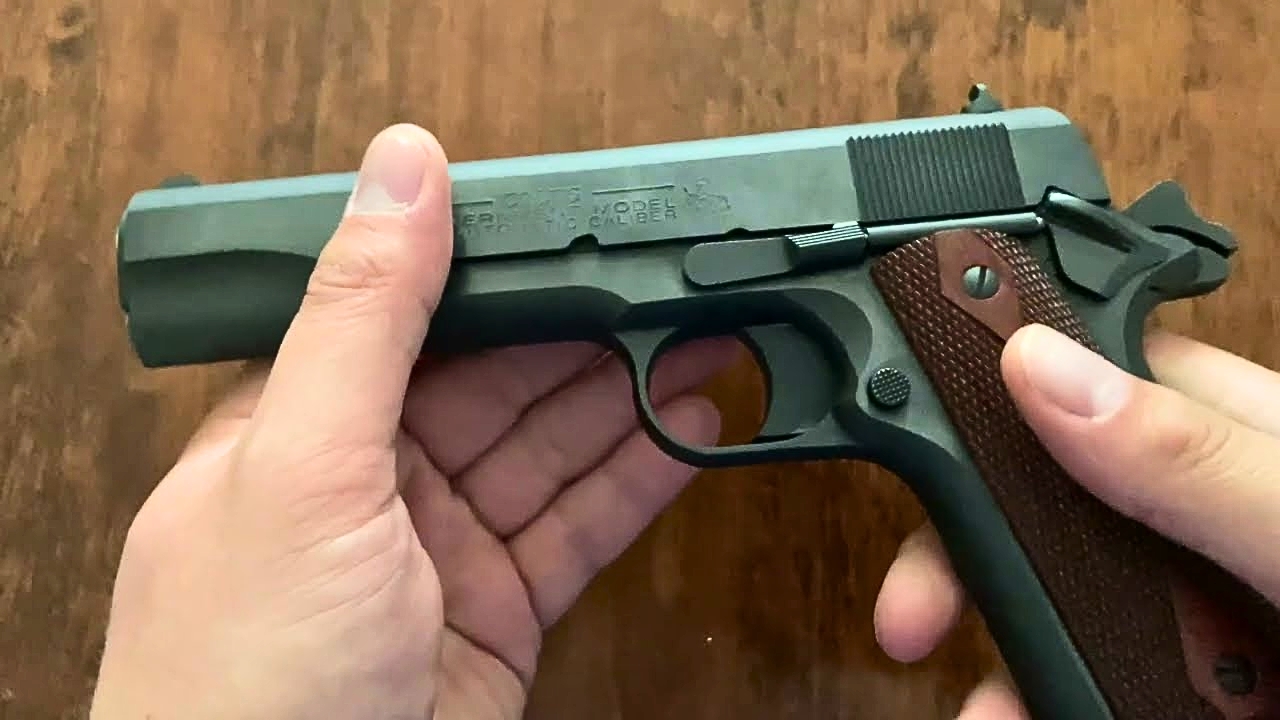
The 1991A1 looked like an easy long-term win because it was a Colt 1911 that still felt accessible. Buyers loved the idea that they were buying into the Colt name before prices really got away from everyone. It seemed like one of those pistols that would become more and more obviously smart with every passing year.
What happened instead was much flatter. The pistol remained respected, but regular production Colts of that type often did not separate themselves enough to create the kind of appreciation owners expected. A lot of buyers learned the hard way that “it says Colt” is not always enough by itself to turn an ordinary production pistol into a major future score.
Smith & Wesson 686 no-dash and early dash variants
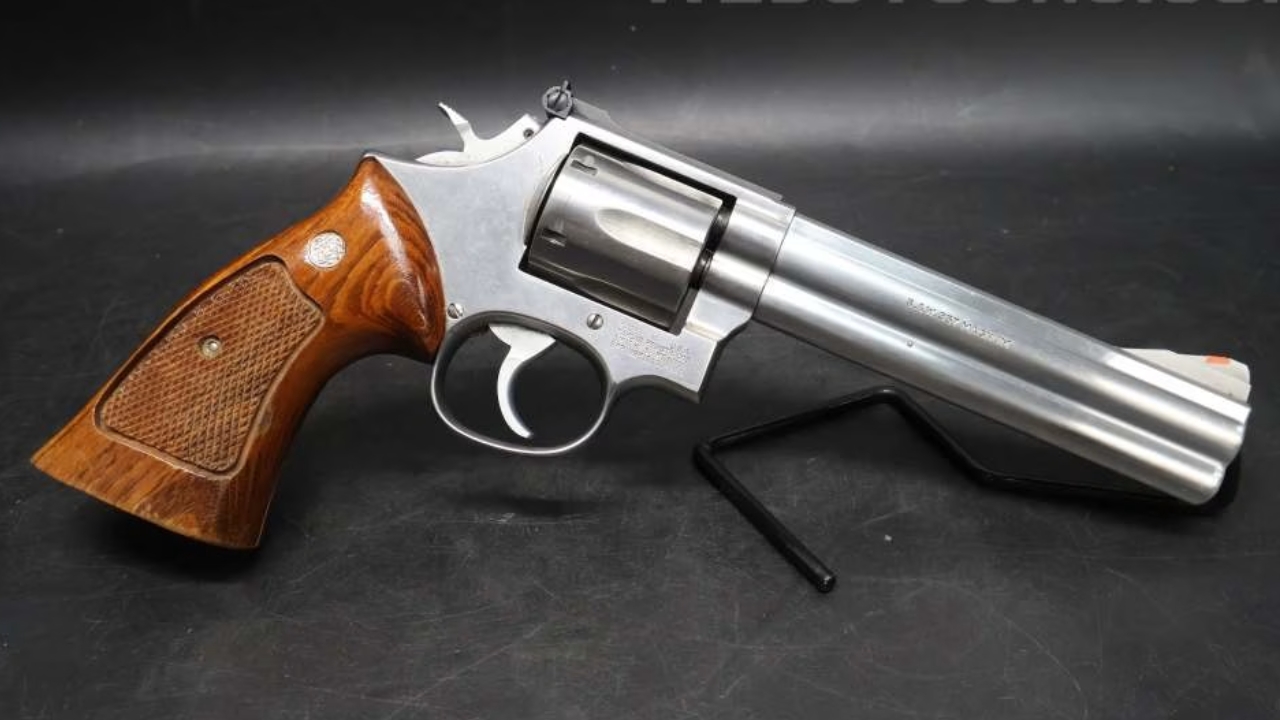
The 686 has always had a lot going for it, and that is exactly why many buyers assumed early examples would just keep climbing. Strong reputation, .357 Magnum, stainless Smith revolver, all the ingredients were there. People bought them with a lot of confidence, expecting steady and dramatic upside.
But the market often treated them more calmly than owners expected. They stayed desirable, yes, but broad desirability is not always the same as explosive appreciation. Enough examples stayed in circulation, enough buyers treated them as shooters first, and the whole “this can only go up” mindset often turned into a much slower payoff than people originally expected.
Beretta 92FS Inox
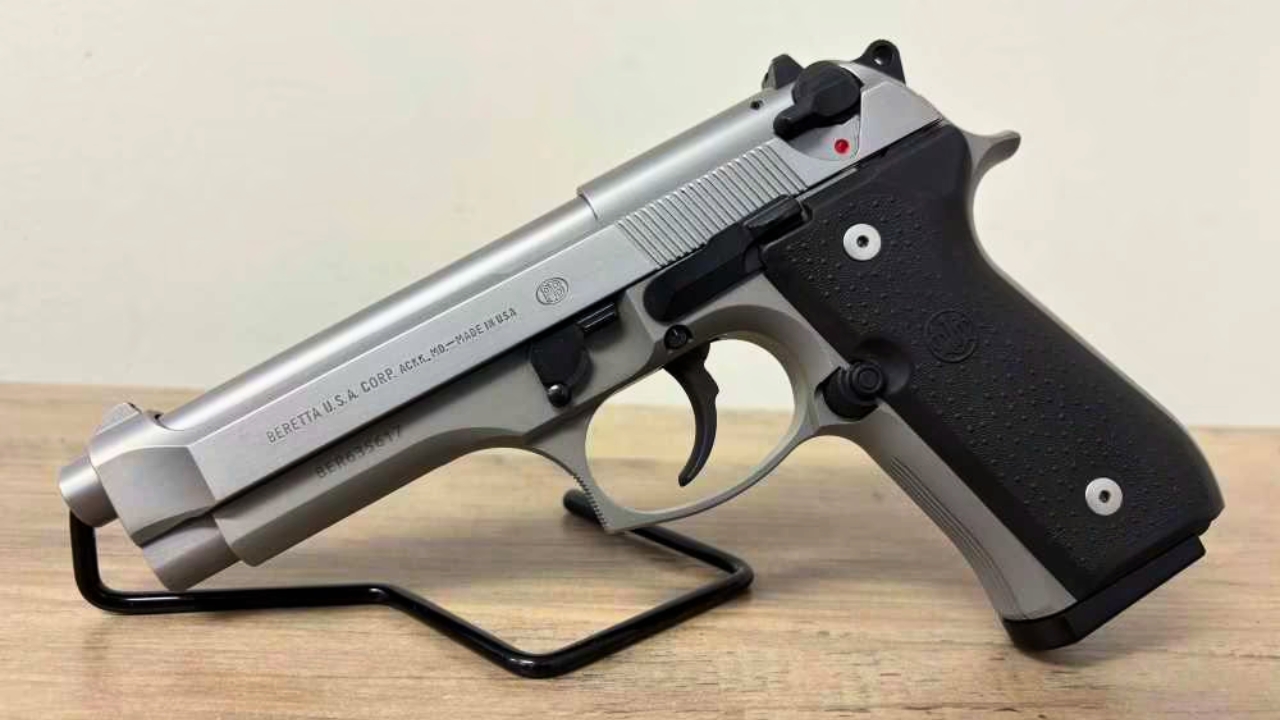
The 92FS Inox looked like one of those pistols that had everything needed for future collector heat. Beretta name, movie-and-service-pistol aura, stainless finish, and broad recognizability. A lot of buyers assumed the Inox versions would steadily separate themselves from ordinary 92s and become a much hotter commodity than they actually did.
Instead, many stayed in that middle ground where people liked them but did not chase them hard enough to fulfill the fantasy. The pistol remained desirable, but the jump many owners expected was often softer and slower than the hype around the model suggested. It turned out to be more “always liked” than “unstoppably rising.”
Winchester Model 70 push-feed sporters
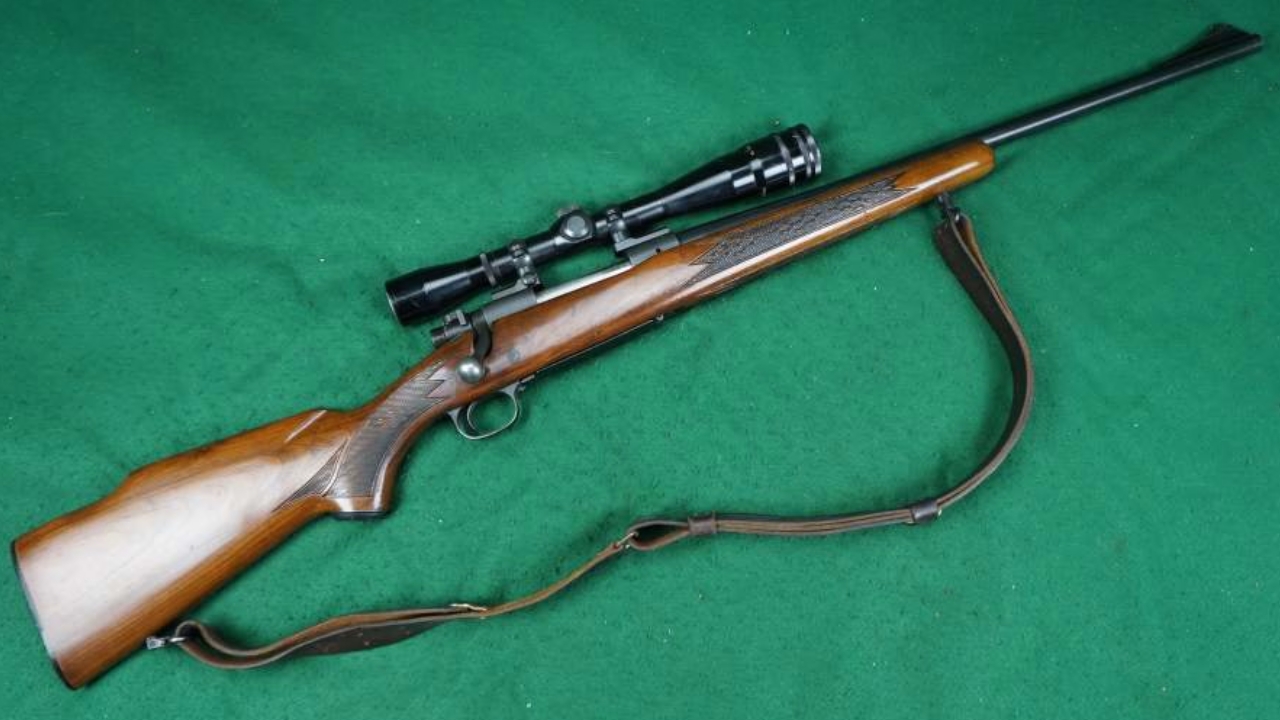
A lot of buyers assumed older push-feed Model 70 sporters would inevitably rise harder simply because they wore the Model 70 name. That sounds reasonable until you remember how many buyers were having the same thought. The rifle carried Winchester prestige and hunting-rifle credibility, which made it feel like safe money.
But the value story often stayed more selective than buyers hoped. The model line was broad, the condition spread was wide, and not every example had enough distinctiveness to make the market get aggressive. Owners who expected every decent push-feed sporter to turn into a major value play often found the reality much more ordinary.
Remington 1100 Trap and Skeet guns

The 1100 trap and skeet guns seemed like obvious long-term winners for a while. Classic competition shotgun, huge installed base, broad familiarity, and real affection from shooters who grew up around them. A lot of buyers assumed those traits would force values up in a much more dramatic way than they actually did.
The issue is that “beloved” and “rapidly appreciating” do not always move together. These shotguns stayed respected, but not every version became rare enough or urgent enough to deliver what optimistic buyers were counting on. Many owners ended up with guns they still liked, but not the runaway value story they thought they had banked.
Ruger Red Label

The Red Label had all the signs of a future winner. American-made over-under, Ruger branding, a model people always seemed to respect just enough to sound confident about its future. That made it easy for buyers to assume any decent Red Label would keep climbing with very little resistance.
Instead, the market was often pickier and less excited than expected. Some guns moved well, some sat, and a lot of owners found that broad admiration did not translate into the kind of simple upward value line they had in mind. It was still a respected shotgun. It just did not always become the financial no-brainer many buyers thought they were buying.
Springfield Armory Loaded 1911

A lot of people treated the Loaded model like a future classic because it offered the 1911 formula with enough features to sound smarter than the plain versions but without stepping into custom-gun money. Buyers often assumed that combination would make it the sweet spot for both use and steady appreciation.
The market did not always agree. It remained a solid pistol, but broad production and a crowded 1911 field kept it from becoming the obvious rising asset some owners imagined. It was easy to like, easy to own, and much harder to turn into the kind of long-term “glad I bought that when I did” value story people expected.
Browning A-Bolt Medallion
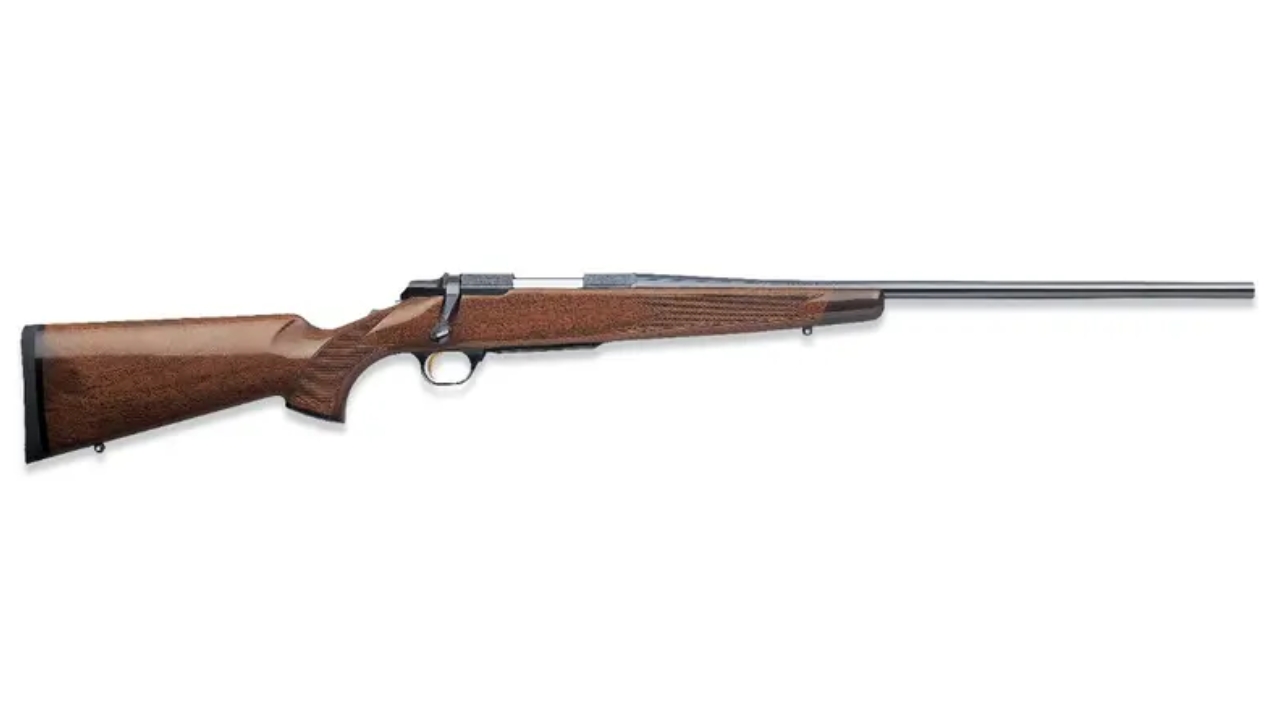
The A-Bolt Medallion looked like the sort of polished sporting rifle buyers would always pay more and more for. Fancy wood, Browning badge, and the overall impression of an upscale hunting gun made it feel like safe collector-adjacent money. A lot of owners assumed polished Brownings naturally became increasingly valuable.
Instead, many examples appreciated far more modestly than expected. They stayed attractive, but not every attractive sporting rifle becomes a market climber. The pool of buyers willing to pay heavily for gloss and reputation was often smaller than owners counted on, and a lot of rifles ended up feeling more admired than aggressively chased.
Colt Anaconda
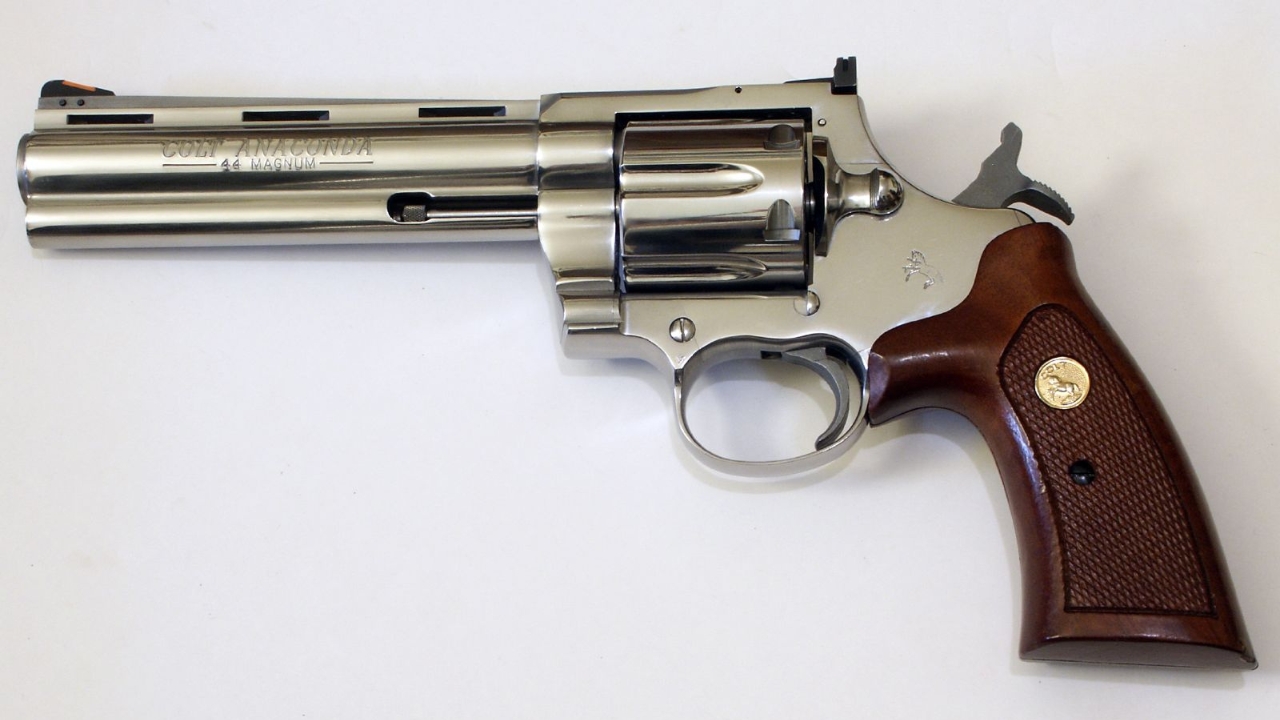
The Anaconda seemed like a sure thing for a long time. Big Colt snake gun, .44 Magnum, prestige, size, and plenty of buyers convinced that anything with that combination had nowhere to go but up. Many treated them less like revolvers and more like future receipts for validation.
But the value curve often turned out to be less clean than the fantasy. Some movement happened, yes, but not always in the steady, universal way people expected. Broad excitement around the Python often overshadowed the Anaconda, and the buyer base stayed narrower than many owners assumed. That left a lot of people with a gun they still liked, but not one that had become the obvious home-run hold they pictured.
Remington 870 Wingmaster common field grades
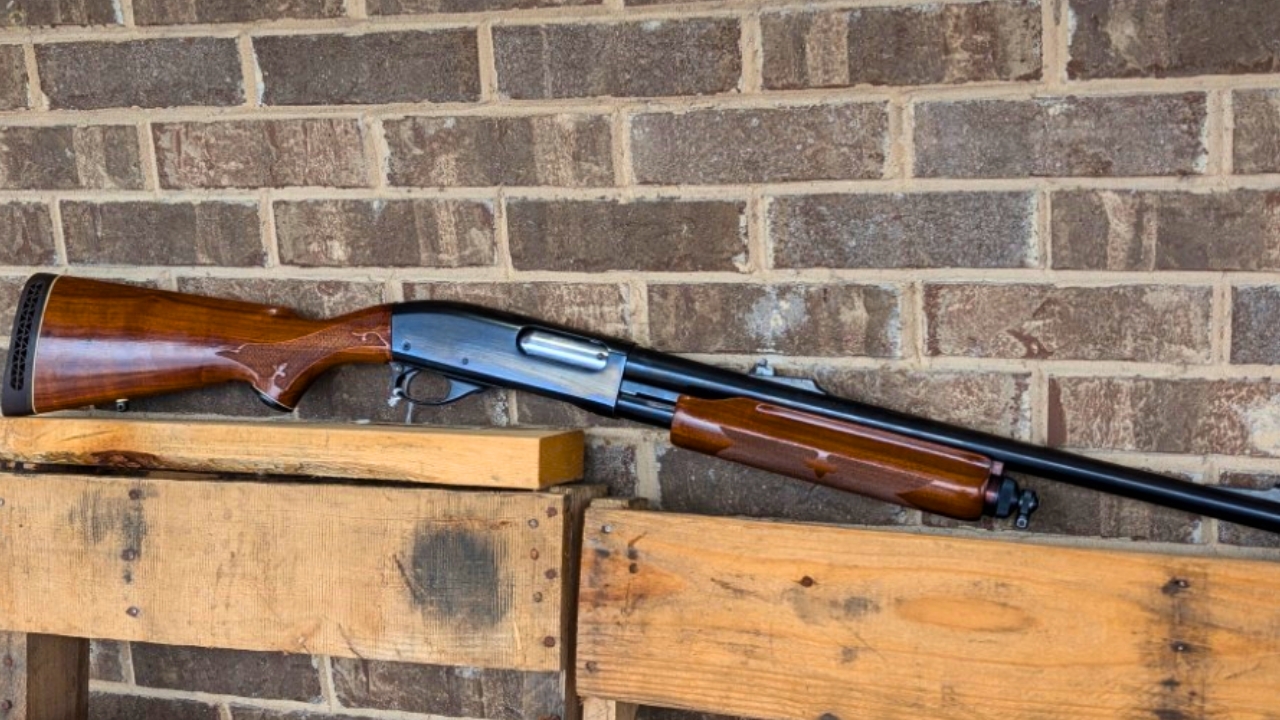
The Wingmaster has always been respected, and that respect fooled a lot of buyers into assuming common field-grade guns would just keep appreciating on reputation alone. Smooth action, old-school Remington aura, beloved field shotgun, it all sounded like easy long-term value.
But common guns stay common in the market longer than buyers like to admit. The Wingmaster remained a great shotgun, but a regular field-grade example often did not become the kind of appreciating asset people imagined. A lot of owners found themselves holding a fine shotgun with fine value, not the stealth investment they had quietly counted on.
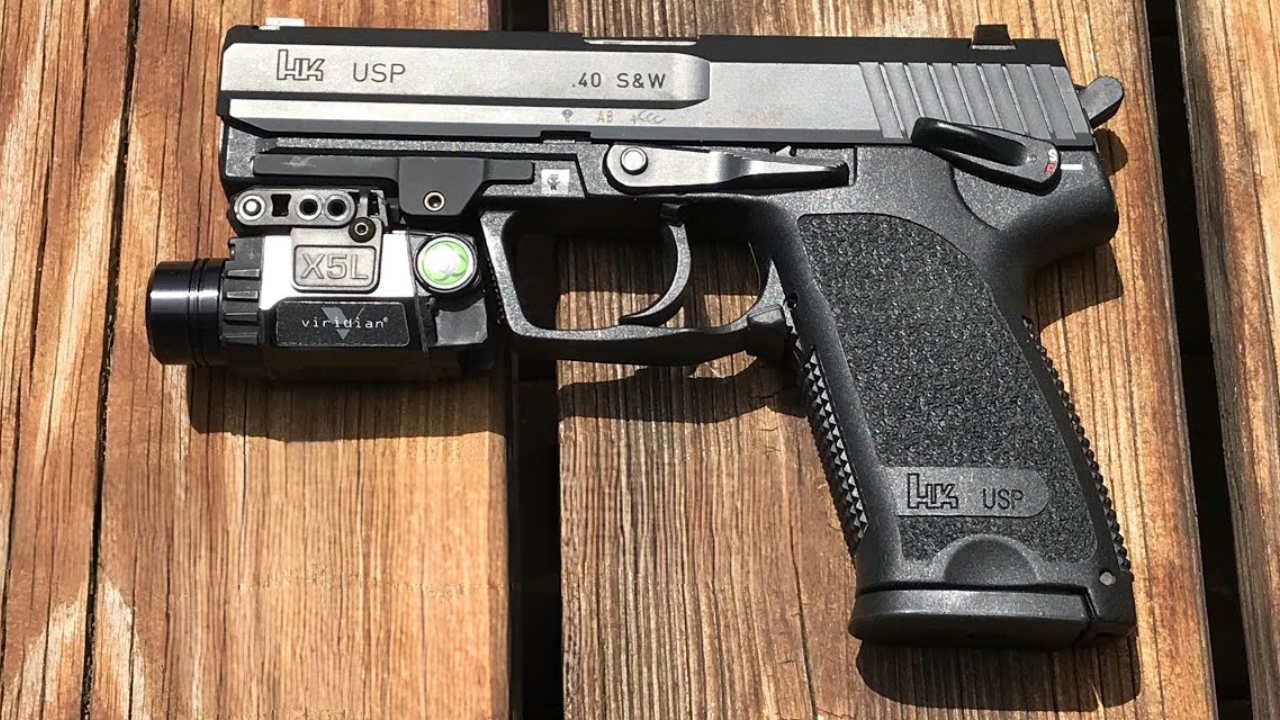
HK USP .40 full-size
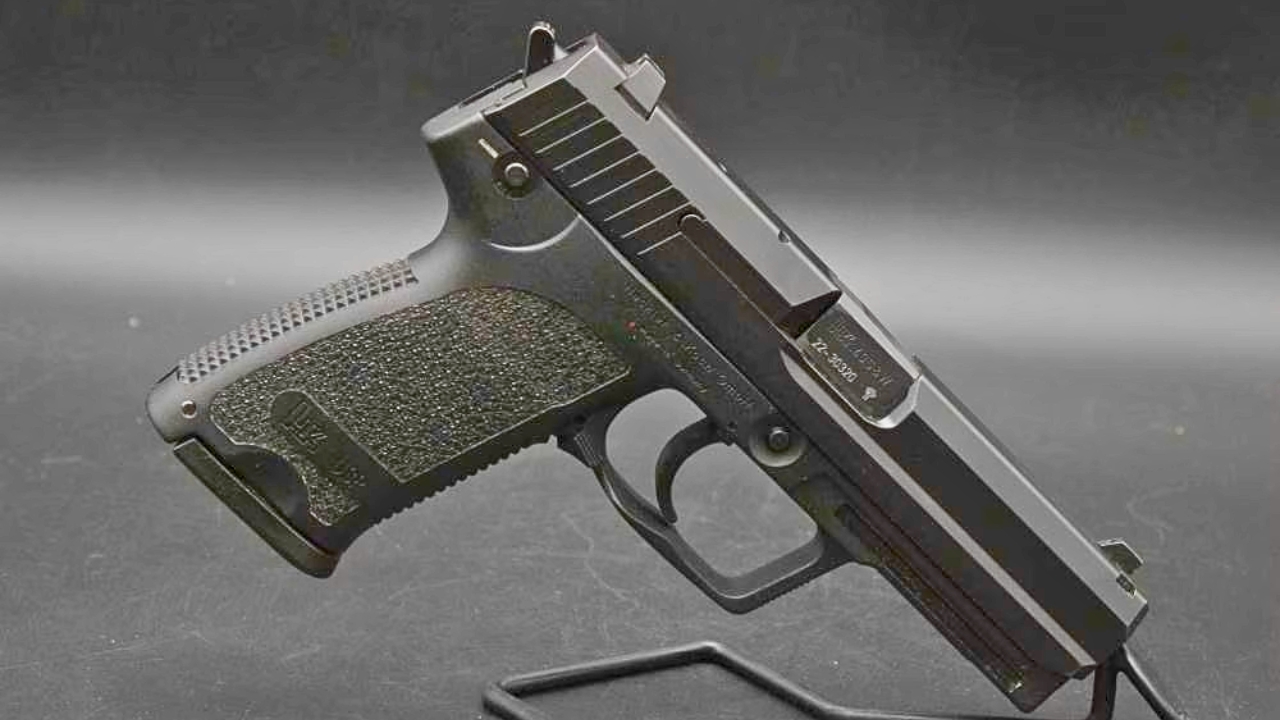
The USP .40 full-size felt like exactly the sort of pistol that would age into stronger and stronger money. HK name, hard-use reputation, and a platform many buyers treated as built-like-a-tank certainty. A lot of people bought them thinking the market would only get friendlier with time.
The reality was more mixed. The gun stayed respected, but not every respected service pistol becomes a runaway value story. The caliber worked against it for some buyers, the size limited others, and the broader secondary market never always turned as aggressive as owners expected. It remained a strong pistol. It just did not always become the clear financial win they had already pictured.
Like The Avid Outdoorsman’s content? Subscribe to our newsletter so you never miss an article.
Here’s more from us: