Photo credit: Hegshot87/YouTube
A good-looking handgun can pull you in fast. Clean lines, fancy finishes, a slick slide profile, maybe a trigger that feels like it was made for a photo shoot. None of that is bad. The problem is that “looks right” and “works when you’re scared, sweaty, and half awake” are two different tests.
A defensive pistol has to run when it’s dirty, when your grip is imperfect, and when your hands are cold or shaking. It also has to carry well, draw cleanly, and let you make fast, accountable hits without drama. Some sleek guns absolutely earn their keep. Others are better as range toys, collectors, or competition rigs, and that’s fine as long as you’re honest about it.
Staccato P

The Staccato P looks like a duty gun that went to finishing school. Flat shooter, tight fit, crisp trigger, and it points like it knows where it wants to go. In defensive training, that shootability is real. You can run faster with less effort, and you tend to see your sights sooner after recoil.
The practicality question comes down to cost, maintenance expectations, and carry setup. A 2011-style pistol rewards good mags and good springs, and it’s less forgiving of bargain gear than many striker guns. It also takes a real holster and belt to carry well. If you can support it with quality mags, regular inspection, and proper carry gear, it can be a serious defensive pistol, not a fashion piece.
SIG Sauer P226 Legion

A P226 Legion has that sleek, serious look and it backs it up with controllability. The weight and grip shape help you stay honest when you’re pushing speed. A hammer-fired gun with a solid trigger can give you confidence when you practice enough to own the first shot and manage the follow-ups.
The tradeoff is size and carry reality. Full-size pistols are easy to shoot well and harder to carry all day without compromises. You also need to be consistent with your decocking and handling habits, because double-action first shots punish sloppy work. If you carry it in a real holster and train with the system, it’s practical. If you buy it for the vibe and rarely practice, it turns into a safe queen with expensive magazines.
Beretta 92FS Inox
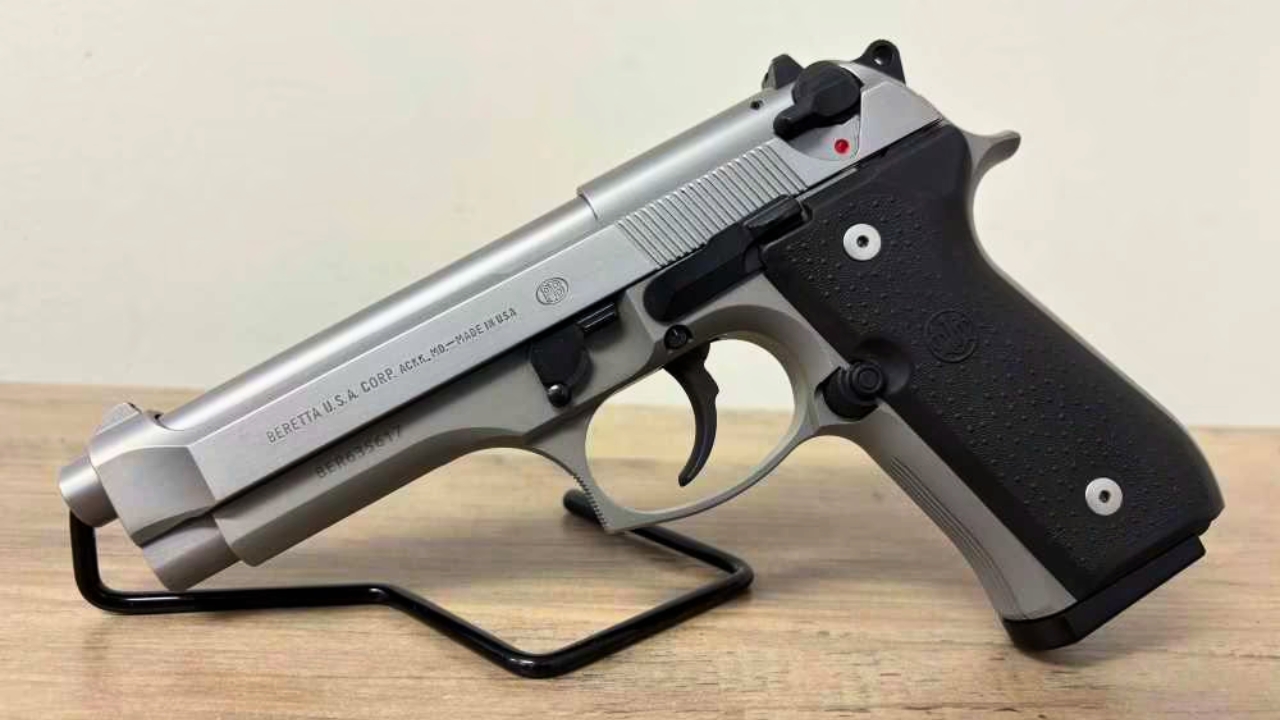
The stainless 92 looks sharp, and the design has a feel that modern plastic pistols rarely match. It tracks smoothly, shoots soft for its size, and the long sight radius makes hits feel easy. The controls are large and the slide cycles like it’s on rails when the gun is running well.
For defense, it’s practical when you understand what you’re carrying. The gun is wide, the grip can be large for smaller hands, and the slide-mounted safety setup can be a snag point if you don’t train with it. The open-top slide is a reliability plus in dirty conditions, but you still need good mags and a grip that actually fits you. Carried with the right holster and practiced with regularly, it’s a real defensive pistol.
CZ Shadow 2

The Shadow 2 is sleek in a “race gun that still looks classy” way. It shoots flat, the trigger can feel outstanding, and it rewards you when you’re working on speed and accuracy. On the range, it can make you look better than you are, and that’s part of the appeal.
For defense, you have to separate performance from purpose. Many Shadow 2 setups have light triggers and competition-oriented tuning that can be less tolerant of neglect. The gun is also heavy and not designed around concealment. It can work defensively in a home role, where weight and size are less of a problem, and where you can keep it maintained. As a daily carry gun, it’s often more commitment than most people stick with long-term.
Beretta 92X Performance

This one looks like a premium version of a classic, and it handles like it. Weight forward, mild recoil impulse, and a feel that encourages fast strings with tight groups. If you’re a shooter who likes metal guns and you want something that stays planted, it delivers.
The practicality side is the same story as most heavy pistols. Carrying it is a job, not a casual choice. You also need to confirm your exact model’s control layout and train it hard, because Beretta variants can differ. For home defense or vehicle use, the stability and shootability are big advantages. For concealed carry, it tends to be more gun than many people truly want on their belt every day, even if it looks fantastic doing it.
Walther Q5 Match Steel Frame
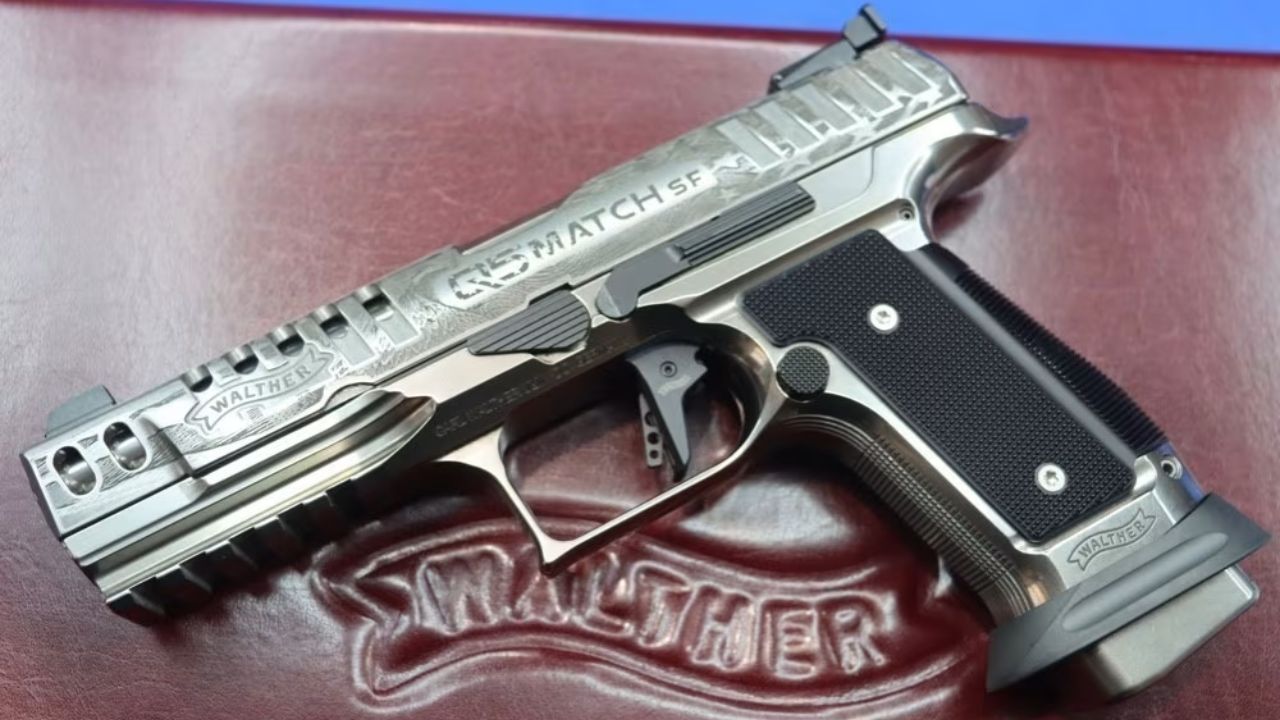
The Q5 Match Steel Frame looks like a striker pistol that’s been sharpened for serious range work. The slide profile, optics-ready setup, and weight make it fast and easy to control. It’s also the kind of gun that encourages practice because it’s fun and predictable in recoil.
The defensive practicality comes down to carry ergonomics and your tolerance for specialized setups. It’s a larger gun, and many owners run optics and extended controls that are great at the range and more complicated under clothing. It can absolutely serve as a home-defense pistol because it’s shootable and reliable when maintained. For daily carry, it often becomes a “weekend gun” that gets left behind when the weather is hot and the cover garments disappear.
Smith & Wesson M&P 2.0 Metal
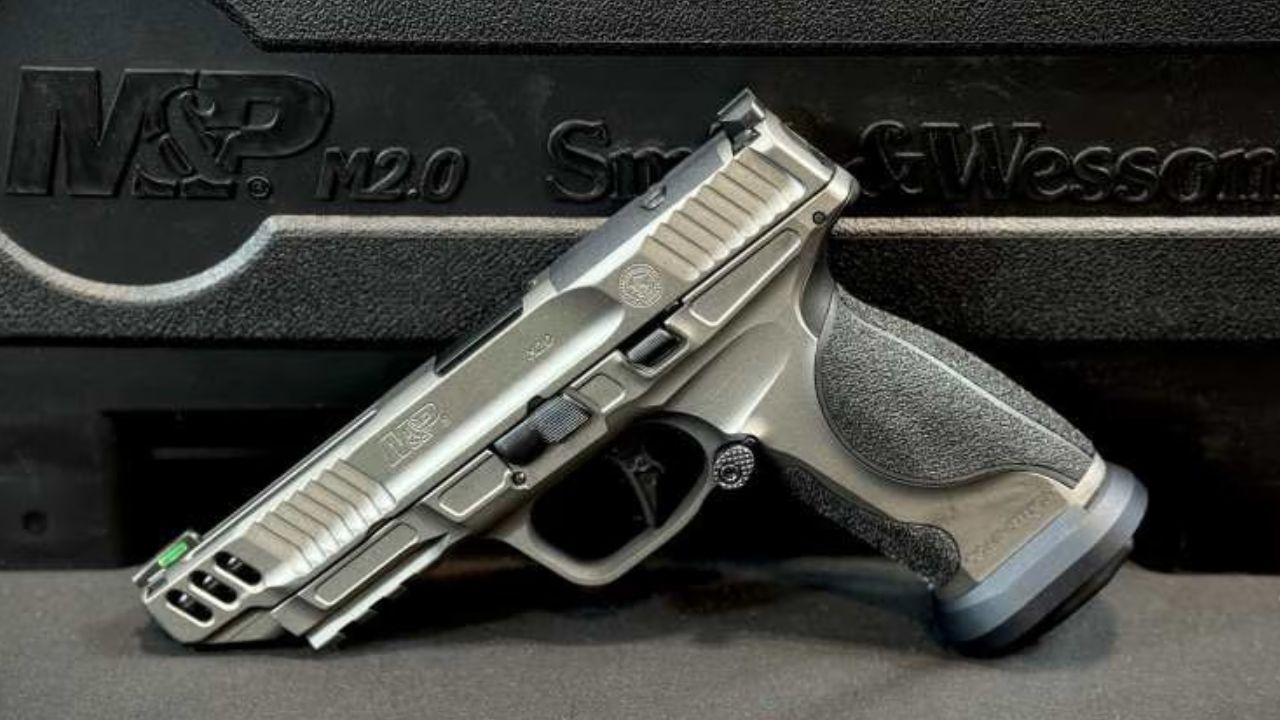
The metal M&P looks slick and feels upscale without getting weird. It keeps the familiar M&P geometry, but the extra weight can help you track the gun in recoil. It’s a practical “nice version of a working tool,” and that’s a strong lane for defensive use.
Where you stay honest is in setup and testing. Any defensive pistol needs your chosen ammo verified, your mags proven, and your carry method consistent. The metal frame adds some weight, and that can change your carry comfort compared to polymer. The upside is that the M&P ecosystem is broad and easy to support with holsters and parts. If you want a sleek pistol that still behaves like a duty gun, this is one of the safer bets.
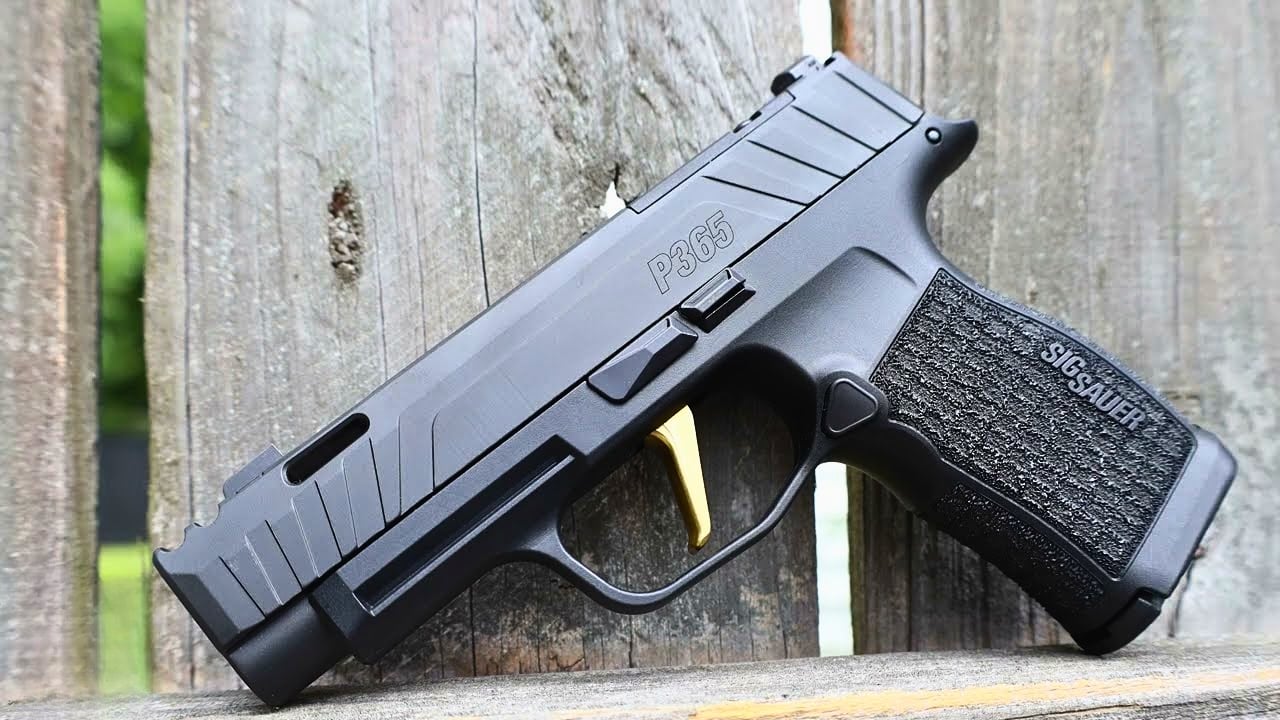
SIG Sauer P365 Spectre Comp

The Spectre Comp looks high-end, and it’s built to feel quick. The compensator setup can keep the gun flatter, and that can help you shoot faster with more control, especially with hotter defensive loads. It also carries small, which matters if you actually plan to have it on you daily.
The practical concerns are heat, blast, and maintenance expectations. Comped micro-compacts can be louder and sharper, and they can demand more attention to ammo choice and cleaning. You also have to be realistic about grip. Small guns are harder to shoot well under stress, even when they’re softened by design features. If you commit to training and you validate reliability with your carry ammo, it can be practical. If you buy it for looks alone, it can turn into a temperamental accessory.
FN Five-seveN

The Five-seveN looks futuristic and sleek, and it shoots incredibly soft for how fast it runs. It’s light on the belt, easy to keep on target, and it encourages fast, accurate shooting because recoil isn’t fighting you. That makes it appealing to people who want control without weight.
The defensive practicality hinges on real-world logistics. Ammo availability and cost can be a limiting factor, and that matters because practice is part of being prepared. The gun is also large in the grip, which won’t fit every hand well. If you can support it with consistent ammo, proven magazines, and regular range time, it can be a capable defensive pistol. If you can’t, it becomes a cool-looking outlier that you rarely shoot.
Heckler & Koch P30L

The P30L has that long-slide, clean-profile look that draws attention, and it’s built like it expects hard use. The ergonomics are excellent for many hands, and the recoil impulse is steady and predictable. It’s the kind of pistol that stays controllable when you’re moving fast and shooting from imperfect positions.
The practical side is learning the trigger system you choose. Many P30Ls are run as traditional hammer guns, and that means mastering the first shot and running the controls correctly every time. The pistol is also longer than most carry guns, which can complicate concealment. As a home-defense pistol or a belt gun under a jacket, it’s highly practical. As a year-round concealed carry gun, it depends on your wardrobe and discipline.
Walther PPK
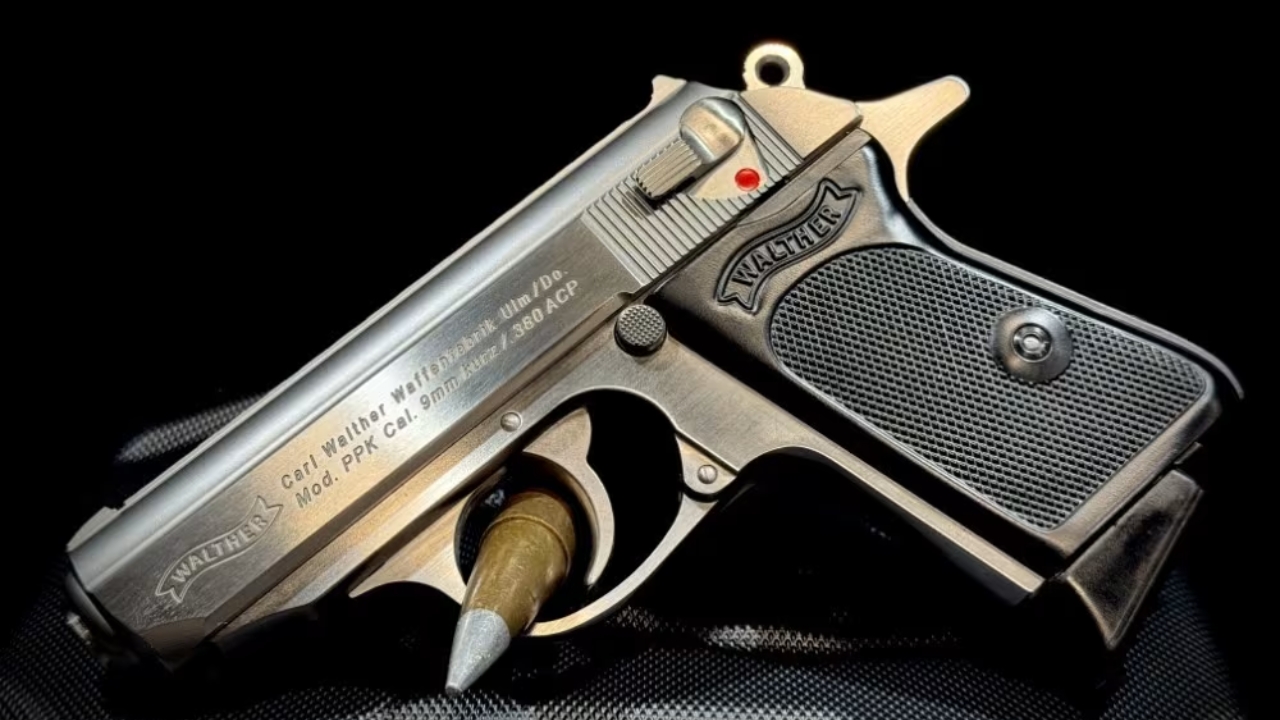
The PPK is sleek in the classic way. It looks refined, it feels like history, and it carries flat. People still buy them because they want something that doesn’t look like every polymer pistol in the case. In the hand, it can feel “right” until you start running it hard.
As a defensive gun, the PPK has real drawbacks. Many shooters find it snappy for its caliber, and the ergonomics can bite hands during recoil. Capacity is limited, sights are often small, and the manual of arms demands consistency. It can work as a deep-carry option for someone who trains with it and accepts the limits. It’s not a great choice for most people who want an easy, forgiving defensive pistol.
SIG Sauer P938

The P938 looks sharp and feels like a scaled-down classic, and it can shoot better than many tiny guns when the grip fits you. It’s compact, carries well, and the single-action trigger can help you place careful shots when you’ve put in the work.
The practicality side is that small single-action pistols demand habits. You need a safe, consistent carry method, a holster that covers the trigger and holds the gun securely, and repetition until the draw and safety manipulation are automatic. Recoil is also more noticeable in a gun this size, even in 9mm. If you train and carry it correctly, it can be a real defensive pistol. If you treat it like a stylish pocket piece, you’re leaning on luck.
Kimber Micro 9

The Micro 9 looks like a classy mini 1911, and it’s often chosen because it feels good in the hand and carries easily. When one is running well, it can be accurate and pleasant for its size, and it has that clean, traditional profile a lot of people prefer.
For defense, you have to approach it like any small, tight pistol. Mini guns can be more sensitive to ammo choice, grip consistency, and magazine condition. You also have the same carry-system considerations as other single-action designs, which means your holster and handling habits matter every day. A Micro 9 can be practical if it’s proven reliable with your carry ammo and you maintain it. If it’s carried because it looks sleek and gets shot twice a year, it’s not serving the role.
Ruger LCP Max

The LCP Max looks slick and disappears in places bigger guns can’t. It’s a purpose-built carry tool with a modern profile, and the capacity is impressive for the size. For many people, it’s the gun they actually keep on them when bigger pistols stay at home.
The hard truth is that tiny guns are hard to shoot well fast. The sights are smaller, the grip is short, and recoil can feel sharp even in mild calibers because there isn’t much mass to soak it up. That doesn’t make it useless, it makes it a specialist. It’s practical when you accept that it needs more practice to shoot well, and that it works best at close distances with realistic expectations. If you want effortless control, a slightly larger gun usually serves you better.
Chiappa Rhino 60DS

The Rhino looks sleek in a sci-fi way, and it’s built around an idea that actually helps. The lower bore axis changes how recoil feels, often reducing muzzle rise compared to many revolvers. That can make it easier to keep the sights in view and run the gun faster than you’d expect from a wheelgun.
The practicality questions are weight, trigger feel, and carry comfort. A longer Rhino can be bulky, and revolvers still require solid technique for reloads and trigger management. You’re also living with limited capacity compared to modern pistols. As a defensive handgun, it can be practical for someone who prefers revolvers and trains with them, especially in a home or trail role. It’s less practical for someone who wants easy logistics and fast reloads under pressure.
Desert Eagle
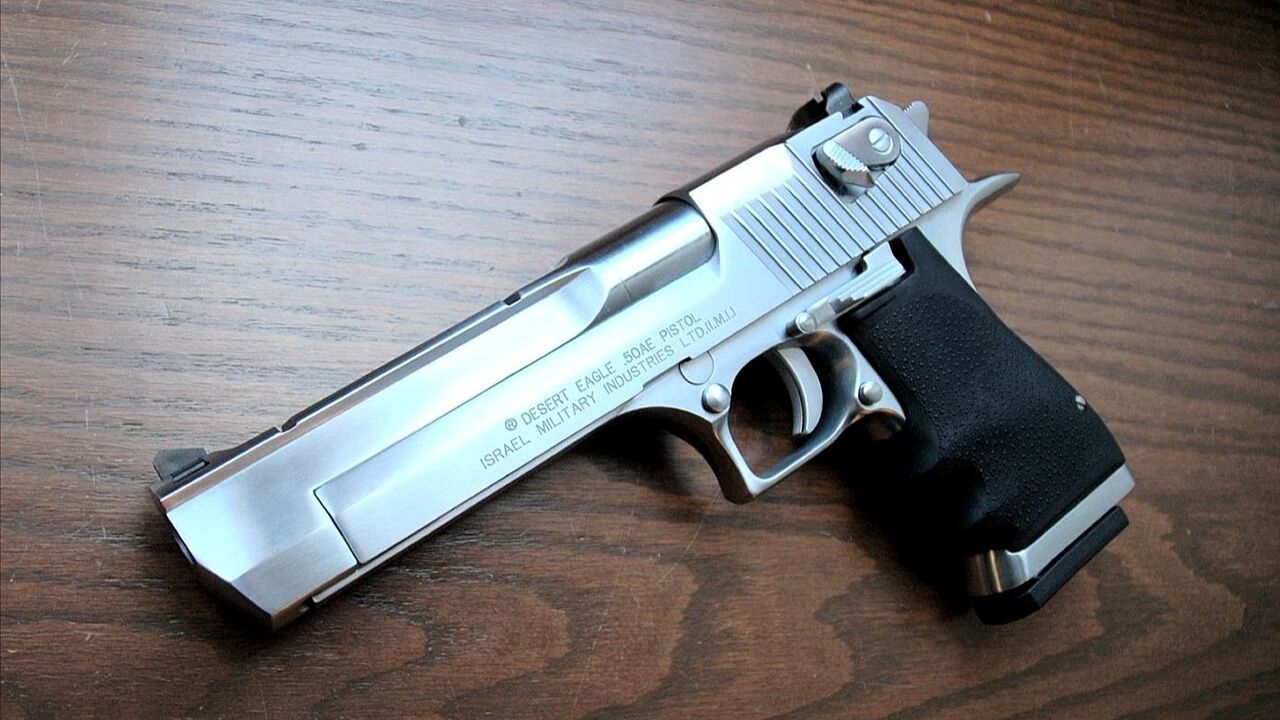
The Desert Eagle looks sleek in a big, dramatic way, and it turns heads everywhere it goes. It’s also an impressive machine when it’s running with the right ammo. The weight can soften recoil compared to what you’d expect from the caliber, and the gun can be surprisingly accurate.
For defense, it’s a poor fit for most people. It’s heavy, large, slow to bring on target compared to normal carry pistols, and it demands specific ammunition and maintenance to stay happy. Capacity is limited for the size, and carry practicality is nearly nonexistent unless you’re treating it like a novelty sidearm. It’s a great range gun and a fun collector piece. As a defensive handgun, it’s more style than solution, and that’s the honest lane for it.
Like The Avid Outdoorsman’s content? Subscribe to our newsletter so you never miss an article.
Here’s more from us: