Photo credit: Gualberto Becerra/Shutterstock.com
Not every collector gun announces itself early. Some firearms become valuable because they were tied to military history, major design changes, or limited production runs right from the start. Others slip into that territory quietly. They sit in safes, ride around in truck racks, or collect dust in gun cabinets for years before people suddenly realize clean examples are getting harder to find and a lot more expensive to replace. That kind of slow-burn value climb catches plenty of owners off guard.
A lot of these guns were never treated like future collectibles at all. They were working firearms, police trade-ins, affordable imports, or oddball models people bought because they liked them, not because they expected appreciation. Then production stopped, demand shifted, nostalgia kicked in, or a new generation started chasing what used to be common. That is how an overlooked gun becomes a collector piece while most people are still thinking of it as old, used, and ordinary.
Smith & Wesson Model 19

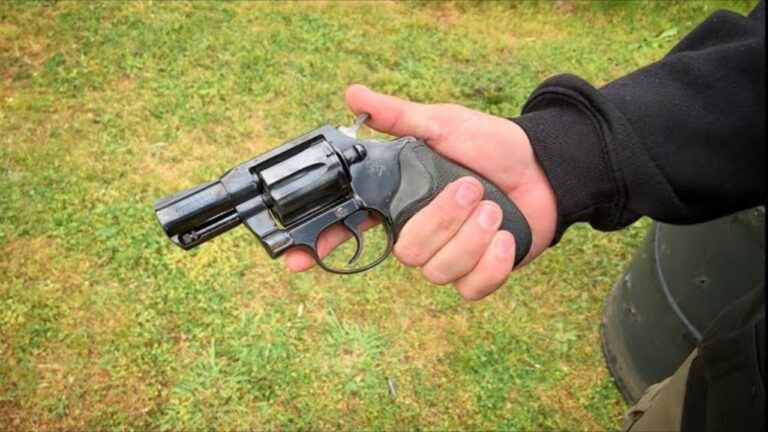
The Smith & Wesson Model 19 spent a long time being appreciated more as a practical revolver than a collector one. It had real law-enforcement history, a strong reputation, and a balance a lot of shooters still love, but for years it was still mostly seen as a working .357. Plenty of people carried them, shot them, and holstered them hard without thinking they were preserving anything special.
Then the market changed. Older pinned and recessed examples started drying up, clean specimens became harder to find, and buyers began noticing how much classic blue-steel Smith appeal had built up over time. Suddenly the same revolver people once treated like a dependable shooter started bringing collector interest. It did not happen overnight. That is exactly why so many people failed to notice it until the prices had already moved.
Browning Hi-Power
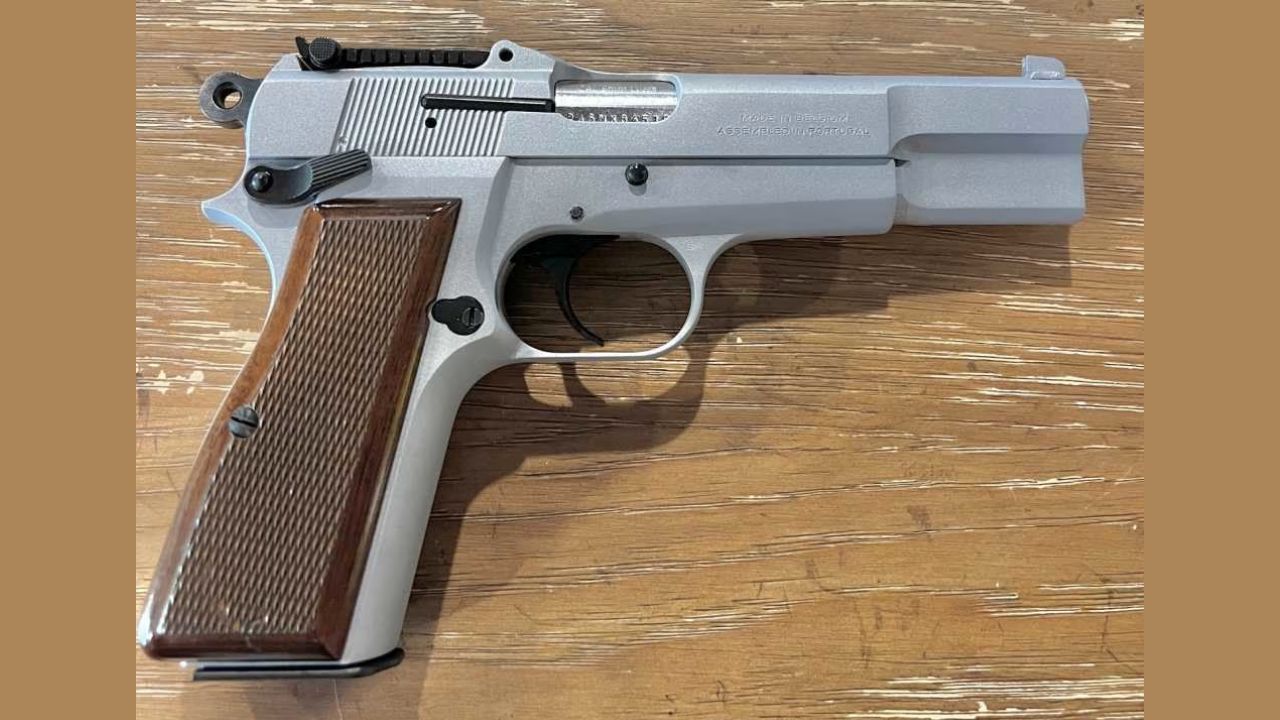
The Browning Hi-Power spent decades living in the strange space between respected classic and everyday surplus-style pistol. People knew it mattered. They knew it had military history, great lines, and broad international use. But for a long time, it still felt obtainable enough that many buyers treated it like a cool old shooter rather than something they should squirrel away in the back of the safe.
That changed once production ended and the supply of truly nice Belgian and early Browning-marked guns started tightening up. Suddenly people who passed on them at reasonable prices realized they were competing with collectors, not casual buyers. The Hi-Power did not become more attractive overnight. It became less available, more nostalgic, and easier to miss once it was gone. That is how collector status sneaks up on a market.
Marlin 1894
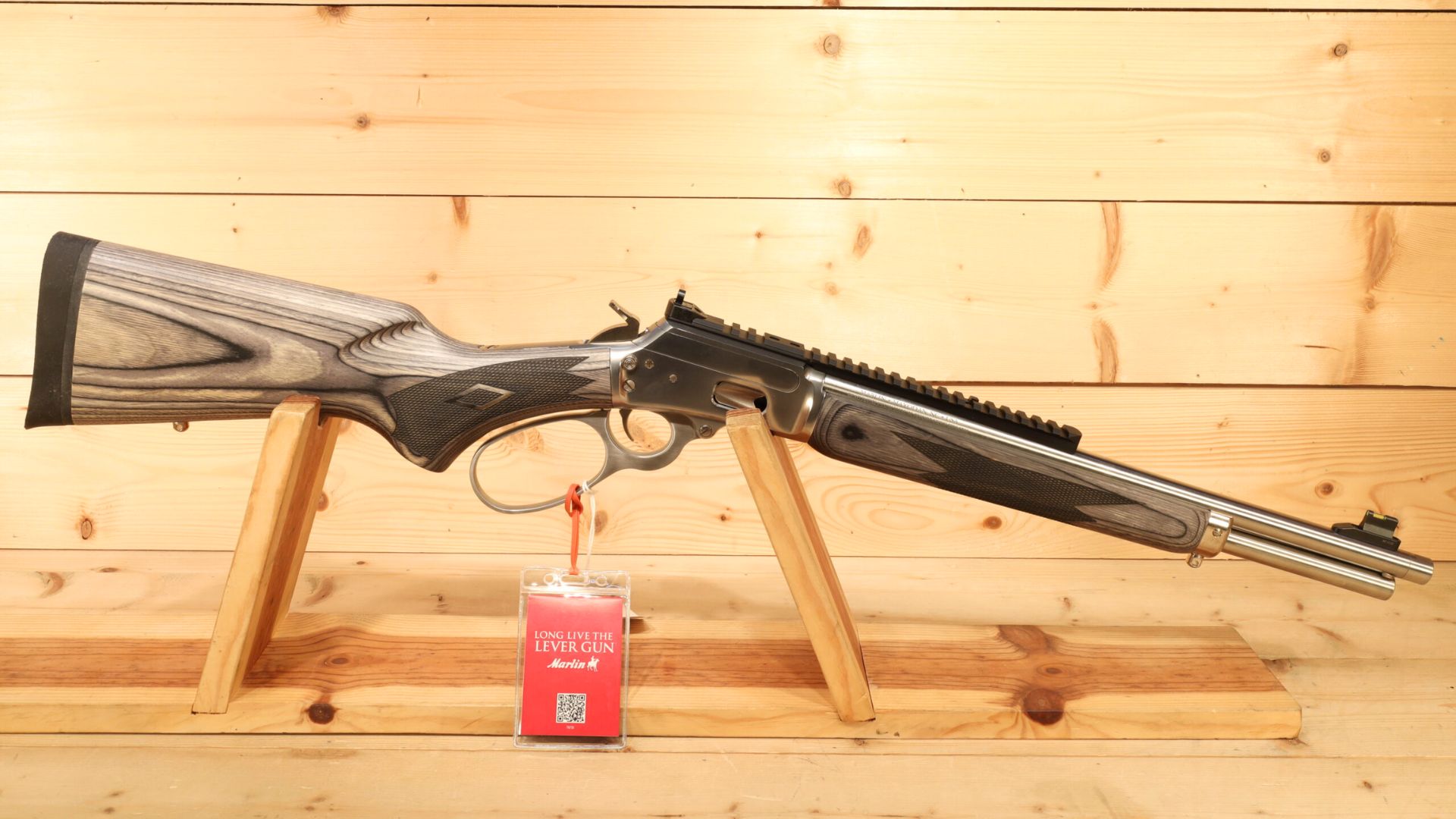
The Marlin 1894 used to be the kind of lever gun people bought to enjoy, hunt with, or keep around because it was plain fun. In pistol calibers especially, it had real usefulness without the collector aura some older rifles already carried. A lot of owners treated them like solid, mid-priced working guns, which made sense at the time because that is exactly how the market treated them too.
Then production disruptions, rising lever-gun demand, and the growing popularity of classic-style carbines pushed attention toward models people once overlooked. Clean older 1894s, especially desirable chamberings and better-finished examples, started climbing fast. Many owners did not notice until used prices stopped looking normal. That is when a practical, enjoyable rifle suddenly reveals that it crossed the line into collector territory while most people were busy looking somewhere else.
Colt Woodsman

The Colt Woodsman had quality and history all along, but it was easy for people to underestimate it because it was “only” a .22 pistol. For years, many shooters saw it as a neat older rimfire with good lines and a nice name, not necessarily a handgun that deserved real collector attention unless it was in especially pristine condition or tied to a rare variation.
Over time, that attitude started fading. People began noticing how refined the design was, how many modern rimfire pistols failed to match its feel, and how limited the supply of clean originals had become. The Woodsman stopped being an old .22 sitting in the background and became something collectors actively watched for. That shift happened slowly enough that many owners never realized their quiet old plinker had become a lot more desirable than they assumed.
Remington Nylon 66

The Remington Nylon 66 was once the kind of rifle people bought because it was light, reliable, and a little different. For years it was remembered more as a fun field .22 than any kind of serious collectible. Kids learned on them, families passed them around, and a lot of owners treated them like durable utility rifles instead of future value pieces that needed to be kept especially clean.
That changed once nostalgia hit hard and people started looking back at the Nylon 66 as something more distinctive than they had given it credit for. Its look, its place in American rimfire history, and its connection to a different era of rifle design began mattering more. Clean examples became harder to find, especially in the more desirable variants, and suddenly a rifle people barely thought twice about started drawing collector money.
Ruger Old Army
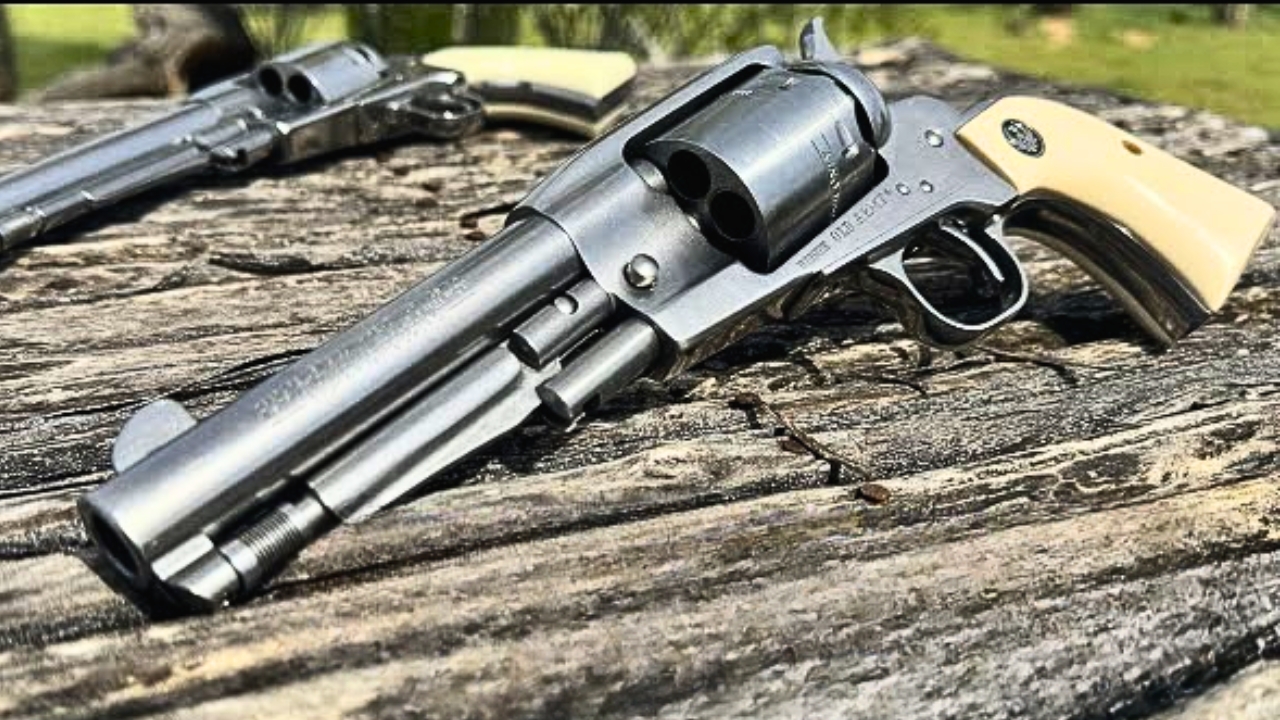
The Ruger Old Army used to live in a niche that kept it from getting the kind of attention it probably deserved. Black-powder shooters respected it, and Ruger fans appreciated how solid it was, but to the wider gun market it was still a percussion revolver in a world obsessed with modern cartridges and easier range toys. That made it easy to overlook for a long time.
Once it disappeared, though, people began realizing there was nothing else quite like it. It had Ruger strength, serious shootability, and a level of quality that made many competing black-powder revolvers look second-rate. As supply tightened, collector interest followed. What had seemed like a specialty revolver suddenly became a sought-after one. That is often how it goes with niche guns: ignored when available, chased once the market understands what it lost.
Winchester 9422

The Winchester 9422 was always well liked, but there was a long stretch where it still felt like an expensive rimfire rather than a genuine collector piece. Buyers knew it was nicer than a lot of .22 rifles, and the Winchester name certainly helped, but it still sat in that category of gun people bought to shoot, pass down, and enjoy without much worry about preserving every little detail.
Then prices began rising enough to get people’s attention. Lever-action demand expanded, rimfire nostalgia got stronger, and more buyers started recognizing the 9422 as one of the better-made modern Winchester rimfires. Clean rifles, especially with original finish and boxes, started separating themselves fast. Owners who used to toss one in the truck as a premium plinker suddenly found themselves holding something the market was treating very differently.
Colt Detective Special

The Colt Detective Special spent a lot of years being respected as a smart snub-nose revolver without fully being treated like a collectible one. It had the Colt name, solid history, and plenty of defensive appeal, but many examples were still bought and sold as carry guns, estate leftovers, or interesting alternatives to Smith & Wesson snubs. People liked them, but they did not always guard them like investment pieces.
That slowly changed as older revolver quality became harder to replace and collectors started paying more attention to classic carry guns with real heritage. The Detective Special had all the right ingredients: Colt appeal, historical relevance, and a size that still made practical sense. Once cleaner examples became less common, values followed. It was one of those revolvers that moved from “nice old carry gun” to “collector revolver” gradually enough that many owners missed it.
SIG Sauer P225
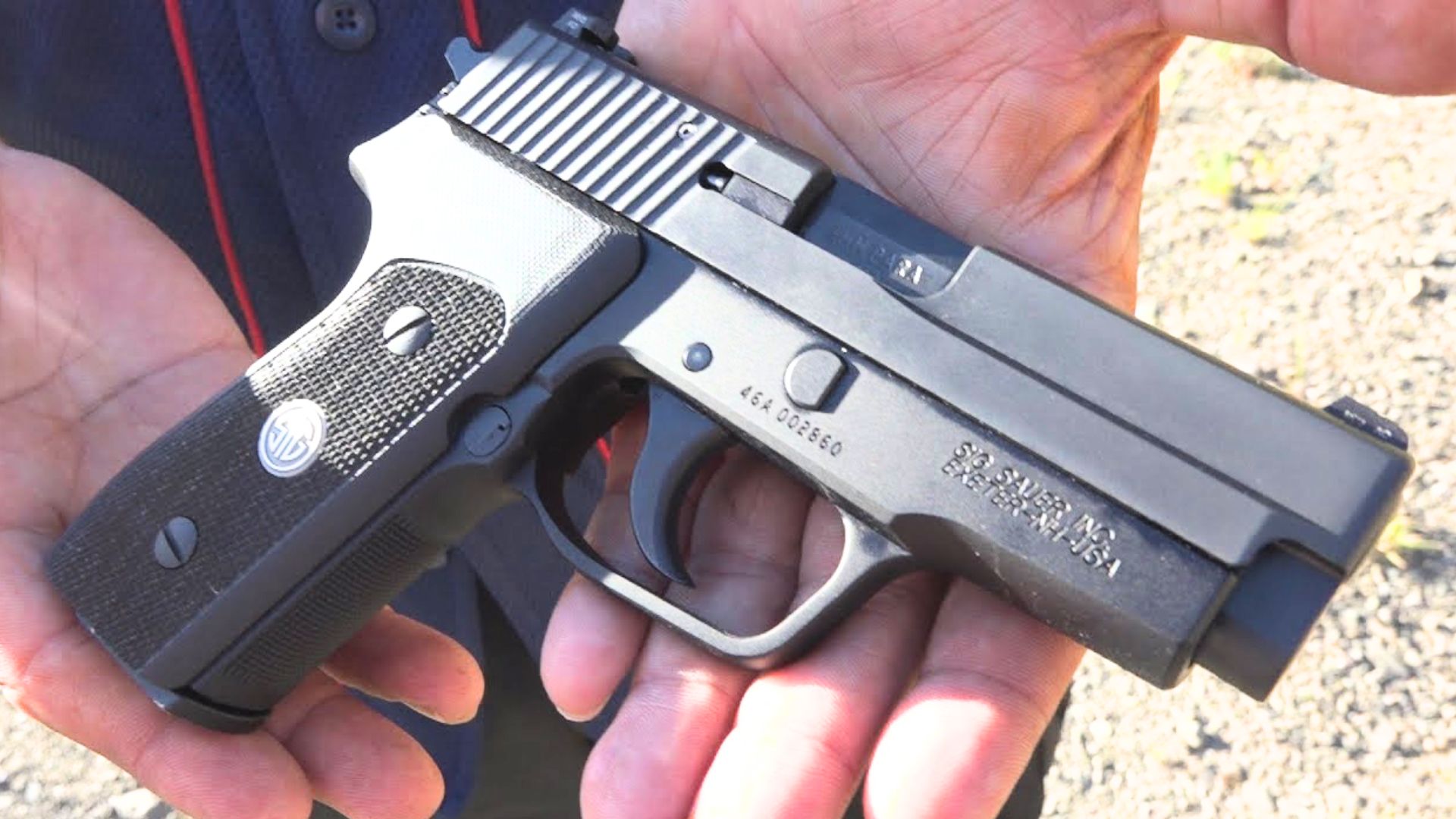
The SIG Sauer P225 was easy to overlook because it spent so long being overshadowed by bigger names in the SIG lineup. The P226 got the fame, the P228 got the devoted following, and the P225 often lived in the background as a slim, capable single-stack that people appreciated without obsessing over. Police surplus examples only reinforced the idea that it was a practical used gun, not a collector target.
But that sort of under-the-radar reputation can age well. As older German SIGs gained more respect and buyers started distinguishing between legacy production and newer offerings, the P225 began getting a second look. Clean West German examples, boxed guns, and well-kept police pistols started gaining real collector pull. The market did not scream about it at first. It simply woke up one day and realized those once-ordinary P225s were not so ordinary anymore.
Savage 99

The Savage 99 was respected for a long time, but there was a stretch where it still sat in the shadow of more romanticized lever guns. It had loyal fans and undeniable usefulness, yet many people treated it like an old deer rifle with some mechanical charm rather than a model that would steadily gather stronger collector energy. Plenty of them were hunted hard, modified, or simply used until their better days were behind them.
Then buyers started appreciating what made them different. The rotary magazine, the design history, the strong American identity, and the wide variety of configurations all made the 99 more interesting once people began looking closely. Scarcity of clean originals did the rest. A rifle that once seemed like a smart old hunting gun slowly became something collectors actively chased, especially when condition, chambering, and configuration lined up the right way.
Smith & Wesson 3rd Generation Autos
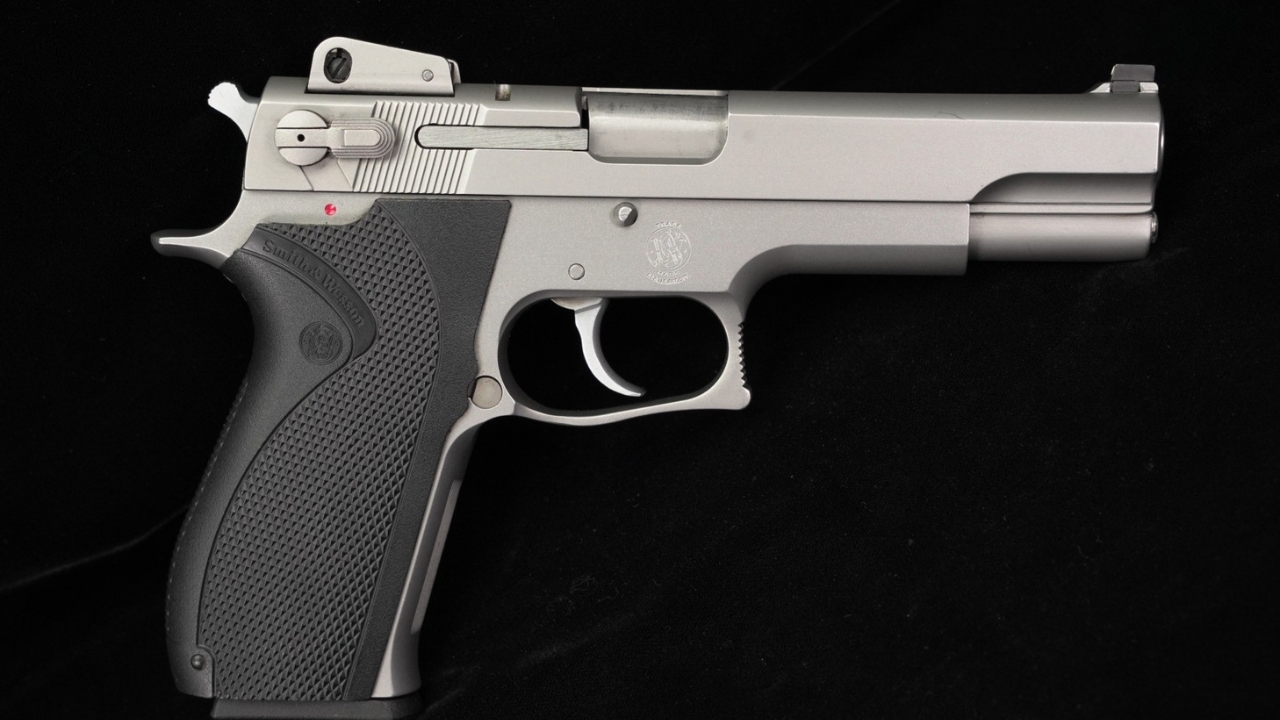
Smith & Wesson’s 3rd Generation semi-autos spent years in collector limbo. They were respected service pistols, durable enough, and full of law-enforcement history, but they also felt too recent and too common for many collectors to get excited about. A lot of shooters saw them as yesterday’s duty guns, especially when police trade-ins made them look more plentiful than they really were in good condition.
That perception changed once people began missing them. The metal frames, traditional double-action systems, and old-school duty-gun build quality started looking a lot better in hindsight. Suddenly models like the 5906, 4506, and 3913 had an audience that cared deeply about them. Good examples became harder to source than many people expected. That is how a once-common police-style auto turns into a collector piece while the broader market is still thinking in old categories.
Ruger Mini-14 GB
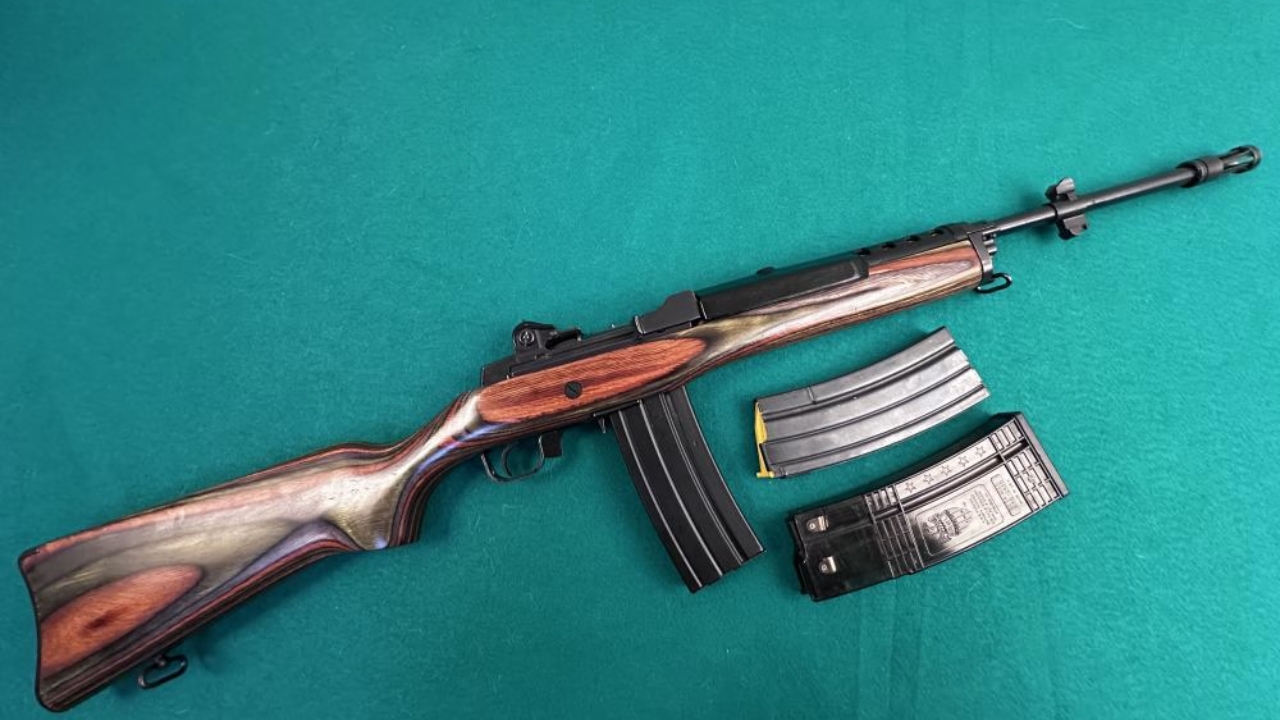
The Ruger Mini-14 in general has had its ups and downs in the market, but certain GB and law-enforcement-style versions quietly slid into collector territory while many buyers were still treating them like variations on an ordinary ranch rifle. For years the Mini had a reputation that was more about utility and familiarity than collector heat, which made special configurations easier to miss.
Once buyers started separating the desirable versions from the ordinary ones, prices moved fast. Factory folders, GB markings, and cleaner early-production examples suddenly mattered a lot more than they used to. That caught people off guard because the Mini-14 had spent so long being discussed as a practical rifle rather than a collectible platform. But once the right versions got scarce, the collector market noticed in a hurry and never really looked back.
Remington 1100 Trap and Skeet Variants

The Remington 1100 was such a successful shotgun that it was easy to assume they would always be around and always be affordable. Standard hunting models stayed common enough that many people never thought of the platform as collector material at all. It was too familiar, too widespread, and too tied to ordinary use for the average buyer to treat it like something worth watching closely.
That changed more quietly in the premium target-oriented variants. Trap, Skeet, Tournament, and higher-condition special-purpose 1100s started separating themselves as buyers recognized their quality and dwindling availability. The broad success of the 1100 actually helped hide that shift for a while because people kept thinking in terms of the common field gun. Meanwhile, the nicer examples were already becoming the sort of shotguns knowledgeable buyers started snapping up the second they appeared.
HK P7 PSP

The HK P7 PSP had a cult following for years, but there was a stretch where that cult status had not fully translated into broad collector recognition. It was admired, sure, but many people still viewed surplus PSP imports as unusually good shooters rather than future-value guns. When they were more available, the thinking was often that you could grab one later if you changed your mind.
That mindset aged badly. Once import supplies tightened and the market fully absorbed how different the P7 was from almost everything around it, collector demand grew fast. The squeeze-cocker system, German quality, and relatively limited supply all pushed it upward. People who once hesitated because they thought prices would stay reasonable found themselves chasing the same pistols later at much less friendly numbers. That is one of the clearest signs a collectible snuck up on everybody.
Pre-Lock Smith & Wesson J-Frames
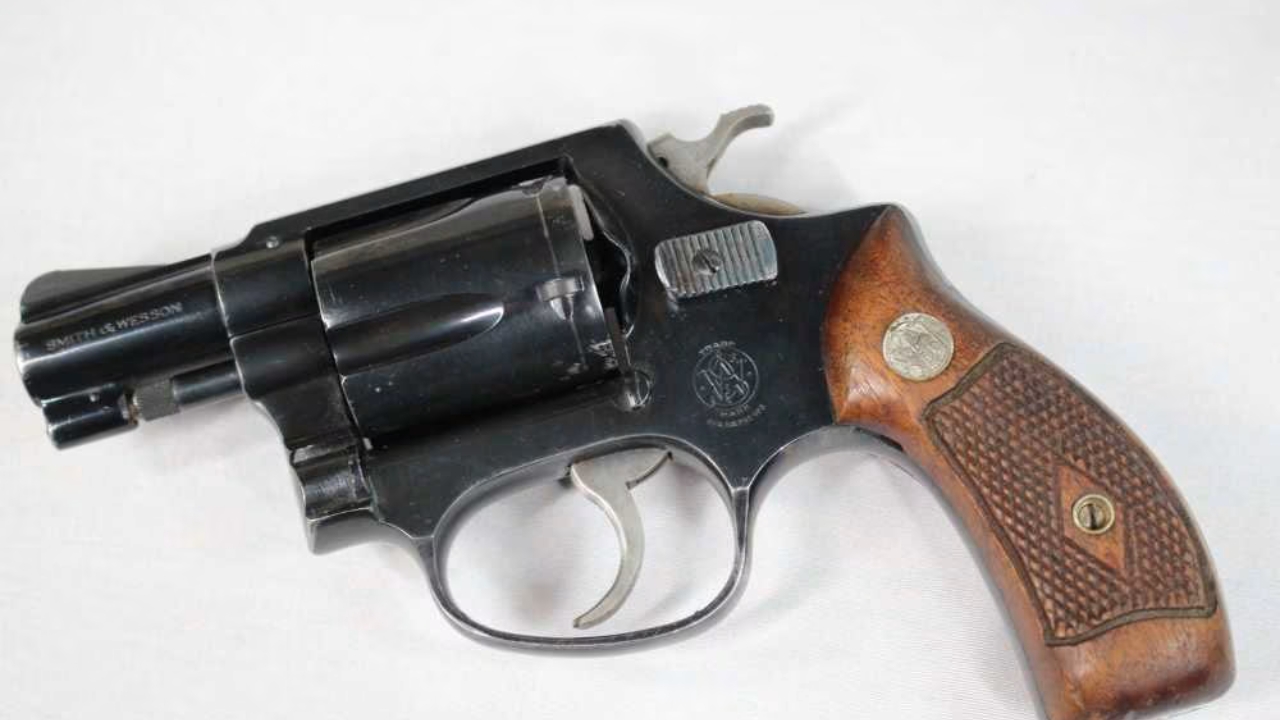
For a long time, pre-lock Smith & Wesson J-frames were simply the older ones. They were appreciated, and many shooters preferred them, but they were still mostly seen as carry revolvers, glovebox guns, or inherited pocket pieces rather than collector items. Because so many existed, it was easy to assume they would always remain easy to find at sensible prices.
Then preferences shifted harder toward older production, especially among people who wanted traditional styling, cleaner lines, and no internal lock. The market began rewarding condition, original grips, correct boxes, and earlier features more than it once had. That did not turn every old J-frame into a treasure, but it did push many of them into collector-aware territory. A revolver people once grabbed as a used carry option could suddenly command much more attention than expected.
Norinco 1911A1
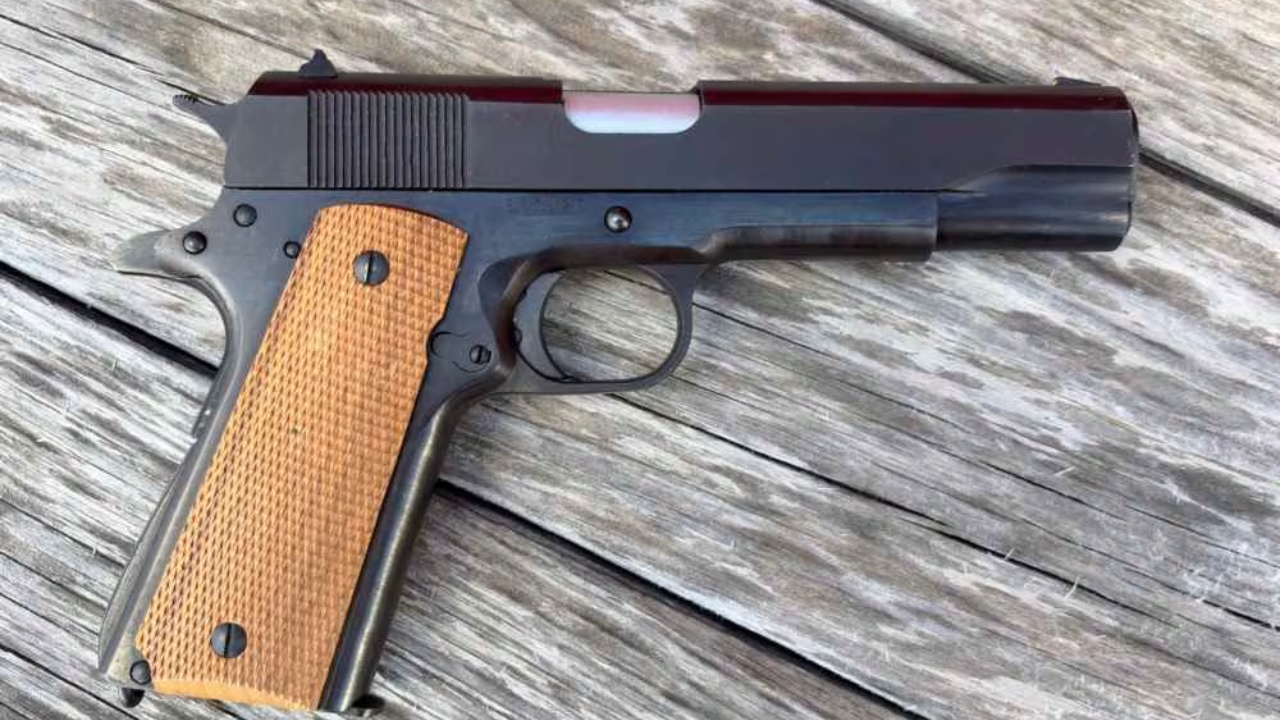
The Norinco 1911A1 spent years wearing the reputation of a cheap import. That kept many shooters from taking it very seriously beyond its value as a durable base gun for custom work. People bought them because they were affordable, serviceable, and easy to modify, not because they thought they were preserving some future collector piece that would one day have people hunting for clean original examples.
That is exactly why they slipped upward quietly. Import restrictions, fading availability, and a growing appreciation for what those pistols actually offered helped shift the market. Once buyers started viewing them less as bargain beaters and more as unavailable pieces of a specific era, interest increased. Original, unmolested Norincos became more appealing than heavily worked-over ones. That change caught a lot of people off guard because the gun started in the market’s basement.
Colt Mustang Pocketlite

The Colt Mustang Pocketlite had the kind of profile that made it easy to underestimate for years. It was a small carry pistol, it came and went, and for a long time it felt more like a niche defensive handgun than something that would ever attract real collector energy. People who bought them often did so because they wanted a light .380, not because they saw a future prize.
Then the market started valuing early pocket pistols differently, especially models tied to recognizable names and limited production periods. The Mustang’s role in the evolution of compact carry guns became more interesting, and clean originals started standing out. Once that happened, prices had room to move because so many examples had already been carried, worn, or lost their extras. That is often how these things happen: the gun stays modest until originality becomes scarce.
Beretta 84 Cheetah

The Beretta 84 Cheetah lived for years as one of those pistols people liked without urgently chasing. It was stylish, reliable, easy to enjoy, and tied to Beretta’s well-regarded metal-frame era, but it never seemed to dominate collector conversations. It felt like the kind of pistol you could always come back and buy later if you ever decided you wanted one.
That assumption gets a lot of collectors in trouble. Once supply starts tightening and a generation of shooters begins looking back fondly at older double-stack .380s, the market can move quickly. The Cheetah has the looks, the quality, and the brand recognition to make that happen. Clean examples started getting more attention, especially once they became less common in the condition buyers wanted. By then, the easy-buy days were already over.
Like The Avid Outdoorsman’s content? Subscribe to our newsletter so you never miss an article.
Here’s more from us: