Photo credit: By Spyderwire – Picture taken by Adam Rogers at his home., CC BY-SA 3.0, /Wikimedia Commons
Some guns are built for fast takedown. Others feel like the engineers never thought about what it’d be like to strip one outside a clean, well-lit shop. In the field, dirt, grit, and bad weather only make things worse, and the last thing you want is to be fumbling with tiny parts while the clock’s ticking. These firearms are known for being tedious, tool-dependent, or downright frustrating to field strip when you don’t have the perfect setup.
Ruger Mark III
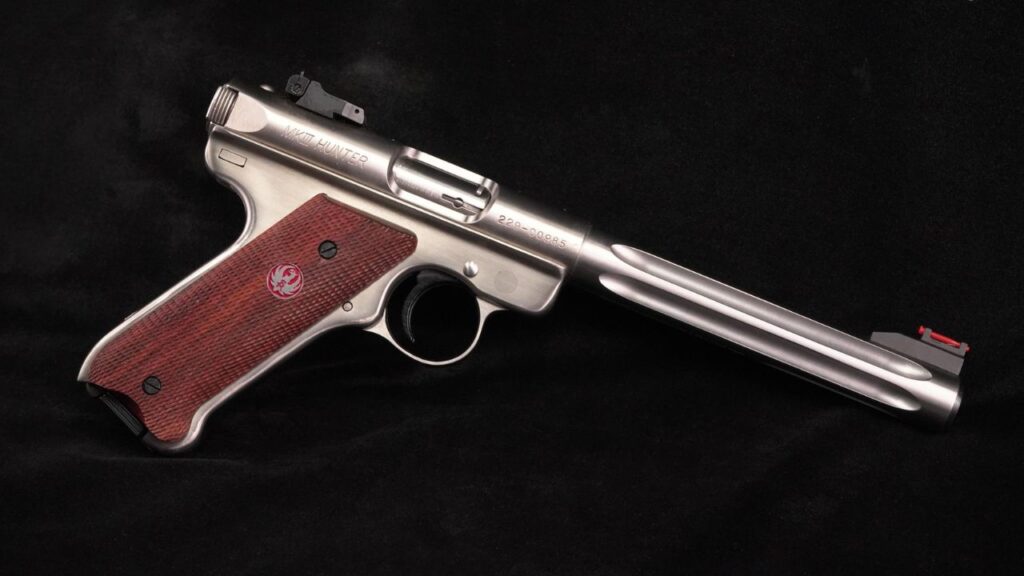
The Ruger Mark III is a solid .22 pistol for accuracy and reliability, but its takedown process is notorious. The multi-step procedure involves awkward alignment and a mainspring housing that never seems to cooperate. If you’re in the field, the process is even trickier, especially if you don’t have a hard surface and good light. You can get faster with practice, but it’s still one of those designs that makes you think twice about breaking it down anywhere but home.
HK USP
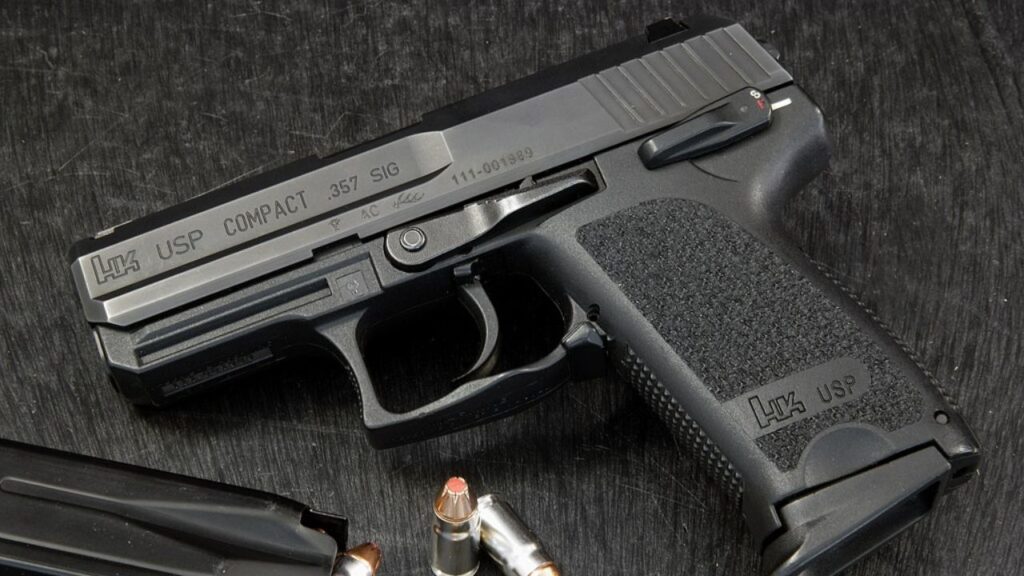
The HK USP is built like a tank, but it’s not the fastest handgun to strip under pressure. You’ll need to deal with a tight slide stop lever and some stiff springs, which can be frustrating with cold hands or gloves. It’s not impossible, but it’s not as quick or intuitive as some modern polymer pistols. In a pinch, the USP’s disassembly feels more like a deliberate shop job than something you can do casually in the backcountry.
M1 Garand

The M1 Garand’s design is iconic, but it’s not known for being quick to break down in less-than-ideal conditions. While it doesn’t require advanced tools, it has several small components that can easily get misplaced in the field. The op rod and bolt require a bit of finesse to remove and reinstall, and trying it in poor light or bad weather can be an aggravating experience. It’s a rifle you’d rather maintain in camp than in a muddy field.
FN FAL
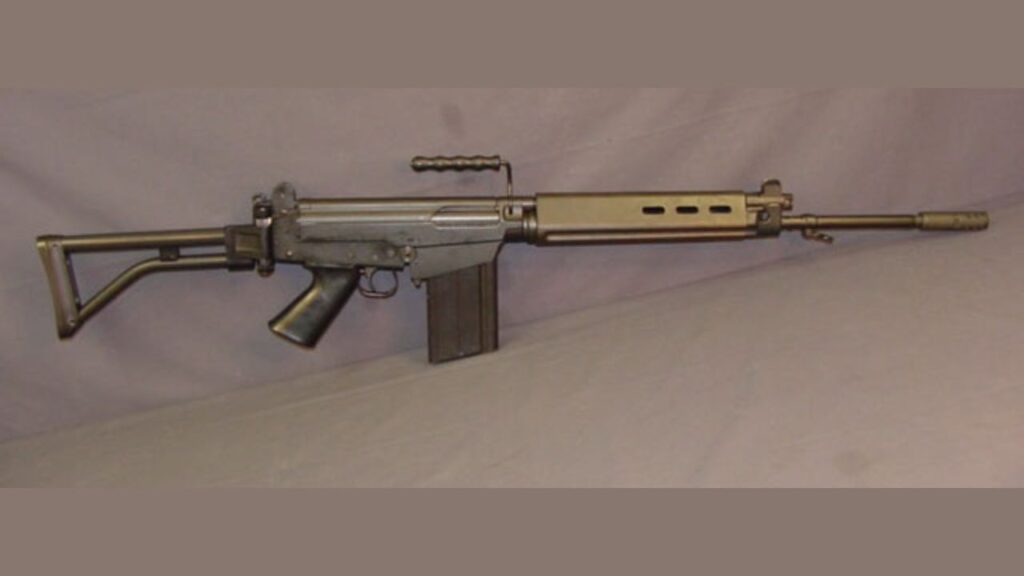
The FN FAL has a reputation for being reliable, but its field stripping can get messy fast. Disassembly involves several parts that can roll away if you’re not careful, and reassembly takes more focus than most rifles in its class. The recoil spring assembly, in particular, can be frustrating without the right leverage. In the middle of a hunt or deployment, it’s not the rifle you want to be fumbling with when time is tight.
Remington 742 Woodsmaster

The Remington 742 is a popular hunting rifle, but taking it apart in the field is far from straightforward. The bolt assembly and action bars are tricky to remove and even trickier to put back together without a bench. Wear on the receiver rails can also make the process more stubborn over time. This is one rifle where most owners prefer to wait until they’re home to do a full takedown, and for good reason.
Luger P08
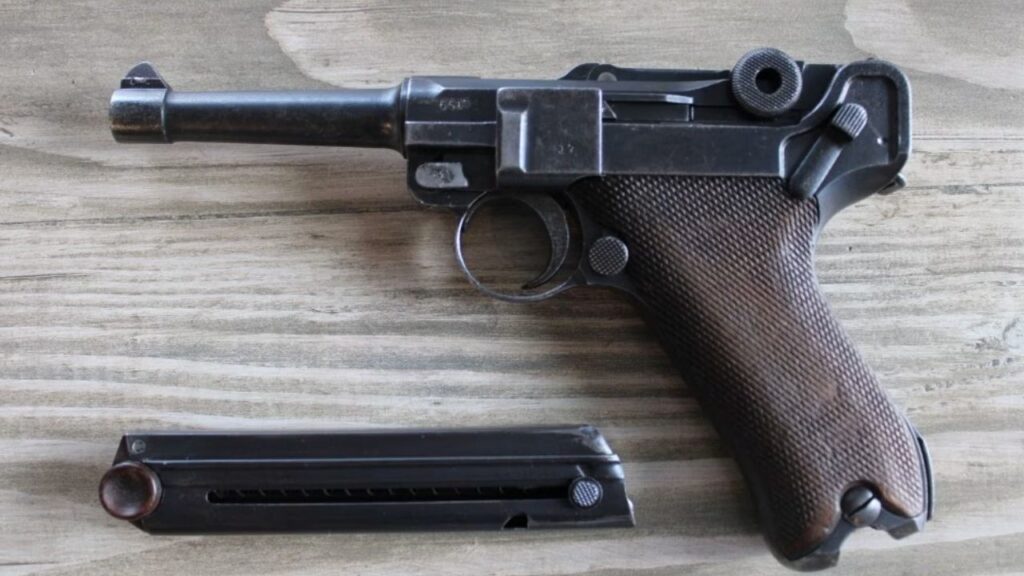
The Luger P08 is a beautiful piece of history, but its toggle-lock action makes field stripping a chore. The process involves precise movements to align parts just right, and the tolerances are tight enough to make it frustrating when you’re in a hurry. Small parts can get lost easily, and reassembly isn’t something you want to attempt with frozen fingers. It’s better left to careful, unhurried work than rushed field maintenance.
Steyr AUG
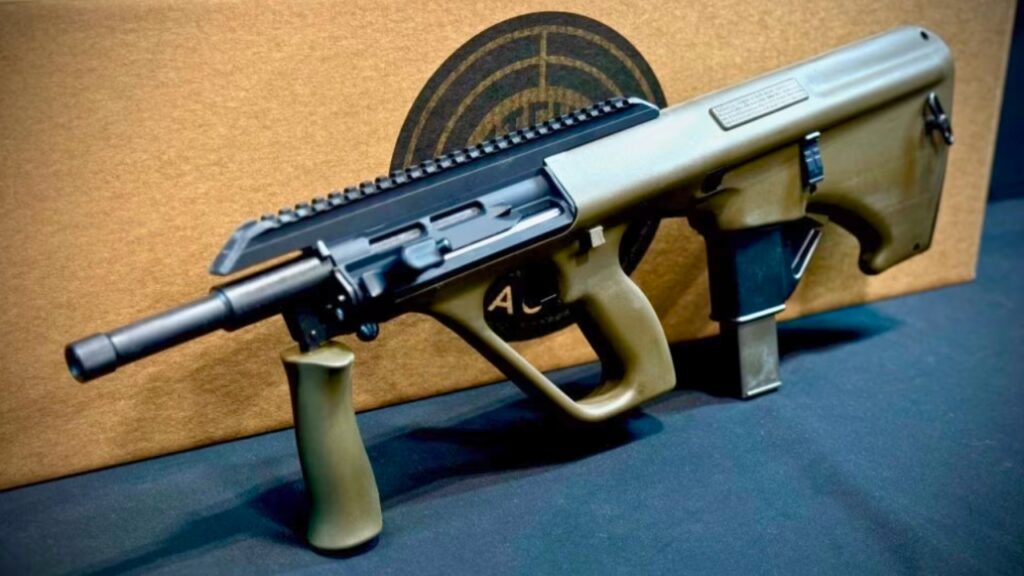
The Steyr AUG has a modular design, but some parts of its takedown can still slow you down in the field. While separating the receiver and barrel is straightforward, getting into the bolt and gas system can be more complicated without a flat surface. The AUG’s smaller pins and springs can be a nightmare to manage in tall grass or snow. If speed matters, you’ll wish you were working on something a little more conventional.
Marlin Model 60
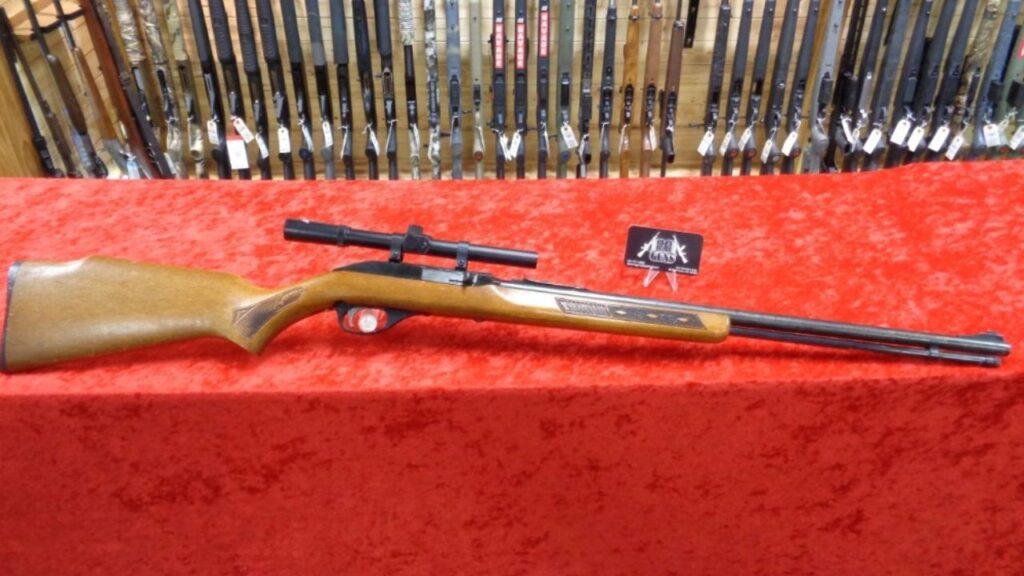
The Marlin Model 60 isn’t impossible to strip, but it’s tedious when you’re not at a bench. The tubular magazine adds a step you don’t deal with on mag-fed rifles, and the internal parts are more prone to collecting fouling in hard-to-reach spots. Cleaning it properly often means taking apart more than you’d like, which isn’t ideal when you’re trying to keep your gear functional on a multi-day trip.
Colt 1903 Pocket Hammerless
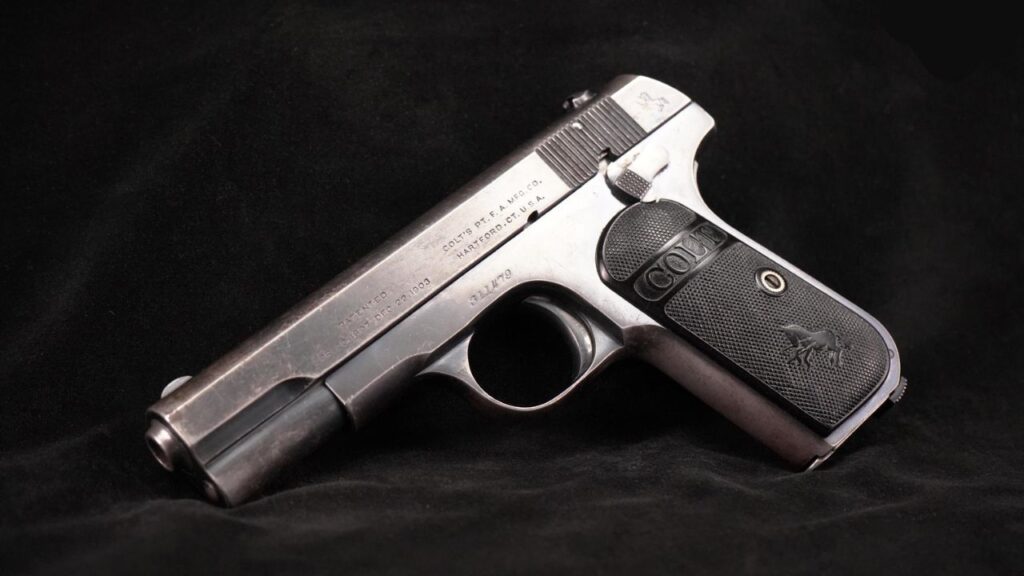
The Colt 1903 looks clean and simple from the outside, but its takedown process is anything but quick. The barrel bushing and slide require careful alignment, and it’s easy to scratch the finish or fumble a small part. If you’re out in the field, that kind of precision work is better saved for camp. The design predates modern “tool-less” takedowns, and it shows when you try to keep it running away from home.
SKS (Non-Modified)
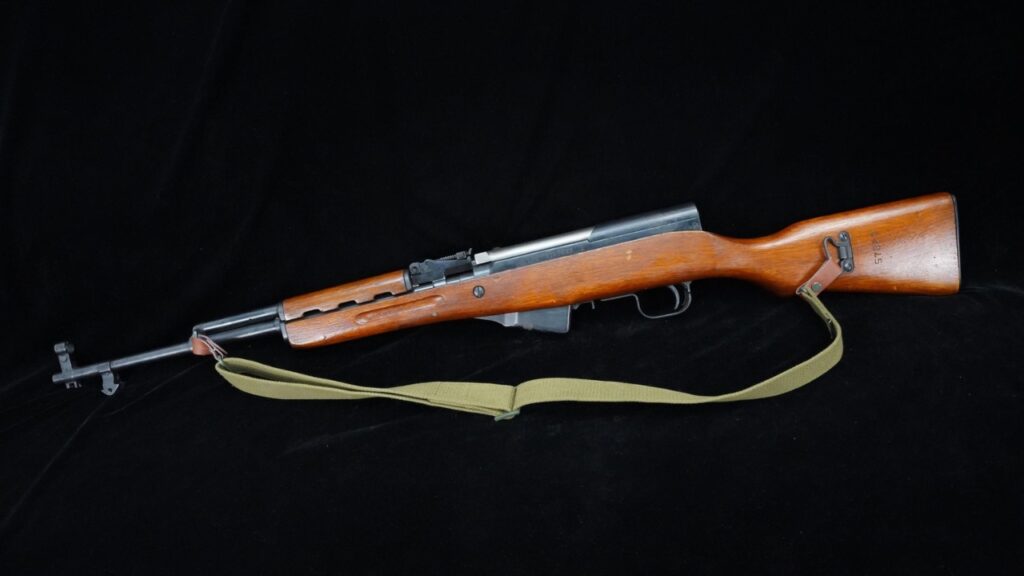
The SKS can be reliable, but the original military configuration isn’t the easiest to strip in a hurry. The gas tube and piston assembly require extra steps compared to modern semi-autos, and the reassembly has to be done just right to avoid malfunctions. If you’ve never practiced it extensively, it’s not the rifle you want to learn on during a field problem. It’s best stripped in controlled conditions, not when the clock is ticking.
*This article was developed with AI-powered tools and has been carefully reviewed by our editors.