Photo credit: sootch00/YouTube
Hype is one of the most reliable forces in the gun world because it works on people who should know better. A new pistol gets called revolutionary. A rifle gets sold like it finally solved problems hunters somehow survived for decades without solving. A shotgun gets pushed as the modern answer to everything from home defense to waterfowl. For a while, all of it sounds convincing. Then people start shooting, carrying, cleaning, hunting, and living with the gun long enough for the sales language to burn off.
That is where certain firearms keep embarrassing the whole cycle. They are not always the newest, prettiest, or loudest option in the room. But they keep doing something hype-heavy guns often fail to do: they keep working in a way that does not need excuse-making. These are the firearms that keep exposing how wrong hype can be, because every time the market gets carried away, these are the sorts of guns that remind buyers what actually matters after the excitement dies.
Smith & Wesson 5906

The 5906 keeps exposing hype because it is almost the exact opposite of a hype gun. It is heavy, plain, all steel, and not remotely interested in trying to sound futuristic. At the gun counter, that can make it easy for buyers to overlook, especially if they are busy chasing something thinner, flashier, or more aggressively marketed. Then real range time begins, and a lot of those shinier pistols start feeling a lot less impressive next to a handgun that simply shoots like it means business.
That is where the 5906 wins. It soaks up recoil, behaves like a duty pistol should, and has the kind of practical seriousness many newer handguns are always trying to imitate with better marketing language. Owners who spend real time with one usually stop caring that it lacks some modern-fashion appeal. It keeps exposing the same truth: a handgun does not need to be exciting to be excellent. It just needs to work without forcing the owner into a long speech about why the compromises are actually “features.”
HK P2000

The P2000 keeps exposing hype because it has long been better than the amount of noise around it. It is one of those pistols that got overshadowed by louder HKs, louder striker guns, and louder carry trends, but never really stopped making sense in practical use. It is dependable, easy to trust, and built around the sort of real-world durability that marketing departments love to claim and fewer pistols truly deliver. That makes it quietly devastating to hype-driven comparisons.
A lot of buyers overlook it because it does not perform drama very well. It does not have some giant cult pitch attached to it, and it does not arrive with a huge theatrical identity. But once actual use becomes the standard, the P2000 starts looking a lot smarter than pistols that got much more attention on the way in. It keeps exposing how wrong hype can be because it proves that market volume and actual long-term value are often two completely different things.
Beretta Cougar 8000
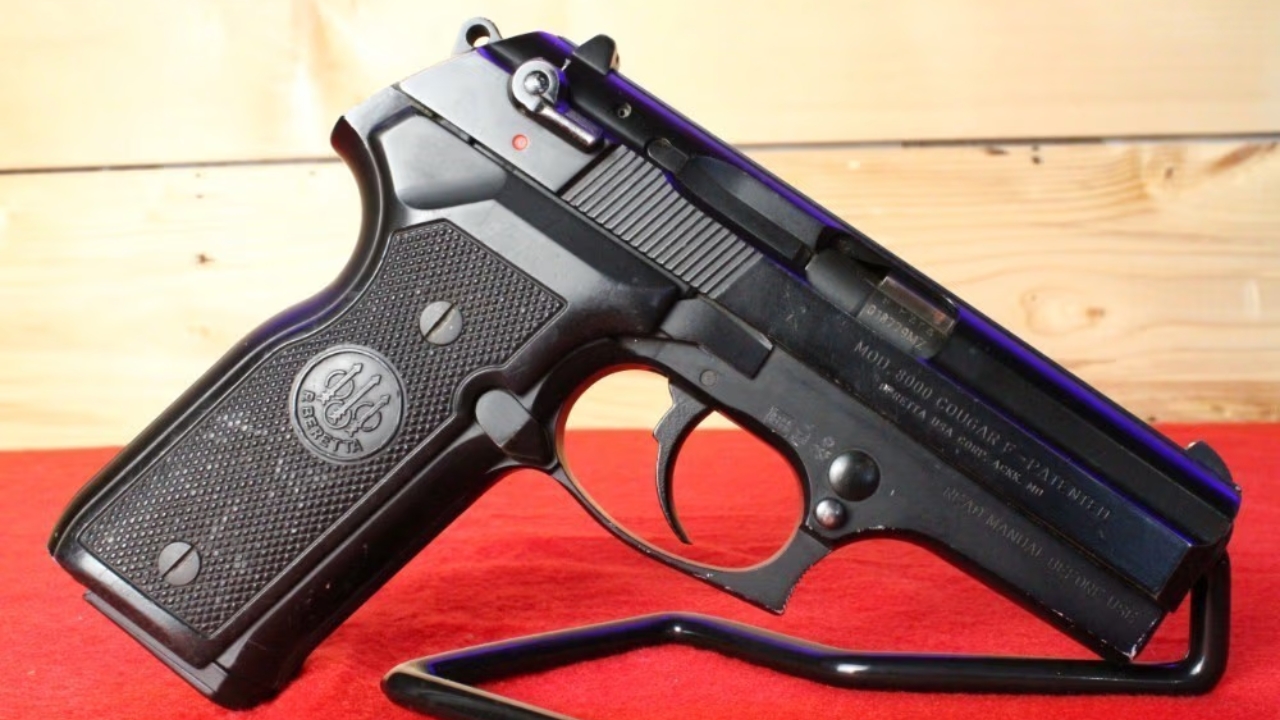
The Cougar keeps exposing hype because it is the kind of pistol many buyers never fully appreciated until they had already spent money on more “modern” answers. It was never the coolest Beretta in the room, and it never had the same glamorous following as the 92 series. That made it easy to underrate. But range time has a way of punishing shallow opinions, and the Cougar often makes a very strong case for itself once someone actually starts shooting one seriously.
It exposes hype by being more competent than the market acted like it was. The handling is better than many people expected, the real-world usefulness is broader than the reputation suggested, and the gun tends to age better in the owner’s mind than the pistols that stole all the attention from it. That is usually how the whole hype machine gets embarrassed: not by a loud rival, but by a quieter gun that simply keeps being good long after the marketing favorites start feeling disposable.
Ruger GP100

The GP100 keeps exposing hype because it never had to pretend to be anything beyond a strong, dependable revolver. It did not need collector mythology, boutique mystique, or a bunch of emotional storytelling to justify itself. It just kept being a revolver people could shoot hard, trust, and keep for years without feeling like they had bought something delicate or overpraised. That sort of honesty makes a lot of more romanticized wheelguns look weaker than their fan bases want to admit.
A lot of revolver hype survives because buyers fall in love with the idea of a gun before they live with the reality of it. The GP100 tends to do the opposite. It may not stir the same poetic language, but it keeps rewarding actual use. That is why it exposes the market so well. It reminds people that being rugged, practical, and easy to trust is often a lot more valuable than being the revolver everyone talks about in a tone usually reserved for religion.
Browning Buck Mark

The Buck Mark keeps exposing hype because rimfire pistols are one of the easiest categories in the world for buyers to overcomplicate. People chase tactical-looking .22s, flashy trainers, and all kinds of rimfire pistols that sound exciting in theory and turn into mild irritations in practice. Then a Buck Mark shows up, shoots straight, stays enjoyable, and reminds everyone that a rimfire pistol still has one very basic job: be worth shooting a lot.
That is what makes it such a quiet killer of hype. It does not need some giant lifestyle story around it. It only needs to remain accurate, dependable, and pleasant enough that the owner keeps bringing it back to the range. A lot of newer or noisier rimfire handguns fail exactly there. The Buck Mark keeps exposing how wrong the market can be by surviving on real use instead of on whatever trend happened to sound fresh that year.
Browning BPS
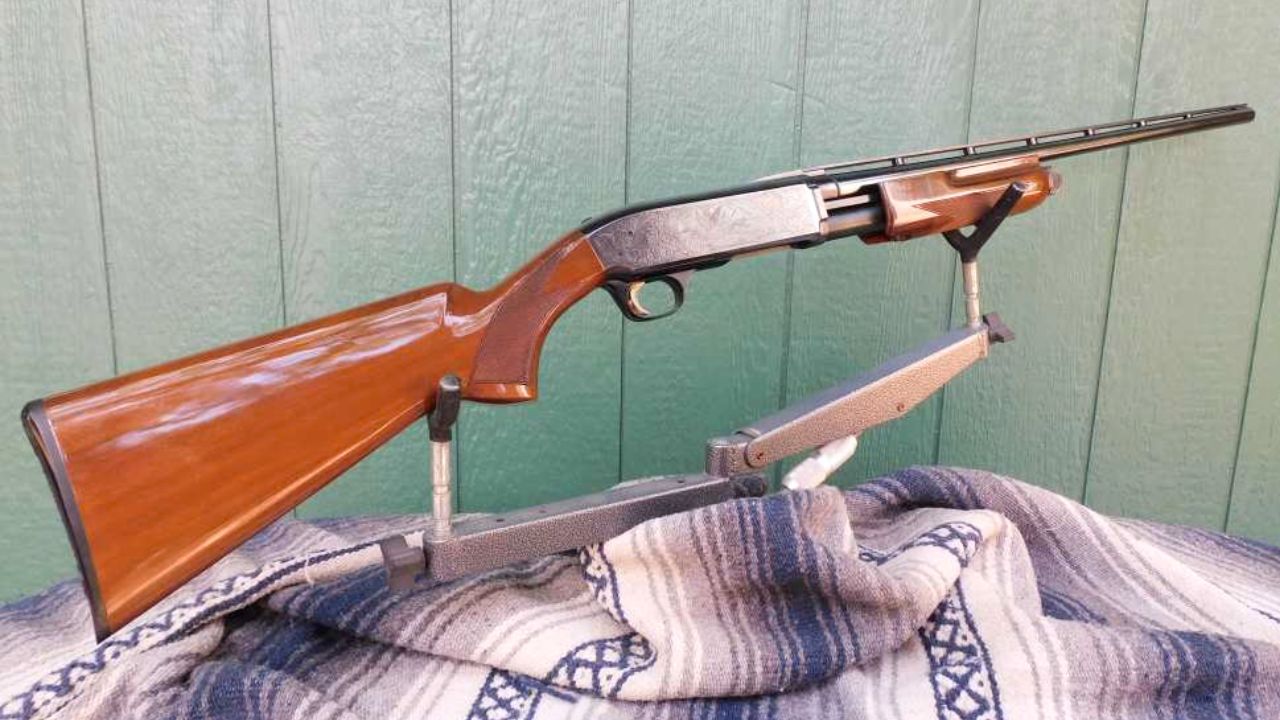
The BPS keeps exposing hype because shotgun buyers are especially vulnerable to whatever the newest tactical, semi-auto, or “do everything” trend happens to be. Pumps get dismissed as old news all the time, right up until weather turns bad, mud gets real, and the owner remembers that simple field guns often age better than all the slicker ideas he talked himself into. The BPS has been making that point for years.
It is the sort of shotgun that rarely needs defending after a season of actual use. It works, it carries its weight honestly, and it feels like a field tool instead of a sales concept. That is why it keeps embarrassing hype-driven choices. Every time the market gets too impressed with something dressed up as the future of shotgun ownership, a good BPS is sitting there proving that steady, durable usefulness was never actually replaced.
Franchi AL-48
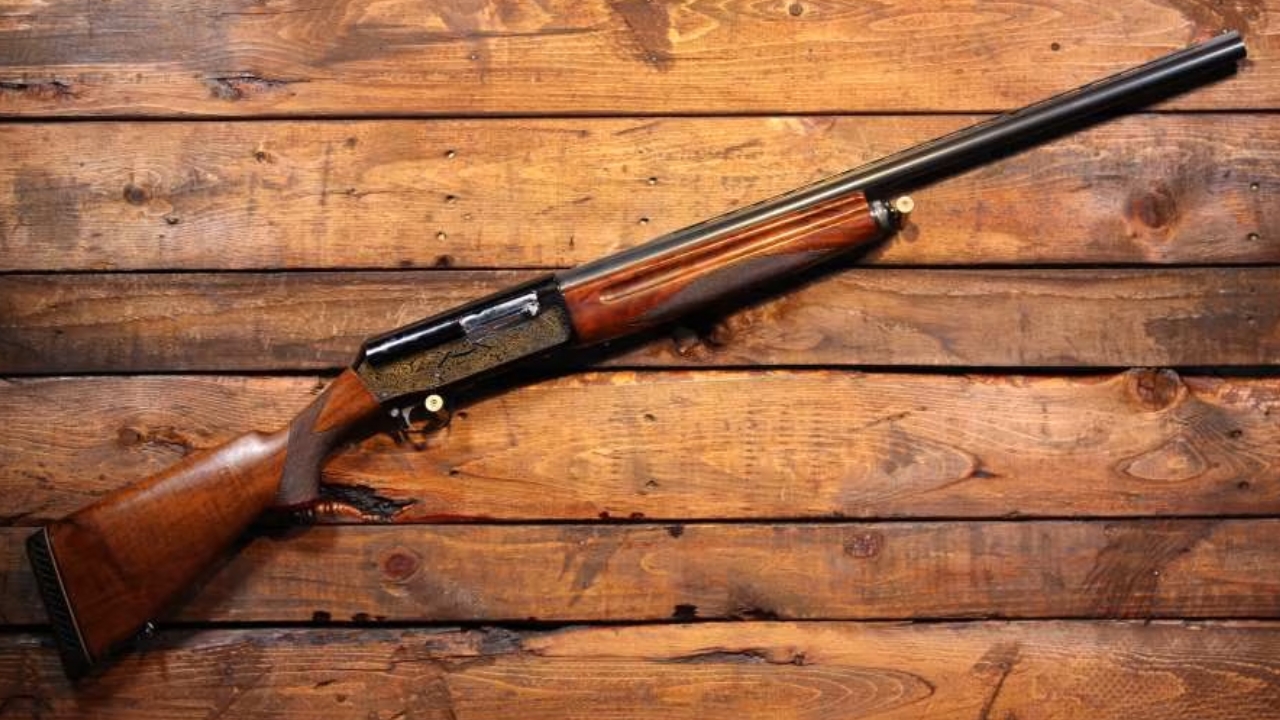
The AL-48 keeps exposing hype because it shows how much value there still is in a shotgun that understands field use better than trend culture. It is light, practical, and built around the kinds of hunts where carry comfort and dependable function matter a lot more than branding language about innovation. Buyers who actually hunt with one tend to understand very quickly why it remained relevant even while so many newer shotguns fought much harder for attention.
What it exposes is the market’s habit of confusing novelty with improvement. The AL-48 never needed to make a giant speech about what it was. It just needed to stay good in the field. That alone makes it a problem for overhyped alternatives, because once a shotgun proves it still handles birds, weather, and mileage the right way, a lot of the newer noise starts sounding exactly like what it is.
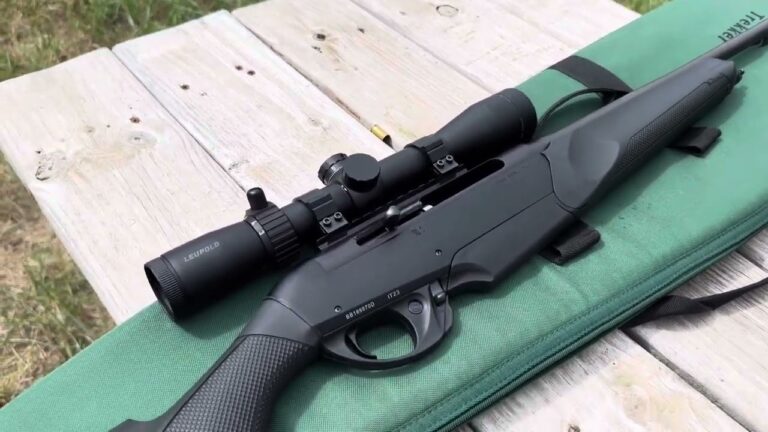
Howa 1500

The Howa 1500 keeps exposing hype because it has long been the kind of rifle people underestimate until they have already wasted money on something with more branding and less honesty. It does not arrive with the same aura as some other bolt guns, which makes it easy to overlook at first. But it shoots, it holds up, and it keeps giving owners the uncomfortable realization that they may have paid extra elsewhere for very little actual gain.
That is a brutal thing for hype to survive. A rifle like this quietly proves that good actions, useful accuracy, and dependable field performance do not always come wrapped in the loudest name or the prettiest mythology. The Howa keeps exposing how wrong hype can be because it reminds buyers that rifles do not care what story got printed in the catalog. They care whether they still make sense when the season opens.
Remington 788

The 788 keeps exposing hype because it is one of the most reliable reminders that shooters routinely pay too much for prettier reputations. For years it sat in the background as the plain, practical rifle people respected only after they had already made fun of it. That often happens with guns that outperform their social status. Buyers want to believe money, polish, and prestige are buying them something bigger than plain old results, and the 788 has a long history of stepping in and ruining that fantasy.
Once someone shoots a good 788 and realizes how much rifle it actually is, the whole market’s beauty contest starts looking a lot less intelligent. This rifle keeps exposing hype because it proves the industry’s most dependable illusion: that expensive image and effective ownership naturally travel together. They do not. The 788 has been teaching that lesson to embarrassed buyers for a very long time.
CZ 557 American

The 557 American keeps exposing hype because it feels like the sort of rifle the market should have appreciated more loudly from the beginning, yet often didn’t. It has the balance, the old-school sporting-rifle feel, and the practical field usefulness many hunters claim they want. But because it did not arrive wrapped in some giant trend cycle, a lot of buyers kept drifting past it toward rifles that sounded more modern, more tactical, or more aggressively efficient.
That is exactly where the embarrassment starts. Once enough real use enters the picture, the 557 begins looking like one of those rifles that got ignored for the wrong reasons. It is not trying to entertain the buyer. It is trying to be a serious sporting rifle. That clarity makes many hype-fed alternatives feel flimsy by comparison. The 557 exposes the market by showing just how often real rifle quality gets overlooked when it does not arrive with enough noise.
Ruger Frontier Rifle
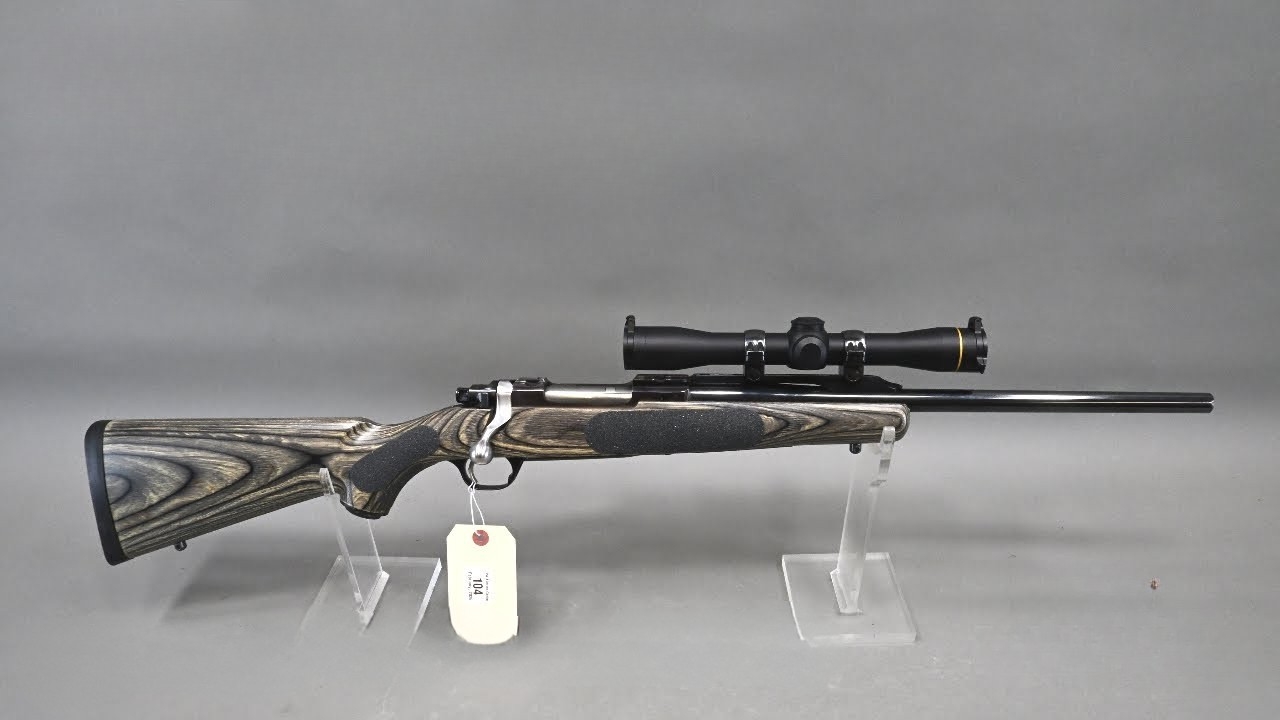
The Frontier Rifle keeps exposing hype because it was one of those ideas buyers initially treated like a novelty and later realized had more practical value than half the “serious” rifles they bought instead. Compact, handy, and different without being useless, it sat in that uneasy place where the market could not quite decide whether to admire it or make fun of it. That made it easy to overlook while newer, louder rifles got all the oxygen.
Now it stands as a reminder that rifles built around real-world handling and honest field usefulness can outlast a lot of concept-heavy nonsense. The Frontier exposed how wrong hype could be by surviving the stage when people laughed at it and later becoming exactly the kind of rifle buyers wished they had respected sooner. That is usually what happens when a gun’s practical strengths were stronger than the market’s imagination.
Sako A7
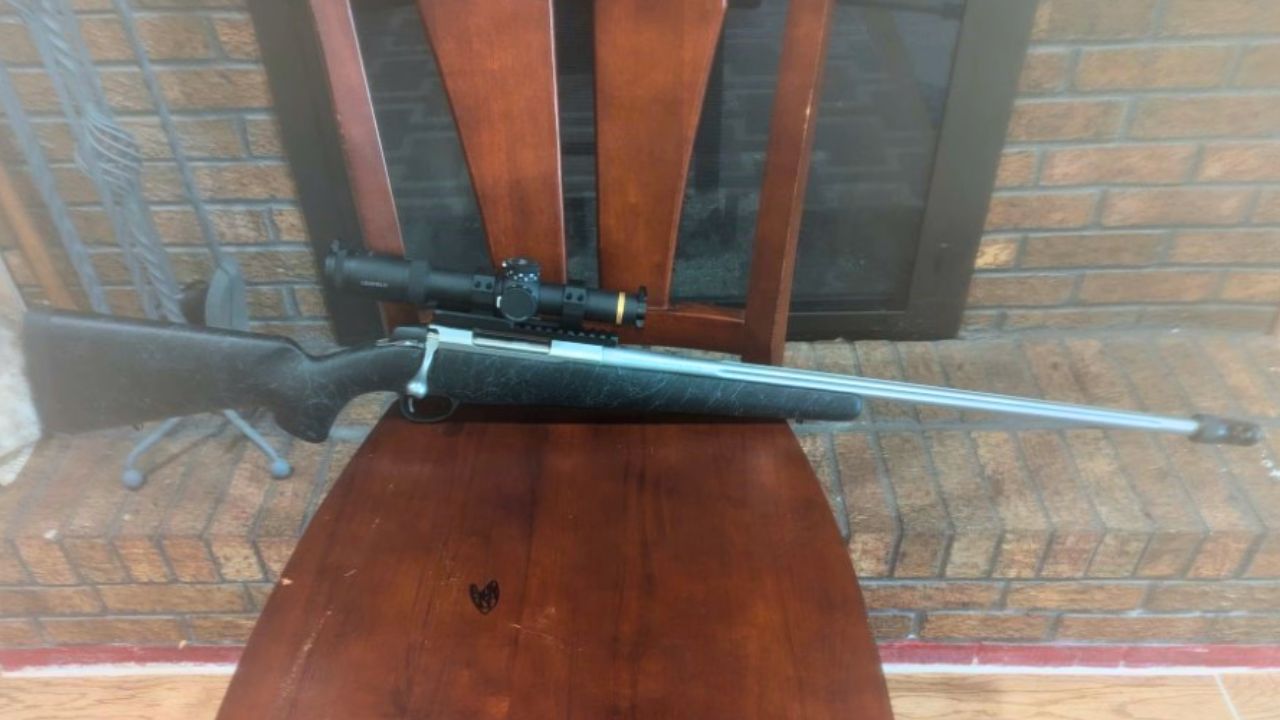
The A7 keeps exposing hype because it gave buyers a lot of what they actually needed from a hunting rifle without demanding the full emotional premium attached to some higher-prestige names. That kind of rifle often gets overlooked by buyers who want their purchase to feel like an event instead of simply a smart decision. Then time passes, and the practical rifle still looks like the smarter decision.
That is how hype gets quietly dismantled. A rifle like the A7 keeps shooting, keeps carrying well, and keeps reminding the owner that refinement is not the same thing as theater. While the market ran after louder stories, the A7 kept offering something more important: a rifle that still felt worth owning after the shopping buzz wore off. That is an uncomfortable truth for buyers who paid extra for narratives instead of field value.
Ruger Single-Six

The Single-Six keeps exposing hype because it proves that a handgun can remain enormously worthwhile without needing to be tactical, modular, or attached to some giant “serious use” identity. The market loves to act like every handgun category needs constant reinvention, even the guns people mostly own to enjoy. The Single-Six quietly wrecks that assumption by continuing to be useful, durable, and satisfying in a way that many newer handguns never quite manage.
It exposes hype by staying enjoyable through actual ownership rather than through new-product energy. A lot of “fun” handguns burn out after the first stage of curiosity. The Single-Six does not. It keeps giving the owner a reason to keep it, shoot it, and trust it long after more aggressively marketed alternatives have turned into clutter. That is exactly how a simple revolver ends up making smarter-sounding pistols look like marketing experiments.
Beretta 81
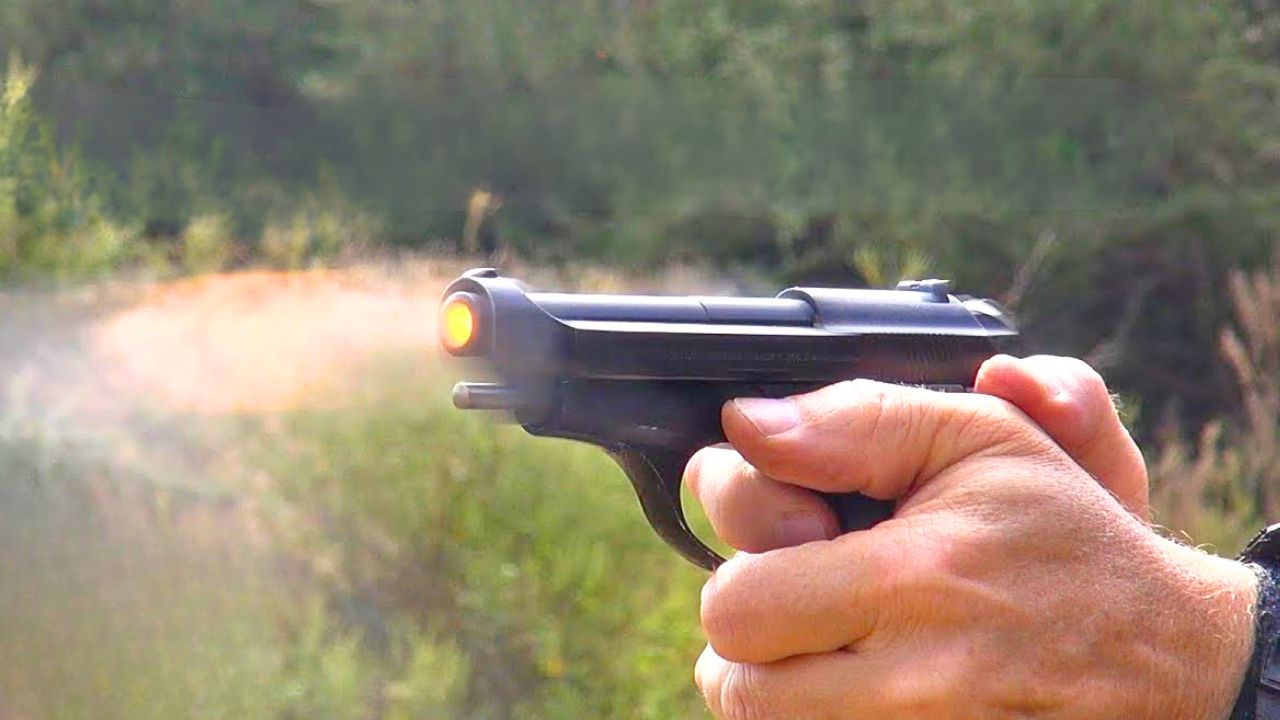
The Beretta 81 keeps exposing hype because compact handgun buyers have spent years being told smaller, lighter, thinner, and newer automatically means smarter. Then they pick up an 81 and remember that shootability, quality, and plain old ownership satisfaction still matter. It is not the latest carry answer, and that is part of why it is so useful in exposing how shallow a lot of carry-market hype really is.
The pistol keeps making the same point: a compact handgun that feels good, shoots calmly, and remains worth owning can outlast entire waves of “this changes everything” nonsense. Buyers who spend enough time with one often start questioning how much money and energy the market has pushed them toward solutions that are easier to sell than they are to genuinely enjoy. That is a very good way to expose hype.
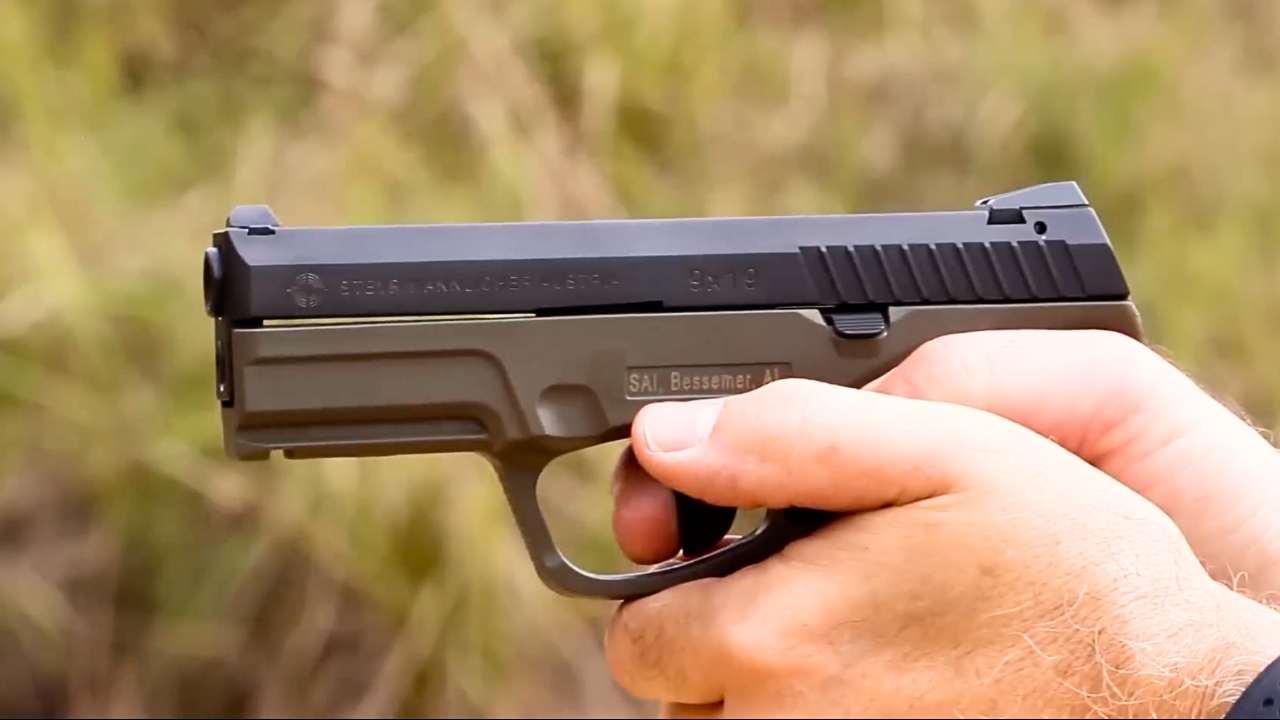
Steyr M9-A1

The M9-A1 keeps exposing hype because it is exactly the sort of handgun the market should have paid more attention to if practical performance were really what drove attention. It had the ergonomics, the low bore axis, the range manners, and enough real-world competence to make a strong case. But it never got the same cultural oxygen as plenty of pistols that were less distinctive and less rewarding in actual use.
That mismatch is the whole point. The Steyr reminds buyers that good guns can be ignored simply because they do not fit the loudest narrative of the moment. It keeps exposing how wrong hype can be by continuing to make sense in the hand while more celebrated pistols age into “remember when everybody acted like that was the answer?” territory. Good shooting has a way of embarrassing weak storytelling, and the M9-A1 has been doing that quietly for years.
Like The Avid Outdoorsman’s content? Subscribe to our newsletter so you never miss an article.
Here’s more from us: