Photo credit: JO1 BRIAN BRANNON, USN – Public Domain/Wiki Commons
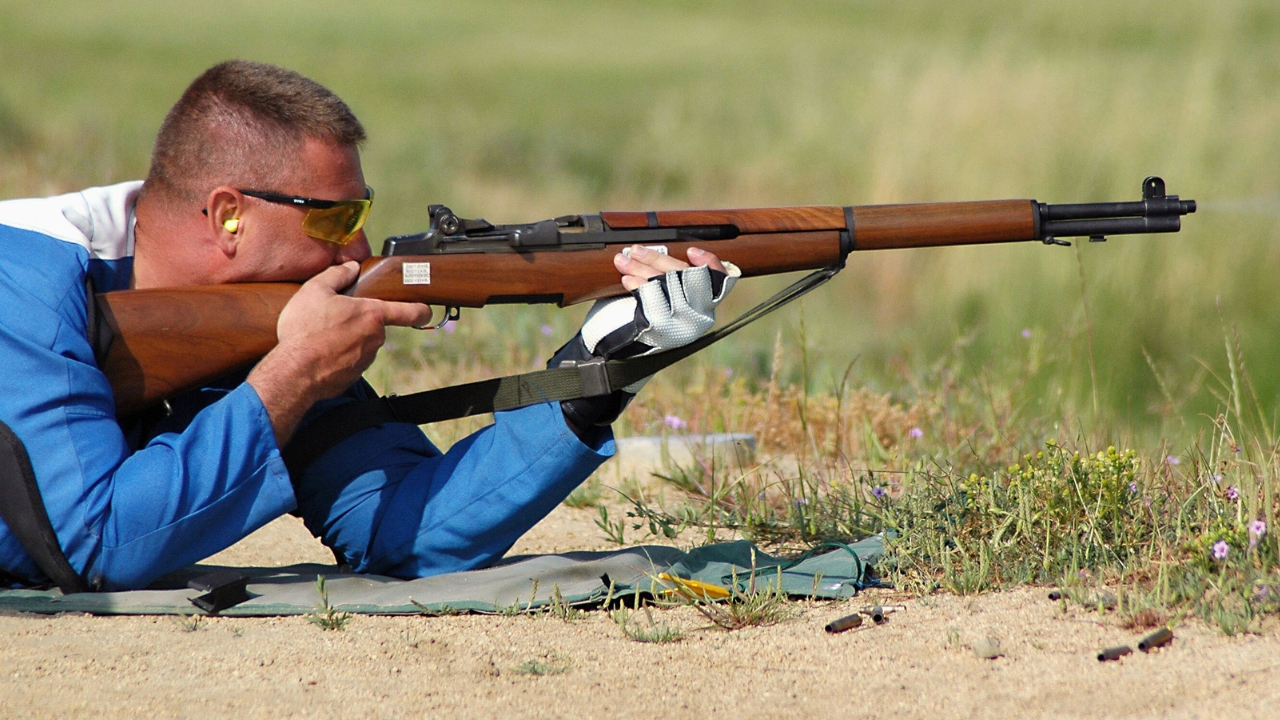
When you pick up an M1 Garand, the first thing you feel is weight—and that’s not a bad thing. At around 10 pounds loaded, it reminds you that not every rifle is meant to be featherlight. It teaches new shooters what steady feels like, especially in offhand positions.
There’s a reason the Garand is easy to shoot well despite its power. That extra heft soaks up recoil, and the balance from the walnut stock helps it settle naturally. If you’ve only shot ultralight rifles, the Garand will slow you down in a good way and make you focus on form instead of flinching.
Recoil isn’t the enemy—it’s part of the experience
A lot of modern rifles do everything they can to dampen recoil. The Garand doesn’t. It kicks, but it’s not punishing. It teaches you how to manage recoil the right way—through stance, grip, and follow-through.
The .30-06 coming out of that long barrel gives a firm push and lets you feel every bit of the shot. You don’t need a muzzle brake. You need to lean into it and shoot like you mean it. New shooters who start with soft-shooting rifles miss out on that. The Garand shows you how to handle a rifle that talks back.
The iron sights are a master class in marksmanship
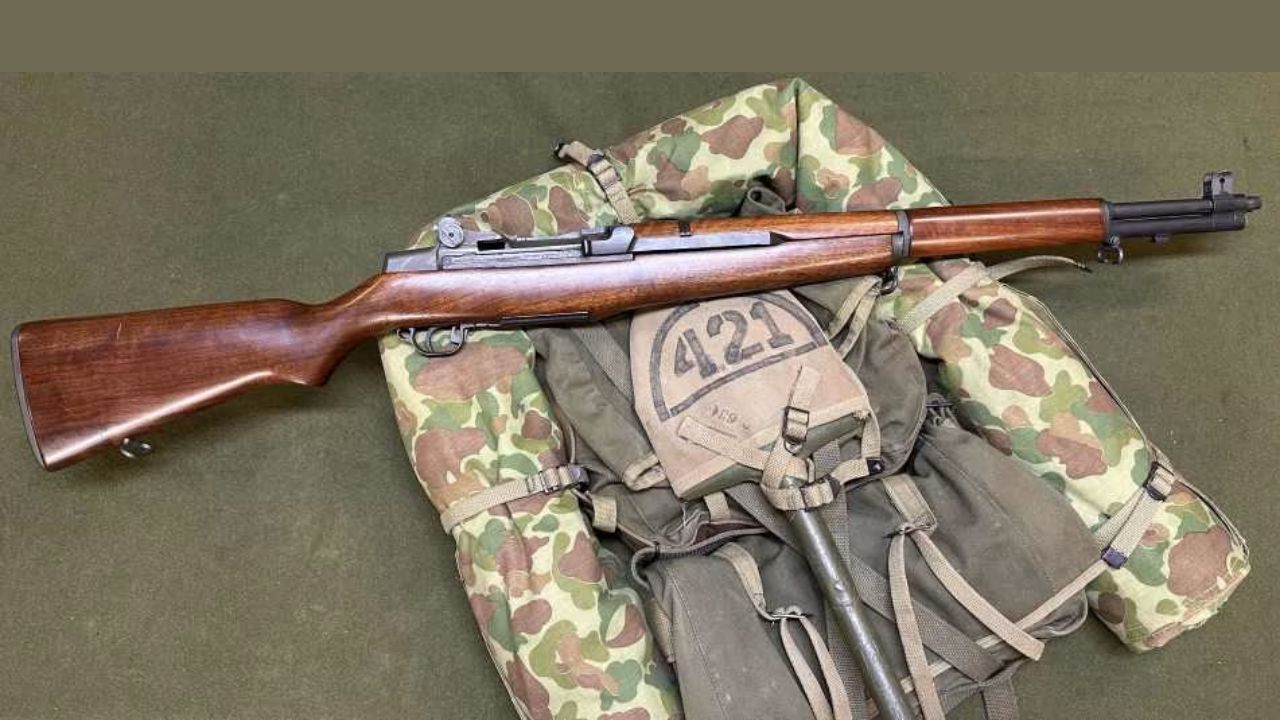
Most folks today jump straight to red dots or LPVOs, but the Garand’s aperture sights are worth learning. They’re clean, precise, and faster to pick up than you’d expect. If you can shoot well with them, you’ll shoot well with anything.
The rear peep and front blade give you a sharp sight picture, and adjusting for elevation and windage is straightforward. It forces you to trust your fundamentals—sight alignment, breathing, and trigger control. Those habits pay off no matter what rifle you pick up later. The Garand won’t do the work for you. That’s the point.
Eight rounds make you think, not spray
The M1 Garand’s en-bloc clip holds eight rounds. That limitation changes how you shoot. You won’t be hammering through 30-round mags. You’ll be planning your shots, tracking your count, and making each one count.
It builds awareness and control. You’ll start thinking in terms of hits, not volume. You also learn to reload under pressure—quickly seating that clip and getting back on target. The famous ping when it ejects is more than a sound—it’s a signal to move, reload, or transition. And if you’re smart, you’ll learn to top off before that happens.
The trigger has real character
You hear a lot of talk about “clean breaks” and “glass rods,” but the Garand trigger has a feel all its own. There’s a little take-up, then a solid wall, and a crisp release. It’s not dainty, but it’s consistent. Once you understand it, it rewards good habits.
It’s not going to surprise you into a shot. You’ll learn to press deliberately and time your break. That feedback teaches control and follow-through better than any featherweight match trigger ever will. If you can run a Garand well, you’ll handle any field rifle without trouble.
It forces you to slow down and do things right
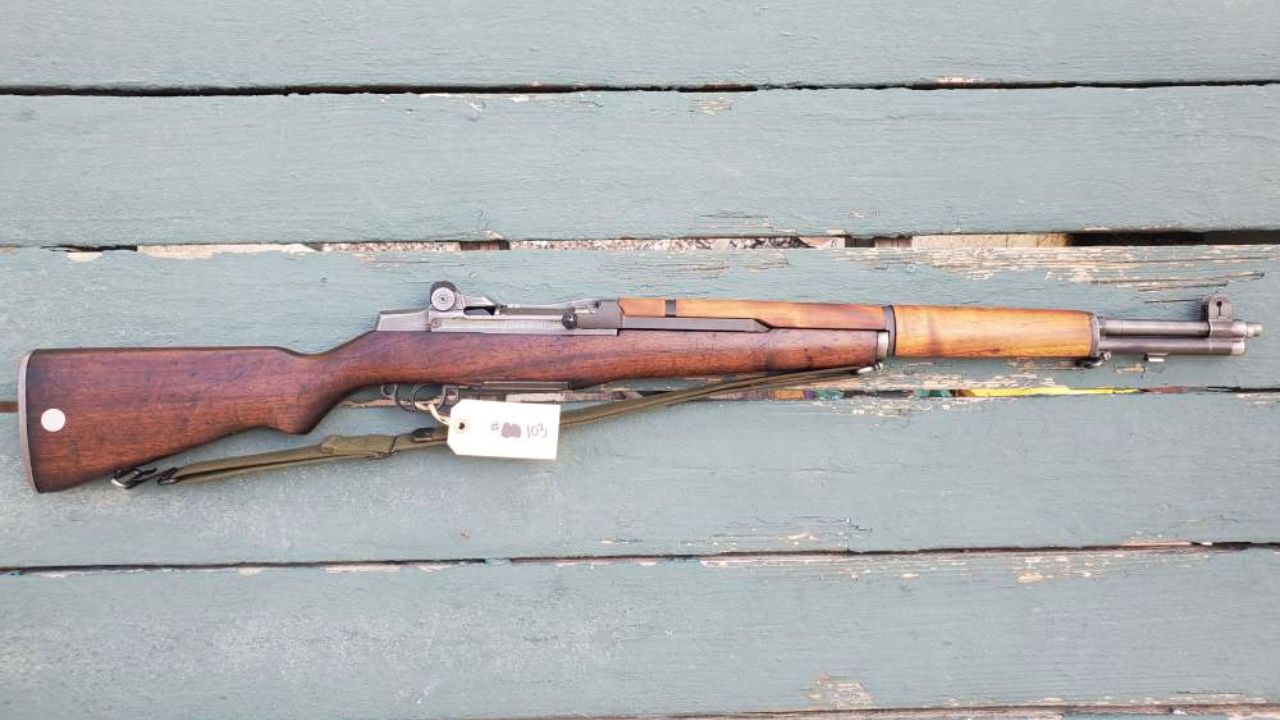
There’s no bolt catch you can ride home lazily. No detachable mag you slam in on autopilot. Everything on the M1 Garand has a process—and messing it up teaches you quickly. You’ll learn to respect the bolt, load carefully, and pay attention to your hands.
It builds discipline that translates across platforms. New shooters learn to stop rushing. They pay attention to cycling, safety, and muzzle awareness. That kind of focus shows up in the rest of their shooting too. There’s no shortcut with the Garand, and that’s exactly what makes it such a good teacher.
It still shoots better than it has any right to
Despite its age, a good M1 Garand can still group well out past 300 yards. The long sight radius, the full-length barrel, and the solid lockup give you all the tools you need for accuracy. It’s not some finicky bench queen, either—it was made to run hard and shoot straight under pressure.
A lot of modern rifles get babied to shoot tiny groups. The Garand will show new shooters that accuracy doesn’t have to come with fancy glass or a six-pound trigger. Put in the time to learn it, and it’ll keep surprising you every time you pull the trigger.
There’s no substitute for history you can feel
Every ding in the stock, every scuff on the metal—those aren’t defects. They’re reminders that this rifle was made for war and survived it. When you shoot a Garand, you’re not holding some replica range toy. You’re learning from something that’s been carried, used, and trusted in real life-or-death moments.
That history doesn’t make the rifle shoot better—but it makes you shoot differently. You pay attention. You respect the design. And you realize you’re holding something that trained generations before you. That kind of respect changes how you handle every other rifle that comes after.
Like The Avid Outdoorsman’s content? Be sure to follow us.
Here’s more from us:
The worst deer rifles money can buy
Sidearms That Belong in the Safe — Not Your Belt
*This article was developed with AI-powered tools and has been carefully reviewed by our editors.