Photo credit: Christopher J Barger/Shutterstock.com
Every hunter screws up. I don’t care how many seasons you’ve got under your belt—mistakes happen. I’ve rushed shots, sat in the wrong stand, trusted the wrong wind, and flat-out blown hunts I should’ve sealed the deal on. Sometimes, you don’t even realize what went wrong until you’re replaying it in your head on the way home.
The worst part? A lot of these mistakes are avoidable. They’re the little things that seem harmless but can cost you a shot at the buck you’ve been after. Some of them I learned the hard way, and if you haven’t yet, you probably will. But if you catch them early, you’ll up your odds and waste a whole lot less time in the woods.
Not Sighting in Your Rifle

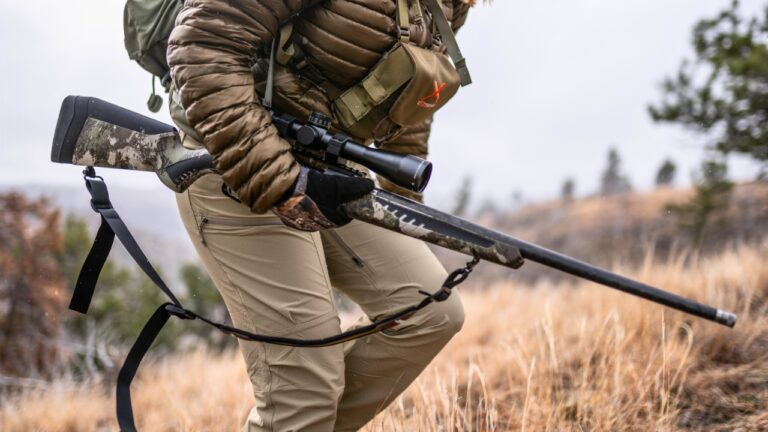
Assuming your rifle is still dead-on from last season is a mistake that can cost you a deer. A scope can get bumped, temperatures can affect zero, and even switching ammo can throw off accuracy. Nothing is worse than lining up on a buck, squeezing the trigger, and missing because you didn’t take the time to check your sights.
Always sight in before the season. A few rounds at the range can save you from frustration in the field. If you travel with your rifle, check your zero again before hunting. A little preparation beats the regret of missing an easy shot.
Using Too Much Gun

Bigger isn’t always better. Some hunters think a more powerful rifle means better results, but an oversized caliber can cause more harm than good. Hard recoil makes it tougher to stay steady, and excessive power can ruin meat if you don’t place the shot right. A well-placed shot with a manageable caliber beats a heavy-hitting round that’s hard to control.
Pick a rifle you can shoot confidently. A .30-06, .308, or even a .270 is more than enough for deer. If the gun kicks so hard you flinch before pulling the trigger, it’s too much. The best caliber is the one you shoot accurately every time.
Driving an ATV Too Close to Your Stand

ATVs make getting around easier, but they can ruin a hunt before it even starts. The noise alone is enough to send deer running, and the scent trail left behind doesn’t help either. If you’re hunting a small property, the impact is even worse—deer know when something’s off, and a loud machine rolling in isn’t exactly subtle.
If you have to use an ATV, stop well before your hunting spot and walk the rest of the way. The extra effort will keep your area quieter and help you stay undetected, giving you a better chance at seeing deer instead of spooking them.
Letting Deer Pattern You

Hunters spend a lot of time patterning deer, but the truth is, deer are patterning hunters too. If you use the same stand, take the same path, and leave at the same time every hunt, deer will figure it out. They’ll start avoiding that area when they know you’re there, making your hunts less productive.
Keep them guessing. Switch up your routes, vary your hunting times, and don’t be predictable. The less they know about your routine, the better your odds of getting close to a mature buck without him catching on.
Counting on the Rut to Fill a Tag
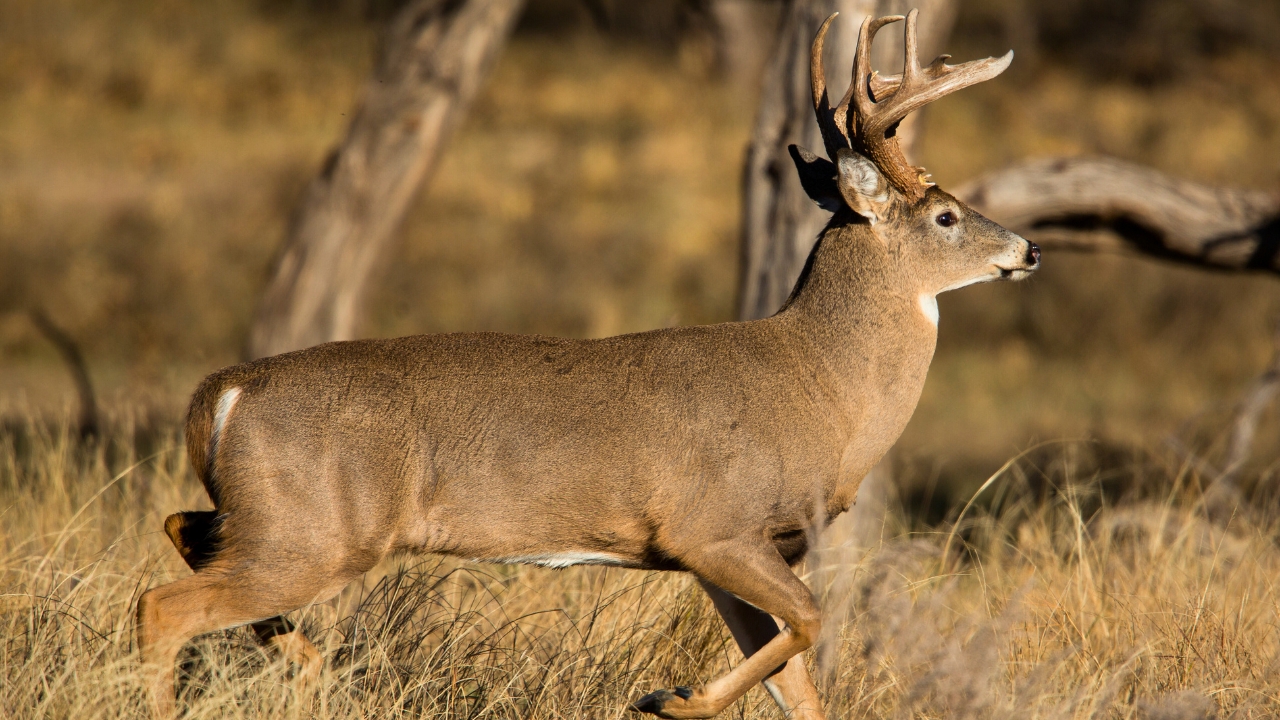
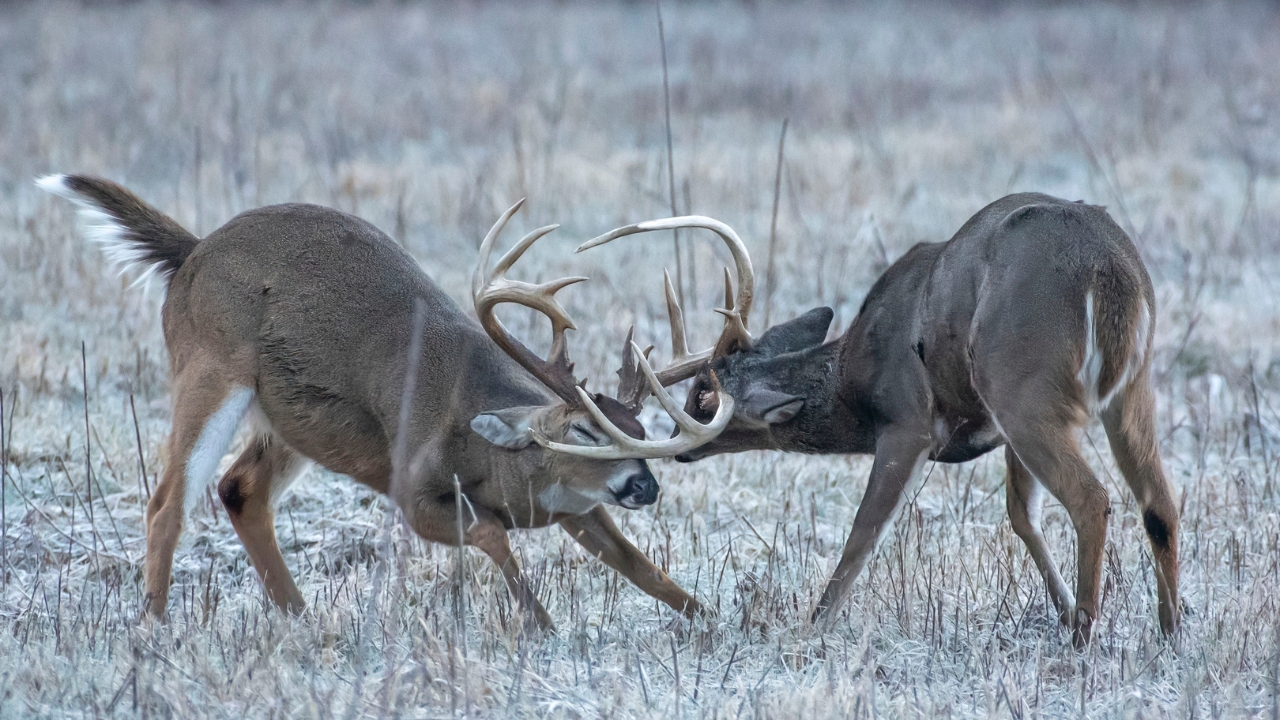
A lot of hunters bank on the rut like it’s a guaranteed win, but it doesn’t always work out that way. Sure, bucks are moving more, but they’re also unpredictable. If you skip the early season and expect the rut to do all the work for you, you might end up eating that tag at the end of the season.
The best approach is to hunt whenever you can, not just during peak rut. Bucks are still around before and after, and putting in time earlier in the season gives you a better shot at a mature deer before he starts chasing does all over the county.
Being Too Noisy in the Woods

Scent control gets a lot of attention, but noise can ruin a hunt just as fast. Deer rely on their ears as much as their noses, and if they hear something that doesn’t belong, they’re gone before you even know they were there. Loud footsteps, clanking gear, or even shifting in your stand too much can tip them off.
Move slow, step lightly, and keep your gear tight. If your pack is rattling or your clothing is too loud, fix it before you get to the woods. A quiet hunter is a deadly hunter, and silence gives you the edge.
Thinking Scent Sprays Are Enough

Scent control sprays and detergents are nice to have, but they don’t make you invisible. Some hunters spray down and think they can ignore the wind, but that’s a losing strategy. No product on the market can completely erase human scent, and a smart buck isn’t falling for it.
Hunt the wind. Always know where your scent is blowing, and set up so it’s not drifting toward where deer are coming from. Play the wind right, and you won’t have to rely on a bottle of spray to do the work for you.
Ignoring Scent Control Completely

On the flip side, some hunters don’t bother with scent control at all, and that’s a mistake too. Even if you’re hunting the wind, reducing your scent still helps. A little effort—like washing your clothes in scent-free detergent and storing them outside—goes a long way in keeping you undetected.
You don’t have to buy every scent-killing product out there, but basic scent control should be part of your routine. Shower with scent-free soap, avoid strong odors, and don’t walk through bedding areas leaving your scent all over the place. The less the deer smell you, the better your odds.
Checking Trail Cameras Too Much

Trail cameras are a great tool, but if you’re checking them every other day, you’re doing more harm than good. Every time you visit, you leave scent and disturb the area, making deer more cautious or pushing them to move elsewhere.
If you’re using standard cameras, check them when you’re already hunting to limit your impact. Even better, switch to cellular cameras that send updates straight to your phone. That way, you stay in the know without ever stepping foot in the woods.
Chasing One Buck During the Rut

If there’s one time of year when a buck is least likely to stick to a routine, it’s the rut. He’s covering miles looking for does, which means he could be on your property one day and gone the next. Some hunters make the mistake of focusing too much on one specific buck, only to realize he’s spending most of his time somewhere else.
Instead of locking in on a single deer, keep a few good bucks in mind. The rut brings surprises, and sometimes, the best deer you’ll see all season is one you didn’t even have on camera. Stay flexible, and you won’t miss out.
Using the Wrong Ammo

Grabbing the wrong ammo might seem like a small mistake, but it can be dangerous. Just because a cartridge fits in the chamber doesn’t mean it’s the right one. Firing the wrong caliber can damage your gun, or worse, cause serious injury.
Always double-check. The caliber is stamped on the barrel, and it should match exactly with what’s on your ammo box. If you have multiple guns, keep them organized so you don’t grab the wrong one. A simple mistake like this isn’t worth the risk.
Sitting in the Same Stand Too Often

It’s easy to get attached to a stand, especially if it’s produced before. But if you’re hitting the same spot over and over, the deer are going to catch on. They might not disappear completely, but they’ll adjust their movements, making it harder for you to get a clean shot. Deer pattern hunters just as much as hunters pattern deer. Give your stands a break, rotate spots, and keep them guessing.
If you only have a couple of good setups, try adjusting your entry and exit routes or hunting different wind conditions. A fresh setup with a new approach can make all the difference. Sometimes, less pressure equals more opportunity.
Skipping Morning Hunts

Morning hunts take effort, but they can be some of the best opportunities, especially during the rut. Bucks are still on their feet, looking for does, and you can catch them heading back to their bedding areas. If you’re only hunting evenings, you’re missing half the action.
Getting up early isn’t always fun, but it pays off. Set your alarm, get in before first light, and settle in while the woods wake up. Sometimes, the biggest bucks are the ones that never make it to those evening food plots—they’ve already bedded down for the day.
Tracking Too Soon After the Shot

The rush of the shot can make you want to jump up and start tracking right away, but that’s a big mistake. Even a well-placed shot can take time to do its job, and if you push a wounded deer too soon, you risk losing it. A spooked deer can run further, making recovery a nightmare.
Give it time. If the shot was solid, wait at least 30 minutes before moving. If it was questionable—like a gut shot—give it several hours. A little patience here can mean the difference between a successful recovery and a lost deer.
Picking the Wrong Stand for the Time of Day

Not all stands are created equal, and timing matters. If you’re hunting a food plot in the morning, you might be sitting there wondering where all the deer went. Deer move toward food in the evenings, but in the mornings, they’re heading back to their bedding areas.
Set up accordingly. Morning hunts work best near travel corridors or bedding areas where you can catch deer sneaking back in. Evening sits near food sources will put you in a better position for a shot. Matching your setup to the time of day will keep you in the action instead of wondering where all the deer went.
*This article was created with the assistance of AI.