
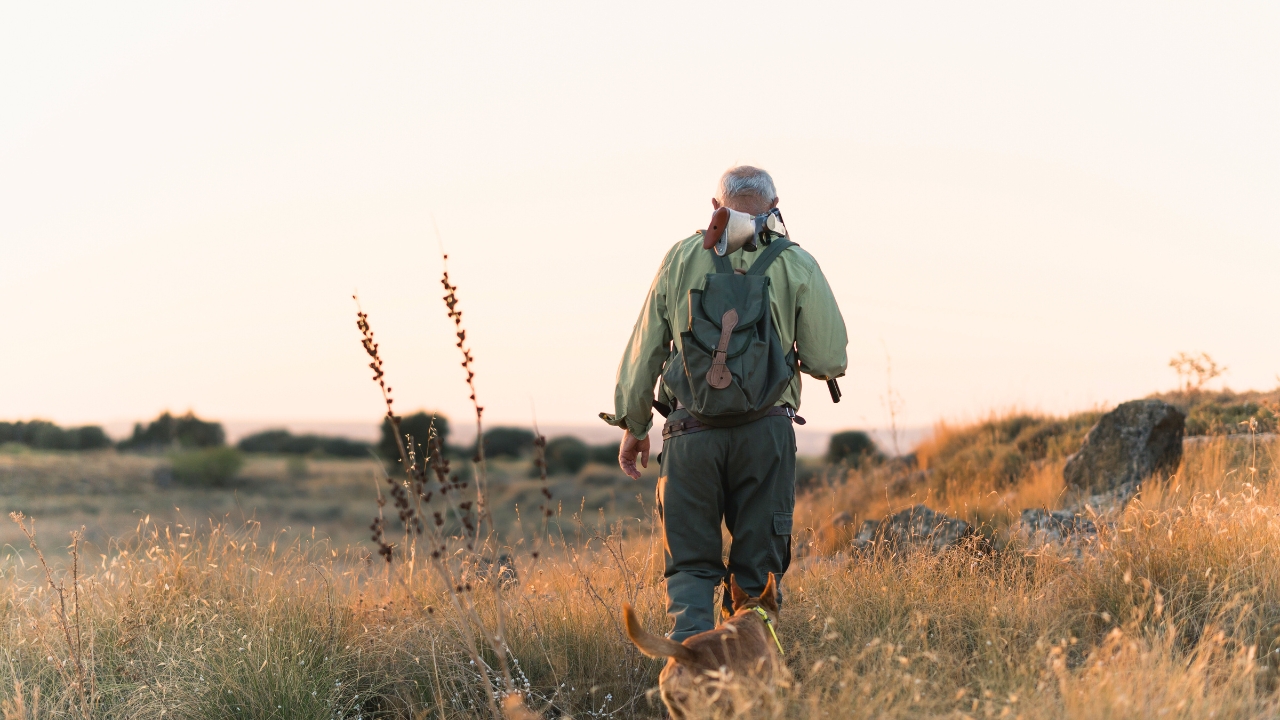
Photo credit: Alida_Garcia/Shutterstock.com
Early-season hunts have a way of exposing gear problems faster than a lot of people expect. On paper, those hunts look simpler than the cold-weather grind later in the year. You are not dealing with deep cold, frozen fingers, or bulky late-season layers, so a lot of hunters head in thinking the gear side ought to be easier. In real life, early season brings its own set of problems, and a bunch of them get made worse by gear choices that seemed harmless at home. Heat, sweat, bugs, green cover, longer walks, noisy vegetation, and fast-changing temperatures all make early season a lot less forgiving than people think. That is why some hunters start the year feeling like the woods are fighting them from the first sit. It is often not the deer. It is the setup. A handful of bad gear habits can quietly make you hotter, louder, slower, more uncomfortable, and less likely to stay sharp when the shot finally comes together. None of these mistakes look dramatic on the kitchen table the night before. They show up later, when you are sweating through your shirt halfway to the stand or digging for something in the dark while mosquitoes chew on your ears.
Dressing like it is the weather that matters most instead of the walk in
One of the most common early-season mistakes is picking clothes for the sit and forgetting the walk. A hunter looks at the morning low, sees a cooler number, and dresses like he is stepping straight into the stand from the porch. Then he starts covering ground in the dark with a pack on, works up heat fast, and spends the next thirty minutes sweating into clothes that were supposed to keep him comfortable. That sweat does not just make the walk annoying. It changes the whole sit. Now your base layer is damp, your body never quite settles, and the minute the temperature shifts or a breeze picks up, you start feeling clammy instead of ready. Early-season gear works best when it is built around movement first and sitting second. That usually means lighter clothing, better venting, and more discipline about carrying an extra layer instead of wearing it on the way in. Guys make this harder than it needs to be by trying to dress for comfort at the stand while ignoring what the hike does to their body before daylight. Early season punishes that mistake fast.
Carrying too much junk for conditions that reward simplicity
Another thing that drags early-season hunts down is bringing a late-season mindset into a hunt that does not need it. Bigger packs, extra gadgets, too many calls, bulky accessories, spare layers you will never use, and every little “might as well bring it” item start sounding harmless until you are trying to move through green cover without hanging up on every vine and sapling in the county. Early season is often tight, leafy, and noisy enough already. The more bulk you carry, the more chances you give yourself to brush limbs, bump gear, shift straps, and make enough small sound to announce your arrival before daylight. A lot of hunters never notice how much their pack is working against them until they pare it down and feel the difference. They move easier, climb quieter, sweat less, and spend less time digging around for something they packed mostly out of habit. Early-season hunts usually reward clean, disciplined setups. If your gear makes you feel like a pack mule before the sun is up, you are probably carrying field problems you created yourself.
Treating boots like they only need to be comfortable for a little while
Boot mistakes hit hard in early season because the conditions are deceptive. A boot may feel fine for a short walk in dry weather, but that does not tell you much about how it handles damp grass, warm feet, long sits, creek edges, mud, or a slow sweat building up during the first hour of movement. Early season is when a lot of hunters find out their boots run hotter than they thought, hold moisture longer than they should, or start rubbing once the miles add up. That sounds minor until your socks are wet, your feet are cooking, and every step on the way out feels worse than it should. Bad boots also change how quietly you move. If the sole slips, the fit feels sloppy, or your feet are already irritated, the rest of your body starts compensating. That turns smooth movement into clumsy movement in a hurry. A boot that works in the driveway is not automatically ready for a hunt where the ground is uneven, the grass is soaked, and the day starts warm before turning cool. A lot of early-season discomfort starts from the ankles down, and once that problem begins, the rest of the hunt gets harder for no good reason.
Letting heat and bugs become an afterthought instead of part of the plan
Plenty of hunters still treat bugs and heat like annoyances they will just deal with once they get to the woods. That is a great way to have your focus chipped away all morning. Early season can be brutal for mosquitoes, gnats, ticks, and all the little distractions that keep a hunter from settling in and staying patient. The same goes for heat management. If your clothing holds too much warmth, your hat traps too much heat, or your setup forces you to sit in direct sun longer than expected without enough hydration, you start losing sharpness in a way that is easy to underestimate. Small distractions pile up. You move more. You swat more. You get sloppy about posture, glassing, or listening because your body is spending too much energy being irritated. Hunters like to talk about scent, optics, and access, but a lot of early-season hunts get quietly wrecked by the fact that the guy in the stand is miserable from sunrise on. That is a gear issue too. Light gloves, breathable clothing, a sane bug plan, and enough water to match the conditions are not little extras during early season. They are part of staying effective long enough for the hunt to turn in your favor.
Using the same visibility and optics habits that make more sense later in the year
Green cover changes the way a hunt feels, and a lot of people do not adjust their gear setup for that nearly enough. Early-season woods are fuller, tighter, and more cluttered, which means visibility is different and shot opportunities can come together fast. A hunter using the same optic setup, the same carry arrangement, and the same gear placement that works later in the fall can end up fighting his own equipment when it matters. Binocular harnesses that feel fine in open country may catch or bounce more in thick cover. Rifle slings that are comfortable enough in simple terrain may drag awkwardly when you are trying to move through brush without hanging up. Optics that looked good at the range may feel slower in leafy conditions where openings are smaller and deer appear for seconds, not minutes. Early season is not always the time for bulky, overcomplicated setups that sound versatile in theory. It is often a time for cleaner access to the rifle, quieter movement, and gear that stays tight to the body instead of living three inches off your chest waiting to catch every branch in front of you.
Waiting too long to realize the little things are costing you the hunt
What makes early-season gear mistakes so frustrating is that they usually do not ruin the hunt in one big obvious moment. They wear you down a little at a time. Your shirt is wetter than it should be because you overdressed for the walk. Your pack is louder than it needs to be because you brought half the garage. Your boots are hotter than they felt in the yard. The bugs are worse than you planned for, so you move more than you should. Your gear placement is clumsy in thick cover, so simple movements take longer than they ought to. By the time deer movement picks up, you are already less patient, less comfortable, and less sharp than you were at daylight. That is how these mistakes work. They make the hunt harder in ways that are easy to dismiss until you stack enough of them together and realize the deer never had to beat you clean. Your own setup did some of the work for them.
The hunters who seem to handle early season best are usually not the ones with the most gear. They are the ones who have trimmed the nonsense out of the system and matched their equipment to what early season actually feels like. They dress for the walk, not the forecast on an app. They carry less, move better, and think about comfort in terms of staying effective instead of feeling cozy in the first ten minutes. They take bugs, water, and breathable clothing seriously. They pay attention to how thick cover changes movement and access. None of that is flashy, and that is probably why so many people keep learning it the hard way. Early season does not ask for complicated gear. It asks for honest gear. If your setup keeps making you hotter, louder, bulkier, and more distracted than the hunt already does on its own, then you are fighting a battle you never needed to create in the first place.
Like The Avid Outdoorsman’s content? Subscribe to our newsletter so you never miss an article.
Here’s more from us:


