Photo credit: Oleksandr Kurchev/Unsplash.com
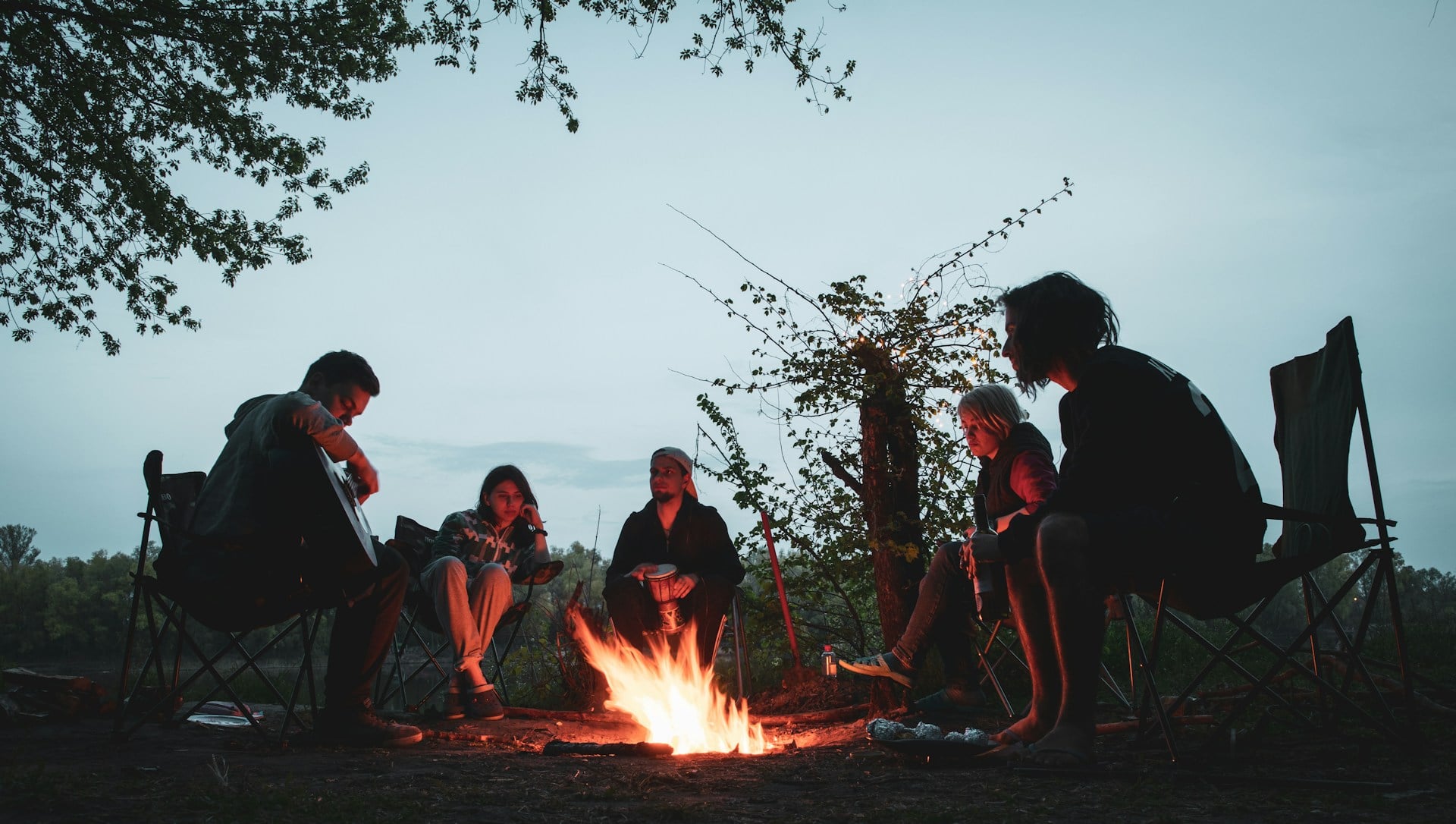
A campfire is supposed to be the easy part of the day. Work’s mostly done, food’s handled, gear’s settled, and everybody gets a chance to sit down, warm up, and let the day slow down a little. When it’s right, the fire becomes the center of camp without anyone having to think about it. People talk, laugh, and relax without the whole thing turning into a production.
Then there are the nights where one or two habits slowly wreck that rhythm. Nobody says anything at first, but you can feel it. The fire gets annoying to sit around, the conversation keeps getting derailed, and what should’ve been a calm end to the day turns into something people quietly want to escape. These are the campfire habits that make a man wish you’d just call it a night and head to your sleeping bag.
He Keeps Dumping Huge Logs on a Good Fire
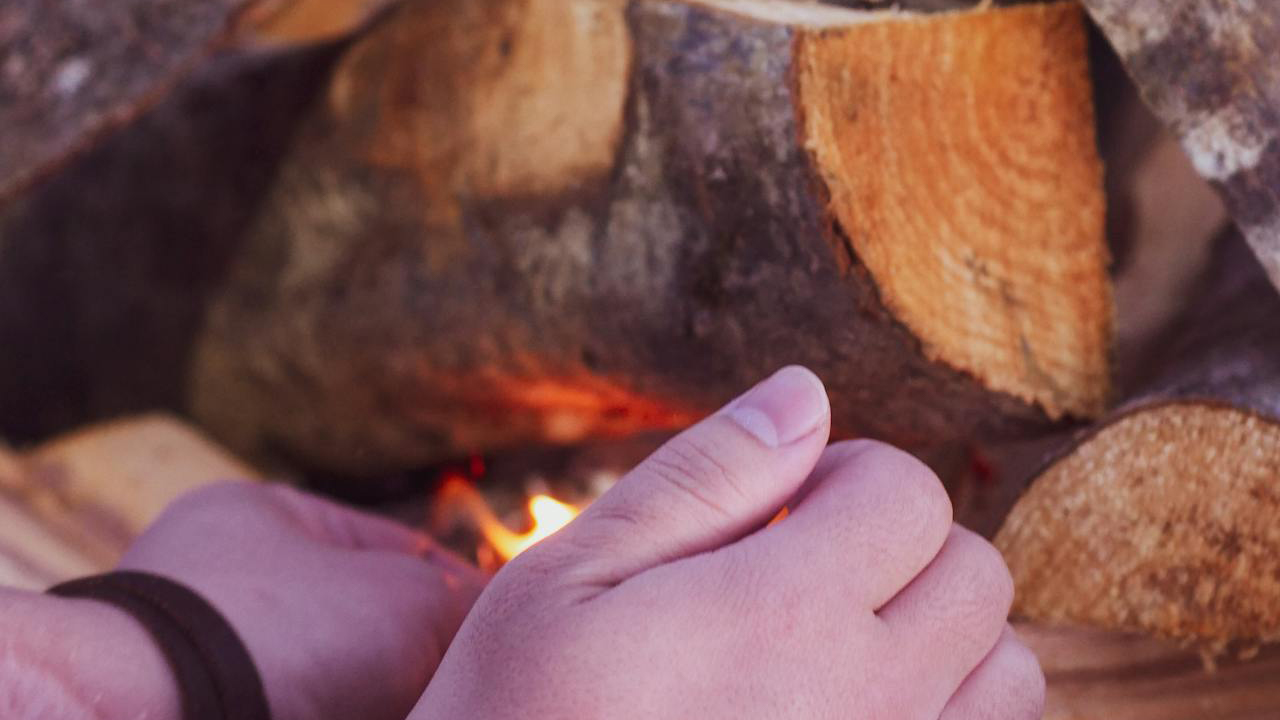
There’s always one guy who treats a decent, steady fire like it’s not impressive enough unless it’s dramatic. Every time things settle into a clean burn, he throws on a log big enough to anchor a boat. Now the flames choke down, smoke pours out, and everybody’s shifting chairs trying not to get smoked in the face.
A good fire doesn’t need constant overcorrection. It needs small, steady feeding. The man who keeps trying to turn it into a bonfire ruins the balance every time. Instead of a clean, warm setup, you end up with a smoky mess that takes ten minutes to recover after every “upgrade.”
He Lets the Fire Die and Then Panics
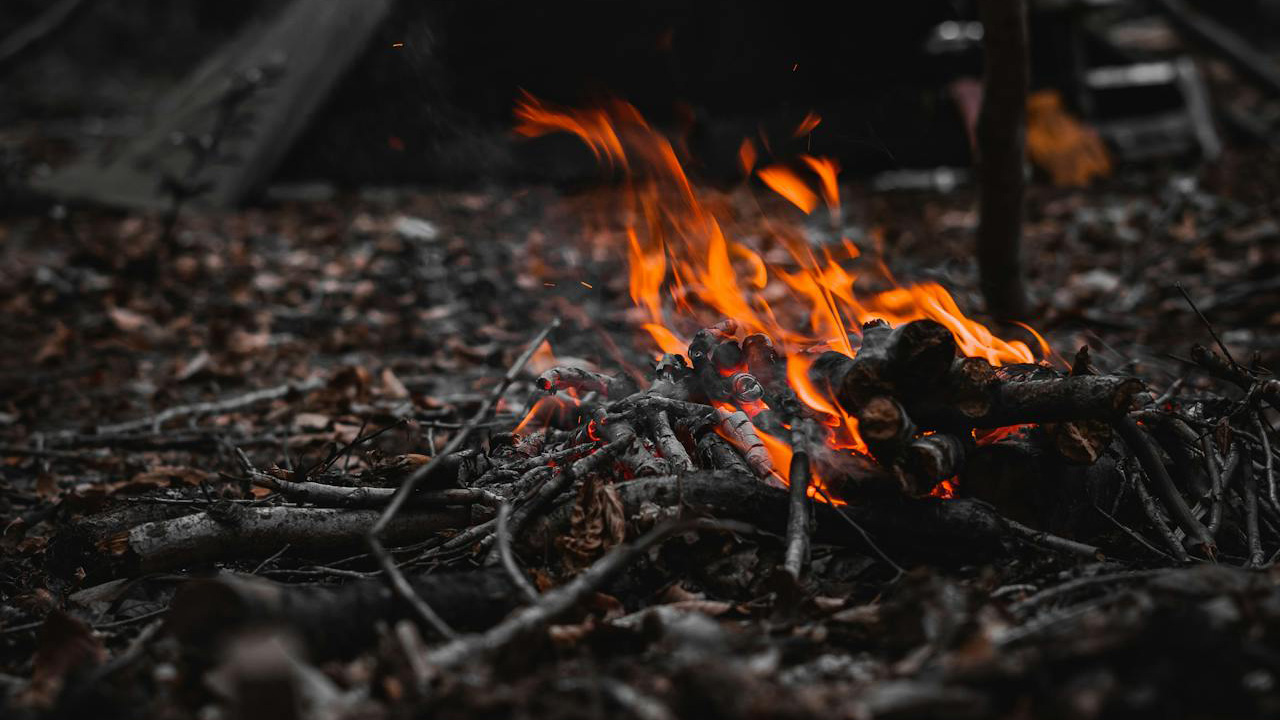
On the other end of the spectrum is the guy who forgets the fire exists until it’s basically a pile of glowing regret. Then he suddenly springs into action, tossing on whatever wood is closest, blowing on it like he’s trying to wake it up, and turning a simple situation into a rushed scramble.
Fire works best when it’s maintained, not rescued. Letting it fade completely just means more effort to bring it back. The panic reaction makes it worse because now the wood gets piled on wrong, airflow gets blocked, and the whole thing turns into a smoky restart instead of a smooth burn.
He Sits in the Best Spot and Never Moves
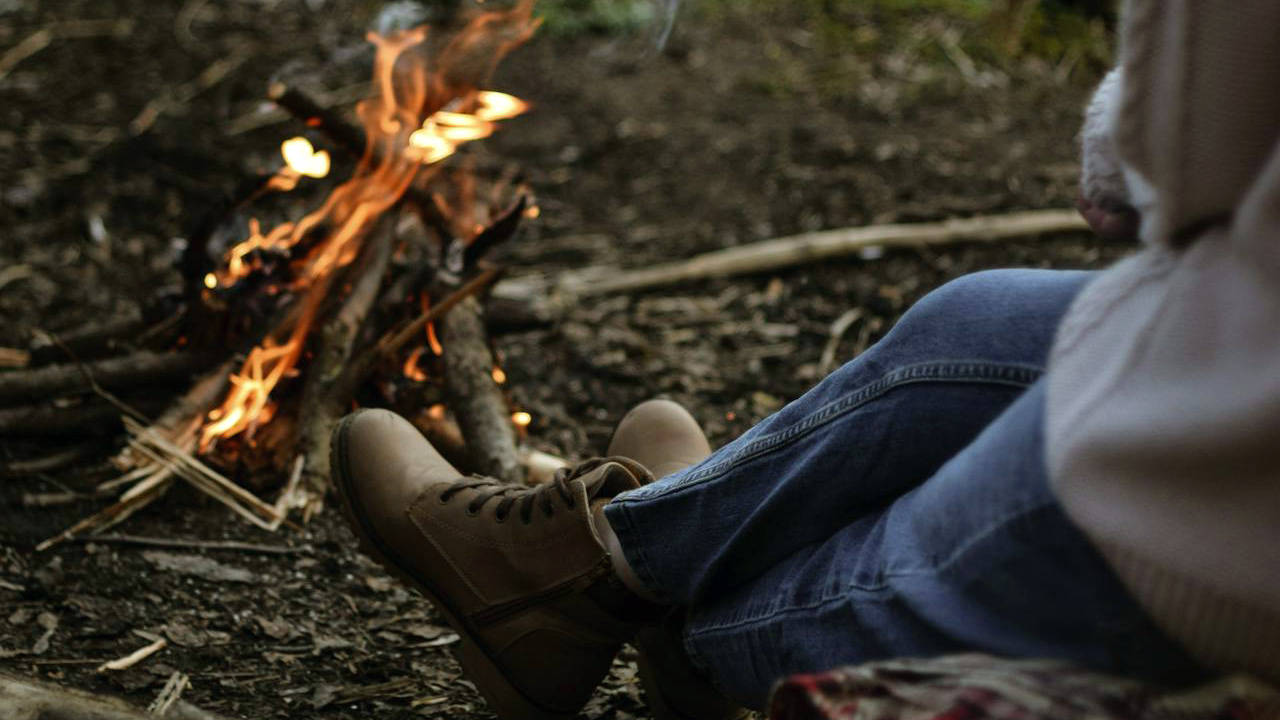
Every fire has a couple of prime seats. Good angle, steady heat, minimal smoke. Most guys rotate naturally or shift around so everyone gets a decent stretch in those spots. Then there’s the man who plants himself early and treats that chair like he signed a lease on it.
Now everyone else is adjusting around him, catching smoke, or sitting farther back while he stays perfectly comfortable all night. It’s not a big deal once or twice, but when it becomes a pattern, people notice. Camp works better when comfort gets shared, not claimed.
He Throws Trash in the Fire Like It’s a Solution
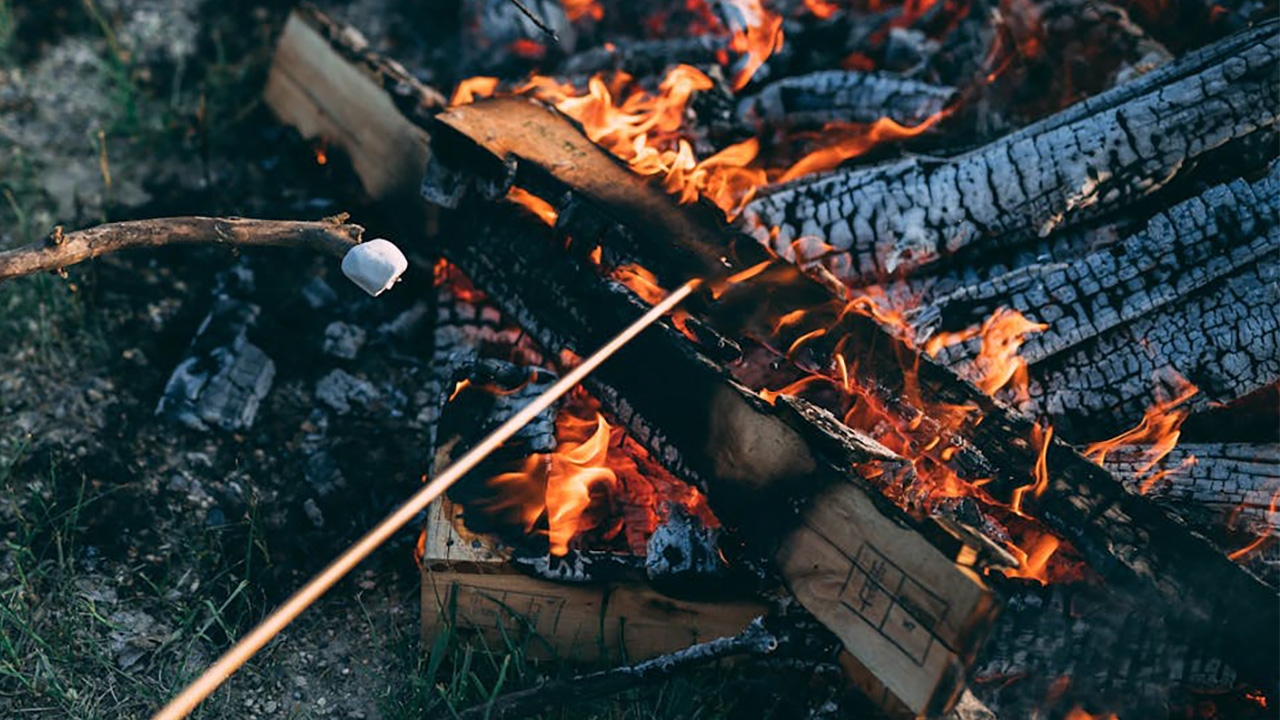
Paper burns fine. Small scraps here and there aren’t a big deal. But some guys start treating the fire like it’s a full trash disposal system. Plastic wrappers, coated materials, random garbage that was never meant to be burned all end up in the flames.
Now the fire smells terrible, smoke gets thick, and everyone around it gets a face full of whatever chemicals are coming off that mess. It doesn’t clean anything up. It just makes the air worse. A good fire should make camp more comfortable, not less.
He Talks Over Everyone Like It’s His Show
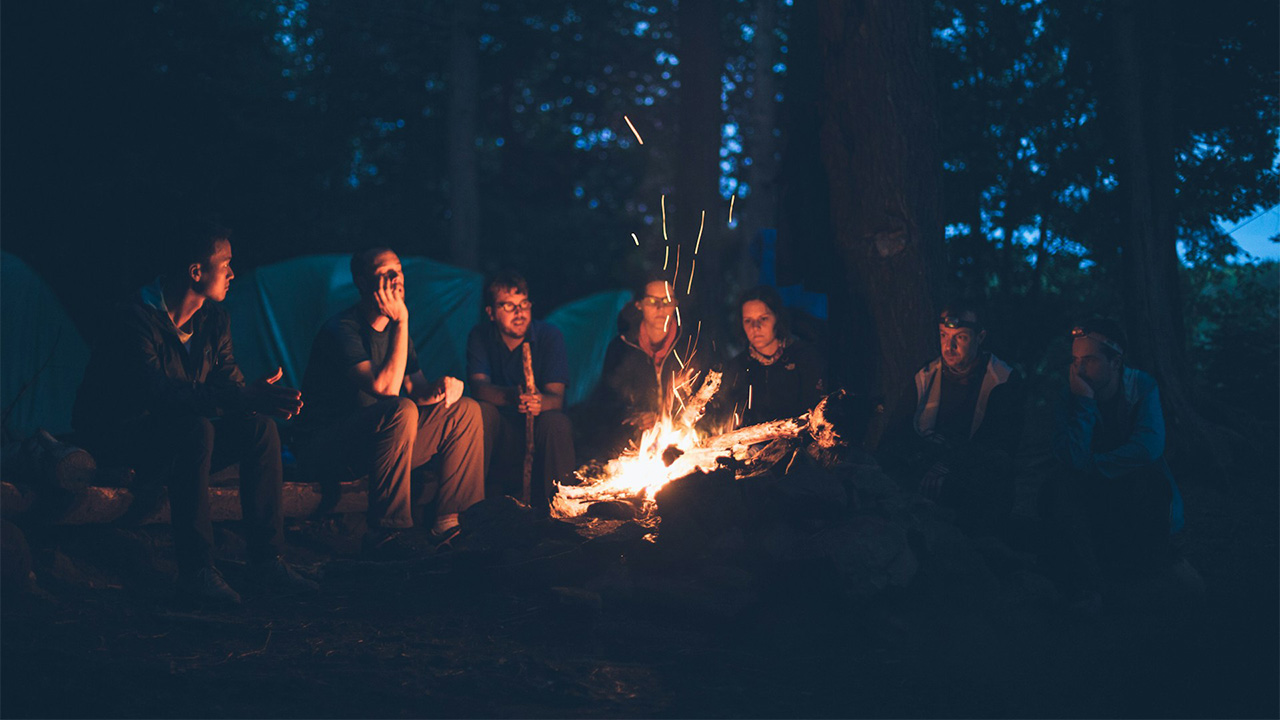
There’s always a balance at a campfire. Stories go around, people chime in, and nobody has to fight to be heard. Then there’s the guy who turns every conversation into his own running commentary. He cuts people off, jumps ahead, and somehow ends up talking more than everyone else combined.
It doesn’t take long before people stop trying to share anything. The fire gets quieter, but not in a good way. More like people are waiting for him to run out of steam. A campfire works best when it feels shared. The one-man show kills that fast.
He Can’t Stop Poking the Fire
/Pexels.com
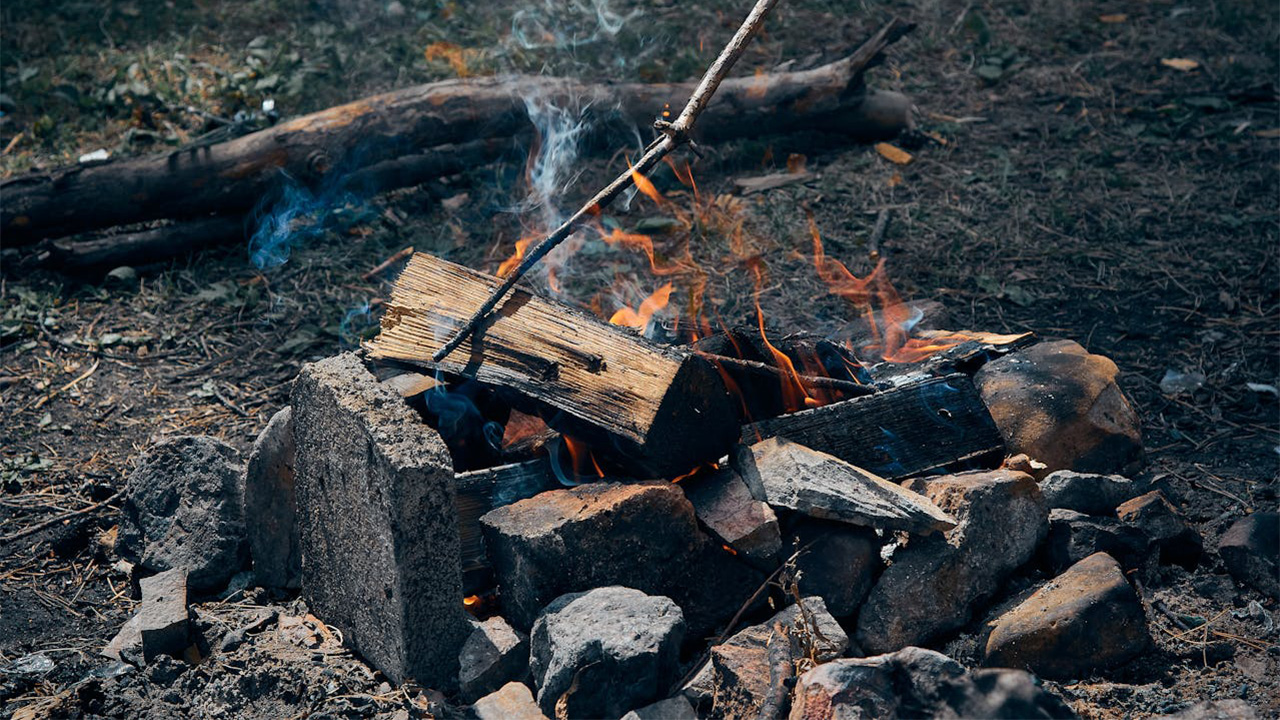
Some guys can’t leave the fire alone. They’re constantly stirring it, shifting logs, breaking things apart, and adjusting pieces that were working just fine five seconds ago. The fire never settles because he won’t let it.
A little adjustment here and there is normal. Constant interference isn’t. A steady fire burns better when it’s left alone to do its job. The guy who keeps poking it turns a clean burn into a restless mess that never quite gets comfortable.
He Sits Too Close and Acts Surprised by It
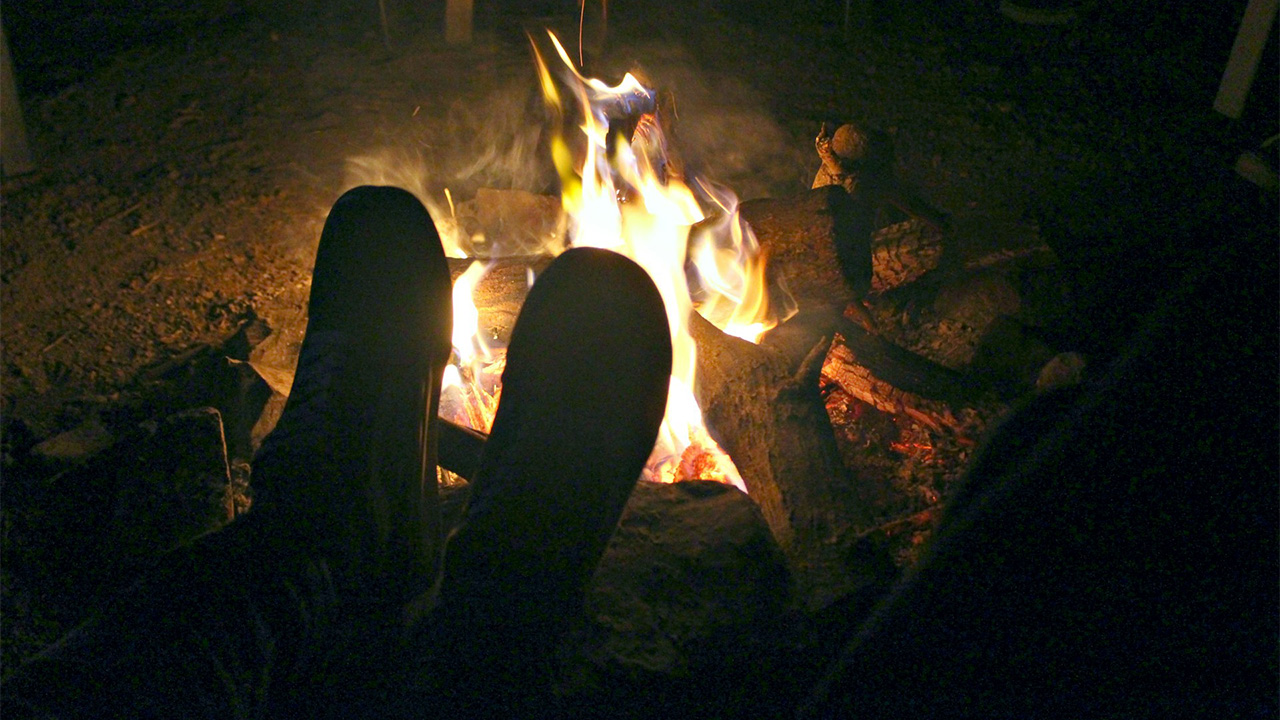
There’s always someone who parks himself right on top of the fire and then spends the next hour reacting to it like it’s unpredictable. Too hot, too bright, sparks popping, smoke shifting, heat hitting his legs—he notices all of it like it’s happening for the first time.
Meanwhile, everyone else found a comfortable distance and settled in. Fire doesn’t need to be fought. You just sit where it makes sense. The guy who insists on crowding it ends up fidgeting all night and making it everyone else’s problem.
He Keeps Standing Up and Blocking the Heat
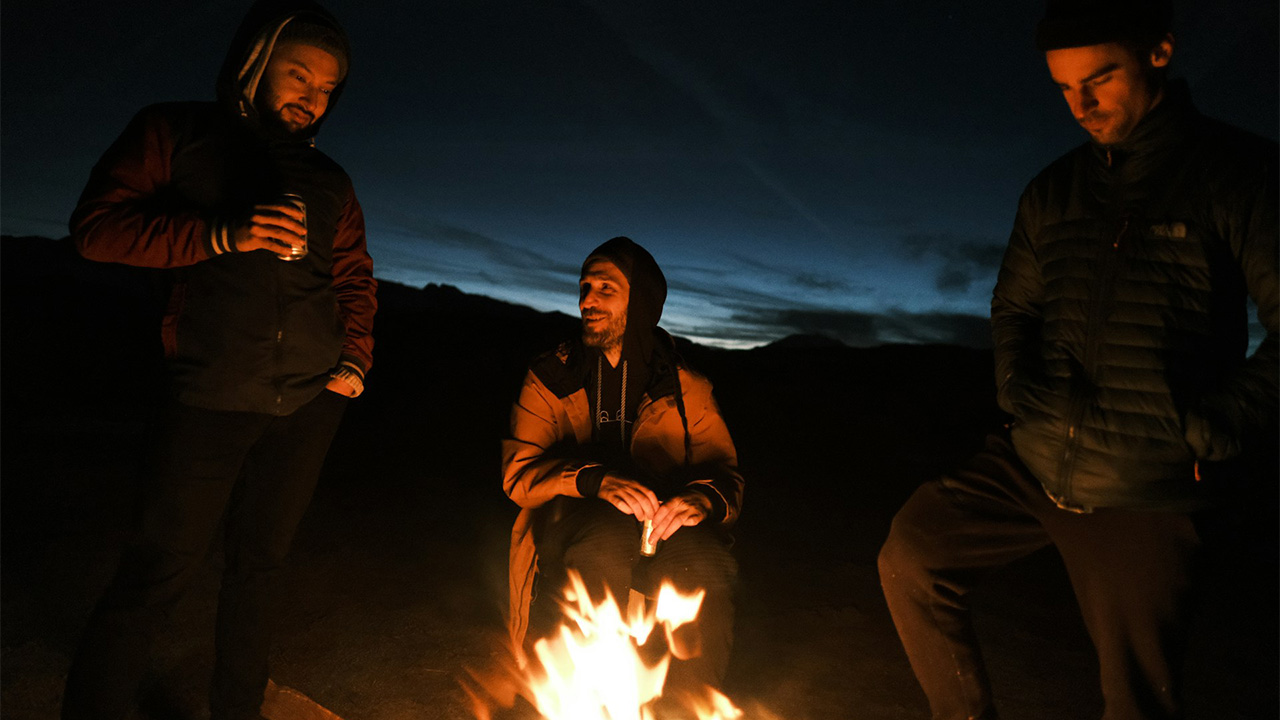
Once people get settled around a fire, movement slows down. Then there’s the guy who’s constantly getting up, walking in front of the flames, standing right in the heat line, and blocking the fire for everyone behind him.
It seems small, but it happens enough and it starts getting old. People have to shift, lean, or wait for him to move before they can feel the fire again. A steady campfire setup works because people respect the space. Constant movement breaks that flow.
He Keeps Adding Wood No One Asked For

Not every fire needs more wood right now. Sometimes it’s already burning perfectly. But certain guys feel the need to keep feeding it anyway, like a bigger fire automatically means a better one.
The result is usually too much heat, too much smoke, or a fire that burns through wood faster than it should. Then later, when you actually need more fuel, the pile’s already smaller than it should be. Good fire management is about timing, not constant adding.
He Leaves Sparks Flying Everywhere
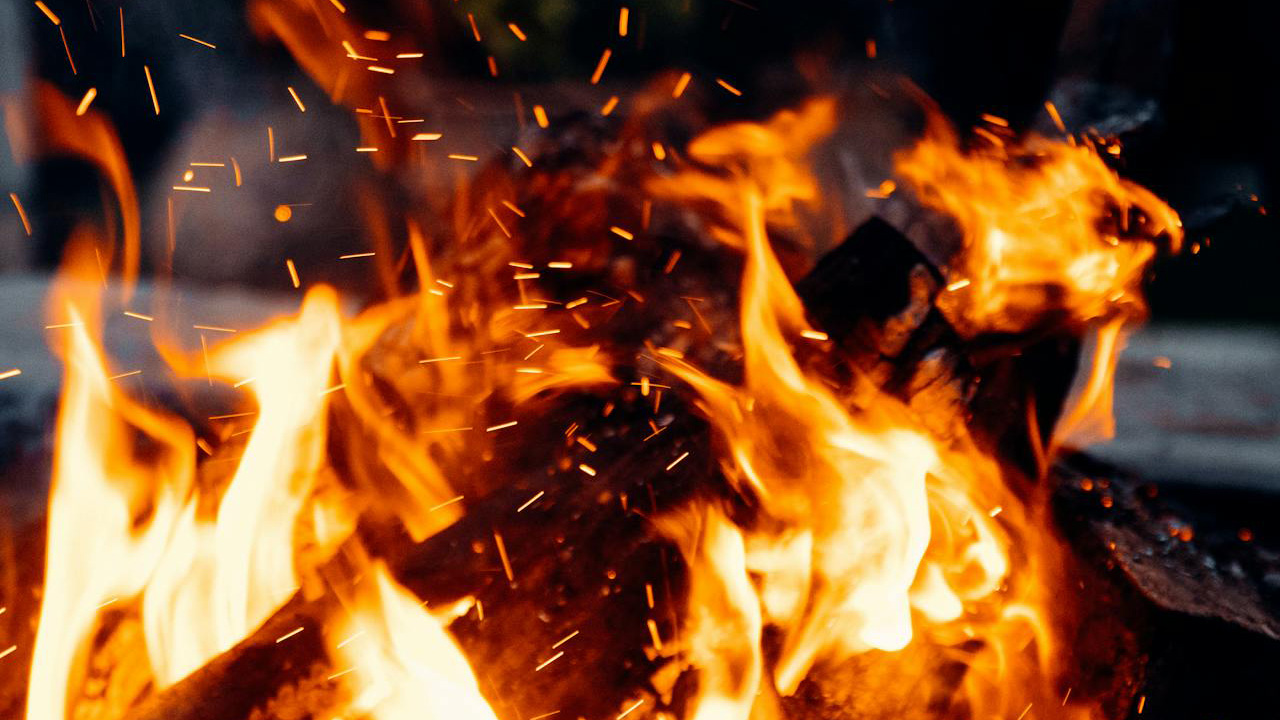
Throwing wood on carelessly, kicking embers around, or breaking apart burning pieces without thinking can send sparks into chairs, clothes, and gear. Most of the time it’s not a big deal, but it’s the kind of thing that keeps people on edge.
A fire should feel controlled. When sparks start flying regularly, people stop relaxing and start watching where everything lands. That tension doesn’t belong around a campfire, especially when it’s caused by sloppy handling.
He Keeps Shining Bright Lights Into the Fire Circle
Nothing kills the mood faster than someone flipping on a bright headlamp or flashlight and shining it right through the circle. Eyes adjust to firelight for a reason. It’s softer, easier, and doesn’t feel harsh.
Suddenly blasting white light across everyone’s face resets that completely. People squint, look away, and lose that comfortable rhythm the fire had going. Light has its place, but not in the middle of a settled campfire.
He Leaves the Area Worse Than He Found It
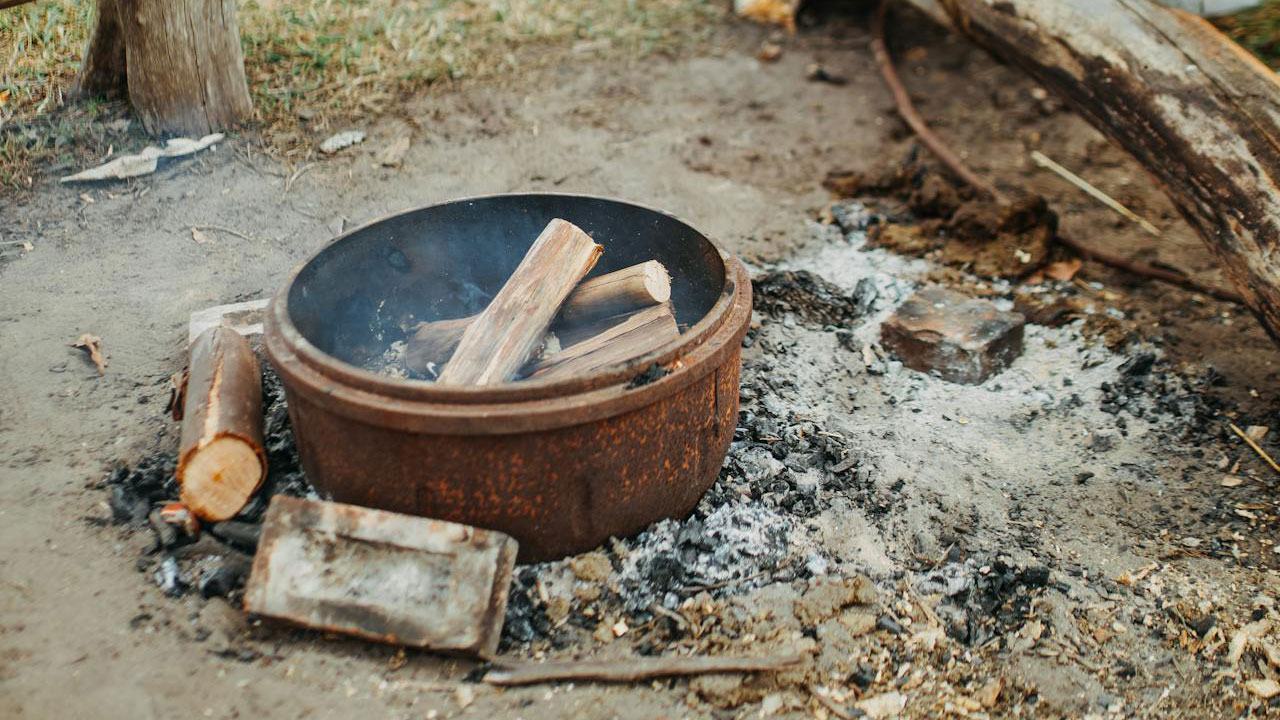
When the night winds down, there’s always a little cleanup. Straighten chairs, deal with trash, make sure the fire’s handled properly. Some guys help wrap it up. Others just drift off and leave everything exactly as it sits.
Now someone else is stacking chairs, picking up scraps, and making sure nothing gets left behind or burns longer than it should. Ending the night cleanly keeps the next morning easy. Leaving it messy pushes that work onto whoever cares enough to fix it.
He Treats Every Story Like a Competition
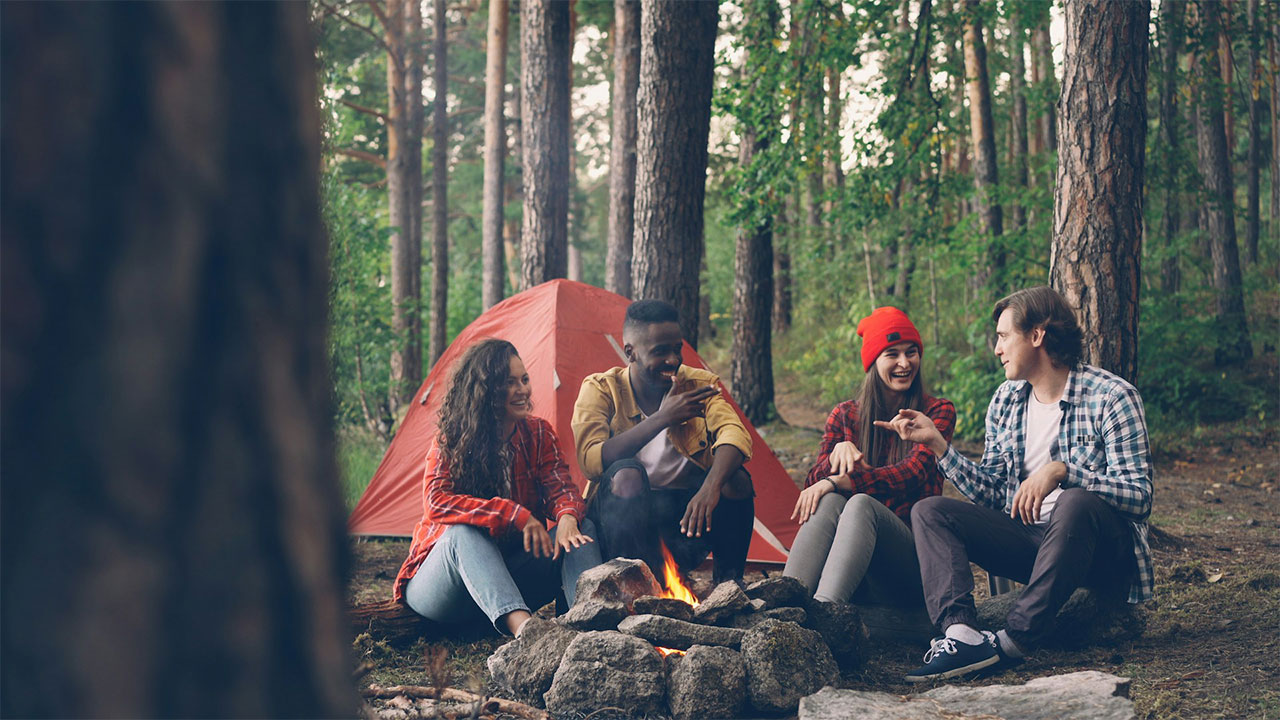
Campfire stories are supposed to build on each other. One story leads to another, and everyone gets a turn. Then there’s the guy who treats every story like something he has to top.
No matter what someone says, he’s got a bigger version, a louder version, or a more dramatic version ready to go. After a while, people stop sharing because it doesn’t feel like a conversation anymore. It feels like a contest nobody agreed to enter.
He Gets Too Loud Once the Night Settles In
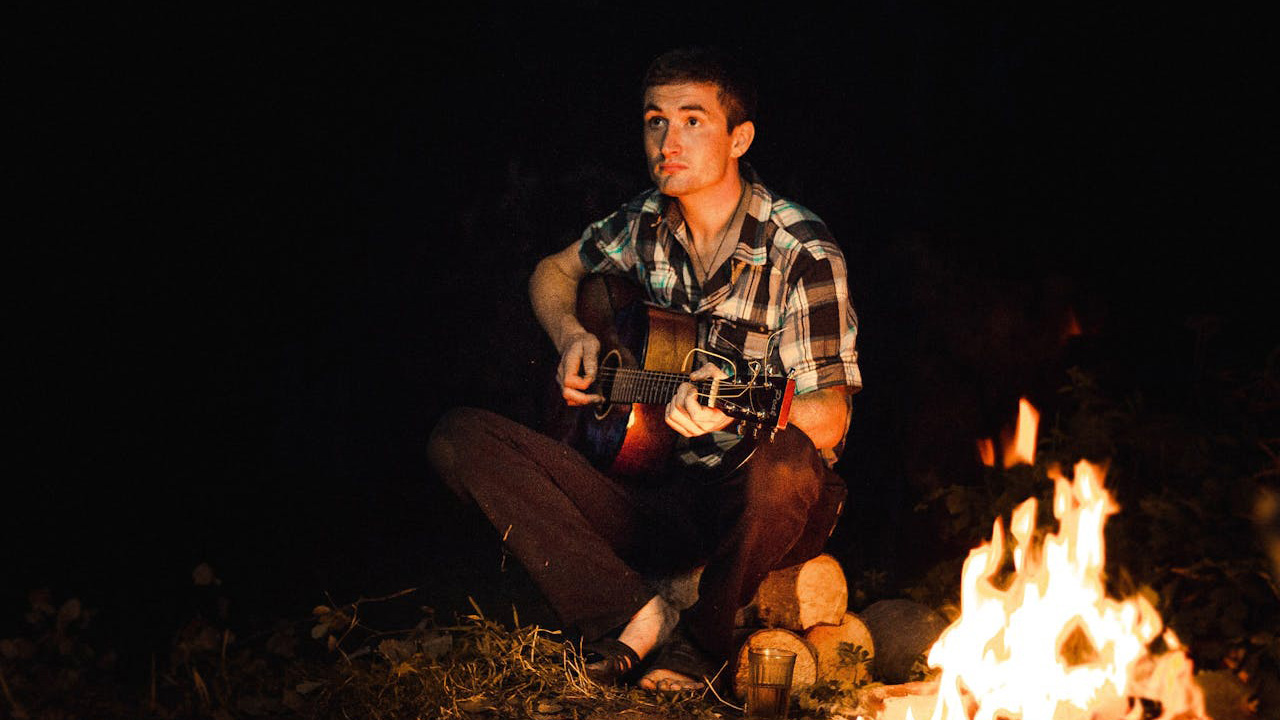
As the night goes on, most camps naturally quiet down. Voices drop a bit, conversation slows, and the fire carries the rest. Then there’s the guy who gets louder as everyone else gets calmer.
Now the whole mood shifts. What was a relaxed evening starts feeling chaotic again. Late-night volume carries farther than people think, especially outdoors. The man who doesn’t notice that ends up resetting the tone everyone else was enjoying.
He Stays Up Long After He Should’ve Turned In
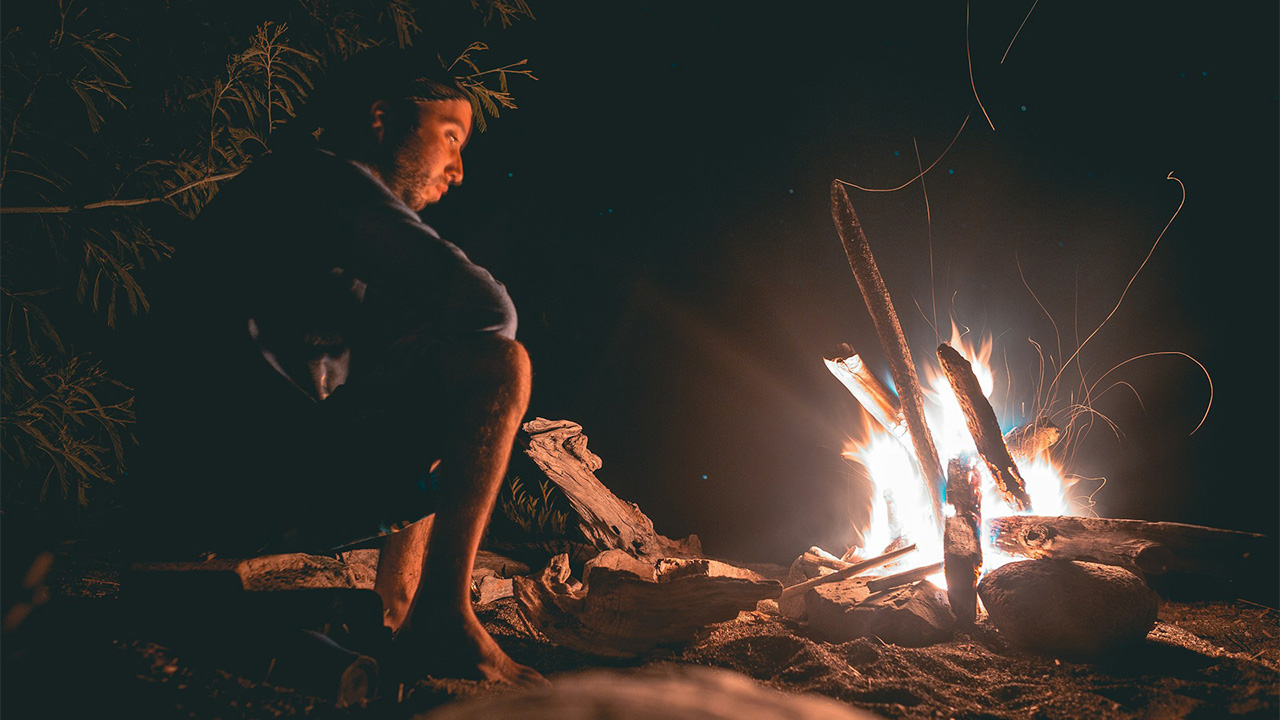
There’s always a point where the fire has done its job, the day has caught up, and it makes sense to call it. Most people feel it. Then there’s the guy who keeps it going for no reason, stretching the night past the point where it’s still enjoyable.
Now the fire gets sloppy, conversation gets thin, and tomorrow starts getting harder for no good reason. A good campfire ends clean. Dragging it out just because no one wants to be the first to stand up usually leaves everyone worse off the next day.
Like The Avid Outdoorsman’s content? Subscribe to our newsletter so you never miss an article.
Here’s more from us: