Photo credit: SvetlanaSF/Shutterstock.com
Some calibers fade from store shelves because demand shifts, rifles disappear, or performance never really caught on. Hunters and shooters may remember them fondly, but nostalgia doesn’t keep production lines running. When ammo companies decide where to put their resources, rounds that sell slowly or require specialized components often end up at the back of the catalog. Some worked fine in their day, others were disappointing from the start, and a few were simply replaced by better-performing options. Whatever the reason, these are the calibers that vanish quietly and rarely return in any meaningful supply.
.225 Winchester
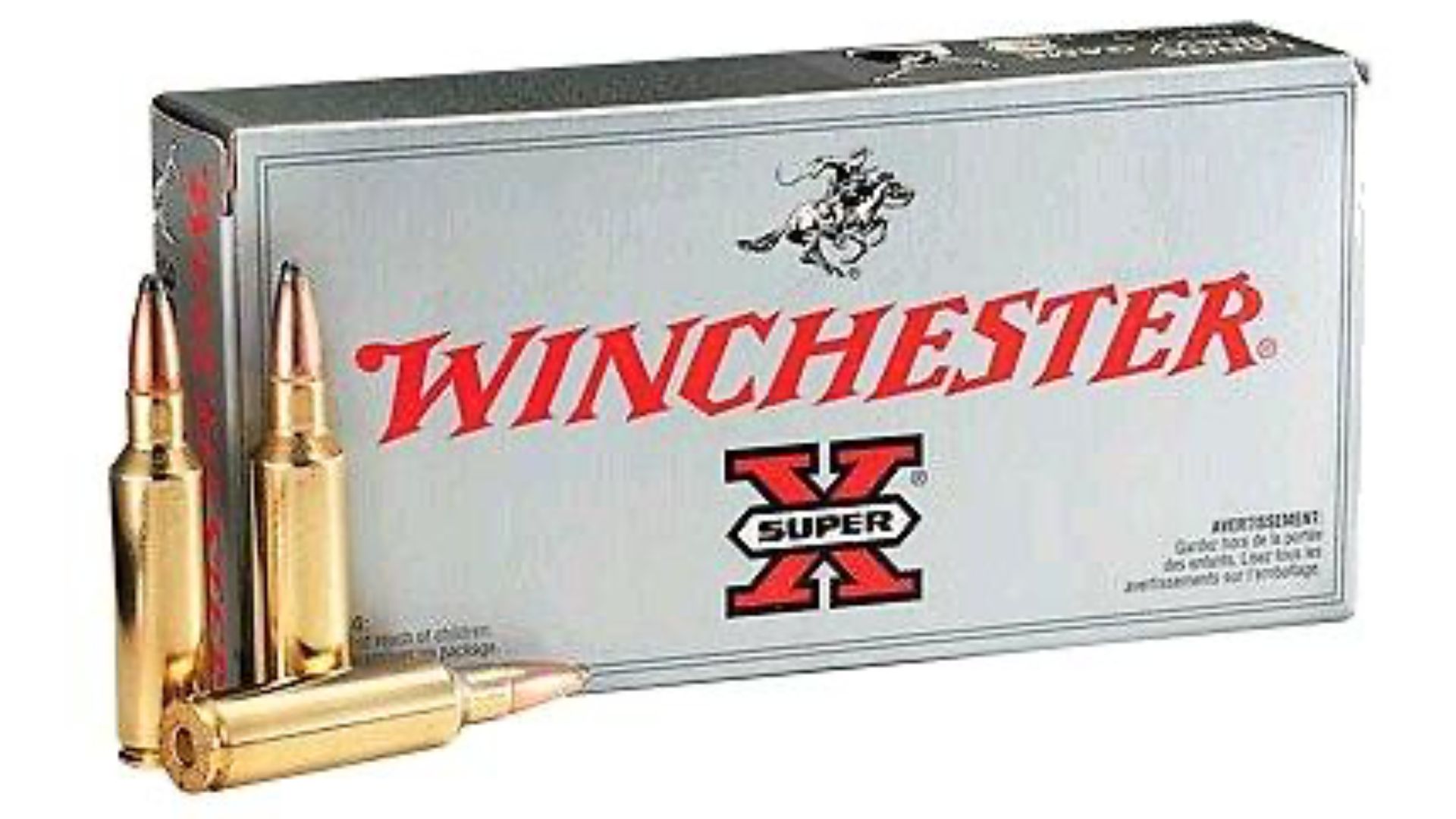
The .225 Winchester was meant to compete with the .22-250, but it never gained real traction. It offered respectable velocity, yet rifle options were limited and most shooters already trusted other fast .22s. As a result, ammo sales stayed low and production dwindled quickly.
When you look today, .225 Win rarely appears on shelves unless it’s a leftover box from an older batch. Manufacturers focus on cartridges with broader demand, leaving this one to collectors and handloaders. It didn’t fail outright—it simply never had a large enough audience to stay relevant.
.284 Winchester
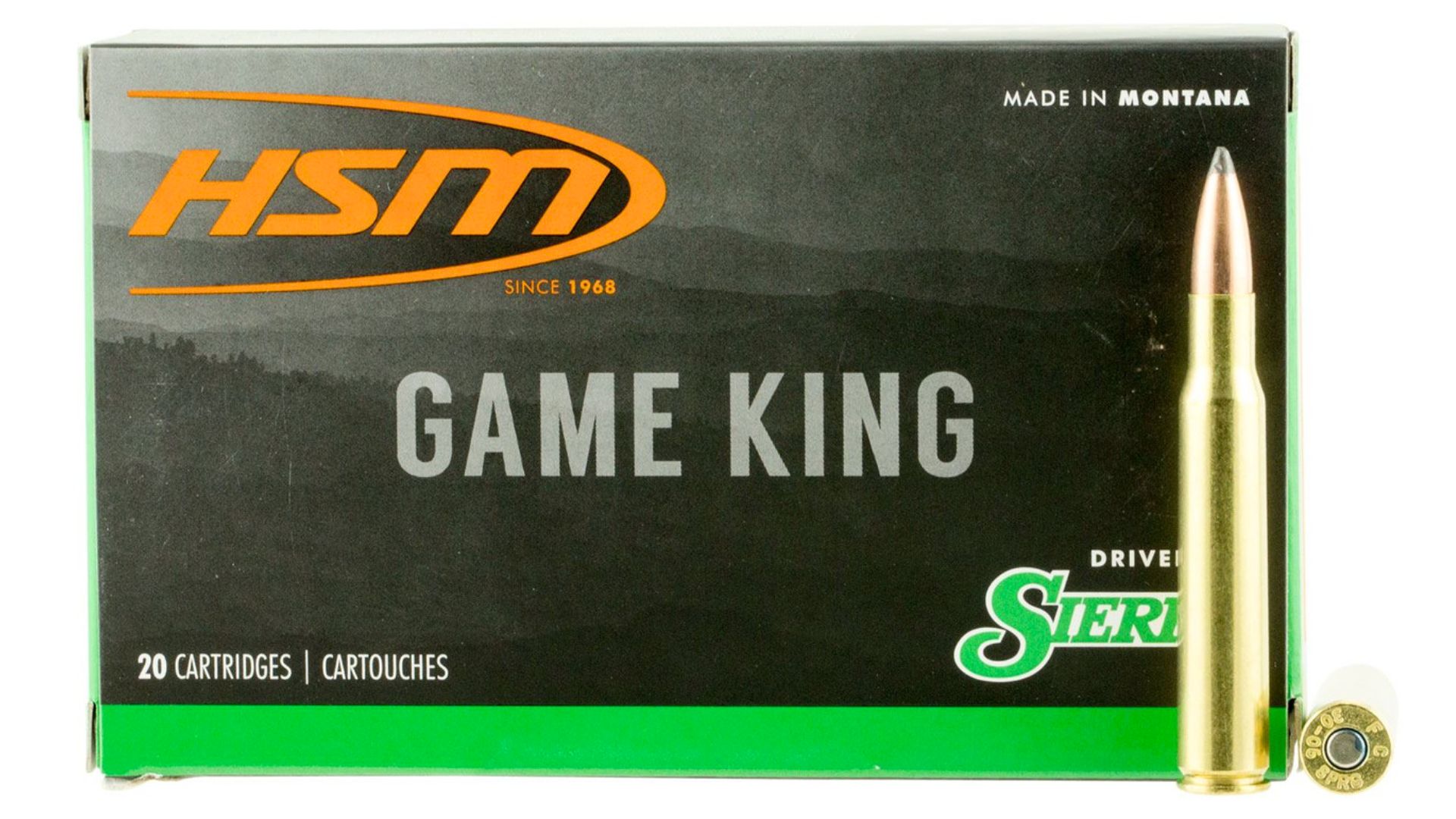
The .284 Winchester was ahead of its time in design, but the rifles chambered for it didn’t push its full potential. Hunters found that more common calibers like the .270 and .30-06 were easier to find, cheaper to shoot, and came in a wider selection of loads. The .284’s rebated-rim case was interesting, but it didn’t translate into widespread adoption.
Today, factory ammo is scarce and usually produced in small batches. Handloaders keep the cartridge alive, but casual shooters seldom encounter it. When shelves empty, it’s because demand never justified consistent production.
.32 Winchester Special

The .32 Winchester Special once held a loyal following, yet inconsistent accuracy across rifles slowly eroded its popularity. While similar to the .30-30 in power, it didn’t offer enough advantages to stay competitive as newer cartridges appeared. Hunters often shifted to rounds with better factory load options and more predictable performance.
Because of that slow decline, ammo makers reduced output, and many stores stopped stocking it altogether. When you see empty slots where .32 Special should be, it’s simply a reflection of a shrinking user base rather than anything wrong with the round itself.
.33 Winchester
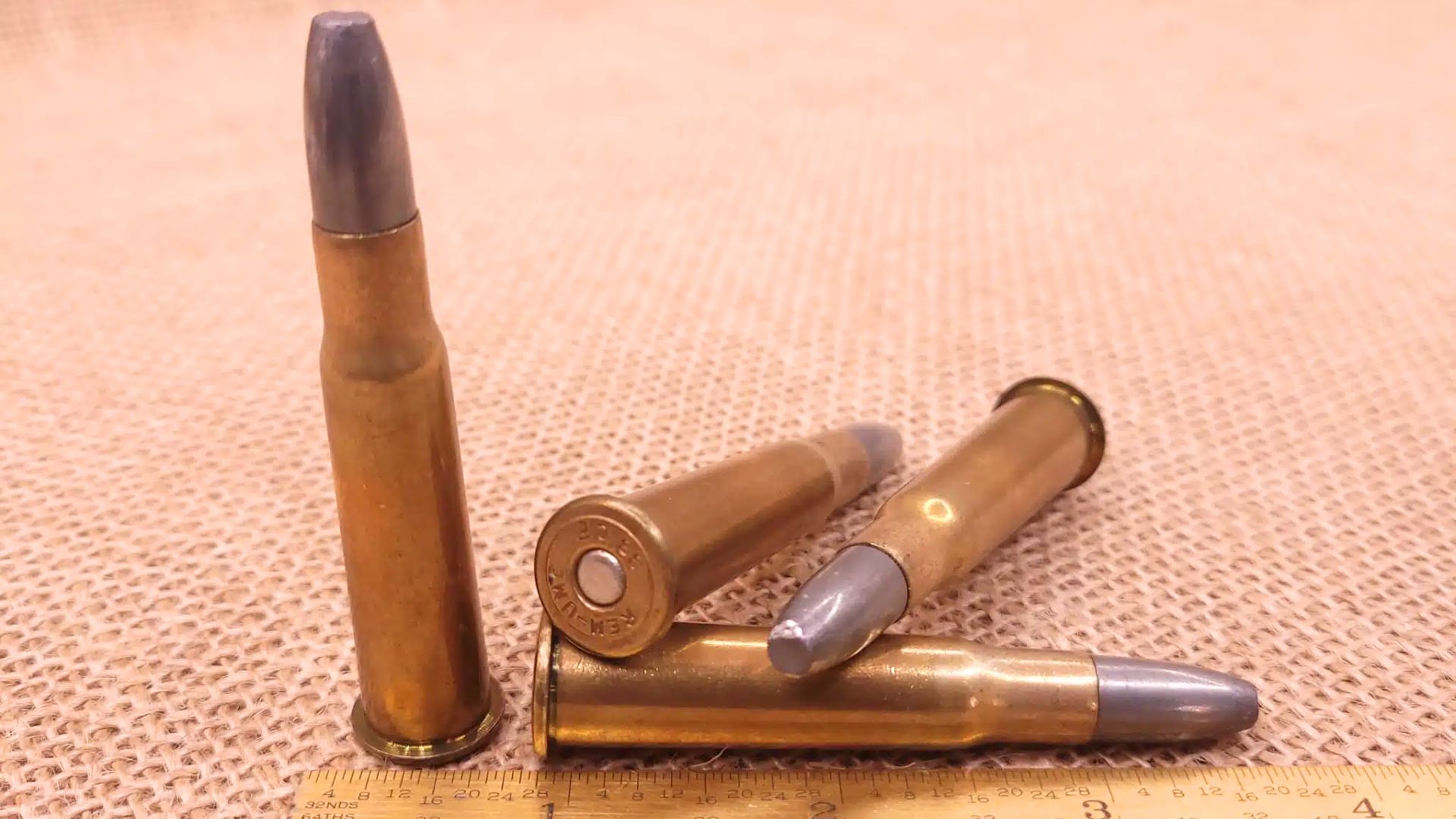
The .33 Winchester lived a short life tied primarily to the Winchester Model 1886. Once that rifle faded, the cartridge faded with it. Its limited platform support meant few shooters kept demand alive, and modern rounds far surpassed it in availability and performance.
Today, the .33 Win is essentially a collector’s cartridge. When ammo shelves run dry, it’s because almost no one manufactures it. If you want to shoot it, you’re usually hunting vintage boxes or loading your own. It’s a classic example of a round that disappeared because time simply moved on.
.219 Zipper
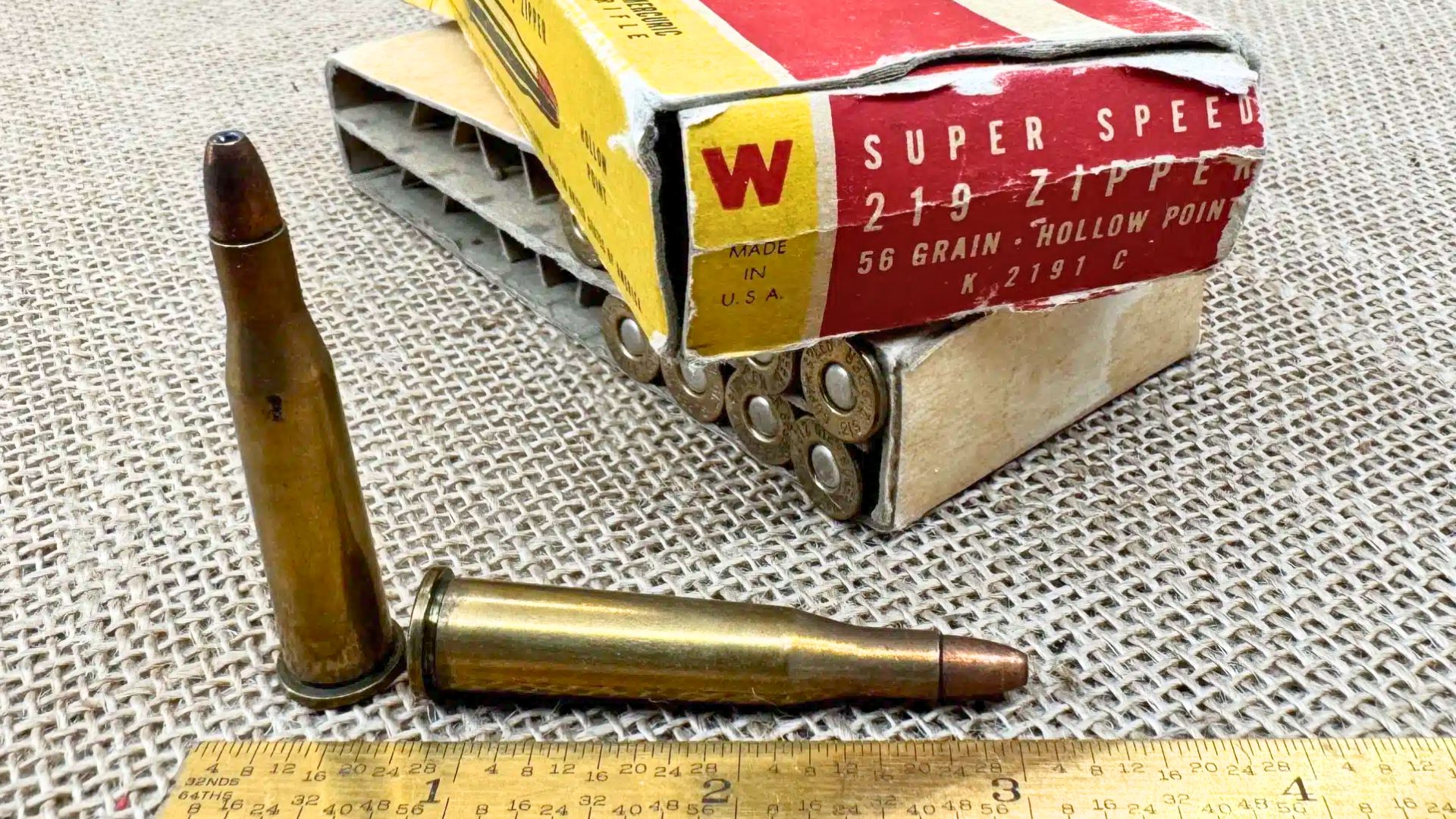
The .219 Zipper never caught on with mainstream hunters. Early rifles didn’t always stabilize bullets well, and performance often lagged behind more reliable options like the .22 Hornet or .222 Remington. As accuracy expectations grew, shooters gravitated to cartridges that offered tighter groups and more consistent results.
Because adoption was already limited, ammo makers quickly phased it out. It remains a novelty round for fans of old lever guns, but you won’t find it sitting beside modern varmint loads on any store shelf. Its disappearance was a natural result of low demand.
.30 Remington

The .30 Remington once served as a rimless competitor to the .30-30, but its momentum fizzled as rifle production slowed. As fewer guns were made for it, ammo sales dropped, and manufacturers eventually shifted resources to more popular cartridges.
Today, it’s exceedingly rare to see fresh .30 Remington on the shelf. The round isn’t broken—it simply lacked long-term support from both shooters and gunmakers. It’s now a cartridge you reload for, not one you stumble upon in a sporting goods store.
.356 Winchester
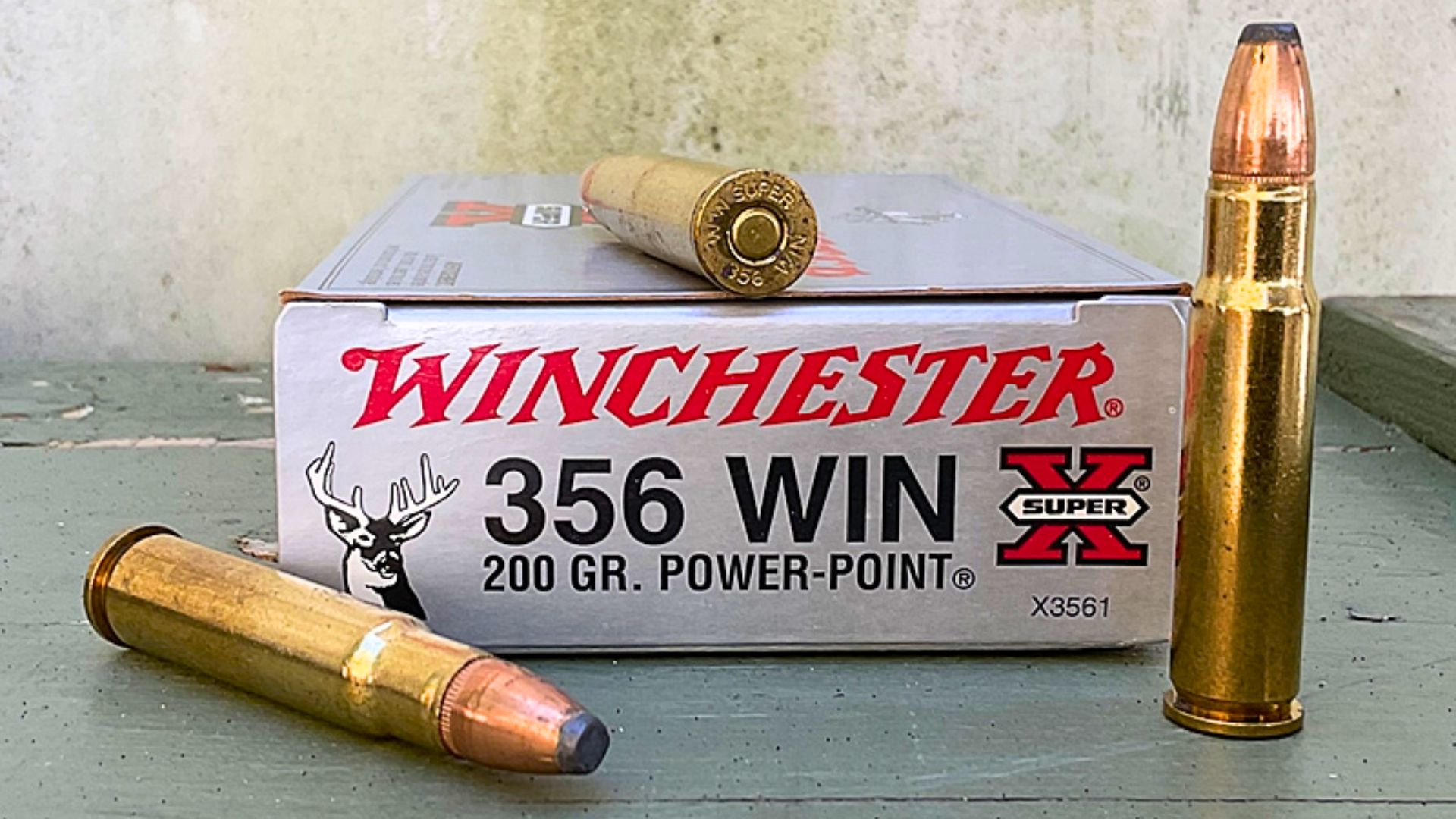
The .356 Winchester offered strong performance in lever guns, but it arrived during a period when hunters were already moving toward bolt-action rifles and higher-velocity rounds. Limited rifle choices also hurt its foothold, causing demand to stall almost immediately.
Because of that, factories never produced it in large quantities, and modern ammo runs are sporadic at best. When you see empty shelf space where it should be, that’s simply the market speaking. The round works well, but not enough people use it to justify regular production.
.307 Winchester
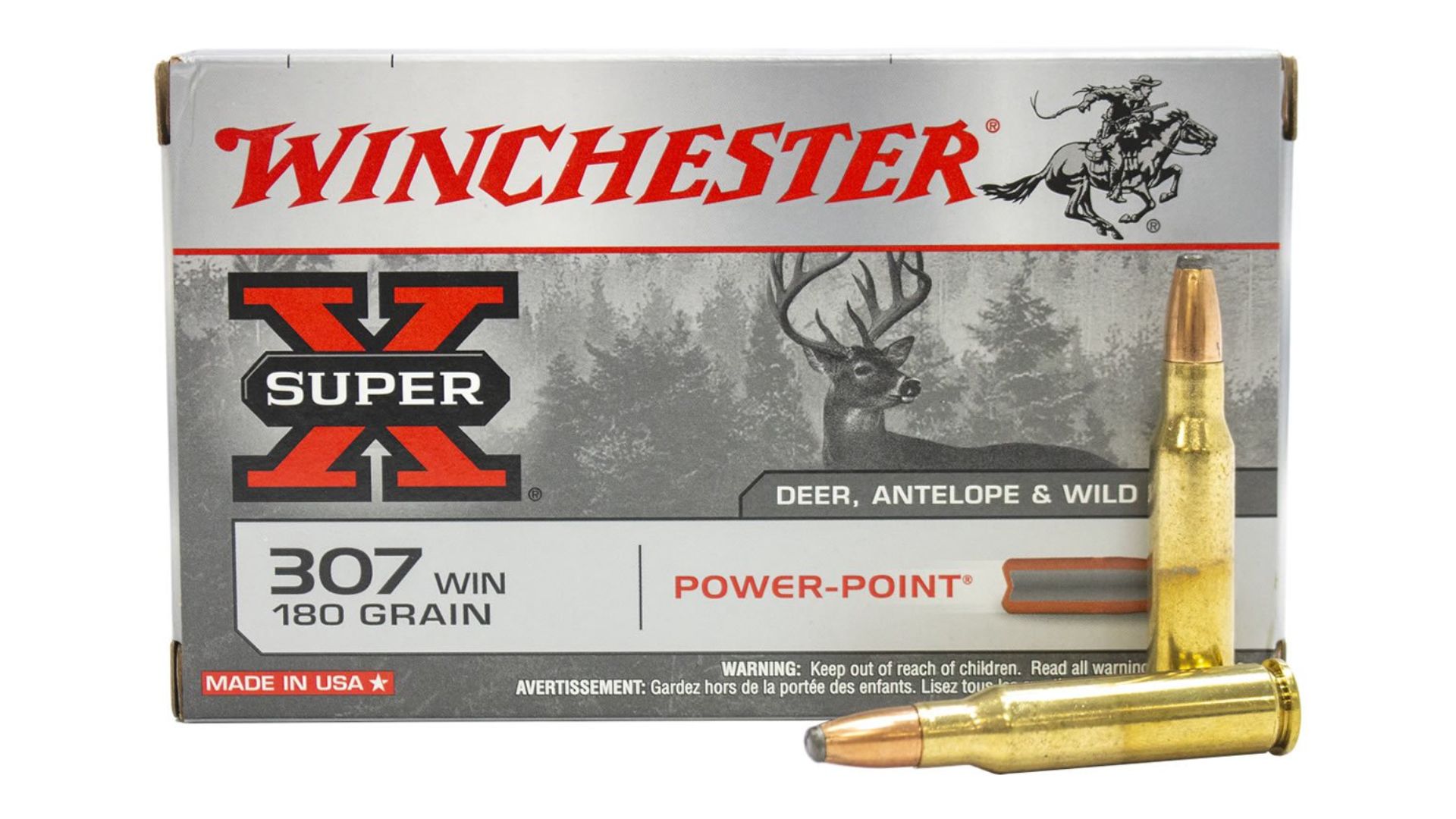
The .307 Winchester attempted to give lever actions .308-like performance, but it didn’t catch on widely. Recoil was sharper than many hunters expected from a lever gun, and rifle options remained limited. Over time, shooters gravitated to the actual .308, which was cheaper and far easier to find.
As interest cooled, ammunition production slowed sharply. Stores rarely stock it today because demand never recovered. The cartridge didn’t vanish due to poor performance—it vanished because too few rifles chambered it.
.22 Savage Hi-Power
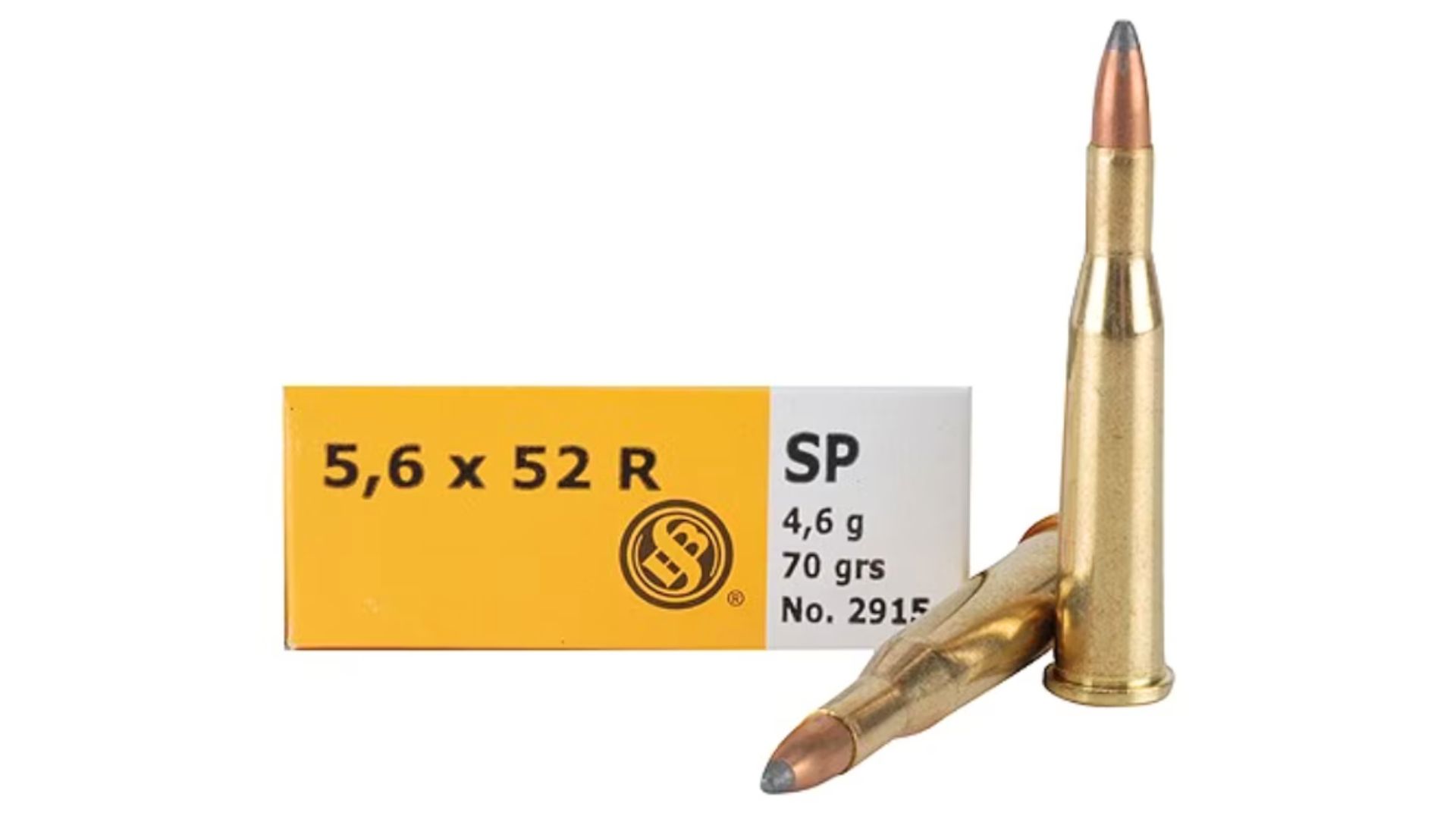
The .22 Savage Hi-Power earned a reputation for unpredictable terminal performance. Hunters often found that it either penetrated too little or too much, depending on the load. As a result, shooters drifted toward more consistent .22-centerfire rounds.
Because its audience shrank steadily, ammo makers moved on. Today, the Hi-Power’s absence from shelves isn’t a mystery—it’s simply a reflection of modern hunters choosing more dependable options. It survives mainly in vintage rifles and nostalgic circles.
.303 Savage
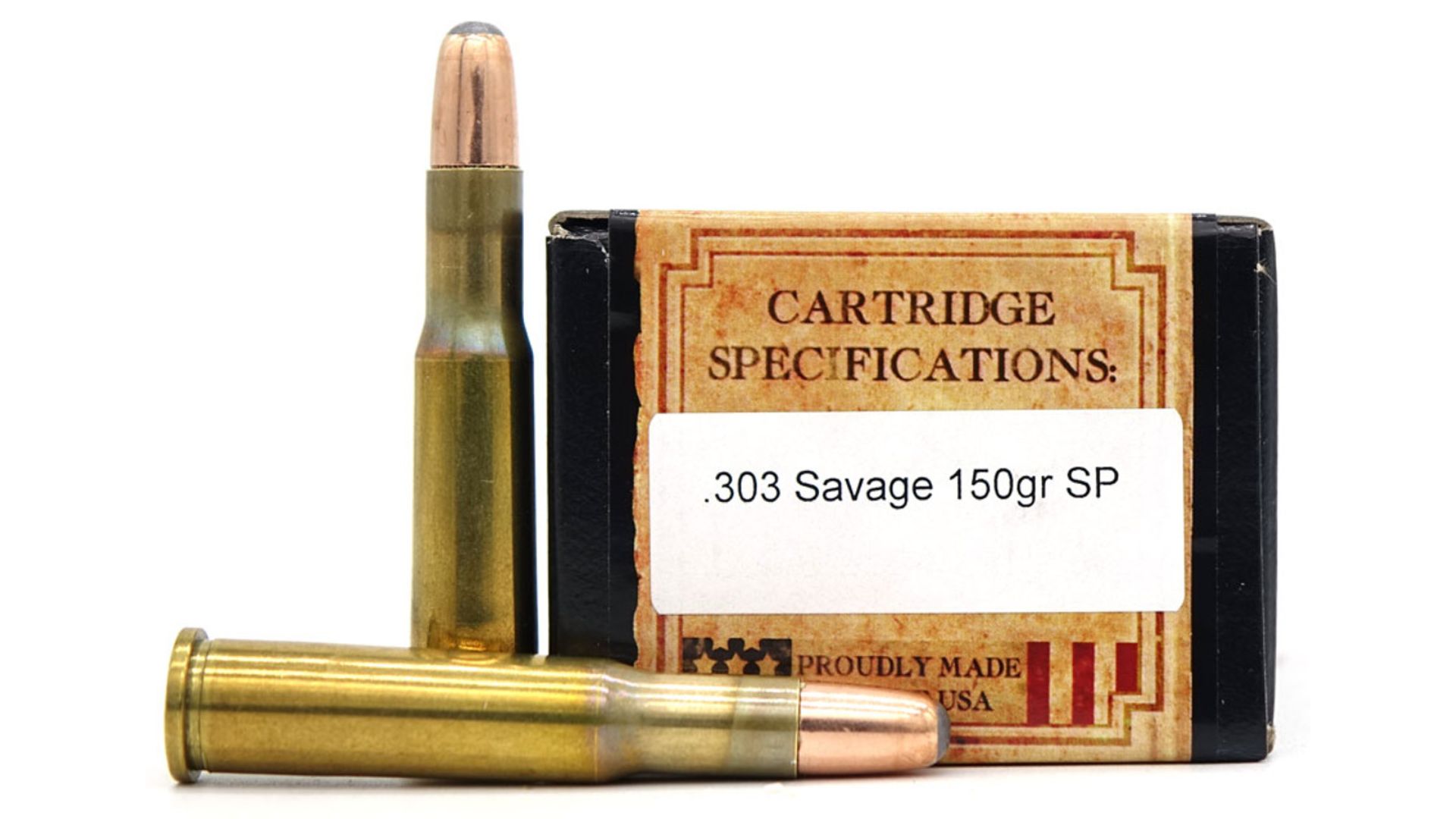
The .303 Savage fought for space against the .30-30 and lost. Because it lacked the widespread rifle support of competing cartridges, ammunition sales dwindled quickly. Hunters found it harder and harder to locate factory loads, and many eventually switched rifles altogether.
Modern shelves almost never include .303 Savage. It’s not that the cartridge failed—it just wasn’t adopted widely enough to survive long-term. What’s left today is mostly collector interest and carefully hoarded handloads.
.41 Long Colt
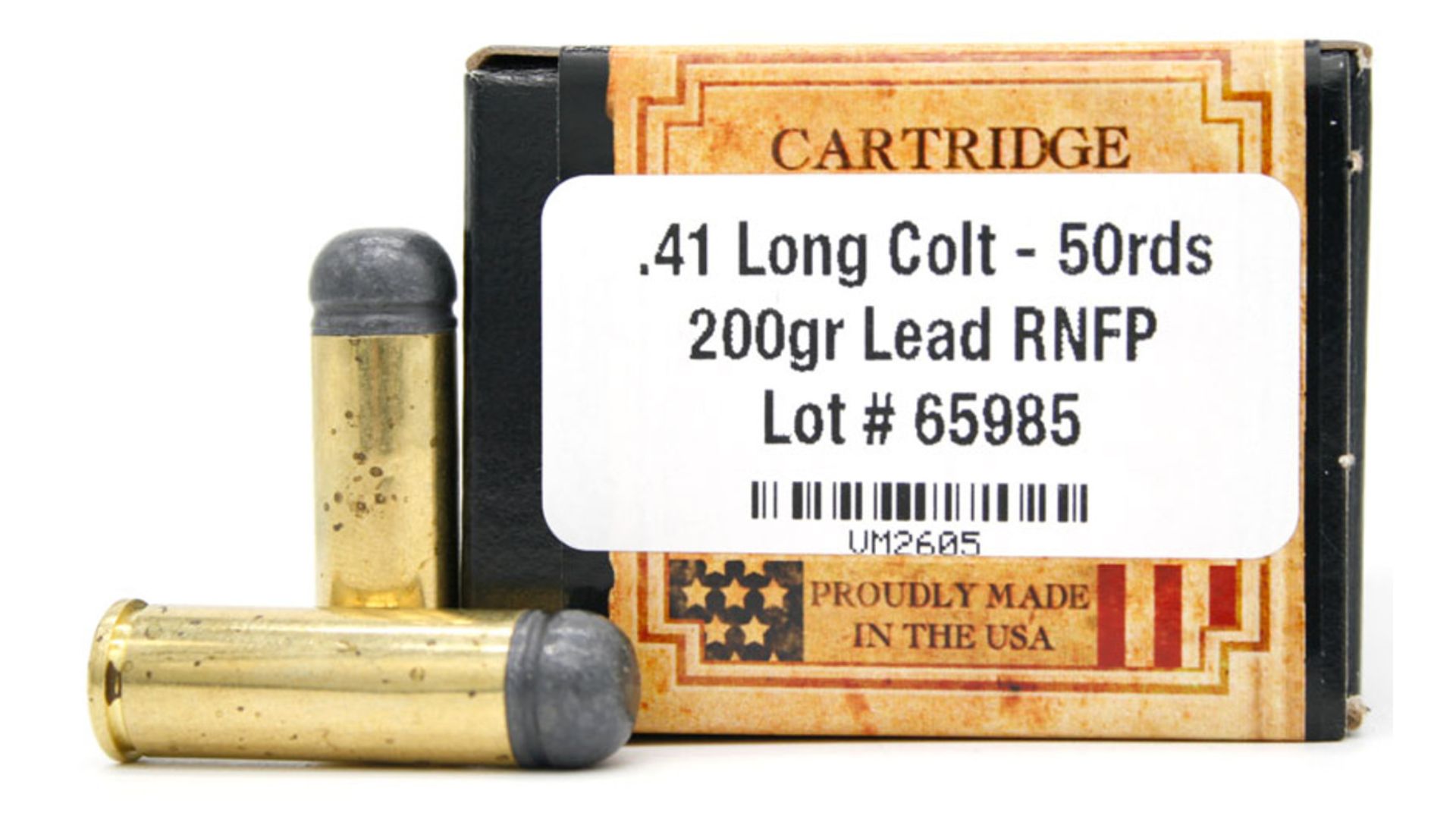
The .41 Long Colt disappeared largely because revolvers chambered for it faded away. As handgun design advanced, shooters moved toward cartridges offering cleaner ballistics and broader factory support. Ammo makers simply followed where the customers were going.
If you stumble across a box today, it’s likely from a specialty run or pulled from an estate sale. Its disappearance reflects history more than performance. Without modern revolvers chambered for it, there’s no reason for shelves to stay stocked.
.225 Winchester Magnum Rimfire Substitute Attempts
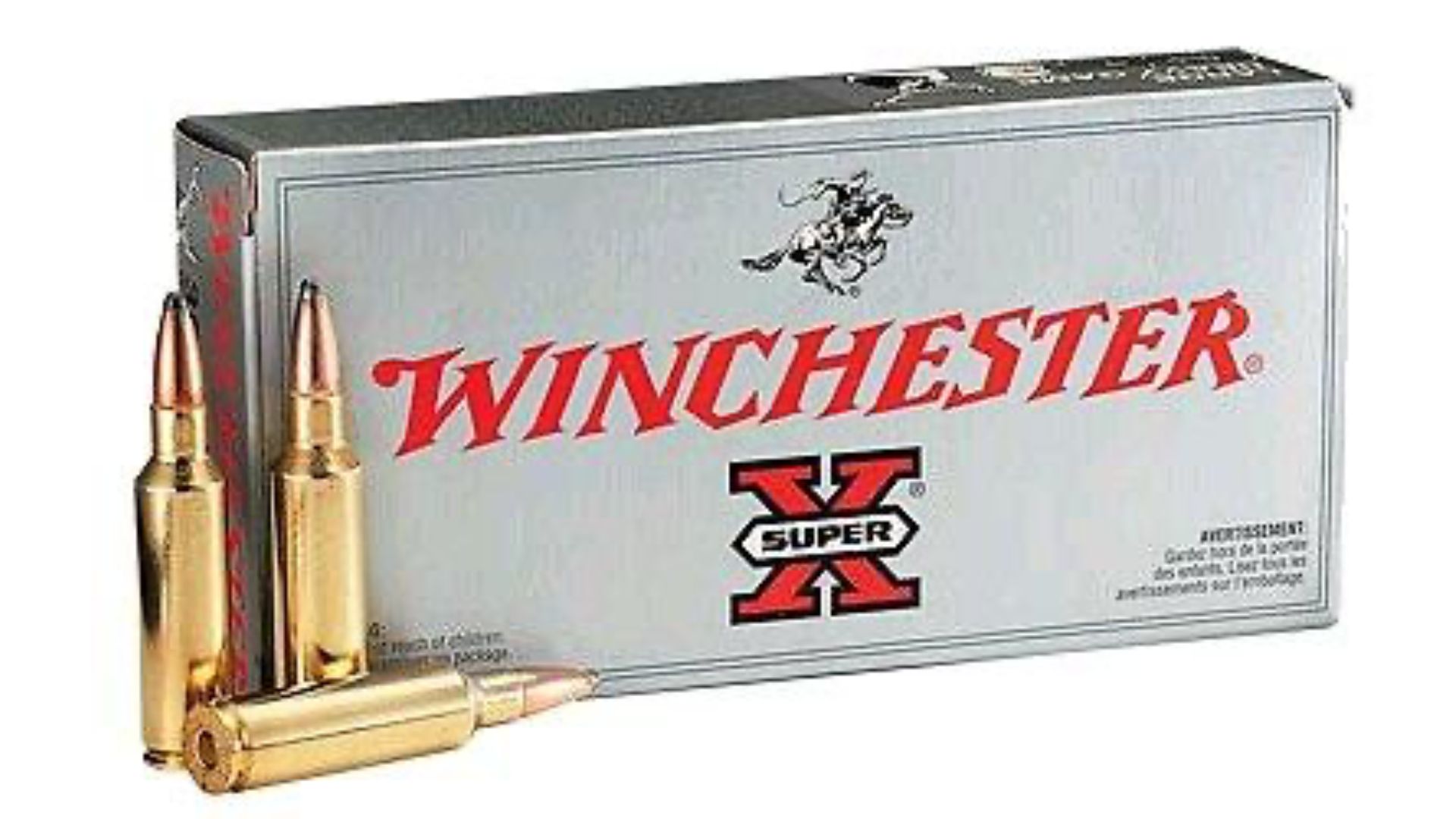
Several attempts at magnum rimfire alternatives—including niche rounds marketed as .22 Mag improvements—faded quickly. Most never delivered enough real-world advantage to convince shooters to switch. As a result, manufacturers stopped producing them when sales plateaued.
The shelves empty not because these rounds were unsafe, but because shooters overwhelmingly stuck with established options like .22 WMR. Any cartridge without a strong rifle ecosystem behind it eventually vanishes.
.32-40 Ballard
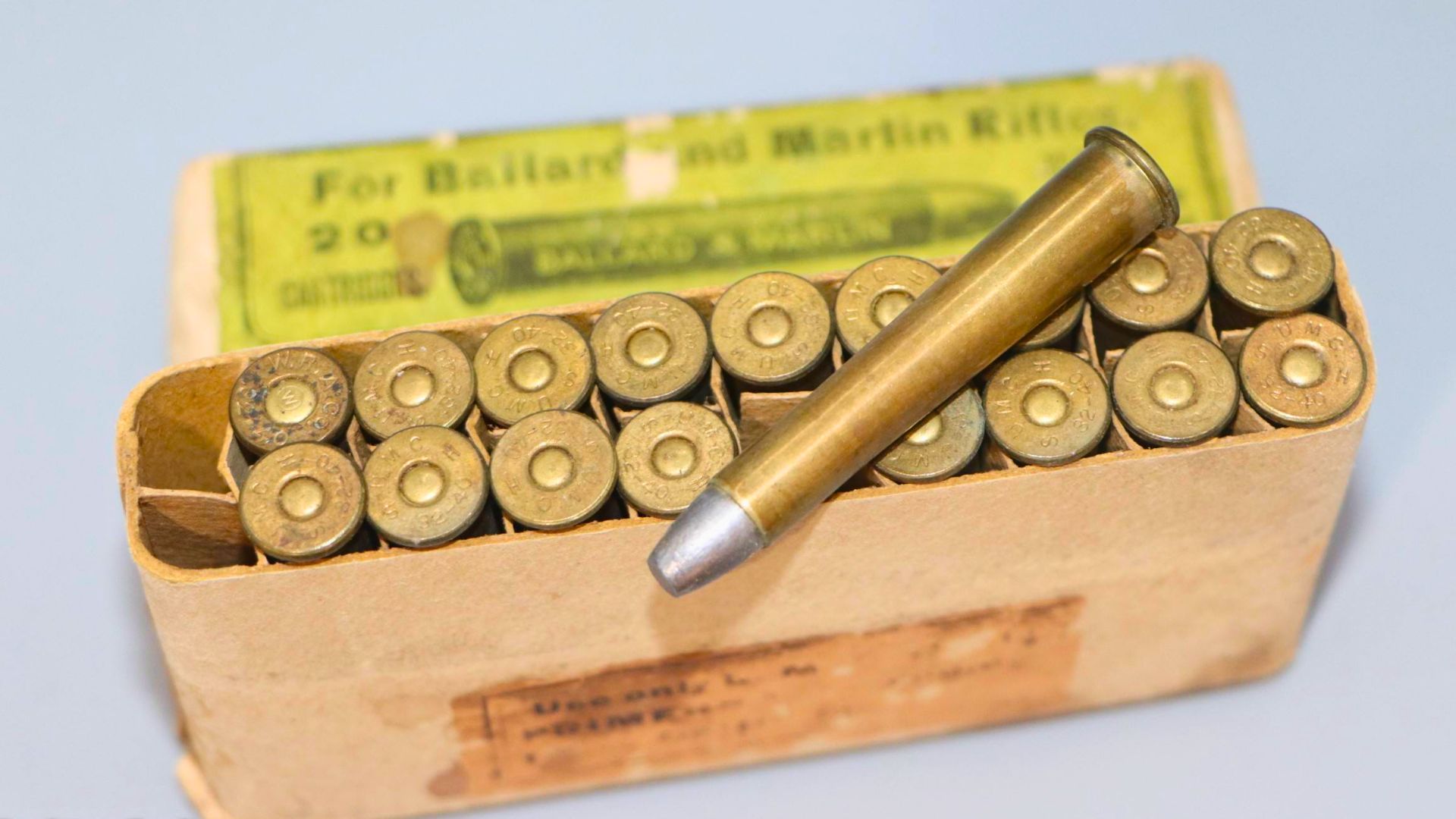
Once popular in target rifles and early hunting guns, the .32-40 Ballard slowly disappeared as shooters shifted to faster, flatter cartridges. Its low velocity limited its usefulness beyond specific niche roles. When those niches collapsed, so did demand.
Today, it survives mostly in historic rifles and special-interest matches. Ammunition shows up rarely because factories prioritize modern rounds that generate steady sales. Its scarcity is the natural outcome of decades of declining use.
.38-55 Winchester (in mainstream retail)
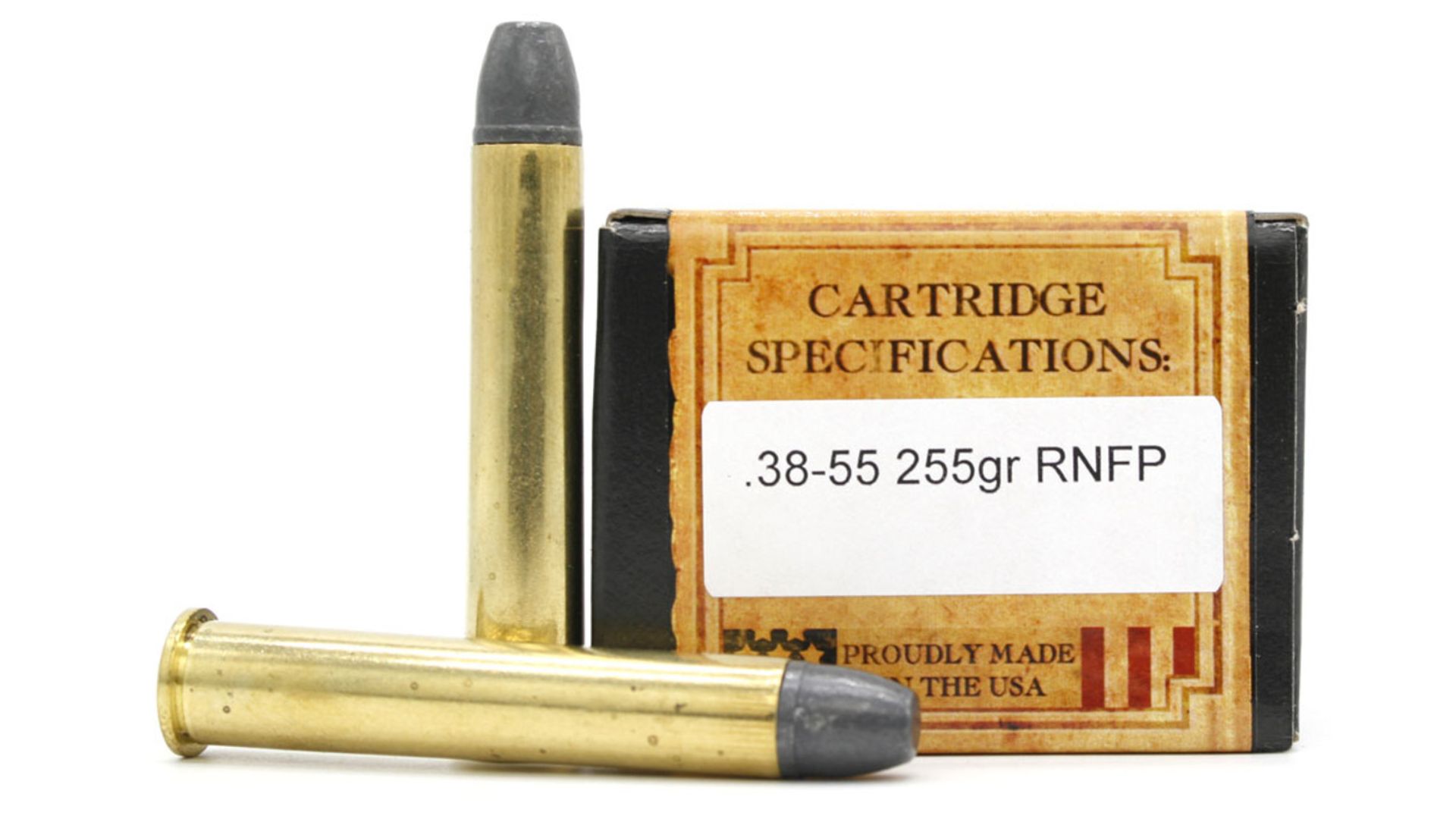
While the .38-55 still has a small but loyal following, mainstream stores rarely carry it. Most hunters prefer modern cartridges that offer more range, higher velocities, and better availability. The round isn’t obsolete, but it no longer fits the expectations of most rifle buyers.
Its absence from shelves reflects limited, specialized demand. You can still find it through certain manufacturers, but big-box retailers seldom give it space because turnover is slow.
.401 Winchester Self-Loading
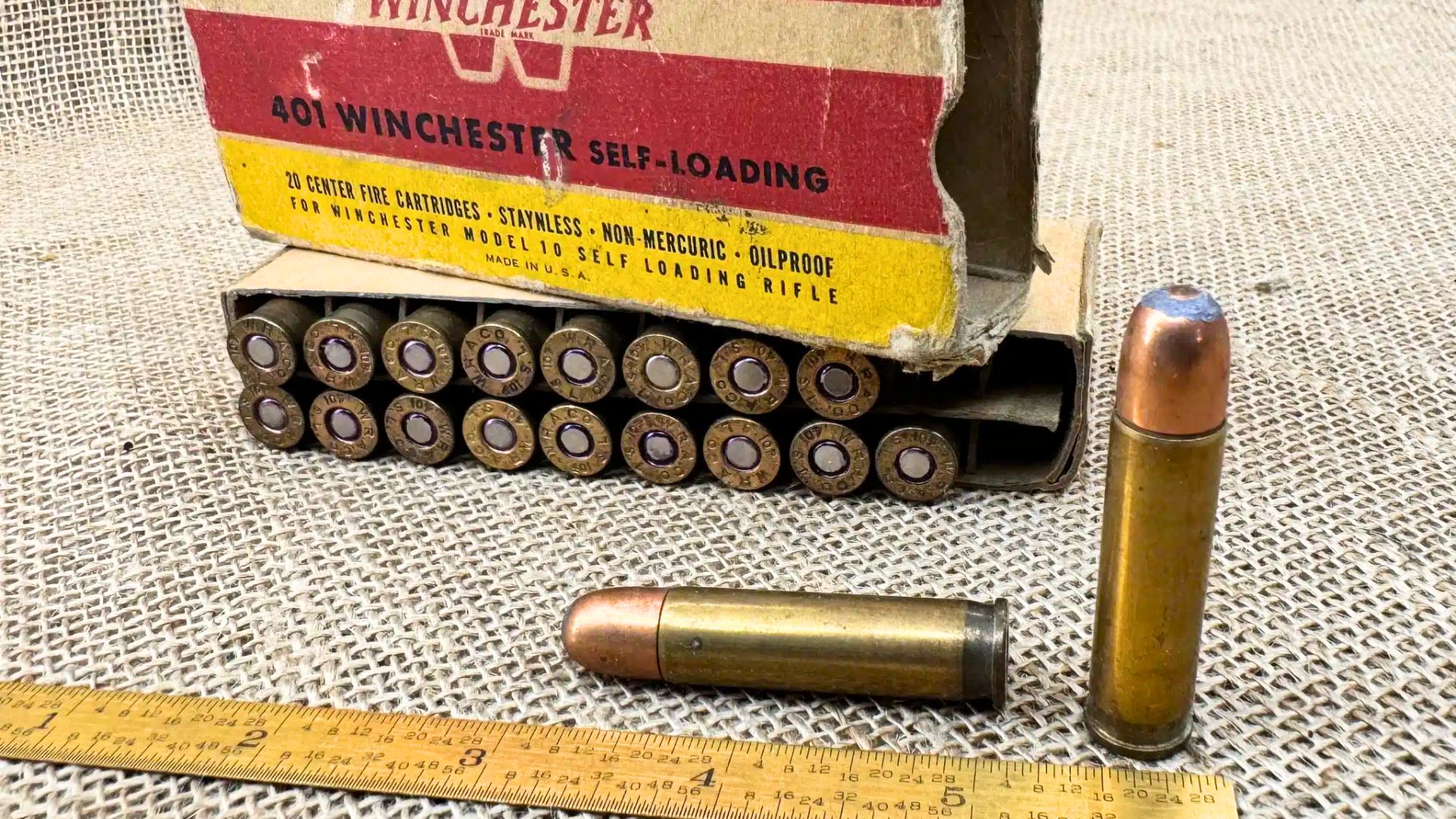
The .401 WSL faded when the rifles chambered for it disappeared from production. With virtually zero modern firearm support, the cartridge had no audience left to sustain regular manufacturing. Even collectors struggle to find fresh ammo today.
Its disappearance is tied directly to platform extinction. Without rifles in circulation, ammo distributors stopped ordering it, and factories stopped making it. It’s one of many examples of a cartridge that vanished simply because the world moved on.
Like The Avid Outdoorsman’s content? Subscribe to our newsletter so you never miss an article.
Here’s more from us: