Photo credit: SC LEGAL CARRY/YouTube
Some guns make a great first impression. They look good in the case, sound smart in conversation, and seem like the kind of buy you will be proud to recommend to everybody else. Then real ownership starts. You put rounds through them, carry them, clean them, fight their quirks, and slowly realize the excitement came a lot easier than the trust ever did. That is usually when the public praise starts fading.
A lot of these guns are not complete disasters. That is what makes them so frustrating. They often do just enough right to get sold, but not enough right to stay loved once the honeymoon ends. Owners start using phrases like “mine has been okay” or “you just have to know what it likes,” which is usually a sign they have already stopped recommending it with a straight face. Here are 15 gun models people often quit recommending after they have lived with them long enough.
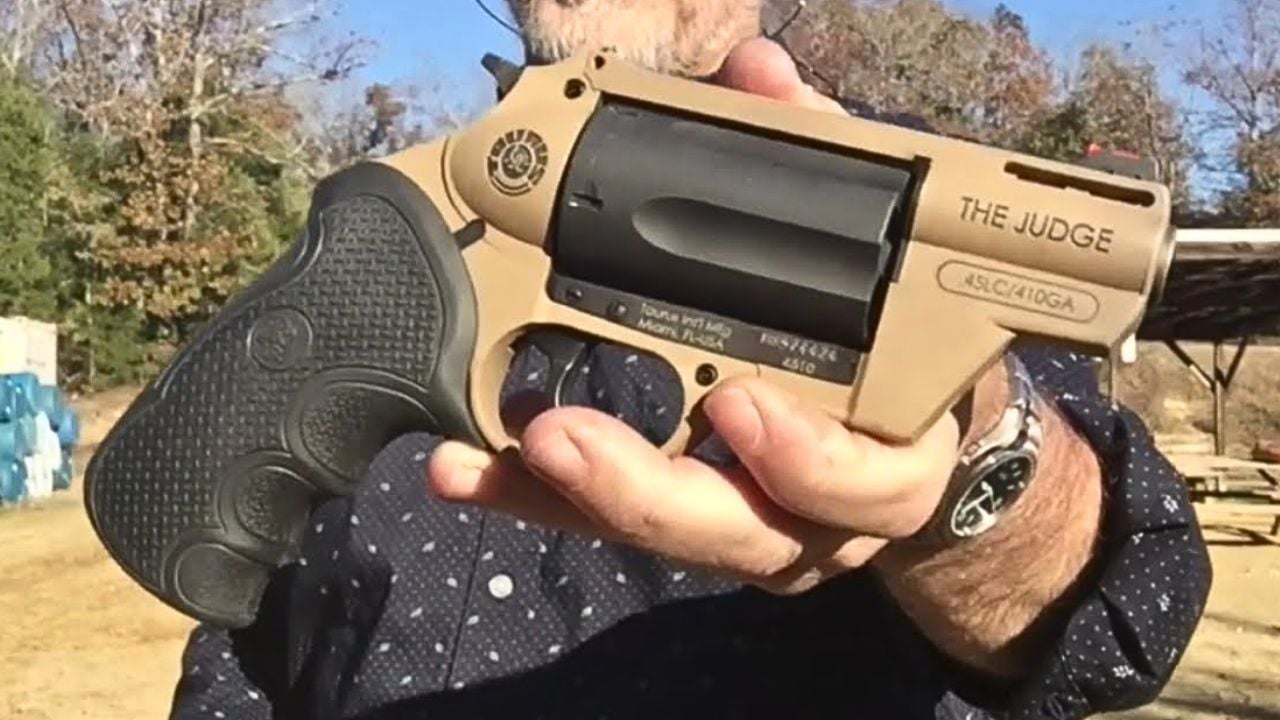
Taurus Judge

The Judge is one of those guns people love at the counter and cool on at the range. The pitch sounds strong. A revolver that can chamber .410 and .45 Colt feels like it ought to be more versatile than a normal handgun. That idea sells a lot of first impressions, especially to buyers who like unusual guns with a little drama built in.
After real ownership, a lot of that enthusiasm starts leaking out. The bulk gets old, the shooting experience feels more compromise-heavy than expected, and the gun rarely ends up excelling in any one role. Owners may still defend the concept, but plenty stop recommending it because they know the concept stays exciting longer than the actual ownership experience does.
Remington R51

The R51 looked like the sort of pistol people wanted to recommend badly. It had a sleek profile, an old-school design story, and enough difference from the usual carry crowd to make buyers feel like they found something smarter than the obvious answers. On paper, it had all the ingredients for a gun people would proudly point others toward.
Living with one changed the tone fast. Once reliability concerns and general disappointment became part of the conversation, the recommendation energy dried up. Owners who held onto one often moved from enthusiastic praise to defensive explanation, which is usually the clearest sign that a gun stopped being something they could honestly recommend.
Kimber Solo

The Solo is exactly the kind of pistol people buy thinking they found the classy answer to the small 9mm problem. It looks refined, feels more upscale than a lot of compact carry guns, and gives the owner the sense that they chose something with taste instead of just grabbing another plain plastic pistol. That makes it very easy to recommend early.
That confidence usually does not hold. After enough time, a lot of owners start learning that pretty and practical are not always the same thing. Once the compromises show up, the warm recommendation usually turns into a much colder “mine was okay” type of conversation. That is rarely a good sign for a carry gun.
Walther P22

The P22 gets recommended quickly because it seems like such an easy win. It is small, familiar-looking, and carries a brand name people want to trust. For a lot of buyers, it feels like the obvious little rimfire to point new shooters toward or keep around for cheap range fun. It has a very strong first-date personality.
Then comes the long-term ownership part. The shine starts wearing off once the pistol becomes more conditional than people expected. Owners begin talking about ammo preferences, maintenance habits, and all the little caveats that never sounded so important when they first bought it. That is usually when the recommendation gets quieter.
SIG Sauer Mosquito
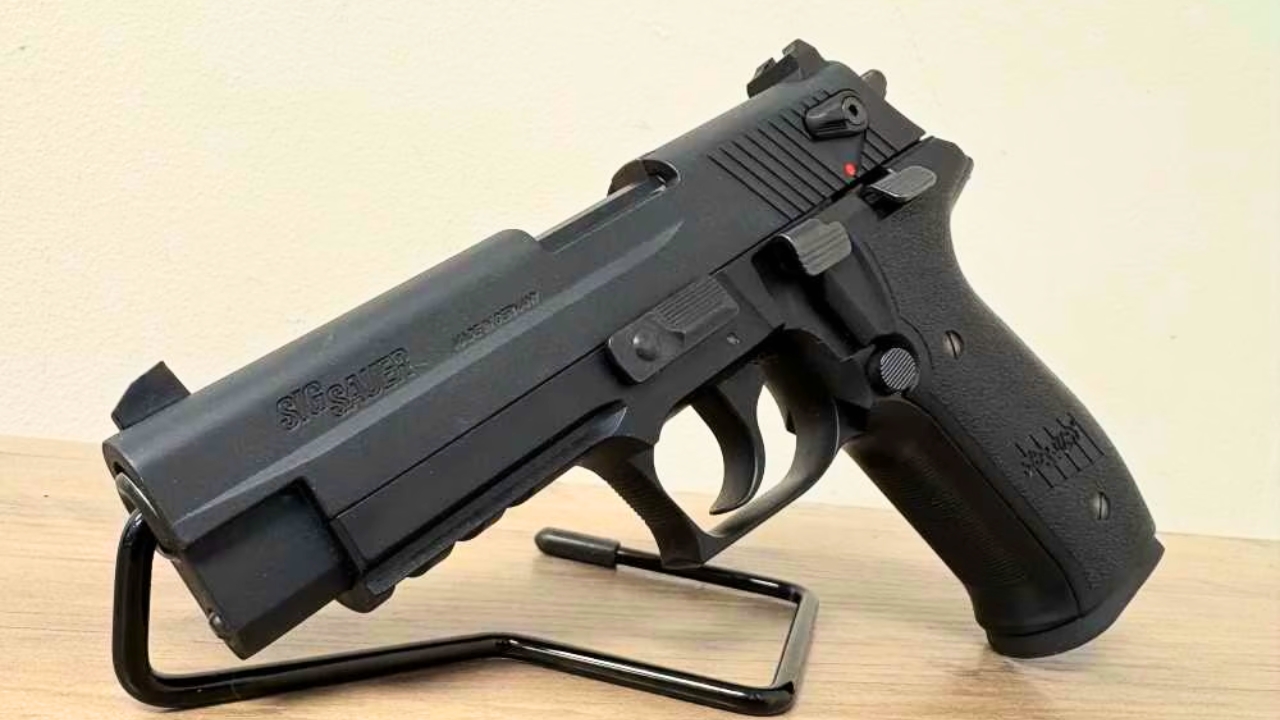
The Mosquito built a lot of early goodwill simply because people wanted a SIG-branded rimfire they could talk up. It looked like a logical trainer and sounded like one too. Buyers who already trusted the SIG name were especially quick to recommend it because they assumed the logo settled most of the argument.
That trust got harder to maintain over time. Once real ownership exposed more finicky behavior than people expected, the recommendation became more difficult to make with confidence. A lot of owners stopped pointing others toward the Mosquito because it became the sort of pistol they had to explain instead of praise.
Taurus PT-111 Millennium

The PT-111 Millennium got recommended by owners who felt like they had beaten the system. It was affordable, compact, and gave them a carry gun they could defend as a smart budget move. A lot of those recommendations were made with the kind of excitement that comes from feeling like you found a cheap answer everybody else overlooked.
That tone usually changed with time. Once owners got more experience and saw what stronger carry guns felt like, the PT-111 often stopped looking like a recommendation and started looking like a compromise they were trying not to regret. That is a big difference, and longtime owners usually feel it.
Beretta Nano

The Nano got early recommendations because people wanted Beretta to have a serious slim carry option. That alone bought the gun a lot of trust before it had fully earned it. Owners liked the badge, liked the concept, and liked the feeling that they were buying something practical from a respected name.
After enough time, a lot of owners stopped trying to sell other people on it. The carry market improved, and the Nano no longer felt ahead of much. It started feeling like a gun people had hoped harder for than they actually enjoyed. That usually kills recommendations faster than any one specific flaw.
KelTec PMR-30

The PMR-30 gets recommended at first because it sounds like the most fun idea in the room. Thirty rounds of .22 Magnum in a lightweight pistol is exactly the sort of thing that makes an owner feel like they discovered something different and worth talking up. It has huge “you’ve got to try this” energy early on.
That energy does not always survive long-term ownership. Once the novelty cools and the platform’s quirks become part of daily reality, a lot of owners stop recommending it with the same enthusiasm. The idea remains fun to describe. The actual experience becomes harder to endorse so casually.
Springfield XD-S

The XD-S got recommended by a lot of owners when slim carry guns were still a rougher field than they are now. It looked like a solid answer, especially for people already comfortable with the XD family. That familiarity made it easy to talk up as a serious carry option.
As the market matured, the recommendation started aging poorly. Owners who stuck with one long enough often found themselves less eager to steer new buyers toward it once better-balanced and better-equipped options became normal. A pistol can still work and still stop feeling like something worth recommending broadly. That is what happened here.
Charter Arms Bulldog
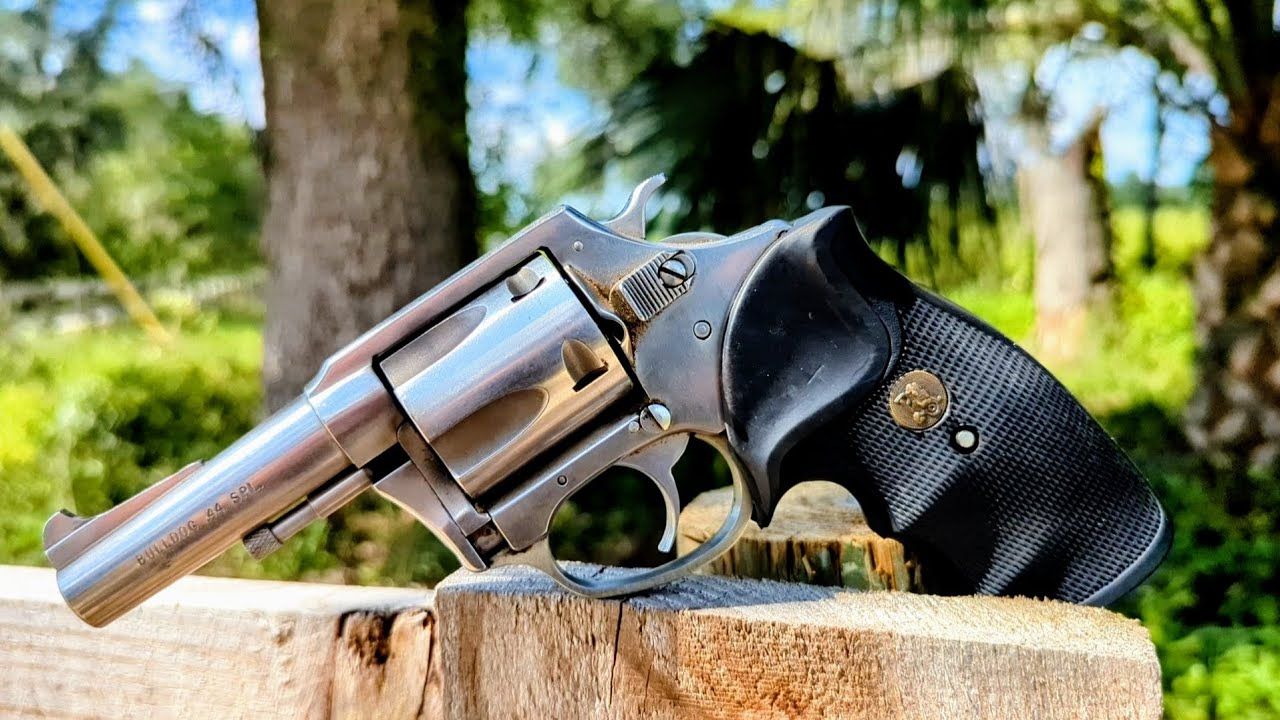
The Bulldog is one of those guns people recommend because they love what it represents. A compact .44 Special revolver sounds like exactly the sort of handgun serious shooters should appreciate. That image carries a lot of recommendation power at first, especially with buyers who like old-school defensive ideas.
Long-term ownership often cools that enthusiasm. The concept stays appealing, but the actual gun does not always inspire the same confidence after enough range time and handling. Many owners stop recommending it not because they hate the idea, but because they finally separate the idea from the gun they actually bought.
Walther CCP

The CCP got recommended by people who were drawn to the “easier to rack, softer to shoot” sales pitch. That made it especially appealing to newer shooters and people who wanted something more approachable than harsher little carry guns. It sounded thoughtful, which made it easy to praise early.
That early praise often did not age well. Over time, the gun started feeling more like a concept people wanted to work than a handgun they were thrilled to stand behind. Once owners stop recommending a gun and start explaining its purpose instead, you can usually tell the excitement has already faded.
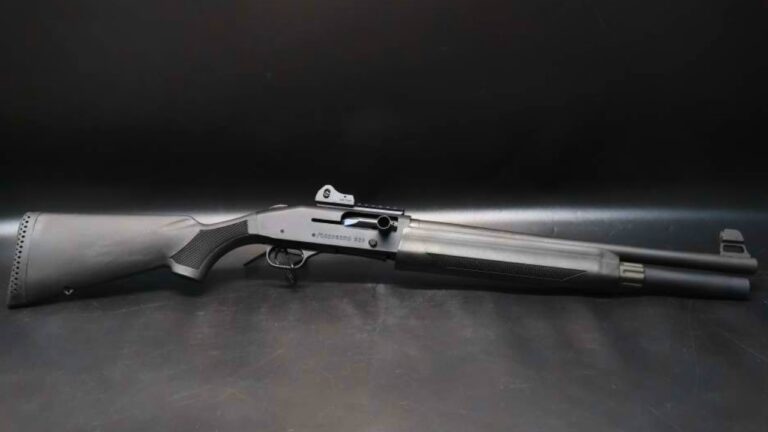
Mossberg Shockwave
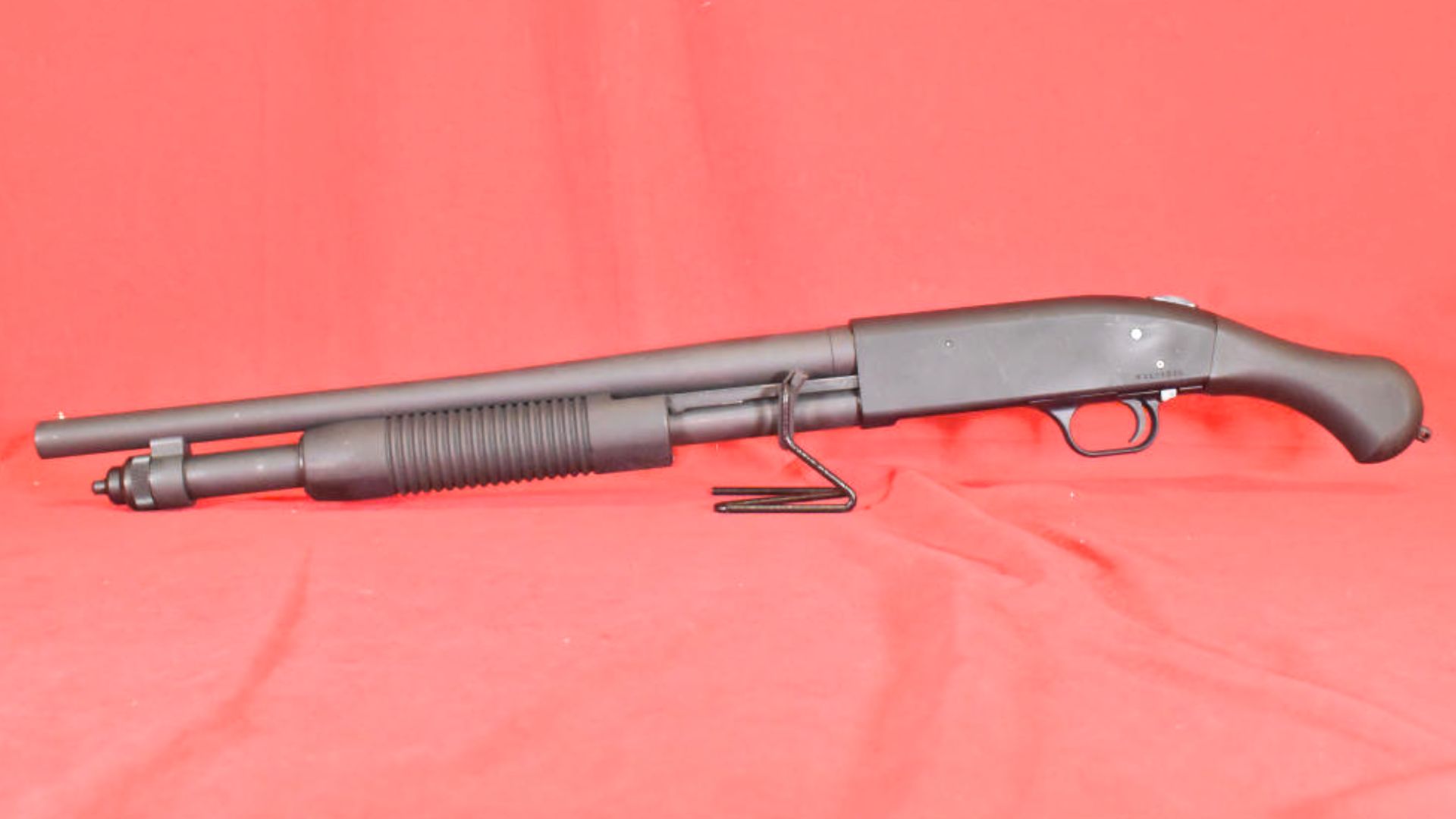
The Shockwave got recommended because it looked disruptive and sounded clever. People loved telling other people about it. The compact shape, odd legal category, and overall attitude made it feel like one of those guns that only smart buyers “got.” That kind of energy produces a lot of early recommendations.
Then long-term ownership enters the picture. The gun becomes more niche, more limited, and a lot less universally impressive once the novelty settles down. Owners who were once loud about it often become more careful, because they know the actual use case is narrower than the excitement made it sound.
North American Arms Pug
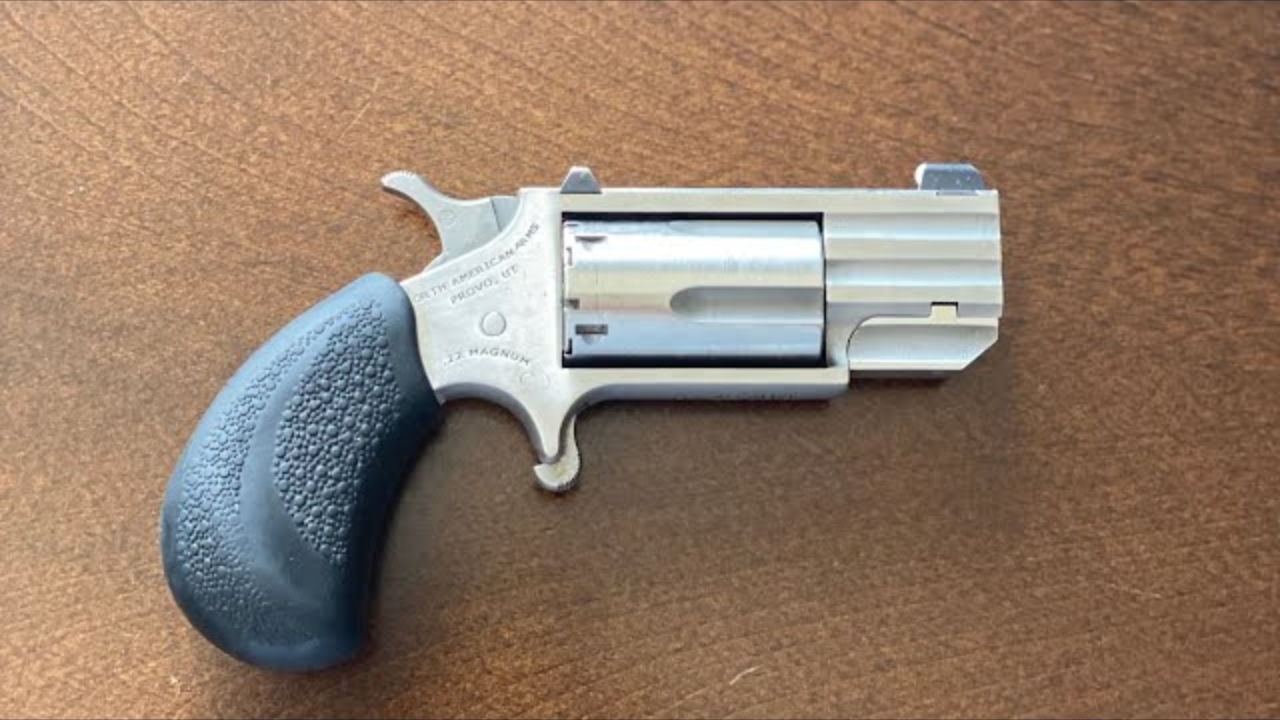
The Pug gets recommended because it is tiny enough to amaze people. That reaction drives a lot of first-owner enthusiasm. Buyers love showing it off, talking about how easy it is to hide, and treating it like the ultimate little backup gun. It feels like a fun, clever answer right away.
That usually becomes harder to maintain once the actual shooting side of ownership takes over. Tiny size is exciting at first and limiting later. A lot of owners stop recommending mini revolvers like this once they have spent enough time dealing with what tiny actually means in the hand and on the target.
Bond Arms Rowdy
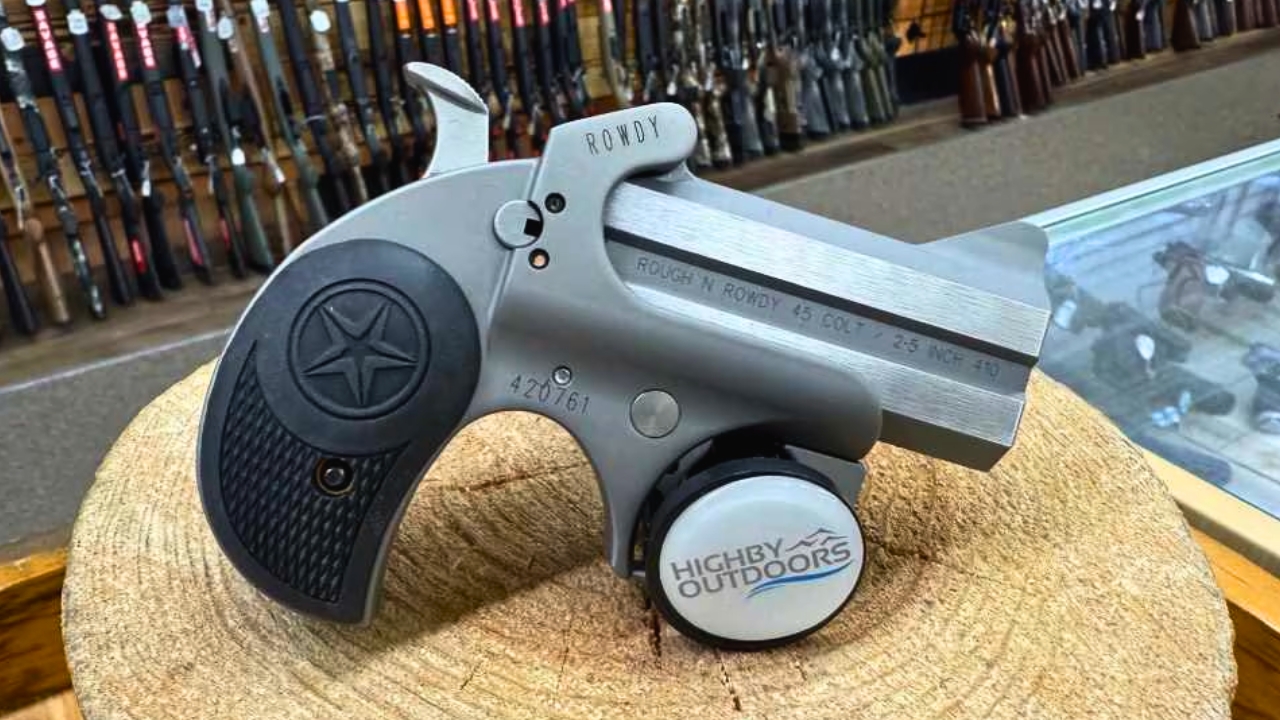
The Rowdy is another gun that gets recommended because it makes a strong emotional impression. It looks tough, unusual, and undeniably different from normal carry guns. Owners like talking about it because it feels like they bought something with more attitude than the average pistol.
That kind of recommendation often fades quickly. Once the owner has actually lived with the shooting experience, the platform’s limitations start doing more of the talking. The bragging usually stays stronger than the real endorsement, and that is a big reason these guns stop getting recommended as enthusiastically as they were at first.
AMT Hardballer
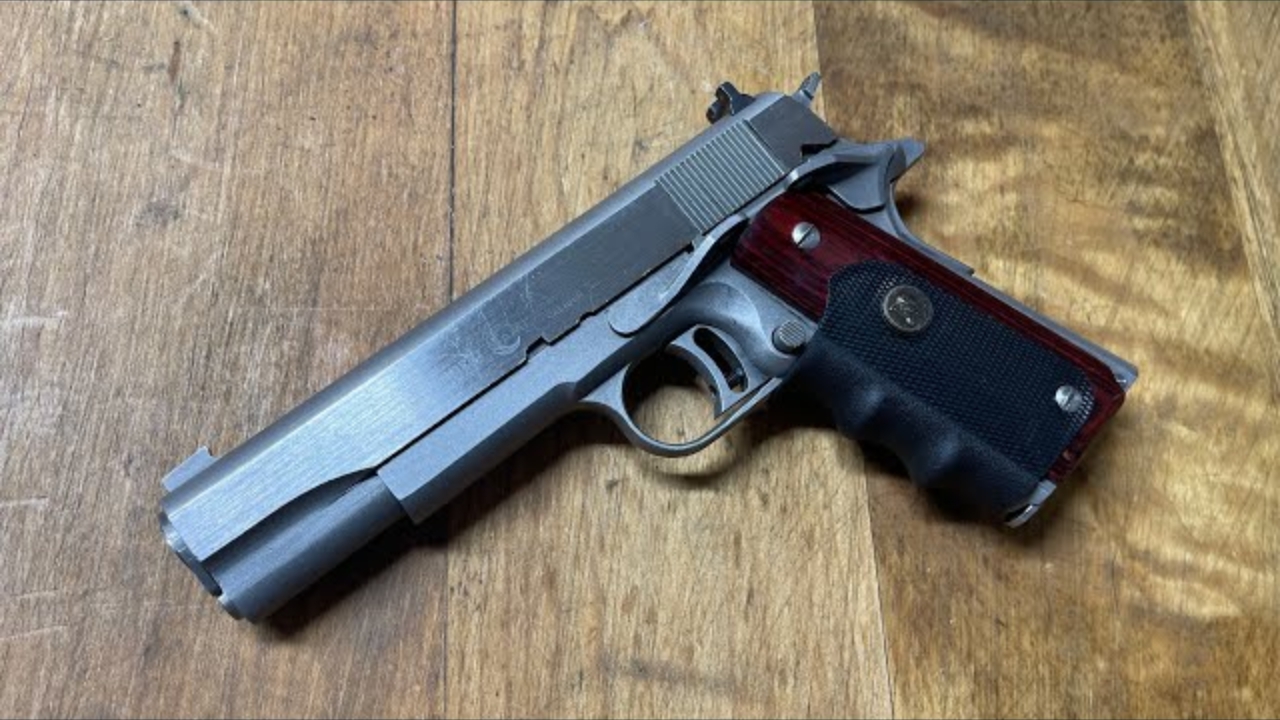
The Hardballer is a classic example of a gun people want to recommend because of what it looks like and what it represents. Stainless 1911 styling, old-school cool, and a lot of visual presence make it easy to love from a distance. A lot of owners talk themselves into recommending it before they have really had enough time with it.
That recommendation usually does not survive cleanly. Once the ownership experience gets real, the conversation changes from “you ought to get one” to “well, some are better than others.” That is a very different tone, and it is one longtime owners know well.
Taurus Public Defender Poly
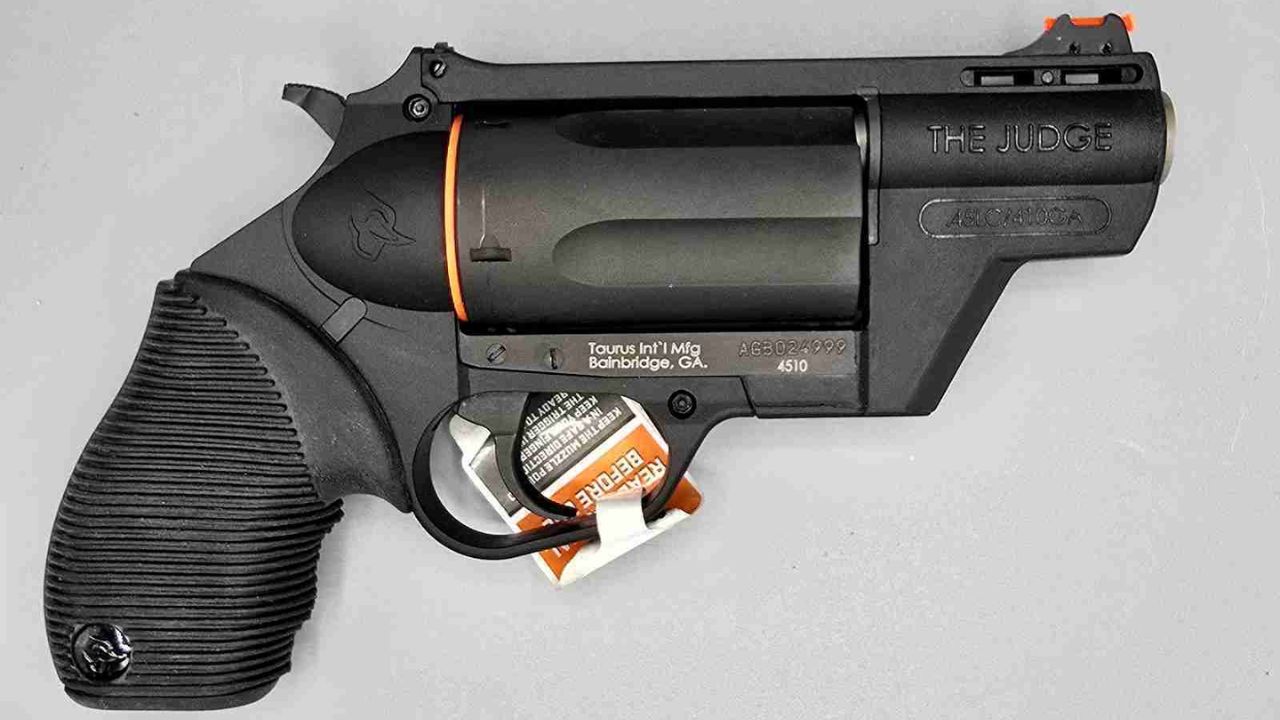
The Public Defender Poly gets recommended because it feels like the more practical version of the Judge formula. Buyers like the lighter weight and the idea that they found the smarter take on the same concept. That creates a lot of initial confidence, especially with people who want a weird revolver but also want to believe they made the sensible choice.
That confidence often fades once real use starts. The lighter package does not fix the platform’s deeper compromises, and a lot of owners eventually realize that. When that happens, the recommendation usually turns into a shrug. The owner may still keep it, but they are much less likely to tell somebody else to buy one.
Like The Avid Outdoorsman’s content? Subscribe to our newsletter so you never miss an article.
Here’s more from us: