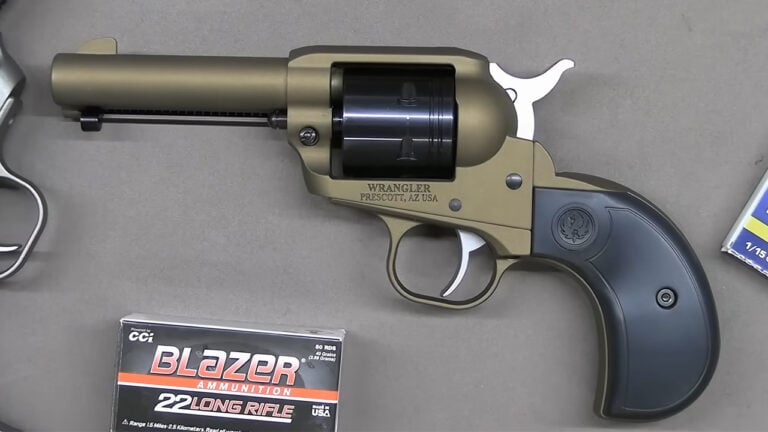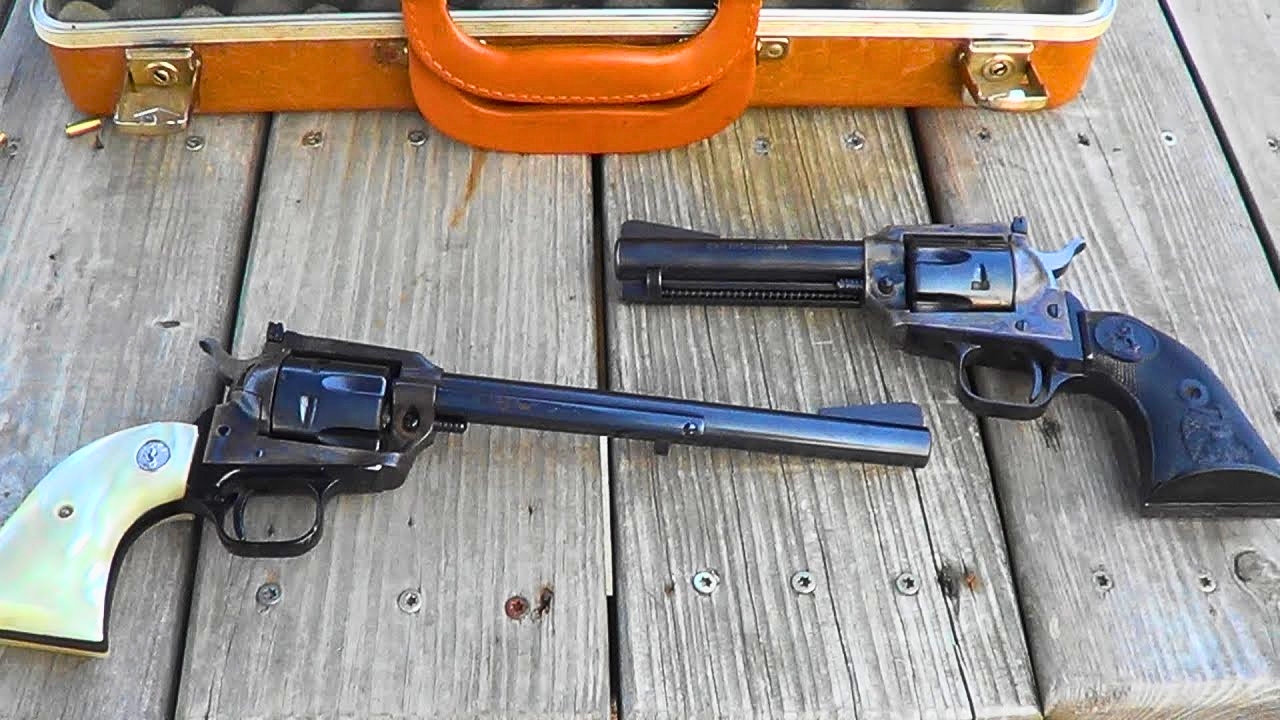
Photo credit: 1957Shep/YouTube
Some collector guns keep hanging on for reasons that have less to do with real market strength and more to do with the stories wrapped around them. A little nostalgia kicks in, a little scarcity talk gets repeated too often, and before long people are acting like every clean example is a museum piece. That is usually where the denial starts. Buyers stop judging the gun itself and start defending the memory, the brand, or the version of themselves that felt smart for buying it.
That does not mean these guns are worthless. Some are interesting. Some are genuinely good. A few even deserve more respect than they get from casual shooters. But collector talk gets warped fast when hype and sentiment take over. These are the collector guns that survive on hype, nostalgia, and denial.
Winchester Theodore Roosevelt Commemorative Model 94
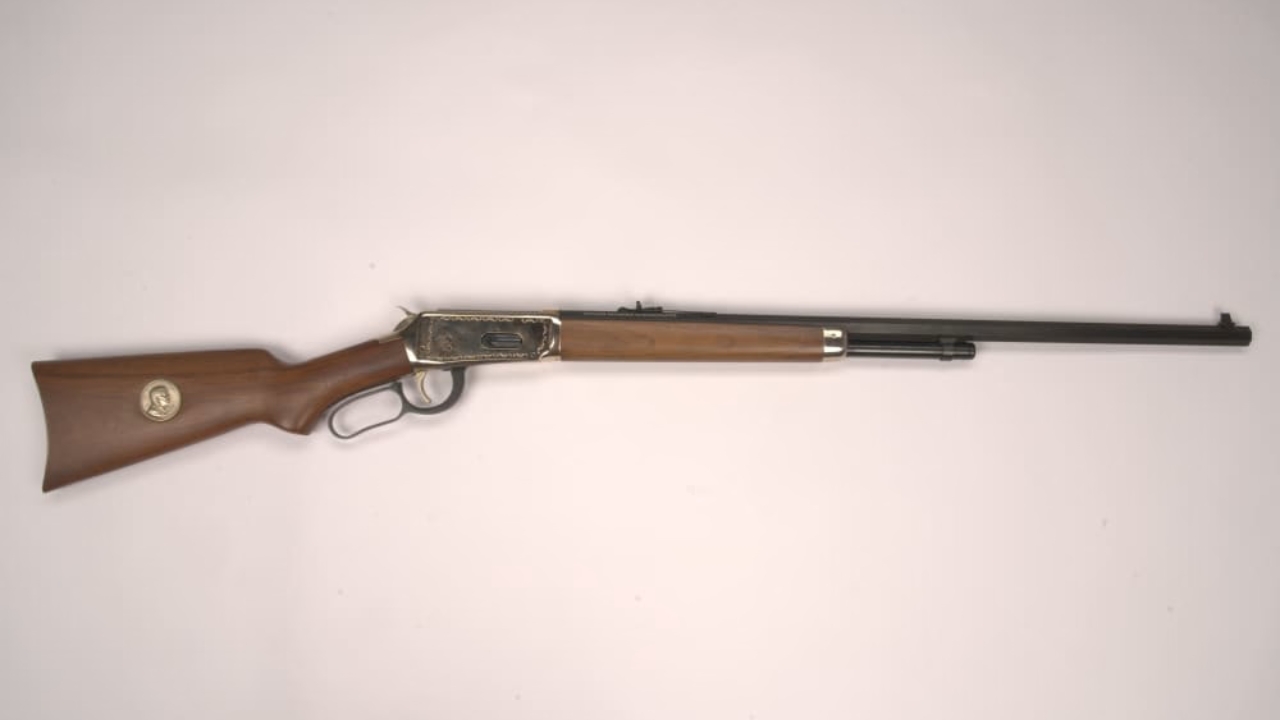
The Theodore Roosevelt commemorative Model 94 survives almost entirely on presentation and name value. It has Winchester on the barrel, a famous president tied to the theme, and enough engraving to make people assume it must be important. That combination keeps drawing in collectors who want the rifle to be more special than the market usually treats it.
The problem is that commemoratives like this were bought as collectibles from day one, which kills a lot of the magic. Too many were preserved, too many were boxed, and too many sellers keep telling the same “they aren’t making any more of these” story. That is how a rifle survives on nostalgia and denial long after the investment fantasy should have cooled off.
Colt Bicentennial Single Action Army
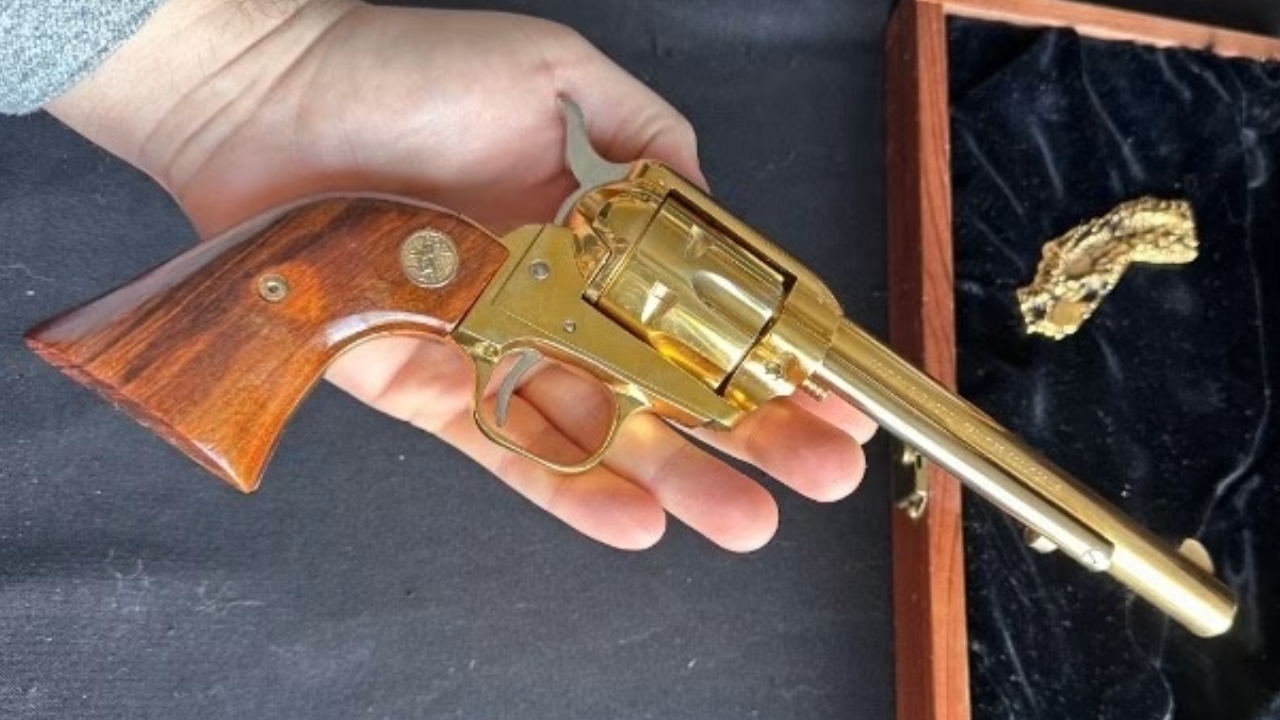
The Bicentennial-marked Colt Single Action Army has just enough Colt prestige and patriotic framing to keep people talking like it sits in a higher collector class than it often does. Buyers see the Colt name, the special-year rollmarks, and the general old-America appeal and start pricing it like emotion is a hard asset.
That is where denial starts doing the work. A special marking does not automatically make a revolver rare in the way buyers want it to be, and not every commemorative Colt is a blue-chip piece. But owners cling hard because it is easier to repeat “it’s a Bicentennial Colt” than admit the market does not always share the same excitement.
Browning Black Lightning
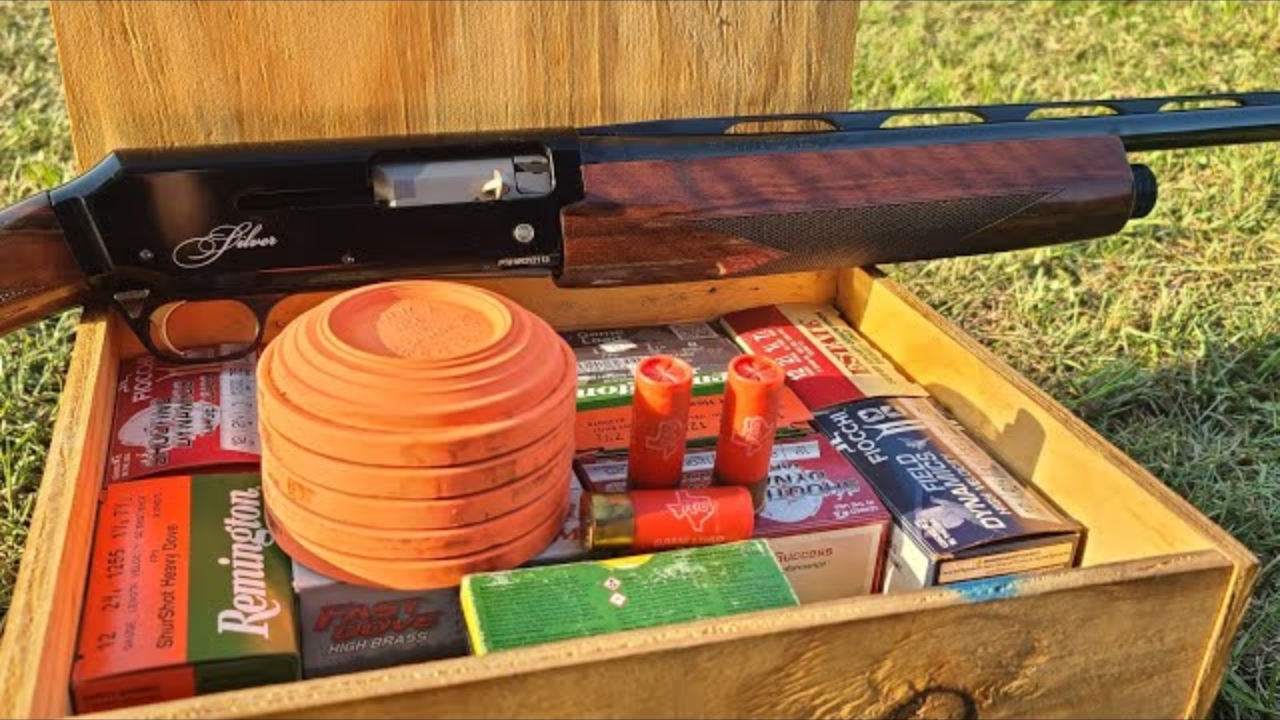
The Browning Black Lightning keeps getting romanticized because it looks like the kind of rifle collectors are supposed to appreciate. It is stylish, dark, slick, and tied to the Browning name in a way that makes owners feel like they chose something more refined than the average lever gun buyer. That emotional lift has kept prices and opinions inflated longer than pure demand probably should have.
A lot of the staying power comes from the fact that owners do not want it to be just a handsome variation. They want it to be the variation. So the hype grows around looks, scarcity talk, and self-congratulation, even when the actual buyer pool is narrower than sellers hope. That is a classic nostalgia-and-denial collector pattern.
Colt AR-15 Sporter HBAR
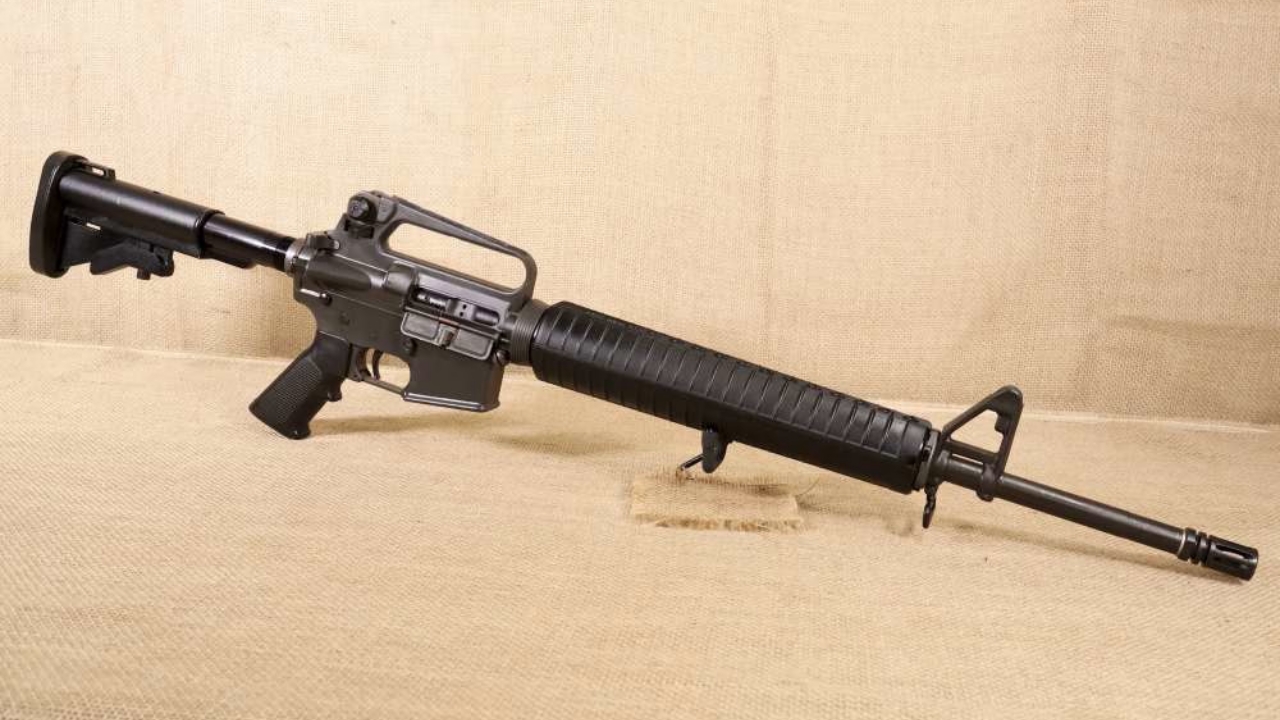
The AR-15 Sporter HBAR keeps surviving on old pre-ban mythology long after many examples drift into prices that make far less sense than people want to admit. The Colt name helps, the configuration feels period-correct, and for a certain buyer it checks the exact boxes needed to trigger panic buying and collector overconfidence.
That does not mean it lacks real appeal. It does. But a lot of owners are clinging to a market story from a hotter moment and pretending every heavy-barreled Sporter is a future prize. Once people start treating a once-common configuration like sacred ground, hype and denial are usually doing more work than realism.
Smith & Wesson Model 29-2

The Model 29-2 has real history, but it also has a lot of Dirty Harry afterglow still doing collector labor decades later. Buyers want the aura, the pinned-and-recessed mystique, and the sense that they are holding a revolver from a more serious age of gunmaking. That emotional pull is powerful, and it keeps the model floating higher in people’s minds than every example necessarily deserves.
That is where denial slips in. Not every 29-2 is pristine, rare, or worth heroic money, but sellers and hopeful owners keep talking like the movie halo alone guarantees it. The gun survives on real quality, yes, but also on nostalgia thick enough to keep buyers ignoring wear, overpricing, and ordinary condition when they should know better.
Remington 1100 Ducks Unlimited editions
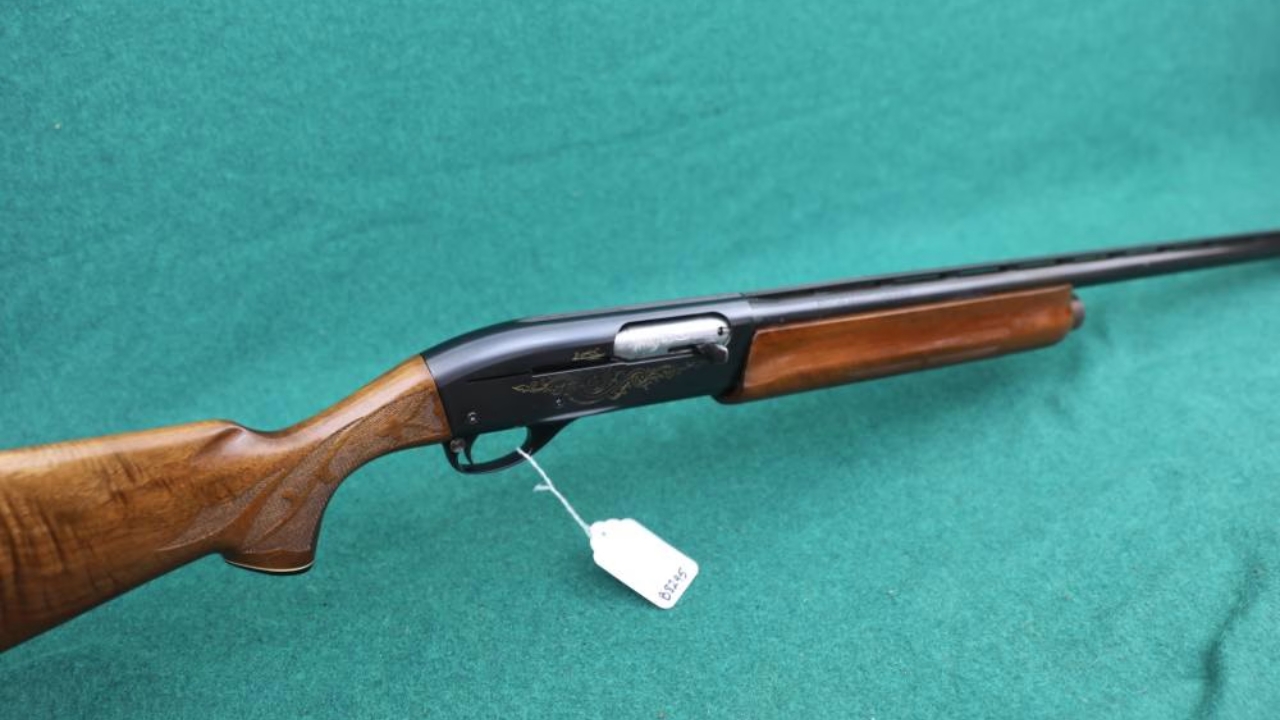
The Ducks Unlimited 1100 editions live off exactly the kind of commemorative fantasy that traps collectors over and over. They look special, sound special, and let owners feel like they are holding a shotgun tied to both conservation heritage and a respected field gun. That is a powerful emotional mix, and it keeps people from being very honest about where these actually sit in the collector hierarchy.
Most of the denial comes from the assumption that special engraving and a fundraising tie-in must equal lasting premium value. Sometimes it helps, but not in the magical way sellers want. These guns survive because people love the story and the association, not because the market always treats them like must-have collector centerpieces.
Ruger Red Label first-generation guns
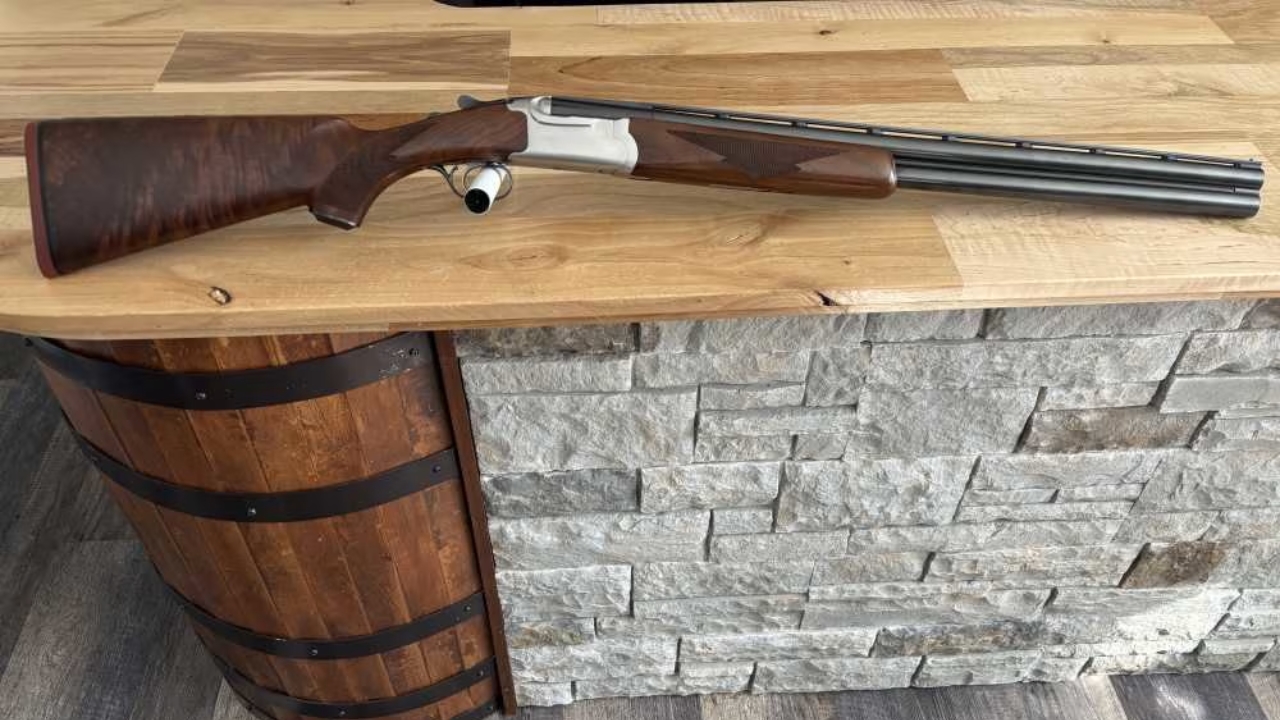
First-generation Ruger Red Labels survive on a strange mix of honest affection and collector inflation that owners do not always separate clearly. They remember when the shotgun felt like a practical American over-under answer, and that memory has gradually blended into something more exaggerated. A clean old Red Label now gets talked about like it automatically belongs in a much loftier class.
That is where nostalgia and denial start feeding each other. The shotgun may be likable, but likable and investment-grade are not the same thing. Owners often defend the market around these harder than the market deserves because admitting the gun is mostly a fond memory with moderate collector appeal would take some air out of the story.
Colt Official Police

The Colt Official Police survives on the borrowed glow of the old Colt revolver world. It has the right brand, the right old-service-gun feel, and enough period character to make collectors feel like they are touching a lost era of American sidearms. That gives it real charm, but also creates plenty of room for people to oversell what they are actually holding.
A lot of these revolvers are valued more by story than by hard demand. Owners cling to the Colt name and the old duty history, then act surprised when buyers start getting selective about condition, timing, finish, and originality. That is exactly how collector denial works. The gun becomes more important in memory than in the cash market.
Marlin Original Golden 39A
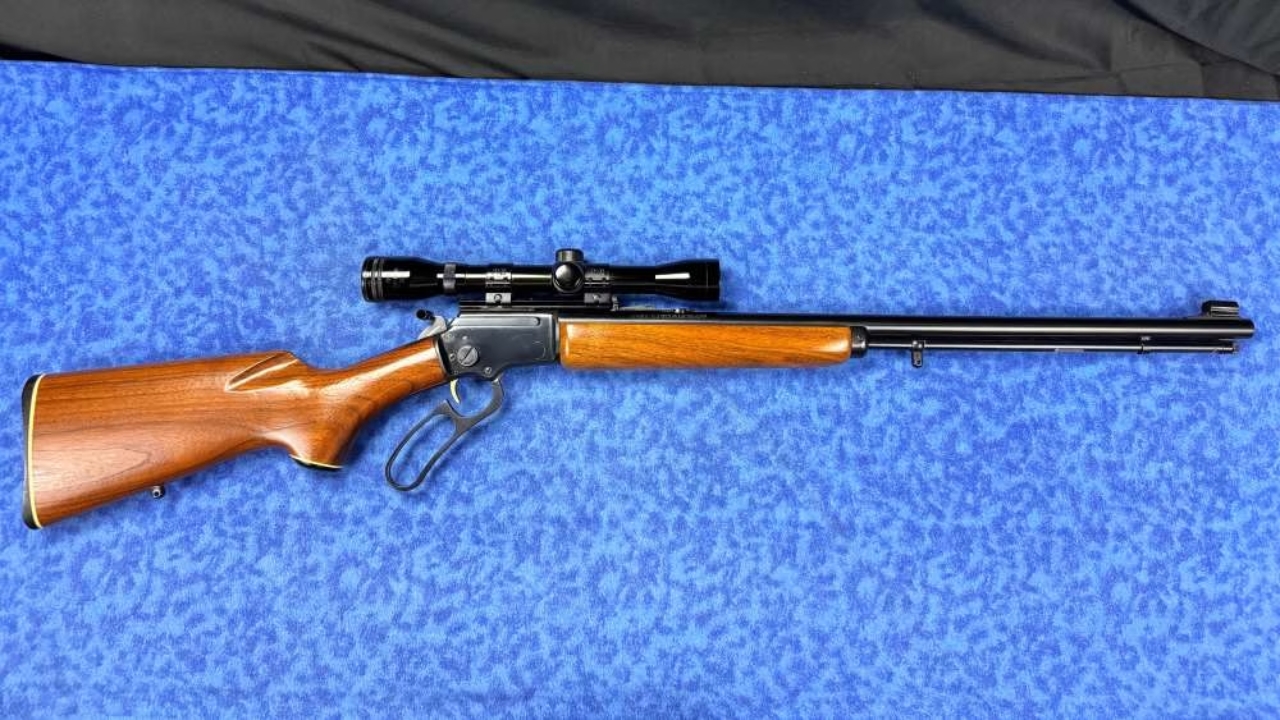
The Golden 39A absolutely has quality behind it, but it also survives on a thick layer of nostalgia that can distort what buyers think they are getting. It is one of those rifles people remember fondly from older catalogs, family collections, or a time when rimfires felt more permanent and less disposable. That memory has grown into a collector story that not every example can truly support.
Owners often act like any decent 39A is a premium asset simply because the model has been praised for so long. That is where denial sneaks in. Yes, it is a respected rimfire. No, that does not make every worn rifle a treasure. The model survives partly on deserved affection and partly on people refusing to separate sentimental value from real market discipline.
Luger P08 commercial models

Commercial Lugers keep surviving on image long after practical collector logic should have thinned the herd more aggressively. The silhouette is iconic, the history feels deep even when the specific example is less dramatic than sellers imply, and buyers love telling themselves they own one of the most legendary handguns ever made. That legend carries a lot of weak examples further than it should.
That is where hype and denial overlap. A Luger is always a Luger in terms of attention, but not every commercial example deserves the prices people try to anchor with military mystique and broad historical romance. Owners cling to the shape and the legend, and the market periodically humbles them when buyers start looking past the silhouette and into the details.
Colt Snake Eyes set
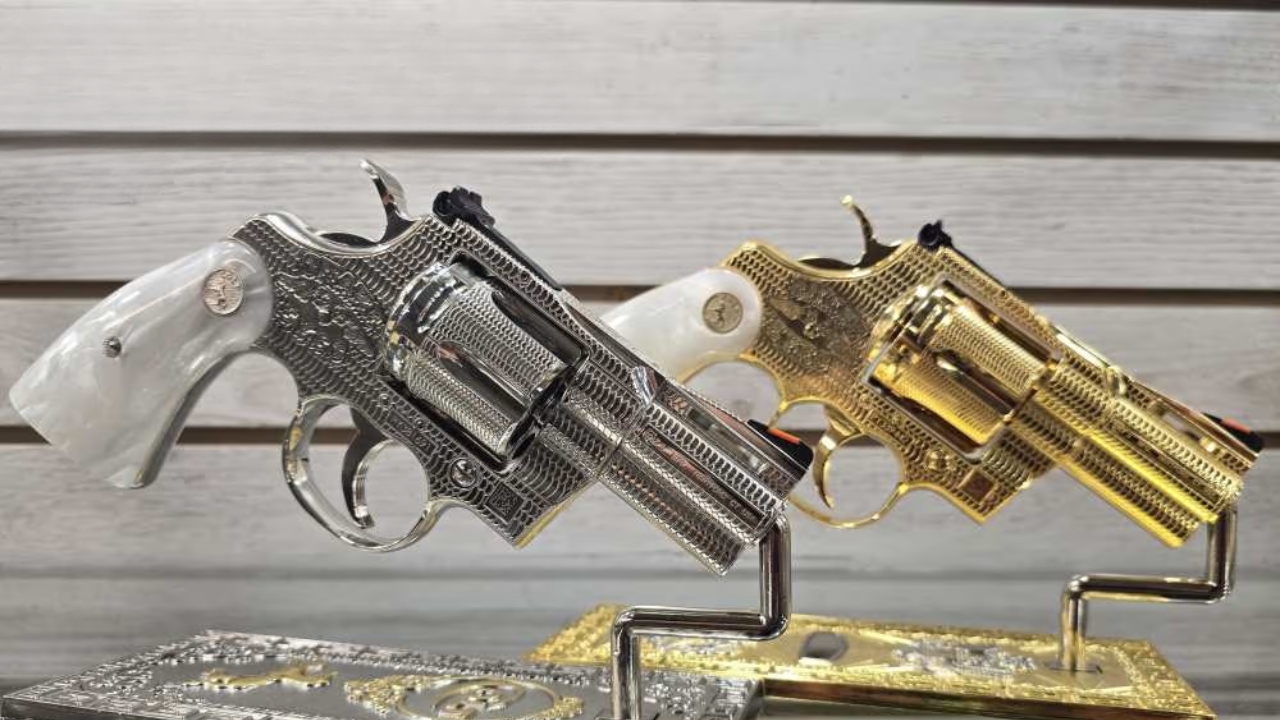
The Snake Eyes sets survive on collector theater. Two little Colt revolvers in a display case, a slick name, and just enough 1980s prestige to make owners feel like they have a boutique collector piece with automatic upside. That presentation has kept these floating in conversation far longer than their actual practical importance would suggest.
The denial comes from how tightly owners cling to the original packaging story. The appeal is real, but the market is thinner and moodier than the hype makes it sound. A boxed novelty set with Colt branding is still a boxed novelty set, no matter how often somebody describes it like a retirement account in velvet lining.
Weatherby Mark V Deluxe in common magnum chamberings

The Mark V Deluxe survives on polish, Weatherby mystique, and a lot of owner pride. It looks expensive, feels like the kind of rifle a serious old-school hunter was supposed to admire, and carries enough Roy Weatherby energy to keep people emotionally invested in the idea that these are always appreciating classics.
That is where nostalgia takes over. Plenty of Deluxe rifles are beautiful, but beauty alone does not guarantee broad collector heat, especially in common chamberings and ordinary condition. Owners often defend the values harder than the market supports because they are not really protecting a rifle price. They are protecting what the rifle once represented to them.
Walther TPH

The Walther TPH survives because it feels like a pocket-sized piece of European class. Collectors love the shape, the Walther name, and the sense that it belongs to an older world of discreet little pistols with more style than practicality. That image does a lot to keep enthusiasm alive even when the actual market strength gets patchy.
A lot of owners talk about these like they are tiny gold bars, when really they are niche collectibles with uneven demand depending on variant, origin, and condition. The gun survives because the concept is so charming. That charm keeps denial alive far longer than a purely rational collector market would.
Winchester 9422 XTR
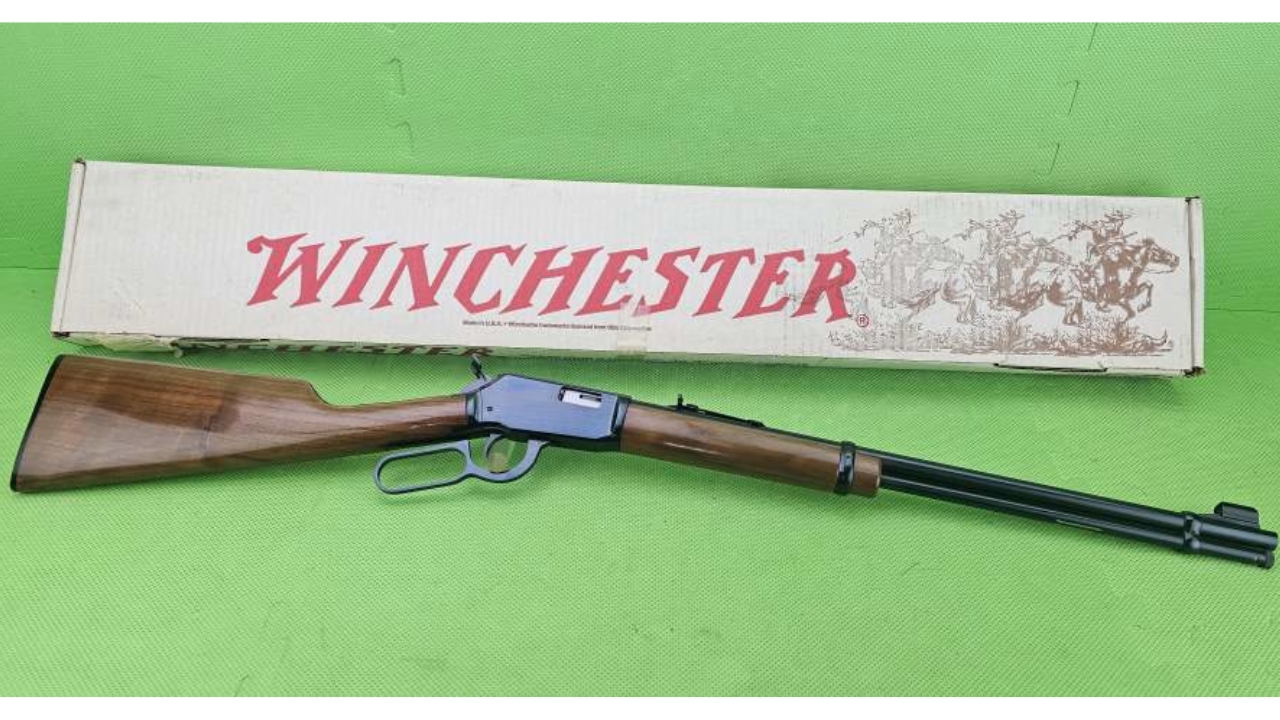
The 9422 XTR survives on the kind of polished nostalgia that makes rimfire collectors lose perspective. It is handsome, it says Winchester, and it reminds buyers of a time when lever-action .22s felt like something every serious gun room ought to have. That memory keeps values and opinions elevated even when the market gets a little overheated.
The denial comes from owners treating every XTR like a premium masterpiece instead of admitting that condition, box presence, and buyer timing still matter a lot. The rifle is good, but a big part of its collector survival comes from people wanting the feeling attached to it, not just the rifle itself. That is nostalgia doing exactly what it always does.
Smith & Wesson 586 no-dash
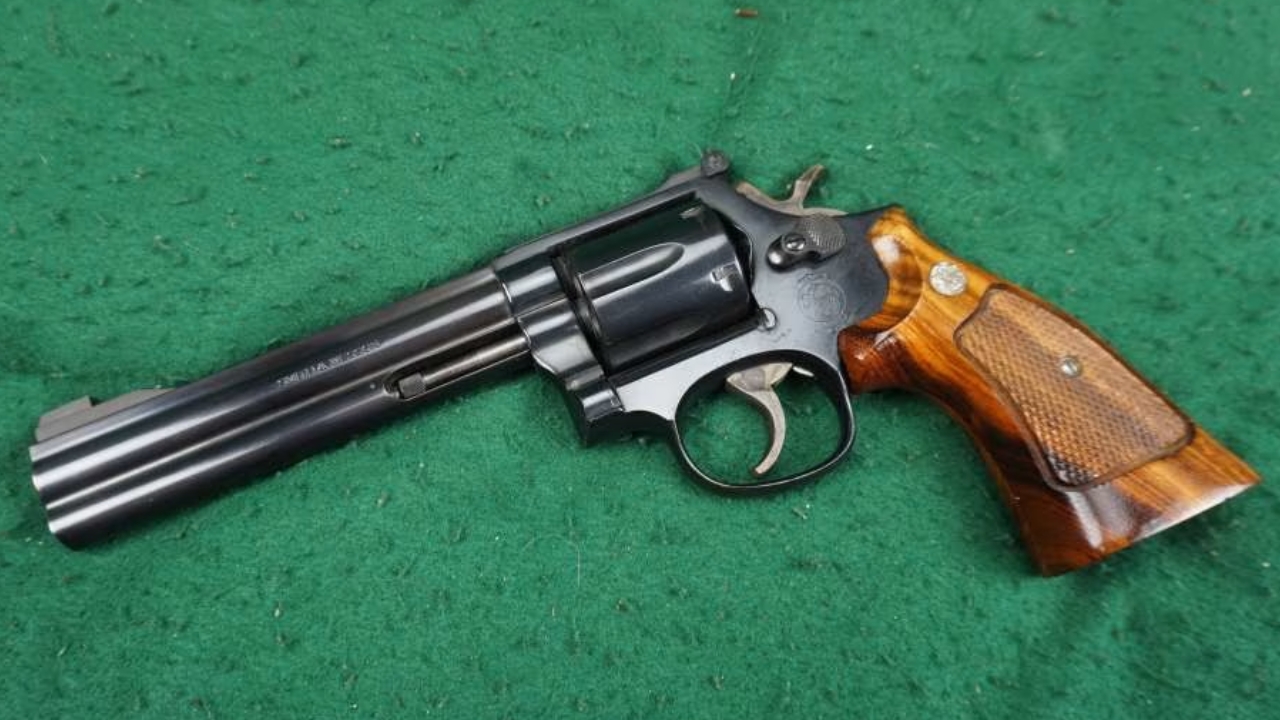
The 586 no-dash survives on early-run mystique, old Smith reverence, and the tendency collectors have to turn small production distinctions into huge emotional ones. Say “no-dash” around the right crowd and suddenly an already desirable revolver gets treated like it exists on another plane. That kind of model-code prestige keeps values sticky even when the real differences matter less to ordinary buyers.
That is where denial enters. Owners start believing the early-variant label excuses all overpricing, all wear, and all inflated expectations. It is still a fine revolver, but a lot of the collector heat comes from the way enthusiasts talk each other into believing that a dash marking tells the whole story. It never does.
Colt New Frontier
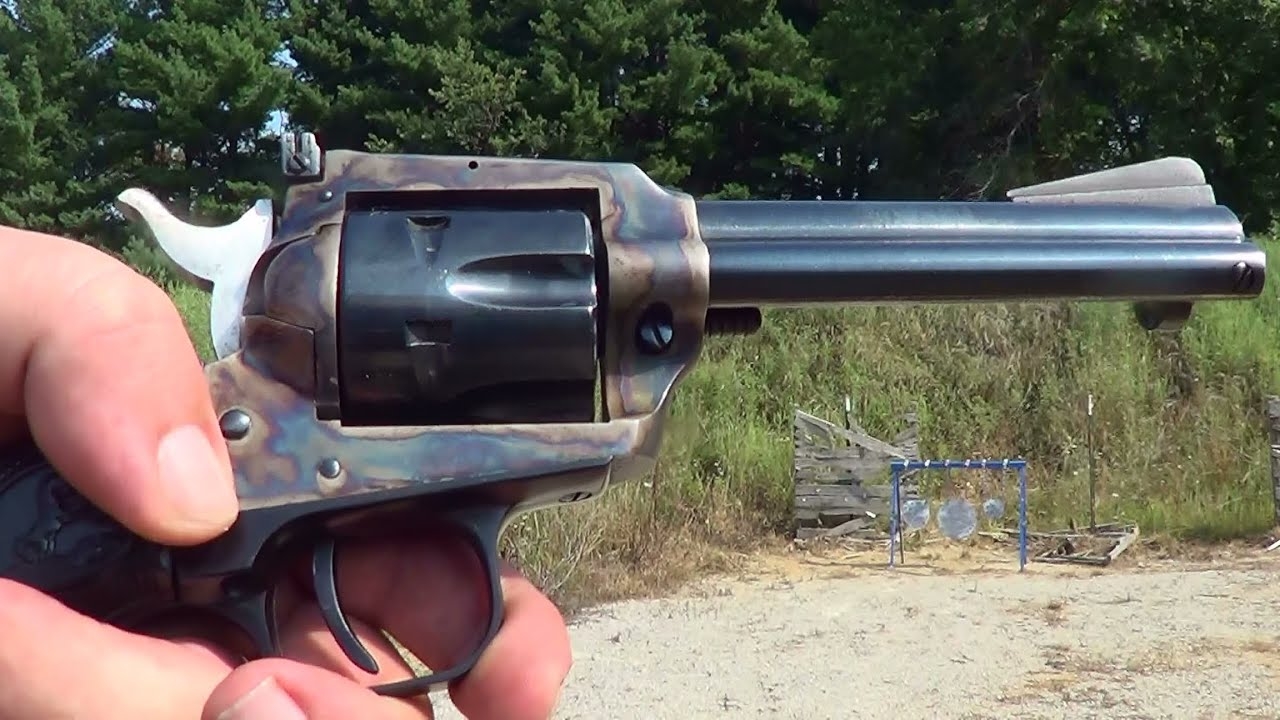
The Colt New Frontier survives on presentation, name value, and the eternal collector urge to treat decorative Colt variants like they are automatically smarter buys than they often are. It has a lot going for it visually, and the adjustable-sight angle helps it feel more specialized and elevated than a standard single-action variant.
That is exactly why it survives on hype and nostalgia so well. Owners love the idea that they are holding a more refined Colt from a better era, and that feeling helps them overlook how uneven demand can be once prices get ambitious. The New Frontier is attractive and interesting, but a lot of collector confidence around it is still built on emotion first and realism second.
Like The Avid Outdoorsman’s content? Subscribe to our newsletter so you never miss an article.
Here’s more from us: