Photo credit: PEW PEW NATION/YouTube
Some guns sell themselves before the first round is ever fired. The buyer starts building the case in his own head right there at the counter. Maybe it looks tougher than what he already owns. Maybe the name carries status. Maybe the price makes it feel like a serious step up. Maybe everybody online keeps repeating that it is the one to get. By the time money changes hands, the decision feels justified from every angle.
Then real use starts cutting through the story. The gun is heavier than expected, harsher to shoot, less practical, less enjoyable, or simply less interesting once the novelty burns off. That does not always mean the firearm is bad. It usually means the buyer fell harder for the idea of ownership than the day-to-day shooting experience. These are the guns that often get defended early, shot hard for a month or two, and then quietly pushed to the back of the safe.
SIG Sauer P320 XFive Legion

The XFive Legion is the kind of pistol buyers convince themselves they need because it feels like a serious shooter’s gun. It is heavy, sharp-looking, and carries just enough competition flavor to make a regular range guy think he is stepping into a higher level. At the counter, that weight feels reassuring. The trigger feels clean. The whole package suggests a smarter, more refined choice than another basic polymer pistol.
Then everyday ownership starts asking different questions. Do you really want to haul around a heavy range pistol every trip? Do you actually shoot enough to use what it offers? A lot of buyers realize they liked the identity of owning it more than the routine of shooting it. It is still a capable pistol, but for plenty of people it stops feeling exciting once the first rush of buying something “serious” wears off.
Desert Eagle Mark XIX

A Desert Eagle is one of the easiest guns in the world to talk yourself into. It is iconic, oversized, and tied to enough movie and video-game history that buyers already feel connected to it before they touch one. For a certain kind of gun owner, buying one feels like crossing off a bucket-list firearm. It gets attention instantly, and that alone closes a lot of sales.
The trouble is that attention fades a lot faster than the weight, ammo cost, and limited practicality. Once the first few range sessions are over, many owners realize they are dealing with a giant novelty piece that asks a lot and gives back in short bursts. It is not that the gun stops being impressive. It is that impressive does not always stay fun. That is why so many Desert Eagles become safe queens after the first wave of excitement burns off.
Springfield Hellcat RDP

The Hellcat RDP makes sense on paper in a way that can really pull buyers in. High capacity, compact size, optics-ready setup, compensator, modern styling, and the feeling that you are getting a lot of gun in a very small package. Buyers can easily convince themselves they are making the smart move by going straight to something loaded with features instead of buying plain and upgrading later.
Then real carry and range time starts sorting things out. Tiny pistols with aggressive feature sets do not automatically become enjoyable pistols. Some buyers learn pretty quickly that the gun feels snappier, smaller, or less forgiving than they expected once they get past the spec sheet. It still fills a role, but many owners outgrow the excitement fast because they were buying the feature list more than the actual shooting experience.
Chiappa Rhino 50DS
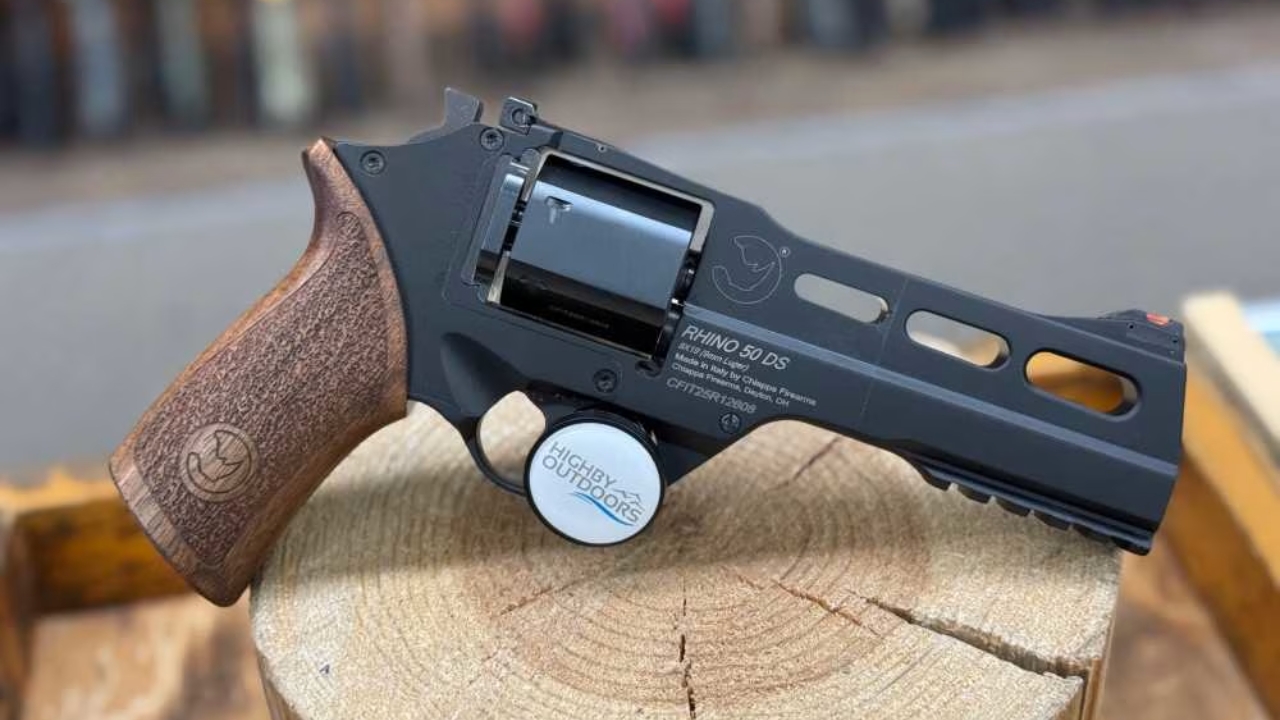
The Rhino sells hard on being different. A lot of buyers talk themselves into one because they want a revolver that does not look like what everybody else has. The low bore axis, futuristic shape, and general weirdness make it feel clever before a shot is fired. At the gun counter, it gives off the kind of energy that makes a buyer think he is avoiding boring choices and getting something smarter.
Different, though, is not always something you stay in love with. Once the novelty of the design wears off, buyers start judging it on feel, controls, trigger, balance, and whether it actually gives them more enjoyment than a classic revolver would. For some it does. For plenty of others, the Rhino becomes the gun they explain more than they shoot. That is usually a sign the idea carried the purchase harder than the long-term experience ever could.
IWI Tavor X95
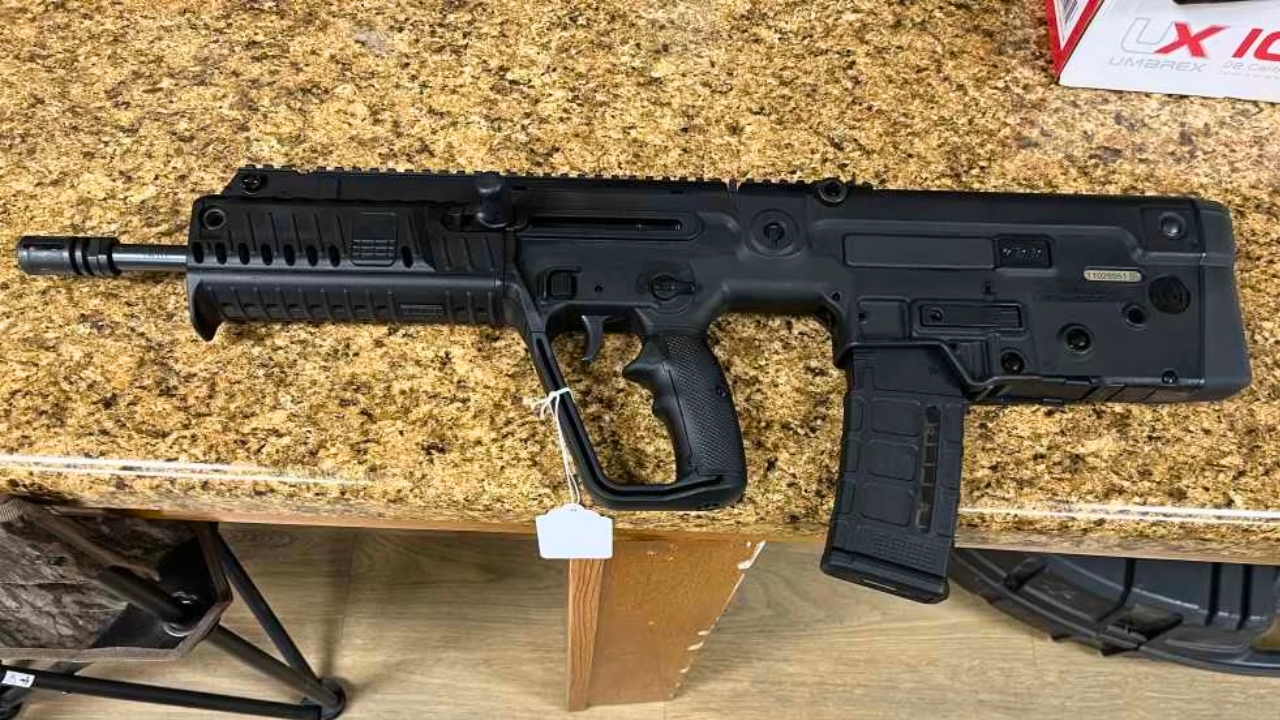
The Tavor X95 is one of those rifles buyers can justify in about ten different ways. It is compact, modern, battle-proven in reputation, and different enough from the usual AR crowd to feel like a statement purchase. A buyer can stand there and tell himself he is getting something more advanced, more efficient, or more interesting than another standard carbine. That story writes itself.
Later on, plenty of owners figure out that the things that made it exciting at purchase do not always make it satisfying long term. The manual of arms, trigger feel, balance, and general bullpup personality can become less charming with time. That does not make it a bad rifle. It just means a lot of buyers were chasing uniqueness and ended up missing familiarity. Once that happens, the Tavor often becomes a rifle they respect more than one they truly enjoy.
Smith & Wesson 500
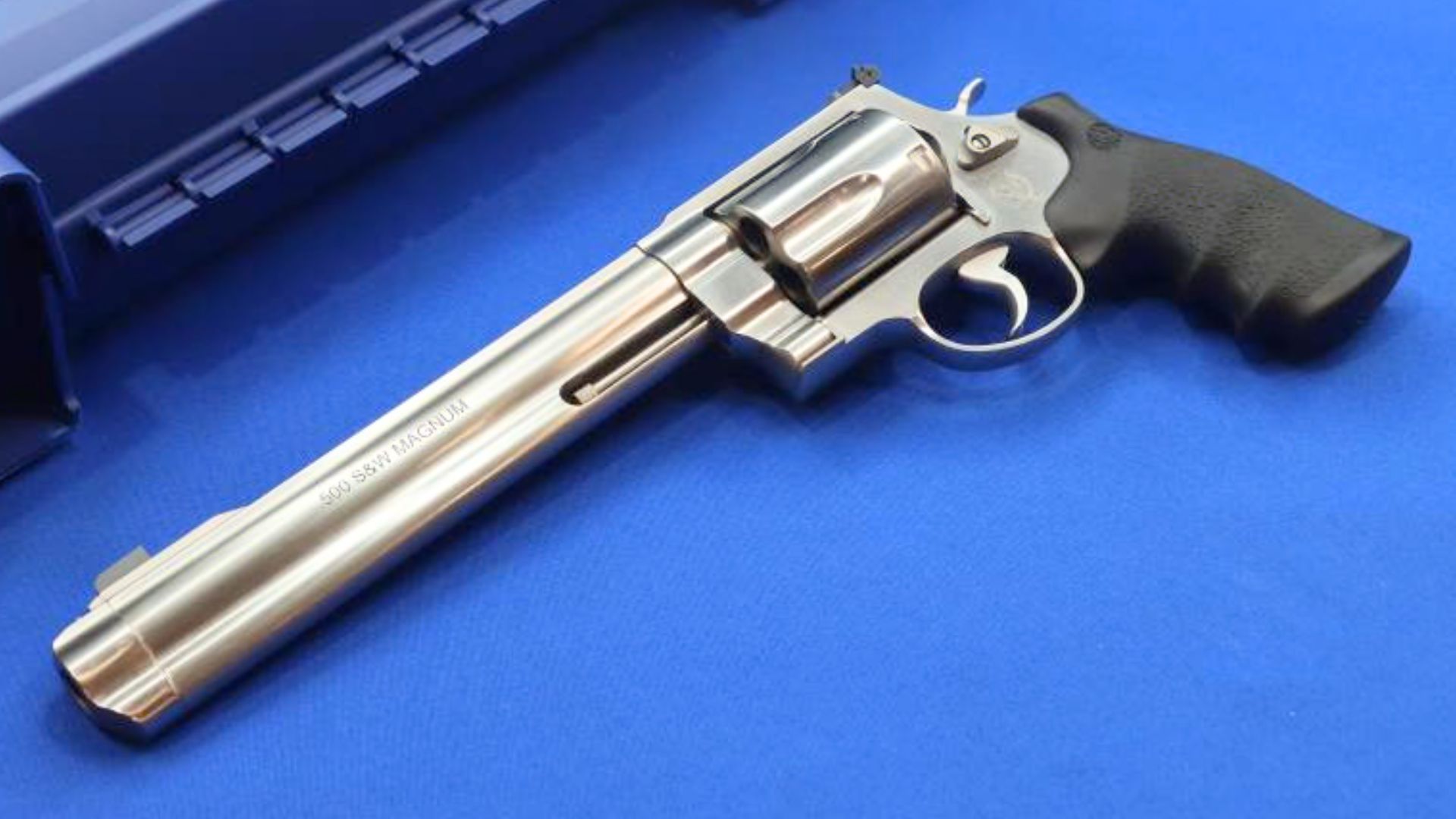
The Smith & Wesson 500 is almost pure self-persuasion. Nobody stumbles into one by accident. Buyers talk themselves into it because it represents excess, power, and the kind of handgun ownership that sounds bold when telling the story later. Standing at the counter, it feels like buying the biggest answer possible. The recoil becomes part of the brag. The size becomes part of the appeal.
Then range day stops being a fantasy and starts costing money and wrist energy. A lot of owners discover that a few cylinders of thrilling recoil are not the same thing as long-term enjoyment. Once the shock value levels off, the gun can get repetitive fast. You are not discovering new layers to it. You are mostly revisiting the same blast and punishment. That is why many buyers outgrow it quickly even while still insisting it is an awesome gun.
FN SCAR 17S

The SCAR 17S is easy to justify because it wears prestige so openly. Buyers talk themselves into it as the serious rifle, the elite rifle, the rifle that proves they did not settle. It carries a reputation that does a lot of work before the first magazine is loaded. The styling, the military association, and the price all combine to make ownership feel like a step into a more rarefied part of the gun world.
After a while, though, the daily reality starts pushing back. It is expensive to feed, expensive to outfit, and not always the most relaxing rifle to spend long sessions behind. For some shooters, that challenge is part of the appeal. For others, it quickly becomes clear they bought the SCAR for what it said about them more than for how often they would genuinely enjoy shooting it. That is a fast path to outgrowing the romance.
Bond Arms Snake Slayer
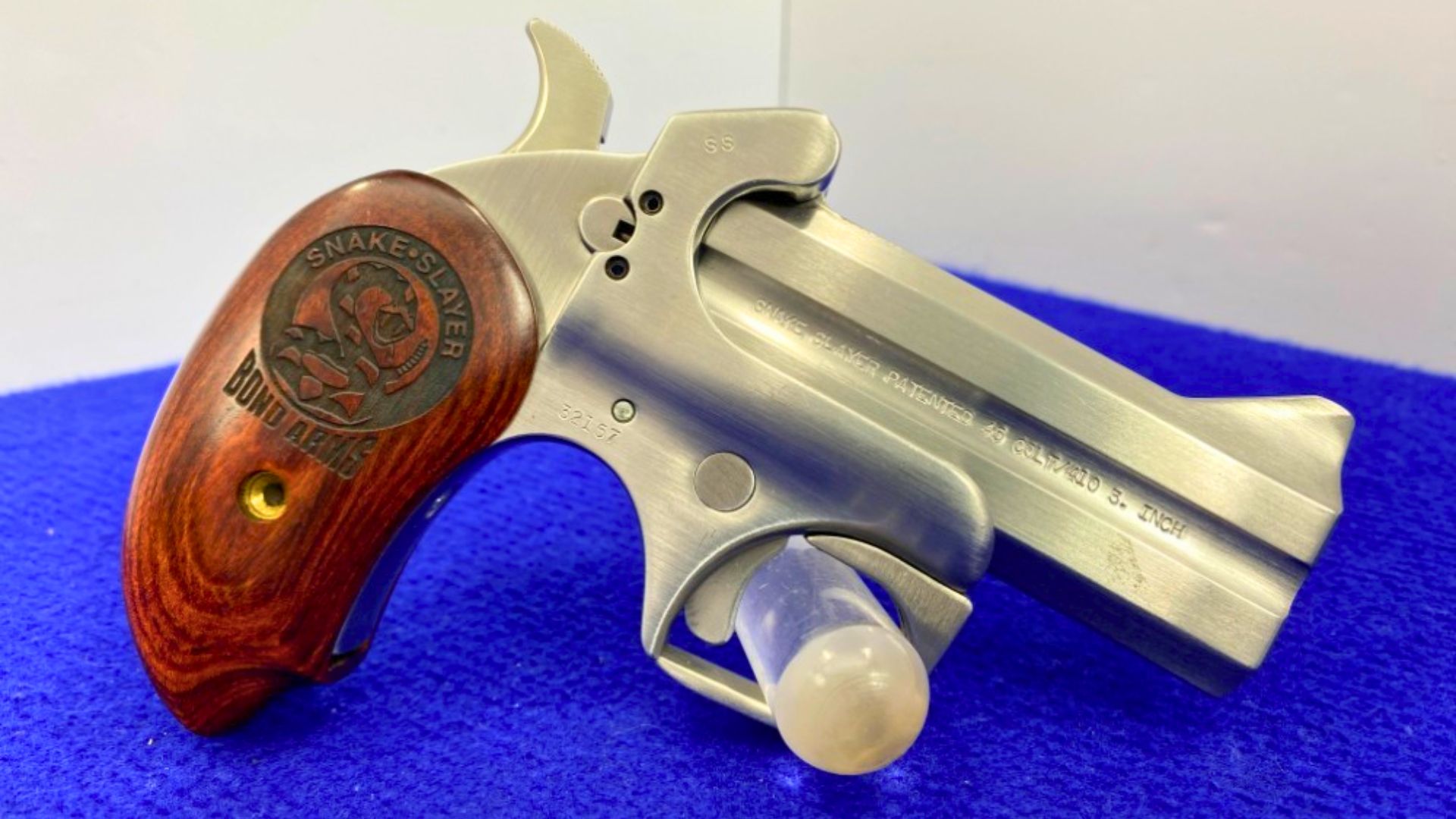
The Snake Slayer gets sold in a buyer’s head as the ultimate little problem-solver. It feels rugged, unique, and purpose-built in a way that makes a person think he is buying something smarter than another small handgun. The pitch is simple: compact, powerful, mechanically straightforward, and different enough to feel cool. That is usually more than enough to create a strong first impression.
Then the owner spends a little more time with it and remembers that clever is not always versatile. Limited capacity, slow reloads, harsh shooting manners, and narrow use cases can make the whole experience feel boxed in pretty quickly. A lot of buyers outgrow it because the real-life opportunities to enjoy it are much smaller than the imagined ones. It stays interesting as an object, but not always as a gun they keep wanting to bring along.
Springfield M1A Loaded

The M1A Loaded attracts buyers who want legacy, authority, and an old-school rifle that feels more substantial than another modern semi-auto. They talk themselves into it by imagining a deeper kind of ownership, one tied to history, wood and steel appeal, and the belief that serious rifles should feel like real rifles. On the rack, it has weight and presence that make other options seem a little plain.
That same presence can wear thin once routine ownership begins. It is not only about carrying the rifle. It is the cost of feeding it, the length, the handling, and the fact that nostalgia can turn into maintenance and bulk pretty fast. Many buyers end up realizing they wanted the feeling of owning an M1A more than the repeated reality of shooting one. That is usually when the rifle starts seeing a lot less field time.
CZ Shadow 2 Orange
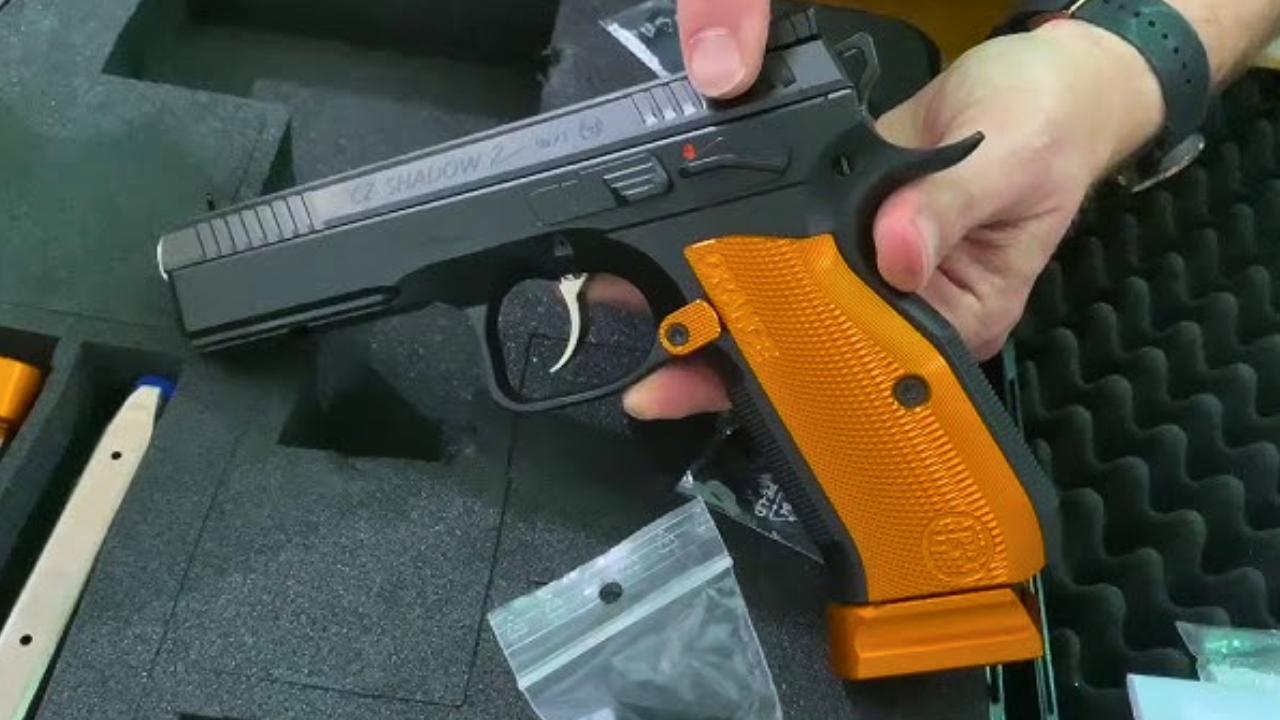
The Shadow 2 Orange is easy to sell to yourself because it looks like proof that you take shooting seriously. Buyers see the fit, finish, weight, and performance reputation and convince themselves they are buying into a better class of handgun. Even if they never plan to compete, it gives them the feeling that they could. That alone is powerful enough to close a sale for a lot of people.
What changes later is the context. A specialized, heavy pistol is exciting when it is new, but some owners eventually admit they are not really living the kind of shooting life that justifies it. It is a superb pistol, but superb does not always mean personally engaging forever. Plenty of buyers outgrow it because they bought aspiration more than habit. Once the image fades, they start reaching for simpler guns that fit their real routines better.
Magnum Research BFR
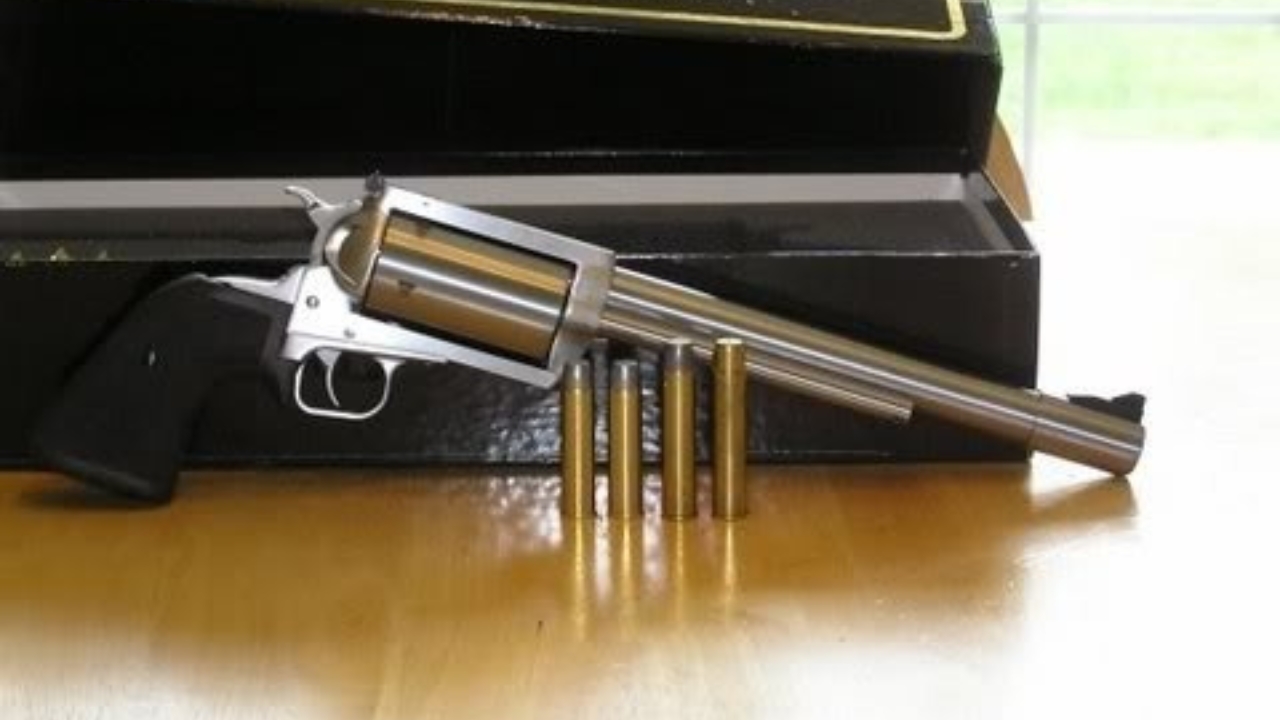
A BFR gets bought by people who want a revolver that feels like an event. The name helps, the size helps, and the chamberings definitely help. Buyers talk themselves into one because it seems like the kind of handgun you never get tired of owning. It promises recoil, drama, and a kind of oversized fun that sounds impossible to regret. At first glance, that is a tempting package.
Then the experience narrows fast. Big single-action revolvers in serious chamberings are impressive, but they can also become predictable in a hurry. Heavy, slow, and expensive to feed is a combination that loses some charm once you have lived with it. Many buyers outgrow the BFR because they confused occasional spectacle with enduring enjoyment. It is still memorable, but memorable does not always mean something you keep wanting to shoot every weekend.
KelTec KSG
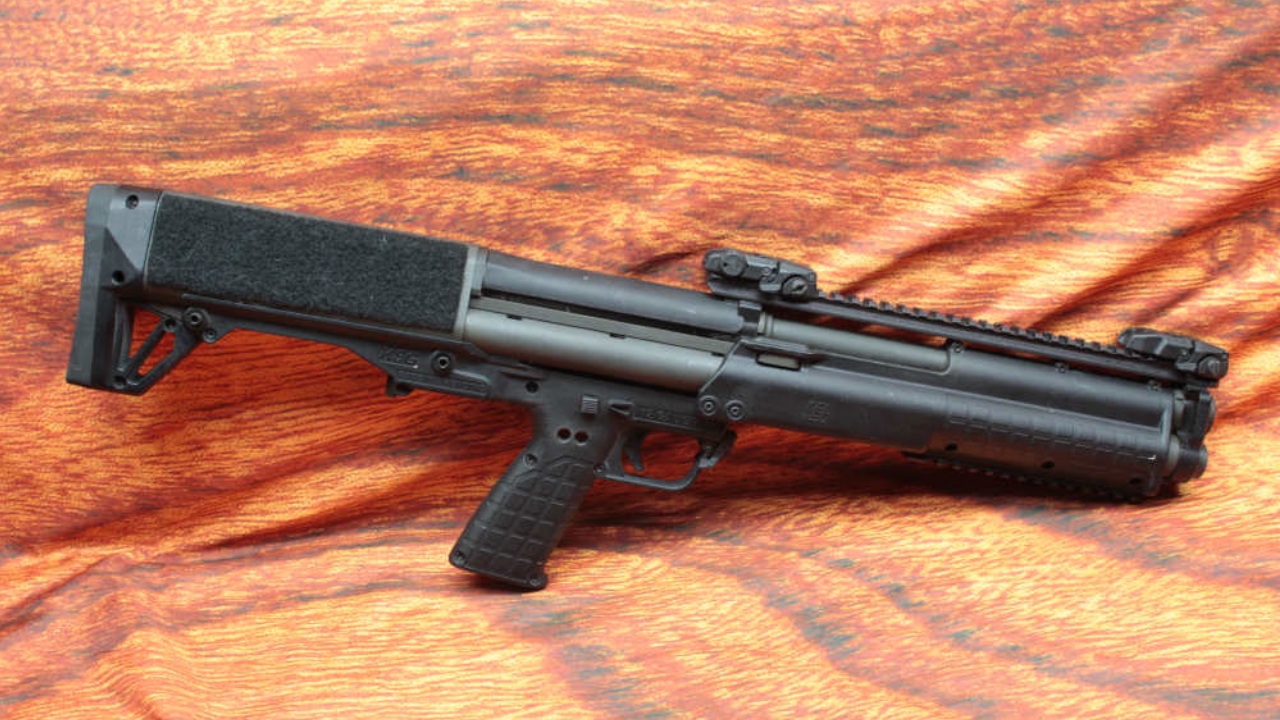
The KSG hooks buyers with pure “what if” energy. Dual magazine tubes, compact footprint, aggressive styling, and the promise of a shotgun that seems more advanced than the old standards all give people plenty of reasons to talk themselves into one. It looks like a smarter answer on the surface. It feels like the shotgun for someone who is tired of ordinary pump guns and wants more capability in a tighter package.
Then long-term use starts testing that excitement. Some owners find the ergonomics, operation, and general feel less satisfying than they expected once the cool factor wears off. The more time they spend with it, the more some of them start appreciating why simpler shotguns stayed popular in the first place. That is how a gun can go from “I had to have it” to “I get what it is, but I do not really need this” pretty quickly.
Colt Python 6-Inch

The Python makes it very easy for buyers to convince themselves they are buying something above the ordinary. The name carries weight, the lines are beautiful, and the whole revolver radiates prestige. A lot of people do not just buy a Python because they want a .357. They buy it because it feels like the right kind of gun to own if you want to show taste, appreciation, and maybe a little financial confidence too.
That can lead to fast disillusionment for buyers who were really chasing the glow around the gun. Once they get past the first few range sessions, some realize they are more protective of it than excited by it. It becomes something they admire, wipe down, and explain rather than something they shoot constantly. That is the kind of shift that tells you the buyer fell hardest for the legend and then outgrew the living reality.
Barrett M82A1

The Barrett M82A1 is one of the easiest rifles in the world to justify emotionally. Buyers tell themselves it is iconic, unforgettable, and worth owning at least once if they can swing it. The gun carries so much built-in image that the practical questions often get shoved aside. At the time of purchase, it feels less like buying a rifle and more like buying access to a very specific kind of legend.
Once that feeling settles down, the reality is harder to ignore. It is huge, expensive, loud in every possible sense, and not the sort of rifle most people can use in ways that stay deeply satisfying. You can still love that it exists and still outgrow owning it. That happens more than people admit. The buyer talked himself into the dream, then discovered the dream was a lot more fun to imagine than to maintain.
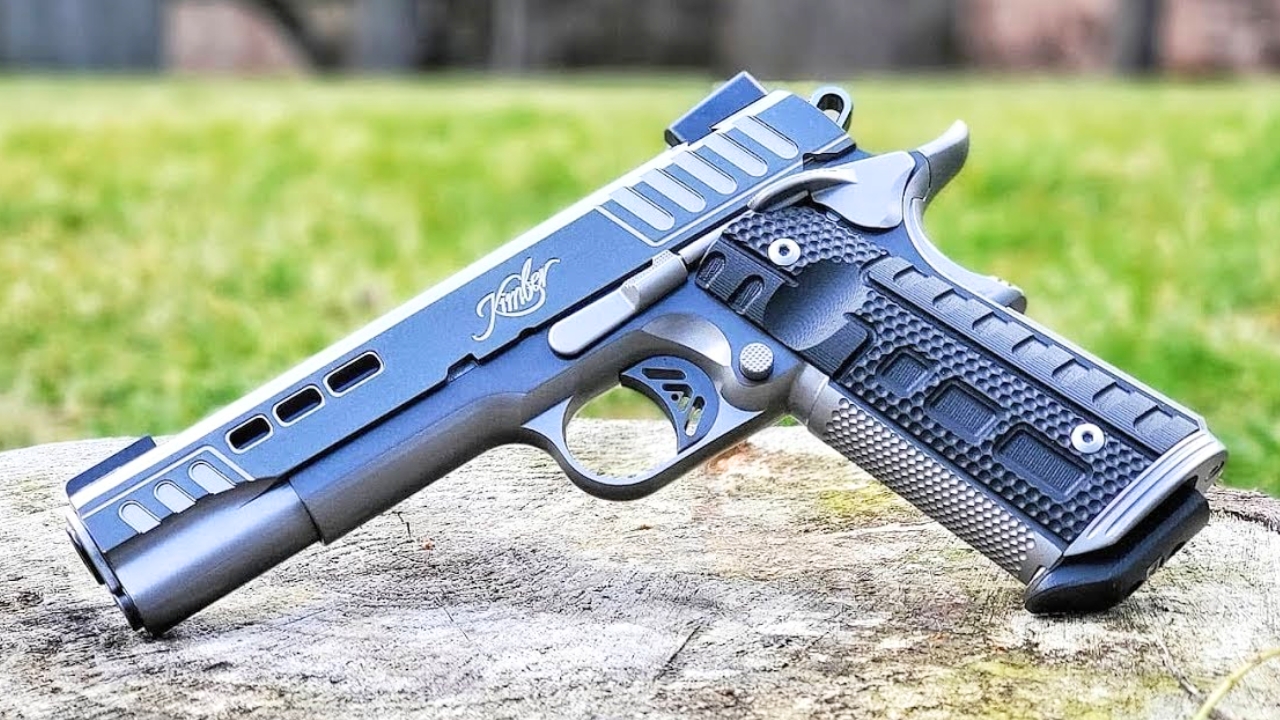
Kimber Rapide Black Ice
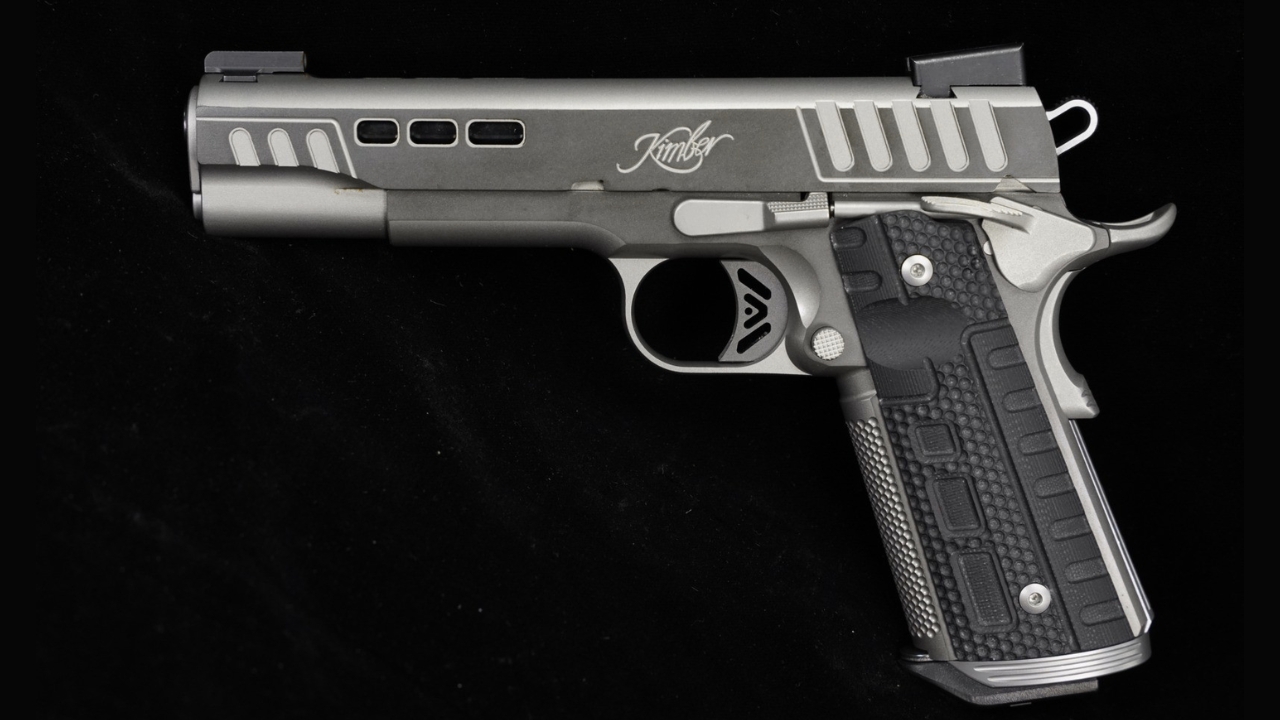
The Rapide Black Ice attracts buyers who want a 1911 that looks custom before they ever pay a smith. The cuts, finish, and general visual drama make it easy to talk yourself into the idea that you are getting performance and style in one package. It feels like a gun for someone who wants more excitement than a plain Government model can offer. For a certain buyer, that pitch lands hard.
The problem comes when the look is doing more work than the long-term connection. Some owners start realizing that flashy styling loses pull once the gun is just another part of the range rotation. Then the real questions take over. How much do you enjoy shooting it? How often do you choose it? Does it keep earning its place after the first infatuation? When the answer drifts, that is when buyers tend to outgrow this kind of purchase fast.
Benelli M4

The Benelli M4 is the kind of shotgun people talk themselves into because it feels like the serious answer. It has the reputation, the military association, and the price tag that makes the purchase feel justified before the box is even opened. Buyers can convince themselves that if they are only going to own one premium fighting shotgun, this is the one that proves they bought right the first time.
Then regular ownership starts thinning out that confidence. The gun is still excellent at what it does, but not every owner actually lives in a way that keeps the M4 exciting. It is heavier than some expect, more expensive to feed than a plain shotgun, and often overbought by people who were chasing reassurance and status as much as utility. That is how a shotgun can stay respected while still becoming something its owner outgrows surprisingly fast.
Like The Avid Outdoorsman’s content? Subscribe to our newsletter so you never miss an article.
Here’s more from us: