Photo credit: sootch00/YouTube
There’s nothing wrong with buying a pistol because you like the name on the slide. Brands carry history, reputation, and a certain pride of ownership. The problem starts when the logo becomes the whole decision. That’s how people end up overpaying for features they won’t use, ignoring better-fitting options, or convincing themselves a certain gun is “the best” without ever comparing it head-to-head.
A lot of famous pistols are famous for good reasons. Some are proven workhorses. Some are genuinely refined. But plenty of models get purchased on name recognition alone, even when the shooter would be better served by a different size, trigger type, or price point.
These are pistols that often get bought because of the brand first. They can still be good guns. The point is to make sure you’re buying performance, fit, and support—not a rollmark.
Colt 1911 Government Model
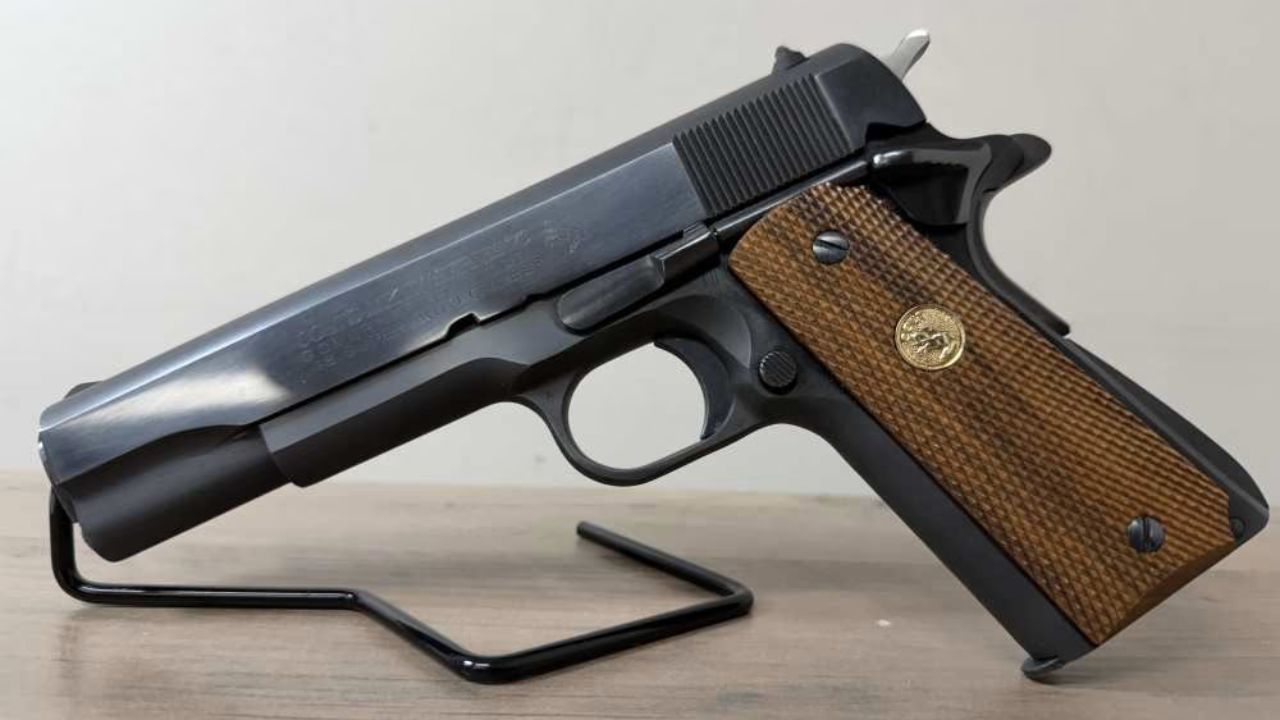
Colt on a 1911 still hits people right in the nostalgia and pride center. You’re buying a piece of American handgun history, and that matters to many shooters. A lot of folks want a Colt because it feels like owning the “original” name, even if they won’t shoot it much beyond a few range trips a year.
The truth is a Colt 1911 can be a solid pistol, but the name alone doesn’t guarantee it’s the best value or the best fit for your needs. The 1911 world is full of options across a wide price range, and some newer makers offer features and consistency that compete hard. If you’re buying Colt, buy it because you want that classic ownership experience and you’re ready to maintain and feed a 1911 properly.
Kimber 1911 (Custom and Ultra lines)
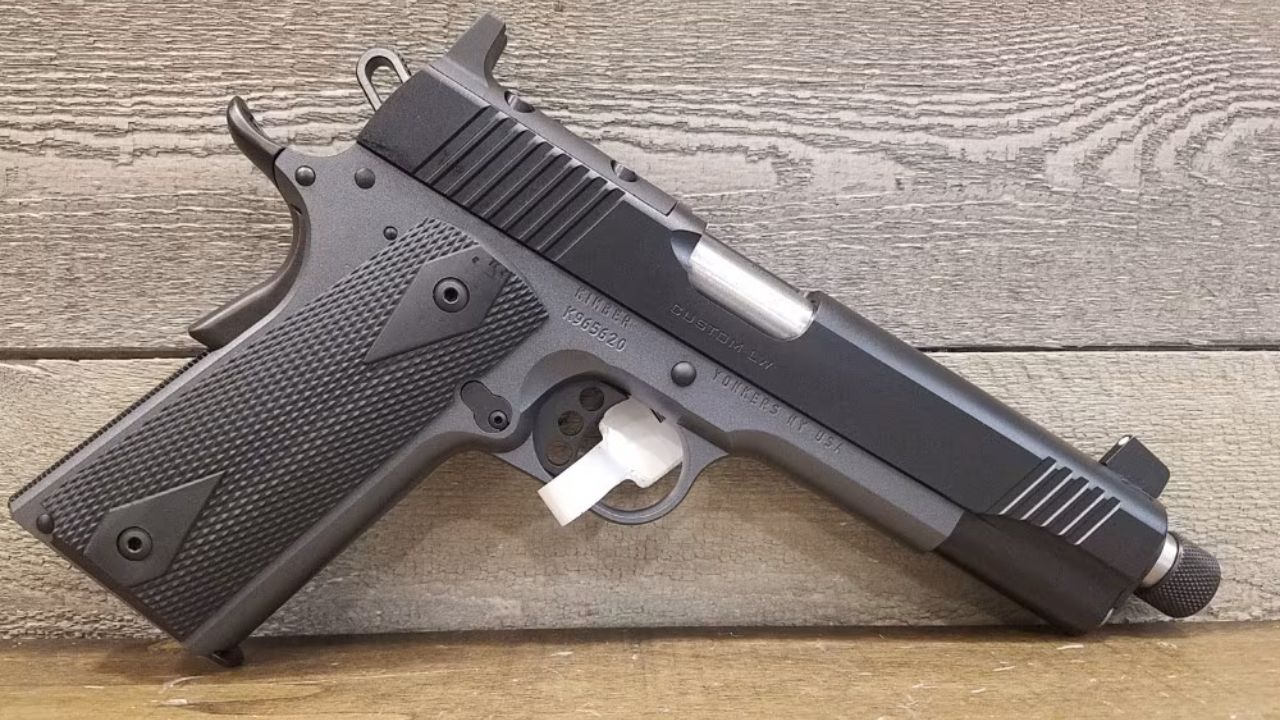
Kimber sells a lot of pistols because the brand sounds “premium” to people walking into a gun shop. The styling, the model names, and the way they’re presented can make it feel like you’re stepping up into a higher tier. For plenty of buyers, the name and the look seal the deal before they’ve even run a full magazine.
Kimbers can shoot well, and many owners enjoy them. At the same time, the 1911 platform rewards careful setup, good magazines, and consistent maintenance. The brand name doesn’t change that reality. Where people get burned is expecting flawless performance without putting in the time, or paying for cosmetics instead of function. If you want a Kimber, treat it like a 1911 you’ll vet with your ammo, your mags, and your carry setup—not like a magic talisman.
Staccato (P and C2)

Staccato has become a status symbol in the handgun world. The name carries weight, and the pistols often feel impressively smooth in the hand. A lot of buyers are drawn to the brand because it signals “serious shooter,” whether or not they actually shoot enough to benefit from what a 2011-style pistol offers.
Staccatos are capable pistols, but the real question is whether you’re buying the performance or the image. A high-end trigger and fast shooting characteristics only matter if you put in the reps and maintain the gun properly. You’re also stepping into a system with its own magazines and costs. If you’re buying Staccato, you want to be honest about the role: hard training and refined shooting, or pride-of-ownership and range time. Both are valid, but they’re not the same purchase.
HK USP

The USP has a reputation that borders on legend, and the HK name alone can push people to buy one without much comparison. It feels overbuilt, it looks tough, and it has that “professional” vibe that many shooters want in a defensive pistol. Plenty of folks buy it because HK carries a certain aura.
The USP can be a very dependable handgun, but it’s not automatically the best option for every shooter. The ergonomics and trigger system aren’t perfect for everyone, and the price premium isn’t always tied to a better practical outcome for the average owner. The brand pull is real, and the gun can earn it, but it still needs to fit your hands and your training style. If you buy a USP, buy it because you like how it runs and you can live with its controls—not because the internet told you it’s indestructible.
HK VP9
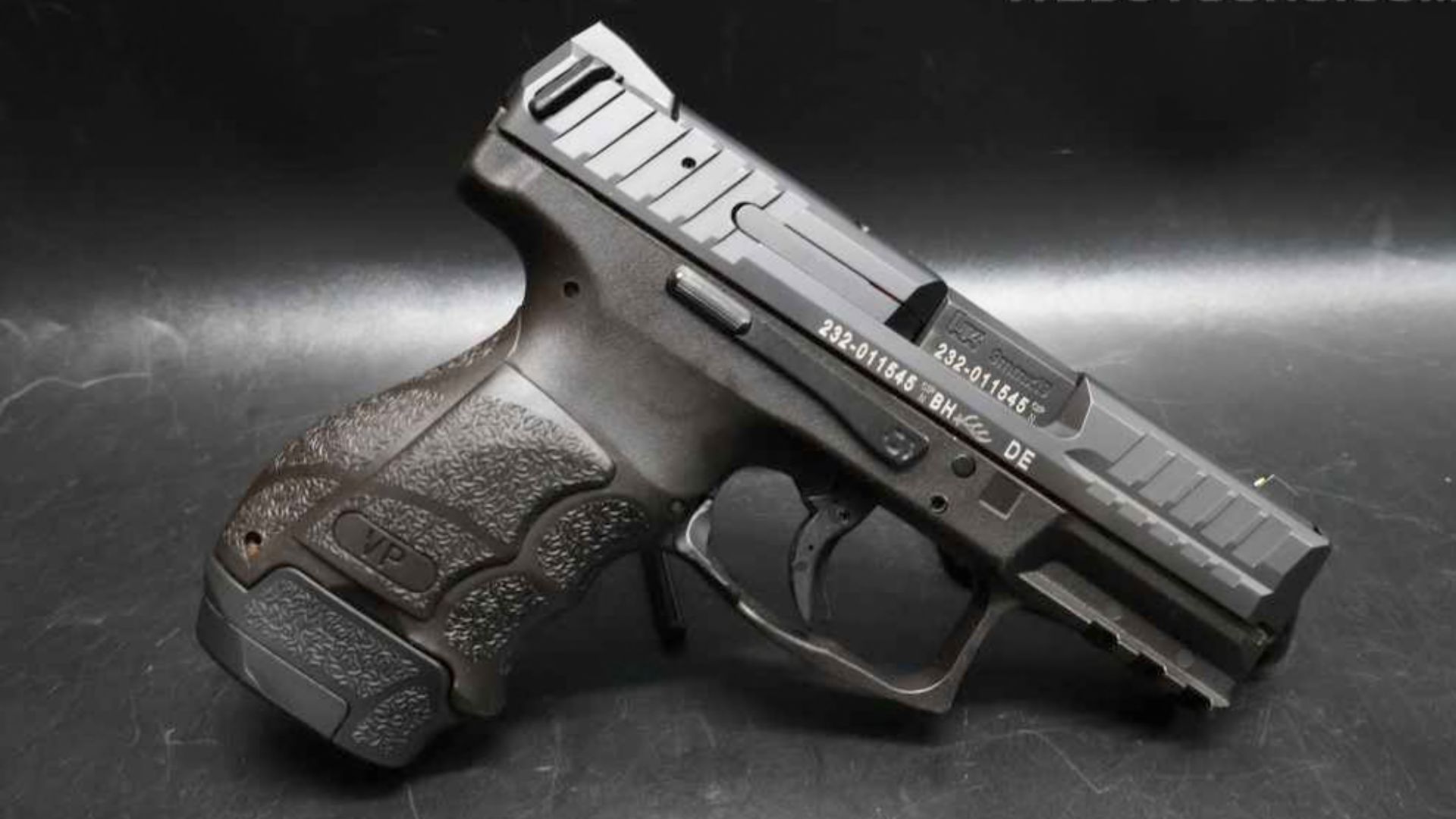
The VP9 often sells itself on the HK name plus comfort in the hand. People pick it up, it feels good, and the brand adds confidence. That combination makes many buyers stop shopping right there. HK has earned trust over decades, and the VP9 rides that reputation hard.
The VP9 is a good shooter for many people, but it’s also a modern striker pistol in a crowded field. In practical terms, there are plenty of options that do the same job for less money, or fit different hands better. The brand doesn’t change the basics: you still need to test your magazines, your ammo, and your carry setup. If the VP9 fits you and you shoot it well, it’s a strong pick. The key is buying it because it runs well for you, not because HK feels like an automatic upgrade.
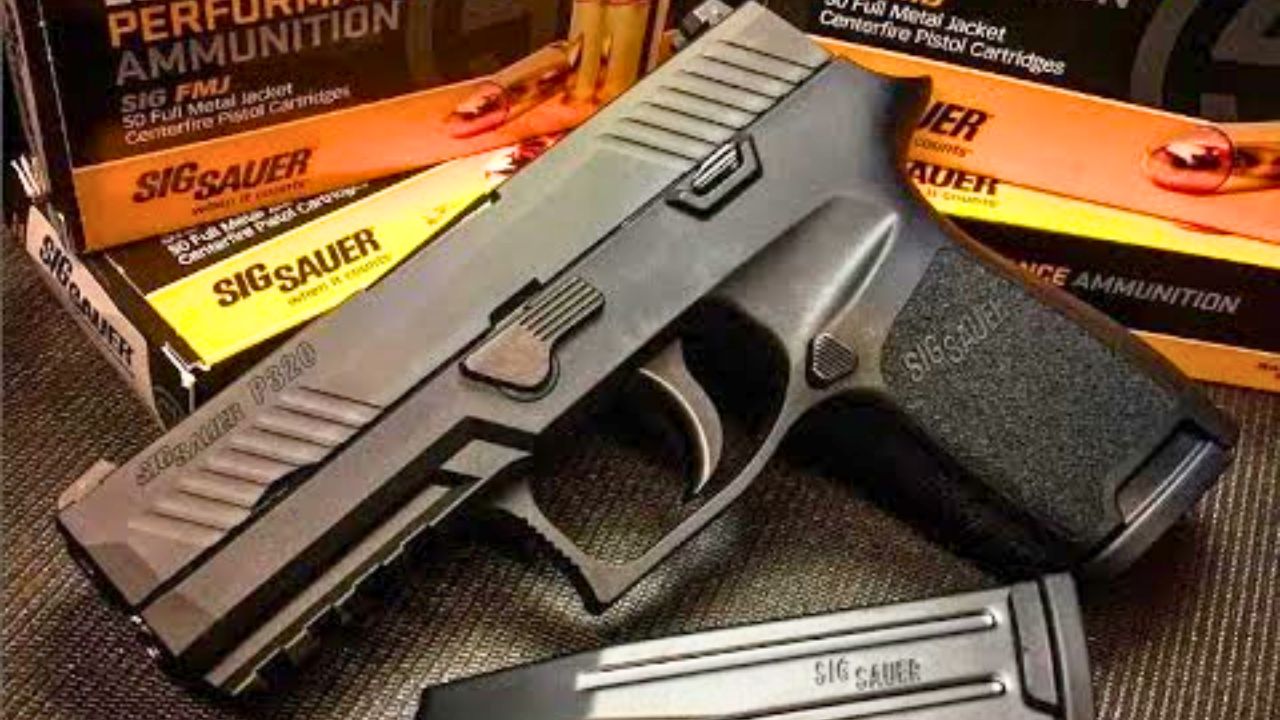
SIG Sauer P320 (including Legion models)

SIG has a way of making a pistol feel like the “professional” choice, and the P320 benefits from that brand gravity. The Legion badge in particular pushes people toward the idea that they’re getting something special, even if their use case is basic range time and a bedside gun.
The P320 can be a very capable platform, but the name doesn’t guarantee the best match for every shooter. A lot of people would be better served by focusing on grip fit, trigger feel, and the specific size that works for their carry or training goals. The Legion features can be genuinely useful, but they don’t matter if you aren’t doing the kind of shooting that benefits from them. Buying SIG can make sense. Buying SIG because it feels like a flex is where people often overpay.
SIG Sauer P226

The P226 carries a serious reputation, and the SIG name makes many buyers feel like they’re stepping into a higher class of pistol. The gun looks and feels substantial, and it has a long history that people respect. For a lot of shooters, the logo and the legacy do most of the convincing.
The P226 can be an excellent handgun, but it’s also heavier and more expensive than many modern alternatives that are easier to carry and easier to maintain. The DA/SA system rewards training, and the gun shines when you actually run it. Without practice, the benefits fade, and you’re left with a pricey pistol that mostly sits. If you want a P226, buy it because you like the metal-gun feel, you shoot DA/SA well, and you’re committed to the manual of arms—not because the name alone sounds elite.
Glock 19

Glock has become its own form of brand religion. Many buyers choose a Glock 19 without handling anything else because the name has been repeated so many times it feels like fact. In some circles, owning a Glock is treated like a rite of passage, and the logo becomes the decision.
The Glock 19 is popular for real reasons—reliability, support, and a practical size. Still, the brand pull can blind people to fit. The grip angle and trigger feel don’t work for every shooter, and some folks shoot other pistols better with less effort. A Glock is a safe choice, but it’s not the only smart choice. Buy it because it runs for you and you like how it carries and shoots. The market is too wide to buy anything on groupthink alone.
Beretta 92FS

The 92FS is another pistol that people buy because it feels iconic. The Beretta name, the military connection, and the recognizable profile make it a “must own” for many shooters. It’s a classic, and a lot of purchases are made on that classic appeal alone.
The 92FS can be a very smooth shooter, but it’s also a full-size pistol with a specific manual of arms. The grip is large, the controls are different than most modern striker guns, and it takes practice to run quickly. The brand and history don’t change those realities. If it fits your hands and you like a DA/SA system, it can be a great long-term companion. If you’re buying it purely because it looks cool and carries a famous name, it can end up as a safe queen instead of a trusted tool.
CZ Shadow 2

The Shadow 2 has a reputation that makes people open their wallets fast. CZ has earned a loyal following, and the Shadow name carries a “serious shooter” stamp. Many buyers pick one because they’ve heard it’s the competition answer, even when their actual shooting is casual range time.
The Shadow 2 can be outstanding, but it’s also specialized. It’s heavy, it’s built for performance, and it makes the most sense when you’re shooting often enough to benefit from the control and trigger quality. If you’re not training regularly, the advantages can be wasted, and the size and weight can make it a poor match for practical carry. Buying CZ can be smart. Buying a Shadow 2 because it’s the fashionable choice in a certain crowd can leave you with a pistol you admire more than you use.
FN 509
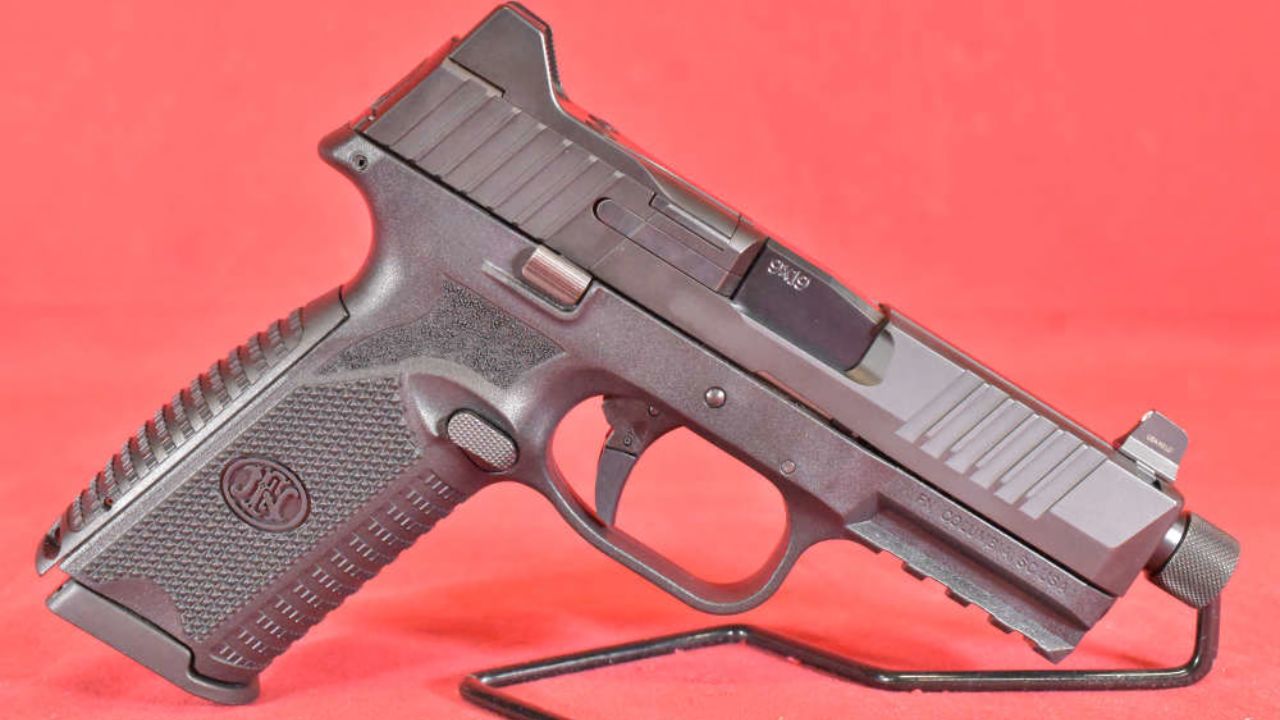
FN has a “duty-grade” reputation that sells pistols on name alone. The 509 often gets purchased because the brand feels like a step toward professional equipment. Many buyers assume the logo equals performance, and they skip the boring step of comparing how the gun actually fits their hands.
The 509 can be reliable and capable, but it still needs to match your preferences. Trigger feel, grip texture, and how the gun tracks in recoil matter more than the brand story. FN’s name doesn’t automatically make it shoot flatter or carry better for you. If you like the 509’s ergonomics and you run it well, it’s a solid option. If you’re buying it because FN “sounds tougher,” you’re letting branding do work that your range time should be doing.
Springfield 1911 (Loaded and TRP)

Springfield’s 1911 lineup pulls buyers who want a known name without paying for a boutique pistol. The branding suggests a step above entry level, and models like the Loaded and TRP carry a strong reputation in gun-shop conversations. Many shooters buy them because “Springfield 1911” sounds like a safe decision.
These pistols can be good, but the same rule applies: the 1911 platform is sensitive to magazines, extractors, and ammo selection. The brand doesn’t make that go away. The other trap is buying for the label and ignoring whether you actually want to live with a 1911 manual safety and maintenance routine. If you love the platform and plan to shoot it, Springfield can be a practical path. If you want a set-it-and-forget-it carry gun, the brand name won’t change the platform’s demands.
Wilson Combat (EDC X9 and 1911s)
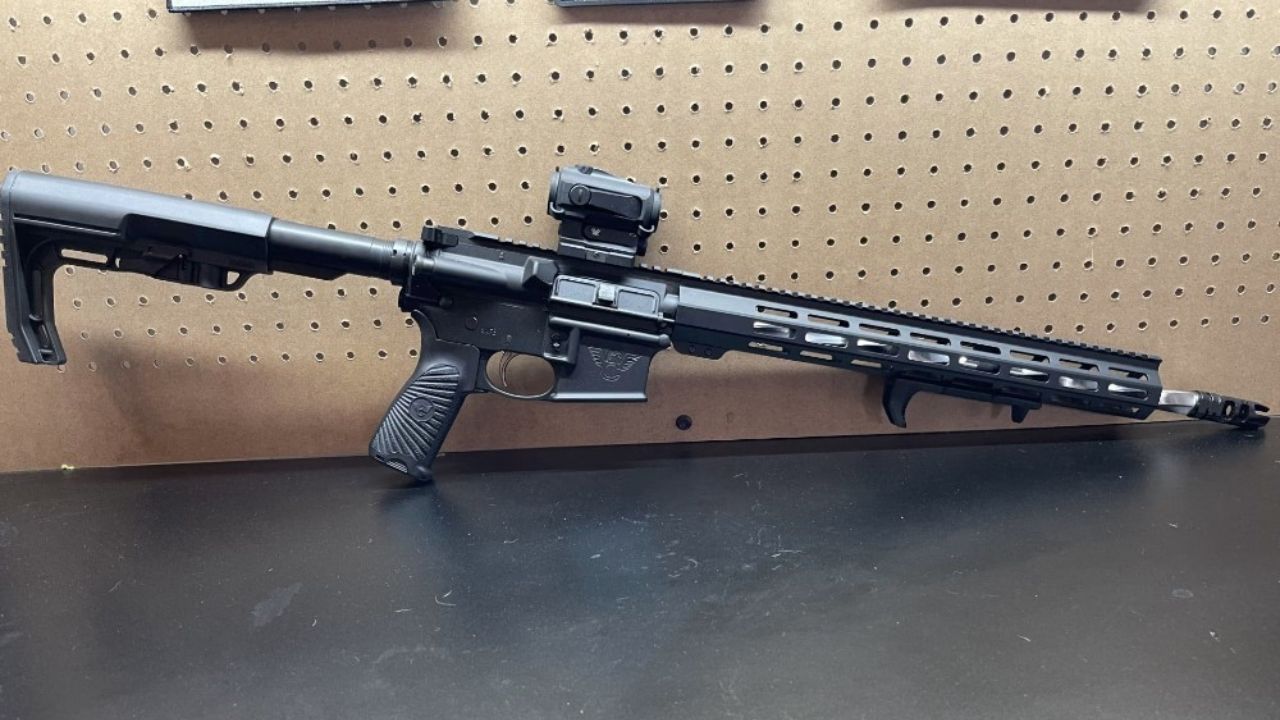
Wilson Combat is pure brand gravity. The name carries prestige, and many buyers want the pistol because it signals taste and seriousness. Even shooters who don’t train much can get pulled into owning a Wilson because the brand represents a certain level of refinement and status.
Wilson makes excellent guns, but it’s easy to confuse “top shelf” with “necessary.” If your shooting is occasional, the performance difference may not show up in your hands the way it would for someone who trains constantly. The cost can also make you hesitant to actually run the gun hard, which defeats the purpose of owning a high-performance pistol. Buying a Wilson can be a dream purchase, and there’s nothing wrong with that. The key is honesty: you’re buying premium refinement and pride of ownership, not a guarantee of better results without practice.
Desert Eagle

The Desert Eagle is one of the clearest “brand buys” in handguns. Most people don’t purchase it for practical use. They buy it because it’s instantly recognizable, it has movie-star energy, and it carries that larger-than-life appeal that makes you grin when you open the case.
There’s nothing wrong with that kind of purchase, but it’s not a performance decision for most shooters. It’s large, heavy, expensive to feed, and not well-suited to the roles where most people want reliability and carry comfort. The brand and image do the work, and the gun becomes a range-day novelty. If you buy a Desert Eagle, it’s about having the experience and enjoying the spectacle. That’s a valid kind of fun, but it’s still a brand-driven purchase more than a needs-driven one.
Like The Avid Outdoorsman’s content? Subscribe to our newsletter so you never miss an article.
Here’s more from us: