Photo credit: Basin Sports/GunBroker
The Remington 1100 is one of those shotguns that almost gets trapped inside its own reputation. Most shooters know it as the soft-shooting classic semi-auto they saw in duck blinds, on skeet fields, or in old family gun cabinets, but that only covers part of the story. The Model 1100 was introduced in 1963 as a gas-operated 5-shot autoloading shotgun, and RemArms still lists it as being in production today. It was designed by Wayne Leek, and from the start it represented Remington’s move to improve on earlier gas-operated semi-auto designs rather than simply keep repeating them.
What makes the 1100 especially interesting is that it became much more than a hunting autoloader. Over time it turned into one of the best-known American semi-auto shotgun lines of the modern era, partly because it blended reliability, broad gauge offerings, and unusually friendly recoil. Even decades later, NRA coverage still uses the 1100 as a reference point when talking about recoil comfort in shotguns, which says a lot about how strong its reputation became.
1. It was introduced in 1963, not in some much later modern semi-auto boom

A lot of people mentally place the 1100 later than it really belongs because the gun still feels familiar and current. But RemArms’ firearm-history page says the Model 1100 was introduced in 1963, and the company’s broader “About Us” timeline marks that same year as the rifle’s debut.
That matters because it puts the 1100 right in the middle of a major transition period for American shotguns. This was not a late copy of an already mature semi-auto market. It was part of the generation that helped define what the modern gas-operated sporting shotgun would look like.
2. It was not Remington’s first gas auto-loader

The 1100 is famous enough that some shooters assume it was Remington’s first real attempt at a gas-operated semi-auto. It was not. RemArms’ history pages show that the Sportsman ’58 arrived in 1956 as Remington’s first gas-operated autoloading shotgun not using the old Browning-style recoiling action, and the Model 878 Automaster followed in 1959. The 1100 came after those guns, not before them.
That is a really useful little fact because it shows the 1100 was an evolution, not a first draft. Remington had already been working through the gas-gun idea for several years before the 1100 arrived and became the version everyone remembers.
3. Wayne Leek is the name most tied to the gun
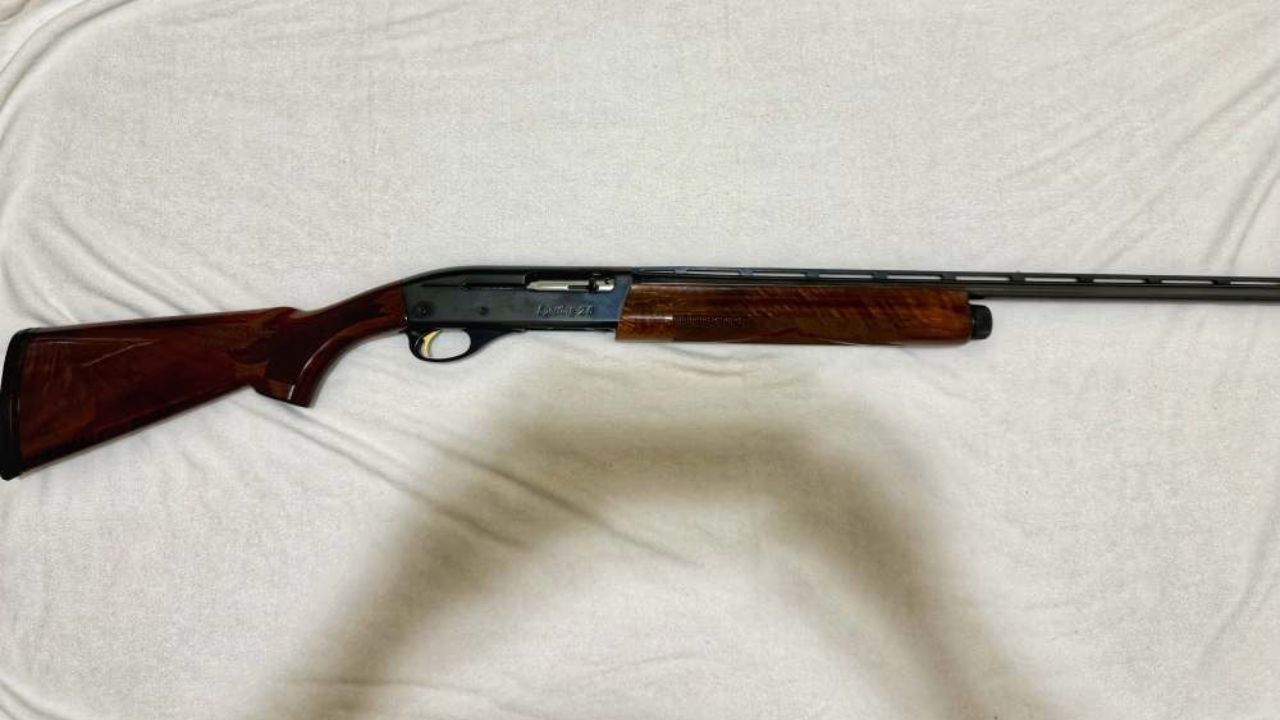
A lot of classic firearms get so big that the designer’s name fades behind the model number. RemArms specifically lists Wayne Leek as the designer and inventor of the Model 1100.
That matters because the 1100 became one of those American shotguns people talk about like it simply appeared as a permanent fixture. It did not. One designer’s work helped produce one of the most influential sporting semi-autos the country ever saw.
4. It was built as a gas-operated shotgun from the start, and that shaped everything about its feel

RemArms describes the 1100 very simply as a gas operated autoloading shotgun, and later Shooting Illustrated’s gas-vs.-inertia piece points back to the 1100 as one of the major benchmark gas guns after the Model 58.
That gas operation matters because it is a huge part of why the 1100 feels the way it does. The gun became famous not just for cycling shotshells, but for doing so in a way that took some of the edge off recoil and made it friendlier to shoot than a lot of harder-kicking alternatives.
5. It became famous partly because it shot softer than people expected

The 1100’s soft-shooting reputation is not just nostalgia. In NRA’s 2014 recoil-management piece, the Model 1100 was still being used as a meaningful reference point for comfort, with the writer noting it was more comfortable to shoot with 2¾-inch magnums than many people would expect.
That is a big reason the gun lasted. A shotgun can have all kinds of practical features, but if it beats shooters up, they remember that first. The 1100 built a lot of goodwill because it made repeated shooting more pleasant, and that matters a lot in clay games, bird hunting, and all-day use.
6. It launched in 12 gauge, but the line expanded quickly

RemArms’ firearm-history page says the Model 1100 began in 12 gauge in 1963, then added 20 gauge and 16 gauge in 1964, followed later by 28 gauge and .410 bore in 1969.
That tells you the 1100 was never meant to be only one all-purpose 12-gauge field gun. Remington clearly saw enough promise in the action that it expanded the line across a wide spread of sporting uses and shooter preferences.
7. The 1100 was part of a much longer Remington autoloading shotgun tradition
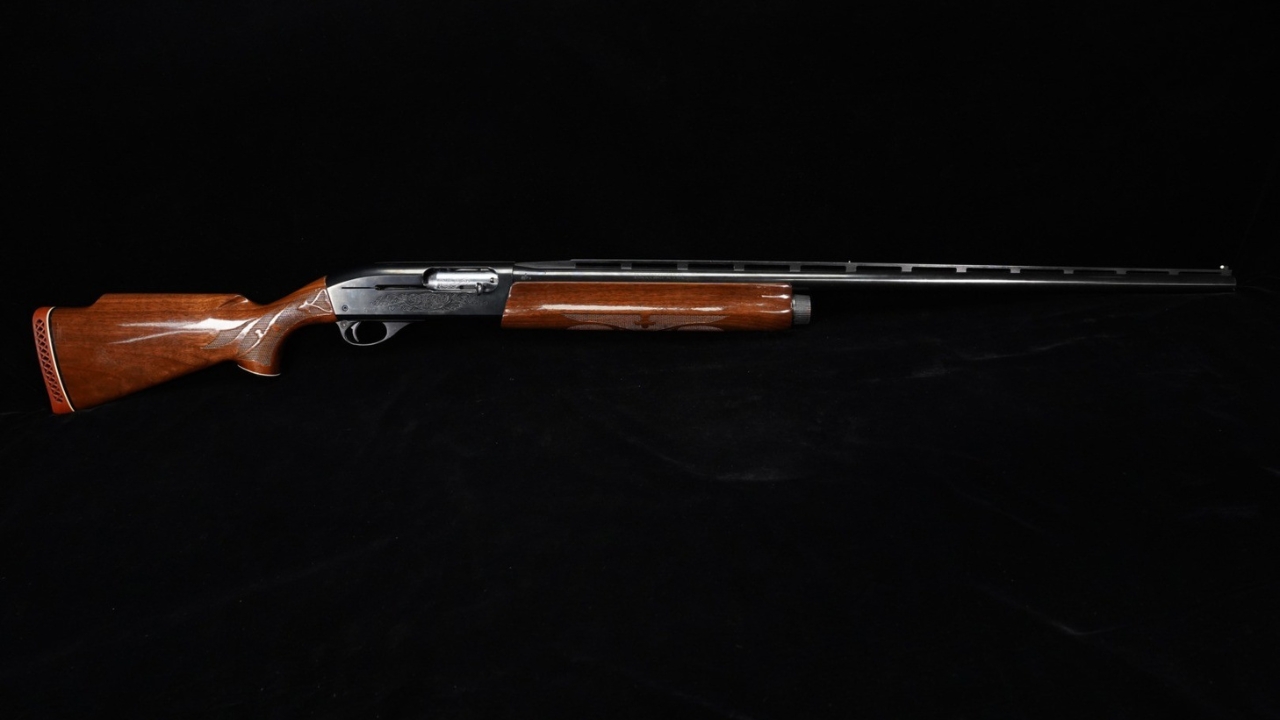
American Rifleman’s 2019 “Epic” overview of Remington autoloading shotguns says America’s oldest gunmaker had been building semi-auto shotguns for more than a century. The 1100 is a huge chapter in that story, but it is not the whole thing.
That matters because it helps place the 1100 in context. The gun did not come out of nowhere as a random one-hit semi-auto. It came from a company that had already been deep in autoloading shotgun development and was still refining those ideas long after the 1100 arrived.
8. The 1100 eventually got a “big brother” in the 11-87
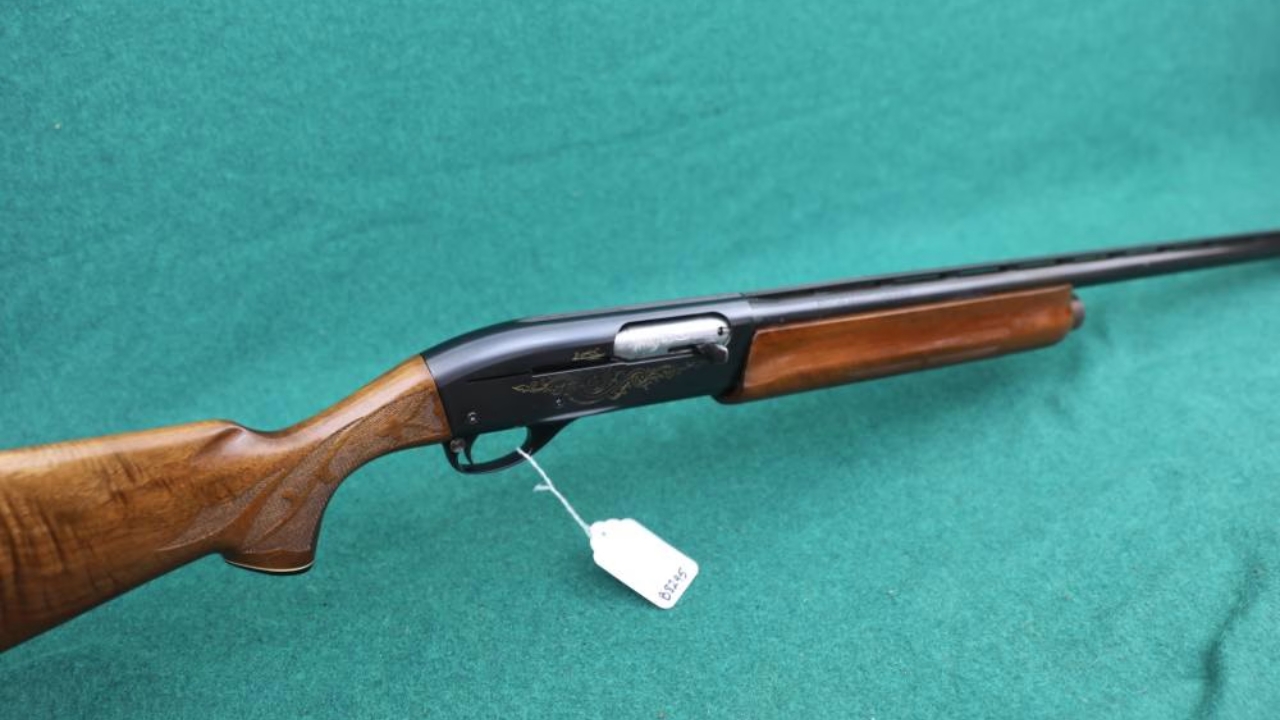
One easy way to understand the 1100’s importance is to look at what came after it. Shooting Illustrated’s 2010 review of the 11-87 SP-T Thumbhole says the 11-87 was introduced to serve as the Model 1100’s big brother.
That is a very revealing phrase. It shows the 1100 was already so established that the next major Remington semi-auto did not replace its identity so much as build around it. The 1100 had become the center of Remington’s modern gas-shotgun story.
9. The 1100’s reputation was strong enough that tactical variants later piggybacked on it
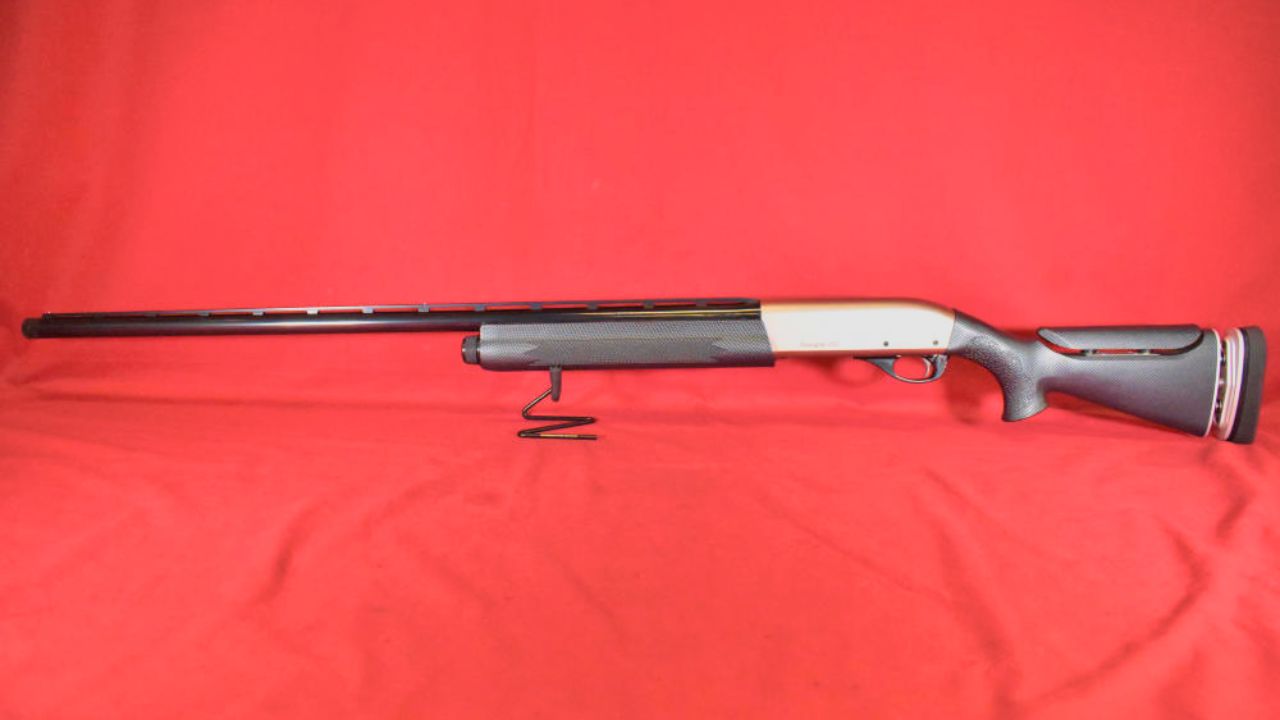
The 1100 is often remembered first as a field or clay gun, but later tactical and defensive variants were built off that same reputation. Shooting Illustrated’s “Action, Take Two” mentions the Remington 1100 Tac 4, calling it an eight-round version of a proven hunting gun.
That matters because it shows the 1100 line had enough trust behind it that Remington could stretch it beyond sporting use. The brand value of the platform was already there, and the company knew it.
10. It is still in production
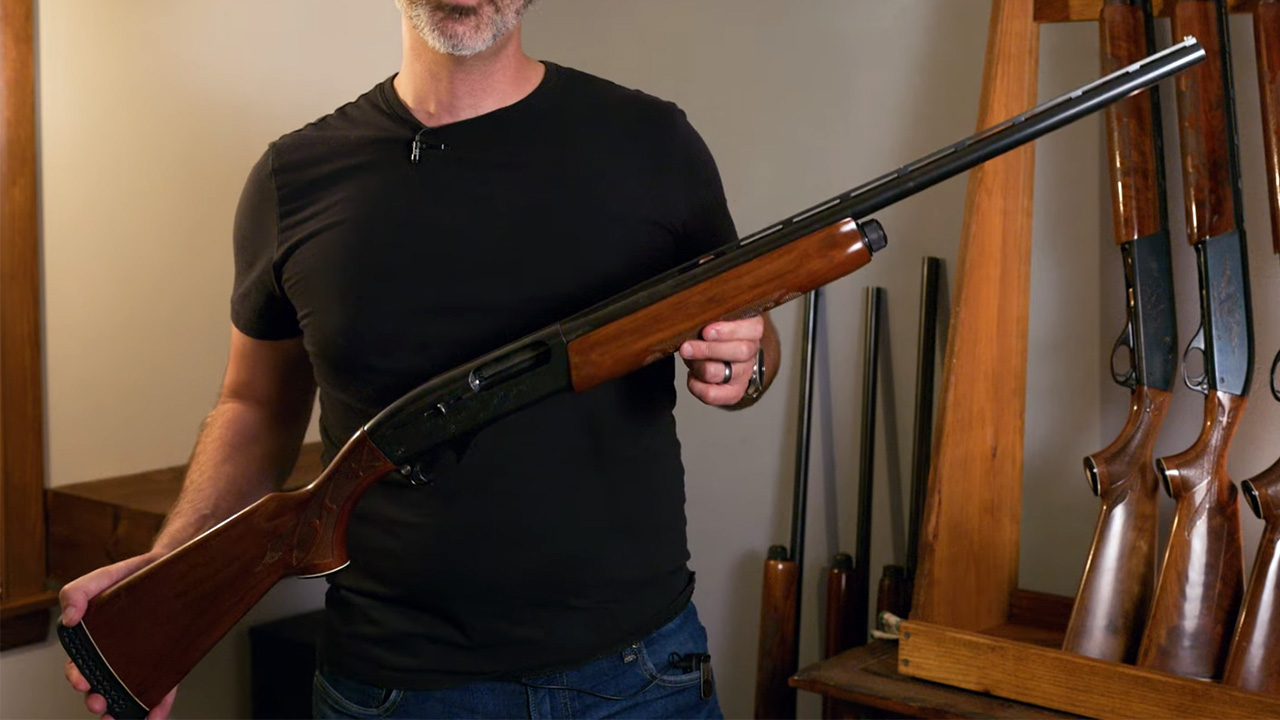
A lot of classic American shotguns survive mostly in used racks and collector circles. The 1100 is not just a memory piece. RemArms’ current firearm-history page lists its Year Discontinued as Currently in production.
That says a lot about the staying power of the design. Plenty of good shotguns come and go. The 1100 lasted long enough that Remington’s modern successor company still sees value in keeping the name alive.
11. The 1100 became one of the defining American gas guns
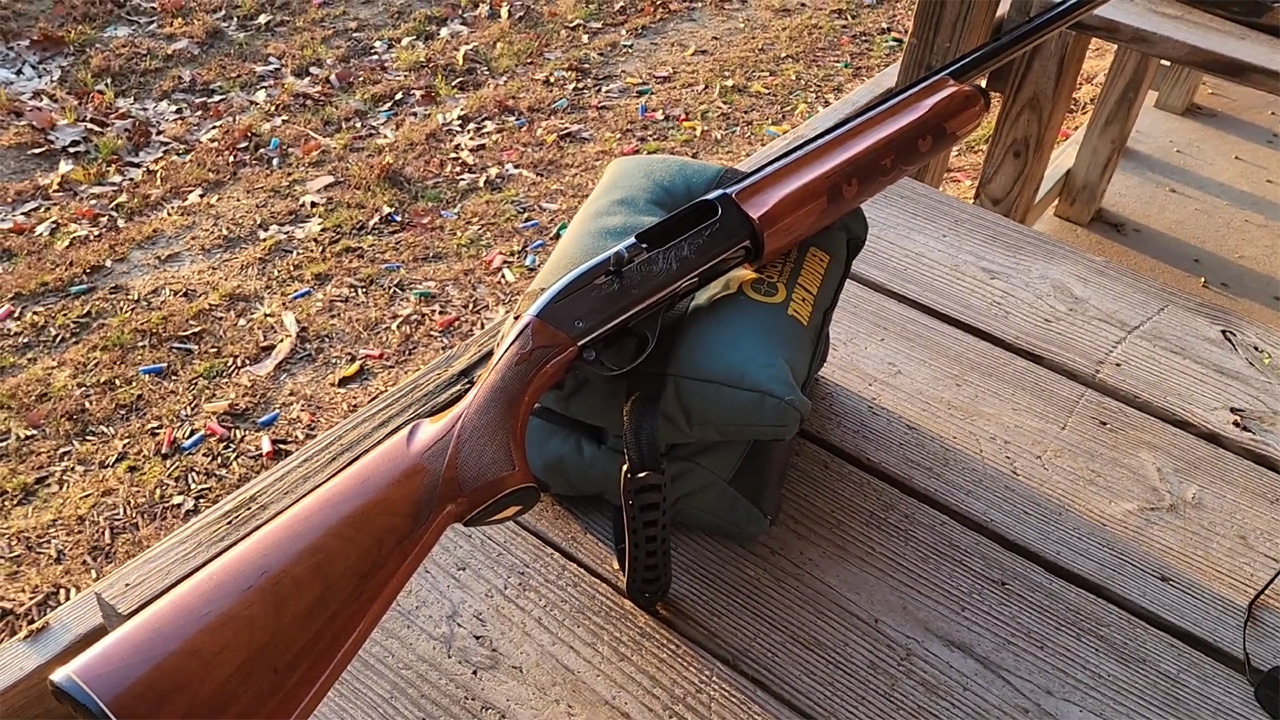
Shooting Illustrated’s 2024 gas-vs.-inertia article says that after the Model 58 was improved by the Model 1100 in 1963, there were “scores” of gas-action semi-automatics to follow. That wording is useful because it frames the 1100 as one of the early standard-bearers in the category rather than just another option in an already crowded field.
That matters because the 1100’s importance is not only about how many hunters owned one. It is also about how the shotgun helped define what people expected from a soft-shooting, gas-operated sporting semi-auto.
12. It is one of the “anniversary guns” Remington still leans on when celebrating itself
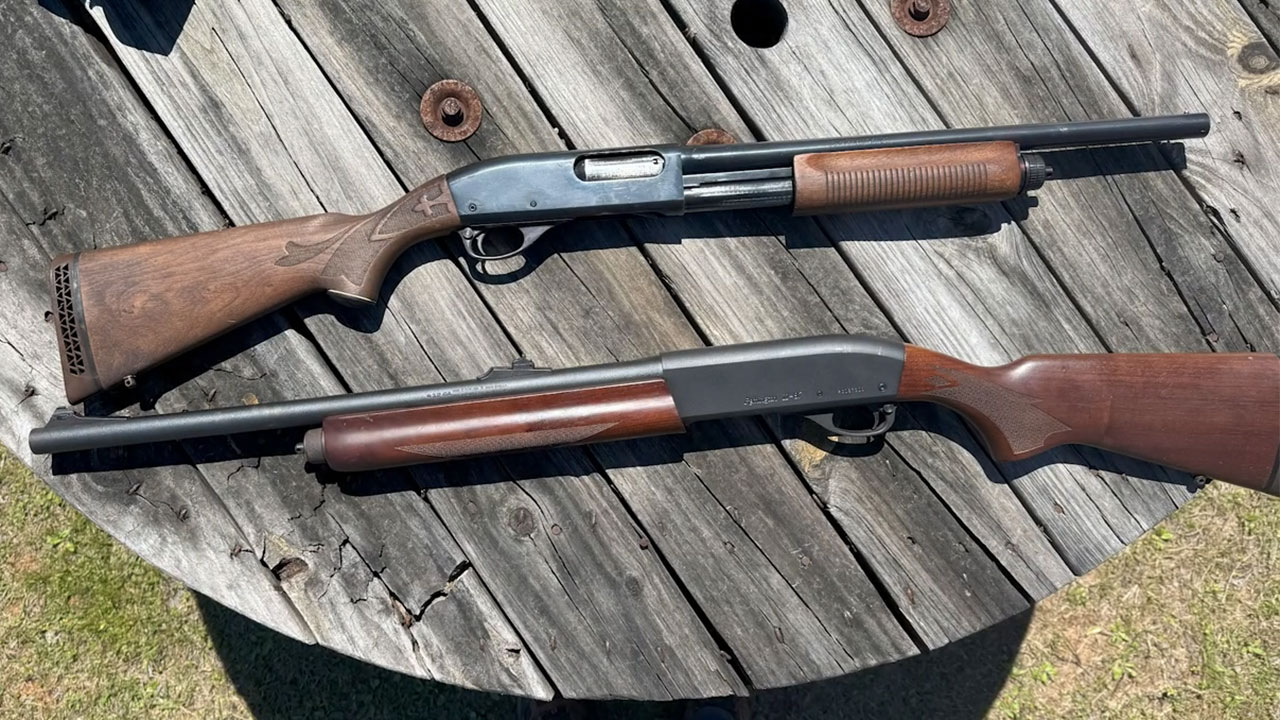
When a company decides which firearms best represent its legacy, that tells you what it thinks really mattered. Shooting Illustrated’s 2016 note on Remington’s 200th-anniversary sales campaign says the company’s anniversary line included the Model 1100 alongside the Model 700 and Model 870.
That matters because it shows the 1100 is not some side character in Remington history. It is one of the guns the company itself sees as central to its modern identity.
13. The gun’s biggest strength is also one of its maintenance realities
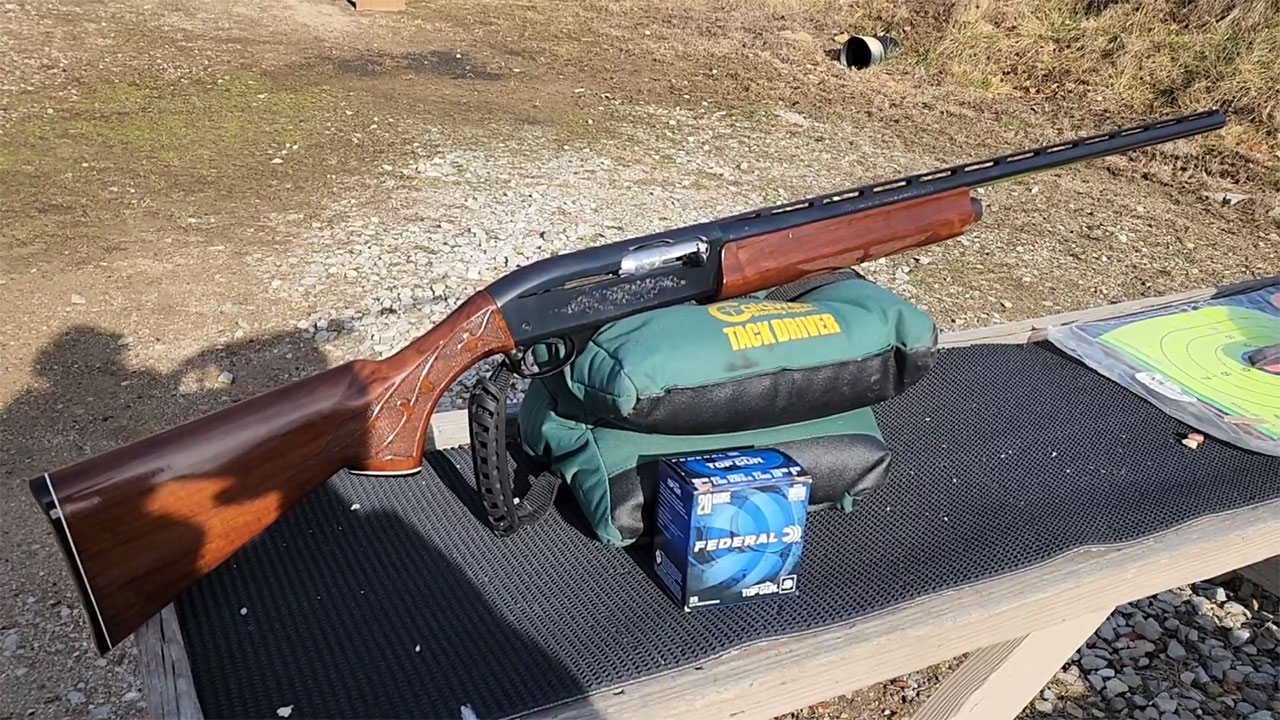
A soft-shooting gas gun usually gets that comfort by being more system-dependent than a pump. Shooting Illustrated’s 2012 “Dealing with Failure” piece says older 1100s can be picky about ammo in some cases and that items like gas rings or O-rings can wear out.
That is a useful truth because it helps explain the platform honestly. The 1100 earned its reputation for comfort and shootability, but like many gas guns, it also asks the owner to stay a little more aware of wear items and maintenance than a simpler pump might.
14. It is one of those rare shotguns that built strong credibility in both hunting and target worlds
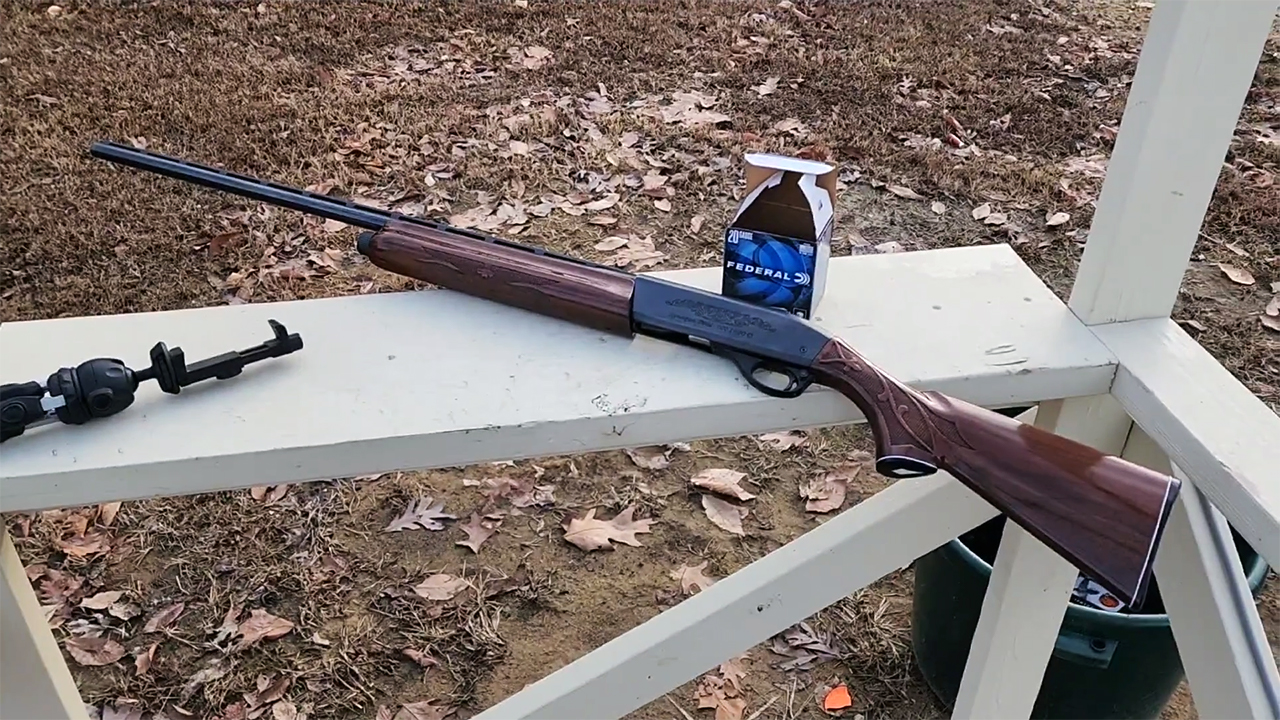
The 1100 is remembered very strongly as a wingshooting and field gun, but its soft recoil and smooth cycling also made it a very natural clay-target shotgun for ordinary shooters. American Rifleman’s 2019 “Epic” overview of Remington autoloaders repeatedly treats the company’s semi-autos as serious sporting guns across multiple roles, not just one.
That cross-over matters because it is a huge part of how the 1100 became so familiar. It was not locked into one little niche of the shotgun world. It lived comfortably in several of them.
15. The biggest surprise may be that the 1100 became a classic by being comfortable, not dramatic
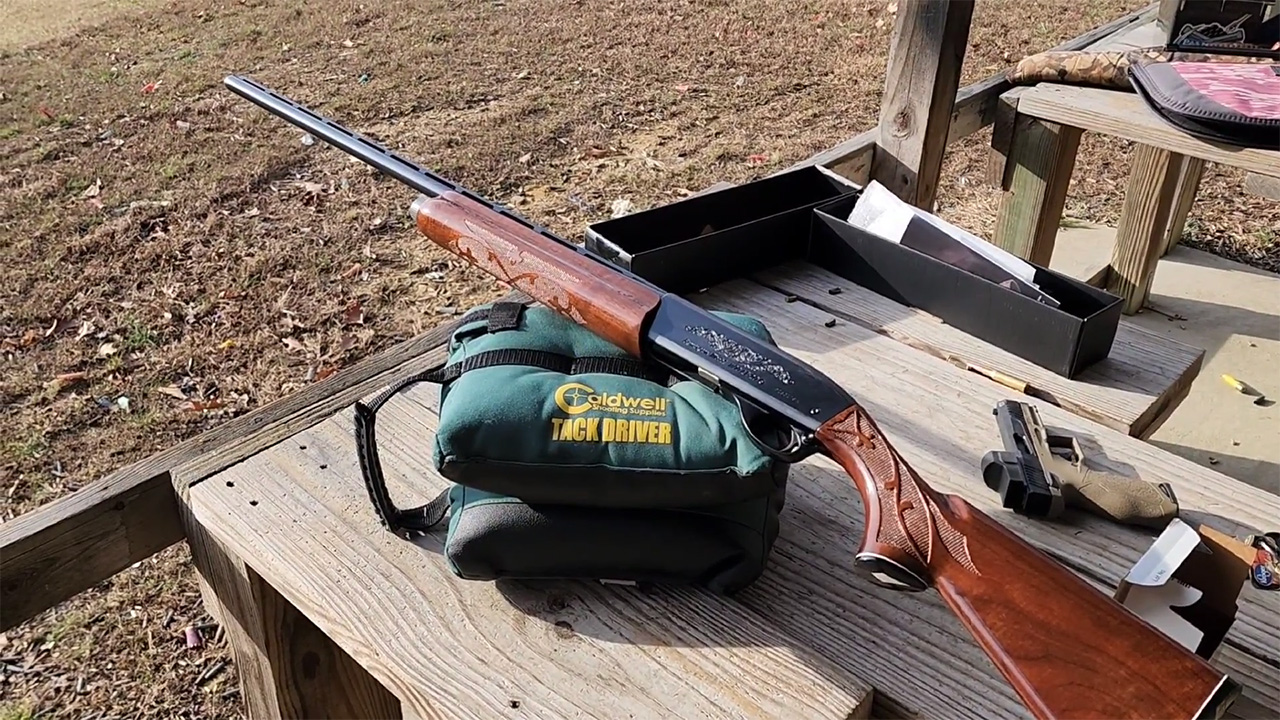
A lot of famous guns become famous because they were radical, first-of-their-kind, or visually unforgettable. The 1100 became famous in a quieter way. It built a long reputation around being pleasant to shoot, practical to use, and versatile enough to stay relevant for decades. RemArms still lists it as a current-production gun, and later NRA writing still treats it as a meaningful reference point for recoil comfort.
That may be the most surprising thing about the shotgun. The Remington 1100 did not become iconic by shouting. It became iconic by making a lot of shooters happy every time they pulled the trigger.
Like The Avid Outdoorsman’s content? Subscribe to our newsletter so you never miss an article.
Here’s more from us: