Photo credit: Texas Plinking/YouTube
Lever guns make people want to tinker, and I get it. They’ve got history, personality, and that “this should be simple” vibe that turns into a rabbit hole the moment you start shopping parts. The internet pushes the same upgrades over and over: big loop, big rail, big optic, big stock, big everything. The problem is most of the “first upgrades” are bought for looks or trend points, not because they make the rifle better for hunting or practical carry. Then the owner ends up with a lever gun that’s heavier, snaggy, awkward to shoulder, and somehow less enjoyable to shoot—exactly the opposite of what a lever gun should be.
The lever-action sweet spot is balance and speed. A good lever gun carries well, comes up quick, and points naturally. The upgrades people regret first are the ones that mess with those strengths. They add weight high on the rifle, create snag points, or change the way the gun recoils and cycles in your hands. And once you’ve spent the money, it’s hard to admit the rifle was better before you “improved” it. The fix is to be honest about what problem you’re actually solving. If the upgrade doesn’t solve a real problem you’ve personally experienced, it’s probably just shopping.
Big-loop levers
Big loops look cool and they have a place, but they’re one of the most common regrets because they change the feel of the gun in ways people don’t expect. They can slow cycling for some shooters, they can smack knuckles differently, and they often add bulk that catches on brush and pack straps. If you wear heavy gloves in deep cold, a modestly enlarged loop can make sense, but the giant loops people buy first are usually bought because they saw it in a photo. In real use, a lever that’s too big can feel sloppy and can cost you speed when you’re trying to run the rifle without thinking.
Heavy full-length rails and “tactical” furniture
The fastest way to ruin a lever gun’s balance is to hang a bunch of metal on top of it and call it an upgrade. Full-length rails and chunky fore-ends add weight where you feel it most, and they can turn a handy rifle into something that feels nose-heavy and awkward. The rifle might look “modern,” but the handling suffers, and lever guns live and die on handling. If you want an optic, you don’t need a skyscraper of rail to do it. A simple mount that keeps the optic low and the rifle trim usually works better in the field than a build that tries to turn a lever gun into a different platform.
Oversized optics and high mounts
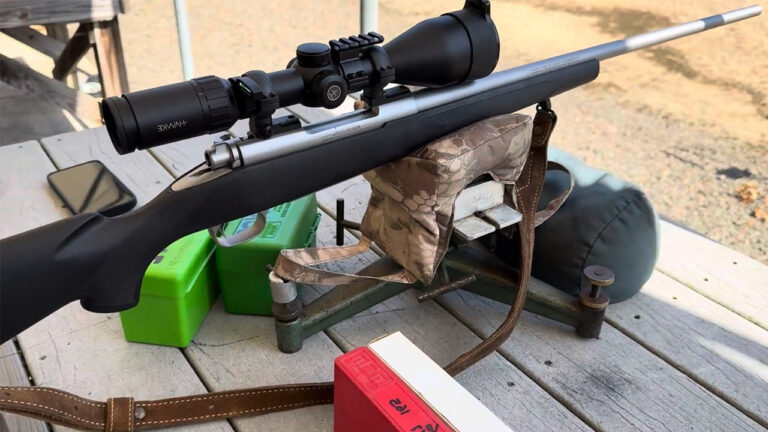
This is another regret that shows up fast once you actually carry the rifle all day. A big optic with a high mount can make cheek weld inconsistent, slow target acquisition, and add bulk that catches on everything. Lever guns already sit a little different than many bolt guns, and stacking a tall optic can push your head position into a place that feels forced. If you’re setting up a lever gun for hunting inside normal ranges, you’re often better served with a compact optic, a low mount, or even a simple sight system that stays fast in the woods. If you’re trying to keep it light and practical, a compact scope or a proven micro dot can make sense, but keep it low and keep it tight.
“Match” triggers and lightened springs for the wrong reasons
A smoother trigger can be great, but chasing an ultra-light pull on a hunting lever gun is a common regret when people realize they traded reliability and safe handling for a number. Some spring kits and trigger jobs can lead to light strikes or inconsistent ignition, especially if the rifle gets dirty, cold, or wet. Lever guns are working rifles; they should be safe to run with gloves, safe to carry with a round chambered if that’s how you hunt, and reliable when you’re not babying them. A clean, predictable trigger is good. A fragile trigger setup that acts weird in the cold is not.
The smart “upgrade” nobody brags about
The upgrades that actually improve lever guns are usually boring: a good sling setup that carries comfortably, sights you can see in real light, and a stock fit that puts your eye where it needs to be without craning your neck. If you want to add glass, keep it compact and rugged, and don’t turn the rifle into a science project. If your lever gun is a hunting tool, prioritize handling and reliability over trends. You’ll enjoy the rifle more, you’ll shoot it better, and you’ll stop buying parts just to learn the hard way that “upgraded” doesn’t always mean improved.
If you want to go the optic route on a lever gun and keep it practical, a compact, tough option is usually the move, and is the kind of simple glass that matches what lever guns do well without turning the rifle into a top-heavy mess. Keep the build honest, and you’ll end up with a lever gun you actually want to carry—not just a lever gun you want to post.
Like The Avid Outdoorsman’s content? Be sure to follow us.
Here’s more from us: