

Photo credit: SUNDAY GUNDAY/YouTube
A lot of guns get judged too early. They show up looking odd, feeling old-fashioned, priced strangely, or landing in a market that doesn’t yet know what to do with them. Shooters roll their eyes, pass them over, and act like anyone buying one is either behind the times or wasting money. Then years go by, supply gets tighter, the market shifts, nostalgia kicks in, and suddenly the same gun everybody mocked starts getting hunted down like buried treasure.
That’s usually how this story goes. The gun didn’t change nearly as much as the opinion around it did. These are the firearms people laughed at, ignored, or underestimated at first—then turned around and started chasing once the prices climbed, the supply dried up, or the culture finally caught up.
Marlin 1895 Guide Gun

The Marlin 1895 Guide Gun was once easy for some shooters to dismiss as a niche thumper for people trying too hard to look rugged. It was short, loud, chambered in a cartridge many people thought was more romantic than practical, and lived in that strange space between “cool” and “why would I actually need that?” For a while, that kept plenty of buyers on the sidelines.
Then lever-gun demand exploded, .45-70 stayed hot, and people started realizing the little Guide Gun had real field usefulness in thick cover and big-country backup roles. What once felt like a specialty rifle started looking like one of the smartest lever buys of its era. Now the same crowd that shrugged at them years ago often stares at the price tags in disbelief.
Glock 19
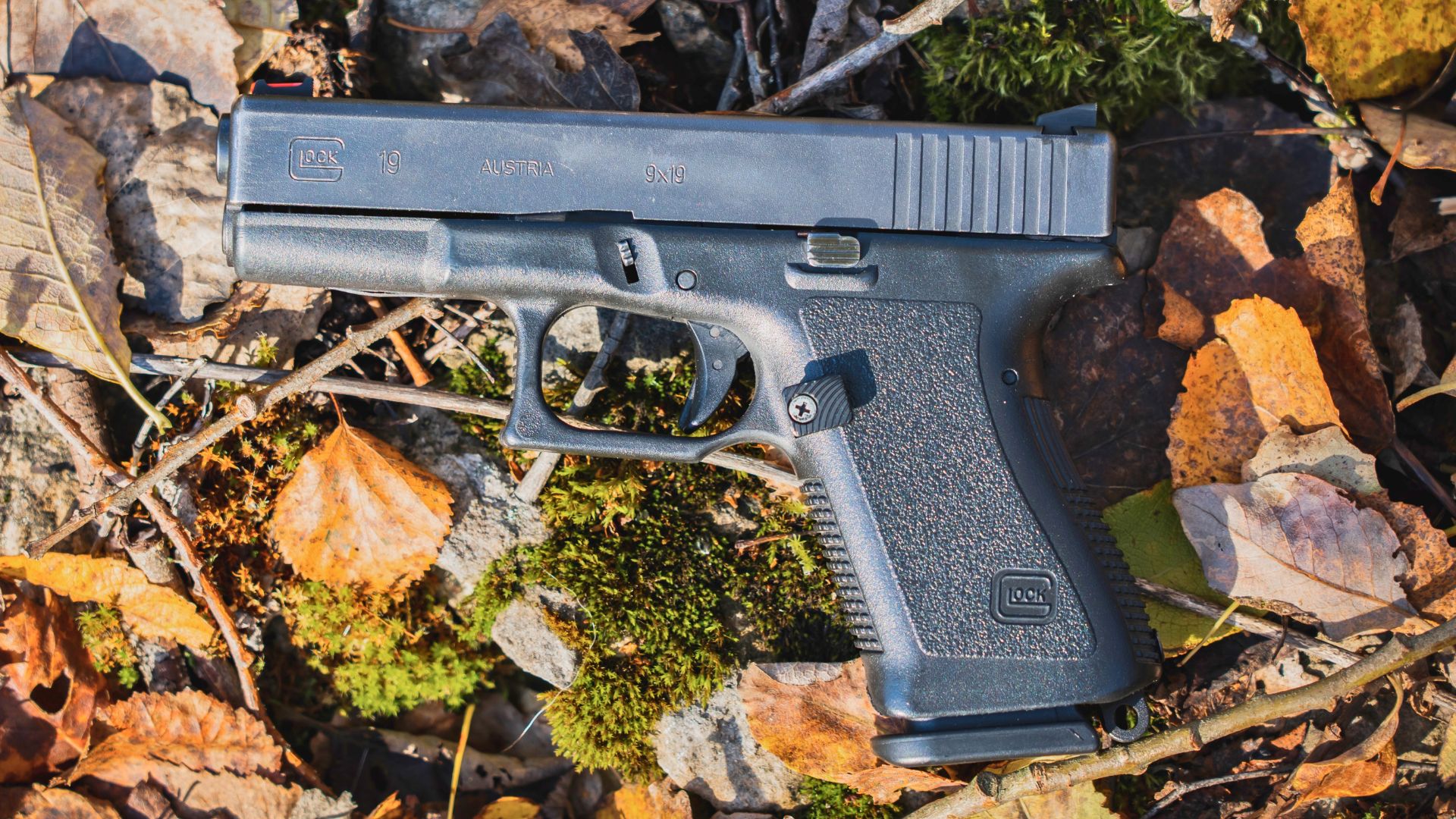
The Glock 19 got laughed at early by plenty of shooters who thought polymer pistols looked cheap, soulless, and unworthy of serious respect. To a lot of traditionalists, it looked like a temporary disruption, the sort of gun people would buy when they didn’t know any better. Steel-frame fans especially loved acting like Glocks were the fast-food version of handguns.
That didn’t age well. The Glock 19 kept doing everything people actually needed a pistol to do, and it did it with enough reliability that mockery slowly turned into reluctant respect and then straight-up imitation. It may not be rare, but it absolutely fits the theme. People laughed at the platform until it became one of the most copied and chased practical pistols in the world.
Ruger Mini-14

The Mini-14 spent years being laughed at from both directions. To some shooters it was an overpriced ranch rifle that wasn’t as modular as an AR and wasn’t as elegant as a classic sporting rifle. It sat in this awkward middle ground where people liked the idea of it more than they respected it. A lot of buyers treated it like a second-tier answer.
Then older variants started drying up, more people started craving something handy and traditional-looking, and the right Mini-14 configurations started getting much harder to find. Factory folders, GB rifles, and cleaner older examples especially made the whole platform look a lot smarter in hindsight. Now a lot of the same people who used to joke about them will overpay without blinking.
Winchester 9422

The Winchester 9422 got underestimated because it was “just” a rimfire lever gun in a market full of cheaper .22s and more glamorous centerfires. Plenty of buyers knew it was nice, but not enough of them felt urgency. It was easy to admire one, smile, and say maybe someday. That’s usually how the market teaches people expensive lessons later.
Once good examples got thinner on the ground, people stopped talking about the 9422 like a pleasant little plinker and started talking about it like a rifle they should have bought yesterday. Now it gets chased with a lot more hunger than it ever got attention back when it was sitting on racks at sane prices.
Colt Python

The Colt Python wasn’t always universally mocked, but there was definitely a long stretch where plenty of shooters rolled their eyes at the people paying up for one. To practical revolver users, it often looked like a vanity gun for Colt romantics who cared more about polish and name recognition than actual shooting value. There were lots of “you can buy a better shooter for less” conversations around Pythons.
Then the collector market turned into a furnace. Suddenly the same revolver people dismissed as overhyped became the revolver everybody wanted before prices climbed even further. Once that happened, the mockery got awfully quiet. The Python is now one of the cleanest examples of a revolver going from “you’re overpaying for a name” to “I can’t believe I didn’t buy one.”
SKS

The SKS may be the king of this whole category. People laughed at them for being cheap surplus rifles, ugly ducklings, and second-choice military leftovers. Shooters bought other rifles first, treated SKSs like something they could always grab later, and generally acted like they were permanent background inventory.
Then background inventory turned into nostalgia, import limits, and rising prices. Suddenly those once-laughed-at rifles became the guns everybody wished they had stacked deep when they were cheap. The SKS didn’t get prettier. It didn’t get cooler. It just got scarcer while people finally admitted it had been a solid, useful rifle all along.
Browning Hi-Power

The Hi-Power spent years in the shadow of more modern service pistols, especially once polymer dominance took over. Plenty of shooters respected the history but still laughed off the idea of paying meaningful money for “an old steel 9mm” when newer pistols offered more capacity, less weight, and simpler maintenance. It was admired more than urgently wanted.
Then production ended, older Belgian guns started drying up, and more people began missing the exact things they once used to dismiss. Now clean Hi-Powers get chased with an intensity that would have looked ridiculous to buyers who once walked past them for something more current. That kind of reversal happens fast when the market realizes it took a classic for granted.
Ruger No. 1

The Ruger No. 1 got laughed at by practical-minded hunters who saw it as a beautiful solution to a problem nobody had. A single-shot hunting rifle in a market full of reliable repeaters sounded like a rich man’s affectation or a rifle bought more for fantasy than field use. A lot of people admired the lines while quietly deciding they would never actually spend the money.
Then the years passed, nice examples got harder to find, and the people who used to sneer at the concept started sounding a lot more interested. Desirable chamberings, strong wood, and collector-grade condition turned the rifle into exactly the sort of “someday” gun that got much more expensive once someday finally arrived.
Smith & Wesson 3rd Generation Autos

For a long time, Smith & Wesson’s 3rd Generation pistols were easy targets for people who saw them as bulky old police guns from a dead era. They weren’t as sleek as the old-school classics, and they weren’t as modern-looking as the polymer wave that followed them. Plenty of shooters treated them like obsolete duty leftovers with no real collector future.
Then the market softened toward metal-frame autos, and suddenly the same old 5906s, 4506s, and 3913s started looking much more appealing. What people once mocked as overbuilt and unfashionable started getting recognized as durable, shootable, and increasingly hard to replace. That is exactly how yesterday’s trade-in becomes today’s hunt.
Marlin 39A

The Marlin 39A was easy to underestimate because rimfire rifles often get treated casually. People knew it was good, but they didn’t act like it was urgent. It lived in that dangerous category of “nice old .22” where buyers assume there will always be another one later and probably for about the same price.
That assumption didn’t hold. Once more shooters started appreciating how well-made and useful the 39A really was, the prices stopped feeling like rimfire prices and started feeling like collector prices. Now the same people who once shrugged at them usually react very differently when a clean one surfaces.
Glock 43X

The Glock 43X got laughed at early by people who saw it as another “almost there” Glock—too thin for full-size performance, too large for true pocket concealment, and too close to other carry guns to feel groundbreaking. Plenty of shooters acted like it was another incremental release for brand loyalists who buy anything with a Glock logo.
Then the gun kept showing up in holsters, on range belts, and in carry conversations for one simple reason: it worked for a lot of people. Add broad aftermarket support and the rise of the MOS models, and suddenly the 43X became less of a punchline and more of a default answer. It’s a newer example, but it fits the pattern perfectly.
Swiss K31

The Swiss K31 used to be the sort of surplus rifle people praised academically while still not hurrying to buy one. Plenty of shooters knew it was accurate and well made, but a lot of them still saw it as a quirky straight-pull oddball that could wait. It didn’t have the same romantic profile as the more famous military rifles, and that kept urgency low.
Then prices jumped, supply dried up, and people realized those once-cheap precision-minded surplus rifles were not going to keep showing up forever. Now buyers chase them much harder, usually while sounding mildly angry at themselves for not acting when the rifles were still sitting there looking too easy to ignore.
Beretta 84 Cheetah

The Beretta 84 Cheetah was often laughed off by people who saw it as a stylish but unnecessary .380 from another era. To practical shooters, it looked like a nice little pistol that made less and less sense in a market full of cheaper, lighter, and more modern carry guns. That kept it from becoming urgent for a long time.
Then older metal-frame pistols started getting appreciated again, and the Cheetah’s quality, feel, and looks became much more expensive virtues. What once seemed like a pistol you could always circle back for later turned into one people now snatch up much faster, especially if it’s clean and complete.
Savage 99

The Savage 99 got laughed at by plenty of buyers who thought it was an old deer rifle for old men who liked talking about rotary magazines more than they liked shooting. It had loyal fans, sure, but it was also very easy for the broader market to treat it like a neat old relic without enough urgency to justify buying one right now.
That changed once more collectors and hunters started realizing how many variations existed, how few truly nice examples remained, and how much mechanical charm the rifle still carried. Now those once-underestimated deer rifles get hunted down much more aggressively, especially in strong condition or desirable chamberings.
Colt Woodsman

The Colt Woodsman spent years living as “just” an elegant old rimfire in the minds of too many buyers. They respected it, but not with their wallets. It was the kind of pistol people assumed they could always get around to someday, especially since rimfires rarely create the same panic that centerfire classics do.
Then the market finally noticed what Colt collectors and quality rimfire fans had known all along. Clean Woodsmans became harder to source, prices stiffened, and the same pistol that once sat quietly in the background became something people suddenly chased with much more seriousness. That’s usually what happens when the market realizes too late that “underrated” and “underpriced” were never the same thing.
Like The Avid Outdoorsman’s content? Subscribe to our newsletter so you never miss an article.
Here’s more from us:


