Photo credit: whitemoose/GunBroker
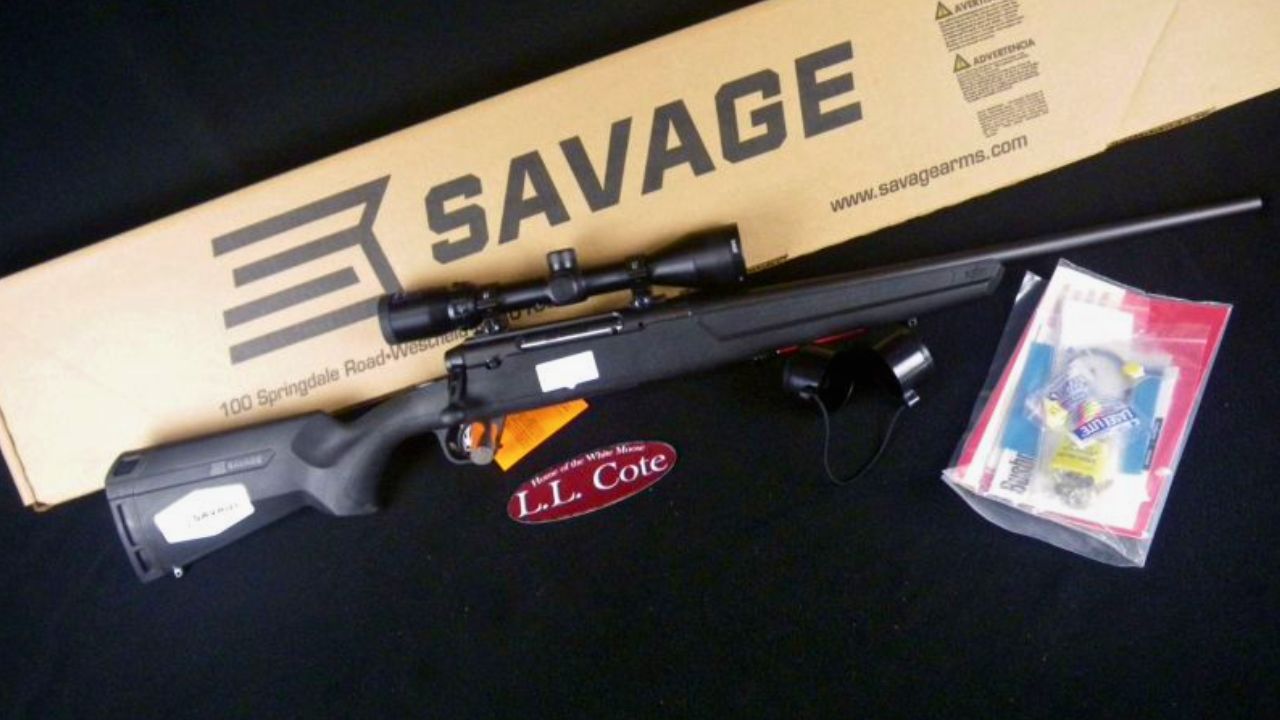
The Savage Axis has earned its spot as one of the most common budget bolt-action rifles on the rack. It is affordable, easy to find, chambered in plenty of useful hunting cartridges, and accurate enough to surprise a lot of people who expect cheap rifles to shoot cheap. For a basic deer rifle, truck rifle, or first bolt-action, it makes sense why so many hunters end up with one.
That said, the Axis is still a budget rifle. It was built to hit a price point, and that shows up in some of the complaints owners run into after real use. Most of the problems are not catastrophic. They are usually feeding issues, stiff bolt movement, magazine trouble, extraction complaints, or accuracy problems tied to setup and ammo. The rifle can absolutely do its job, but these are the malfunctions and rough spots Savage Axis owners are most likely to notice.
Feeding Problems From the Detachable Magazine
One of the most common complaints with the Savage Axis is feeding trouble from the detachable box magazine. The rifle may pick up the round at a bad angle, hesitate as the bullet nose enters the chamber, or require more force than expected to get the round to feed smoothly. This can be especially annoying when you are trying to make a follow-up shot in the field and the bolt does not glide forward the way you expected.
A lot of this comes down to the magazine design and how the rounds sit inside it. If the magazine is not seated firmly, if the feed lips are slightly off, or if the cartridge stack is not presenting the top round cleanly, the rifle can feel clunky. Some Axis rifles feed certain bullet shapes better than others, too. Pointed hunting loads may run fine while shorter, flatter, or heavier bullets feel rough. It is one of those problems that may not show up on the bench until you load and cycle the rifle the way you would during an actual hunt.
Magazine Seating Issues
The Savage Axis magazine can also be a weak spot because it needs to lock into place correctly every time. Some owners notice that the magazine feels cheap, loose, or awkward compared to higher-end rifles. If it does not seat fully, the bolt may ride over the top round or fail to pick it up at all. That can make the rifle act like it is empty even when there are rounds sitting in the magazine.
This is one of the first things to check if an Axis starts having feeding problems. The magazine should click in firmly and sit where it belongs without rocking around excessively. Dirt, debris, worn tabs, or damage to the magazine body can make the problem worse. It is also easy to bump or half-seat a magazine in a hurry, especially with gloves on. For a hunting rifle, that matters because the problem may not show itself until the moment you are trying to chamber a round under pressure.
Stiff or Rough Bolt Operation
A rough bolt is another common complaint with the Savage Axis, especially compared to nicer bolt-action rifles. Some Axis rifles feel gritty or stiff when they are new, and the bolt lift can feel heavier than expected after firing. It does not usually mean the rifle is unsafe or broken, but it can make the gun feel cheaper than it shoots. When you are working the bolt from the shoulder, that roughness becomes more noticeable.
Part of this is simply the nature of the rifle. The Axis was not built with the same polish and machining feel as a higher-end hunting rifle. Some rifles smooth out with use, cleaning, and proper lubrication, while others always feel a little rough. The problem gets worse if the rifle is dirty, dry, or has brass shavings and grit around the bolt body or locking lug area. For hunters who only shoot a few rounds before season and then carry the rifle in dust, rain, or cold weather, that rough bolt can become more than a comfort complaint.
Failure to Extract Spent Cases
Some Savage Axis owners report extraction issues, where the rifle fires normally but does not pull the spent case out of the chamber cleanly. This can show up as a sticky case, a case that slips off the extractor, or a bolt that takes more effort than expected to open after firing. It is not the most common Axis problem, but it is one worth taking seriously because a rifle that will not extract reliably is not much help in the field.
Extraction problems can come from several places. A dirty chamber, rough chamber, hot ammunition, damaged brass, or a weak extractor can all cause trouble. Cheap ammo can make the issue look worse, especially if the brass expands hard or is not as consistent. If the same rifle extracts some loads fine but struggles with others, ammo is probably part of the story. If it struggles with everything, the extractor, chamber condition, or overall fit may need attention from a qualified gunsmith.
Failure to Eject Cleanly
Failure to eject is a little different from failure to extract. In this case, the rifle may pull the fired case out of the chamber, but the case does not kick clear of the action the way it should. It may dribble out weakly, stay loose in the receiver, or get in the way when you try to cycle the next round. On a bench, this is annoying. In the woods, it can slow down a follow-up shot when seconds matter.
This can happen when the bolt is worked too gently, but it can also point to a weak or dirty ejector system. Some bolt guns need a firm, full-length bolt stroke to eject cases with authority, and the Axis is no different. Short-stroking the bolt or babying it can make the rifle look like it has a mechanical problem when it really needs to be run harder. Still, if ejection stays weak even with a sharp bolt stroke and different ammo, the ejector and bolt face should be checked.
Light Primer Strikes
Light primer strikes are not the first thing most people associate with the Savage Axis, but they do come up from time to time. The shooter pulls the trigger, the firing pin hits the primer, but the cartridge does not fire. When the round is removed, the primer may show a shallow dent. This can be frustrating because it makes the rifle feel unreliable, even if it only happens once or twice.
There are a few possible causes. Some ammunition has harder primers than others, and cold weather can make marginal ignition problems more noticeable. A dirty bolt assembly, old grease, weak spring, or firing pin issue can also be involved. This is not something to ignore if it repeats. A hunting rifle needs to fire when the trigger breaks, especially if it is being trusted on a once-a-season shot. If different ammo does not solve it, the bolt and firing pin assembly deserve a closer look.
Accuracy Problems From Scope Mounts
A lot of “Savage Axis accuracy problems” are not really barrel problems at all. They come from loose scope bases, bad rings, poor scope mounting, or cheap optics that cannot hold zero. The Axis has a reputation for being capable of good accuracy for the money, so when one starts throwing shots all over the target, the scope setup should be one of the first places to look.
This is especially true because many Axis rifles are sold as package guns with a factory-mounted optic. Those packages are convenient, but the scope and mounts are usually built to keep the overall price low. If the rifle groups poorly, shifts impact, or suddenly starts shooting worse than it did before, check every screw before blaming the rifle. A loose base screw can make a good rifle look terrible. The action screws should also be checked, because inconsistent tension can affect how the rifle sits in the stock.
Stock Flex and Point-of-Impact Shifts
The factory Savage Axis stock is another common complaint. It is lightweight and functional, but it can feel flimsy compared to better hunting stocks. Some shooters notice flex in the fore-end, especially when using a bipod, shooting from bags, or putting pressure on the front of the stock. If the stock contacts the barrel differently from shot to shot, point of impact can shift.
This is not always a true malfunction, but it can feel like one when the rifle will not group consistently. A rifle may shoot well from one rest and poorly from another because the stock is being loaded differently. Hunters may also notice a change when shooting from a field position compared to the bench. The Axis can still be plenty accurate, but the stock is one of the places where the budget build shows. Consistent shooting pressure and a solid setup help, but some owners eventually upgrade the stock to get a more stable platform.
Trigger Complaints That Affect Practical Accuracy
The trigger on the Savage Axis depends heavily on the version. Some models come with the AccuTrigger, while others use a more basic factory trigger. The non-AccuTrigger versions are often criticized for being heavy, stiff, or less clean than shooters expect. That may not stop the rifle from firing, but it can absolutely affect how well the average hunter shoots it.
A heavy or rough trigger makes it easier to pull shots, especially from field positions. That can lead people to think the rifle is inaccurate when the real problem is how much effort it takes to break the shot cleanly. The AccuTrigger models are usually better in this department, which is one reason many buyers prefer the Axis II over the original Axis. A usable trigger matters on any rifle, but it matters even more on a lightweight budget rifle where every bit of shooter input shows up on target.
Ammo Sensitivity
The Savage Axis can be surprisingly accurate, but it can also be picky about ammunition. One rifle may shoot a certain hunting load beautifully while another throws the same load into wide groups. That is normal with rifles, but it is worth mentioning because many Axis owners buy the rifle expecting cheap ammo and cheap gear to produce great results right away. Sometimes it does. Sometimes it does not.
Ammo sensitivity is not really a malfunction, but it can look like one when the rifle refuses to group. Bullet weight, bullet shape, velocity, and cartridge quality all matter. A .308 Axis may like one 150-grain load and dislike another. A 6.5 Creedmoor Axis may group well with match-style loads but open up with bargain hunting ammo. Before writing the rifle off, it is worth testing a few loads from a steady rest with the scope and action screws checked. Many Axis rifles shoot well once they find the ammo they like.
Like The Avid Outdoorsman’s content? Be sure to follow us.
Here’s more from us: