

Photo credit: The Duluwa🇳🇵/Pexels.com
Every hunting camp has its rhythm. When things run right, everybody knows their lane. Someone’s tending the fire, someone’s working on supper, someone’s checking gear for the morning, and the rest of the crew is pulling their weight without turning every small task into a discussion. That kind of camp feels smooth. People get their work done, laugh a little, and the place settles into a rhythm that makes the trip better for everyone.
Then there are the camps that feel more like somebody accidentally invited a group of unsupervised kids with large coolers and strong opinions. Nobody’s doing what they said they’d do, small jobs pile up, gear gets scattered everywhere, and grown men start acting like they’re waiting for a camp counselor to organize their evening. It doesn’t take many habits like that before a hunting camp starts feeling less like a crew of outdoorsmen and more like recess with knives and trucks.
Nobody Can Remember What They Were Supposed To Bring

A good camp usually starts before anyone even leaves the driveway. People divide up the basics—ice, coffee, propane, paper towels, food, lanterns, maybe a few tools—and everybody shows up ready to pull their part of the load. The second that system falls apart, the whole place starts wobbling. Suddenly three guys brought snacks, nobody brought coffee filters, and someone forgot the thing that half the meals depended on.
That kind of forgetfulness spreads fast. Now people are borrowing, improvising, and running into town when they should be settling into camp. It’s not a disaster, but it sets the tone for the rest of the trip. A camp where nobody can remember the simple stuff starts feeling less like a group of prepared hunters and more like a bunch of guys hoping someone else handled the grown-up details.
Everyone’s Cooler Is a Mystery

Coolers are supposed to simplify camp life. Meat goes here, drinks go there, ice stays where it belongs, and everyone has a general idea of what’s inside each one. But every once in a while you get a camp where coolers multiply like rabbits and nobody seems to know what’s actually in them. One cooler has drinks buried under random food. Another has half-melted ice and something wrapped in foil that nobody claims.
Now people are opening lids every five minutes like they’re digging through the family fridge. Cold air disappears, ice melts faster, and somebody’s always saying, “Who moved my stuff?” It sounds small, but a camp where coolers turn into mystery boxes quickly starts feeling disorganized. When grown men can’t even keep track of where the drinks are, the place starts leaning toward daycare territory.
The Same Guy Keeps Making the Same Mess
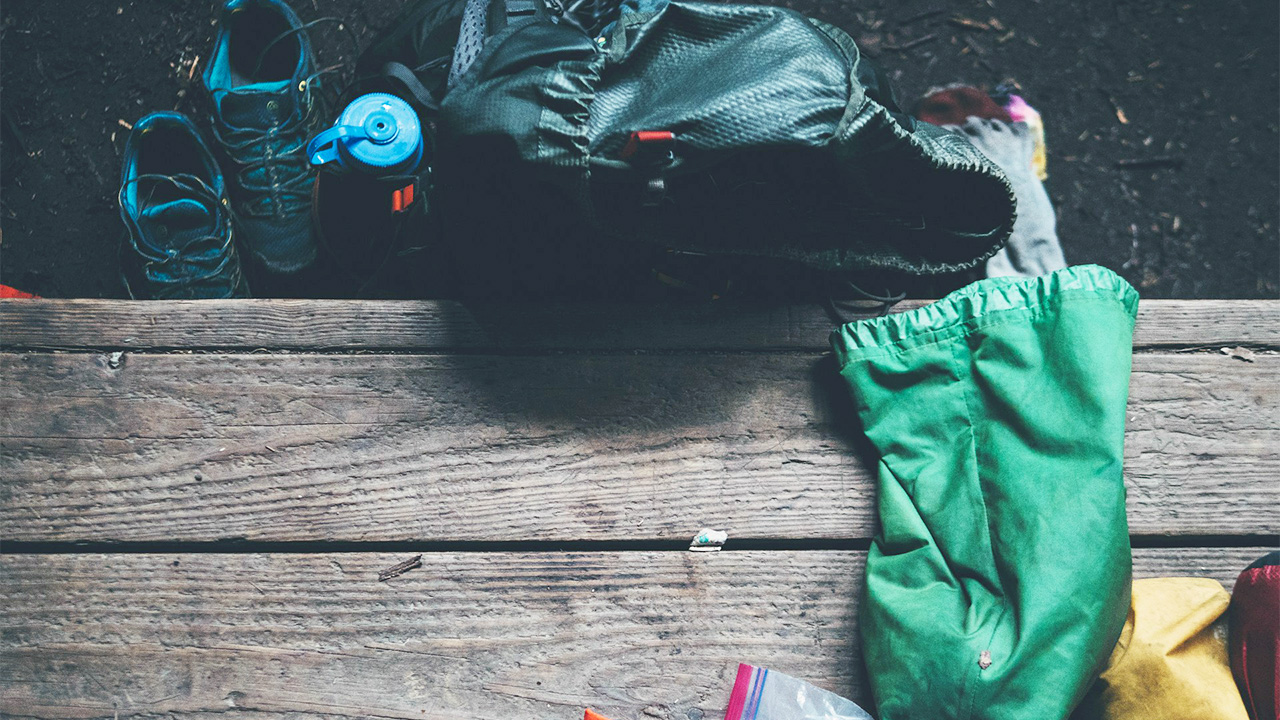
Most camps have one guy who leaves a trail of chaos behind him. His gloves are on the tailgate, his knife is on the table, his empty wrapper is near the fire ring, and his jacket is draped across something important. You’d think he’d notice eventually, but somehow every new activity just adds another layer to the mess.
The problem isn’t just the clutter. It’s the way it spreads work to everyone else. Somebody has to move his gear to get to the stove. Somebody has to pick up the trash before animals do. Somebody has to stack things so the place stays usable. A little mess happens anywhere people are living outdoors, but when one person keeps making the same mess over and over, the camp starts feeling less like a team effort and more like babysitting.
Every Decision Turns Into a Group Debate

In a smooth hunting camp, most decisions happen quickly. What time are we eating? Who’s taking the truck in the morning? Where should the extra wood go? Somebody makes a reasonable call and everyone moves on. But sometimes a camp falls into the trap where every tiny choice becomes a full-blown discussion.
Now you’ve got five guys standing around debating supper timing like it’s a town council meeting. Somebody wants to change the plan, somebody else disagrees, and ten minutes later nothing has actually happened. The fire’s still low, the food’s still raw, and the daylight’s getting shorter while the conversation keeps spinning. When camp starts operating like a committee instead of a crew, it begins to feel suspiciously like recess with folding chairs.
Half the Camp Is Waiting To Be Told What To Do

One of the quickest ways a hunting camp starts feeling childish is when half the group acts like they’re waiting for instructions. The wood pile’s low, the water jug’s empty, and the fire’s about to fade, but several grown men are just sitting there like they’re waiting for the teacher to assign chores.
Experienced hunters usually don’t need a list to stay useful. They look around, see what’s needed, and handle it before anyone asks. That simple habit keeps a camp moving smoothly. When nobody does that, though, the place stalls. Now one person is doing three jobs while the rest watch, and the whole setup starts feeling less like a group of capable adults and more like a classroom waiting for directions.
Someone Starts “Relaxing” Before Camp Is Ready
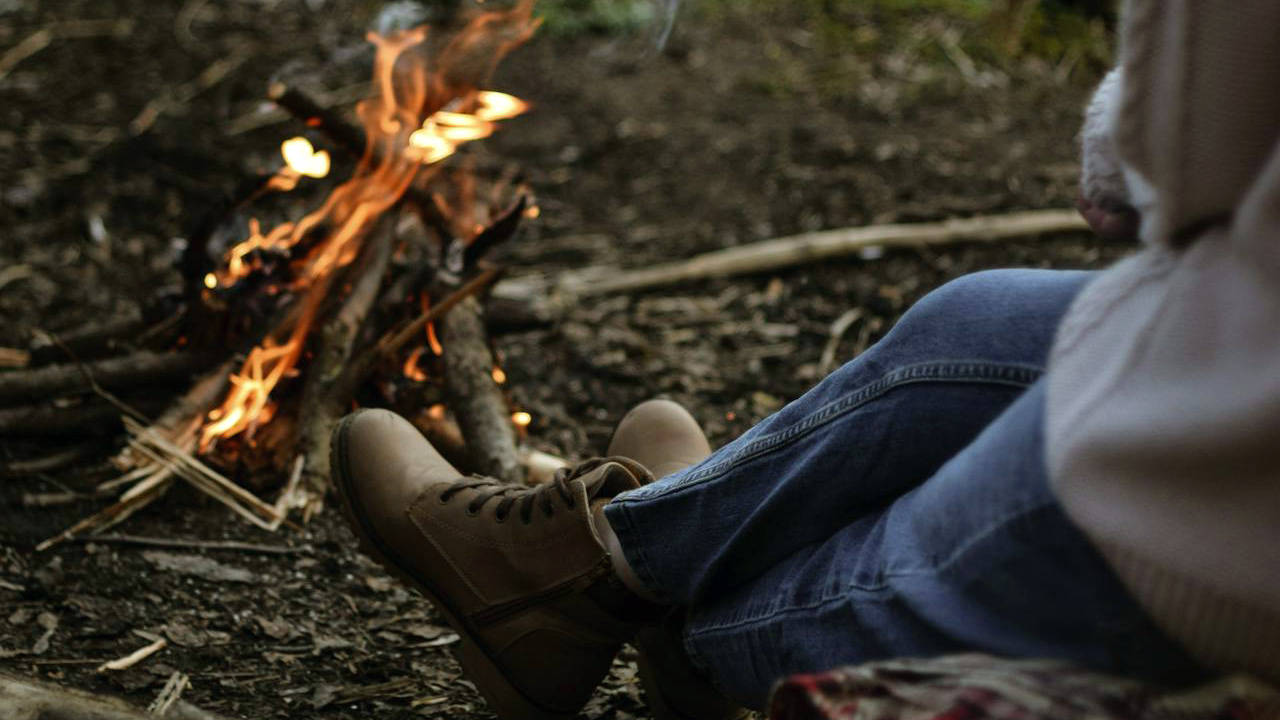
Relaxing is part of the point of hunting camp, but timing matters. When the fire’s going, the gear’s sorted, the food’s handled, and tomorrow’s plans are set, then it’s time to lean back and enjoy it. Trouble starts when someone clocks out early while the work part of camp is still happening.
You’ll see it when a guy plants himself in a chair with a drink while everyone else is still hauling wood or sorting equipment. He’s not technically doing anything wrong, but he’s also not helping the camp get to the point where relaxing actually makes sense. That imbalance spreads quickly. If one person checks out early, others start doing the same, and pretty soon the camp has a lot of sitting and not much progress.
People Treat the Fire Like It Runs Itself

A good campfire takes attention. Wood needs to be stacked, added at the right time, and arranged so it burns clean instead of collapsing into a smoky mess. But every once in a while you end up in a camp where everybody assumes someone else is watching it. Now the fire dies down, somebody throws on a giant log that smothers it, and suddenly the place smells like a wet campfire and disappointment.
It’s a small responsibility, but it’s also one of those little jobs that keeps camp running smoothly. When nobody pays attention to it, the fire swings between roaring and dead all evening. That kind of sloppy rhythm is another sign the camp isn’t running on shared effort anymore.
Nobody Knows the Plan for Morning

One of the best parts of hunting camp is waking up with a clear plan. Who’s going where, what time everyone’s moving, which vehicle is taking which group. That kind of clarity keeps mornings from turning into chaos in the dark. But some camps drift through the evening without ever sorting those details out.
Then morning arrives and everybody’s fumbling around asking the same questions. Who took the keys? Who’s riding with who? Where are we even heading first? Instead of moving smoothly into the hunt, the camp spends its first hour untangling confusion that could’ve been handled the night before. When grown men can’t get organized before bed, the whole place starts feeling less like a hunting crew and more like a group project that nobody finished.
Someone Keeps Treating It Like a Competition

Every once in a while a guy shows up who treats hunting camp like it’s a scoreboard. Who walked farther, who saw more animals, who brought the most gear, who stayed up the latest. Instead of enjoying the trip, he’s constantly trying to one-up everyone around him.
That kind of energy shifts the mood fast. Hunting camps usually work best when everyone’s relaxed enough to swap stories, laugh at mistakes, and let the trip unfold naturally. The guy who keeps turning everything into a contest brings a strange kind of tension with him. Before long the place starts feeling less like a shared camp and more like a playground argument with better boots.
Gear Starts Migrating Everywhere
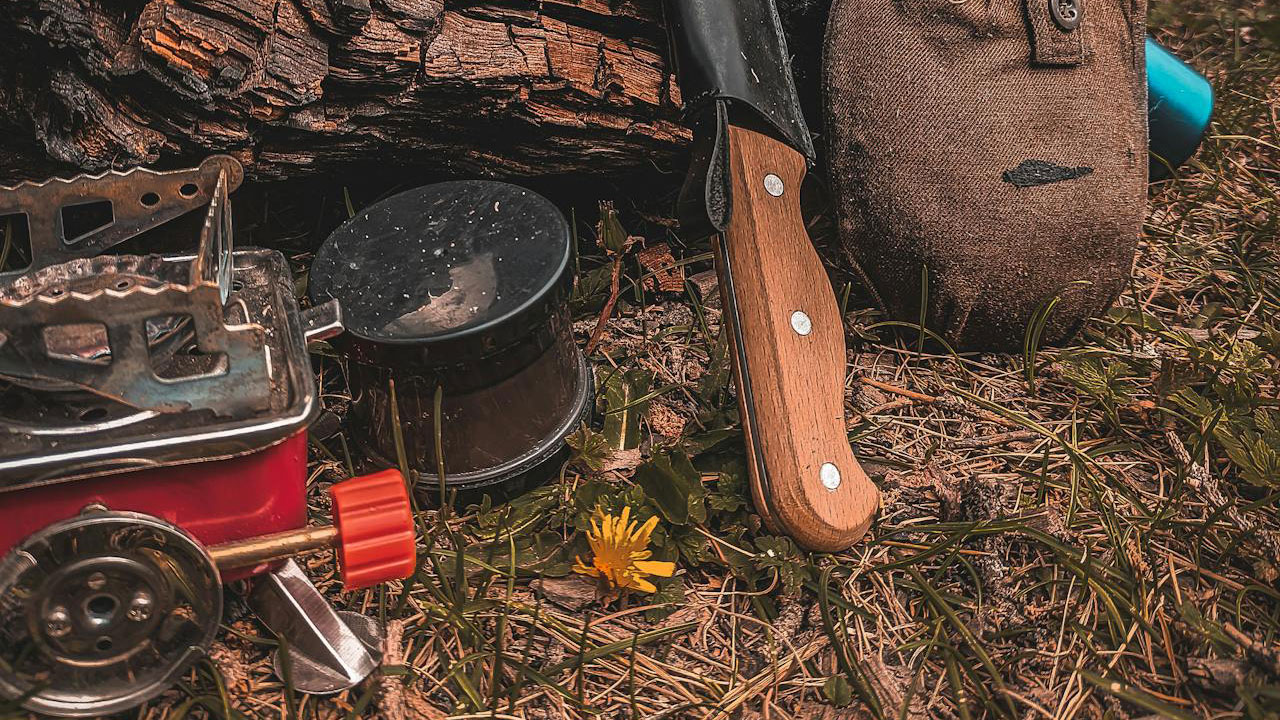
Another daycare-style habit is when gear begins wandering around camp with no clear home. Someone leaves a headlamp by the fire. Someone else drops gloves near the truck. A jacket ends up on the cooking table and a knife disappears into a random bag. The longer the trip goes, the more items seem to drift away from where they belong.
The result is a camp where people spend half their time looking for things. Flashlights are missing when dark arrives. Tools vanish when something needs fixing. Someone’s always asking, “Has anyone seen my…?” A little disorganization is normal outdoors, but when gear starts migrating like wildlife, it’s a good sign the camp has lost its structure.
The Loudest Guy Isn’t Doing Much Work
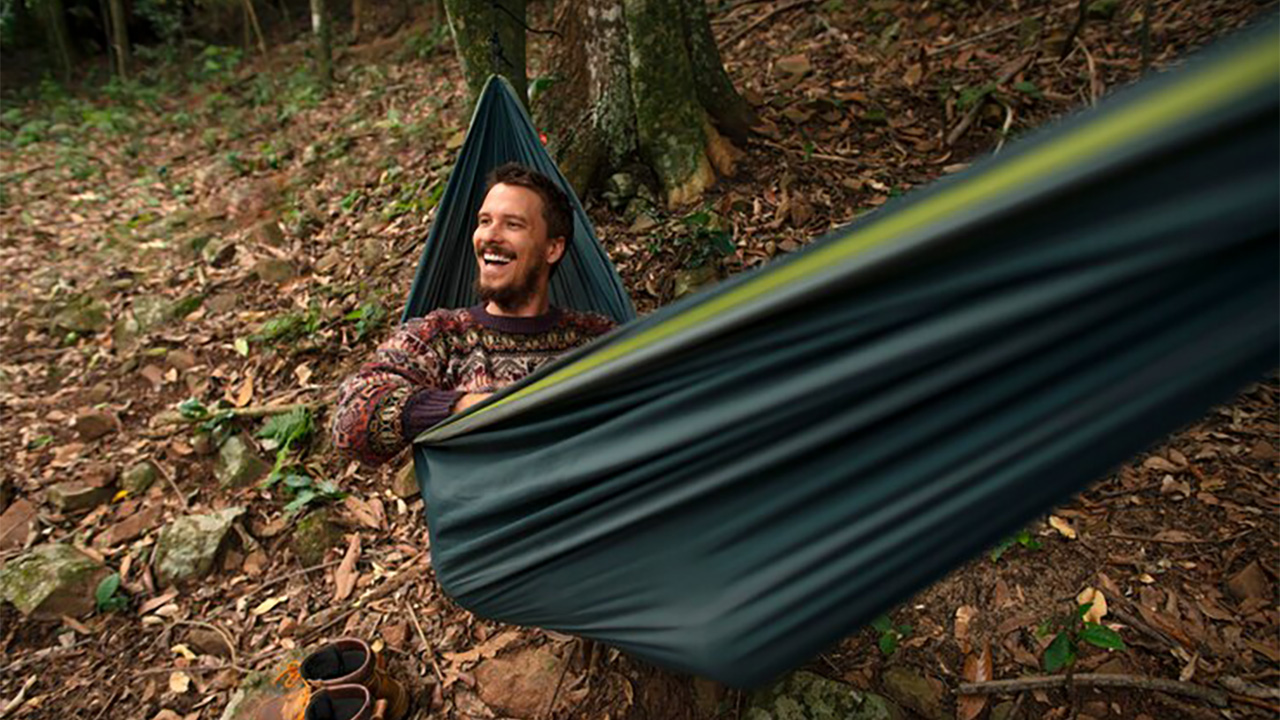
There’s always a moment when you realize the guy talking the most is contributing the least. He’s full of opinions about how things should be done, how he would handle the hunt tomorrow, or what someone else should’ve done differently. But when there’s wood to cut, water to haul, or camp to straighten up, he’s suddenly nowhere near the work.
That kind of imbalance changes the tone of a camp quickly. The more someone talks without helping, the more everyone else notices. It doesn’t take long before the camp starts feeling less like a team and more like a few capable people dragging along someone who’s mostly there for commentary.
Someone Treats Every Small Problem Like a Crisis
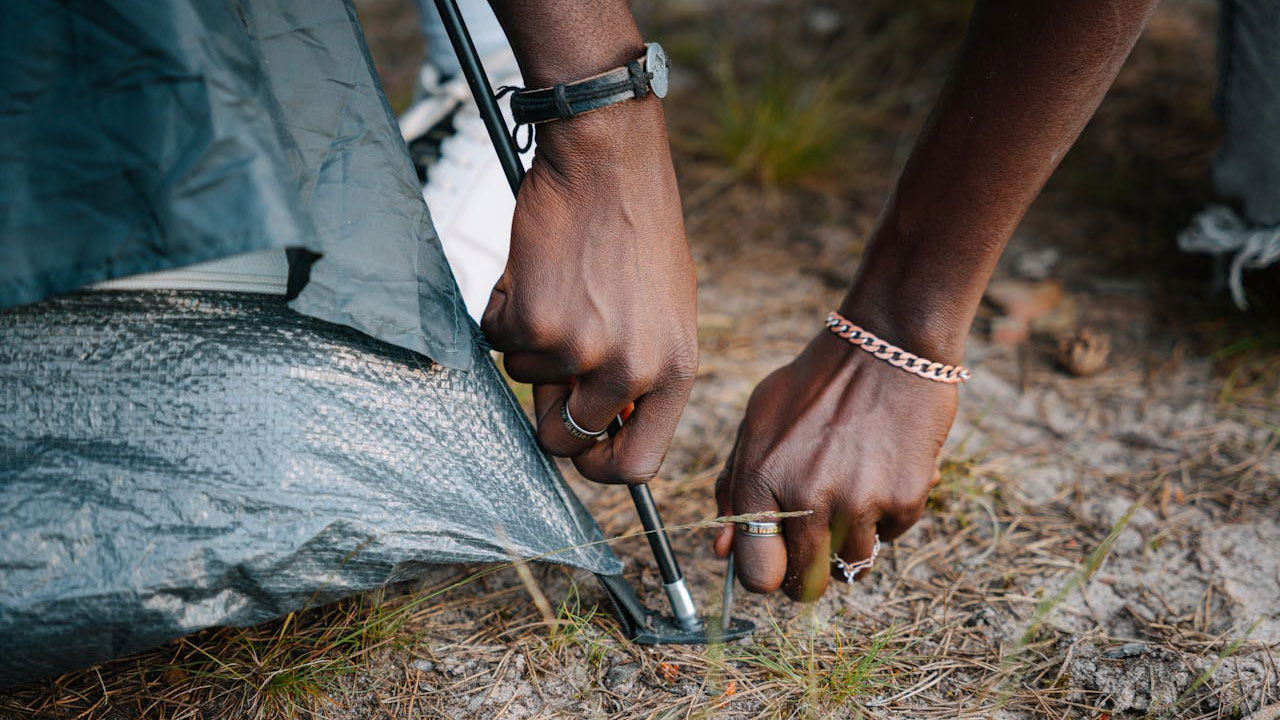
A loose strap, a missing lighter, a small spill—these things happen constantly at camp. Most people shrug, fix the issue, and move on. But occasionally you get someone who reacts to every small inconvenience like the trip is about to collapse.
Now a minor hiccup turns into a full discussion about what went wrong. Time gets burned on frustration instead of solutions, and the mood dips over something that should’ve taken thirty seconds to handle. That reaction spreads stress through the camp for no real reason, which is another way the atmosphere starts drifting toward babysitting mode.
Nobody Cleans Up Until It’s a Disaster
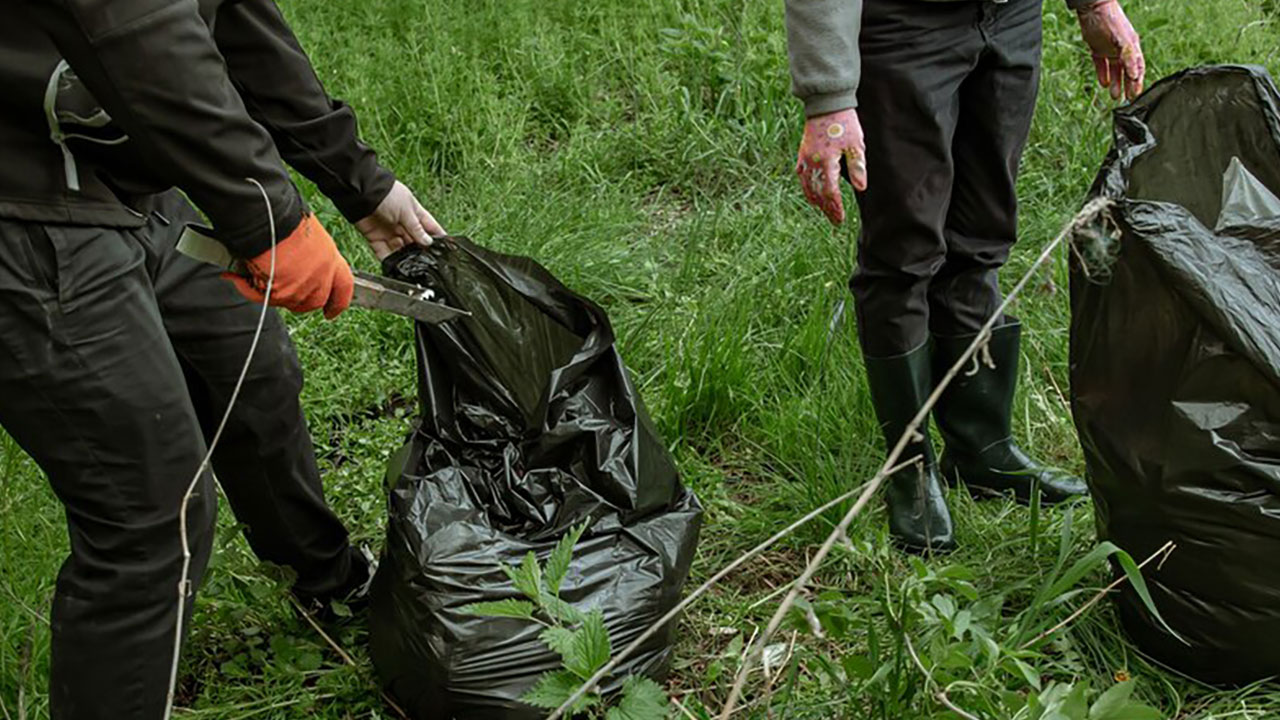
The last sign a hunting camp has turned into a daycare is when cleanup doesn’t happen until things are already out of control. Trash piles up, dishes stack up, gear spreads out, and the whole place slowly becomes harder to move around in.
Good camps handle small messes as they happen. A wrapper goes in the trash. A pan gets rinsed right after supper. Gear gets put back where it belongs. Those tiny habits keep the place livable without much effort. When nobody bothers with them, the cleanup eventually becomes a giant chore nobody wants. And at that point, the camp feels a lot less like a group of seasoned hunters and a lot more like a cabin full of unsupervised kids.
Like The Avid Outdoorsman’s content? Subscribe to our newsletter so you never miss an article.
Here’s more from us:


