Photo credit: 704 TACTICAL/YouTube
A lot of guns sat on racks for years looking like nothing special. They were working guns, police trade-ins, pawn shop regulars, or old models nobody bragged about until supply dried up, collectors woke up, or a new wave of shooters realized what they were missing. Then the prices changed fast. If you were around long enough, you saw it happen in real time. A rifle or pistol that once felt common suddenly became something people hunted for, talked up, and paid far more to own.
That shift usually happens for the same reasons. A model gets discontinued, quality in newer production changes, military or law-enforcement history starts to matter more, or the market finally notices that an older gun was built better than people gave it credit for. When that happens, ordinary becomes scarce, and scarce gets expensive. These are the guns that taught a lot of shooters the hard way that “nothing special” can turn into “wish I had bought two.”
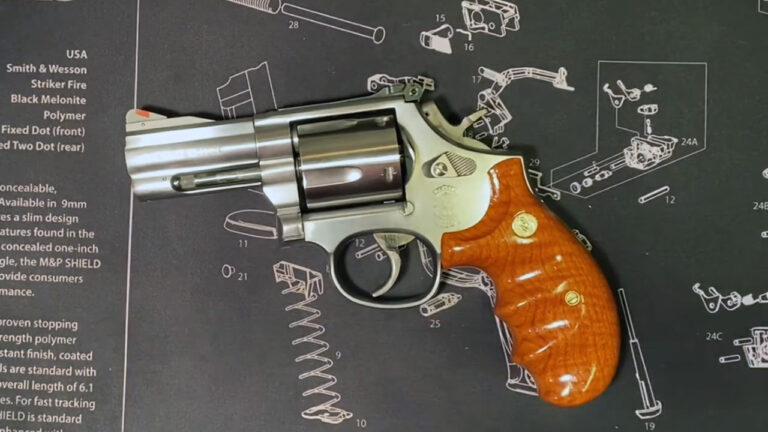
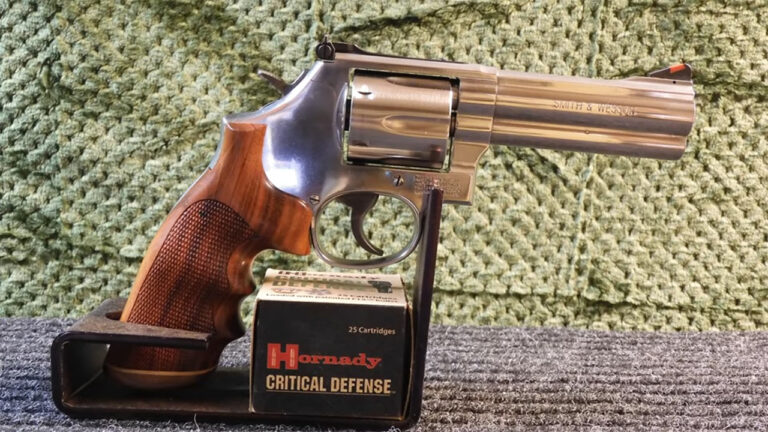
Smith & Wesson Model 10

For years, the Smith & Wesson Model 10 was the revolver you saw everywhere and barely noticed. Police departments used them, gun shops stacked them, and old-timers treated them like background furniture. Because so many were made, people assumed they would always be cheap. That made them easy to overlook, especially when semi-autos took over and wheelguns started feeling old-fashioned to younger buyers.
Then the market started paying closer attention. Clean examples with solid timing, nice bores, and original grips stopped being throwaway buys and started getting picked over fast. People remembered how well they shoot, how naturally they point, and how much real history they carry. Once supply of nicer trade-ins thinned out, prices climbed. A revolver many folks once passed by without a second look became one of those guns you now regret leaving on the shelf.
Ruger P89

The Ruger P89 spent years being called bulky, plain, and harder on the eyes than most pistols around it. It was never the cool gun in the display case. It was the one people bought because it worked, not because it impressed anybody. Back when polymer carry guns took over, plenty of shooters treated the P89 like an outdated brick and traded them off without much thought.
That attitude helped keep prices low for a long time. Then people started recognizing what they had ignored: these pistols were durable, dependable, and built to take abuse. As more used examples got worn out, modified badly, or simply disappeared into nightstands and truck consoles, clean originals got harder to find. That changed the conversation. The P89 is still not flashy, but the days of finding one for next to nothing are mostly gone, and that catches a lot of people off guard.
Winchester Model 94

There was a time when the Winchester Model 94 felt so common that many shooters treated it like an heirloom everybody already had. It was the lever gun behind the kitchen door, in the closet at deer camp, or tucked into a truck rack. Because it had been around forever, people assumed there would always be another one. Standard post-64 rifles especially were often dismissed as too ordinary to ever become expensive.
That thinking did not age well. Lever guns surged back into demand, hunting nostalgia got stronger, and buyers started chasing older Winchesters with fresh eyes. Even the rifles that used to sit untouched at local shows began moving quickly once people realized production changes, condition, and manufacturing era all mattered. Pre-64 examples jumped harder, but ordinary-seeming 94s rose too. What used to be a basic deer rifle you could stumble across almost anywhere now makes plenty of buyers wince when they see the price tag.
Remington 870 Wingmaster

The Remington 870 Wingmaster used to be the shotgun people took for granted because it seemed like everyone owned one. It was dependable, smooth, and everywhere. Since the 870 name had such broad reach, many buyers never stopped to think that older Wingmasters were not always going to sit in the same price range as rough field guns or later budget-minded variants. They felt permanent, and permanent usually feels cheap until it isn’t.
Once newer production quality became a bigger talking point, older Wingmasters started getting a lot more respect. Shooters who knew the difference began hunting for polished blue finishes, walnut stocks, and slick actions from earlier runs. That pushed clean examples upward while beat-up guns kept disappearing into hunting use. What was once viewed as a regular old pump started getting treated like a better-built piece from a different era. That is when ordinary turned into sought-after, and the price gap got real.
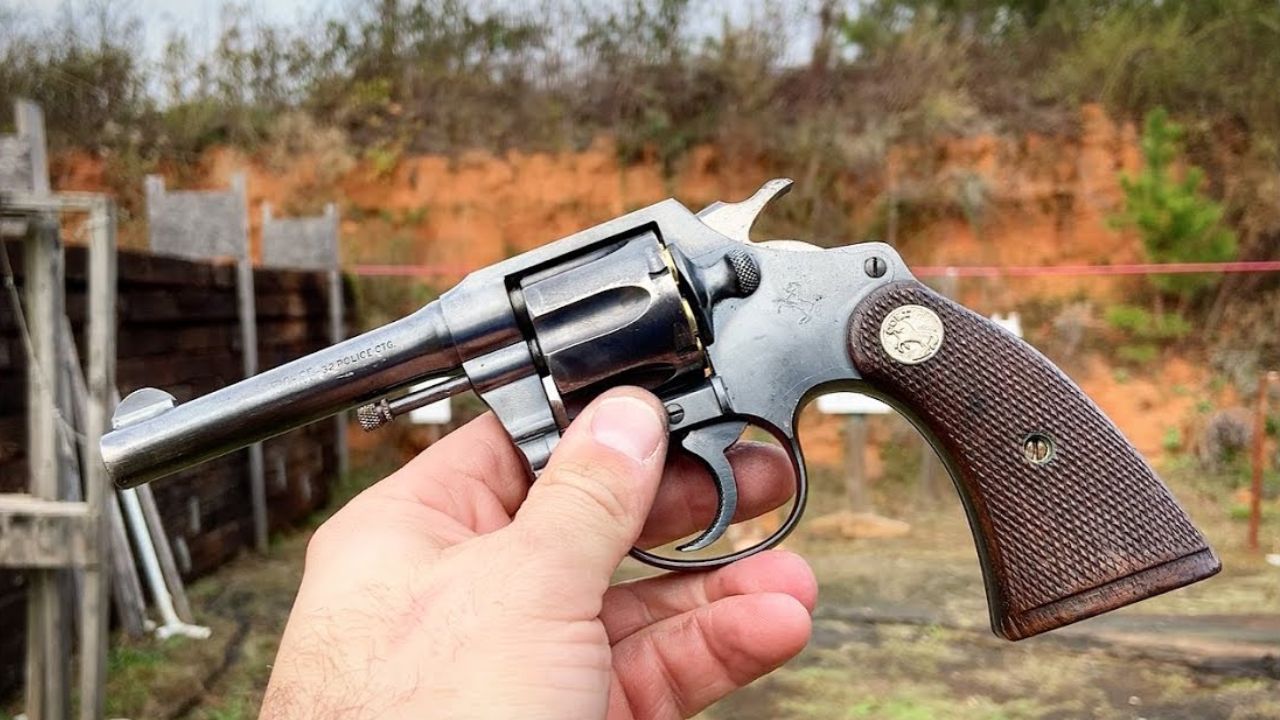
Colt Police Positive
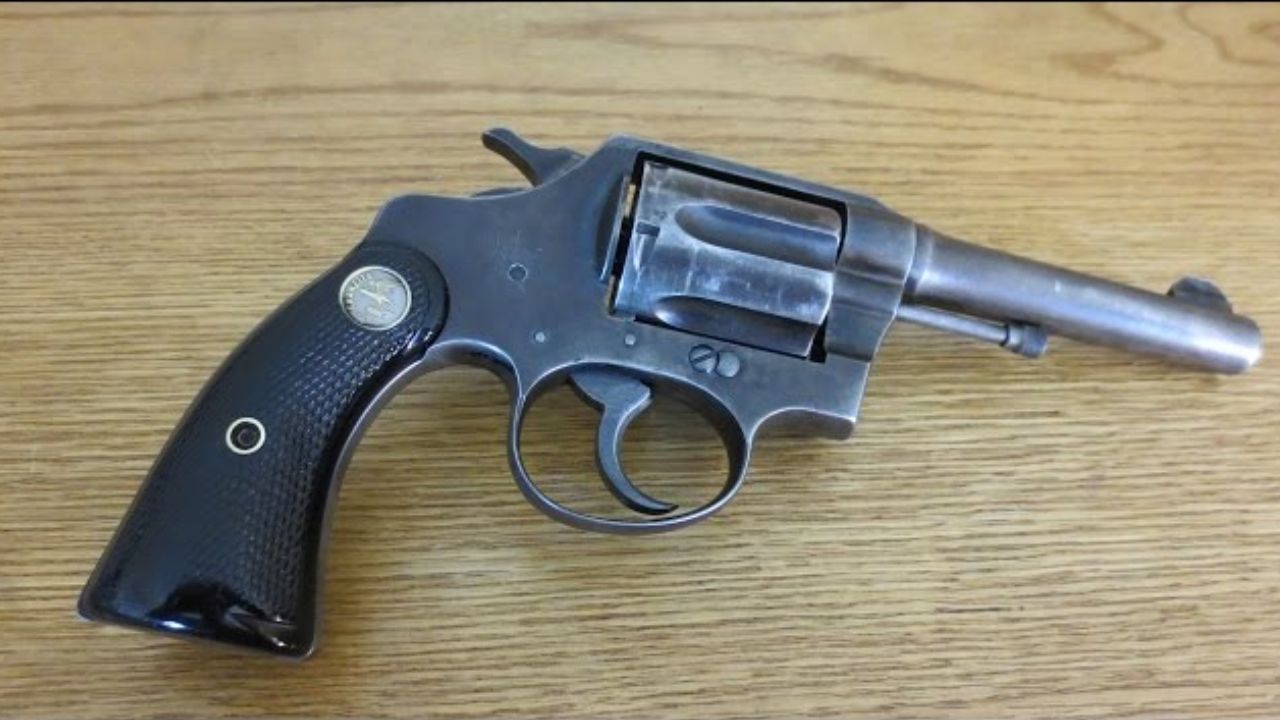
The Colt Police Positive was never the revolver that got all the attention, and that kept it underpriced for a long time. It sat in the shadow of flashier Colts and more talked-about Smith & Wessons, often treated as a modest old service revolver with little collector excitement behind it. You could find them in estate sales and small shops without much competition if the timing was decent and the finish was honest.
That changed once more buyers started looking past name recognition alone and paying attention to fit, history, and old Colt craftsmanship. These revolvers represent a period when even practical sidearms had a level of polish you do not see much anymore. As cleaner examples became harder to source, the market reacted. They still do not always get the same attention as bigger-name Colts, but the easy-buy days are long gone. A revolver once treated like a second-tier old cop gun now costs enough to make people think twice.
SKS

For a long stretch, the SKS was the classic “cheap surplus rifle” that nobody expected to become expensive. You could buy one because it was affordable, rugged, and fun, not because anybody thought it had collector legs. Many shooters saw it as the rifle you bought when you could not afford something else. Crates came in, prices stayed low, and the idea that they would ever become pricey seemed almost laughable.
Then surplus imports slowed, condition started mattering more, and the supply of unmolested rifles dried up. Suddenly, matching numbers, original stocks, and rifles that had not been turned into bad hobby projects became much harder to find. Once that happened, prices moved fast. A lot of people who once passed on an SKS because they looked too common learned the same lesson many surplus buyers do: common does not stay common forever. Now a clean original SKS carries far more weight in the market than it used to.
Browning Hi-Power

For years, the Browning Hi-Power lived in a strange space where it was respected but still not always expensive enough to scare buyers off. It was admired by serious shooters, but a lot of average buyers still walked past it for newer striker-fired pistols, cheaper surplus options, or 1911s that got more attention. That made the Hi-Power feel more available than it really was, especially when surplus and used commercial guns still circulated steadily.
Then interest caught up with reality. Production changes, the end of the original FN-made line, and growing appreciation for steel-frame service pistols helped push values higher. Shooters who once thought they could grab one anytime began realizing the nicer examples were drying up. Original finish, strong internals, and clean sights started mattering more, and the market responded. What used to feel like a classic you could get around to someday turned into a pistol many buyers wish they had grabbed before the prices climbed out of reach.
Marlin 336

The Marlin 336 was long treated as the regular guy’s lever-action deer rifle. It was practical, common, and often priced lower than the Winchester rifles that grabbed more of the collector talk. That kept people from thinking too hard about them. They bought one to hunt with, not to lock away. For a long time, that made the 336 feel like the safe bet that would always stay obtainable.
Then lever-action demand shot upward, and the 336 stopped being a casual pickup. Older North Haven-made rifles got more attention, especially from buyers who cared about fit, finish, and smoother overall quality. As production interruptions and brand-transition issues affected the market, older rifles gained even more appeal. Suddenly, the same rifle that used to sit at ordinary hunting-gun prices started moving into territory that surprised a lot of longtime shooters. If you remember when a clean 336 was easy money, today’s prices are a pretty sharp reminder that familiarity never guarantees affordability.
Colt Detective Special

The Colt Detective Special used to be one of those snub-nose revolvers people respected without treating like treasure. It had real carry history, solid handling, and classic Colt appeal, but for a long time it still felt accessible. A lot of them were carried hard, refinished, or simply worn down by years of use, and because snub revolvers were seen as practical tools, many buyers did not treat them like future collector pieces.
That changed once older carry revolvers started drawing a stronger crowd. People began chasing original condition, better lockup, and cleaner pre-late-production examples. At the same time, fewer truly nice guns remained in circulation. That combination moved prices higher fast. The Detective Special now sits in a very different place than it once did. What used to be a believable “maybe next time” buy at a local show has become a revolver that often gets picked up early, priced hard, and missed by buyers who waited too long.
Remington 700 BDL
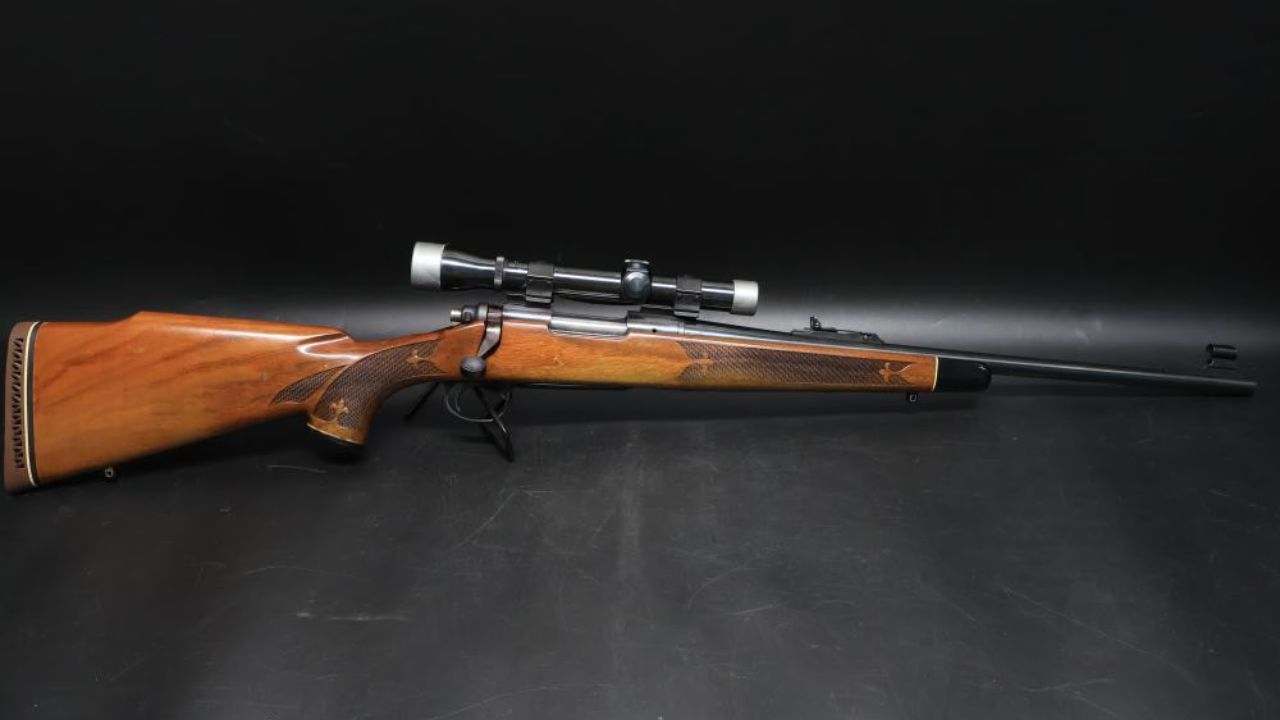
The Remington 700 BDL was once such a standard hunting rifle that many shooters never thought of it as special. It was a familiar sight in camp, in gun cabinets, and on store racks. Because the 700 platform was everywhere, older BDL rifles often got lumped in with the broader model line and overlooked as ordinary bolt guns. They were admired, sure, but not always treated like rifles you needed to buy before the market changed.
Then buyers started separating older production rifles from later eras more carefully. Better wood, stronger finishing, and the overall feel of older BDLs became more appreciated once newer rifles across the market leaned harder into cost-cutting. Clean rifles in common hunting calibers stayed desirable, and well-kept examples became less common than people assumed. That pushed prices up in a steady way. What used to be a normal “dad’s deer rifle” kind of gun now carries enough market weight that a nice BDL can surprise you fast.
Smith & Wesson 5906
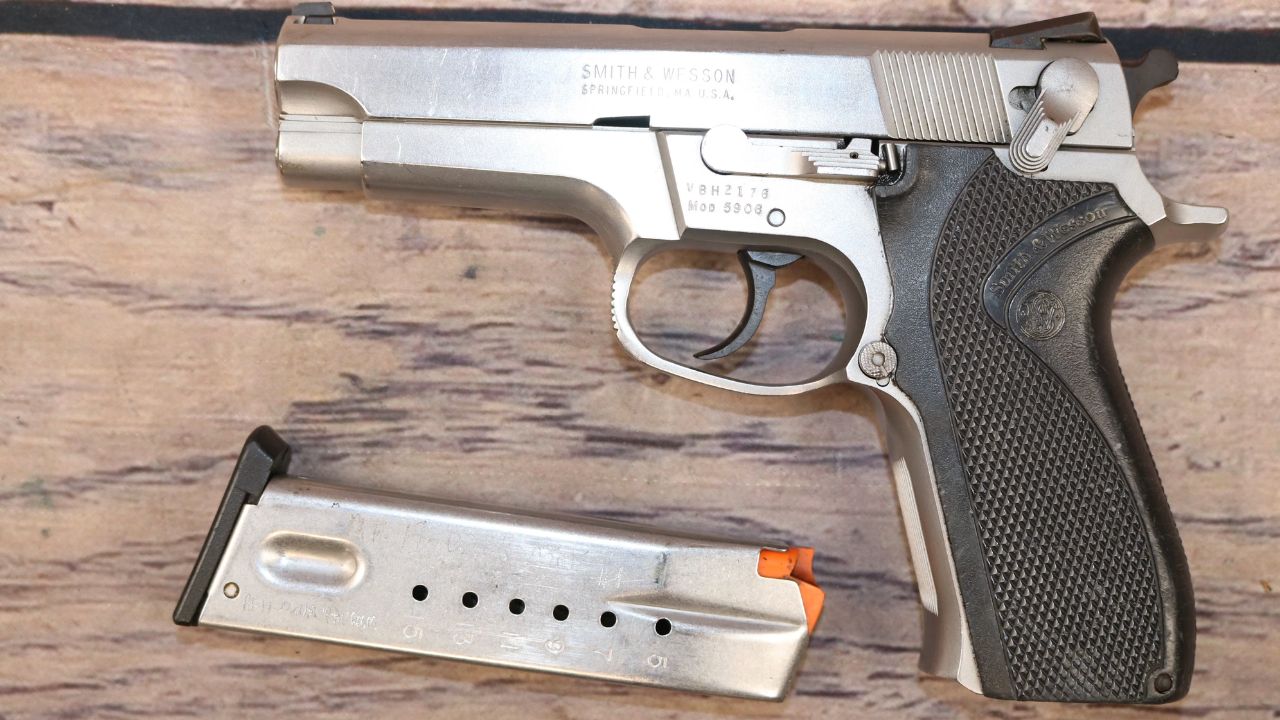
The Smith & Wesson 5906 used to sit in that overlooked zone where police trade-ins and older service pistols lived for years. It was reliable, heavy, and built like a tank, but it did not fit the lightweight carry trend, and that kept prices soft. A lot of shooters respected it without actually chasing it. It often felt like the kind of pistol you could always circle back to later when you felt like buying an old-school double-stack.
That window closed once metal-frame duty pistols started getting appreciated again. Buyers rediscovered how durable the 5906 is, how well it shoots, and how much quality there is in a gun built for long service life. Police trade-ins helped keep prices grounded for a while, but clean, less-abused examples did not stay cheap forever. Once the better guns got sorted out from the rough ones, the market shifted. A pistol many people once treated as yesterday’s duty gun now pulls stronger money than plenty of shooters expected.
Ruger Mini-14

For a long time, the Ruger Mini-14 was seen as the ranch rifle you bought because it was handy and familiar, not because it was collectible. It had a loyal following, but many shooters treated it as a practical utility gun rather than something that would ever see major price movement. Older Minis changed hands in pretty ordinary fashion, and buyers often assumed there would always be another one available if they wanted one later.
That outlook changed as demand rose, certain configurations got harder to find, and broader rifle market pressure pushed buyers toward anything reliable and recognizable. Older examples with clean wood stocks, factory features, and honest condition started drawing stronger interest than many expected. The Mini also benefited from being a rifle people already trusted, which matters when buyers get nervous about availability. Once more shooters started trying to buy instead of browse, prices moved up. What felt like an everyday working rifle began carrying a much less everyday price.
Colt Woodsman

The Colt Woodsman was often overlooked because .22 pistols rarely get treated with the same urgency as centerfire classics. For years, many buyers saw it as a nice old rimfire, but not one they needed to rush out and buy. It had strong craftsmanship and a loyal following, yet it still lived in that quiet category where people assumed values would stay modest because it was “only” a .22.
That kind of thinking usually ignores how collectors really work. Once more shooters handled a Woodsman and saw the machining, balance, and old-school feel, demand started to rise. Cleaner examples became harder to find, especially ones that had not been heavily worn, altered, or separated from original parts. As that supply tightened, prices went with it. A pistol many people once shrugged off as a pleasant range gun turned into a much more serious purchase. If you slept on the Woodsman years ago, you are not alone.
Winchester Model 12

The Winchester Model 12 spent years as a respected shotgun that still felt widely available enough to keep from getting crazy expensive in average condition. It was admired, but because so many had been in circulation for decades, many buyers treated them as old field guns rather than something to chase. Unless one had special features or exceptional condition, it was easy for people to assume another one would always turn up.
Then the better examples started drying up. Stocks got cut, finishes got worn thin, and the clean, original guns became much harder to find than the market once assumed. At the same time, people remembered how smooth a good Model 12 feels when compared to many later pumps. That drove interest higher, especially among buyers who value older machining and fit. What once looked like a familiar old shotgun now often sells at a level that reminds you how expensive “common” gets when the good ones stop being common.
German P38

For years, the German P38 was often overshadowed by the Luger in collector conversations, and that kept many shooters from treating it like a rising-value pistol. It had historical importance, but a lot of buyers saw it as the more obtainable wartime sidearm. That perception made it feel safer to postpone. Plenty of people figured they could always grab one later if they decided they wanted a World War II German handgun.
That was a costly assumption. As military collectors pushed deeper into original-condition sidearms, the P38 gained ground fast. Matching parts, correct markings, and solid wartime examples became much more important, and much harder to find. Once the better pistols started getting tucked into collections, the easier buys faded. The P38 still may not draw the same instant reaction as a Luger, but it no longer lives in that “I’ll pick one up someday” price bracket. It is another example of an ordinary-looking opportunity that disappeared while people were waiting.
Mossberg 500 ATP

The Mossberg 500 ATP used to be the kind of shotgun many buyers ignored because it looked like a plain service pump without much romance behind it. It was practical, dependable, and tied to law-enforcement use, but for years that was not enough to make people treat it like something worth chasing. Most shooters looking at used pumps focused on getting a functional gun at a low price, and the ATP was often lumped into that same working-gun pile.
That changed once older defensive shotguns started getting more serious attention. Buyers began looking for agency-marked guns, cleaner factory configurations, and examples that had not been hacked up with aftermarket parts. As that pool shrank, values rose. The ATP suddenly made more sense to collectors and defensive-shotgun fans who wanted a real piece of service-gun history. What had once been an ordinary used pump became a shotgun people started hunting down on purpose, and the price followed right behind that shift.
Like The Avid Outdoorsman’s content? Subscribe to our newsletter so you never miss an article.
Here’s more from us: